Author name: Saskia Clarke

Beauty Articles

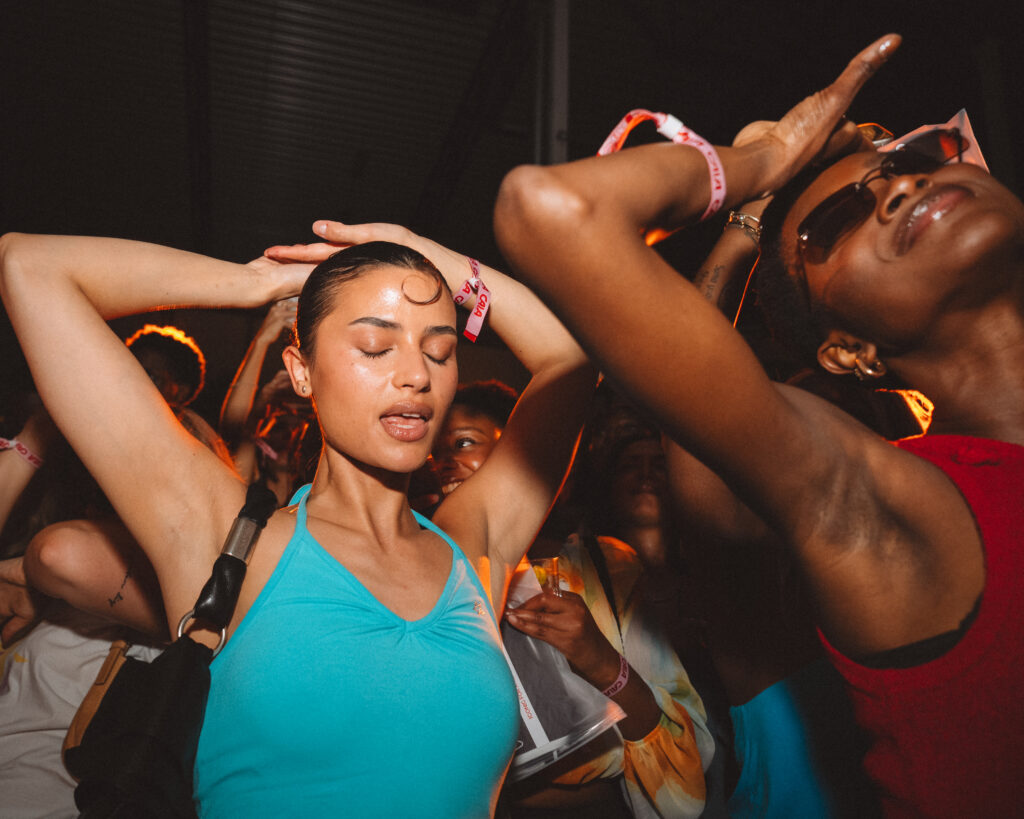
It’s Going to Be a Hot Hot Summer — And CAIA Is Bringing the Glow

It’s Going to Be a Hot Hot Summer — And CAIA Is Bringing the Glow Every summer has its own mood.   This one feels sun-soaked, carefree, and filled with the kind of spontaneity that makes the best memories.   On June 11, as Europe settles into rooftop evenings, beach escapes, and long golden nights, CAIA unveils Hot Summer, a limited-edition collection that captures the feeling we spend the rest of the year chasing.   Not perfection. Not polish. A memory.   The kind of summer that lives somewhere between nostalgia and fantasy. The soundtrack is Aserejé better known as The Ketchup Song. The air smells of sunscreen and saltwater. Plans are made in the moment, beauty routines happen in taxi mirrors, and every sunset feels like the beginning of something.   With Hot Summer, CAIA taps into an unmistakably European mood. Inspired by the carefree energy of early-2000s Mediterranean holidays, the campaign celebrates a time when days felt endless, beauty was effortless, and the biggest decision was whether to stay for one more drink by the beach or head off to a villa party.   Which is exactly why the collection feels so timely. Beauty is moving towards ease, glow, and skin-first confidence. CAIA’s latest launch is an ode to uncomplicated radiance. At the heart of the collection are two limited-edition essentials designed to move with the season: the new Sun Glaze Drops Bronzing Gel, delivering natural sun-kissed warmth without shimmer or heaviness, and the Sun Filter Duo Palette, a marble-effect compact that recreates the flush and luminosity usually reserved for the final days of a holiday.   These are products made for real summer moments. Smoothed on before rushing out the door. Touched up between the beach and dinner. Tossed into an oversized tote and carried from city weekends to island escapes.   Because the best summer beauty is never overthought.   It’s lived in.   More than a collection, Hot Summer feels like an invitation. To say yes to last-minute plans. To chase sunsets. To stay out longer than intended. To embrace spontaneity. And, of course, to glow a little more. image courtesy CAIA Arriving on June 11, just as the summer social calendar begins in earnest, Hot Summer lands as both a beauty collection and a state of mind. A reminder that the most memorable summers are rarely the perfect ones.   They are the ones where you lose track of time, follow the moment, and let yourself enjoy it.   And if this season is set to be a hot one, CAIA may have just delivered its official beauty uniform.

Culinary

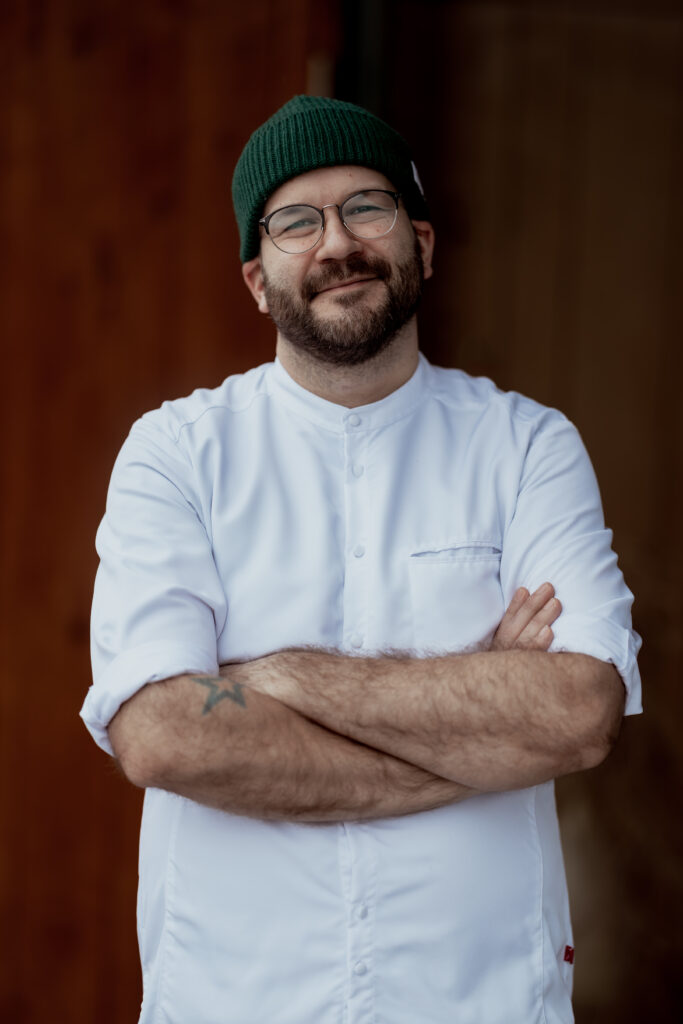
Interview with Bernt Sætre, Executive Chef at Under (Lindesnes, Norway)

Interview with Bernt Sætre, Executive Chef at Under (Lindesnes, Norway) image courtesy Iselinn Andersen Five and a half meters below the North Sea, Under has reopened with a steadier pulse and a sharper purpose. Executive Chef Bernt Sætre is not rewriting the restaurant’s identity so much as deepening its conversation with the water pressing against its panoramic window. Here, the ocean is not scenery but coauthor, its blue green light, shifting moods, and seasonal whims shaping a Michelin tight menu built on nature’s terms. Sustainability extends off the plate and into the kitchen’s invisible architecture, with fair pay, humane hours, and a culture that holds people and place with equal care. Guided by on‑site biologists and the live storyboard of the seafloor, Sætre and his team translate algae blooms, storm surges, and sudden stillness into dishes that are restrained, precise, and quietly radical. The result is a dining room that listens first and cooks second, where guests taste the coastline as it is today and, with luck, as it might endure tomorrow. image courtesy Iselinn Andersen Jahwanna Berglund: Under recently re-opened with a brand-new concept under your leadership. How has the transition from the original vision to your current culinary direction changed the way the restaurant “speaks” to the North Sea?   Bernt Sætre: At this point, as Head Chef, I’m focused on looking forward rather than back. What matters most is that the new team has put our own mark on the concept. Under has always had a strong identity, and now we are guiding how it evolves in our expression, our storytelling, and how we work with ingredients from the North Sea.   For us, it’s about building a closer and more honest dialogue with our surroundings. The ocean isn’t just a backdrop, it’s an active part of the experience. We aim to reflect that in everything from the menu to how we share our philosophy.   We’re especially proud to be recognized by the 360 Guide for sustainability. It shows they understand the direction we’re taking and the values behind our work. JB: Cooking 5.5 meters below the surface is a physical and psychological feat. How does the weight of the ocean above you and the specific blue-green light of the depths influence your sensory perception when tasting and developing new dishes?   BS: Cooking 5.5 meters below the surface puts you in a different state of mind. The presence of the ocean brings a calm and clarity that’s hard to find on land.   There’s less noise both physical and mental which allows for deeper focus. The light, the slow movement of the water, and the constant connection to the sea sharpen our senses and bring us closer to the ingredients.     JB: Congratulations on the 2026 Falstaff Sustainability & Innovation Award. Beyond the plate, what is one “invisible” innovation in your kitchen operations that you believe set Under apart for this honor?   BS: Thank you, it means a lot! If I had to name one “invisible” innovation, it’s how we look after our team. For us, sustainability isn’t only about ingredients or what’s on the plate it starts behind the scenes.   We prioritize fair pay, full salaries, and normal, sustainable working hours. That creates stability, motivation, and a stronger sense of ownership. When people are well cared for, they perform better, collaborate better, and stay longer.   JB: You’ve spoken about the sea being the menu. How do you balance the unpredictability of sustainable, local sourcing with the high-precision expectations of a Michelin-starred tasting menu?   BS: It starts with accepting that we work on nature’s terms. The sea decides what’s available, and our job is to adapt, not force it.   That demands a different creative approach. Instead of fixing a menu and sourcing to match it, we build the menu around what nature offers at that moment. It brings limits and possibilities and that tension is where much of the creativity happens. image courtesy Iselinn Andersen image courtesy Iselinn Andersen JB: The building is designed to eventually become an artificial reef. Do you see your kitchen as a guest in this ecosystem, and how does that “guest” mindset guide the ingredients you highlight or avoid?   BS: Very much so. We see ourselves as guests here.   Our time is limited, and that view creates a strong sense of responsibility. We try to meet the ocean and nature in general with respect and humility, aiming to adapt and leave as little impact as possible.   That mindset shapes our ingredient choices. Being a guest means listening, observing, and adjusting. It’s an ongoing process that guides both our philosophy and our daily work.   JB: Under is unique in its dual role as a restaurant and a marine research center. How often do insights from on-site biologists or underwater cameras directly inspire a dish’s narrative or composition?   BS: We’re in active dialogue with specialists, whose insights help us understand what’s happening just outside our windows. Seasonal shifts, algae blooms, and changing visibility all inform the stories we tell. This lets us explain why the ocean looks the way it does at any given moment and why there isn’t always fish in view, even though one regular does visit by the kitchen window in almost any weather.   For us, it’s about building understanding. The more guests learn about the ocean, the more meaningful the experience becomes. JB: Guests are literally surrounded by the ingredients they are eating. How do you use the panoramic window as a “live storyboard” to bridge the wild fauna outside and the refined presentation on the plate?   BS: That’s a key part of how we tell our story. We use the panoramic window in our conversation with guests. What happens outside becomes a natural reference when we present the dishes. It helps bridge the wild and the refined. Guests see the environment the ingredients come from while tasting them in a crafted form on
Fashion Editorial

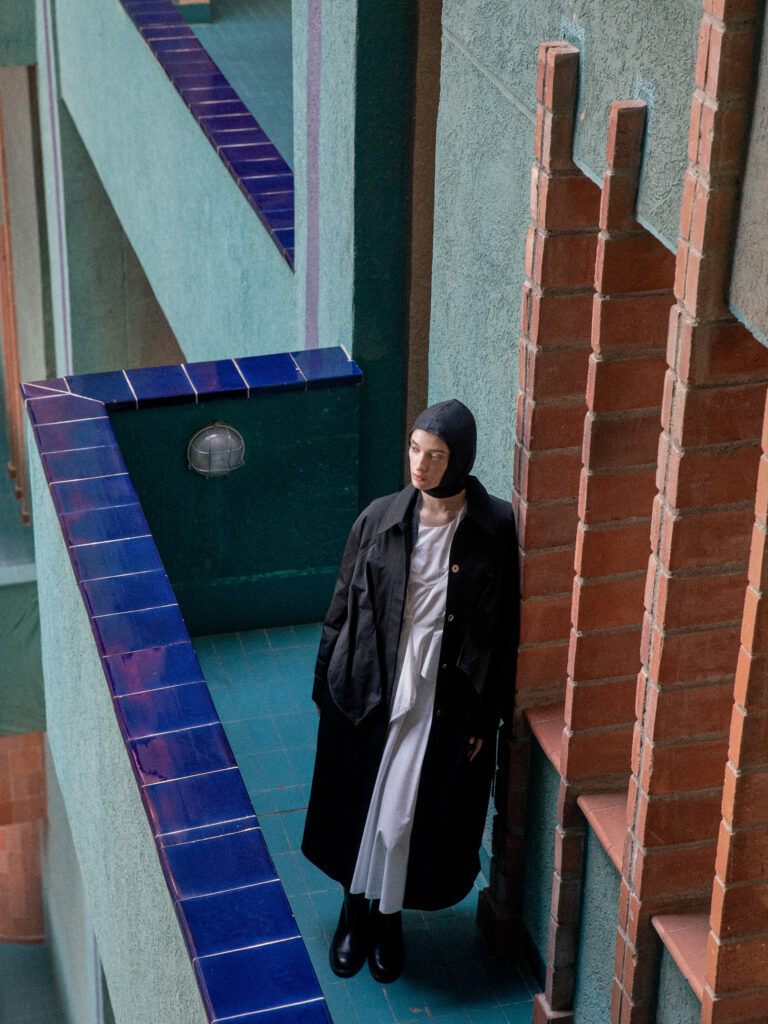
Water with Bejamine Cadette

coat and dress Benjamine Cadette heels ATP Atelier coat and dress Benjamine Cadette headpiece ENNUI Atelier total look Benjamine Cadette flats ATP Atelier total look Benjamine Cadette headpiece ENNUI Atelier boots Morjas total look Benjamine Cadette earrings ENNUI Atelier total look Benjamine Cadette flats ATP Atelier total look Benjamine Cadette total look Benjamine Cadette bag and slippers ATP Atelier
Opiates

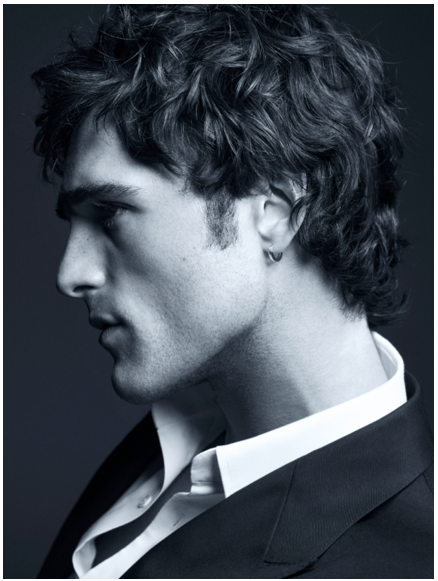
Bleu De Chanel – New Film Campaign X Jacob Elordi

Bleu De Chanel – New Film Campaign X Jacob Elordi CHANEL is pleased to announce the appointment of Jacob Elordi as the new ambassador for BLEU DE CHANEL. More than simply the new face of the fragrance, Jacob Elordi has emerged as one of the most captivating actors of his generation, distinguished by a body of work defined by depth, versatility, and undeniable screen presence. Elordi first gained international recognition for his portrayal of Nate Jacobs in Euphoria, a complex and unsettling performance that established him as a rising talent. He went on to star in Saltburn (2023), directed by Emerald Fennell, before taking on the role of Elvis Presley in Sofia Coppola’s Priscilla. Since then, he has continued to pursue transformative and ambitious projects. He starred in the acclaimed limited series The Narrow Road to the Deep North, directed by Justin Kurzel, and delivered a remarkable performance as the Creature in Guillermo del Toro’s Frankenstein, earning an Academy Award nomination for Best Supporting Actor. He also appears as Heathcliff opposite Margot Robbie in Emerald Fennell’s adaptation of Emily Brontë’s Wuthering Heights. The pair previously shared the screen in See You at 5 (2024), Luca Guadagnino’s romantic short film created for the global campaign of the iconic N°5 fragrance. Today, Jacob Elordi becomes the face of BLEU DE CHANEL. His appointment reflects a contemporary vision of masculinity—instinctive, confident, and authentic—defined by individuality rather than convention. “I had been following Jacob Elordi’s career for several years, beginning with Euphoria. I first met him on the set of See You at 5, the film created for the N°5 campaign in which he stars alongside Margot Robbie, and it was immediately clear that he embodied the spirit of BLEU DE CHANEL. He expresses freedom, mystery, magnetism, and a masculinity that combines modernity with timeless elegance.” — Thomas du Pré de Saint Maur, Head of Global Creative Resources, Fragrance & Beauty, CHANEL “BLEU DE CHANEL has a long and meaningful connection to cinema. The filmmakers and actors who have collaborated with the House before me are artists I deeply admire and respect. To become part of this story is a true honor.” — Jacob Elordi, Ambassador for BLEU DE CHANEL The new BLEU DE CHANEL L’EXCLUSIF campaign starring Jacob Elordi will be unveiled in May 2026.
Art

When Politics Divides, Art Refuses to Stay in Place

When Politics Divides, Art Refuses to Stay in Place text Jahwanna Berglunds   In a world increasingly fractured by war, political polarization, and rigid borders both physical and ideological, it is easy to assume that cultural dialogue is breaking down. Governments clash, narratives harden, and positions calcify into identities. Yet, amidst this discord, art operates on an entirely different plane.    Art moves with a rare fluidity. It traverses boundaries, resists simplistic interpretation, and refuses to be confined to a single perspective. Where political discourse often demands clarity and alignment, art embraces contradiction. It holds tension without needing resolution, offering space for ambiguity in an era that increasingly demands immediate answers.   This became especially clear to me during Stockholm Art Week, not as an abstract idea but as a lived experience. At the Market Art Fair, my attention was drawn less to the explicit “meaning” of each work and more to its “doing.” Across booths and exhibitions, there was a quiet but persistent engagement with global realities: identity, migration, memory, and belonging. These themes were not presented as statements or slogans, but as fragments, gestures, and questions that resisted closure. Perhaps it is in this resistance that genuine cultural dialogue begins – not in agreement, but in proximity.   Cultural exchange, in its most authentic form, is rarely neat or conclusive. It does not culminate in consensus but unfolds in liminal spaces between cultures, interpretations, discomfort, and recognition.   Anders Krisár High Diver, Stockholm Art Week, ODALISQUE  Issue 17  Katherine Bradford Encounter In The Sky, Stockholm Art Week, ODALISQUE Issue 17 This idea gained sharper resonance during a conversation hosted at the Residence of the U.S. Ambassador to Sweden, Christine Toretti. The discussion, led by Destinee Ross-Sutton and featuring Rugiyatou Ylva Jallow, Jordan Zayas Kelly, and Chuck Ohlson, stood out for its candor and openness. It was not about reaching agreement, but about creating exposure allowing diverse positions, backgrounds, and lived experiences to coexist without being reduced to a single narrative. In a climate where conversations often feel pre framed, managed, or performative, this openness felt radical. It created room not only for speaking, but for listening across perspectives that do not need to align. Outside these rare spaces, there is constant pressure toward simplification: to choose a side, define a position, and compress complexity into something immediately legible. But art resists this urgency. It slows perception, inviting us to remain with ambiguity rather than resolve it too quickly. Still, it would be naïve to suggest that art alone can bridge political or cultural divides. It cannot. It does not replace diplomacy or resolve conflict. What it does offer is more subtle but equally important: it creates space – space for contradiction, nuance, and voices that might otherwise remain unheard outside formal structures of dialogue.     This is why long-term cultural initiatives are becoming increasingly significant. Programs connecting cities like Stockholm and New York, bringing artists into sustained residency, offer a different model of exchange. These are not symbolic encounters but lived engagements; not representation from a distance, but participation within shared time and space. True dialogue does not happen in passing. It requires time, friction, and a willingness to remain in relation even when understanding is incomplete.   We are witnessing a broader shift. Cultural landscapes once seen as stable shaped by geography, history, and inherited narratives are now in constant reassembly through movement, migration, and the circulation of images, ideas, and people. What emerges is not the replacement of one culture by another, but a layered condition: a continuous negotiation of identity that resists final form. Art exists within this condition. It absorbs what was, responds to what is, and gestures toward what could be. Increasingly, it feels less like representation and more like an atmosphere shared but not owned, sensed rather than defined. A language that may not translate cleanly, but still communicates deeply. “EARL”. Deborah Roberts, In Changing Black Voices curated by Destinee Ross Sutton Image Curtesy Of The Artist. Art is not a solution or an answer. It is a space where things can remain open without being forced into closure. This, perhaps, is the most lasting impression from Stockholm: not clarity, but a different relationship to complexity. A reminder that cultural dialogue is not measured by agreement, but by the willingness to remain open within difference. In a divided world, that openness is not softness, it is work.
Opiates

Louis Vuitton Monogram Embleme : Heritage Reimagined

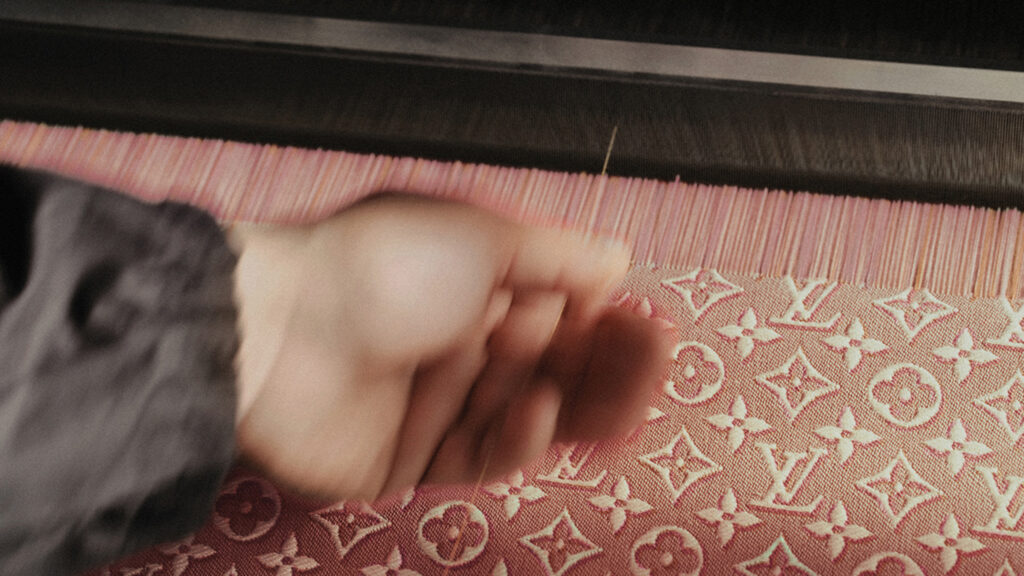
Louis Vuitton Monogram Embleme : Heritage Reimagined To celebrate the 130th anniversary of the Monogram, Louis Vuitton is set to unveil the Monogram Emblème in June 2026, a highly tactile jacquard canvas that reinterprets the iconic House signature. Monogram Emblème honours the legendary motif, drawing inspiration from the original cotton canvases that once adorned travel trunks. The jacquard is now made from a blend of GOTS-certified cotton and linen fibres to create a unique texture. This durable, water-repellent fabric is also embellished with a new, denser pattern reminiscent of embroidery. The innovative canvas comes in an array of colours drawn from the Vuittonnier– the House’s signature colour library. The textured effect is enhanced by deep tones, created using five differently coloured threads. The Pre-Fall 2026 collection, arriving in stores on 5 June, introduces new shades: Peuplier, inspired by the trunks’ wooden structure, and Rose Ruban, a tribute to theribbon detailing on historic trunk designs.   In September 2026, Monogram Bleu, taken from the 1930s register, and Vert Jura, inspired by the flora of Louis Vuitton’s native region, will be launched. Monogram Emblème adorns the House’s iconic model, including the Alma, Neverfull, Speedy, Noé and Keepall bags, as well as the Side Trunk, which reflects Louis Vuitton’s heritage as a luggage maker. The motif also appears on small leather goods, shoes and accessories, underscoring the uniqueness of this new signature.
Opiates

Dior Unveils Latest High Jewelry Collection Diorissima

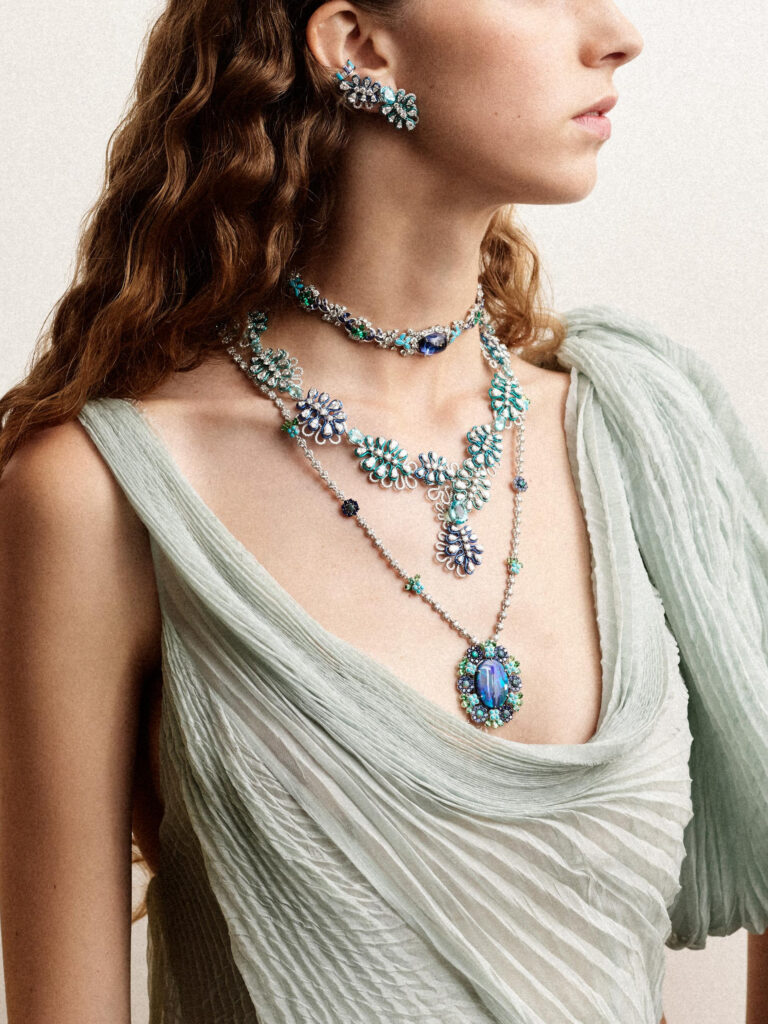
Dior Unveils Latest High Jewelry Collection Diorissima At the heart of the Palazzo del Casinò, an emblematic palace of renowned Art Deco elegance, Victoire de Castellane unveils her new haute joaillerie collection – Diorissima – in a sumptuous tribute to La Serenissima. Abstraction and naturalism merge in an interplay of precious metamorphoses, exalting both Dior’s unique heritage and the magnificence of Venice. Illuminated by the Lido and the reflections of the lagoon, this exceptional collection depicts three enchanting worlds – lush vegetation, aquatic depths and mysterious constellations – extolling nature’s diverse beauty, the passion for superstition and the magic of dreams, all values and universes dear to Christian Dior. By turns, clover, wisteria, bunches of fruit, algae-covered seabeds, coral and bubbles appear, as well as suns, eclipses and ‘happy clouds’. A whole host of fabulous, whimsical cabinets of curiosities come alive through the excellence of Dior’s jewellery savoir-faire. Unexpected combinations of dazzling gemstones and vibrant colours unfold down to the finest, virtuoso details. This magical spectacle is further enhanced by the silhouettes of Creative Director Jonathan Anderson, who for the first time has turned his hand to designing haute couture creations that magnify these jewelled compositions: a selection of bustier dresses, draped pieces, flowing suits, micro-pleated chiffons and flourishes of velvet, organza and pearls. A captivating dialogue between Dior and Venice, fusing creative joy and the quintessence of exceptional artisanship. “I created this collection as an ode to life, an expression of joie de vivre. When Christian Dior founded his House, he probably imagined that we could once again celebrate the joy of life, and, for me, all these jewels are like little living creatures, little odes to life that inhabit an ideal world in a joyful garden, a sort of Paradise” says Victoire de Castellane, Artistic Director of Dior Joaillerie.
News

Eyes on: June

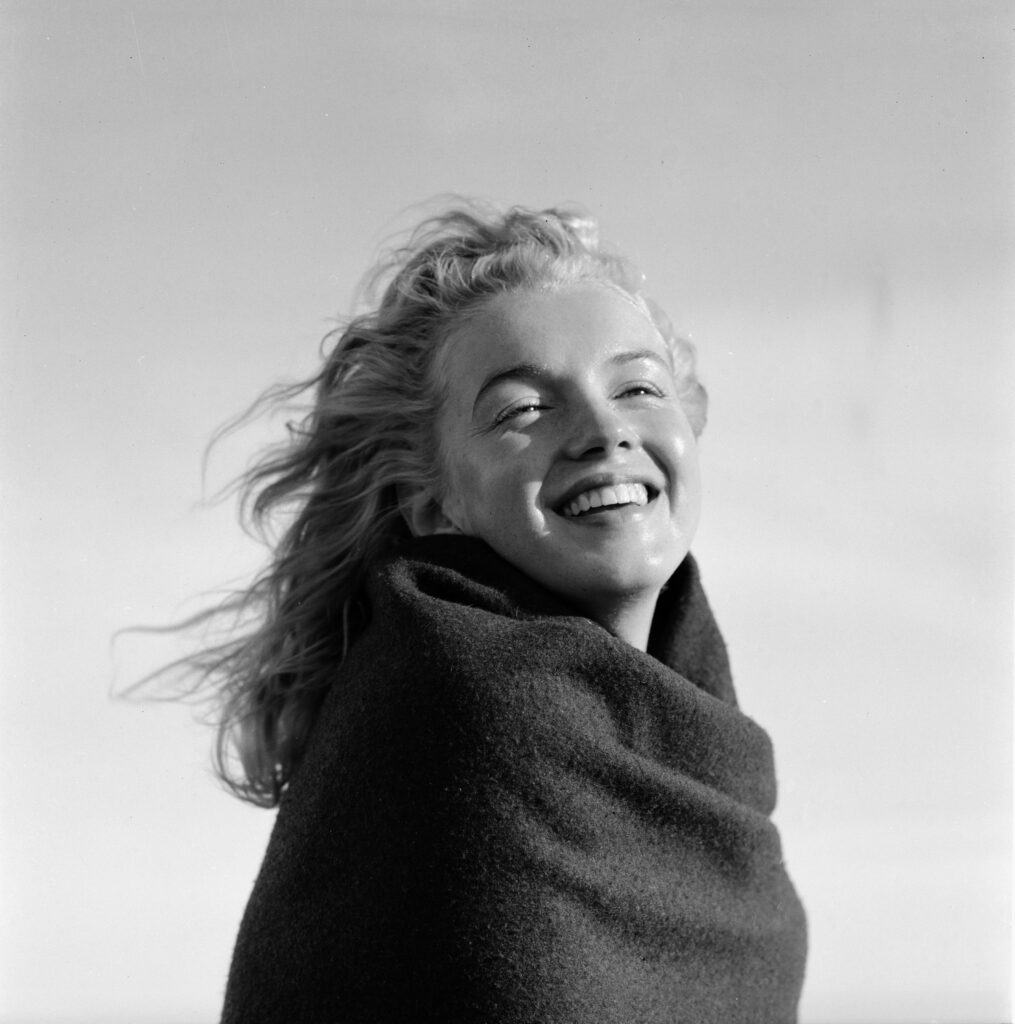
Eyes On: June The best things in London to see, smell and shop in June. text Maya Avram, London Features Editor Marilyn Monroe: A Portrait at the National Portrait Gallery.   This June marks the centennial birthday of the ultimate bombshell, Marilyn Monroe. As one might expect, my feed abounds with launches and events celebrating the legend, from limited-edition make-up collections to once-in-a-lifetime auctions and, of course, the mandatory lookalike competition. On the cultural front, the National Portrait Gallery has curated an exhibition chronicling the late star’s metamorphosis from humble Norma Jeane origins to global phenomenon. Featuring artwork and portraiture by some of the most revered creators of the 20th century, including Andy Warhol and Richard Avedon, the show reflects on Monroe’s turbulent relationship with fame and image — one that consumed her throughout her life. The thoughtful collection echoes our enduring fascination with the icon, posing the question of who was Marilyn, exactly? Plan your visit to answer it for yourself. Reformation’s Inez Pumps   A standout trend to emerge from the Autumn/Winter 2027 season is the fugly office shoe (complimentary). You know the ones: clunky yet elegant, pragmatic enough for everyday wear yet elevated all the same, feeling fresh and current. If I had to point to one brand that strikes that balance particularly well, it would be Reformation and its Inez leather pumps. The silhouette? Elongating. The heel? Considered. The finish? Lustrous. A staple in the making, equally suited to the office and after-dark adventures, they’re all the rage among editors and it-girls alike. My advice? Go for Espresso Eel, a versatile deep brown with a delicately crinkled finish that lends the shoes a beautiful love-worn effect. Thermage at Montrose   While the world beauty treatments is constantly evolving, certain protocols maintain their hero status. Thermage, a non-invasive sculpting treatment, seems to be on everyone’s lips these days, and for good reason — it promises to smooth and tighten the skin in a single session, with zero downtime. So when I was invited to try it at Montrose clinic, I was actually beaming, pun fully intended.   Nestled in a picturesque mews in London’s Belgravia, the clinic itself is enough to instil a deep sense of calm. My appointment started with a brief conversation about my skin and goals for the session. In the treatment room, my therapist, India, broke down the technology: Thermage is a radiofrequency device, designed to penetrate deep into the dermis, heating collagen fibres and remodelling them to reveal a more contoured complexion. Because of the nature of the technology, continue to improve over time as new collagen forms. There is some discomfort involved, but hand on my heart, it was barely noticeable and passed as quickly as it arrived. What is noticeable, however, is the treatment’s cumulative effect. A month on from my appointment, my face looks plumper, tighter and more sculpted. And the best is still to come. Fashionably Late by Fine Scents   My favourite part about meeting brand founders is learning about their view of the world. I recently sat down with Katerina Knight, founder of fragrance brand Fine Scents, for a conversation about inspiration and curation. Those principles are the drivers behind the brand’s collection: a purposefully limited selection that feels intentional rather than trend-led, featuring creations by some of the world’s most respected perfumers, like Céline Ellena and Frank Voelkl (IYKYK).   I can confirm, there is a Fine Scents woman; she’s creative yet restrained, intellectual yet curious, and each one of the brand’s fragrances speaks to a moment in her life. My favourite is Fashionably Late, a white floral blend created by master perfumer Dominique Ropion. Radiant and sensual, it aims to capture the confidence of a woman who knows she can command a room long past call time. It was a hit among my friends, too — my tester changed hands so many times over dinner that it had practically run out by dessert.  Feel Lab Experience by Initio Parums Privés Another standout fragrance adventure has captured my attention. I’ve been a long-standing stan of Initio Parums Privés, for both its beautifully composed scents and the science behind each formulation. My interest was piqued when they opened their new store in Covent Garden, where they offer neuroscience-led curation using proprietary EEG technology co-developed with Feel Tech, BrainCo and the Harvard Innovation Lab. Essentially, it’s a lightweight headset that analyses your brain activity to match you with your most suitable signature scent. At the start of the consultation, you describe the fragrance families and notes you resonate with most — mine were powdery scents, musks and ambers. Then the experiment begins: your sales assistant-slash-chic scientist selects a range of scents for blind testing based on your preferences, while monitoring your neural responses to each one. The programme then recommends the fragrances that best align with your mood and responses. Quick, calculated and effortless, discovery doesn’t get more tailored than this. Reform: Sculpt at Volonté Energy   If you recall, one of my promises to myself from our April send was to go back to Pilates. Proving that manifestation is real, I came across Volonté Energy, a vibrant wellness studio situated in trendy Fitzrovia. Founded by Vidushi Binani, a Cordon Bleu–trained chef and nutritionist, it offers strenuous reformer classes alongside a canteen of genuinely delicious yet healthy treats (the dream). So while my few-month hiatus meant that I was promptly humbled in class, my reward made it all worth it: peanut butter and chocolate Pro Pop, catering perfectly to both my protein goals and my sweet tooth.
Art

Chellis Baird Redefines What a Painting Can Be 

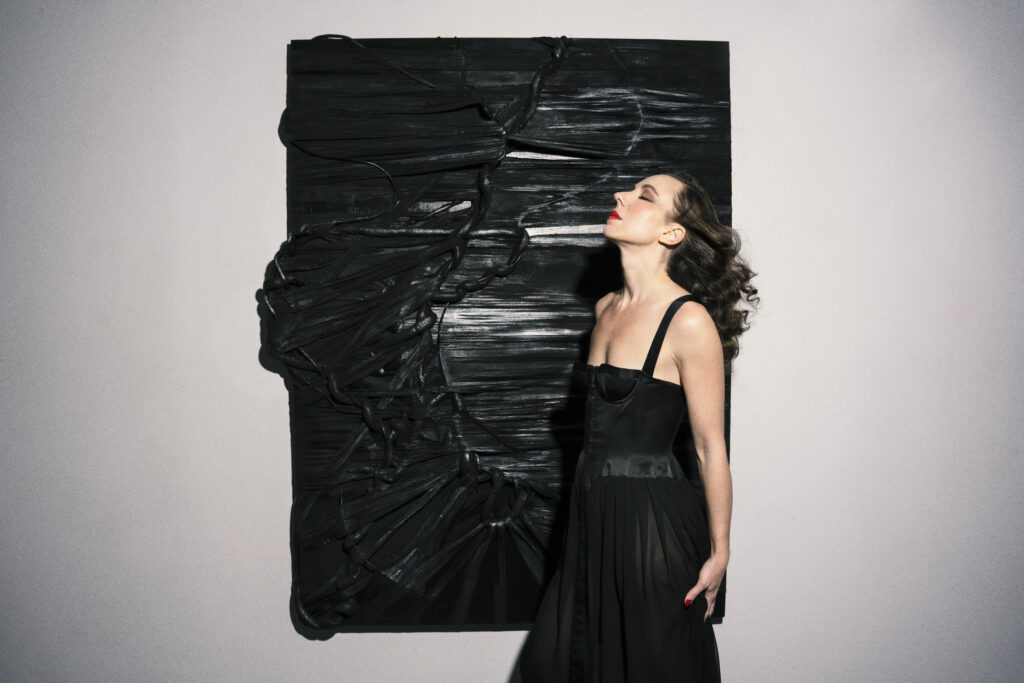
Chellis Baird Redefines What a Painting Can Be text Anna Mikaela Ekstrand body suit Capezio  tights Falke  trenchcoat Lapointe  heels Christian Louboutin Over the past decade, of showing at prestigious galleries, institutions, and the odd member club, her work has been presented by leading galleries in New York and Paris. We visited her Long Island City studio to talk about how her work pushes boundaries by combining dress, movement, and the mechanics of fabric in new ways.   “After visiting the Museum of Modern Art, in my late twenties, I remember standing in front of a Barnett Newman painting and starting to cry. It was at that point that I knew I was going to share my art with the world,” Chellis Baird commented in a 2023 interview. In her early twenties, she was living in New York and working as a designer at Ralph Lauren, making her own art when she was off the clock. A dream for many, but she hadn’t quite made it yet. Hailing from a South Carolina textile town and educated at the Rhode Island School of Design—known for fostering cross-disciplinary education—Baird not only had a deep understanding of fabrics and their innovation from the get-go, but a passion for continuing to push their boundaries. Movement is deeply embedded in her practice, dancing ballet multiple days a week, she sees it as a hobby, but when a principal dancer from the New York City Ballet saw her, he likened her to a professional. She’s a Type A creative.          When Baird transitioned into making art full-time, living her dream, she literally painted the town red. The Touch of Red at the National Arts Club is among the many exhibitions that centered on her signature hue, red. Her works are sculptural paintings, or painterly sculptures—twisted, draped, and bound fiber that is dyed and painted. They are hard to pinpoint because she has created her own artistic language. Arguably, she is the leading artist who is moving the needle in fiber, painting, and sculpture, all wrapped up in one. She is also preparing for a museum presentation at the Bo Bartlett Center from August through December 2026, with a larger gallery footprint, she is thinking more expansively about spatial rhythm, duration, and how viewers physically move through and between the work. “I am especially interested in using color as atmosphere and shadow as a structural force,” she explains to me on a sunny afternoon.    Baird has had an extraordinary year with a major solo show in Paris with RX&SLAG and several shows with Hollis Taggart in New York, and during Miami Art Week, marking a significant expansion of her gallery presence. It’s really a big break, but to Baird, it feels less like a sudden opening and more like time finally cracking the pavement. We are in her Long Island City studio. The studio is a daily ritual for the artist, for her creation is a form of breath, like her ballet practice. Correcting me, she explains that rather than a breakthrough her work is a continuation of ongoing discipline, diligence, and an obsessive devotion to her craft.  dress Emma Krikorian  heels Christian Louboutin dress Emma Krikorian  heels Christian Louboutin  All around us are pieces from different times in Baird’s artistic career, finished and in progress, as a testament to her hard work. Her sun-drenched studio is filled with reference material as well—fabric and color swatches on hand and many museum catalogs on fashion, textiles, and art tucked away in various places. To avoid high shipping costs, ahead of her show in Paris, the gallery set her up with a local studio where she constructed a new choreography of making. Keeping a sketchbook recording color formulas, fabric techniques, title ideas, and personal notes. As she temporarily was away from her husband and very young children, Paris gave her a greater freedom, a fluid daily structure. Working under an intense deadline, the long, focused days, often seven to ten hours, and then moving through the city at night, dancing or lingering over late dinners, reminded her of her student years at RISD, when time felt expansive and porous. This sense of freedom and the city’s material palette and chromatic range — living near the Picasso Museum and the Centre Pompidou — deeply informed what became her most colorful body of work.  body suit Capezio  tights Falke  heels Christian Louboutin Embodiment, being in one’s own body, is spoken about when it comes to performance, but not often discussed when it comes to painting or sculpture; however, this grounding and playful aspect of the body is present in the art-making process. Sartorial experimentation helps guide Baird; sometimes she cosplays when she makes work—wearing period-style clothes to feel connected to her lineage and labor. “Clothing shifts posture, tempo, and emotional tone,” Baird explains.   At other times, she dresses formally to slow her gestures. Through these actions, the studio becomes a private territory where she can experiment with identity without external scrutiny. “Overall, the body is one of my most important tools; knowledge lives in muscle memory, in gesture, in rhythm, which is why I wear specific fabrics or silhouettes to harness a mood,” she continues. Having formerly worked as a clothing designer and now exploring textiles, Baird has a sophisticated understanding of fabrics, and her work delves into their composition, movement, and history. “High heels, for example, create elegance through precariousness. They reorganize the body’s relationship to gravity and time. These tensions, structure and softness, constraint and freedom, directly inform how I sculpt material,” Baird explains. In Paris, she began using the heel of a stiletto to create physical ruptures in the canvas, a gesture that is both elegant and violent. Acclaimed craft historian, Glenn Adamson described her piece Lace III, 2024 as representing the DNA of his group exhibition Drop, Cloth, as her work reveals rather than conceals the substrate, one of the conceptual bases of his show.  This new monochromatic body of work explores lace, explores

Scroll to Top