Culinary

Culinary, Uncategorized

Stockholm Chefs Tommy Myllymäki and Pi Le Open Liv at Slussen

Stockholm Chefs Tommy Myllymäki and Pi Le Open Liv at Slussen Stockholm’s dining scene is about to gain a bright new spark. On 19th of May, chefs Tommy Myllymäki and Pi Le open Liv, their first restaurant on Södermalm in Stockholm and a completely new creation inside the glass wrapped Mälarterrassen at Slussen. With wide views over the water and Gamla Stan, the space feels less like a traditional opening and more like the unveiling of a fresh viewpoint on Stockholm life. Both chefs already carry the kind of reputations that make food lovers lean in with interest. Tommy Myllymäki’s achievements range from Årets Kock to Bocuse d’Or medals and bestselling cookbooks, while Pi Le brings experience from the national culinary teams and his work as co-owner (together with Myllymäki) of the two starred AIRA. Together they also run Bobergs Matsal and Akvileja at NK. Liv becomes the next chapter in this shared story, but with a new kind of creative freedom at its center. That freedom is exactly what defines Liv. Instead of inheriting a room with long standing traditions, the chefs were given a blank canvas and turned it into a restaurant that feels personal and alive. It is warm without being heavy, relaxed without being casual, and clearly shaped by the playful energy of Södermalm and the steady calm of the surrounding water. The room glows with daylight. The terrace reaches out toward the quay like an invitation. You can picture long lunches that drift into the afternoon, glasses that refill just because the mood is right, and those soft Stockholm evenings when the city seems to exhale. Liv is designed for all of it. images courtesy Liv “We want Liv to feel like somewhere we would visit ourselves,” Tommy says. And that philosophy shows in every corner. This is not a place chasing strict fine dining rules. It is a restaurant built on honest food prepared with serious skill, served in a room that encourages conversation, curiosity, and staying just a little longer than planned. Pi adds, “Södermalm means a lot to us. The food scene here has really grown, and it feels fantastic to be part of it.” The creation of Liv is closely tied to Atrium Ljungberg, the developer behind the new Slussen and Mälarterrassen. The area will welcome six distinct restaurant concepts, all part of a vision to make the waterfront one of Stockholm’s next major destinations for food and community. Annica Ånäs, CEO of Atrium Ljungberg, sees the opening as a milestone. Liv, she notes, balances craft with comfort in a way that fits perfectly into the evolving story of the city. Tables will be released one month at a time through restaurangliv.se, and interest is already high. Liv opens on 19th of May. It arrives in a part of Stockholm that is being reshaped in real time, and it already feels like the kind of restaurant people will return to often simply because the room, the food, and the mood make you want to return.

Culinary

Stockholm Welcomes Brasserie Astrid

Stockholm Welcomes Brasserie Astrid Set to open at the end of May in the heart of Slussen, Brasserie Astrid positions itself as a new all-day destination where international brasserie culture meets the rhythm of Stockholm. Located in the heart of Stockholm, the restaurant aims to capture the city’s flow, offering a space that moves effortlessly from long lunches to late evenings. With generous opening hours, the vision is to create a social hub where guests come to stay. Behind the concept is restaurateur Napolyon Sürer, a longstanding figure on Stockholm’s dining scene, joined by partner Marius Kababji. Together, they bring a focus on the full experience, where food, music, and energy intersect. “It’s not just about the food, but the rhythm of the room and the feeling when you walk in,” Sürer notes. The kitchen is led by head chef Robert Lindberg, working alongside Magnus Karlqvist to deliver a broad, approachable menu. Classic dishes are reinterpreted with modern touches, while Swedish ingredients take centre stage, particularly in fish, seafood, and carefully selected cuts of meat, many of which are prepared on the grill.  Spanning three levels, each floor of Astrid carries its own identity. From the lively entrance bar to more intimate dining spaces below, and a lower level with panoramic waterfront views, the design encourages both spontaneity and extended stays. The interior, developed in collaboration with Millimeter Arkitekter, draws on the timeless character of global brasseries while embedding references to Stockholm’s urban history. With its combination of location, scale and ambition, Brasserie Astrid sets out to become an iconic meeting point in a rapidly evolving part of Stockholm.

Culinary

Gondolen – A classic with a twist

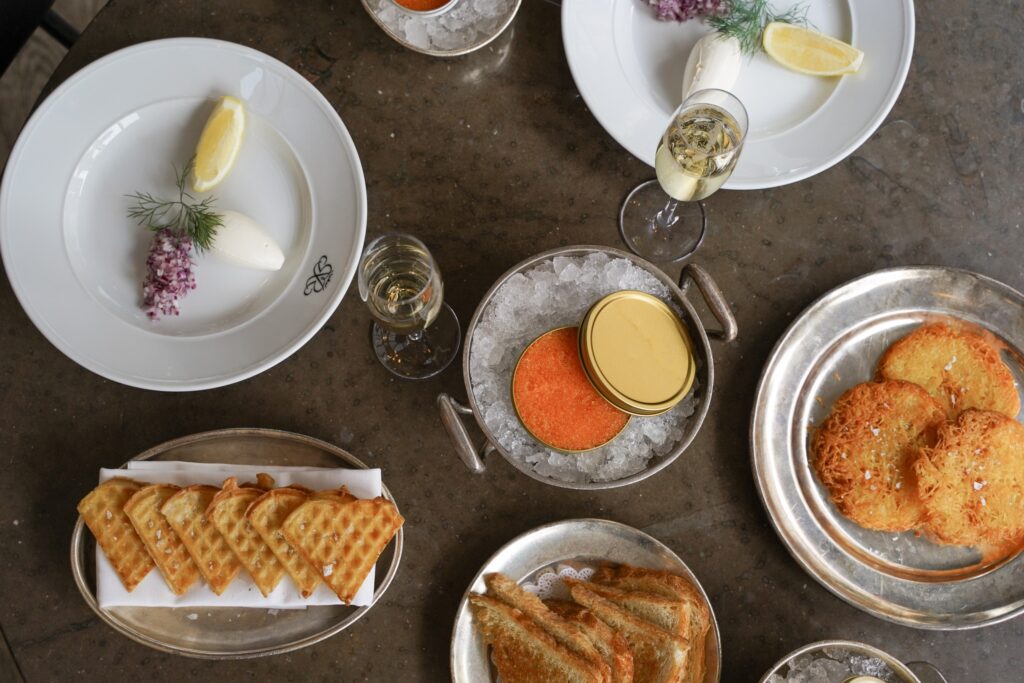
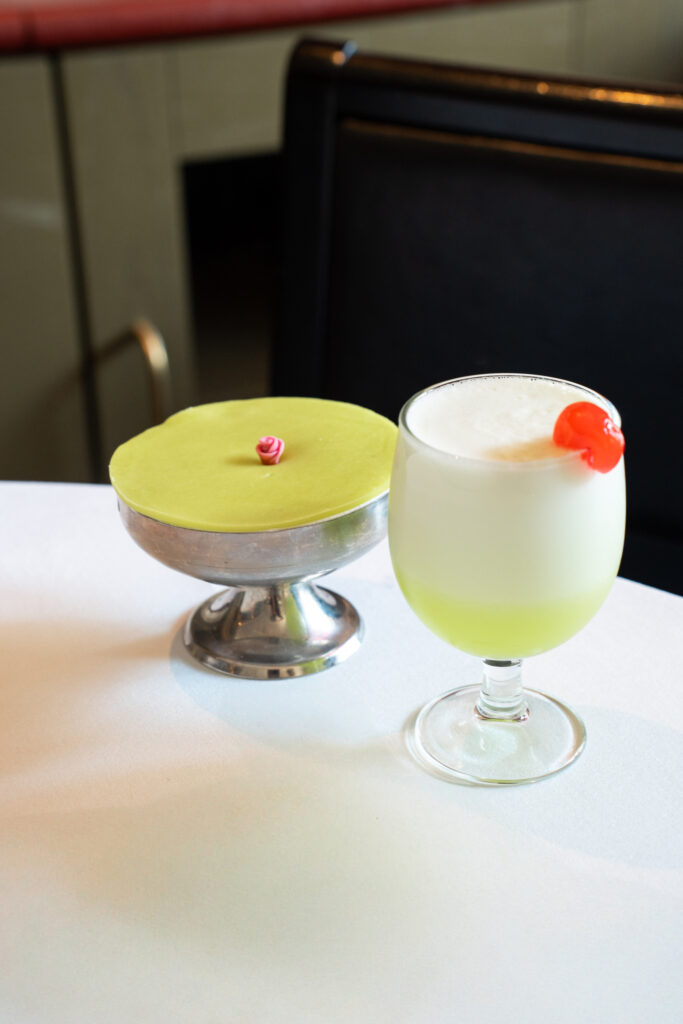
Gondolen – A classic with a twist all images courtesy of Gondolen  Gondolen, a Stockholm landmark since 1935, remains a timeless destination for celebrating both the big and the small moments, all set against a glorious view over the city. About Gondolen Opened in 1935, Gondolen was inspired by an airship gondola, suspended 33 meters above the ground. The surrounding Slussen area and Katarinahissen were designed by Le Corbusier. The menu moves between classic Swedish and French cuisine, and a strong sense of history lingers in the walls. Nowhere is this more evident than in the private dining room Kungarummet, where the original interior has been carefully preserved over the years. That said, the main dining room, with its sweeping views over Stockholm, is just as inviting, as is the bar, where jazz sets the tone for the evening. One floor up, Gondolen’s little sister Bar Zeppelin is equally worth a visit. Dry Martini ThursdaysEvery Thursday from 16 to 20, Gondolen hosts its Dry Martini Thursdays, serving creative interpretations of the classic cocktail alongside a caviar pairing. Do not miss the Dry Martini glass designed by Jonas Bohlin in collaboration with Reijmyre Glasbruk. The Dry Martini Thursdays run until May 7th.  The perfect dinnerGondolen’s true strength lies in its ability to make classic dishes feel new, while remaining just as exquisite as ever. The bleak roe serving quite literally melted in the mouth and surprised with its absence of bread, instead accompanied by potato foam, croutons and onion, an unexpected and memorable composition. We recommend visiting on a Wednesday, when the Pithivier Wellington is served for two in limited capacity. Swedish beef tenderloin with foie gras, duxelles, buttered carrots, Madeira jus, potato purée and autumn truffle. Rich yet refined, luxurious yet restrained in format, it strikes a perfect balance. The meat melted in the mouth and every element, down to the carrots, felt considered. And there is something undeniably charming about having the dish presented on its own trolley and finished tableside. More gueridon service in life, please. To finish, pistachio ice cream with olive oil, candied pistachios and sea salt and a cappuccino, a perfect ending to a rich and indulgent dinner, framed by one of the most beautiful views in the city. An evening that lingers, at a restaurant we will always return to. text Ulrika Lindqvist

Culinary

The Return of the King: Tore Wretman’s Sole Reigns Again at Teatergrillen

The Return of the King: Tore Wretman’s Sole Reigns Again at Teatergrillen text Teatergrillen images courtesy Teatergrillen As Stockholm sheds its winter cloak and embraces the burgeoning light of spring, a culinary legend awakens. At Teatergrillen, where gastronomic history is etched into every corner, the revered sole –Tore Wretman’s cherished ‘fishermen’s fish’makes its triumphant return. For nine exclusive evenings this April, the restaurant extends an invitation to a journey where each plate is a narrative, a testament to profound craftsmanship, unwavering passion, and an almost reverential devotion to the ingredient. Anders Rehdin, Teatergrillen’s esteemed maître d’, speaks of sole not merely as a fish, but as an entity demanding both respect and a delicate touch. Within these hallowed walls, cookery transcends mere profession; it is an art form, a living legacy. From the classic elegance of Sole Albert to the effervescent luxury of Sole au Champagne, every dish echoes the genius of Tore Wretman, one of Sweden’s most beloved and pioneering culinary figures. This isn’t just a dinner; it’s an immersion. ‘Nine Soles – Nine Days’ offers a rare passage into the very dining room where Wretman himself conceived his timeless classics. It’s a chance to savor harmonies of flavor that deftly weave tradition with a whisper of innovation, to feel the enduring pulse of a kitchen that has safeguarded its artisanal spirit across generations. With an intentionally limited number of seats and cooking methods that are as unique as they are refined, each evening promises an intimate and exclusive encounter. This is an unmissable pilgrimage for the discerning food enthusiast, for those who cherish history, and for anyone who believes that the most compelling stories are often best told on a plate.A nine-day feast not to be missed! Reserve your table today! FULL MENU April 7 – SOLE ALBERT                                                                                      Whole sole baked in vermouth with butter and mie de pain, served with a sauce of veal stock, Pernod, tarragon, chervil, and dill April 8 – SOLE ERIKS GONDOLEN                                                                        Sole fillets stuffed with scallops, served with lobster and champagne sauce, black truffle, cucumber, löjrom, and tournered potatoes April 9 – SOLE PARISIENNE                                                                              Whole sole poached in white wine, served with mushrooms, black truffle, langoustine, and beurre blanc April 14 – SOLE BORDELAISE                                                                          Grilled whole sole with Bordelaise sauce, smoked marrow, morels, smetana, Sturia caviar, and butter-fried potatoes April 15 – SOLE MARGUERITE                                                                             Sole fillet poached in sherry and vermouth, served with Sauce Marguerite and pilaf rice April 16 – SOLE WALEWSKA                                                                              Wine-poached and gratinéed sole fillet with Mornay sauce, lobster, truffle, and pommes duchesse April 21 – SOLE À LA NORMANDE                                                                  Whole roasted sole with poached oyster, heart clams, mushrooms, red shrimp, and Sauce Normande April 22 – SOLE SAINT GERMAIN                                                                    Whole roasted sole topped with mie de pain and herbs, served with sautéed Parisienne potatoes, baked tomato, and Béarnaise sauce April 23 – SOLE AU CHAMPAGNE Sole fillet poached in champagne with löjrom, champagne butter sauce, and white asparagus www.teatergrillen.se

Culinary

OMAKA Opens a New Beer Bar in Stockholm

OMAKA Opens a New Beer Bar in Stockholm OMAKA, the craft brewery and restaurant concept founded in 2020 is opening its first outpost on the south side of the city. OMAKA Ölbar opens on 27 March inside Restaurang Ponti on the island of Södermalm, a collaboration with restaurant duo Oskar Larsson and Eloi Berthelin, the team behind Schmaltz, Galinas pizza, and Tengu. It marks the brewery’s first move beyond Östermalm and a new context in which fresh craft beer takes centre stage. OMAKA was founded by brewmaster Hedda Spendrup with a stated ambition to shift how beer is understood as a flavour experience, experimenting with taste rather than playing it safe. The new bar is something Spendrup has had in mind for a while. “OMAKA Ölbar will be a place entirely on beer’s own terms, without rules for how it should be. Come in for a quick beer after work, or stay and taste your way through the evening,” says Spendrup. The bar serves OMAKA’s fresh craft beers alongside a simple menu of pizza and selected snacks. The format is deliberately accessible, equally suited to a quick stop or a longer evening spent working through the range. For Oskar Larsson, the draw was straightforward – “We have created a bar where you can drink fresh, quality beer without it getting too nerdy.” The interior was designed by Jeanette Didon, known for her work across restaurants, bars, and clubs in New York and Paris. Raw materials, concrete and steel, are offset by wood, textiles and art for a relaxed, living-room atmosphere. 

Culinary, Uncategorized

Koh Samui by Reservation

photography Selma Omar Costa Koh Samui by Reservation The air is thick with salt and sweetness, frangipani and grilled seafood. Mangoes tast brighter here. Limes cut sharper. The heat slows you down just enough to notice what you are eating. And that is the point. Travel is never only about where you sleep. It is about what you taste while you are there, and who guides you through it. Beyond the beach clubs and coconut shakes, Koh Samui has quietly built a fine dining scene that is thoughtful, ambitious and occasionally theatrical. Not loud, not trying too hard. Just confident. I spent my evenings and one very strategic lunch letting the staff decide what I should eat. If you are going to fly across the world, you might as well surrender control to the people who know the kitchen best. Dining on the Rocks If you are the kind of person who wants the setting to do at least half the seducing, book this first. Located within Six Senses Samui, it is built on ten terraced decks of weathered teak and bamboo at the tip of a headland, quite literally hanging over the Gulf of Thailand. Around 5:30 pm, the light turns cinematic. On Saturdays, a saxophone or violin drifts through the air while a small pop-up bar appears as if on cue. Dinner here is structured. I had The Rock Tasting, a fixed menu that moves between Thai and continental references. The standout arrived early. Rock Lobster with pomegranate, pickled zucchini and Khao Yai vanilla, a fragrant Thai-grown variety, alongside red curry and basil oil. Two generous pieces of lobster. Minimal plating. Maximum flavour. Precise and bold at once, it was the kind of dish you remember long after the evening is over.   What makes it more than a postcard moment is their sourcing. The seafood is supplied by small-scale fishers in Surat Thani using low-impact line-caught methods, with each catch traceable back to its origin. It is a quiet detail, but it matters. Come here for proposals, anniversaries, or any evening that deserves a horizon line. Luna Gastro Theatre In the middle of Fisherman’s Village, Luna stands out in the best possible way. Earthy red walls and plush chairs sit under lighting that flatters everyone. Through an amber onyx-like circular opening in the wall, you can watch the chefs at work. It feels intimate without trying too hard. Service is where Luna excels. You are seen. Guided. Gently convinced. I let the staff choose every dish. The Hamachi with ponzu, buttery corn mousse and fresh jalapeño was the star. Salt, sweetness, spice. Perfect balance. The salmon steak with broccoli and creamy dashi broth looked almost too virtuous on paper, yet delivered something deeply comforting and rich. And the mango sticky rice, reimagined with white chocolate mousse instead of coconut sauce, felt like mango sticky rice’s boujee sister. Creamy, smooth, finished with crunch. This is where I would book a date or a dinner with girlfriends when you want to feel slightly dressed up but still at ease. Tree Tops Signature Dining Hidden within Anantara Lawana Koh Samui Resort, Tree Tops feels like something out of a childhood fantasy. Small wooden bungalows circle a 120-year-old tree, creating private dining pods suspended in lush greenery. It is cozy, secluded, almost secretive. Ideal for larger groups who still want intimacy. The eight course menu, Embers of Earth and Ocean, began with a laser-engraved wooden card personalised with my name, a small gesture that set the tone for a meal built on precision and care. Several dishes competed for first place, but the Essence of the Sea, a Koh Samui Bay tiger prawn ceviche, won. Bright, clean, deeply fresh, served with toasted bread topped with what looked like sea foam. It stayed with me long after the last bite. The charcoal grilled Wagyu striploin was indulgent in the way you hope Wagyu will be. Dessert, Embers to Ashes, a coconut namelaka with pineapple compote, delivered freshness, chocolate depth and crisp texture in equal measure. Before dinner, stop at The Singing Bird Lounge just below, recognizable from The White Lotus. Classic cocktails share space with playful White Lotus-inspired creations. It sets the tone. This is the place for birthdays, reunions, or any night when you want your own treehouse in the tropics. The Tent Beachfront Restaurant and Bar Fine dining does not have to wait for sunset. Located within SALA Samui Chaweng Beach Resort, The Tent offers a refined midday alternative in Chaweng. A vast white canopy frames views of Mad Lang Island, with sea breeze drifting through wooden and earthy interiors. Relaxed, but considered. There is both a continental and a Thai lunch menu. When in Thailand, you know the answer. I opted for the Thai selection, beginning with a papaya salad that was particularly vibrant, balanced and refreshing. It felt perfectly suited to the island heat after a morning in the sun. The crab curry, prepared with blue swimmer crab, was unapologetically luxurious. Generous pieces of crab meat, silky vermicelli noodles and a sauce rich in flavour yet surprisingly light. It managed to feel hearty and fresh at the same time. Dessert, simply titled The Banana, arrived as delicate banana shaped chocolate shells filled with banana mousse, alongside warm banana cake, vanilla ice cream and salted caramel to pour at your discretion. If you like bananas, you will not regret it. This is where you go when a beach day lingers. Salt still in your hair, no rush to return. Lunch drifts into late afternoon and another glass of something cold feels entirely justified. image courtesy SALA Samui Chaweng Beach Koh Samui feeds you in more ways than one. Between the humidity and the horizon, the island insists that you slow down and pay attention. And if you choose the right table, it rewards you generously.

Culinary, Uncategorized

A Visit to Allegrine by Danyel Couet, Stockholm

A Visit to Allegrine by Danyel Couet, Stockholm Allegrine, or the Art of Taking Your Time photography Stefan Anderson I always choose the front row. Not for attention, but for closeness. To the hands. To the silence between movements. To the quiet focus that exists just before something becomes finished. At Allegrine, that closeness feels essential. This is not a place to observe from afar. It asks you to lean in. Allegrine is Danyel Couet’s Parisian inspired refuge in Stockholm, though refuge might be the wrong word. It feels less like an escape and more like a return. A return to warmth, to rhythm, to the unhurried pleasure of being exactly where you are. From the moment you step inside, the world outside softens. Time loosens its grip. The room is generous, but never overwhelming. There is space to breathe, yet everything feels personal. Like a favorite brasserie you have known for years, even if this is your first visit. Conversations drift softly between tables. Laughter settles into the walls. The atmosphere holds that rare balance. Elegant without being distant. Intimate without being precious. Though the soul of Allegrine carries the light and ease of the south of France, it is unmistakably Stockholm that surrounds it. Water glimmers beyond the windows, replacing any imagined coastline. The contrast feels intentional. A reminder that identity is not about imitation, but interpretation. The name Allegrine suggests cheerfulness, but here it carries something far quieter and deeply personal for Danyel. It was the name of his grandmother. A presence that lingers, not through grand gestures, but through feeling. Through rhythm. Through care. You sense it in the way the restaurant moves. Nothing is rushed. Nothing needs to be explained. A meal that is allowed to take its time, much like the moments that matter most. From the room to the drinks, everything feels considered, almost tender in its restraint. Even the presence of Kronenbourg on tap becomes a small act of honesty. A beer that does not try to be more than it is, and in doing so becomes exactly enough. The meal begins without spectacle. Gaufrette potatoes, crisp and delicate, topped with bleak roe from Kalix (Sweden’s equivalent to caviar)  and sour cream. A small opening gesture. Confident in its restraint. It sets the tone for everything that follows. This is French cooking filtered through a Scandinavian sensibility. Clear, precise, respectful of ingredients. Steak tartare arrives dressed in richness, foie gras, truffle croutons, a whisper of Sauternes. Yet it never weighs you down. Each element knows its place. Rödräka is served clean and direct, as if to remind you that complexity is not always the goal. Then comes the agnolotti. Warm, grounding, quietly generous. The kind of dish that holds a meal together without asking to be remembered, and therefore is. The escargot pauses time. Removed from their expected shell and tradition, the snails meet mushrooms, pancetta, and a soft touch of balsamico. Familiar flavours, rearranged. Reimagined without force. The mushrooms linger. Earthy. Comforting. They stay with you long after the plate is cleared, like a thought you do not rush to replace. When the fish arrives, it is accompanied by an elderflower beurre blanc. Floral, light, almost fleeting. It lifts rather than leads, adding perfume instead of weight. Dessert follows the same unspoken rule. Nothing unnecessary. A yuzu pavlova with fresh blackberries. It is winter, yet the flavours feel honest and alive. Choosing restraint here feels generous. Seasonal. Almost radical. Allegrine is not a place for performance. It is a place for presence. For the joy of craft, of detail, of sharing something made with care. French gastronomy meets Scandinavian clarity, but what lingers most is not a dish or a flavour. It is a feeling. Of calm. Of intention. Of having been exactly where you were meant to be, for just long enough.

Culinary, Uncategorized

Pontus Wellén on a New Culinary Chapter at Sheraton Stockholm

Pontus Wellén on a New Culinary Chapter at Sheraton Stockholm Sheraton Stockholm Hotel is entering a new chapter and at the heart of this transformation stands its bold new restaurant concept, Mr. Bronck. Named after the Swedish-born settler Jonas Bronck, who gave his name to the New York borough of the Bronx, the restaurant draws inspiration from that same spirit of exploration and cultural exchange.  At Mr. Bronck, Swedish ingredients reinterpret classic American dishes through the lens of local produce and Nordic seasonality. The kitchen is led by medal-winning chef Pontus Wellén, whose craftsmanship and curiosity set the tone for a dining experience that is both confident and welcoming. To understand how the concept comes to life on the plate, chef Pontus Wellén offers his perspective on the ideas driving Mr. Bronck. Image Courtesy Sheraton Stockholm What kind of personality would you give Mr. Bronck? Mr. Bronck has a confident but unpretentious personality. He’s curious, social, and well-travelled — someone who appreciates craft and quality, but never takes himself too seriously. There’s a sense of ease and generosity to him: a place where you feel welcome whether you come for a full dinner, a drink at Sally’s, or simply to see what’s happening.   How does the story of Jonas Bronck and New York influence the restaurant? Jonas Bronck represents movement, exchange, and new beginnings. His journey from Scandinavia to what would later become New York mirrors the idea of cultural cross-pollination. That spirit lives in the restaurant through a meeting of Swedish ingredients and values with American flavours, techniques, and confidence — not as nostalgia, but as a modern interpretation of that transatlantic connection.   What makes Mr. Bronck different from other hotel restaurants in Stockholm? What truly sets Mr. Bronck apart is its breadth and generosity. The menu moves effortlessly from raw bar and seafood to grill classics, comfort dishes, and playful desserts — designed for sharing, mixing, and returning often.   Furthermore, we will offer an ambitious wine program that highlights the energy and curiosity of the New World, with a special focus on American wines. Guests are welcome to simply pop in for a glass at our vibrant wine bar counter.   It’s not a single-lane concept, but a place that works just as well for a long dinner as for a spontaneous bite or a late dessert. That flexibility, combined with a strong culinary identity, is still rare in Stockholm’s hotel restaurant scene.   Will the restaurant be open to the public, or only for hotel guests? Absolutely open to the public. Mr. Bronck is very much intended for Stockholmers as well as hotel guests — a place you come to because you want to, not because you happen to be staying here. Is the concept more casual or fine dining? It sits confidently in between. The food is ambitious and ingredient-driven, but the atmosphere is relaxed and social. You can dress up or dress down, come for a celebration or a spontaneous weekday dinner — the experience adapts to the guest, not the other way around.   How does Mr. Bronck fit into Sheraton’s overall transformation? Mr. Bronck is a key expression of Sheraton Stockholm’s transformation toward a more lifestyle-driven, culturally connected hotel. It reflects our ambition to be part of the city rather than separate from it — creating spaces that feel relevant, contemporary, and rooted in local culture while still international in outlook.   What gap in Stockholm’s restaurant scene does this aim to fill? There’s a gap for a restaurant that combines strong identity, warmth, and generosity with real culinary credibility — without becoming formal or inaccessible. Mr. Bronck aims to be that place where atmosphere and food carry equal weight, and where people genuinely want to linger.   What kind of American dishes are you planning to put on the menu? The menu takes cues from classic American cooking — shrimp cocktail, oysters, lobster roll, smash burgers, steaks from the grill, and iconic desserts like cheesecake and pecan pie. These are familiar reference points, but always executed with precision and restraint, and adapted to a contemporary European dining context.   How will Swedish ingredients influence the menu? Swedish ingredients form the backbone of the menu. From local seafood and roe to Nordic vegetables, apples, cabbage, and regional cheeses, seasonality and origin are central. These ingredients bring freshness, balance, and a lighter expression to dishes inspired by American comfort and confidence.   Could you give examples of how Swedish ingredients will influence American dishes? A classic shrimp cocktail might be lifted with Nordic herbs and bright acidity. American-style grilling is applied to Swedish meats and seafood. Roe from Kalix or Älvdalen appears where you might otherwise expect caviar. Comfort dishes are balanced with Swedish vegetables, apples, and fermented or pickled elements — creating familiarity without heaviness. What attracted you to this concept? I was drawn to the creative freedom of the concept and the cultural dialogue it allows. The idea of blending American food culture with Swedish ingredients and sensibility gives me room to be expressive — while still staying grounded in quality, craft, and simplicity.   How is Mr. Bronck different from your previous work? Mr. Bronck is less about making one strict culinary statement and more about creating a living, social place. It’s broader, more playful, and more people-driven — a restaurant designed to evolve with its guests and with the city.

Culinary

Stockholm Valentine’s Food Guide: Celebrate Love Around the Table

Stockholm Valentine’s Food Guide: Celebrate Love Around the Table Valentine’s Day is about more than flowers and chocolates. It is about exceptional food, atmosphere, and shared experiences. This year, Svenska Brasserier invites guests to celebrate love in three distinct ways: in the heart of the city at Luzette, surrounded by nature at Ulriksdals Värdshus, or high above the water with panoramic views at the iconic Gondolen. Luzette Romance in Motion On February 14, Luzette presents an exclusive four-course Valentine’s Day menu, served from opening to closing. Set in the grand arrival hall of Stockholm Central Station, the French brasserie blends classic technique with Nordic elegance. The menu opens with choux au craquelin topped with vendace roe and smetana, followed by a rich lobster bisque. The main course features poached Skrei Cod with mussel velouté, Pommes Anna, and cress, before finishing with a decadent gâteau au chocolat served with cream and cherry compote. “The atmosphere is warm, thoughtful, and romantic. Our guests can simply sit back and focus on what truly matters,” says Olivia Heckscher, Restaurant Manager at Luzette. A curated wine pairing, beginning with champagne, is available, while the à la carte menu is also offered throughout the day. Valentine’s Day Menu: SEK 645 Ulriksdals Värdshus Love in a Natural Setting Just 15 minutes from Stockholm city centre, Ulriksdals Värdshus offers a more tranquil celebration set within the palace park. On February 14, guests can choose between a classic three-course menu or a generous sharing menu, available for both lunch and dinner. Dishes include bleak roe with traditional accompaniments, pan-seared pike-perch with lobster and langoustine, rose-roasted veal with truffle jus, and chocolate fondant with yoghurt ice cream and citrus. A curated drinks pairing is available, along with a dedicated children’s menu. “Every celebration has its own tradition, and this one is dedicated entirely to love,” says Head Chef Magnus Nilsson. Three-course menu: SEK 895Sharing menu: SEK 750 per person Gondolen Valentine’s Day, All Weekend Long For those who want to extend the celebration, Gondolen turns Valentine’s Day into a full weekend experience from February 13 to 15. A four-course menu is served for both lunch and dinner in the restaurant’s classic setting, 33 metres above the water, accompanied by live jazz and expertly curated wine pairings. The menu moves between refined classics and modern touches: caviar tartlette with smetana, cured cucumber, honey and chives; lobster and scallop crudo with yuzu, blood orange, ginger emulsion and apple; baked turbot with Bordelaise sauce, truffle, oxtail croquette, Jerusalem artichoke and sautéed spinach, ending with chocolate fondant, lightly whipped cream, vanilla ice cream and cherries. “Valentine’s Day is always popular here, and rightly so. This year we want to give even more guests the opportunity to celebrate love throughout the entire weekend,” says Cellar Master Raffaele Mazzella. Sommelier Ellen Lindegren has created three wine pairings in different styles, ranging from crisp and mineral-driven selections to powerful, aged bottles. The same menu is also available in Bar Zeppelin upstairs, where DJs play late into the night on Friday and Saturday. Valentine’s Weekend Menu: SEK 1,295

Culinary

Sörmland Mazmez Take the Stage at Restaurant Bitza in a Unique Culinary Collaboration

Sörmland Mazmez Take the Stage at Restaurant Bitza in a Unique Culinary Collaboration images courtesy of Bitza and Sörmland Mazmez Sörmland has long been home to several influential culinary talents, including chefs Jacob Ker Lamb, Maria Printz and Kristofer Winnerhed. Now, they are coming together in a new project that aims to highlight Sörmland’s rich ingredients and food identity. At the heart of this initiative is a culinary exchange with Stockholm restaurateur Aadel Kersh and a guest appearance at his restaurant Bitza on Södermalm. Together, they have created an exclusive menu where Palestinian flavours meet Sörmland’s ingredients in a fresh and unexpected way. Maria Printz notes that restaurants do not need to look far to find top-quality ingredients; many of them are grown or produced just an hour outside Stockholm. The collaboration began during an intimate workshop at Arkadien outside Gnesta, where the chefs explored how Sörmland ingredients could be interpreted in new ways. Heritage grains, foraged produce, fermented elements, by-products and wild catch quickly became the foundation for new ideas. The new menu is a set of Sörmland small plates, so-called mazmez, that will be served at Bitza later this spring. The dishes reflect a personal meeting between two food cultures: Palestinian tradition and Sörmland’s deep-rooted food landscape, woven together through flavour, technique and storytelling. “Jacob, Maria and Kristofer are extraordinary culinary minds. It has been inspiring to experiment with them,” says Aadel Kersh, owner of Bitza. For many, the Sörmland pantry remains an undiscovered goldmine. The region holds a unique mix of strong agricultural tradition and forests full of culinary treasures, Sävstaholm apples, heritage grains, fallow deer, greylag goose, freshwater crayfish, mushrooms, rapeseed and a wide range of legumes all contribute to one of Sweden’s most diverse food landscapes. The menu will be served exclusively at Bitza on March 11–12 at SEK 750 per person. Table reservations can be made via bitzahornstull.com. Booking will open tomorrow.

Scroll to Top