Author name: Jahwanna Berglund

Beauty Articles

Hermès Introduces Plein Air Luminous Matte Foundation

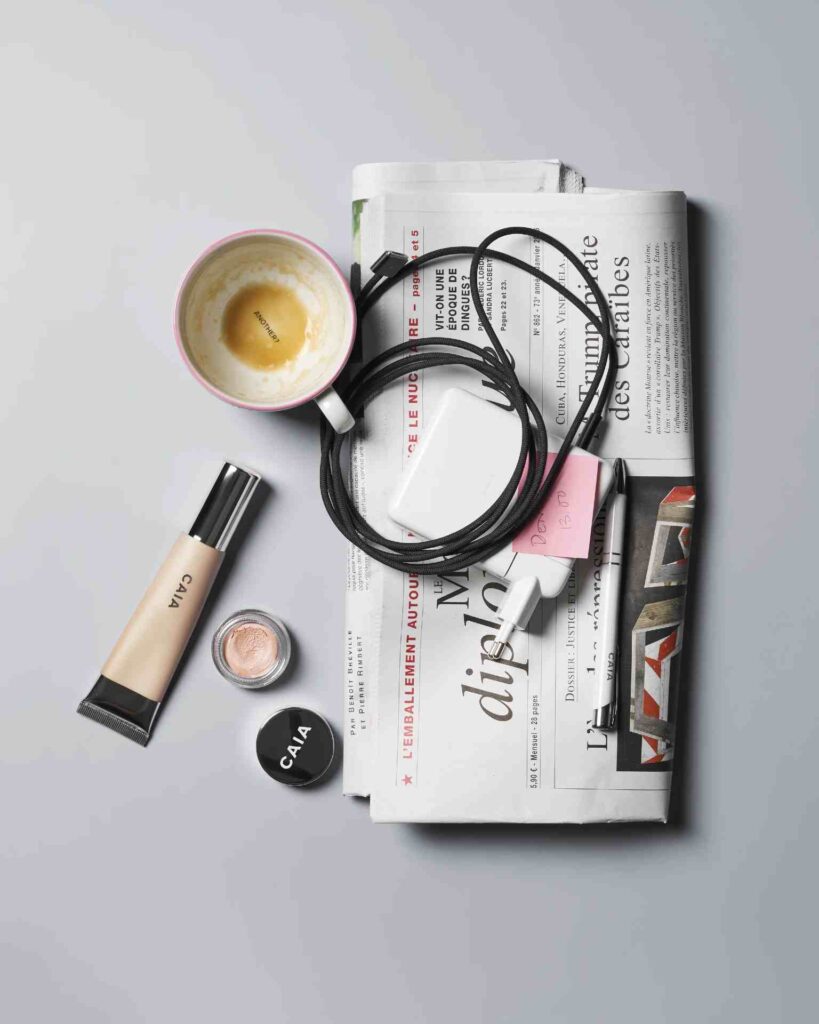
Hermès Introduces Plein Air Luminous Matte Foundation Hermès Beauty has unveiled Plein Air Luminous Matte Skincare Foundation, a new complexion launch designed to blur the line between make-up and skincare. Described as a “second-skin” foundation, it delivers a luminous matte finish while smoothing the appearance of pores, fine lines, and signs of fatigue. In user testing, 91% reported that the colour remained true after application, while the formula offers up to 16 hours of wear with resistance to heat, humidity, and perspiration. Built with a skincare-first approach, the formula contains 71% ingredients of natural origin and an 82% skincare base. Key ingredients include niacinamide to improve overall skin quality, pure hyaluronic acid for hydration, and white mulberry extract to help protect against oxidative stress. Hermès reports up to 24 hours of hydration, alongside high satisfaction rates for skin that appears smoother, firmer, and more elastic with continued use. Developed under the creative direction of Gregoris Pyrpylis, Plein Air is available in 34 shades across five intensity families and three undertones, aiming to suit a wide spectrum of skin tones. The foundation is housed in a graphic glass bottle designed by Pierre Hardy, reflecting the house’s enduring focus on objects that balance function and aesthetics. The launch is complemented by a perfecting primer and dedicated tools, forming a complete Hermès complexion ritual. Image Courtesy of Hermès

Culinary

Stockholm Valentine’s Food Guide: Celebrate Love Around the Table

Stockholm Valentine’s Food Guide: Celebrate Love Around the Table Valentine’s Day is about more than flowers and chocolates. It is about exceptional food, atmosphere, and shared experiences. This year, Svenska Brasserier invites guests to celebrate love in three distinct ways: in the heart of the city at Luzette, surrounded by nature at Ulriksdals Värdshus, or high above the water with panoramic views at the iconic Gondolen. Luzette Romance in Motion On February 14, Luzette presents an exclusive four-course Valentine’s Day menu, served from opening to closing. Set in the grand arrival hall of Stockholm Central Station, the French brasserie blends classic technique with Nordic elegance. The menu opens with choux au craquelin topped with vendace roe and smetana, followed by a rich lobster bisque. The main course features poached Skrei Cod with mussel velouté, Pommes Anna, and cress, before finishing with a decadent gâteau au chocolat served with cream and cherry compote. “The atmosphere is warm, thoughtful, and romantic. Our guests can simply sit back and focus on what truly matters,” says Olivia Heckscher, Restaurant Manager at Luzette. A curated wine pairing, beginning with champagne, is available, while the à la carte menu is also offered throughout the day. Valentine’s Day Menu: SEK 645 Ulriksdals Värdshus Love in a Natural Setting Just 15 minutes from Stockholm city centre, Ulriksdals Värdshus offers a more tranquil celebration set within the palace park. On February 14, guests can choose between a classic three-course menu or a generous sharing menu, available for both lunch and dinner. Dishes include bleak roe with traditional accompaniments, pan-seared pike-perch with lobster and langoustine, rose-roasted veal with truffle jus, and chocolate fondant with yoghurt ice cream and citrus. A curated drinks pairing is available, along with a dedicated children’s menu. “Every celebration has its own tradition, and this one is dedicated entirely to love,” says Head Chef Magnus Nilsson. Three-course menu: SEK 895Sharing menu: SEK 750 per person Gondolen Valentine’s Day, All Weekend Long For those who want to extend the celebration, Gondolen turns Valentine’s Day into a full weekend experience from February 13 to 15. A four-course menu is served for both lunch and dinner in the restaurant’s classic setting, 33 metres above the water, accompanied by live jazz and expertly curated wine pairings. The menu moves between refined classics and modern touches: caviar tartlette with smetana, cured cucumber, honey and chives; lobster and scallop crudo with yuzu, blood orange, ginger emulsion and apple; baked turbot with Bordelaise sauce, truffle, oxtail croquette, Jerusalem artichoke and sautéed spinach, ending with chocolate fondant, lightly whipped cream, vanilla ice cream and cherries. “Valentine’s Day is always popular here, and rightly so. This year we want to give even more guests the opportunity to celebrate love throughout the entire weekend,” says Cellar Master Raffaele Mazzella. Sommelier Ellen Lindegren has created three wine pairings in different styles, ranging from crisp and mineral-driven selections to powerful, aged bottles. The same menu is also available in Bar Zeppelin upstairs, where DJs play late into the night on Friday and Saturday. Valentine’s Weekend Menu: SEK 1,295

Fashion Articles, Uncategorized

Chanel Haute Couture Spring Summer 2026

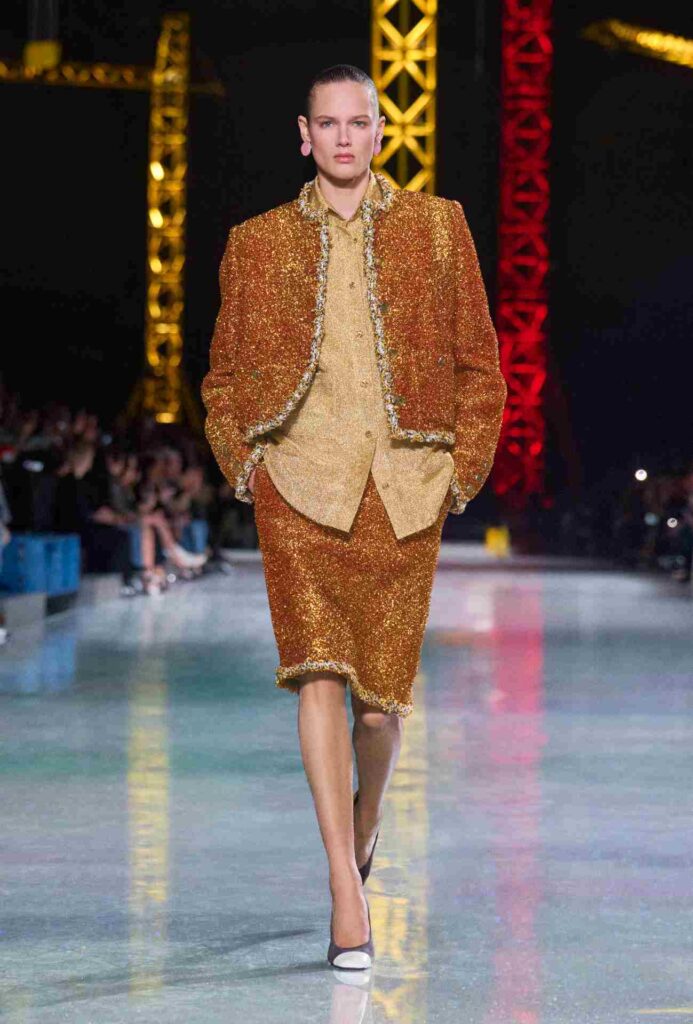
Chanel Haute Couture Spring Summer 2026 A moment, held briefly “I saw the beauty at once. Then gone, flown away.” The anonymous haiku that opens Chanel’s Spring Summer 2026 Haute Couture collection feels less like an introduction and more like a quiet instruction: pay attention, this will not last. Haute Couture has always been the soul of Chanel. Not simply as an exercise in craftsmanship, but as a deeply personal exchange between the House and the woman who wears its creations. Clothes here are not finished when they leave the atelier; they are completed by the life that inhabits them. As Matthieu Blazy reminds us, it is the wearer who gives couture its true story. With his debut Haute Couture collection for the house, Blazy does not attempt to redefine Chanel. Instead, he returns to its core, carefully stripping it back to its essence. What remains is something both intimate and expansive: the body, the soul, and the quiet power of self-expression. The collection opens almost like a memory. The Chanel suit appears in transparent silk mousseline, softly constructed, tender in tone. It feels less worn than remembered. Embedded within it are small emotional artefacts: a love letter, a bottle of N°5, a trace of red lipstick. Some are stitched into interiors, others hidden in pockets or suspended from the signature chain. The inside life of the garment gently reveals itself to the outside world. This exposure of intimacy is not literal but poetic. A palimpsest of personal history, layered with the House’s own. Haute Couture here becomes both garment and confession, an embroidered love letter to craft, construction, and memory. As the show unfolds, a transformation begins. Almost imperceptibly at first, the women evolve into birds. Not costumes, not disguises, but embodiments. Feathers emerge through pleating, embroidery, weaving, and layering. Rarely used outright, they are instead evoked through the mastery of the flou and tailleur ateliers, and through the exceptional artisans of le19M. From deep raven-black silhouettes that showcase the precision of tailoring, to intricate compositions of colour that recall plumage in motion, the birds take many forms. Familiar and exotic coexist: the humble pigeon alongside the pink spoonbill, the linear heron beside the crested cockatoo. Each is singular, each free. They gather briefly in an imagined landscape of towering mushrooms and an enchanted willow wood, then disperse. Like birds do. Like moments do. Here, birds are neither symbols nor metaphors alone. They are simply themselves. As is Haute Couture at its most honest: grounded in archetype, suspended in dream. For a fleeting instant, it asks us to pause. And then, just as quietly, it is gone. Flown away.

BackStage

The CHANEL Spring Summer 2026 Haute Couture show

The CHANEL Spring Summer 2026 Haute Couture show Teaser https://vimeo.com/1158322961?share=copy&fl=sv&fe=ci The teaser for Matthieu Blazy’s Haute Couture debut at Chanel for the Spring Summer 2026 collection has just been released, followed by intimate glimpses of the invitation shared by selected guests. The mood is unmistakably dreamlike, evoking an Alice in Wonderland fantasy. The invitation itself takes the form of a silver mushroom, with the date and location subtly hidden beneath its cap. Playful yet precise, it hints at a couture debut rooted in imagination, craftsmanship, and a sense of quiet magic.

Design

Hästens Dream Factory: Where Generations Shape the Future of Sleep

Hästens Dream Factory: Where Generations Shape the Future of Sleep There is something almost disarming about arriving at the Hästens factory in Köping.Not because it feels modern or clinical, but because it feels alive. There are no gloves, no masks, no distance between human hands and nature’s finest materials. You instantly understand that the work done here has very little to do with industrial manufacturing and everything to do with craftsmanship. Real craftsmanship. The kind you rarely see anymore. Hästens calls it a dream factory, and the name feels fitting. Since 1852, the company has held one intention: to make the best bed in the world. And not the best bed within a certain price range, but simply the best bed possible, without limits. It is a philosophy that has travelled through six generations, from saddles to mattresses, from horsehair padding to global sleep culture. The story begins with saddler Pehr Adolf Janson in 1852, whose mastery of horsetail hair   mattresses laid the foundation for everything that came after.His sons continued the craft, and decade by decade the family refined what sleep could be. In 1978, Jack Ryde introduced what would soon become a design icon: the blue check. A bold aesthetic choice that transformed the bed from an everyday object into a symbol of Swedish excellence, a pattern that still carries the weight of history and innovation today. Today, the company is led by Jan Ryde, the fifth generation, with the slow integration of a sixth. Jan’s background as an engineer is visible everywhere in the factory. Nothing is left to chance. Every decision is made with obsessive precision, from the way the pine trees are selected to how the horsehair is layered. What makes a Hästens bed so unique is not a secret recipe of materials. It is a secret recipe of craft. A philosophy that combines engineering, intuition, and an uncompromising respect for nature. The Three Layers of Perfection At Hästens, the bed is built in three intentional layers, each designed to answer one fundamental question: how can the body rest as naturally as possible? Natural materials like horsetail hair, cotton, wool, and linen create a bed that breathes, transports moisture, and regulates temperature. The horsehair, sourced as a by-product from partners around the world, is naturally springy and self-ventilating. It needs to be “massaged” regularly, which is why Hästens recommends rotating the bed. It helps the materials recover, just as the bed helps the body recover. In the factory, craftspeople separate horsehair into fine, airy layers by hand, massaging fibres into place with a rhythm that feels almost meditative. A process where multiple layers of horsehair, cotton, and wool are joined by hand to create the distinctive Hästens elasticity and breathability. The frames are built from slow-grown Swedish pine, selected tree by tree, ensuring stability, longevity, and a quiet, grounded energy that becomes part of the sleeper’s experience. And then there are the springs. Hästens speaks of its spring systems as a science in themselves. Multiple spring layers, each with its own height and wire thickness, respond individually to the body, creating weightless support that allows the spine to align naturally.It is this combination of softness and structure that produces the sensation of floating. Beds with Horsepower Hästens likes to joke that its beds have horsepower, and in a sense, they do. Horsetail hair is the brand’s beating heart. It is resilient, elastic, and naturally ventilated. It springs back instantly, just like a well-trained muscle. Anyone who has laid on a Hästens bed can feel this energy moving underneath. This is not luxury for the sake of luxury. It is quite a luxury. The type that invests in wellbeing with intention. The beds are made in one single factory, by a team whose collective knowledge spans centuries. And they are sold around the world because sleep is universal, even if the definition of comfort is personal. Five levels of firmness allow sleepers to tailor their bed to their body. Even the pillows can be custom-made to match the firmness of the bed. A Hästens bed is not a status symbol. It is a commitment. An investment for the restless sleeper. An upgrade for the person who refuses to compromise on the quality of their rest. And it is always evolving. As the Heritage Timeline notes, Hästens believes that 170 years of mastery is only the beginning. They are constantly testing new materials and refining techniques. In their words, the last bed is far from made. The Icons: Vividus, Grand Vividus and the Jack Ryde Edition Some beds have become legends in their own right. The Vividus, introduced in 2006, is widely regarded as the purest expression of Hästen’s philosophy. The Grand Vividus, designed by Ferris Rafauli, elevates the idea further through a couture approach to sleep, blending architecture, design, and craftsmanship into a sculptural object of rest. The new Jack Ryde Edition 2000T, launched as a tribute to the visionary who introduced the blue check in 1978, is one of the brand’s most exclusive models ever, limited to two thousand numbered pieces worldwide. The edition celebrates Jack and Solveig Ryde, the fourth generation, and includes deep craftwork, saddle leather corner details, bronze fittings, and a hand-embroidered signature plaque. It is a bed that honours the past but is designed for the future. Do not let the mastery of the design intimidate you. Hästens offers a range of beds at different price levels, from entry models to those reaching six figures. A Hästens bed is an investment, and the twenty-five-year warranty says a great deal about the confidence they have in their craftsmanship and the longevity of what they create. The Science of Better Sleep According to Dr Chad Eldridge, Hästens sleep and wellbeing expert, true quality sleep has nothing to do with falling asleep quickly and everything to do with staying in deep, restorative sleep cycles. He explains that good sleep supports the heart, immune system, metabolism, emotional processing, cognitive function, and even muscle

Culinary

G.A.T. A New York–Inspired Bistro, Hidden in Plain Sight

G.A.T. A New York–Inspired Bistro, Hidden in Plain Sight Even before its doors officially open, G.A.T. already feels lived in. Like a place that has been waiting patiently for the right people to arrive. Set at Gustav Adolfs Torg, overlooking the Royal Palace and the Opera, the restaurant is the newest venture from 20-Gruppen. A New York inspired bistro and cocktail bar, discreetly housed inside a former bank building from the late 1800s, where history does much of the talking. The space sits within Davidsonska huset, a blue classified landmark known for its grand proportions and late 19th century detailing. Rather than reinventing the rooms, architect Andreas Martin-Löf chose to listen to them. “The rooms were already extraordinary,” he says. “Our role was simply to enhance what was there, working with silk gloves and a great deal of respect.” The result feels effortless. As if the restaurant has always belonged here, quietly dormant until now. G.A.T. takes its cues from classic New York bistro culture, but with a deliberate sense of restraint. The menu is focused rather than sprawling, confident rather than loud. The bar list is tightly edited, and just 15 burgers are served each day, a detail that has already started to circulate among those in the know. Cocktails lean toward the timeless, while the kitchen is guided by precision, quality, and classic flavour. What to order? The menu moves between American and French bistro classics, elevated with a subtle sense of luxury: Toast G.A.T., the house signature. Beef tenderloin with foie gras and oscietra caviar, indulgent yet playful. Raw bar favourites like oysters and crudo, clean and briny. Maine lobster and king crab legs, bringing a touch of coastal decadence to the table. Steak and bistro mains including dry aged ribeye and New York strip, done with confidence and restraint. The visual identity, created by Stockholm studio PURPLE, draws from the building’s past life as a bank. Emblem style logos and archival references give the impression that G.A.T. has always been here, simply unnoticed. Where old money meets new energy There is something quietly poetic about opening a New York inspired bistro inside an old bank, at the very heart of Stockholm’s most ceremonial square. G.A.T. feels like a meeting point. Of history and appetite, tradition and momentum, formality and ease. G.A.T. opens January 22 at Gustav Adolfs Torg 16. Reservations via gatstockholm.com

Opiates

Chanel Reintroduces Coco Crush in a Cinematic New Campaign

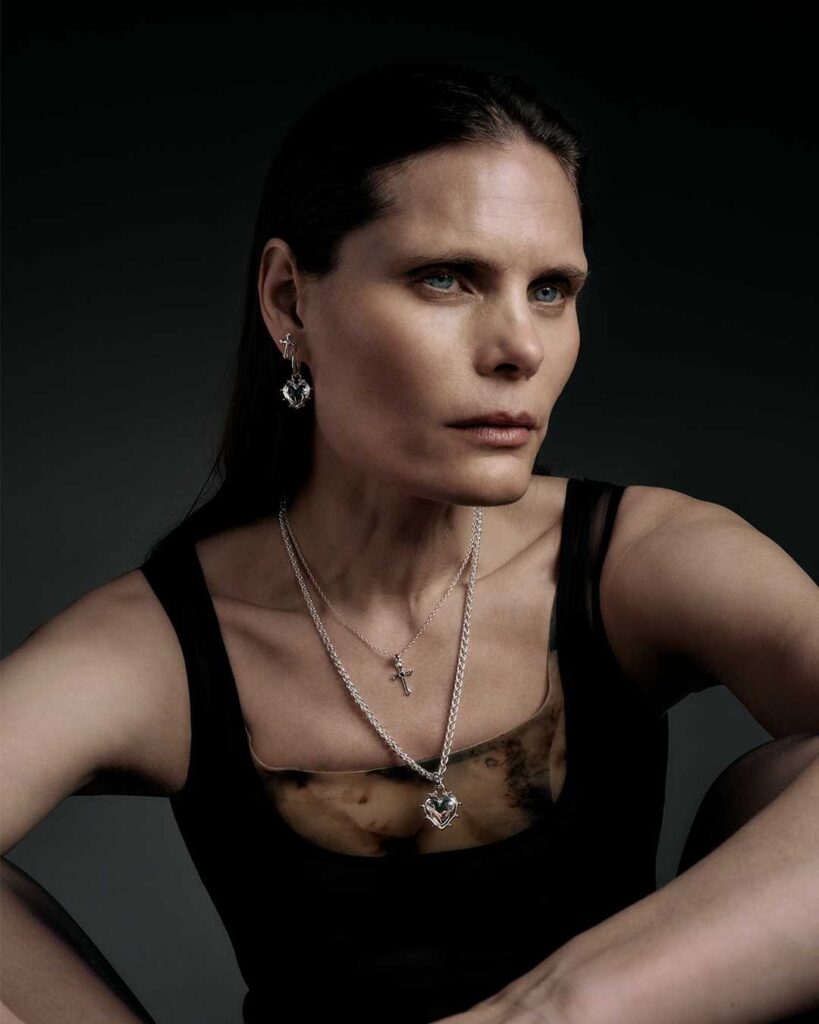
Chanel Reintroduces Coco Crush in a Cinematic New Campaign Chanel unveils the return of Coco Crush with a new 2026 campaign, Hide and Seek, celebrating the maison’s iconic fine jewelry collection through a cinematic narrative of chance encounters and rediscovery. Set within the legendary Chateau Marmont in Los Angeles, the film reimagines the hotel as a playful yet intimate stage for Coco Crush, where movement, emotion, and design intersect. Directed by Gordon Von Steiner, the campaign explores the tension between pursuit and escape, capturing the quiet thrill of discovery that defines the collection’s enduring allure. Starring Mona Tougaard, Lulu Tenney, Mathilda Gvarliani, Akon Changkou, and Qun Ye. At the heart of the campaign is the appointment of American artist and singer-songwriter Gracie Abrams as Chanel’s newest house ambassador. Appearing alongside longtime Chanel ambassador Jennie, Abrams brings a sense of emotional intimacy and modern elegance that aligns seamlessly with the spirit of Coco Crush. Her debut marks a continued dialogue between Chanel Fine Jewelry and contemporary cultural voices, reinforcing the collection’s place at the intersection of craftsmanship, emotion, and modern expression. Image Courtesy of Chanel

Fashion Articles

Three Times a Charm: Sézane and Sea New York Return

Three Times a Charm: Sézane and Sea New York Return Sézane is a Parisian atelier with an irrepressible ability to feel both timeless and deeply personal. In my previous article, I wrote that Sézane is not merely a fashion label but a story of heritage, warmth, and the poetic tension between reverie and real life, built around a strong rooted community. Today, that story returns to a familiar chapter, but one that feels newly relevant. Three times a charm, this collaboration brings cities over the sea, a shared sensibility, and two kindred spirits in design: Sézane and Sea New York. A Creative ReunionNearly a decade after opening its first U.S. doors, Sézane returns to one of its most meaningful creative relationships. The Parisian darling has reunited with Sea New York, the brand founded by Monica Paolini and Sean Monahan, for their third collaboration launching in January 2026.This collaboration is everything but just another capsule collection. It is a meeting of worlds, French ease and New York romanticism, old world craft and contemporary feminine spirit, Parisian understatement and New York vibrancy. Nearly ten years after Sézane first planted its flag in New York, this collection feels like both a homecoming and a creative renewal, a testament to how two voices can fuse without diminishing either. Echoes of Craft, Character and Connection What drew these two brands together and keeps drawing them back? In a press release, Sézane founder Morgane Sézalory reflects on the ease and joy of the collaboration. “Working with Monica and Sean again felt both natural and exciting,” she shares. “Together, we wanted to design pieces that truly delight, creations that feel unique to both of us yet belong to neither alone. That is where the magic happens.” Those words resonate deeply. As someone who has watched Sézane evolve from its early handwritten notes in packaging to installations that feel like salons of curiosity and warmth, this quote encapsulates what feels most compelling about the brand: its willingness to build bridges while staying rooted in craft and heart. For Sea New York, the partnership feels equally sincere. Co-founder Monica Paolini describes their shared mission plainly: celebrate craft, texture, and the fine details that make clothing feel personal rather than perfunctory. “We wanted to create something that felt both familiar and new, rooted in our shared appreciation for craft, yet shaped by the distinct energy of our two worlds,” she explains.   Textures of Memory and Modernity The collection itself is a study in nuance and craft. Embroidered cotton blouses nod to forgotten heirlooms, patchwork details feel hand collected rather than mass produced, and crochet and lace seem spun from a Parisian reverie yet grounded in New York grit. Structured jackets and vintage inspired silhouettes feel less like trends and more like inherited treasures, pieces you return to again and again. Seen together, the pieces are emblematic of both brands’ signatures, Sézane’s gentle effortless femininity and Sea’s romantic detail rich sensibility. It is fashion to be worn in generations, remembered, and reshaped through personal experience. The campaign, photographed on the streets of New York, pays homage to Nolita, the neighborhood that first welcomed Sézane to the United States and where its inaugural North American Apartment still lives. In that corner of Manhattan, Parisian charm and downtown verve coexist: café tables spill onto sunlit sidewalks, vintage signs rub shoulders with modern facades, and every corner feels like a story waiting to be told. Launching exclusively on sezane.com and in select Sézane apartments on January 18th.  Image Courtesy of Sézane

Opiates

The Louis Vuitton Monogram turns 130. A living icon, still in motion.

The Louis Vuitton Monogram turns 130. A living icon, still in motion. Louis Vuitton marks 130 years of its iconic Monogram with a year-long celebration that looks both backward and forward. Created in 1896 by Georges Vuitton as a tribute to his father, Louis Vuitton, the Monogram was originally conceived as a signature of craftsmanship and distinction. Over time, it has become something far greater: a global symbol of heritage, culture, and enduring design. Beginning in January 2026, the House opens the anniversary year by spotlighting its most iconic Monogram bags as true heritage pieces. Classics such as the Keepall, Alma, Speedy, Noé, and Neverfull take centre stage, celebrated not just for their recognisable silhouettes, but for their longevity and ability to be passed from one generation to the next. Each bag is framed as an object of transmission, carrying the values of durability and savoir-faire that define Louis Vuitton. Alongside this retrospective moment, the House introduces new special-edition Monogram bag collections, offering fresh interpretations of the canvas while remaining rooted in its original codes. A new Monogram Anniversary Collection draws inspiration from Louis Vuitton’s trunk-making heritage, with three special-edition designs that explore modern forms, unexpected materials, and a dialogue between traditional craftsmanship and contemporary techniques. As the anniversary unfolds throughout the year, Louis Vuitton invites a renewed look at the Monogram not merely as a pattern, but as a living emblem. A design language that continues to evolve, while remaining unmistakably tied to the House’s history and vision for the future. Image Courtesy of Louis Vuitton

Gucci: La Famiglia: Inside the First Chapter of a New Era
Fashion Articles

Gucci: La Famiglia: Inside the First Chapter of a New Era

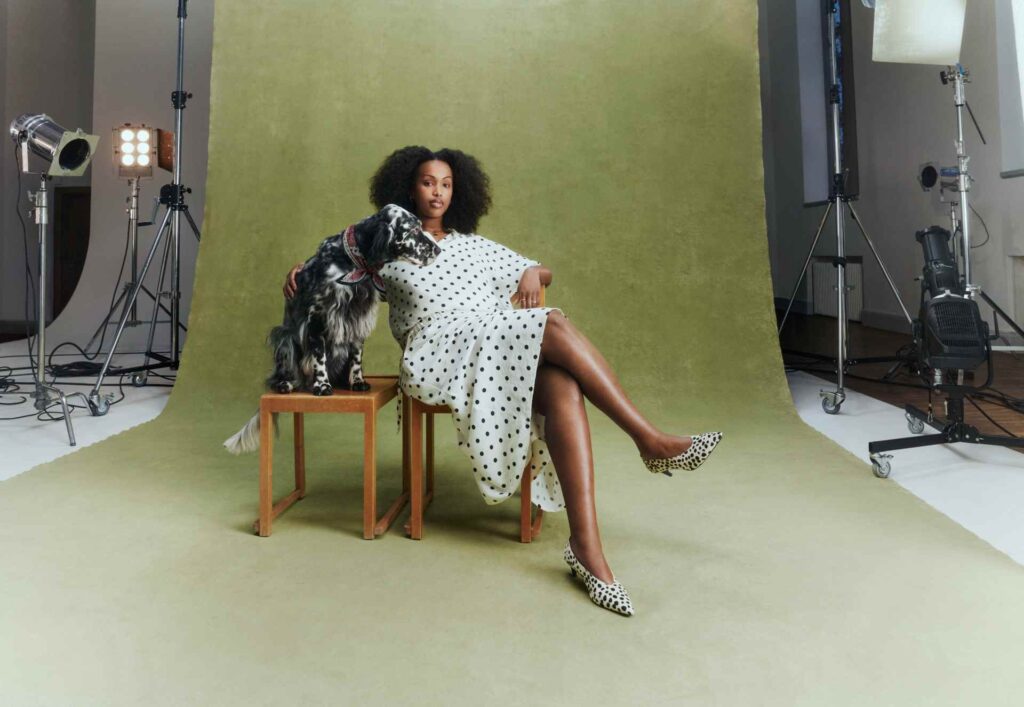
Gucci: La Famiglia: Inside the First Chapter of a New Era Gucci enters 2026 with a troupe of personalities rather than a single muse. La Famiglia, the House’s newly unveiled campaign, introduces a wardrobe shaped by character, attitude, and inheritance, offering a first glimpse into the world Demna is beginning to define for Gucci. Unapologetically sexy, extravagant, and precise the collection signals a purposeful shift that feels entirely of the moment. Captured through Catherine Opie’s lens, the campaign reads like a contemporary family portrait. Each figure stands as an individual, yet together they form a shared identity bound by aesthetic codes, gestures, and a distinctly Italian sense of presence. This is the new era of Gucci, lived not only worn. La Famiglia brings Gucci’s archive to life through personality, not nostalgia. Incazzata burns bright in a vivid 1960s inspired little red coat. Gallerista moves with quiet authority in black, carrying a re proportioned Bamboo 1947. In menswear, Direttore’s tailoring and Principino’s effortless presence turn dressing into confidence and pleasure. Sprezzatura runs through every gesture. Stepped in leather mules, relaxed silhouettes, clothes are worn, not performed. Sensuality is in the air, unspoken and natural. While Demna’s full vision for Gucci will be revealed in February, La Famiglia functions as a deliberate prologue. A study in archetypes, desire, and continuity, it hints at the new language of Gucci to come. Available in Gucci stores worldwide and on gucci.com from January 8. Image Courtesy of Gucci

Scroll to Top