A New Standard of Luxury: Inside KARAAT with Julia Hakanpää
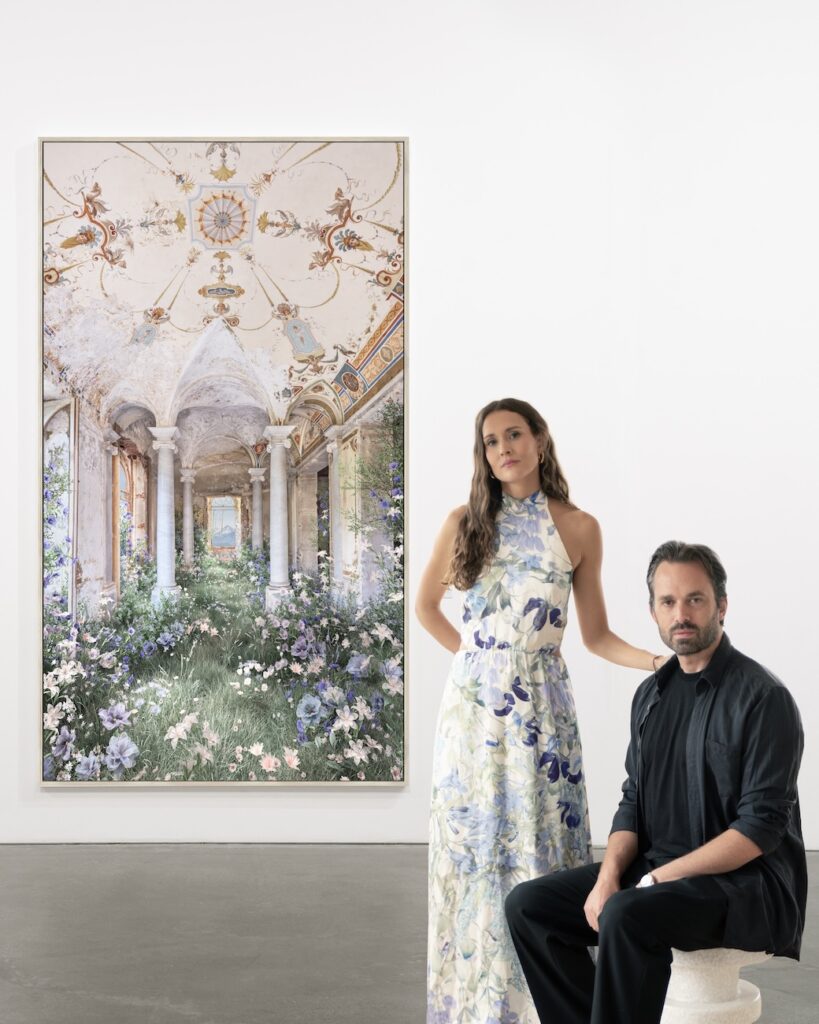
A New Standard of Luxury: Inside KARAAT with Julia Hakanpää text by Natalia Muntean In an industry long defined by tradition and opacity, Julia Hakanpää is part of a new wave reshaping the meaning of fine jewellery. As founder and CEO of KARAAT, the Finnish brand championing lab-grown diamonds and recycled gold, she is building a vision of luxury rooted not only in craftsmanship and design, but in transparency and responsibility. What began as a personal search for an engagement ring has since evolved into a growing label challenging conventions and redefining modern heirlooms. Natalia Muntean: You discovered lab-grown diamonds while searching for your own engagement ring. What was the exact moment you realised this wasn’t just a purchase, but a business idea?Julia Hakanpää: The moment came during our visit to Antwerp. I remember sitting across the table from our partner there, learning about lab-grown diamonds for the first time. I was fascinated that something so beautiful and technologically advanced existed, yet almost no one in the Nordics was talking about it. What made the moment particularly powerful was that I had just gone through the exact experience that many of our customers have today. I had been the customer searching for an engagement ring, trying to understand the options, and wanting to feel confident about the choice I was making. It immediately struck me how different that experience could be. Here was a gemstone with the same physical and optical properties as mined diamonds, but without many of the environmental or ethical concerns tied to mining. It answered so many of the questions I had been struggling with myself. That was when the idea started to form. If this discovery felt so meaningful to me as a customer, it could feel the same way to many others. Bringing lab-grown diamonds to the Nordics suddenly felt less like a business opportunity and more like something that simply needed to happen. NM: KARAAT was born out of a desire to “update” a traditional industry. What, in your opinion, most urgently needs updating?JH: For me, the biggest thing was transparency. When we were looking for engagement rings, I often felt that the industry relied heavily on tradition and authority; customers were expected to trust the process without always understanding it. There wasn’t always clear information about where diamonds came from, how they were produced, or what different choices really meant. At the same time, from a design perspective, I struggled to find pieces that felt like me. Many of the designs I encountered felt overly traditional or simply not aligned with my style. I was looking for something timeless, but with a fresh and modern feeling. Today’s customers want to feel informed and confident in their decisions, but they also want design that reflects the way they live today. With KARAAT, I wanted to create what I call modern heirlooms, pieces that feel contemporary today but will still look beautiful and relevant decades from now. Updating the industry, in my view, means combining traditional craftsmanship with modern transparency, responsible materials, and a design language that speaks to a new generation. NM: How has your original vision for KARAAT evolved in the past five years?JH: In the beginning, the vision was quite focused: introducing lab-grown diamonds to the Nordic market and helping people understand that there was another option. When we started, lab-grown diamonds were still relatively unknown in our region. A large part of our work was simply educating customers and building trust around something new to many people. Over the past five years, that vision has grown into something much bigger. Today, KARAAT is not only about introducing lab-grown diamonds – it’s about redefining what modern fine jewellery can look like. It’s about combining responsible materials with timeless design, exceptional craftsmanship, and a more personal way of experiencing jewellery. What hasn’t changed is the core idea. We still want to create pieces that feel meaningful, transparent, and lasting. The difference is that today we see the potential to build something much larger, a brand that resonates far beyond the Nordics. NM: Lab-grown diamonds were once a “well-kept secret”. What misconceptions do you still encounter today?JH: The most common misconception is still that lab-grown diamonds are somehow different from mined ones in terms of quality or authenticity. In reality, they are chemically, physically, and optically identical to mined diamonds. They are graded using the same standards and can only be distinguished in specialised laboratories. Another persistent myth is that mined diamonds retain their value better. When founding KARAAT, I learned much more about the traditional diamond industry and the mark-ups that have historically existed within it. Many of the early lab-grown diamond brands shared the same mission: bringing those mark-ups down and creating a more transparent market for customers. The value of jewellery, in my view, is not defined by speculative resale prices. The true value lies in the materials and craftsmanship, gold and diamonds that, when cared for properly, last for generations. That durability is what allows jewellery to become heirlooms. For many people, discovering lab-grown diamonds is still a moment of surprise, very similar to the one I experienced myself years ago in Antwerp. NM: Sustainability is often used as a marketing term. For you personally, what does responsibility truly mean in luxury?JH: For me, responsibility in luxury starts with honesty and transparency. Customers today want to understand what they are buying, where materials come from, how they are produced, and the impact behind them. Luxury should never rely on mystery or blind trust. People deserve clear information so they can make choices that align with their own values. At KARAAT, we work with lab-grown diamonds produced using renewable energy and 18-karat recycled gold, and our pieces are crafted by highly skilled goldsmiths in Italy. For us, responsibility is not only about the materials themselves, but also about craftsmanship and longevity, creating jewellery that is made with care and designed to last. True luxury should never be disposable. Gold and diamonds are incredibly