Odalisque Magazine Interviews Madeleine von Schedvin
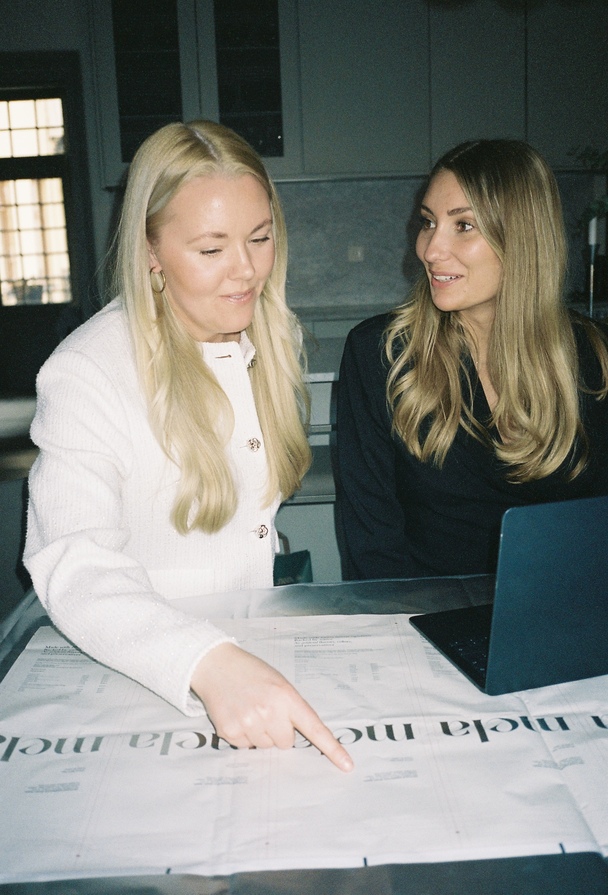
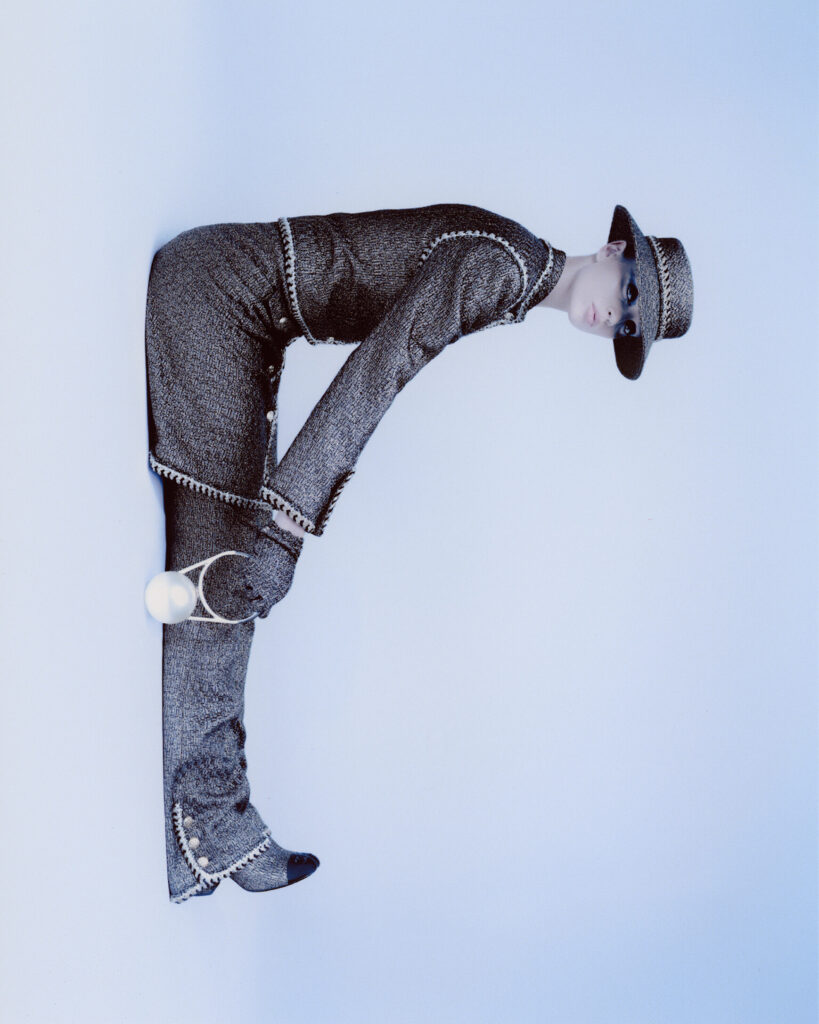
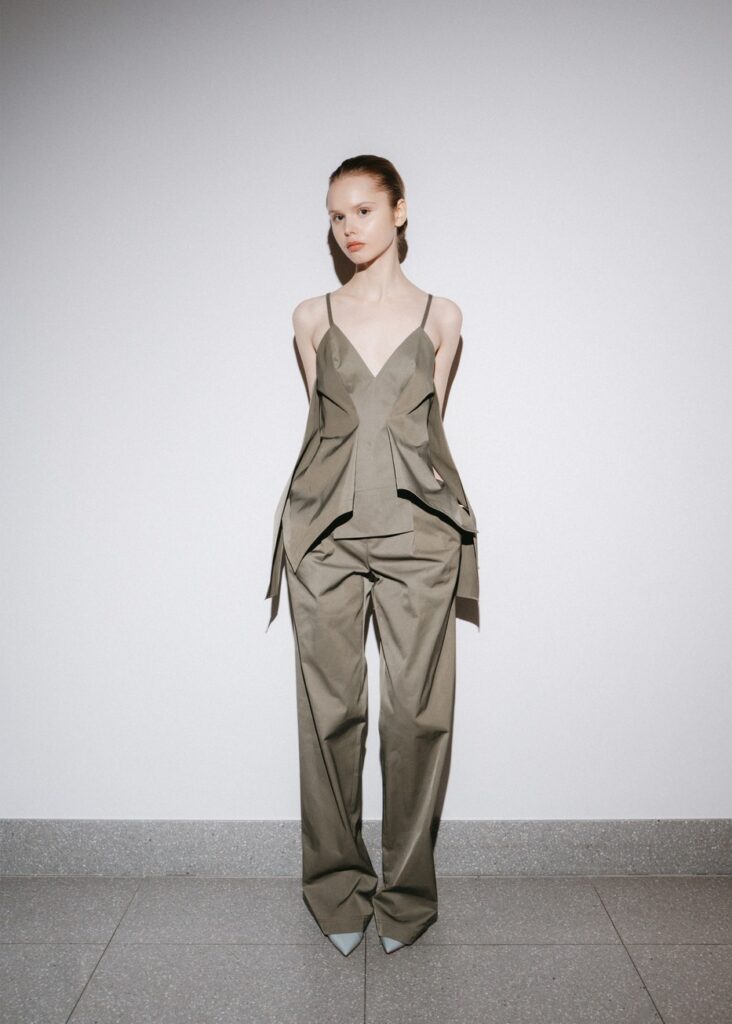
Odalisque Magazine Interviews Madeleine von Schedvin text Elsa Chagot images courtesy of Nelly Driven by a clear aesthetic and a deep connection to its audience, Nelly continues to shape its distinct design expression to the youth. We had the pleasure to interview Madeleine von Schedvin, Head of Design and Brand at Nelly, who actively helps shape the way young women dress and reflects on her creative journey and shares how trends, fit, and long-lasting quality come together to define the brand’s design DNA. Elsa: To begin, could you tell us a little about your background and what first sparked your interest in fashion, as well as how your relationship with clothing and design has developed over time? Madeleine von Schedvin: I grew up in the textile city of Borås, where my family and relatives have a long background in textiles. Fashion and clothing have therefore always been a natural part of my everyday life. I was given the opportunity early on to express my creativity through creating, such as building, painting, and sewing, and this was always encouraged at home. That Borås also offered textile education both at upper secondary school and at university meant that I knew early on that this was the path I wanted to take. My interest in clothing and design has been constant throughout my career for over 20 years. What still fascinates me are the many layers of expression that fashion offers. Everything from how one wants to feel, which occasion one dresses for, to which trends and styles one wants to explore. Fashion is a way to communicate without words, and it is just as fun today as when I started. EC:In your role as Head of Design and Brand at Nelly, how would you describe your approach to guiding and shaping the creative process? MS: I think it is important to lead with high visions while at the same time everything must be feasible. For me, the drive and direction come from a strong analysis of the surrounding world, which gives us insights into trends, the market, and the target group, which in turn become the foundation for concrete and creative decisions. I want to create an environment where the team feels inspired, involved, and secure enough to dare to test new ideas. EC: Nelly has a distinct aesthetic and identity. From your perspective, what defines the brand’s design DNA today, and in what ways do you feel you’ve influenced that evolution? MS: Nelly’s design DNA is built on style, fit, a clear expression, and quality. Colors and patterns play an important role in the overall feeling. My role has been to clarify and strengthen Nelly’s aesthetic and to create a consistent expression where all parts are connected. EC: When considering Nelly’s audience, how do you approach designing for young women and understanding what they’re looking for in fashion? How do you stay tuned into their needs and preferences? MS: Designing for a specific target group is about truly “feeling” them. I do this by listening, observing, monitoring the surrounding world, and analyzing trends, but also by understanding the social, cultural, and lifestyle-related changes that affect them. Women between the ages of 18–25 are in an exciting phase of life, from studies to working life, relationships, and personal development. Understanding these stages helps us create garments that feel both modern and functional, and that reflect their needs and expressions. EC: You collaborate with designers internally as well as with external brands, influencers, and creatives. What do you appreciate most about collaborative work, and what do you believe makes these partnerships successful? MS: It is very rewarding to be part of a creative process together with others; it opens up more perspectives and opportunities. It is especially fun when everything falls into place easily, with direct and honest communication and a shared understanding of vision and goals. And incredibly fun to create together! EC: How would you characterise your own personal aesthetic, and do you feel aspects of your style influence your creative direction at Nelly? MS: For me, comfort is always number one – clothes must fit well. No matter how nice I think something is, I would never wear it if it does not feel comfortable. My style is simple and relaxed, often with oversized proportions, and I like to complement it with jewelry or shoes that stand out. My personal taste does not guide Nelly’s creative direction, but my eye for trends and understanding of the brand in relation to the target group naturally influence how we develop collections. EC: Many designers draw inspiration from travel or cultural contrasts. What types of places, aesthetics, or craftsmanship inspire you most at the moment? How do you approach cultural influences in your work and ensure that inspiration is handled respectfully? MS: Travel is a major source of inspiration for me, especially places with a clear visual aesthetic. I look at how people dress on the street, architecture, interior design, and how things are conceptualized. If I draw inspiration from a culture, it is important to understand its meaning and context, so that it is done respectfully and does not become cultural appropriation. Seoul in Korea has long been a favorite destination. I am inspired by colors, silhouettes, textile production, and entrepreneurship, where visual concepts and packaging are highly valued. EC: Nelly has an important place in the wardrobes of young women. How do you approach keeping the brand relevant while also staying true to its roots? MS: For us, it is largely about building further on a style and aesthetic that holds over time. When you find your expression early, there is often a natural continuity, and that is something we protect in Nelly’s DNA. At the same time, we ensure quality in our products – garments should maintain both feel and function over time. Fit is also a central part for us, since a garment that fits correctly always feels relevant in the wardrobe, season after season. EC: Looking ahead,