Author name: Assistant

Contributors

Jonatan Antonio Magli

PHOTOGRAPHER
Jonatan Antonio Magli is an Italian American artist and photographer from the northwestern Kansas plains, based in New York. His work is interested in psychological interiority and the underlying unity of living things. He holds a BA from Georgetown University and is currently an MFA candidate in Photography at Parsons School of Design.

Fashion Articles

What We Choose to Reveal: An Interview with Antonio Del Canto

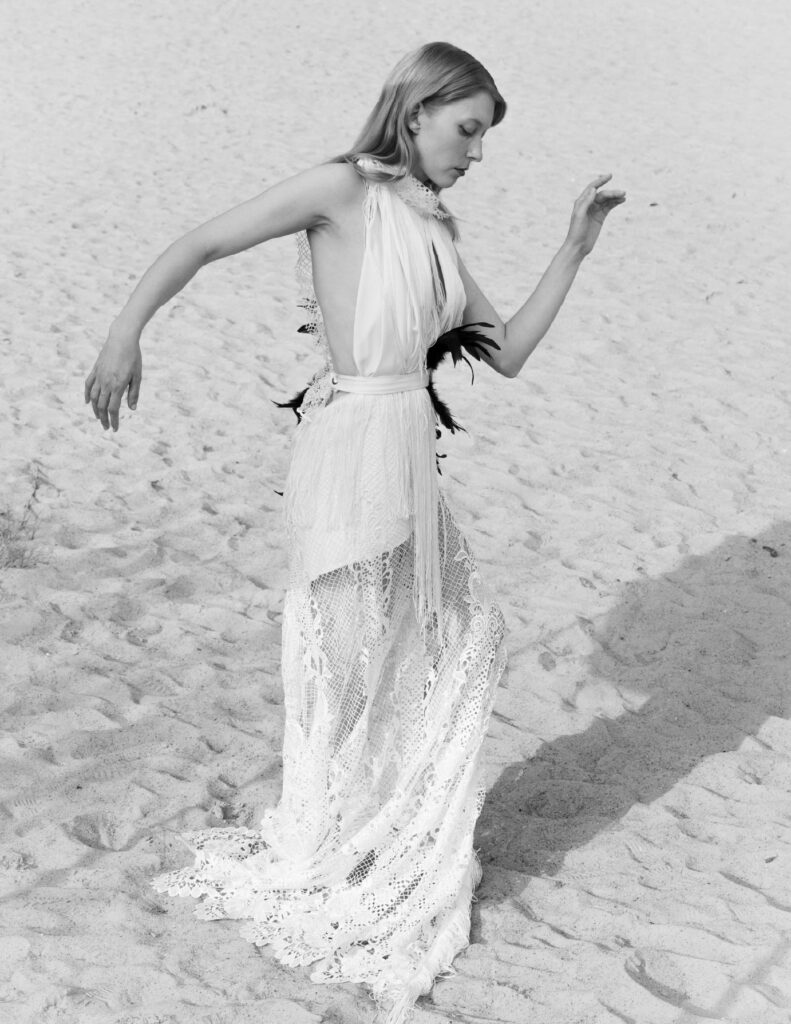
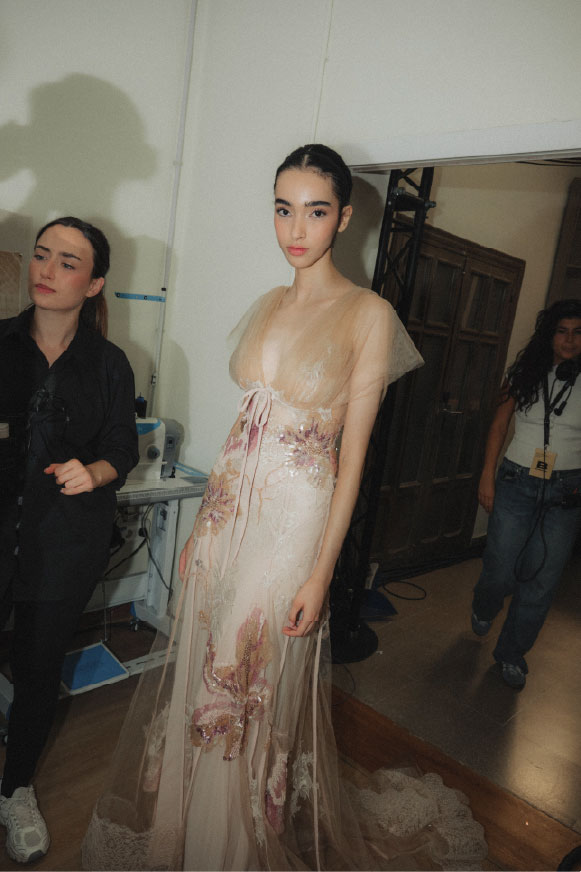
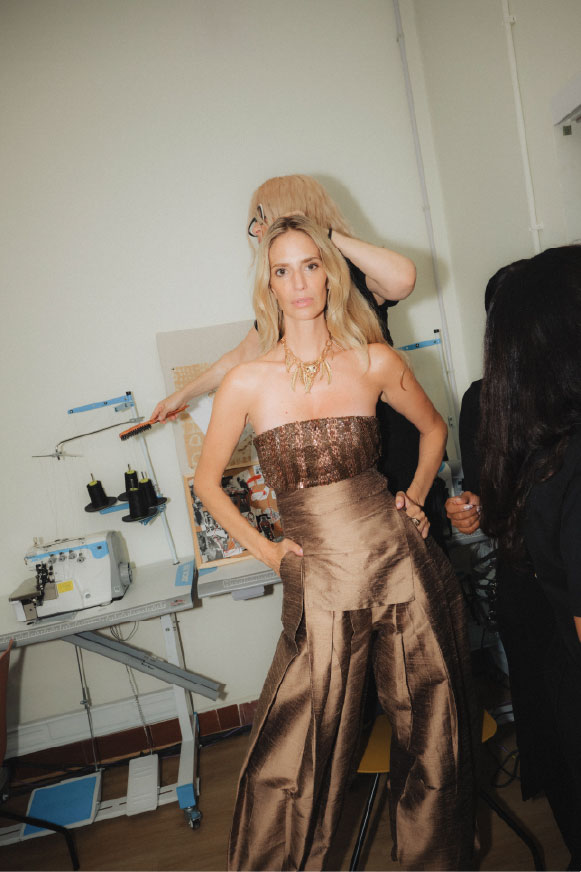
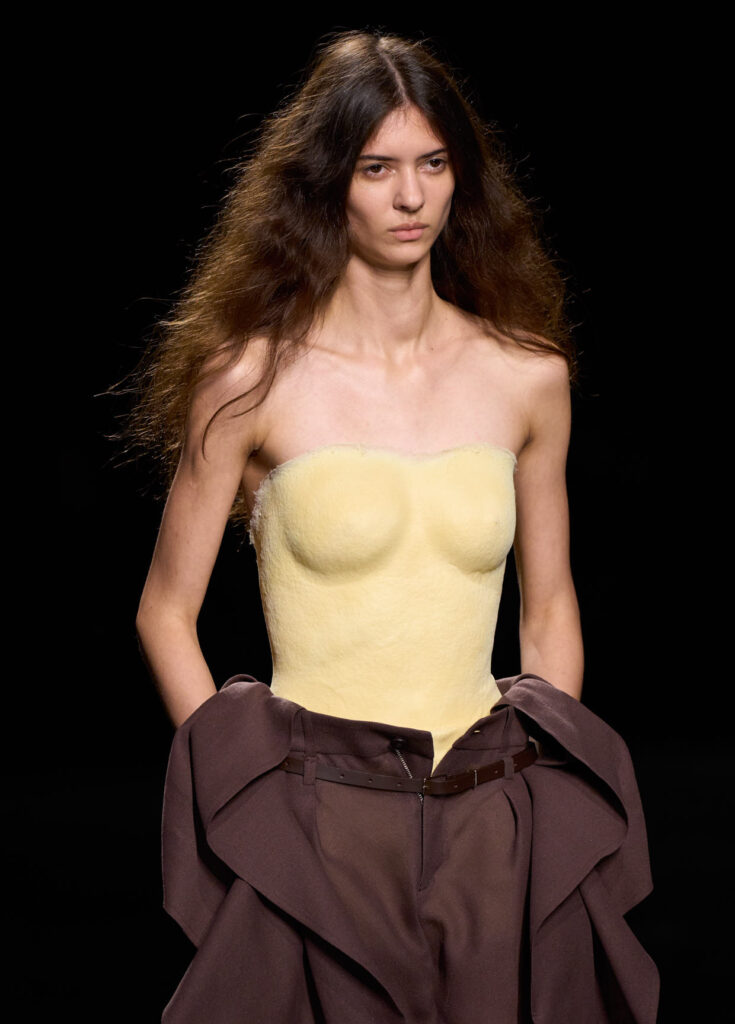
What We Choose to Reveal: An Interview with Antonio Del Canto Getting dressed is one of the most ordinary rituals in our daily life, yet it is also one of the first ways we decide how we want the world to see us. In between the privacy of the dressing room and the moment we step outside, clothes begin building the image of us we present to the world. It is in this private and transformational ritual that the designer Antonio Del Canto finds the starting point for his latest collection.    By drawing inspiration from the intimacy of the dressing table, del Canto investigates the parts that we keep hidden from others. Delicate transparencies reveal the underneath construction in a garment, while meticulous tailoring adds structure to the fragile aesthetic of the pieces. It is the result of del Canto’s experience both in tailoring and Parisian haute couture, where he translates the rigor of the former and the freedom of the latter into his own version of beauty. In our talk, the designer discussed the meaning behind the rituals of dress code, the duality of fragility and strength, and the freedom of fashion to embrace both.   Sandra Myhrberg: The collection explores the space between our private self and the image we choose to present to others. What interested you about that moment of transformation? Antonio del Canto: I’m fascinated by that very brief moment when you are still yourself, privately, but you are already beginning to construct the person the world is going to see. Getting dressed can seem like something very ordinary, but there is a lot happening in that gesture. We make decisions about what to reveal, what to protect, what to exaggerate. I wanted the collection to exist in that transition, before the image feels completely finished. photography Framae Studios image courtesy Madrid Fashion Week SM: The dressing table becomes an important symbol in the collection. Why did you choose such an intimate, everyday ritual as your starting point? ADC: The dressing table is a very private place. It is where you prepare yourself, but also where you observe yourself. There is something almost theatrical about it, the mirror, the objects, the repetition of gestures, the clothes waiting nearby. I liked the idea of taking something so familiar and domestic and bringing it into the collection. For me, it represents that conversation we have with ourselves before we step outside.    SM: Some of the pieces reveal their construction through layers and transparency. What did you want to express by showing what would normally remain hidden? ADC: I’ve always been interested in the inside of clothes, the seams, the structure, the layers that give a garment its shape. Usually, all of that work disappears once a piece is finished. Here, I wanted some of it to remain visible. Transparency allowed me to play with that idea of exposure without making it completely literal. You see the construction, but you also see the body, and then another layer changes your perception again. There is a tension between vulnerability and control that I find very beautiful. SM: Your background began in tailoring before you worked in Paris. How does that training continue to influence the way you approach a collection today? ADC: Tailoring taught me discipline. Before thinking about an image, I think about how a garment is built and how it sits on the body. I’m still very attached to that way of working. Even when a piece looks delicate or spontaneous, there has to be a strong construction underneath it. Paris expanded my visual language and my understanding of fashion, but tailoring gave me the foundation. I think the dialogue between those two experiences is still present in everything I do. SM: What do you hope people feel when they see the collection for the first time? ADC: I hope there is a sense of intimacy, almost as though they have entered a space they weren’t necessarily supposed to see. I don’t want everything to be understood immediately. I would rather someone feels curious and wants to look closer, to discover the layers, the construction and the small details. Ultimately, I hope the collection feels personal but still leaves enough space for people to recognise something of themselves in it.

Opiates

Leica Camera Expands Its Mobile Photography Ecosystem for iPhone

Leica Camera Expands Its Mobile Photography Ecosystem for iPhone Leica Camera AG expands its mobile photography ecosystem for iPhone with new features, creative possibilities and accessories designed to work together. Leica LUX 2.0 is the most comprehensive update of the Leica LUX camera app to date, introducing a new gallery interface, a redesigned user interface, Artist Look by Steve McCurry and support for iPhone 18 Pro and iPhone 18 Pro Max. The new gallery interface follows the same user logic as the Leica FOTOS app, creating a more unified photography experience within the Leica system. Leica LUX 2.0 also introduces direct access to Adobe Lightroom and Capture One, while new app icons take inspiration from classic Leica cameras. Developed in collaboration with Leica, Artist Look by Steve McCurry translates the photographer’s characteristic approach to colour, light and composition into a distinct aesthetic for mobile photography. Rather than automatically imitating McCurry’s photographs, the Look is designed as a starting point for individual photographic creation. The mobile system is further expanded with the Leica LUX Grip Silver and new Leica LUX Cases for iPhone 18 Pro and iPhone 18 Pro Max. The grip connects via MagSafe and Bluetooth and provides physical camera controls, while the black leather cases combine reliable protection with Leica’s characteristic design language. Together, Leica LUX 2.0, Leica LUX Grip Silver and the new Leica LUX Cases form a coordinated system for mobile photography. image courtesy Leica Camera AG

Fashion Articles

The Joy of More: An Interview with Celia Bernardo of Celia B

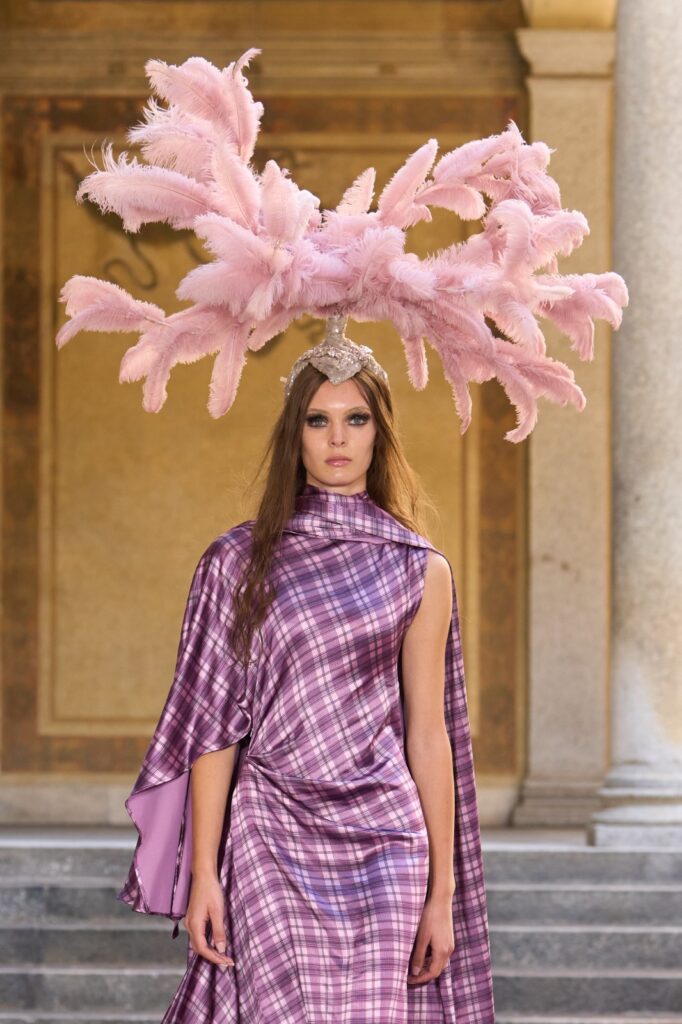
The Joy of More: An Interview with Celia Bernardo of Celia B Before Celia B became a universe of clashing prints, vibrant hues and maximalism, there were crochet bags. The journey of Celia Bernardo’s venture into making pieces by hand has been transformed into a visual universe fed from the creative energy and time she has dedicated living in Asia and the textiles, textures and references she has amassed. Yet, despite her travels, Madrid has been a pivotal player in the story of the brand. Bernardo studied in the Spanish capital, lived there for a decade and launched her designer career there. She returns now for Celia B’s first ever official runway at MBFWMadrid, bringing together many of the themes that have defined the brand since its inception; craftsmanship, instinct and an unabashed love of colour. In our chat, Bernardo looks back on returning to Madrid, the experiences that have shaped the lexicon of Celia B and why, above all, fashion needs to be joyful. photography Framae Studios image courtesy Madrid Fashion Week Sandra Myhrberg: This is your first official runway at MBFWMadrid. What does this moment mean to you?Celia Bernardo: It is incredibly exciting and a real honour to be part of the main national fashion platform in Spain, surrounded by so many established and talented designers. For me, it also feels like a recognition of the work we have been doing over the years.Madrid is a very important part of my story. I lived here for ten years, I came here to study, and it was also where I started my career as a designer. So coming back now to present Celia B at MBFWMadrid feels like a very special full circle moment. But more than anything, I see it as something to celebrate. I want to enjoy this moment with my family and friends, and especially with the incredible team behind the brand. SM: What made you want to bring your work to Madrid at this point in your career?CB: I think the timing felt right. MBFWMadrid is entering a new era, and I felt that Celia B was ready to be part of it. I have also always felt that Madrid has a special connection to the brand, and opening our showroom here a year ago made that connection even stronger.Since then, we have felt a very warm response from the city and its fashion community. So it felt like the right moment to bring our universe to the runway and introduce it to a wider audience. I want people to discover our way of seeing fashion, colourful, expressive and maximalist. I would love for people to feel curious about it, to have fun with fashion and to take more colour into their own wardrobes. SM: Your work has a very distinctive visual identity. How do you think that identity has evolved as the brand has grown?CB: I think the essence has always been there. I have always been very eclectic in the way I dress and the way I design. I love mixing different references, materials, prints and textures. Living in Asia for so many years had a huge influence on that. Being exposed to a completely different culture, together with all the travelling and experiences I’ve had over the years, gave me a lot of freedom creatively. It made me realise that I don’t have to worry about what people are going to think and that I can really trust my own instincts. I think Celia B is very much a reflection of my own universe, a mix of the places I’ve lived, the people I’ve met, the things I’ve experienced and all the references I’ve collected along the way. SM: How do you approach the relationship between craftsmanship, materials and contemporary design? CB: For me, craftsmanship is what gives a piece its soul. I am very attracted to things that have been made with care, and I love when you can feel that in a garment through the fabrics, textures or the embroidery.Some of the materials and details we use actually come from things we have found ourselves while travelling in different markets. Sometimes I see a fabric, a trim or an embroidered piece and I immediately fall in love with it. I might not even know yet what I am going to do with it, but I know I want to take it with me. Also, crochet is actually a very important part of the history of Celia B. The brand started with me making crochet bags, including our iconic Monster Bags, and crochet pieces have remained an important part of our collections ever since. It is something that has evolved with the brand, but has always been part of our DNA. SM: What would you like audiences to discover about Celia B through this Madrid debut?CB: With this runway, we want people to step into the world of Celia B and experience the universe we have created. I want them to discover our love for colour, prints, textures and maximalism, but also the joy and freedom that comes with dressing this way.More than anything, I want people to feel part of it, to connect with the energy of the show and hopefully leave feeling inspired to bring a little bit of that Celia B spirit into their own lives. And, of course, to have fun!

Scroll to Top