Estelle Graf on Art, Vulnerability and the Human Condition
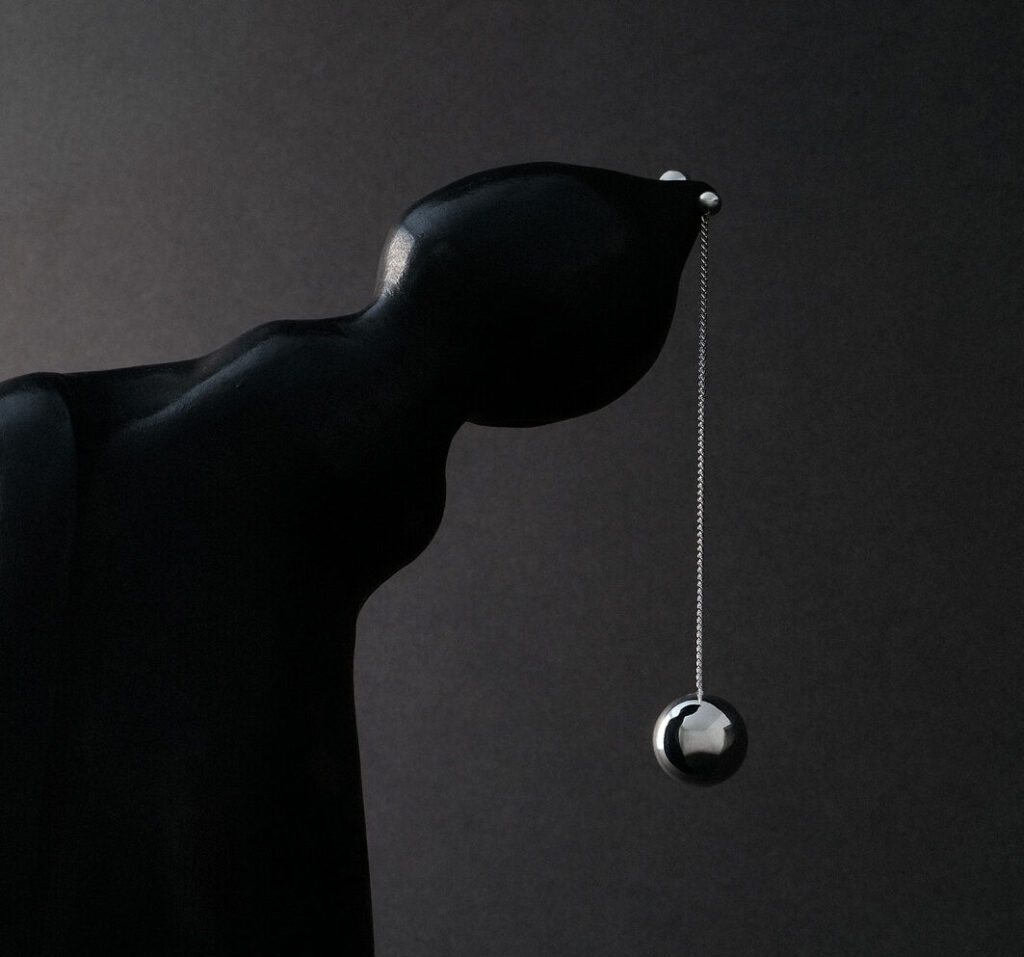
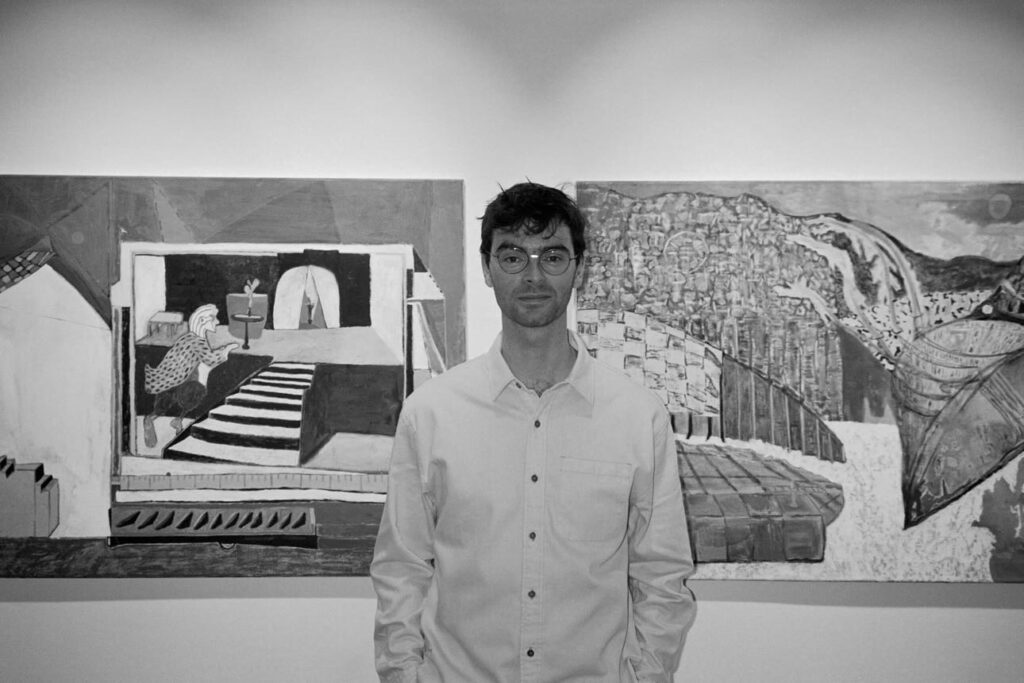
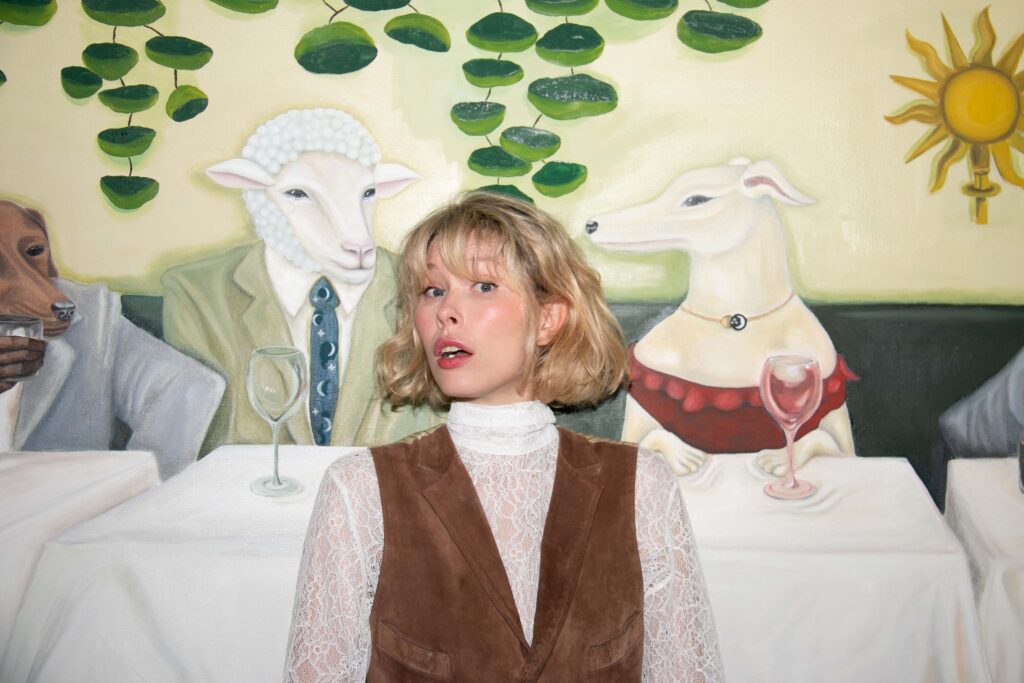
Estelle Graf on Art, Vulnerability and the Human Condition Written by Natalia Muntean Photo by Felicia Larsson In her exhibition “Dressed Up and Desperate” (Finklädd och Förtvivlad) at WAY Gallery in Stockholm, Swedish artist Estelle Graf delves into the complexities of the human condition through anthropomorphic figures. For the self-taught artist, these themes are not new obsessions but lifelong inquiries. “Everything I’ve painted… these are things I’ve been thinking about my whole life: what it means to be human, exist in this world, and hierarchies,” she explains. The exhibition brings into focus the fragile balance Graf depicts: the tension between the suit-clad personas we perform and the vulnerabilities we hide from others. “People usually try to hold up a picture of themselves being controlled,” she says, “and then underneath that, for everyone, there’s something unresolved or raw.” Through scenes with animal-headed figures, Graf uses humour and unease to strip away our social costumes, asking a question that fuels her entire practice: “We all seem to be struggling with the same things… and then when we go out in life, we’re still so conforming. We’re so tense, and we’re so scared. Why is that?” Natalia Muntean: “Dressed Up and Desperate” is an interesting title. What emotions or ideas did you want to capture through it?Estelle Graf: The title points to a tension I think many of us carry: the desire to present ourselves as composed, cultured, even elevated, while underneath there is something quite raw and unresolved. ”Dressed Up and Desperate” refers to that duality. We perform being human. We dress up, but the deeper emotional landscape is rarely neat. There is longing, confusion, insecurity, and hunger. The works move between the theatrical and the vulnerable, almost like characters caught mid-scene, mid-collapse. I wanted to hold both the absurdity and the sincerity of that state. NM: Was the title something you decided in the beginning, or did it come to you when you started working?EG: The theme it explains has been there. I’ve known what I’m trying to talk about all the time. But I think it always comes to me through the process – what could best describe what I’m thinking about right now, what I’m trying to communicate. So somewhere in the middle of the process, I think, “Okay, so this is it.” NM: How do you title your works?EG: When I’m finished, definitely. Sometimes I have a title in the beginning, and then it changes. I have an idea, “Okay, this is the story,” and I work with that as something to hold on to. Then, in the process, it changes and shifts and ends up as something else. I think the truth in the work often shows when I’m done. It’s similar to the way I work with myself as a human being. You have an idea of who you are, and then through the process of living your life, you realise stuff about yourself. You thought you were one way, and then three years later, you look back and realise something stood for something else. I think it’s the same when I create art. I start with one wish, one vision, one title, and then throughout the process, I realise, “Okay, this is probably more about this than that.” NM: Tell me a bit about your process – what does a day look like in your studio? Do you go in with a plan, or do you just let your intuition lead you?EG: To be creative and start my process, I need to be alone in a quiet space for quite some time. When I start the actual practical process, I can sit and just paint for eight hours straight. But before I do that, I have to sit in complete quiet. I can’t listen to anything, and I usually just stare at the wall, waiting for inspiration to kick in. NM: So you just need to be with yourself. And you don’t create from a place of chaos?EG: My work is about chaos in one way. It’s chaos to just be alive. And in order to be able to tell the story about chaos, I need to be in harmony. NM: I know you’ve written a book before as well, and have explored some of its themes through your art. How does storytelling differ between these two media? Obviously, painting and writing are quite different, but how does your approach shift depending on the medium?EG: When changing media, it’s also a way of getting a new outlook. If I have an idea and I’m writing about it, it will give me one conclusion. If I try to translate that into a painting, even directly, it will maybe give me a different conclusion. That’s something I think is really interesting. The medium can help you find new conclusions or discover things about a subject you thought you had turned upside down. You change medium and you’re like, “Oh, this is what it’s about.” NM: You are a self-taught painter – tell me about this journey.EG: Yes, I am self-taught. I’ve been painting all my life, but I was so scared of making that my work identity. NM: Why?EG: I think maybe because it’s vulnerable. If something really means something to you… I have a feeling, when I talk to friends and read about people’s lives, that a lot of people are doing their plan B because their plan A is vulnerable. It means something to you. So if you’re going to take it too seriously, that’s a risk. It’s the same with relationships. The more it means to you, the harder it is to get too close. That was the case for me. I wasn’t even trying to walk close to it until I actually studied form and learning design. It started with a book. I felt like, “Oh, so this story that I’m telling, or the thoughts that I’m having… people seem interested in this narrative.” That’s a nice feeling – to feel that