Author name: Natalia Muntean

Culinary

OMAKA Opens a New Beer Bar in Stockholm

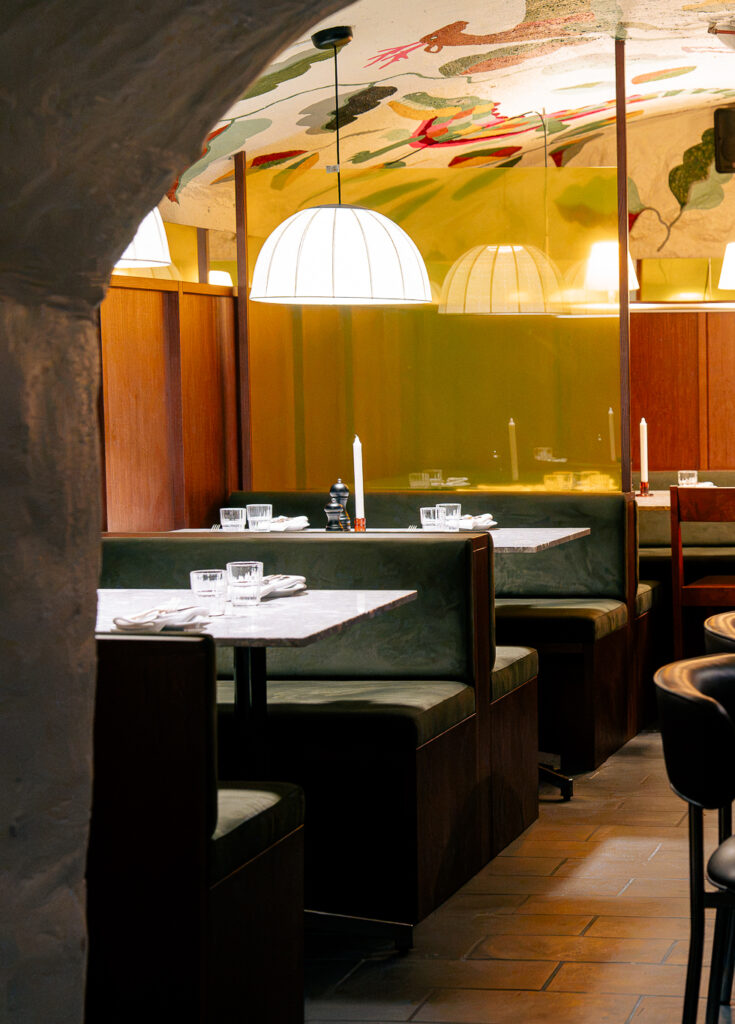
OMAKA Opens a New Beer Bar in Stockholm OMAKA, the craft brewery and restaurant concept founded in 2020 is opening its first outpost on the south side of the city. OMAKA Ölbar opens on 27 March inside Restaurang Ponti on the island of Södermalm, a collaboration with restaurant duo Oskar Larsson and Eloi Berthelin, the team behind Schmaltz, Galinas pizza, and Tengu. It marks the brewery’s first move beyond Östermalm and a new context in which fresh craft beer takes centre stage. OMAKA was founded by brewmaster Hedda Spendrup with a stated ambition to shift how beer is understood as a flavour experience, experimenting with taste rather than playing it safe. The new bar is something Spendrup has had in mind for a while. “OMAKA Ölbar will be a place entirely on beer’s own terms, without rules for how it should be. Come in for a quick beer after work, or stay and taste your way through the evening,” says Spendrup. The bar serves OMAKA’s fresh craft beers alongside a simple menu of pizza and selected snacks. The format is deliberately accessible, equally suited to a quick stop or a longer evening spent working through the range. For Oskar Larsson, the draw was straightforward – “We have created a bar where you can drink fresh, quality beer without it getting too nerdy.” The interior was designed by Jeanette Didon, known for her work across restaurants, bars, and clubs in New York and Paris. Raw materials, concrete and steel, are offset by wood, textiles and art for a relaxed, living-room atmosphere. 

Art

Stockholm Art Week Returns 21–26 April

Stockholm Art Week Returns 21–26 April Stockholm Art Week returns for its 2026 edition from 21 to 26 April, with an opening event at Moderna Museet on 20 April. The week draws together the full breadth of Stockholm’s art scene, from major institutions and commercial galleries to artist-run initiatives and temporary public interventions, under a single programme designed to position the city as an international destination for contemporary art. Two of the Nordic region’s most significant art fairs mark milestone anniversaries this year: Market Art Fair and Supermarket Art Fair, both celebrate their 20th editions. Market moves to a new venue, Magasin 9 in Frihamnen, while Supermarket takes place in Slakthusområdet. IASPIS also marks its 30th anniversary during the week. Among the institutional highlights, Moderna Museet opens Anna Casparsson – The Isle of Bliss, and Fotografiska presents I Am Everything, a new exhibition by Lotta Antonsson. In public space, Italian artist Davide Rivalta inaugurates a new sculpture at Mynttorget in central Stockholm, and Statens konstråd presents Träet talar. Kummelholmen opens to visitors for a single day. The programme includes artist talks at venues across the city, among them Petra Lindholm at Galleri Magnus Karlsson, Sara-Vide Ericson at the Royal Institute of Art, Filippa Arrias at Färgfabriken, and Diana Orving at Millesgården. A private viewing of Mark Dion’s installation The Classroom is held at the Stockholm School of Economics. On Saturday, an open Gallery Breakfast Tour takes in galleries in Östermalm and around Hudiksvallsgatan. Younger and emerging voices are well represented: 25 Konstfack students present work in the group exhibition Schvung, and Parallel Collective hosts an opening night. Private home exhibitions are presented by Misschief in Vasastan and Eva Livijn in Östermalm. Special projects include a collaboration between Porsche and sculptor Anders Krisár, presenting a purpose-made Art Car, and A Day’s March launches a tote bag and Stockholm Art Week’s official overshirt, developed with artist Rugiyatou Ylva Jallow in collaboration with Mack Art Foundation. “Stockholm Art Week is an opportunity to experience the entire city’s art scene within one week, from museums and established galleries to artist-run initiatives and temporary projects in the urban space,” says Joanna Sundström, Founder, Stockholm Art Week. The full programme is updated continuously at stockholmartweek.com.

Design

Veermakers Opens Its First Paris Showroom in Le Marais

Veermakers Opens Its First Paris Showroom in Le Marais Veermakers, the Stockholm-founded furniture brand known for its Scandinavian craftsmanship, is opening its first international showroom in Le Marais, Paris. The space launches in April in connection with PAD and is conceived as a curated hybrid between showroom and art gallery, open by appointment, with the brand’s collection presented alongside work by Scandinavian artists on a rotating basis. It marks the first time the majority of Veermakers’ collection will be shown together in a single environment. Several new pieces have been developed specifically for the Paris space, including the brand’s first dining chair, executed in high-gloss black-stained beechwood. The showroom will also present new work created exclusively for the opening context. “With our showroom in Paris, we finally have the opportunity to present Veermakers furniture in the way it is meant to be experienced, up close, where the craftsmanship, materials, and details really come into their own.” – Louise Liljencrantz, Co-founder and Creative Director, Veermakers The inaugural exhibition features Swedish artist LG Lundberg (b. 1938), whose work is held in several major collections including Moderna Museet in Stockholm. Lundberg began his career in the 1960s with painting influenced by popular culture before developing a more introspective visual language centred on everyday subjects. Veermakers will show a selection of his oil paintings depicting the Swedish archipelago. The works are on view until September 2026 and available for sale. Veermakers was founded in 2017 by designer Louise Liljencrantz in collaboration with cabinet maker KFK Cabinet Makers. Production takes place in Sweden and Finland, with the brand retaining full in-house control over the making process, from raw material selection through to final execution.

Opiates

Charlotte Tilbury Expands the Pillow Talk Universe

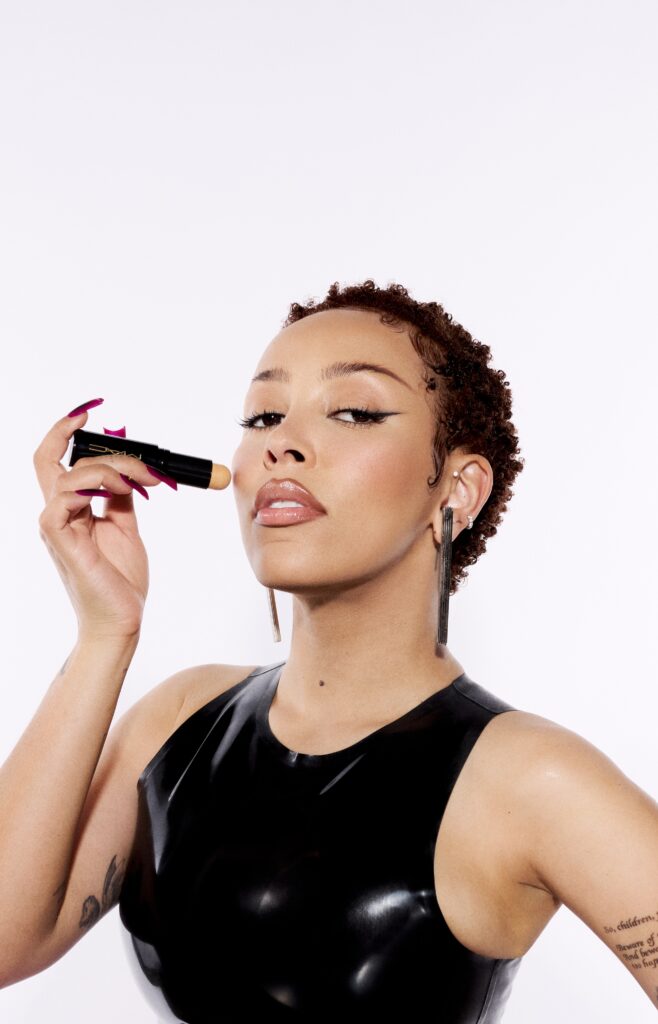
Charlotte Tilbury Expands the Pillow Talk Universe Charlotte Tilbury is adding two new products to its Pillow Talk line under the banner Pillow Talk in Bloom. The hero launch is the Pillow Talk Blush Balm Lip Tint, a 3-in-1 formula that functions as a lipstick, balm, and tint in one swipe. Alongside it, the brand’s sell-out Pillow Talk Beauty Soulmates Palette returns in its original Flawless Pink shade and a new Flawless Rosewood. The lip tint is built around Charlotte Tilbury’s pH Custom Colour Chemistry, which adapts to the wearer’s skin chemistry to create a personalised tint. The formula contains 92% botanical butters and oils, including Shea, Cocoa, and Kokum Seed Butters, plus youth-boosting peptides. It claims up to 8 hours of wear, 24-hour hydration, and a 248% increase in moisture after one hour. The finish is sheer and diffused, designed to enhance rather than mask natural lip colour. It can also be applied to the cheeks as a sheer blush. Six shades are available at launch: Pillow Talk Medium, Blushed Rose, Pillow Talk, Blushed Jam, Cherry Talk, and 90s Kiss, ranging from a neutral cool rose to a muted cool-toned brown. The Beauty Soulmates Palette is a limited-edition heart-shaped compact pairing a colour-correcting version of the brand’s Airbrush Flawless Finish with a Pillow Talk powder blush. Flawless Pink pairs a light pink setting powder with a pink blur blush; the new Flawless Rosewood pairs a light peach powder with a pink terracotta blush. Both products launched exclusively via the Charlotte Tilbury app on 20 March, with wider availability online and in stores from 23 March. The Beauty Soulmates Palette is also available at Sephora from 23 March.

Opiates

Too Faced’s Chocolate Collection Gets a Spring Update

Too Faced’s Chocolate Collection Gets a Spring Update Too Faced is adding three new products to its Chocolate franchise this spring, all sharing the line’s signature cocoa scent and warm brown aesthetic. The collection spans complexion, eye, and face in one cohesive drop. Leading the launch is the Chocolate Soleil Matte Blurring Bronzer, a buildable, soft-focus formula that blends easily without settling into lines. Alongside it comes the Chocolate Soleil Multi-Use Sculpting & Defining Pencil, a creamy, water-resistant pencil designed for lips, face, and brows in one step. Completing the trio is a new Chocolate Brown shade of the brand’s Ribbon Wrapped Lash mascara. The tubing formula uses Ribbon Wrap Technology to form length-maximising tubes around each lash, with the Lash Extension brush delivering root-to-tip coverage. It’s smudge-proof, flake-proof, and humidity-resistant, with 24-hour wear, and removes with warm water only. The new shade offers a softer, more natural alternative to the original black. The collection launches at Sephora on 13 April, at KICKS, Matas on 22 April, and at H&M Beauty on 27 April 2026.

Design

Barber Osgerby and Kasthall: Letting the Loom Lead

Barber Osgerby and Kasthall: Letting the Loom Lead Text by Natalia Muntean Atlas and Bon Bon, the first collaboration between London-based Barber & Osgerby and Swedish carpet manufacturer Kasthall, were born directly from the conditions of the industrial loom. Working closely with Kasthall’s team in Kinna, Edward Barber and Jay Osgerby spent time on the factory floor, immersing themselves in the rhythm and constraints of the mill before a single design decision was made. Rather than imposing a fixed aesthetic, they allowed the tools, techniques and archive of a 135-year-old company to shape the direction of their work, arriving, through experimentation and some sixty prototypes, at two collections that are as different from each other as they are from anything Kasthall has produced before. Natalia Muntean spoke with Edward Barber. Natalia Muntean: A lot of the collaboration with Kasthall was about listening and understanding their process. Was there something that surprised you, or maybe a limitation that inspired you when you were working with their industrial loom, something that changed the process, or made you rethink certain things?Edward Barber: I’d never done woven carpets before, so it was a completely new experience for me. And with every project I do, before designing anything, I always like to go and see where the objects are made and how they’re made, and talk to the people who make them, especially if it’s a craft project. And in a way, whilst this is industrial, for me this is also very much a craft project.So I spent a few days at the factory in Kinna to understand the process. They explained how the loom works. The basics are incredibly simple: you have the warp, and then you weave in between it, but when it comes to creating different patterns and techniques, it suddenly becomes much more complicated. They also have an extensive archive, so I spent some time going through it, mainly to see the range of colours they offer. A lot of it is very decorative and floral, which wasn’t what we were doing. The thing about archives is that they’re useful to a certain extent, but if you get too deep into them, you get lost, and they influence you too much. It’s good to get an idea and then close the door. After that, we started putting some experiments together. It was a back-and-forth process of them making samples, sending them to me, me changing the size of the weave or the colours, or asking more questions. When you come to something completely new, you have no preconceived ideas about what’s possible and what isn’t, so you ask what might seem like stupid questions. And sometimes they say, that’s interesting, we hadn’t thought of doing that before. They’re so nice to work with, such amazing people. We had a great dialogue, and it was really just a question of samples, changing them, more samples, until eventually we got to three different designs, three different patterns. They’re very simple, just straightforward woven carpets, but they’re really beautiful. I’m very, very pleased with them.NM: When you decided to work together, you didn’t have a preconceived plan as such; you went to Kinna, got to know their process, and that’s how the ideas started?EB: I’d seen Kasthall carpets over the years. I was aware of the company, and I’d seen various designs, but I didn’t think, this is what we need to do. It was really looking at some of the techniques they’d used in the past and saying, well, what about if we do this, but change this aspect of it? Can we make this bigger or smaller? What if we add two different coloured threads instead of using a single colour? Things like that, just asking questions, really. NM: Tell me about the two collections, Atlas and Bon Bon. How did you come up with the names, and what distinguishes one from the other?EB: Bon Bon is much stronger, more graphic in terms of its colourways. We use colour a lot in the studio, in a way that’s quite experimental, quite strong. With Bon Bon, we really went for it and tried to mix three colours on each carpet to create one finished colour. So the pattern is quite small, from a distance it might look like the carpet is one colour, but as you get closer, you can clearly see three different colours working together. It felt like a jar of sweets. And the names all reflect edible things. You’ve got Liquorice, Lemon, Toffee, Berry, Rhubarb, and Damson. They’re more playful, possibly even for a younger market.  Atlas is a very chunky weave, so you get quite a thick carpet. And what we’ve done is mix two or three colours, on one we’ve got four, and it comes across quite randomly. So each carpet will look different because the threads moving across don’t go evenly every time. Sometimes you have a green thread on top and sometimes an orange thread, so you get this nice variation of tone and colour. I would call this a more organic, natural-looking carpet, and the colours reflect that. We called it Atlas because these colours, when woven, were quite reminiscent of older Moroccan carpets, with natural dyes for the threads. The Atlas Mountains are in Morocco, and when you look at the design, you see triangular shapes that resemble a mountain range. So we thought, Atlas. The two are completely different directions. NM: The intriguing thing about Atlas is that when you look closely, you can very clearly see the warp. Why was it important to leave it exposed, and how does it change how the rug feels?EB: Whenever we design anything, we always try to find a different way, or a new way to do something. With carpets, that’s pretty difficult – they’ve been around for thousands of years. But it’s a little unusual to be able to see the warp exposed the way it is. After some of the experiments, I was

Opiates

Manasi 7 Launches Eye Glow Colour in Two New Shades

Manasi 7 Launches Eye Glow Colour in Two New Shades The Swedish organic beauty brand expands its cult cream eyeshadow range with Adzuki and Chaura, two buildable, shimmer-finish shades suited to day and evening wear. Manasi 7 has added two new shades to its Eye Glow Colour line, a certified organic cream eyeshadow that has become one of the brand’s signature products. The formula is built around Sweet Almond Oil, Beeswax, Apricot Kernel Oil, and Shea Butter, giving it a texture that blends like a cream and sets like a powder. The new shades are Adzuki and Chaura, will be available starting April 22nd, at 37 EUR / 370 SEK. The Eye Glow Colour is designed to work with fingers or a brush, with a single swipe delivering a sheer, light-catching effect and additional layers building to a more dramatic finish. The formula is silicone- and alcohol-free, with organic oils that are activated by the warmth of the skin. CHAURA “A versatile mauve shade that creates an effortlessly sophisticated look” A brown mauve that reads as both modern and timeless. Wearable from day to evening — light for a subtle effect or layered for depth and richness. ADZUKI “A striking multichromatic shade with cooler undertones” Shifts between brownish red, purple, greyish blue, silver, and gold depending on the light. A modern, multidimensional shade that works across skin tones.

Opiates

Dua Lipa Steps Into Nespresso’s Next Chapter

Dua Lipa Steps Into Nespresso’s Next Chapter Nespresso has announced Dua Lipa as its new Global Brand Ambassador, marking what the brand describes as a new creative chapter, 40 years after it first changed how people make coffee at home. The choice of Lipa reflects where Nespresso wants to be culturally: she is known not just for her music but for her broader influence across fashion, arts, and media. Beyond recording and touring, she has built platforms around storytelling and creative culture, collaborating across a wide range of artistic disciplines. Nespresso sees those qualities: curiosity, range, a willingness to evolve as a natural fit for the brand.  “She symbolises curiosity, openness, and the courage to always try new things – an energy entirely aligned with the direction we’re taking as a brand,” says Leonardo Aizpuru, CMO, Nespresso For Lipa, the partnership was an easy decision. “I feel as though I’ve grown up with Nespresso,” she says. “There has always been a machine nearby: at home with my family, on recording sets, in hotel rooms. I love how they constantly explore new flavours and new ways to challenge themselves. We’ve already had a lot of fun together, and this is only the beginning.” On April 14th, Nespresso launches Vertuo World – a new global campaign across all platforms led by Lipa. It will also feature a brief appearance from existing ambassador George Clooney, connecting the new direction to the brand’s longer history.

Fashion Articles

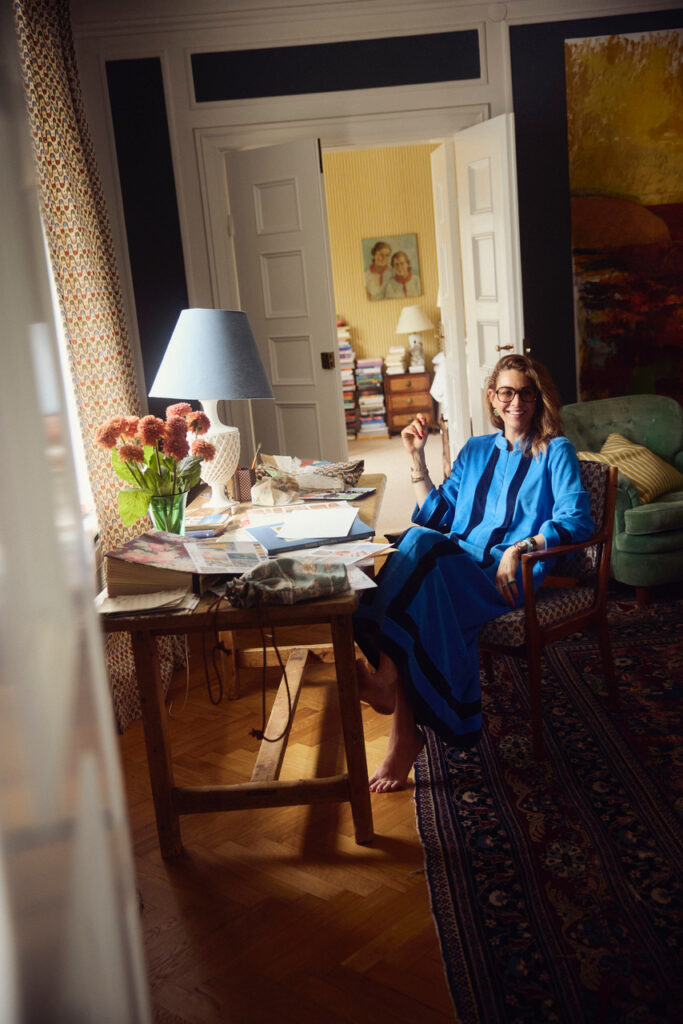
A New Standard of Luxury: Inside KARAAT with Julia Hakanpää

A New Standard of Luxury: Inside KARAAT with Julia Hakanpää text by Natalia Muntean In an industry long defined by tradition and opacity, Julia Hakanpää is part of a new wave reshaping the meaning of fine jewellery. As founder and CEO of KARAAT, the Finnish brand championing lab-grown diamonds and recycled gold, she is building a vision of luxury rooted not only in craftsmanship and design, but in transparency and responsibility. What began as a personal search for an engagement ring has since evolved into a growing label challenging conventions and redefining modern heirlooms.  Natalia Muntean: You discovered lab-grown diamonds while searching for your own engagement ring. What was the exact moment you realised this wasn’t just a purchase, but a business idea?Julia Hakanpää: The moment came during our visit to Antwerp. I remember sitting across the table from our partner there, learning about lab-grown diamonds for the first time. I was fascinated that something so beautiful and technologically advanced existed, yet almost no one in the Nordics was talking about it. What made the moment particularly powerful was that I had just gone through the exact experience that many of our customers have today. I had been the customer searching for an engagement ring, trying to understand the options, and wanting to feel confident about the choice I was making. It immediately struck me how different that experience could be. Here was a gemstone with the same physical and optical properties as mined diamonds, but without many of the environmental or ethical concerns tied to mining. It answered so many of the questions I had been struggling with myself. That was when the idea started to form. If this discovery felt so meaningful to me as a customer, it could feel the same way to many others. Bringing lab-grown diamonds to the Nordics suddenly felt less like a business opportunity and more like something that simply needed to happen. NM: KARAAT was born out of a desire to “update” a traditional industry. What, in your opinion, most urgently needs updating?JH: For me, the biggest thing was transparency. When we were looking for engagement rings, I often felt that the industry relied heavily on tradition and authority; customers were expected to trust the process without always understanding it. There wasn’t always clear information about where diamonds came from, how they were produced, or what different choices really meant. At the same time, from a design perspective, I struggled to find pieces that felt like me. Many of the designs I encountered felt overly traditional or simply not aligned with my style. I was looking for something timeless, but with a fresh and modern feeling. Today’s customers want to feel informed and confident in their decisions, but they also want design that reflects the way they live today. With KARAAT, I wanted to create what I call modern heirlooms, pieces that feel contemporary today but will still look beautiful and relevant decades from now. Updating the industry, in my view, means combining traditional craftsmanship with modern transparency, responsible materials, and a design language that speaks to a new generation. NM: How has your original vision for KARAAT evolved in the past five years?JH: In the beginning, the vision was quite focused: introducing lab-grown diamonds to the Nordic market and helping people understand that there was another option. When we started, lab-grown diamonds were still relatively unknown in our region. A large part of our work was simply educating customers and building trust around something new to many people. Over the past five years, that vision has grown into something much bigger. Today, KARAAT is not only about introducing lab-grown diamonds – it’s about redefining what modern fine jewellery can look like. It’s about combining responsible materials with timeless design, exceptional craftsmanship, and a more personal way of experiencing jewellery. What hasn’t changed is the core idea. We still want to create pieces that feel meaningful, transparent, and lasting. The difference is that today we see the potential to build something much larger, a brand that resonates far beyond the Nordics. NM: Lab-grown diamonds were once a “well-kept secret”. What misconceptions do you still encounter today?JH: The most common misconception is still that lab-grown diamonds are somehow different from mined ones in terms of quality or authenticity. In reality, they are chemically, physically, and optically identical to mined diamonds. They are graded using the same standards and can only be distinguished in specialised laboratories. Another persistent myth is that mined diamonds retain their value better. When founding KARAAT, I learned much more about the traditional diamond industry and the mark-ups that have historically existed within it. Many of the early lab-grown diamond brands shared the same mission: bringing those mark-ups down and creating a more transparent market for customers. The value of jewellery, in my view, is not defined by speculative resale prices. The true value lies in the materials and craftsmanship, gold and diamonds that, when cared for properly, last for generations. That durability is what allows jewellery to become heirlooms. For many people, discovering lab-grown diamonds is still a moment of surprise, very similar to the one I experienced myself years ago in Antwerp. NM: Sustainability is often used as a marketing term. For you personally, what does responsibility truly mean in luxury?JH: For me, responsibility in luxury starts with honesty and transparency. Customers today want to understand what they are buying, where materials come from, how they are produced, and the impact behind them. Luxury should never rely on mystery or blind trust. People deserve clear information so they can make choices that align with their own values. At KARAAT, we work with lab-grown diamonds produced using renewable energy and 18-karat recycled gold, and our pieces are crafted by highly skilled goldsmiths in Italy. For us, responsibility is not only about the materials themselves, but also about craftsmanship and longevity, creating jewellery that is made with care and designed to last. True luxury should never be disposable. Gold and diamonds are incredibly

Opiates

aim’n’a Spring Senses Collection Arrives With Pilates in Mind

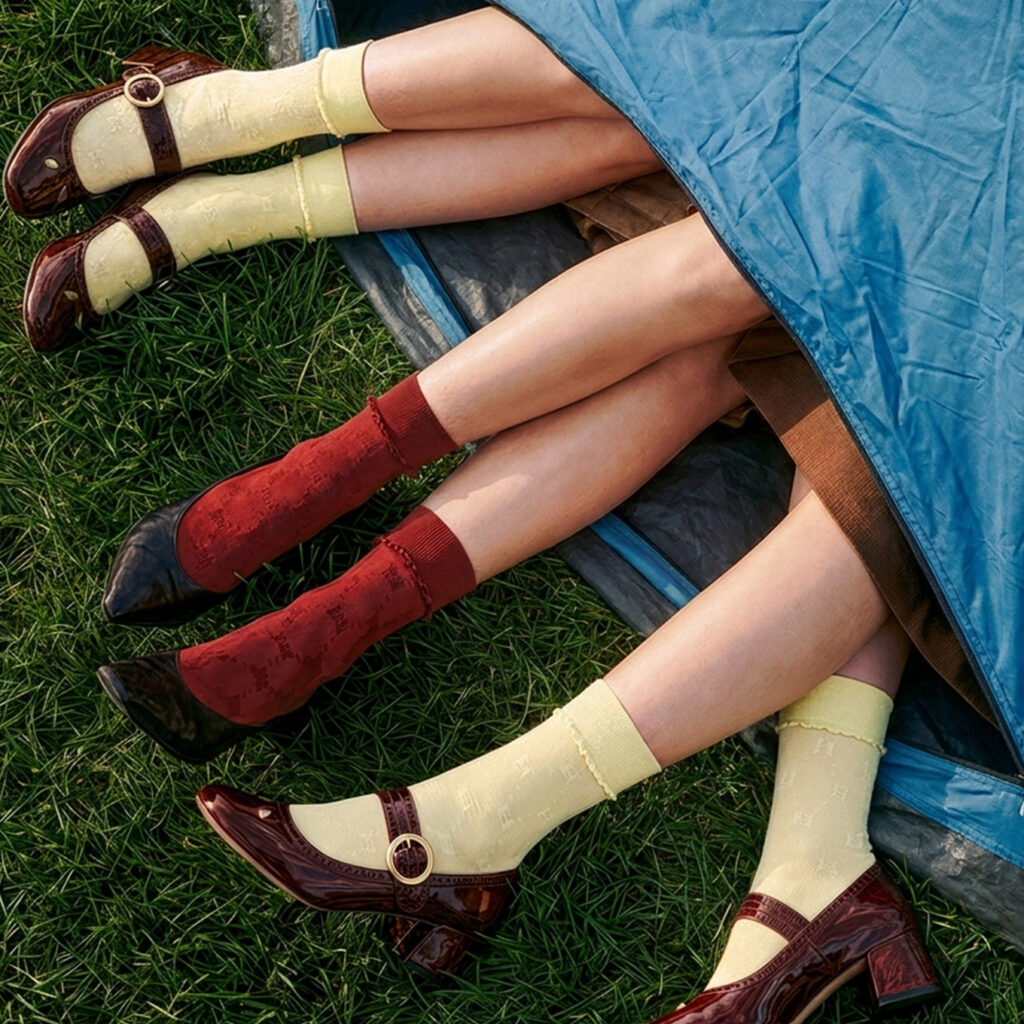
aim’n’a Spring Senses Collection Arrives With Pilates in Mind aim’n’s new Spring Senses collection launches this month with a clear brief: clothes for the growing number of women turning to Pilates, barre, and low-intensity training as a long-term approach to movement rather than a passing trend. The palette reads accordingly: Blush, Ballerina, Dark Clay, shades that feel more like a state of mind than a colour story. Central to the collection is the Sense fabric, soft and flexible in a way that disappears against the body, which is precisely the point. A new one-shoulder bralette introduces a modern silhouette that the brand plans to carry into future collections – a quiet signal that this is less a seasonal offering than a direction. The Ribbed Seamless range expands into Dark Clay, and several styles in both fabrics are built to move seamlessly from studio to street, a line aim’n has been blurring with increasing confidence. Two tops in an entirely new material, Luminous, round out the range. Lightweight and fluid with a semi-matte sheen, the fabric leans into drape and movement, with ruched and draped details at the sleeves and sides that catch the light. There is also a dress in the Sense fabric, designed for everyday wear but cut from the same soft logic as everything else in the collection. The most practical addition may be the most telling: Pilates grip socks, the brand’s first foray into accessories, developed for studio stability. A small thing, but a precise one, the kind of detail that signals a brand paying close attention to how its customers actually live. “Our community is asking for garments that feel soft, flexible and refined, pieces they can wear both in the Pilates studio and at the office,” says CEO and founder Tekla Acs. “This collection is created with exactly that feeling in mind.” Spring Senses is available now at aimn.se and in stores, in sizes XXS–XL.

Scroll to Top