Travel

Travel

Culinary Icons at Puente Romano: A Feast for the Senses

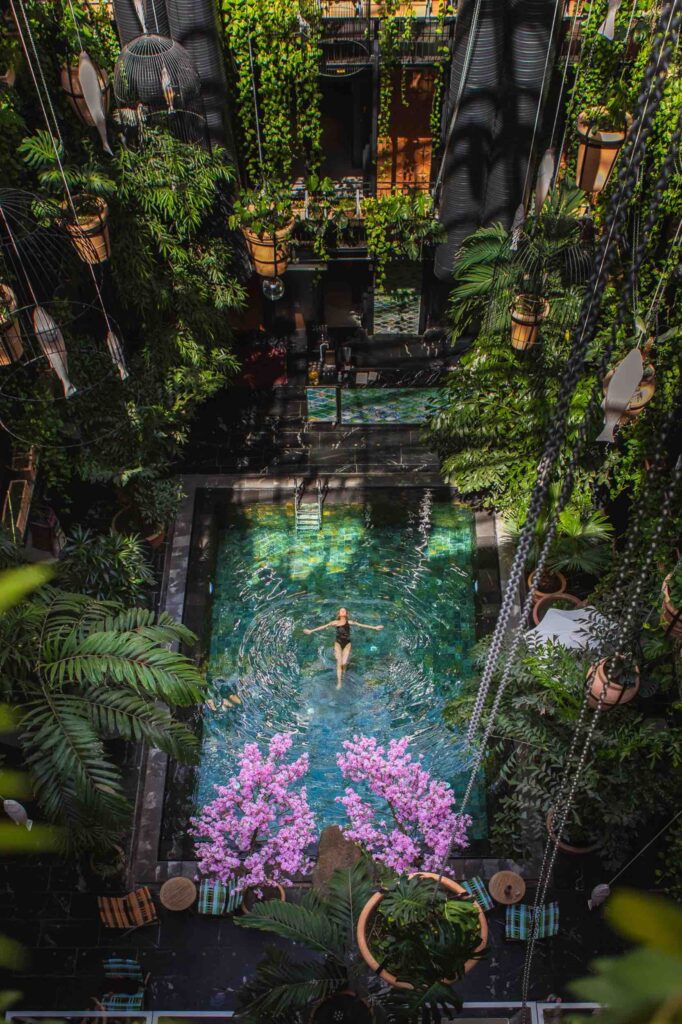
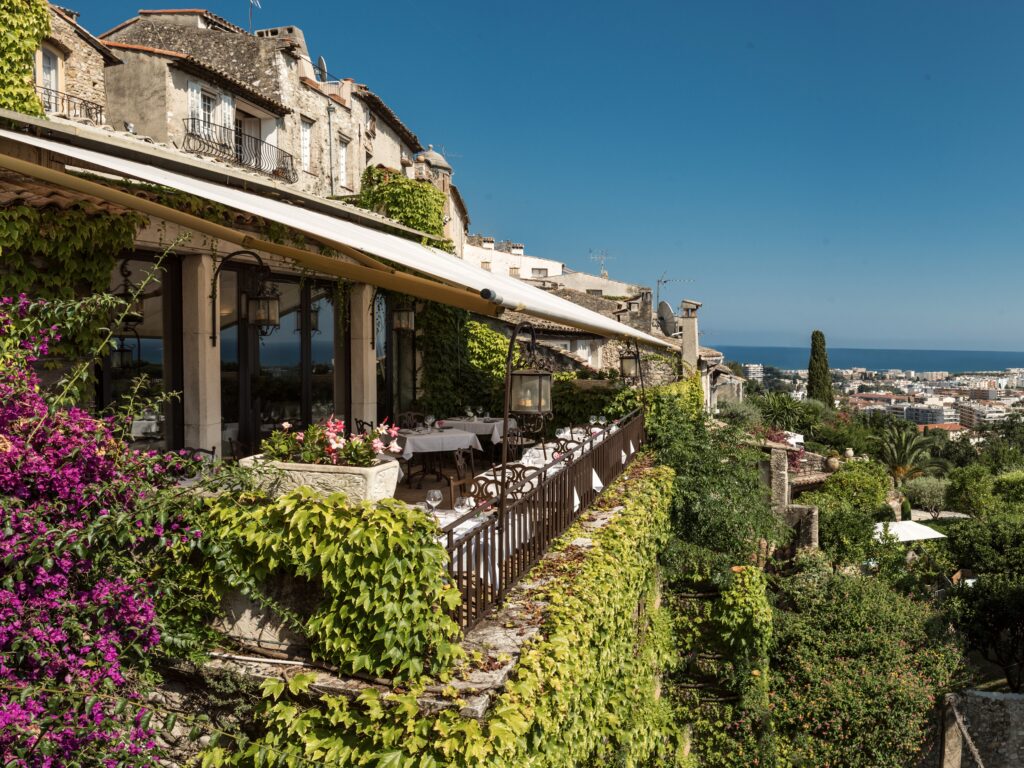
Culinary Icons at Puente Romano: A Feast for the Senses Text by Natalia Muntean Puente Romano is not easy to summarise. Named after a first-century Roman bridge at its centre, the resort began as an apartment complex before opening as a hotel in 1979, and has since grown into something closer to a self-contained village. Comprised of whitewashed houses named after local Andalusian towns, subtropical botanical gardens, a long gold beach, its five pools, spread across the resort’s grounds, each offer a distinct atmosphere, true to its moniker of Mediterranean Playground, and enough ground that guests require a map to navigate it, Puente Romano is a kaleidoscope for the senses.  What sets the resort apart gastronomically is not the number of restaurants, more than twenty, but the relationships built that help them thrive. Nobu Marbella, GAIA, Leña, and the recently opened La Petite Maison are not simply tenants. They are the result of two decades of deliberate curation by Daniel Shamoon, who took over the resort from his father in 1995 and has since built something closer to a culinary ecosystem than a dining programme. Culinary Icons is where that ecosystem becomes visible. “It started as an idea to celebrate the chefs whose restaurants have made this resort what it is today,” Shamoon said. “It keeps getting better.” On June 2nd 2016, Puente Romano hosted the second edition of Culinary Icons, gathering five of the world’s best chefs. Two hundred and thirty-five guests had gathered in La Plaza, the resort’s open-air square that can function as something between a piazza and a stage set. SIPS Barcelona, named the World’s Best Bar in 2023 and Best Bar in Europe three years running, is now in summer residence at Bar La Plaza and welcomed guests with a Paloma Santoni Spritz created exclusively for the occasion. In its second year, the event’s format has sharpened considerably. Where the first edition brought together three chefs, this one expanded to five. Nobu Matsuhisa opened the afternoon, followed by Izu Ani with a dramatic Salt Crusted King Crab; Dani García brought his Nitro Tomato with green gazpacho and Motril shrimps, a dish first created at Puente Romano over twenty years ago that has since followed him to kitchens across the world; and Yiannis Kioroglou presented Rigatoni aux Truffes and Caviar Pissaladière, rooted in the French Riviera culinary tradition. Albert Adrià closed the afternoon with dessert. All the proceeds raised from the ticket sales were given to the Spanish Red Cross, the event’s charity partner, in support of their humanitarian work.  Chef Nobu Matsuhisa presented two dishes on stage: Tuna Tataki Tosazu and Seabass Kombujime Oshi Sushi, the latter a pressed rectangle of rice and fish so precisely calibrated it looked closer to architecture than lunch. When asked what he hopes guests notice when they watch him cook live, he said that foremost, he is enjoying himself. “I like to introduce my Nobu style, my sushi, with more passion,” he continued. For a chef with sixty restaurants across the world, the pleasure still appears to be genuine. That pleasure has its roots in a creative rupture that occurred more than forty years ago, when a young Japanese chef arrived in Peru and found an entirely different logic of cooking. “In Japan, fish is sashimi: fresh fish, wasabi and soy sauce. But in Peru, the same fish is cooked in a completely different way, with lemon juice, garlic, chilli, cilantro, onions. Ceviche is what changed my mind. It gave me more freedom to use fish in a different way.” The word he returned to was freedom – the permission, discovered in another culture’s kitchen, to treat Japanese cuisine not as a fixed set of rules but as a foundation. That foundation now supports sixty restaurants worldwide. When asked how he maintains consistency or intimacy across that scale, his answer reframed the question entirely. “The history is the team. A lot of people have been working since the beginning. They know everything. That’s why I’m a very lucky person.”  “My food is very simple,” he continued, “and maybe one misunderstanding people still have is that they think about sashimi in a traditional way. My way: no wasabi, instead jalapeño and different spices. Maybe some people say: This is not sashimi.” And that is the whole point of the Nobu cuisine – to disrupt and bring together different worlds.  If you were wondering what a chef of his calibre reaches for in need of comfort, the answer is simple. “Anything my wife cooks. She’s like my private chef at home.” Albert Adrià closed the afternoon with dessert, presenting two dishes: the Cork Stopper, disguised as a wine cork, and a Chocolate and Yuzu Waffle that balanced richness with the brightness of Japanese citrus. Adrià is sixty-one years old, forty of those years spent in professional kitchens. “Sometimes I believe I don’t know. You always need to learn more and more because I always think about the customers, not about me. People pay a lot of money to eat. So when the plate is empty, and the faces of people are happy, I don’t need to know more. The plate doesn’t lie.” His thoughts on dessert’s place in fine dining were direct. “The dessert is the end of the party,” he says. “It’s the last thing you remember when you go back home.” He has been making that finish for four decades, and his impatience with how little the category has evolved was evident. “I don’t see too many changes in dessert compared to twenty years ago. Of course, we talk about the reduction of fat, of sugar, better balance, but people still like sugar.” On legacy, Adrià said that it is the young chefs who worked with him. “The most famous chefs around the world worked at El Bulli. This is our school.” And the feeling he wants to leave with guests? “ La cocina es felicidad. Cooking is happiness,” he says.  Culinary Icons will return with a Third

Travel

Ruby Frida Opens in Stockholm – Ruby Group’s Scandinavian Debut

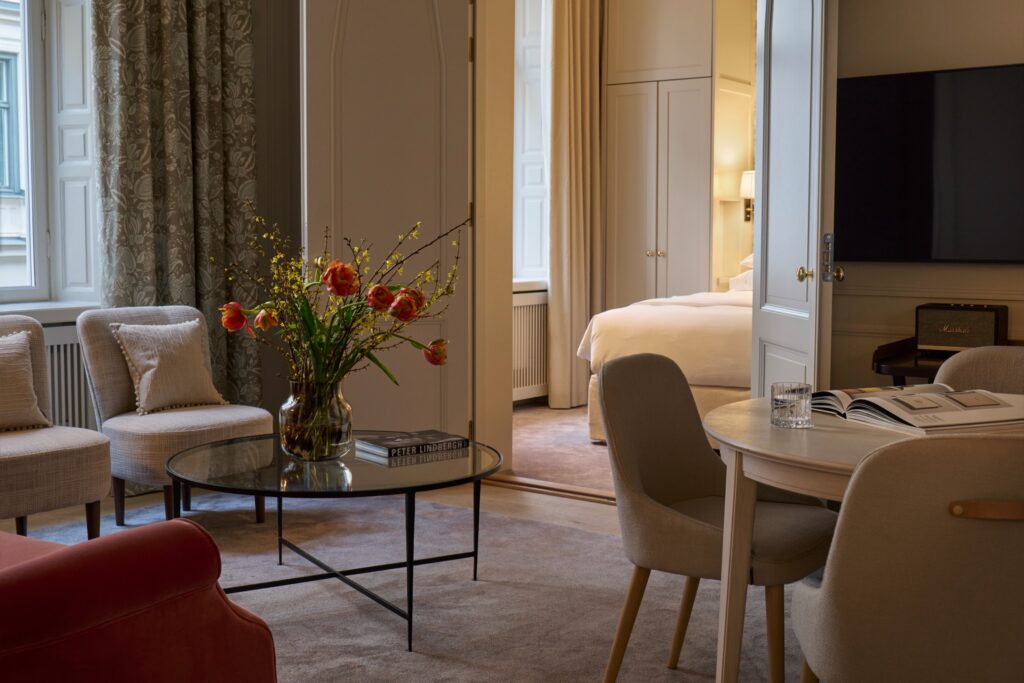
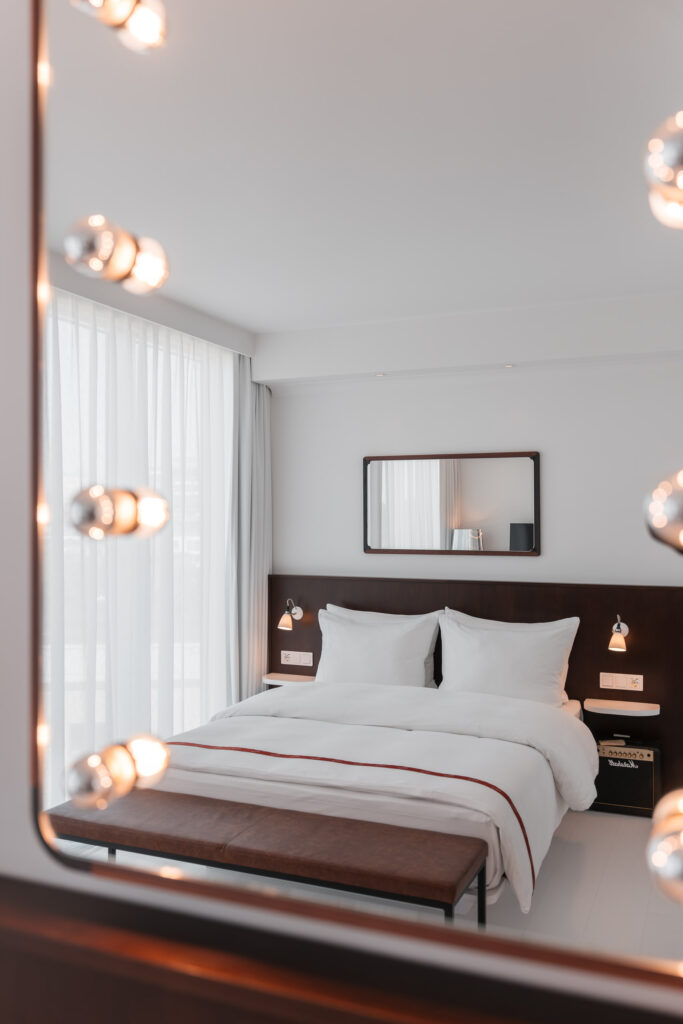
Ruby Frida Opens in Stockholm – Ruby Group’s Scandinavian Debut Ruby Group, the Munich-founded hotel brand known for its Lean Luxury concept, opened its first Scandinavian property on 15 June. Ruby Frida is the brand’s first hotel in Sweden and a significant moment in its international expansion.  The choice of the Kungsholmen area in Stockholm is rooted in the neighbourhood’s own musical history. In the decades that shaped Sweden’s outsized influence on global pop, this part of Stockholm was home to influential recording studios and creative spaces. Just steps from the hotel stood the legendary Cheiron Studios, which became one of the world’s most influential pop music operations and a home to some of the era’s most significant producers and songwriters. That legacy is the conceptual heart of Ruby Frida. The design draws on Scandinavian modernism and the unconventional creative energy of the 1960s – warm timber, geometric forms, vinyl culture references, tactile materials, layered lighting, and intimate lounge areas that feel simultaneously nostalgic and contemporary. The building itself is a converted 1960s property, now transformed into a mixed-use destination where the hotel shares the block with offices, restaurants, and retail. “Ruby Frida has a strong connection to Stockholm’s creative soul, with a design and atmosphere shaped by the city’s music heritage. It’s created to feel genuinely Stockholm — open, social and full of character, where guests and locals can meet in a destination with its own clear personality,” says Michael Struck, CEO and Founder of Ruby Group. Music runs through the entire stay, from curated sound experiences and live performances in the evenings to Marshall amplifiers and Bluetooth speakers in every room, connecting guests to the city’s creative life beyond the hotel walls. The 187 rooms are divided across three categories: Cosy, Lovely and Wow, with select rooms offering private balconies overlooking Stockholm. The bar and lounge operate around the clock, with an Italian-inspired snacks menu and international breakfast. Self check-in and a fully digital guest journey keep the experience frictionless. “On Ruby, every hotel begins with the city it operates in. With Ruby Frida, Stockholm’s creative rhythm has been allowed to take form in the design — every detail draws inspiration from the city’s music heritage and cultural energy,” says Lauren Krostue, VP Global Brand Management of Ruby.   The hotel is well positioned for both leisure and business travel: ten minutes to Stockholm Central by public transport, around 40 minutes to Arlanda Airport, and walking distance to Gamla Stan, the waterfront, and the city’s growing creative scene. Rooms start from 1,100 SEK per night, excluding breakfast. IHG One Rewards members can book directly via the IHG app. Ruby Frida is the brand’s first step into Scandinavia, but not its last, with ambitions to grow to more than 120 hotels globally within the next decade and over 250 within 20 years. Founded in 2013 by Michael Struck, Ruby now operates over 20 hotels across Europe’s major cities, including London, Vienna, Amsterdam, Zurich, Rome, and Hamburg. Since early 2025, the brand has been part of IHG Hotels & Resorts, giving it access to IHG’s global distribution network and the IHG One Rewards loyalty programme.
Travel, Uncategorized

Not Just a Renovation: The Reinvention of Sheraton Stockholm

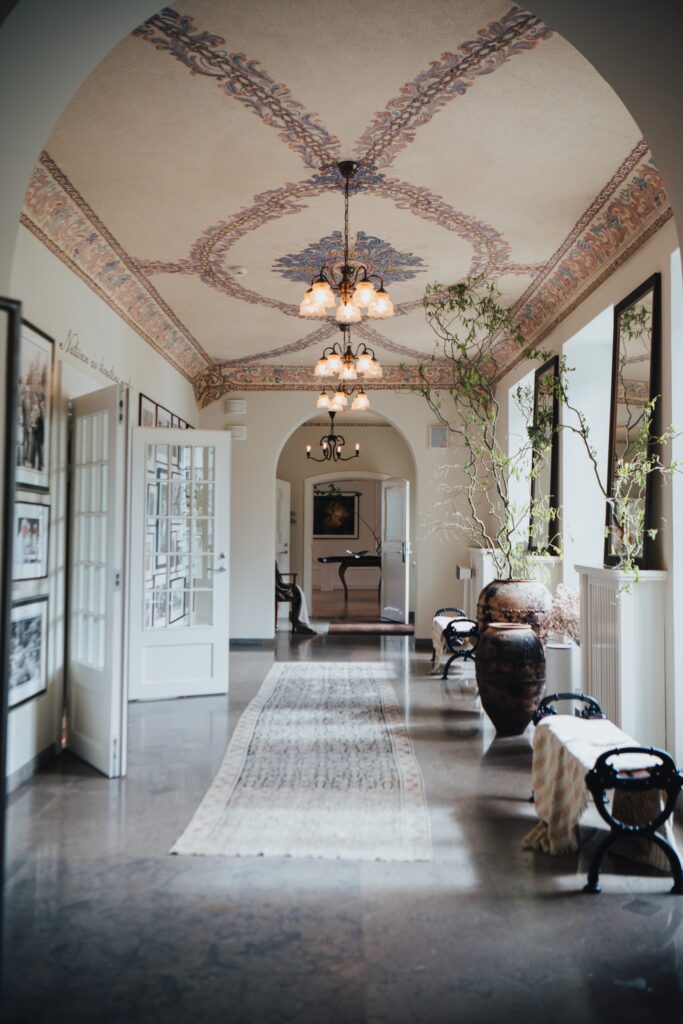
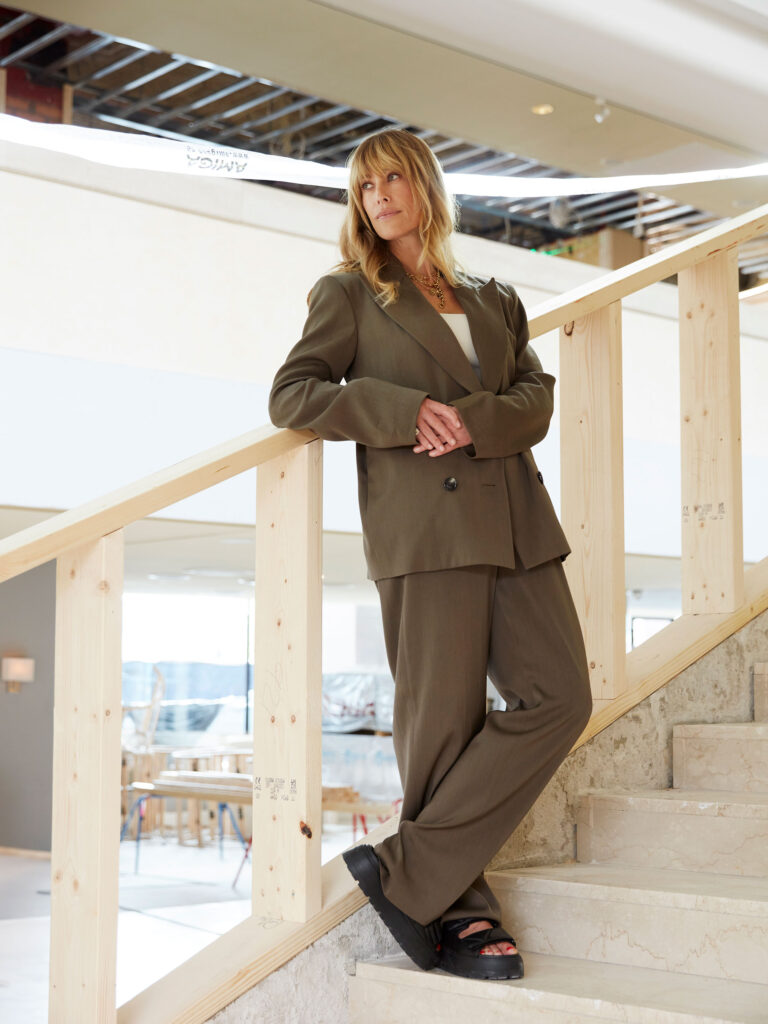
Not Just a Renovation: The Reinvention of Sheraton Stockholm images courtesy Sheraton  Sheraton Stockholm is in the middle of a transformation that goes far beyond new carpets and fresh paint. It’s a rethink of purpose, identity and relevance; a shift from being a global chain outpost to becoming a place with a point of view.    In this conversation, Elin Roquet reflects on why a traditional renovation would have been too small a gesture, how “A Journey Towards the Light” became the guiding principle for every decision, and what it takes to lead a long, complex redesign without losing momentum.    The result is a hotel aiming to feel less like a brand template and more like a lived‑in, confident part of Stockholm’s rhythm.     What convinced you that Sheraton Stockholm needed a full transformation rather than a traditional renovation? Because a cosmetic update would have been dishonest. The problem was never the surface, it was relevance. The city had moved forward. The hotel had stayed put. At that point, changing the carpets isn’t enough. You have to question the whole thing. What are we actually for, and why would anyone choose us tomorrow?   How would you describe the identity you’re shaping for the “new” Sheraton Stockholm? International in feel, local in confidence. Not sterile luxury, something more lived-in. Where it feels just as natural to stop by for a glass of wine as it does to check in for a week. Less “global chain”, more someone’s beautifully considered home.   What does “A Journey Towards the Light” mean to you in practical terms? It’s a filter for everything. Light shapes how we think about materials, movement, how we meet the guest. Less heavy, less closed, more air. In practice, it means removing friction. Anything that feels dark, complicated or unnecessary gets cut.   What did you consciously decide to leave behind? The idea of being “for everyone” in a way that makes you relevant to no one. And anything generic — that feeling of being interchangeable with a hotel in any other city.   Part of what drove that decision is that luxury and premium have been applied so broadly and so indiscriminately across the global hospitality market that the labels have genuinely lost their meaning. When everything is five-star, nothing is. The lifestyle segment matters more than ever right now precisely because it’s the space where taste, curation and personality still carry weight. That’s where we want to operate. When you walk into the renovated rooms, what detail tells you the design is working? When it feels quiet in the right way. Not literally, mentally. When the room doesn’t ask anything of you and you land without needing to adjust, rearrange or think. That’s when you know the proportions, the light and the materials are right.   Can you point to a moment where you had to make a difficult trade-off? Several. But the clearest one was how far to open up the public spaces. Design-wise, you want to dissolve every boundary. Operationally, you need control. We had to find a balance that still feels free but actually works on a Saturday night when every seat is taken.   What moment in this transformation most tested you as a leader? The middle. Not the beginning, when everything is possibility, and not the end, when you can see the finish line, but the middle, when it’s still far away and everyone is tired. That’s where leadership is actually decided.   How do you sustain energy in a team going through something this long and complex? By being very clear about why we’re doing it. People can handle more than you think, but only if they understand what they’re building. And you have to actually celebrate progress along the way, because otherwise it just feels like an endless construction site with no horizon. Can you share a moment where Marriott’s global standards and Scandinavian hospitality philosophy pulled in different directions? It happens more than you’d think. Marriott is built on structure and recognition, while Scandinavian hospitality is more intuitive and understated. A concrete example is the level of formality in how we meet guests. We’ve pushed it toward the personal, even when that means stretching the framework a little.   What role do you want Sheraton Stockholm to play in the city’s cultural and social life? I want it to be part of the city’s rhythm. A place where things happen but without feeling like they’re trying to, where you end up by chance and stay longer than you planned. If we get it right, people won’t think of it as “the hotel”. They’ll think of it as “where we go”.   How are guest expectations changing? People are more sophisticated now and they see through anything built on autopilot. Correct service isn’t enough anymore, it has to feel like something. We’ve shifted from optimizing processes to curating experiences. Less standard, more point of view.   What do you hope guests will still remember ten years from now? A feeling rather than a specific detail. That it was somewhere they felt at ease without quite being able to explain why. And maybe a night at the bar that ran a little longer than planned.   If you had to describe the future Sheraton Stockholm in one sentence? A place that Stockholm didn’t know it was missing, until now.

Scroll to Top