
Not Just a Renovation: The Reinvention of Sheraton Stockholm
images courtesy Sheraton
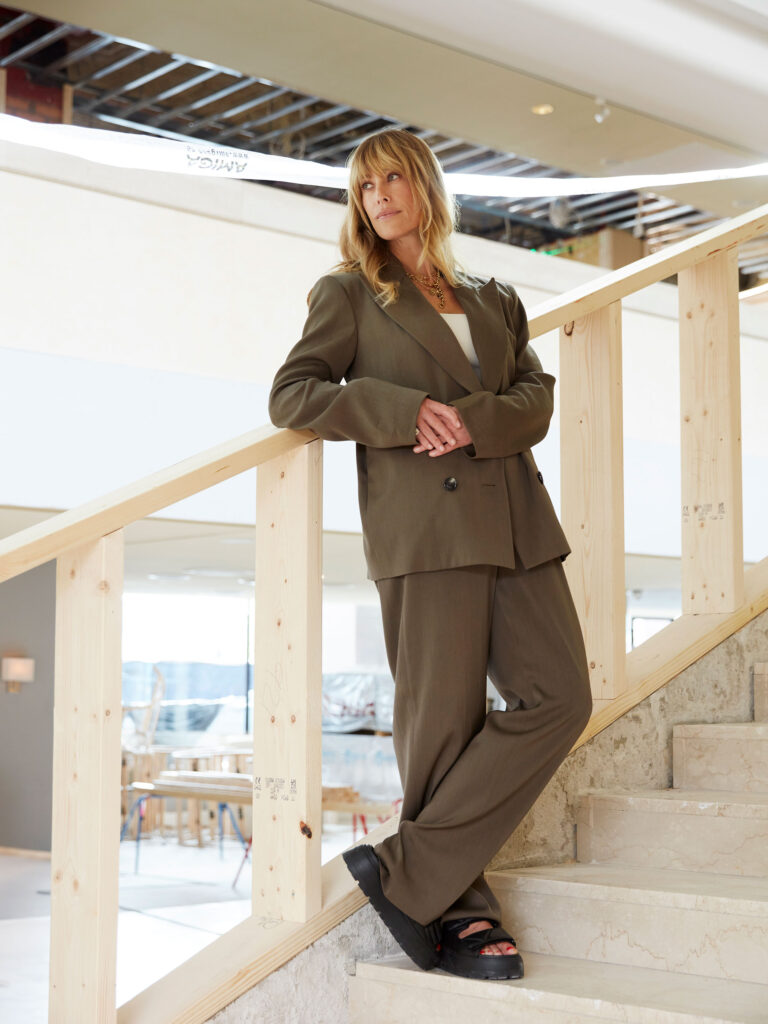
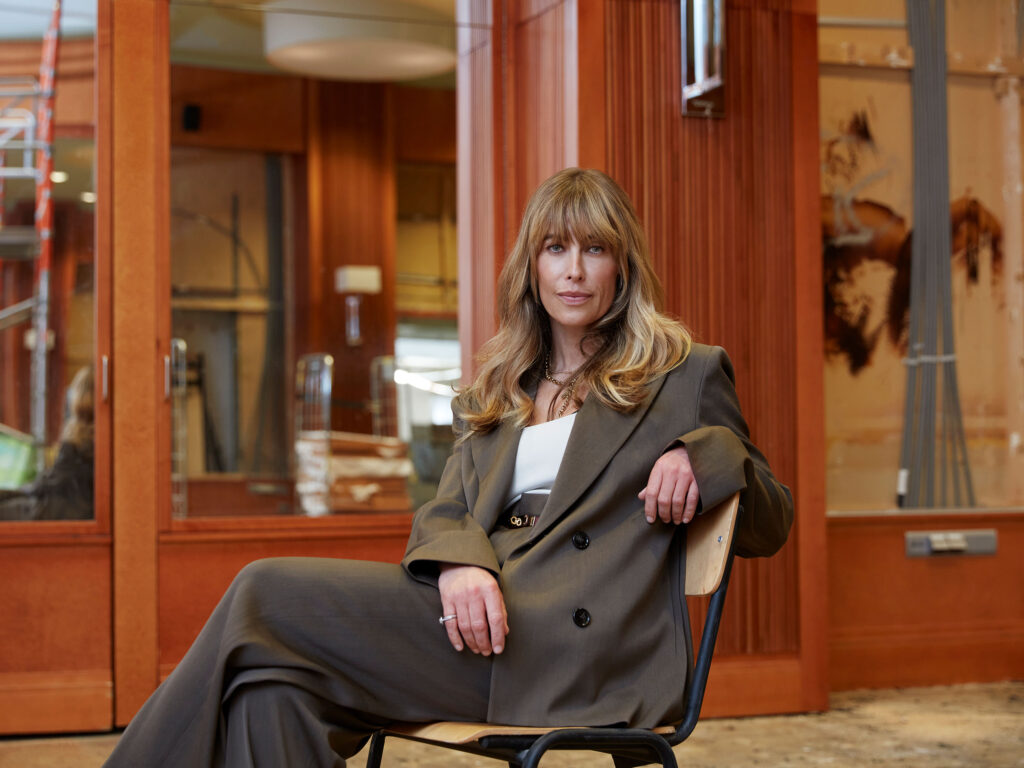
Sheraton Stockholm is in the middle of a transformation that goes far beyond new carpets and fresh paint. It’s a rethink of purpose, identity and relevance; a shift from being a global chain outpost to becoming a place with a point of view.
In this conversation, Elin Roquet reflects on why a traditional renovation would have been too small a gesture, how “A Journey Towards the Light” became the guiding principle for every decision, and what it takes to lead a long, complex redesign without losing momentum.
The result is a hotel aiming to feel less like a brand template and more like a lived‑in, confident part of Stockholm’s rhythm.
What convinced you that Sheraton Stockholm needed a full transformation rather than a traditional renovation?
Because a cosmetic update would have been dishonest. The problem was never the surface, it was relevance. The city had moved forward. The hotel had stayed put. At that point, changing the carpets isn’t enough. You have to question the whole thing. What are we actually for, and why would anyone choose us tomorrow?
How would you describe the identity you’re shaping for the “new” Sheraton Stockholm?
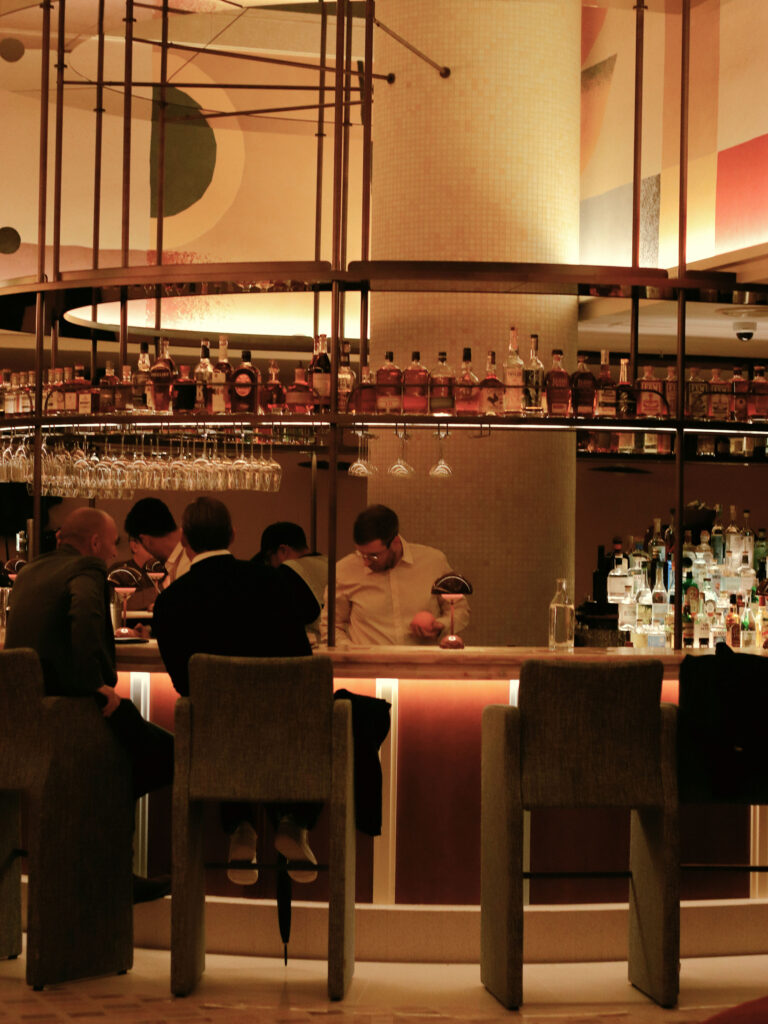
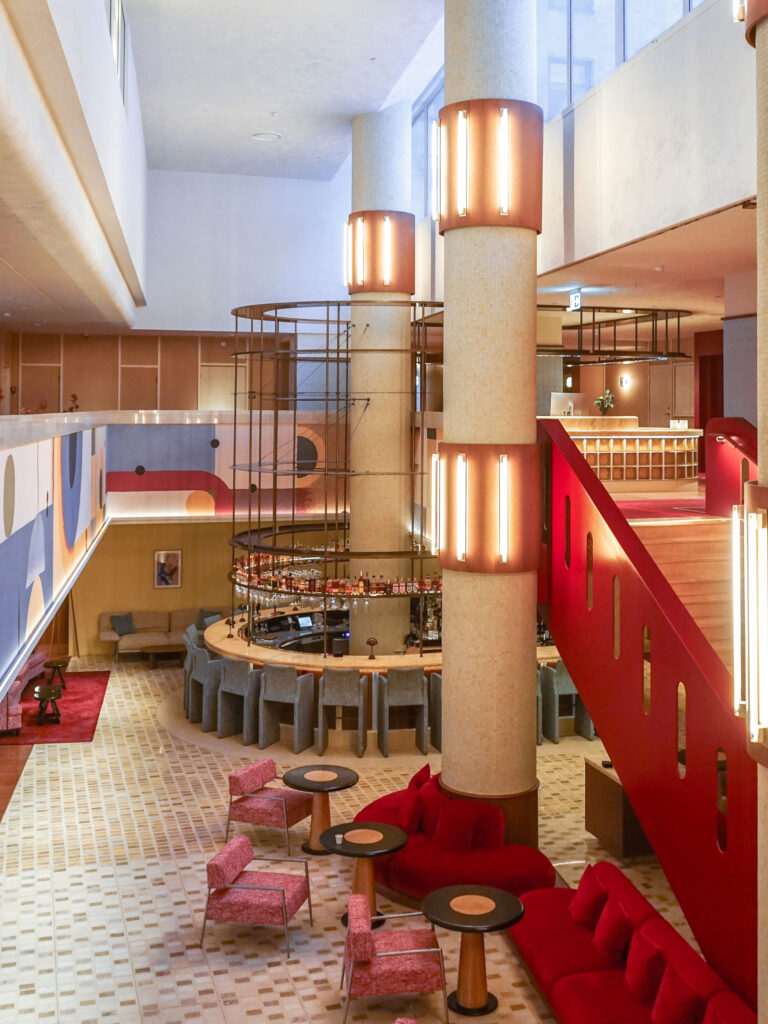
International in feel, local in confidence. Not sterile luxury, something more lived-in. Where it feels just as natural to stop by for a glass of wine as it does to check in for a week. Less “global chain”, more someone’s beautifully considered home.
What does “A Journey Towards the Light” mean to you in practical terms?
It’s a filter for everything. Light shapes how we think about materials, movement, how we meet the guest. Less heavy, less closed, more air. In practice, it means removing friction. Anything that feels dark, complicated or unnecessary gets cut.
What did you consciously decide to leave behind?
The idea of being “for everyone” in a way that makes you relevant to no one. And anything generic — that feeling of being interchangeable with a hotel in any other city.
Part of what drove that decision is that luxury and premium have been applied so broadly and so indiscriminately across the global hospitality market that the labels have genuinely lost their meaning. When everything is five-star, nothing is. The lifestyle segment matters more than ever right now precisely because it’s the space where taste, curation and personality still carry weight. That’s where we want to operate.
When you walk into the renovated rooms, what detail tells you the design is working?
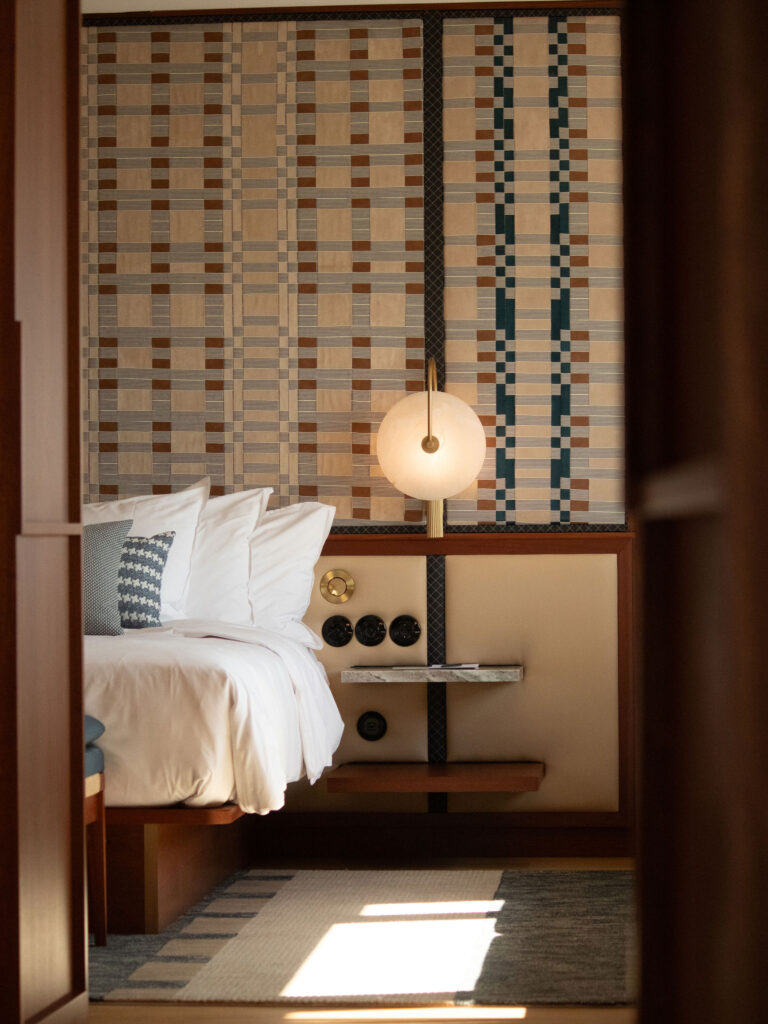
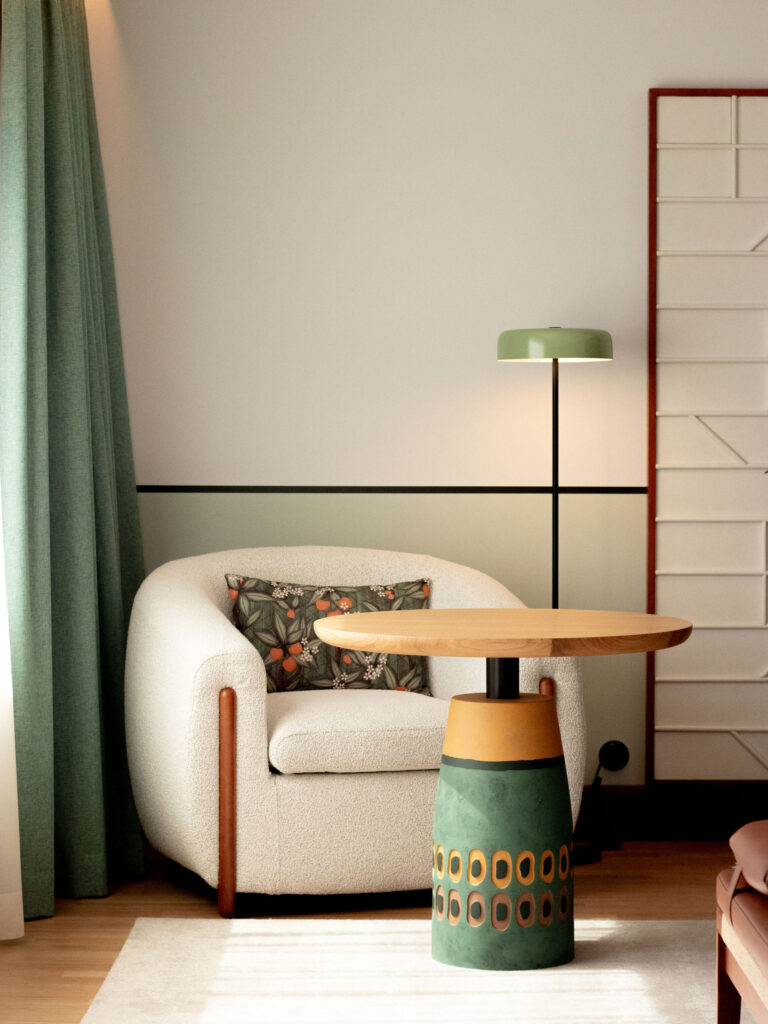
When it feels quiet in the right way. Not literally, mentally. When the room doesn’t ask anything of you and you land without needing to adjust, rearrange or think. That’s when you know the proportions, the light and the materials are right.
Can you point to a moment where you had to make a difficult trade-off?
Several. But the clearest one was how far to open up the public spaces. Design-wise, you want to dissolve every boundary. Operationally, you need control. We had to find a balance that still feels free but actually works on a Saturday night when every seat is taken.
What moment in this transformation most tested you as a leader?
The middle. Not the beginning, when everything is possibility, and not the end, when you can see the finish line, but the middle, when it’s still far away and everyone is tired. That’s where leadership is actually decided.
How do you sustain energy in a team going through something this long and complex?
By being very clear about why we’re doing it. People can handle more than you think, but only if they understand what they’re building. And you have to actually celebrate progress along the way, because otherwise it just feels like an endless construction site with no horizon.
Can you share a moment where Marriott’s global standards and Scandinavian hospitality philosophy pulled in different directions?
It happens more than you’d think. Marriott is built on structure and recognition, while Scandinavian hospitality is more intuitive and understated. A concrete example is the level of formality in how we meet guests. We’ve pushed it toward the personal, even when that means stretching the framework a little.
What role do you want Sheraton Stockholm to play in the city’s cultural and social life?
I want it to be part of the city’s rhythm. A place where things happen but without feeling like they’re trying to, where you end up by chance and stay longer than you planned. If we get it right, people won’t think of it as “the hotel”. They’ll think of it as “where we go”.
How are guest expectations changing?
People are more sophisticated now and they see through anything built on autopilot. Correct service isn’t enough anymore, it has to feel like something. We’ve shifted from optimizing processes to curating experiences. Less standard, more point of view.
What do you hope guests will still remember ten years from now?
A feeling rather than a specific detail. That it was somewhere they felt at ease without quite being able to explain why. And maybe a night at the bar that ran a little longer than planned.
If you had to describe the future Sheraton Stockholm in one sentence?
A place that Stockholm didn’t know it was missing, until now.