Author name: Odalisque

Opiates

My Everyday Essentials: Rom&nd Glasting Melting Balm

My Everyday Essentials: Rom&nd Glasting Melting Balm text Elva Ahlbin There are a few products I keep within arm’s reach no matter where I’m working — and the Rom&nd Glasting Melting Balm is firmly in that category. These balms have quietly become one of the most important staples in my makeup kit. I have two shades: Scotch Nude, a cool, rosy-brown nude, and Dear Apple, a soft warm coral. With just these two, I feel totally equipped to create the perfect, balanced lip tone on almost anyone I work with. What I love most is that the color payoff is subtle but transformative. The balms give a sheer, glossy tint that melts into the lips rather than sitting on top, which is exactly what I want when I’m doing natural, skin-focused makeup looks — which, let’s be honest, is most of the time. They give that polished “your lips but better” feeling, with just the right amount of shine to make everything look healthy and fresh. The texture is beautifully smooth — it really does melt on contact — and feels more like a treatment than a traditional lip color. No stickiness, no fuss, just a lovely, nourishing glide that makes the lips look fuller and more hydrated. Another big plus: they’re affordable, especially considering how often I use them and how well they perform. For a product that works across skin tones, blends effortlessly into any look, and doesn’t require constant reapplication, they’re truly excellent value. They might not be the loudest product in my lineup — and that’s kind of the point. They’re quiet, reliable, and always make the final look feel complete. I make sure to keep them close by, because they’ve earned their place as a go-to in both my personal and professional routine.
Opiates

Front Row — The Chanel Circle at Como

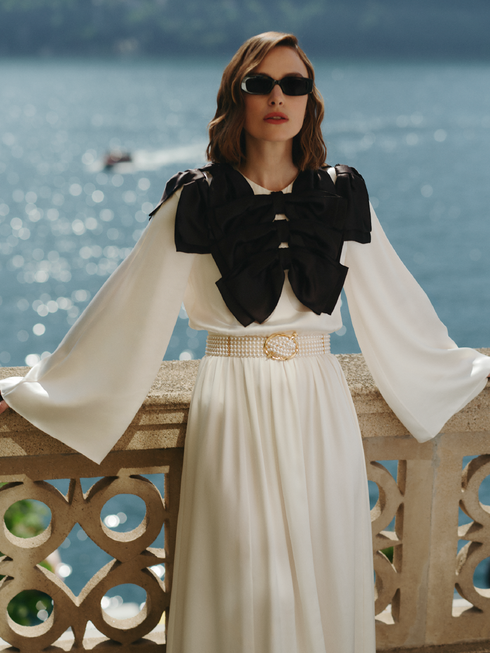
Front Row — The Chanel Circle at Como text Jahwanna Berglund Chanel’s Cruise 2025/26 show wasn’t just a celebration of timeless elegance on the runway — it was also a gathering of the House’s closest muses, global ambassadors, and cinematic kindred spirits. Against the dreamlike setting of Villa d’Este, the front row sparkled with familiar faces and quietly iconic presences. Keira Knightley, a longtime Chanel muse and embodiment of the brand’s modern romanticism, arrived in effortless style, joined by the always-radiant Margaret Qualley and Academy Award-winner Lupita Nyong’o — each bringing their own energy to the show’s golden atmosphere. In a rare public appearance, Roman Coppola was spotted supporting his sister Sofia, whose direction of the show’s teaser brought an ethereal, filmic mood to the entire presentation. Also among the guests was The White Lotus actress Sarah Catherine Hook, a rising star whose presence hinted at a new generation of Chanel women — sharp, luminous, and unafraid of a little mystery. And then, of course, there was Caroline de Maigret — ever-present, ever-effortless. At this point, it’s hard to imagine a Chanel show anywhere in the world without her signature nonchalance anchoring the brand’s Parisian soul. The scene felt less like a red carpet and more like a gathering of the Chanel universe — elegant, understated, and entirely in tune with the spirit of la dolce vita.
Opiates

Peace Day – 80 Years Later by Ludmila Christeseva

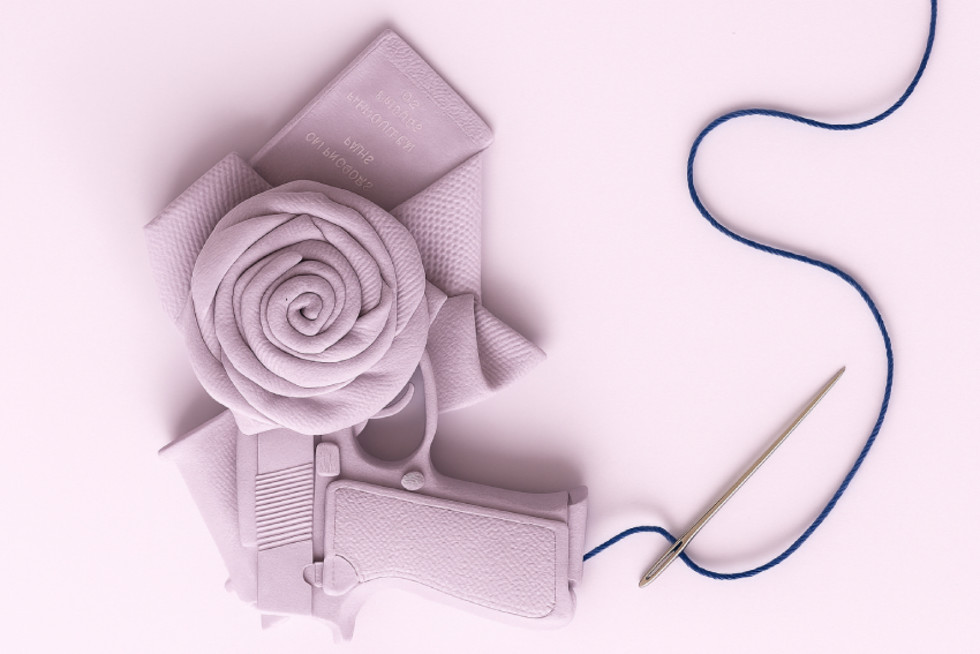
Peace Day – 80 Years Later by Ludmila Christeseva text Zohra Vanlerberghe On the 80th anniversary of peace in Europe, artist Ludmila Christeseva presents Roses of Ties — a poetic, fashion-driven reflection on the absence of fathers, grandfathers, and men lost to war. The project transforms donated designer ties from labels such as Dior, Armani, and Lanvin into rose-shaped brooches, each one handcrafted and meant to be worn close to the heart. Blending craft, memory, and activism, the collection will be presented at the Swedish Army Museum as part of its commemorative programme. Roses of Ties challenges the aesthetics of war remembrance with a gesture of soft power: intimacy, touch, and the resilience of women.Discover more at artten.se/roses-of-ties and armemuseum.se Images courtesy of the artist

Opiates

Sisley Paris Color Cloud

Sisley Paris Color Cloud text  Elva Ahlbin I’ve always had a soft spot for multi-use products – they make my job easier as a makeup artist, but there’s also something satisfying about being able to do a full look with just one shade. Sisley Paris Color Cloud Lip & Cheek in Berry is exactly that kind of product. Berry is a rich, cool-toned raspberry red that somehow feels both classic and fresh. I honestly think it’s one of those shades that looks good on pretty much everyone – pigmented enough to make a statement, but also easy to sheer out if you want something softer. I’ve tried it on myself and used it professionally, and I have to say: everything this product claims to do, it actually does. The texture is super lightweight – kind of mousse-like – and it goes on smoothly without feeling dry or greasy. It sets pretty quickly, but you still have enough time to work it in. On me, it lasts really well on both lips and cheeks without fading or going patchy throughout the day. Most days, I just tap a bit on my lips with my finger for a more blurred effect, and then I use the same colour on my cheeks to tie the look together. If I want more colour payoff, I go in straight with the applicator for a clean, more intense finish. What I love most about Color Cloud is how effortlessly it pulls a whole look together – no fuss, no need for multiple products. And best of all, it doesn’t feel drying, even after hours of wear. The packaging is sleek and compact – easy to throw in your bag, which I always appreciate. And yes, it’s Sisley, so the price tag is on the luxury side. But in this case, I think it’s justified. The formula performs beautifully, the shade is incredibly wearable, and you get a high-end experience from start to finish. If you like makeup that’s quick, versatile, and still feels elevated, this one’s definitely worth checking out.

Opiates

Cloud Screen by Common Clouds

Cloud Screen by Common Clouds text Elva Ahlbin Finding an SPF that you actually want to use every day is no small thing—especially if you have skin that reacts easily or makeup that doesn’t play well with thick or greasy formulas. That’s why I was genuinely happy when I started using Cloud Screen from Common Clouds. It’s one of those products that instantly fits into your routine without any drama, and for me, it’s already a staple. Cloud Screen is a lightweight, hydrating SPF 50 with PA++++ protection, specifically formulated for acne-prone and sensitive skin. That alone makes it interesting. But what really sets it apart for me is how comfortable it feels on the skin. It sinks in quickly and doesn’t leave a white cast—regardless of skin tone. There’s no stickiness, no stinging around the eyes, and it layers perfectly under makeup—something I absolutely need from a daily sunscreen. It wears more like a lightweight moisturizer than a traditional SPF, which makes it easy to reapply throughout the day if needed. I’ve tried so many SPFs that I’ve had to push through using. Either they pill, feel heavy, or just don’t sit right with the rest of my products. Cloud Screen doesn’t have any of those issues. At 199 SEK for 50 ml, it’s genuinely great value. The formula is fragrance-free, vegan, and cruelty-free, and it doesn’t feel like they’ve cut corners to keep the price low. On the contrary—it feels like a high-end product that’s been carefully made with sensitive skin in mind.
Art

Stockholm Art Week: An Interview With Joanna Sundström & Lill Lindqvist

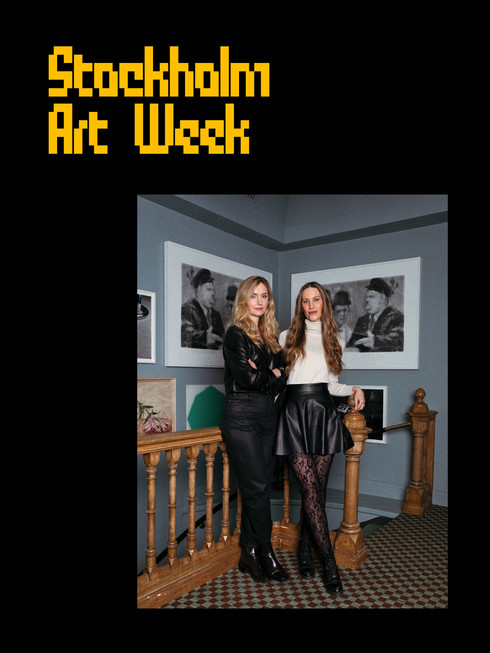
Stockholm Art Week: An Interview With Joanna Sundström & Lill Lindqvist text Zohra Vanlerberghe Some collaborations just click. Joanna Sundström, founder of Stockholm Art Week and Lill Lindqvist, Head of Membership & Communications at Soho House Stockholm, have forged a partnership that blends art and energy in a way that feels uniquely Stockholm. Their latest collaboration for Stockholm Art Week brings back what works, intimate artist talks, bold installations in Soho House’s iconic space, and that unforgettable closing party, while introducing fresh twists to surprise even returning attendees. Natalia Muntean: How did this partnership come about, and what makes it such a natural fit? Joanna Sundström: This was Lill’s idea from the start. She’s a visionary and a true art lover. I’ll never forget when we went to an art exhibition 15 years ago, she was completely drawn in and said, “I’d love to be involved in something like this.” Not long after, we organised our first event together. That’s the power of art – it sparks emotions and meaningful conversations.Lill Lindqvist: I met Joanna through a mutual friend when I was new to Stockholm, and I’ll always be grateful for the way she introduced me to the city’s art scene. My background is in nightlife, and over the years, we’ve hosted quite a few Stockholm Art Week events together – they’re honestly my favourites. I love the mix of people: artists, gallerists, collectors, and creatives. It makes for such a dynamic atmosphere.JS: Soho House is already a hub for open-minded creatives, and art naturally enhances that. The space itself, a hidden old church in the middle of Stockholm, is breathtaking, but what excites me most is how they’ve brought contemporary artists into the mix.LL: This partnership really grew out of our longstanding connection and shared love for the arts. Stockholm Art Week is all about bringing artists, galleries, and audiences together, and Soho House, with its focus on curated creative experiences, was the perfect match. It allows us to reach new people who are just as passionate about art and culture as we are. NM: How will this collaboration enhance the Stockholm Art Week experience for Soho House members? JS/LL: Soho House members can expect a really special lineup during Stockholm Art Week: exclusive events, curated talks, and behind-the-scenes access to exhibitions and projects. Over the past three years, we’ve built up a strong program, from artist talks and studio visits to press breakfasts, all leading up to the grand finale – the closing party at Soho House Stockholm. It’s a chance to experience the art world in a more intimate and engaging way. NM: How does this collaboration support emerging or underrepresented artists? JS/LL: We’re both passionate about creating space for new voices in the arts. This partnership helps spotlight emerging and underrepresented artists, introducing them to a broader network of collectors, curators, and cultural influencers. Soho House has such a diverse and engaged community, giving these artists valuable exposure and opportunities to connect with the right people. NM: How does this collaboration bring art into the everyday lives of Soho House members? JS: Soho House is designed to inspire creativity, and art is woven into that experience. The House already has an incredible art collection, and its international curator, Kate Bryan, has done a fantastic job selecting works from local artists and building strong relationships with Swedish galleries.LL: And during Stockholm Art Week, that presence is amplified. The spaces come alive with curated installations, pop-up performances, and interactive experiences that encourage people to engage with art in a more natural, everyday way. It’s not just about looking at art, but about feeling part of it. NM: What are the must-see events from this collaboration? JS/LL: The official closing party has become a tradition, it’s always a standout moment. For the third year in a row, we’re hosting it in collaboration with Porsche, and it’s going to be a special night with art, curated drinks, and internationally renowned DJs who are deeply connected to the art world. Another highlight is the guided tour of Market Art Fair, which members always look forward to. NM: What’s been the most exciting or challenging part of bringing these worlds together? JS/LL: The best part has been the creative energy between our teams. Soho House has this amazing ability to curate intimate but impactful experiences, which has allowed us to present artists in really fresh ways. At first, one challenge was the fact that Soho House is a private members’ club, but we found a great solution by introducing an external guest list for Art Week events. It worked out even better than we expected because it opened the House to new people and made the Stockholm art scene feel a little less exclusive. NM: Where do you see this collaboration going in the future? JS: This is definitely an ongoing partnership. We want to keep creating meaningful opportunities for artists while growing Stockholm’s creative community. Looking ahead, we’re excited about expanding into artist residencies, mentorship programs, and international collaborations that put Stockholm on the map as a hub for contemporary art.LL: After three years, it really feels like our organisations are intertwined. Stockholm Art Week is one of the most important moments of the year, and I think this partnership has helped make the city’s art scene feel more open and accessible to a wider audience. We’re just getting started!
Art

Heather Chontos on Intuition, Nature, and Turning Paintings into Rugs

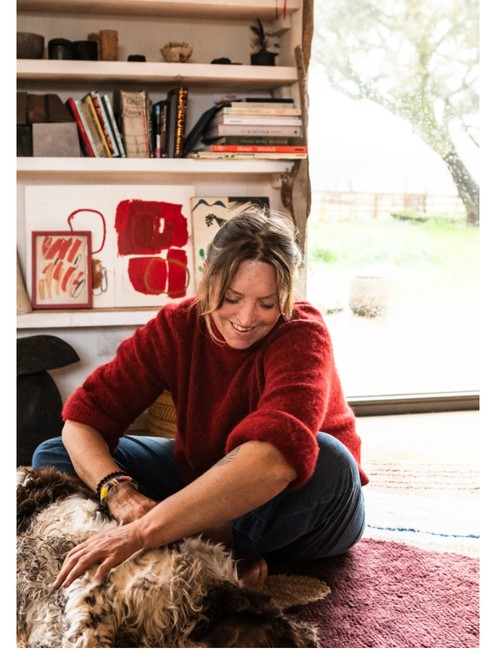
Heather Chontos on Intuition, Nature, and Turning Paintings into Rugs text Ulrika Lindqvist For multidisciplinary artist Heather Chontos, creativity is less a career choice than a way of being, spontaneous, intuitive, and inseparable from daily life. Speaking from her farm in Portugal, Chontos reflects on her journey from set design to abstract painting, her recent collaboration with Swedish design brand LAYERED, and how wildflowers, light, and chance encounters continue to shape her practice. Ulrika Lindqvist: Hi Heather, can you tell us how long you’ve been working as an artist, and what first drew you to this path? Heather Chontos: I have always been an artist in one form or another. I always drew and made things as a child, and my work as an artist of one type started officially at 18 as a prop stylist and set designer. Then I moved on to fashion illustration and art direction. I was all the while painting but did not fully commit until I was 30 , so 16 years now. It was always just obvious to me, it is who I am. UL: How did your collaboration with Layered come to life, and what has that creative exchange been like for you? HC: It all happened very randomly on my end. My daughter is half Swedish and lives in Stockholm,  studying for her masters degree. So when I saw it was a Swedish company contacting me, I was intrigued.  The exchange has been very fluid and easy . They have an amazing team of people who are truly respectful of my work and the individual creative process. It has been a lot of fun to see the artwork come to life in a new way. UL: Three of your paintings have recently been reimagined as rugs. Can you walk us through how you chose which pieces to transform? HC: I didn’t choose the works on my own. I think  they have a very clear vision at LAYERED and understand what works best with the way the rugs are made. I came to see the showroom to understand the different methods of weaving and it helped me understand the vast  possibilities. Lisa Nyman, the designer at LAYERED truly looks at the artwork and understands how it can be transformed through this new medium, so it was a joint effort in choosing the works. UL: Nature seems to play a significant role in your work. Are there any specific landscapes or environments that particularly inspire you? HC: I love every little piece of the landscape around me at home in Portugal, the wildflowers and red grasses, the insects and birds, the cork oak trees and rocky cliffs and formations. I just have to walk out my front door and it is right there for me. What us. Most important, is the light . Nature has many shades of light and thus bring my attention to many different parts of nature all day long. UL: Looking back on your career so far, are there any projects or moments that feel especially meaningful or memorable? HC: Yes, the ceiling I painted in Paris this year was a new challenge for me. I painted 90 sq meters of beamed ceiling in a historical private residence . There were a lot of challenges to making it, but the result was a wonderful new version of my work. UL: Can you share a bit about your creative process? Do you have any rituals or routines that help spark new ideas? HC: I don’t have any rituals. I work very spontaneously . I have a working farm here with horses and chickens and dogs, so I paint in between doing chores. I find that it is so very engrained in what I am doing every waking and non waking minute of my life that I can’t really separate it out, it’s like breathing or drinking water, I just have to do it. It has chosen me. UL: What does an ordinary day in the studio look like for you? HC: I am always working on more than one thing, and I tend to work in the studio and around it outside. I have multiple tables and surfaces where I work on various things. I am always moving around from one thing to the next. There is no ordinary day. UL: How would you describe your personal interior style at home? HC: Eclectic and very focused on everything being handmade UL: And finally, what’s on the horizon for you? Are there any upcoming projects or ideas you’re especially excited about? HC: Yes, I have many projects, some I can mention, some I cannot… I have an exhibition in The Hague, Netherlands, where I will fill an entire house with my work, that opens in May and then the exhibition schedule for 2025-2026 is in the works for Paris and possibly Portugal.I just built a house and am trying to finish all of its details, so that will be my other main focus. I can’t wait to see everyone’s reaction to the rug collaboration. I think they are so wonderful. I am very grateful.  
Fashion Articles

Inside the World of Stylein: A Conversation with Founder Elin Alemdar

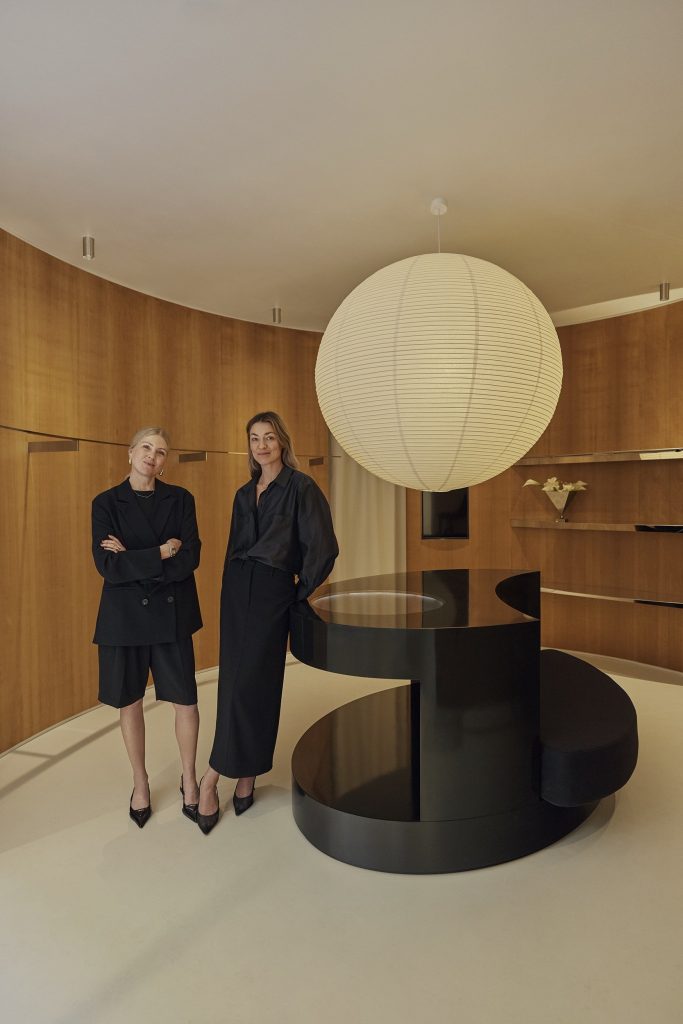
Inside the World of Stylein: A Conversation with Founder Elin Alemdar text Jahwanna Berglund photography Niklas Nymancourtesy of Stylein For over two decades, Elin Alemdar has shaped Stylein into one of Sweden’s most beloved fashion houses, defined by its warm minimalism, architectural silhouettes, and timeless approach to dressing. Now, with the opening of a new flagship boutique on Mäster Samuelsgatan 6, Stylein enters a bold new chapter, one that invites customers into the heart of the brand, both physically and emotionally. In this intimate conversation, Elin Alemdar, the founder of Stylein, speaks about the vision behind the new space, the evolution of the brand since its early beginnings, and the creative partnership that continues to drive it forward. From mood boards to mood shifts, Scandinavian heritage to international expansion, this is a behind-the-scenes look at a brand that remains deeply rooted in its DNA while confidently stepping onto the global stage. Jahwanna Berglund: Congratulations on the new boutique! Mäster Samuelsgatan 6 is right in the heart of Stockholm’s fashion scene. What drew you to this particular location, and what does it represent for Stylein at this stage? Elin Alemdar: We have been longing for this opportunity for such a long time! Biblioteksstan in Stockholm really does represent the perfect mix of high luxury and contemporary fashion district where we as a brand fit in perfectly. JB: Stylein is known for its understated elegance and architectural silhouettes. How have you translated the essence of the brand into the design and atmosphere of the new store? EA: We have been using the same words for inspiration as we do when creating a new collection, and always staying true to our DNA such as warm Scandinavian minimalism. I got obsessed with the word cocoon and wanted it to feel as if you were entering the inner heart of our brand when visiting the store. Therefore, the architects – Thibaut Allgayer Design Office and Tomai Studio by Tomai Nordgren – interpreted that with the round shapes of the store and a warm, welcoming energy. For me, that represents us as people and as a brand, to stay inclusive in all aspects. JB: Can you tell us a bit about the creative process behind the interior? Were there any specific moods, destinations, or artistic references that inspired the space? EA: For us as a brand, it’s always important to present something that’s timeless yet still intriguing and with a modern twist to it, the same applies to the aesthetic of the boutique. I’m so pleased with the result: a space that reflects our collections through organic, sculptural shapes and carefully considered design elements. The boutique was brought to life by the creative vision of Thibaut and Tomai, a duo known for their high-profile store concepts in Seoul, Dubai, London, and now Stockholm. They truly captured that Aha! Feeling from the very first step inside the boutique. JB: When someone steps into your store, what do you want them to feel, not just about the clothes, but about the world of Stylein? EA: That they want to stay and be a part of our universe. It’s not only a store; it’s a destination where we showcase the truest expression of our brand’s essence. The designs really do sell themselves within this interior, and that’s a great satisfaction. JB: Looking back, how would you describe the evolution of Stylein, from where you started to where you are today? EA: Oh, wow! It’s been such a long journey. I started the brand when I was 20 years old and let me tell you that’s a long time ago… The brand obviously exuded a younger and more urban vibe to it, and I feel so warm in my heart thinking of that now, 24 years later. Today we are very confident in our brand and know well about our muse, who she is and love the fact that she’s an international woman who loves to invest in high quality and perfect fit of her designs. JB: In what ways do you think Swedish culture and the Nordic way of life have helped shape the Stylein aesthetic? EA: That’s always a tricky one since it’s hard to say these things about yourself and not having a perspective but I’m sure my heritage of Scandinavian life and couture affect my designs in many ways. We are brought up with a very sustainable way of thinking and with a lot of respect for our mother nature. JB: How do you and your team approach the design journey each season? What sparks that first idea? EA: I start every collection by creating a mood board and a world for our muse. It could be a city she’s traveling to or a state of mind she has for a specific occasion. Then I present this to my partner in the company, Ulrika Fohgelberg Nordén (Partner & Sales Manager), and we sort of dive into the world of our muse together. We ask ourselves what kind of drink she’s having, how she would style herself with jewelry, and what perfume she loves at the moment. Our muse doesn’t like to shop. She’s all about less is more and hates to pack. So, our job is to create the perfect looks for her to combine both day and night. JB: You and Ulrika play integral roles in Stylein’s growth, creatively and strategically. How do you complement each other when navigating big moments like a new store opening? EA: We complement ourselves in so many ways. I see our partnership as a blessing bigger than pretty much everything in my journey with Stylein. Ulrika has a rare and distinct taste and always stays curious but not flaky. That combination is crucial to build a brand. She also calms me down when things are tough and helps me with perspective on most things in life. She usually says that there’s no one as competitive and with a fighting spirit as me and I guess that’s true, so I do need someone from time to time to tell me to take a deep breather
Fashion Articles

MAGDA BUTRYM Unveils FW25 Runway Collection in Paris

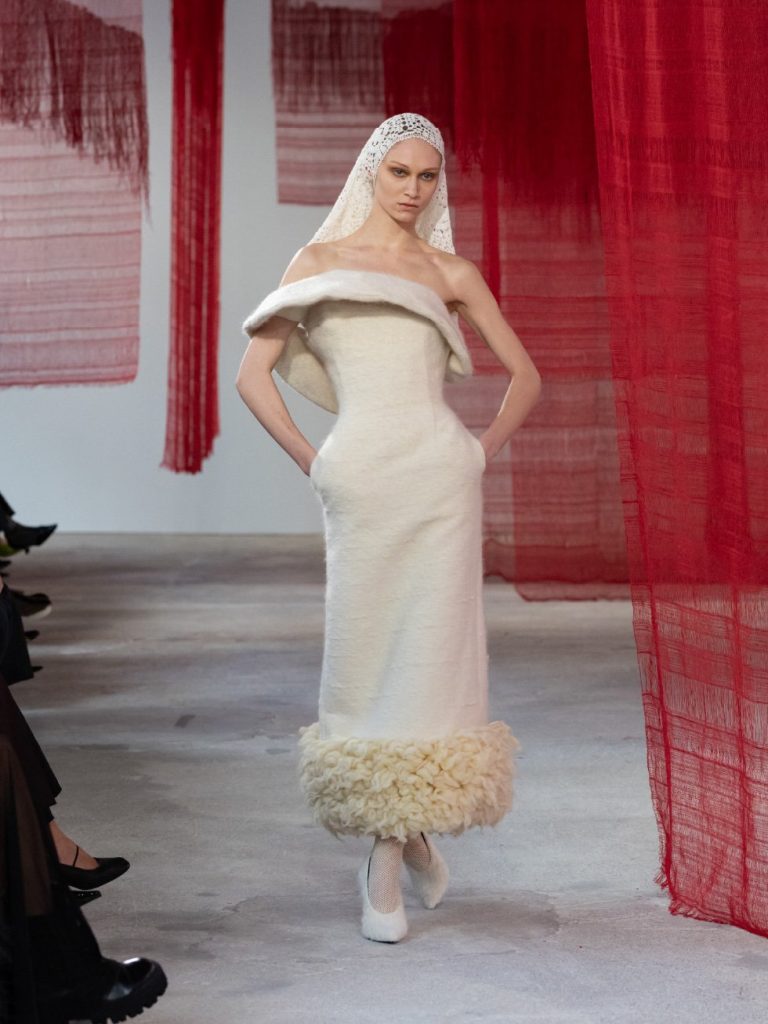
MAGDA BUTRYM Unveils FW25 Runway Collection in Paris text Jahwanna Berglund photography Jonas Gustavssonfashion Jacob Kmovement direction Pat Boguslawski Magda Butrym debuts Magdalena, her first-ever runway collection, at Paris Fashion Week, marking a deeply personal milestone in her career. Named after her full given name, Magdalena is an intimate self-portrait, blending Slavic heritage with contemporary craftsmanship. For Fall-Winter 2025, Butrym draws inspiration from Polish weaving traditions, poetry, and raw self-expression. The collection reimagines artisanal knitwear with sculptural silhouettes, from a striking red mini dress to an ethereal crochet-veiled wedding gown. Traditional elements, like floral headscarves and folk-inspired tailoring, intertwine with modern practicality, seen in draped shearling coats and luxe tracksuits. Set against a backdrop of handcrafted woven installations, the show captures Butrym’s vision of empowered femininity—delicate yet strong, instinctive yet refined. With Magdalena, she embarks on a bold new creative chapter, embracing emotion and artistry while staying true to her signature aesthetic.

Fashion Articles

Is it Nepotism or Working Amongst Friends? Sanna Fried and Anna Mikaela Ekstrand

Is it Nepotism or Working Amongst Friends? Sanna Fried and Anna Mikaela Ekstrand text Xuezhu Jenny Wang photography Joanna Kellycreative direction Anna Mikaela Ekstrandfashion Sanna Fried Nepotism in the fashion industry has long been under scrutiny, from the New York Times roundup titled “Nepo Babies Crowd the Runways” to Kendall Jenner’s 2018 Love magazine interview, in which she infamously said, “I was never one of those girls who would do like 30 shows a season.” In the art world, however, it’s a grayer area. On January 24th, The Art Newspaper reported on “concerns over nepotism row” at the National Portrait Gallery, noting that a photographer exhibiting works at the London gallery had previously made substantial donations to the institution. Responses to the headline vary, yet the majority of Instagram users who commented on this post expressed familiarity with the prevalence of said phenomenon, many arguing that the whole art industry is practically built on friend networks. For a field known for a history of salons, high-society patrons, and tight-knit movements, there is a fine line between connection and favoritism. Writer and curator Anna Mikaela Ekstrand says that more often than not, the everyday artist or curator adopts some form of “nepotism” not necessarily out of monetary motivations but rather as a result of intellectual exchange or skill-sharing. Ekstrand recalls, “Collaboration has always been central to my work. When I started calling myself a curator, there was a huge boom in curatorial programs worldwide, but not enough work to go around.” This collaborative thinking stemmed from her early experience at the BMW Guggenheim Lab—an urban planning think tank bringing in more than 100 minds—as well as her familiarity with performance artist Ayana Evans’s practice, who would invite colleagues to co-perform at institutional commissions so that everyone can get paid and build their resume. Later, Ekstrand started the online publication Cultbytes to involve and credit as many people as possible. In a similar vein, she has also co-authored Curating Beyond the Mainstream (Sternberg Press) where she examined the collaborative architectural research group BiG (Bo i Gemenskap, or “Live in Community”), and built communities through The Immigrant Artist Biennial. Artist Sanna Fried shares a similar ethos: “When you collaborate with someone, it’s about merging different fields and relying on each other’s expertise. You cannot trust someone unless you know they are good at what they do.” A friend and collaborator of Ekstrand’s, Fried spent most of her working years in fashion before transitioning to pursue visual arts professionally four years ago. Now, her canvas-based works explore self-representation, narcissism, and the public persona through painterly reenactments of thirst traps, mirror selfies, and exposed bodies. Still, she continues to bridge the two distinct worlds of fashion and art through styling projects, magazine editorials, and more broadly, exploring how expression is manifested through the auto-image—tangible and digital alike. The transition, however, was not without a learning curve. Xuezhu Jenny Wang: Is this overlap between fashion and art new? Both of you have been working on projects that bridge the two fields—what are some differences you have so far observed? Anna Mikaela Ekstrand: It’s quite new to me. We live in a world where hierarchies and boundaries are constantly blurred. But at the end of the day, these are two different industries—fashion caters to a broader market. So far, I’ve done about five fashion editorials to bring artists a more “mainstream” clout. In an exhibition, my job of a curator is to give artwork primacy and create a dialogue among the artworks. In an editorial setting, I involve stylists, hair and makeup artists, photographers, and creative directors—asking them, “How do you interpret this artist? How does their work inspire you?” Sanna Fried: It feels liberating to move towards the art scene from the fashion world. My art is highly inspired by my years in fashion, and I like to return to my roots. But painting is something that gives me the ultimate satisfaction. While my work in both fields is about the same kind of desire to express things, working in fashion was a lot about the commercial and making money. Translating these images into paintings makes me feel like I can focus on the messages better. XJW: What does your friendship mean for your respective careers? AME: We have a constant conversation on WhatsApp, talking about her career and my new editorial projects. Recently, Sanna has been so incredible in helping me figure out the different ways of communicating in fashion. For instance, the mood board is so important to fashion editorials, and Sanna explained the concept to me. SF: And likewise, at first, I didn’t know what an artist statement was. Anna Mikaela had to explain it to me. XJW: Do you communicate with each other differently as collaborators versus as friends? Are there disagreements from time to time? SF: I actually think we communicate in a softer way when working together. Privately, we can be pretty direct to each other. Of course, in creative projects, there are more people than just the two of us involved. A lot of the work is about coordinating who’s whose contact; you reach out to this person, and I reach out to that person. AME: We both trust and respect each other. Even when there are things I don’t agree with, I trust her taste—Sanna has an incredible eye—understand that her ideas are good, choose my battles, and move on. Team work makes the dream work; hence our photoshoot, not only playing together but also being prepared to clean each other’s messes, quite literally. SF: And between the two of us, we have very different skillsets. Anna Mikaela is like a human ChatGPT. She writes better than AI. I’m never going to interfere with what she writes, and likewise, she won’t interfere with what I paint. XJW: Speaking of your paintings, Sanna, could you share more about your exhibition at Engelbrekt Cathedral in Stockholm? SF: The show in Sweden is actually a continuation of the paintings I did two years

Scroll to Top