Author name: Odalisque

News

UNIQLO x JW Anderson

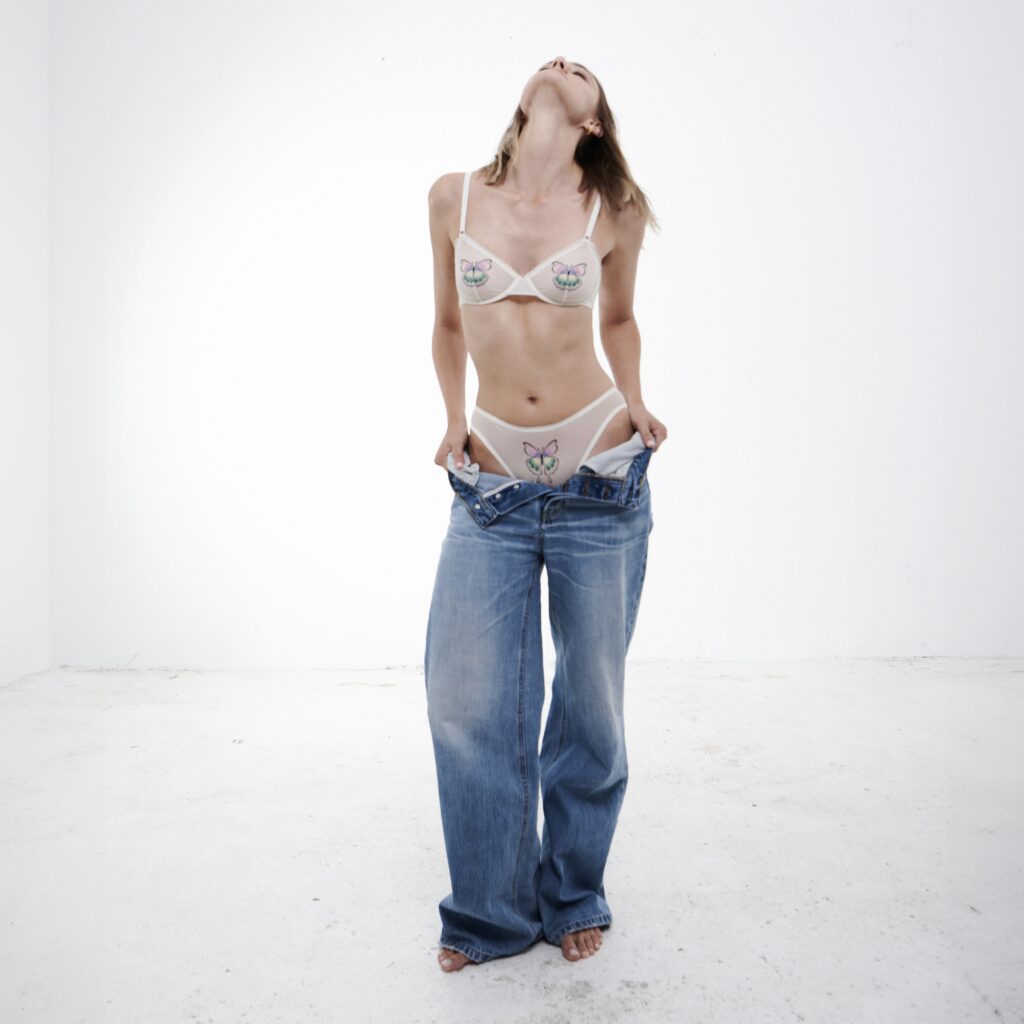
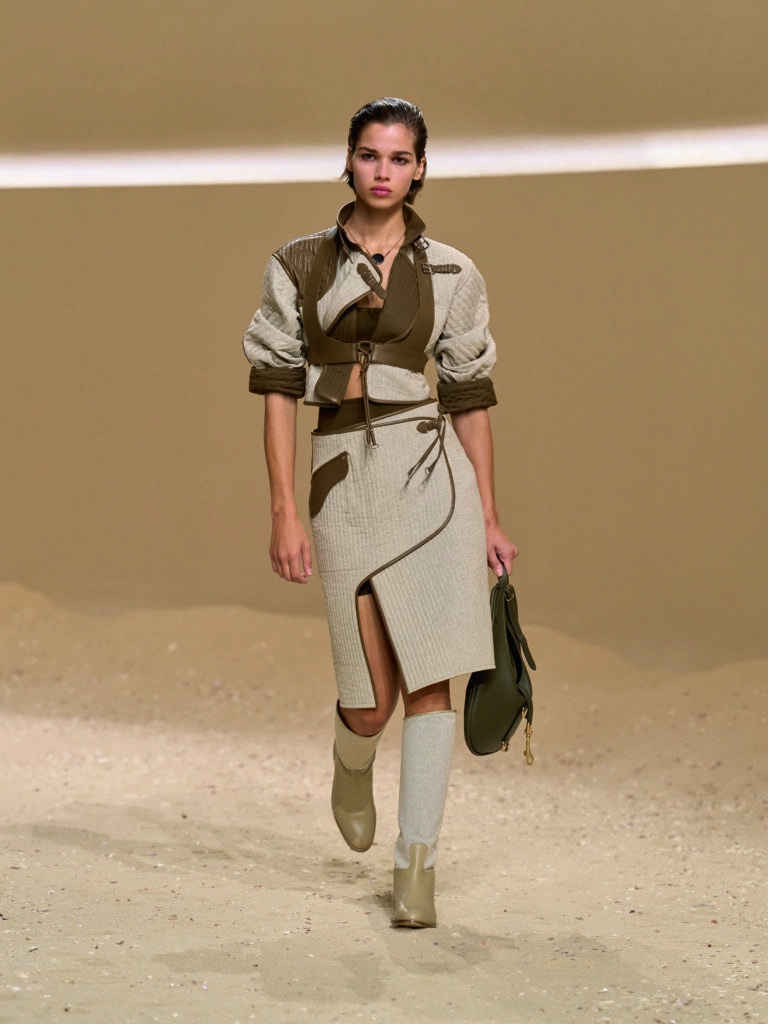
UNIQLO x JW Anderson UNIQLO and JW ANDERSON present the Fall/Winter 2025 collection, a refined exploration of British heritage through the lens of modern functionality. Inspired by traditional fieldwear, the collection merges timeless silhouettes with thoughtful design, creating a wardrobe that feels both familiar and refreshingly new. Jonathan Anderson reimagines the British winter wardrobe with effortless styling and a universal sense of playfulness. Signature pieces such as utility jackets, quilted outerwear, and cozy ponchos are reworked with warm seasonal tones and elevated textures. Classic denim and oxford shirts appear in rich, earthy hues, while soft lambswool knits bring depth and warmth to everyday layering. The collection embodies the balance between practicality and sophistication that defines LifeWear, clothing designed to move with modern life while maintaining an understated elegance. From wide corduroy trousers to compact PUFFTECH jackets and playful HEATTECH accessories, each item expresses a sense of ease, craftsmanship, and quiet confidence. Available from October 16, 2025 in all UNIQLO stores and on uniqlo.se
News

ARKET and Barbour Redefine Functional Elegance for Autumn Winter 2025

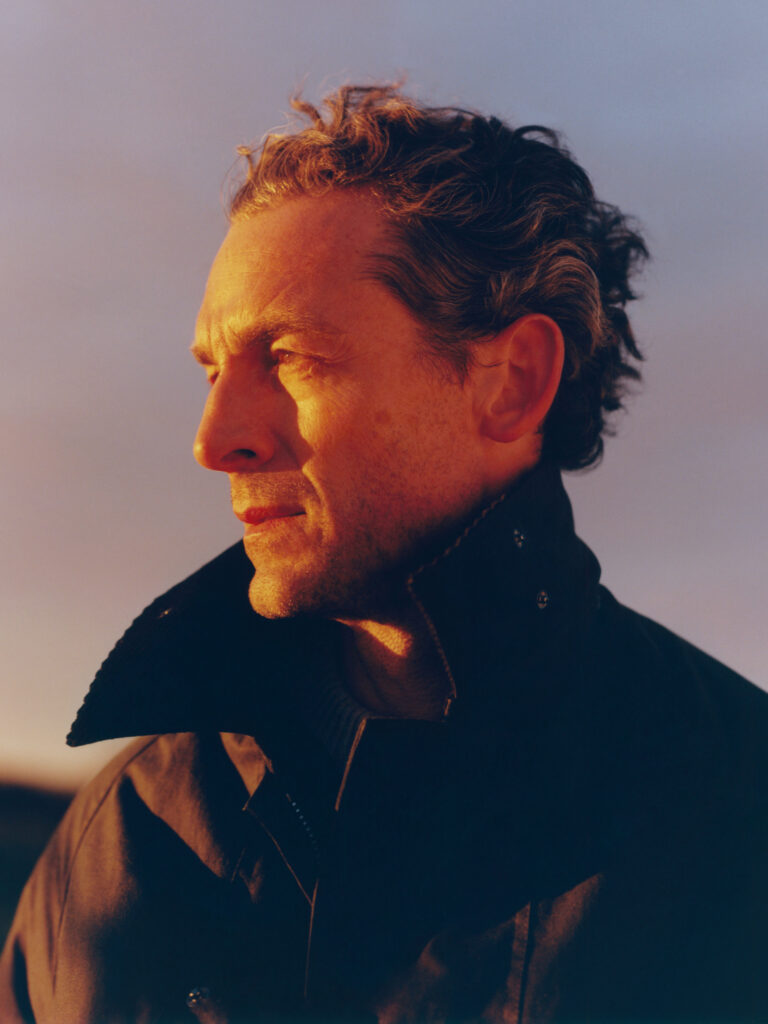
ARKET and Barbour Redefine Functional Elegance for Autumn Winter 2025 text Ulrika Lindqvist Photography Hill & Aubrey Nordic lifestyle brand ARKET and British heritage label Barbour join forces for Autumn Winter 2025 with a limited capsule collection that celebrates craftsmanship, modularity, and the art of layering. Co-designed between Stockholm and South Shields, the collection bridges Nordic minimalism and British utility, offering versatile pieces built for life outdoors. Inspired by the shared climates and coastal landscapes of Northern Europe, the collection reinterprets classic Barbour silhouettes through ARKET’s contemporary lens. Key styles include new takes on Barbour’s iconic wax jackets, insulating layers, and essential ARKET pieces updated with materials and details drawn from the Barbour archive. Highlights include the 1960s Gamefair parka in sage green, a detachable 2-in-1 recycled down vest, dry-wax denim garments, and a tartan-checked quilted down jacket. Accessories such as rubber boots, a tonal waxed scarf, and a waxed dog jacket complete the line. The campaign, shot on Gotland in the Baltic Sea by British photographers Hill & Aubrey and Swedish cinematographer Hampus Nordenson, captures the island’s rhythm of life across generations and its connection to nature. The imagery reflects the brands’ shared values of durability, function, and timeless design. “The idea was to honour the rhythms and environments of the North,” says ARKET’s Head of Design and Creative, Ella Soccorsi. “We wanted to create something that resonates with both our identities, combining Barbour’s heritage with our modern Nordic aesthetic.” Ian Bergin, Barbour’s Director of Menswear, Footwear, and Accessories, adds: “This partnership allowed us to reinterpret archive classics through a Nordic lens, creating something both familiar and refreshing, deeply rooted in the outdoors.” The ARKET and Barbour collaboration will launch on 16 October 2025 and will be available in stores worldwide and online at arket.com.
Design

The Dylan Amsterdam Reimagines Quiet Luxury Through Heritage and Design

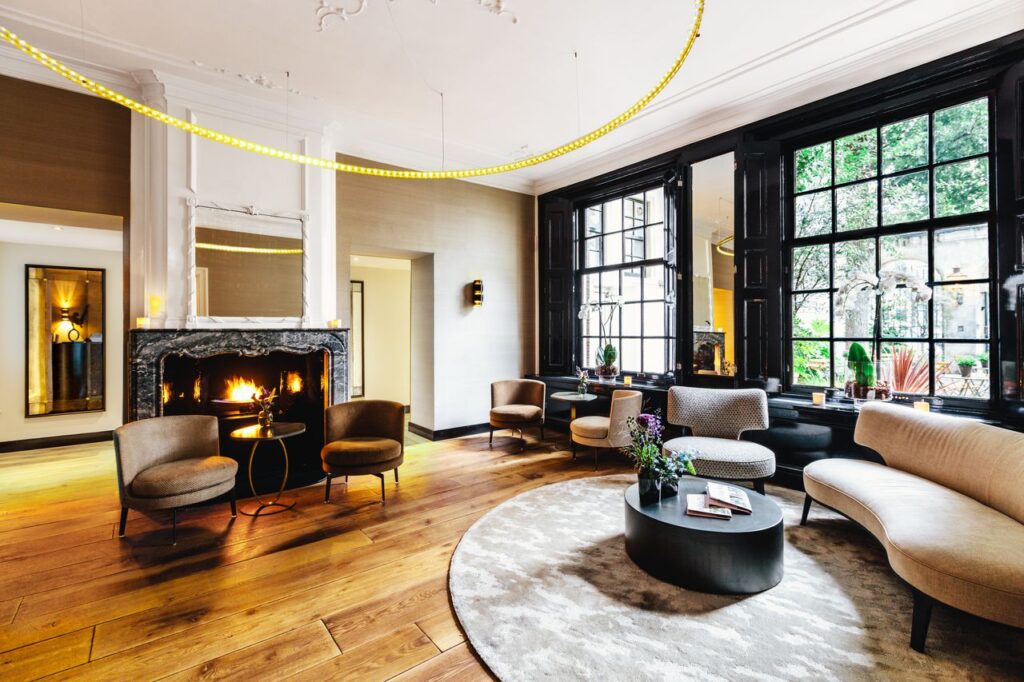
The Dylan Amsterdam Reimagines Quiet LuxuryThrough Heritage and Design text Ulrika Lindqvist In the heart of Amsterdam’s canal district, The Dylan Amsterdam has redefined boutique hospitality with a series of design-led renovations and sustainability upgrades that pay homage to its 17th-century origins. Set along the Keizersgracht, the five-star hotel has completed a multi-phase transformation of 21 out of its 41 rooms and suites, reaffirming its dedication to craftsmanship, timeless design, and conscious innovation. Housed in Amsterdam’s first stone theater, originally designed in 1638 by Jacob van Campen, The Dylan’s architecture remains central to its identity. Guests still enter through the historic gate inscribed with poetry by Joost van den Vondel, stepping into a world where history and modern refinement coexist. The redesign began with the Loft Suites, developed in collaboration with Amsterdam-based Studio Linse and Format Furniture. The result reflects a philosophy of understated elegance and material integrity, with custom oak cabinetry, quartzite surfaces, freestanding Vallone bathtubs, and curated vintage pieces. In 2024, the Serendipity building followed suit with interiors by Studio Linse that blend ornamental details, warmer tones, and soft textures. Every piece was crafted to measure, embodying a quiet sophistication rooted in timelessness. Images courtesy of The Dylan Amsterdam Already Green Globe Certified, The Dylan continues to advance its sustainability practices. Upgrades include high-performance insulation glass, interior façade improvements, and a heat recovery ventilation system designed to optimize energy use. A seasonal thermal energy storage system is also in progress, ensuring sustainable temperature control throughout the year. Beyond its guest rooms, The Dylan has refined its shared spaces, unveiling a refreshed lounge in 2023, a six-seat chef’s table concept (até), and renovated meeting rooms reflecting the property’s architectural heritage. The hotel’s event venues, including the Ariana, Atrium, Regents, and Barbou rooms, offer a serene setting framed by a secluded inner garden, ideal for private gatherings and weddings. A new gym featuring Technogym equipment will open in spring 2026. With its ongoing evolution, The Dylan Amsterdam continues to set the benchmark for quiet luxury, where heritage, design, and sustainability intertwine to create an experience of enduring beauty and purpose.
Culinary

AKOKO: A Journey Beyond Borders

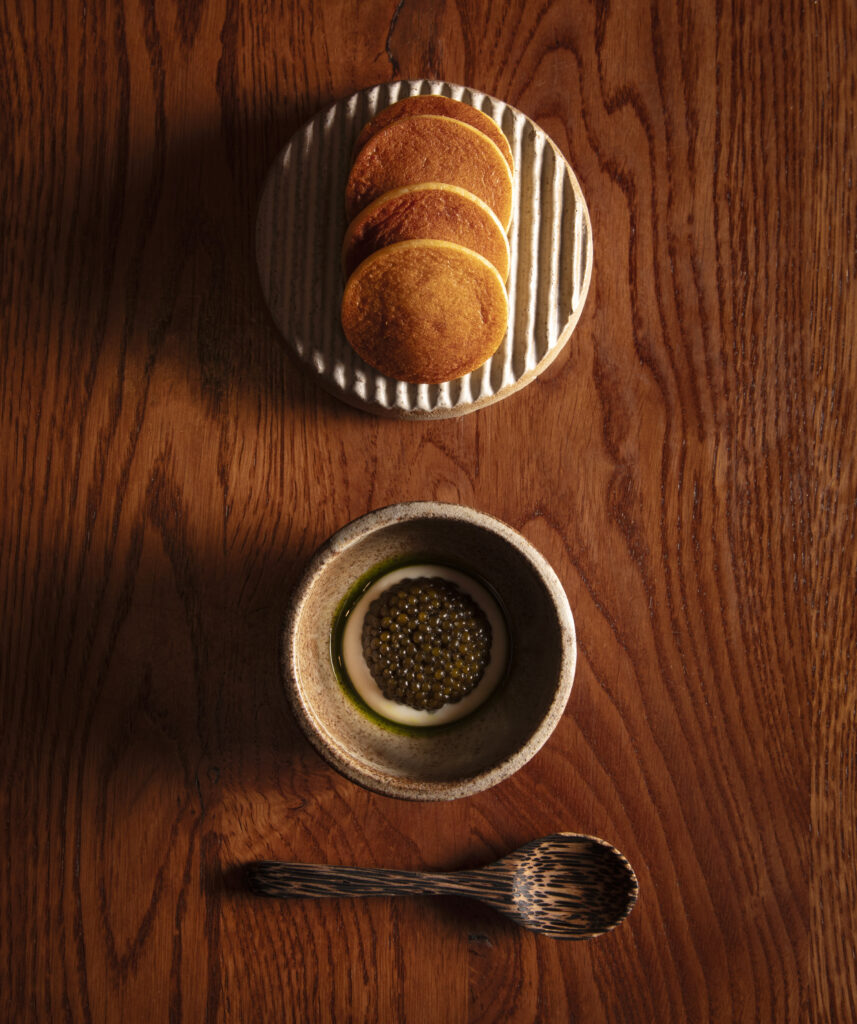
AKOKO: A Journey Beyond Borders Text Jahwanna Berglund                   Seated just in front of but slightly separate from the quiet choreography of the open kitchen, I knew I was in for a taste ride I had never experienced before. There’s something admiring about the way each dish is completed at Akoko, like watching a ceremony unfold. As I sat watching, I felt the curiosity build: What does West Africa taste like when interpreted through the lens of fine dining, without losing its soul? Coming from Sweden, where finding authentic African cuisine is rare and finding it at this level, near impossible, I had no real blueprint for what to expect. My ideas of African food were mostly shaped by home-style stews, market food, or community meals. But Akoko didn’t aim to replace that familiarity. It aimed to honour it and amplify it. In doing so, it expanded my understanding of what African food can be.   You don’t simply enter Akoko, you step out of London entirely and into founder Aji Akokomi’s deeply personal vision. Nestled in the heart of Fitzrovia, the Michelin-starred restaurant offers more than a meal. It’s a sensory odyssey, one that reaches back to ancestry and forward to possibility, stitched together with fire, fermentation, and finesse. The space is warm and grounded. Earth-toned walls, hand-carved wooden accents, woven textures, everything seems chosen not to impress, but to belong. There’s no performative spectacle here. No heavy-handed branding. Just an atmosphere that says, “you’re welcome here. Stay a while”. And so I did. When thinking of African cuisine, my mind immediately drifts to Jollof rice, vivid, tomato-rich, warmly spiced. It’s a dish synonymous with home, celebration, rivalry even (ask a Nigerian and a Ghanaian who does it better). So when Akoko’s version arrives, I brace myself. How do you reinterpret something so iconic and so personal, for a Michelin-star audience? The answer comes in a shallow, artfully plated bowl. The rice is perfect: smoky from the stock, layered in depth, and full of that unmistakable Jollof intensity. But here, it’s part of a larger symphony paired, unexpectedly and yet seamlessly, with a bold red wine from South Africa’s first female wine producer. The pairing is more than clever, it’s poetic. It marks one of the many moments when I realise: every detail at Akoko is a continuation of a larger story. The tasting menu unfolds like a landscape. From the northern Sahel to the coastlines of Ghana and Nigeria, each course acts as a geographic and emotional waypoint. Cashew cream made from nuts soaked in goat’s milk for two days is one of those quiet, understated showstoppers. It’s tangy, nutty, and smooth and almost meditative in flavour. Then comes grilled plantain dressed with a scotch bonnet kick that doesn’t scream heat but rather hums beneath the sweetness. These aren’t dishes trying to be exotic. They’re elemental, anchored by respect for the ingredient, the technique, and the memory behind them. And just when I think I understand the rhythm of the menu, caviar arrives. But not as an indulgent afterthought.Nestled in fermented maize, it has smokiness, salt, and a subtle funk that connects it back to traditional fermentation practices found across West Africa. It feels both luxurious and deeply rooted, something I didn’t know was possible until I tasted it. Then dessert arrives and shifts the emotional tempo. Nutmeg ice cream, a single scoop that is soft, aromatic, and gently spiced becomes a closing act that lingers like a lullaby. It’s comforting, ancient, and yet completely new to me. It tastes like memory and imagination at once. What Akoko does is rare. It doesn’t translate African food into something more “palatable” for a Western audience. It trusts the food. It lets the ingredients speak. It treats elements like ogiri, suya spice, grains of selim, and smoked pepper with the same reverence French kitchens reserve for truffles and aged cheeses. Under the guidance of head chef Mutaro Balde, the kitchen manages to bridge fine dining and cultural depth with sincerity, not spectacle. For me, Akoko was more than a culinary experience. It was an emotional one. It reminded me that food is a kind of language that travels across borders, generations, and senses. And if you listen closely, you realise you’re not just eating, you’re being told a story. Akoko doesn’t whisper that story. It sings it.

Music

ODALISQUE MAGAZINE INTERVIEWS MAGS

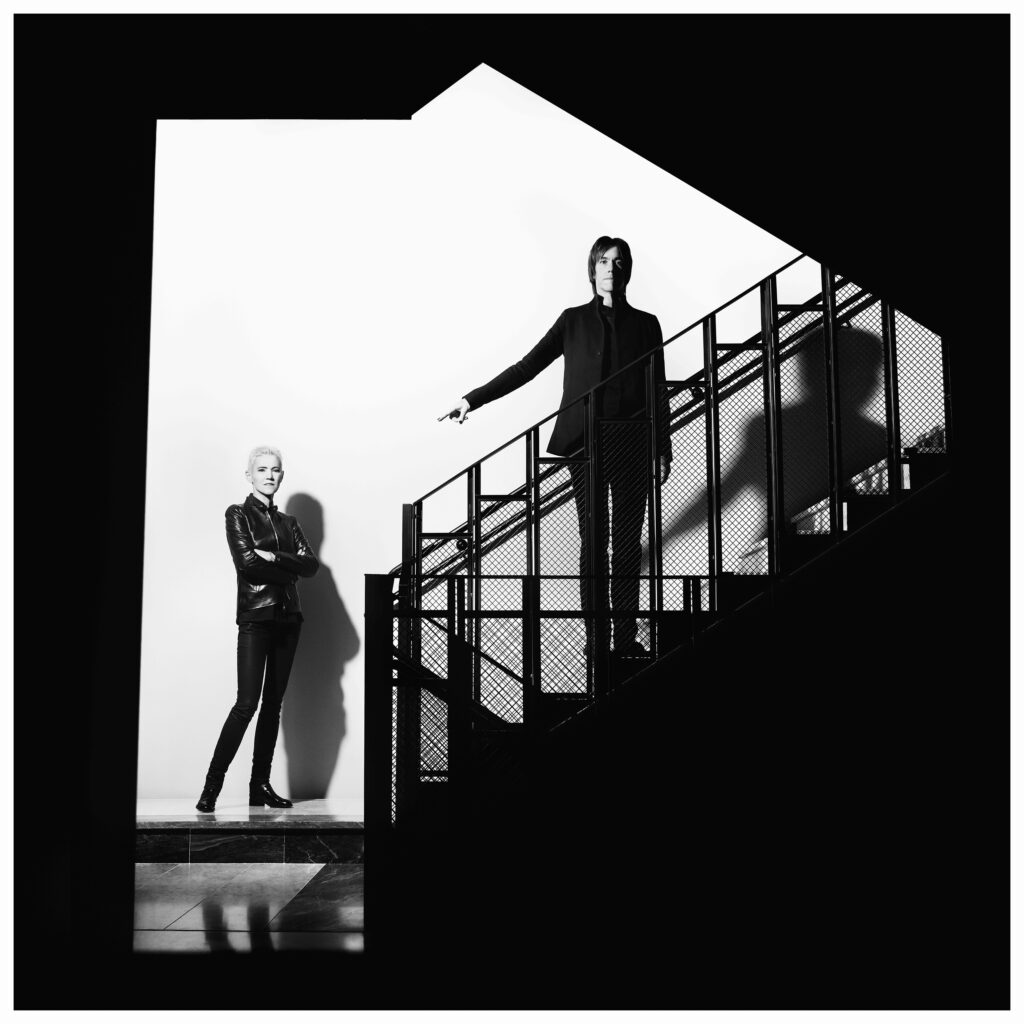
ODALISQUE MAGAZINE INTERVIEWS MAGS text Ruby Rose In the exhilarating lead-up to the release of her new album Herified, Danish electro-pop artist Mags shares the excitement, pride, and emotional clarity she’s found in this chapter of her life. The album’s openness and warmth, blended with intimate, emotive lyrics, resonate with the multi-faceted nature of love that Mags explores. She offers a glimpse behind the scenes of the project – from her creative process to the introspective journey it captures.  Ruby Rose: With Herified so close to release, how are you feeling about everything? Are there any moments from the process which have really stuck with you lately? Mags: Thank you for asking! I am feeling good. I find that right before a release I enter a stage where one moment I feel beyond confident, like the album is the best art anyone has ever made and then 5 minutes later I am full of crippling self doubt and wonder if anyone will ever listen to it haha. Over the past 3 years I have poured my heart and soul into this album and if I’m being honest, I have spent all of my life getting to some of the emotional realisations that I express on this album. So long answer short, I feel super proud, excited, a bit nervous but mainly super ready for people to hear it. RR: Did you approach this album differently from your previous projects? I’m curious if a track like herified set the tone or was there another song that really shaped the direction of the album? Mags: This album is a lot more cohesive thematically than my previous projects. I find that it is a reflection of how much more secure I feel in myself and my emotions at this stage in life. I knew early on that I wanted the album to be called “Herified” and that was a first for me as I usually find the title after I have finished the project. Having the title made it easier to know what songs had a place on the album and which ones didn’t. It gave direction in not a limiting but beautifully curated way. I actually cut out two songs not too many months ago because they did not feel “Herified” enough to me. RR: You reference Monet in the album blurb, the idea that there are infinite ways to view something you love. How do you feel that philosophy takes shape in your music? Mags: Writing songs about love has always been what I’ve been drawn to – and I know I am not the only one haha. Love has so many faces and stages and I am fascinated by how my love for myself has also played such a pivotal role in how I have been able to love and receive love which is what most of my songs are about. All 8 songs on this album have been written about the same love but from entirely different angles and different points in time. The same love can cause such an array of beautiful and painful feelings and I have tried to authentically portray that on the album. RR: Following on from this, the title of your album encompasses a sense of action and reclamation transforming vulnerability into power. What personal experiences have made this theme important to you? Mags: I felt vulnerable in my queerness in my early twenties. I just didn’t know how or where to place my feelings although I always knew that they were real. So being in a healthy and beautiful relationship with the woman I am and have been madly in love with has been the most incredible, transformative, honest experience I have ever felt. Leaning in and experiencing that unstoppable feeling of love has been the best thing ever. RR: How would you describe the overall musical and emotional experience of this album?  Mags: Sonically the album is an open, warm and fun listen. It takes the listener through lots of different tempos and instrumentations. Some songs are primarily guitar based and others float in fun synths. Lyrically it is full of stories of falling in love with all that it entails. Feeling insecure, feeling over the moon and ultimately in my case feeling totally herified. It is definitely a pride filled album in all the ways. RR: Your lyrics have been described as ‘diary-like’ reflecting deeply personal corners of your mind. Is there a particular message or feeling you hope stays with your audience after listening to your album? Mags: There is a sort of bridge in the second verse of the final song on the album called “one thing straight” where it says “calling you out cause you’re assuming”. It speaks to a message I hope to convey which is that in the world we live in we should strive to ask more questions rather than trying to guess the answers. We should be a bit kinder to ourselves and others both on and offline. RR: Looking back, how do you reflect on the journey you’ve been on since your first release? How has that growth influenced this new album? Mags: I think the main thing that stands out is that I know more. I know more about myself and more about the industry. This release is my first release as an independent artist and I am really proud of that. I am so grateful for the setup and people I had around me for the first few years in the music industry; however, it feels so right to me that I now own the majority of the rights to my songs and have total creative control in all aspects of my art. I am going into this release with such pride and a confidence that I did not have when I first started out. And I think you can hear that on the album. RR: What’s your favourite part of making music? Was there a particular song on the
News

Mogensen’s Hunting Chair 75 years – A Danish Design Icon Reimagined

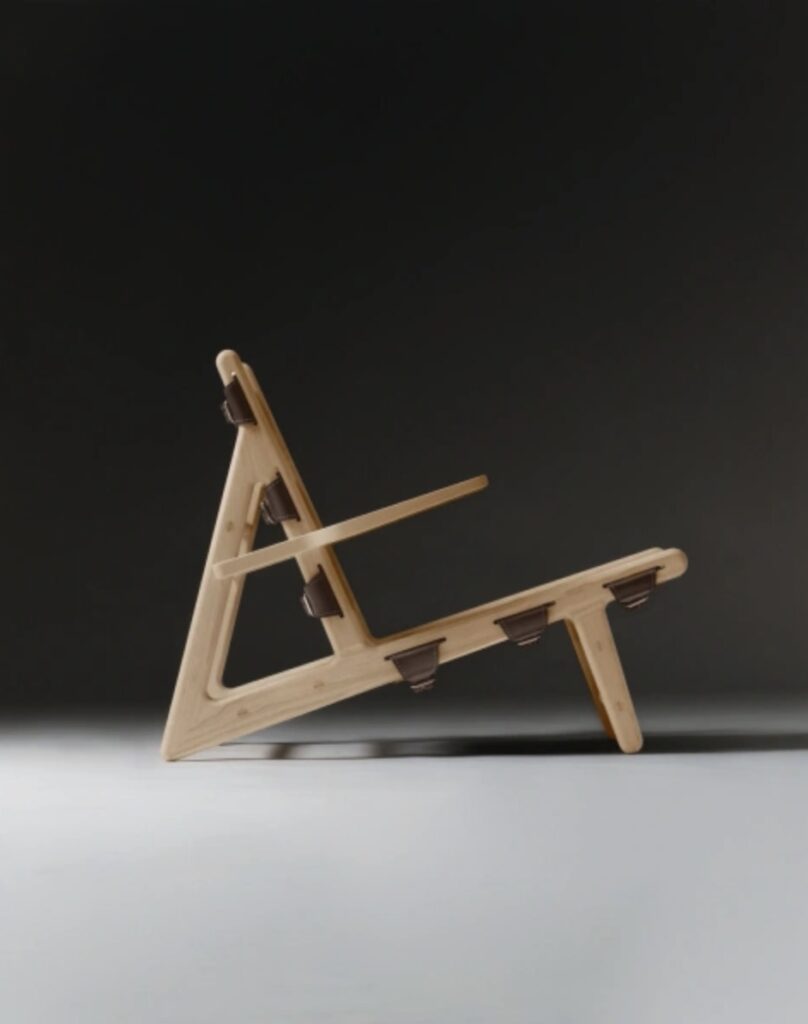
Mogensen’s Hunting Chair 75 years – A Danish Design Icon Reimagined               To mark its 75th anniversary, Fredericia presents a rare and exclusive edition of Børge Mogensen’s The Hunting Chair, limited to just 75 pieces worldwide. First introduced in 1950 at the Cabinetmakers’ Guild Exhibition in Copenhagen, The Hunting Chair was Mogensen’s modern interpretation of rustic living. With its low, reclining frame, robust saddle leather, and impeccable craftsmanship, the chair embodied his vision of honest, functional design that connects deeply to human experience.   Seventy-five years later, Fredericia celebrates this enduring icon with a special anniversary edition crafted in Denmark from FSC-certified ash with a light oil finish, dark brown saddle leather, hand-stitched detailing, and polished chrome buckles. Each chair bears an engraved steel plate with Mogensen’s signature and comes with a certificate of authenticity, personally signed by the craftsman who made it. For Fredericia’s CEO and third-generation owner, Rasmus Graversen, The Hunting Chair is more than a masterpiece of Danish modernism — it is a personal heirloom. “It’s a piece that’s been lived with, moved around, sat in, and loved,” he says. “That’s exactly what my grandfather wanted: furniture that becomes part of people’s lives.” Honouring the legacy of Mogensen and the timeless values of Danish design, the 75th Anniversary Edition stands as both a tribute to craftsmanship and a testament to lasting beauty.
Scroll to Top