Author name: Odalisque

Opiates

Synsam Group Redefines Luxury Optical Retail with NK Eyewear & Optics

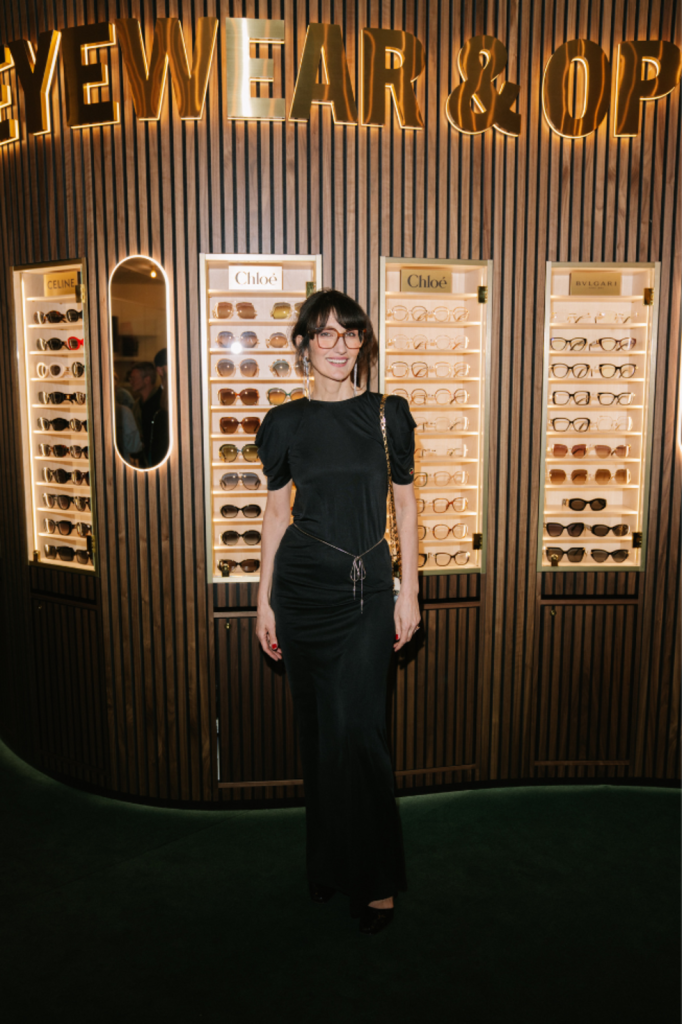
Synsam Group Redefines Luxury Optical Retail with NK Eyewear & Optics text Natalia Muntean “Luxury is always about experience. You might find the same frames in a different store, but probably you want to come here to have the experience – to sit down, to have those educated style experts help you find your frame, and then also enjoy the nice packaging,” says Synsam Creative Director Marina Kereklidou about their newly opened Concept Store in Nordiska Kompaniet, one of Stockholm’s most iconic shopping spots. This isn’t just another eyewear store. Spanning 47 meters on NK’s entrance level, the space feels more like a high-end gallery than a retail outlet. Offering over 1,400 frames from 35 exclusive brands, rows of Tom Ford and Dior frames are displayed like art pieces, bathed in carefully curated lighting. The project took just five months from concept to launch, with Kereklidou, who spearheaded the concept and design, viewing the space as a harmony of organic shapes and Scandinavian craftsmanship. “People connect with organic forms,” she explains. The store features black-and-white squares, moved from floor to ceiling, deep emerald carpets, walnut wood, and birch accents, sourced from Swedish workshops, with lighting designed for both beauty and functionality. “I wanted to create something elevated, classic, and luxurious. We chose to work with the lighting and colours, featuring a deep emerald green carpet alongside walnut and birch elements. When you walk in, it feels calm and inviting.” The store’s curved walls and glass-filled pillars create a calming atmosphere: “The carpet and panel reduce noise. It makes you slow down. This isn’t fast fashion – you spend time here,” she says. The store combines premium fashion with advanced eye care, including OCT retinal scans and dry-eye treatments. “At Synsam Group, we always focus on both fashion and eye care. We didn’t have to choose between them; it was natural for us to offer both regular glasses and sunglasses together,” notes Kereklidou. NK Eyewear & Optics represents Synsam Group’s vision for the future of optical retail – where health and high fashion occupy the same curated space. Now complete, the store offers a blend of Scandinavian materials, medical technology and luxury brands. Or as Kereklidou puts it – “a whole journey.”
Fashion Articles

Between Girlhood and Apocalypse: An Interview with Hanna Nordenhök 

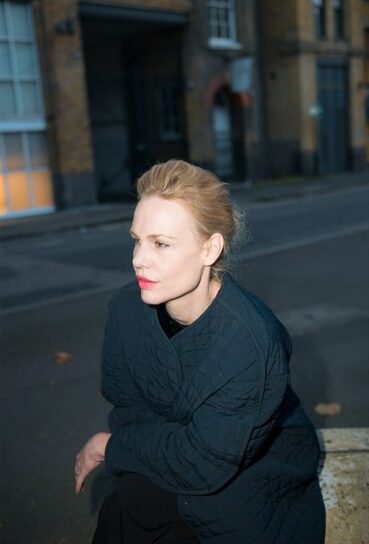
Between Girlhood and Apocalypse: An Interview with Hanna Nordenhök Ulrika Lindqvist With a voice both poetic and political, Swedish writer Hanna Nordenhök crafts novels that explore power, language, and the dark undercurrents of human systems. In this conversation, she reflects on translation as a form of haunting, the aesthetic of surfaces, and why fiction may be the last refuge for truth in a post-post-truth world. Ulrika Lindqvist: Caesaria was originally published in Swedish in 2020 and only last year released in English translation. How did it feel to see your work reach a new audience, four years later and in a different language? Hanna Nordenhök: The mesmerizing experience of travelling with one’s words – that of which being translated consists – is a rare gift not given to all authors, and I am deeply grateful for the translations of Caesaria that’s been made so far: the English and the Spanish one’s as well as the upcoming Portuguese and French. That a novel like Caesaria, with its peculiar universe and very Nordic setting and rural landscape, would reach Mexican, Chilean, Canadian, British, Brazilian and French readers was a surprise. And another thing about being translated is of course that it gives you the sometimes wonderful, sometimes horrific, opportunity or obligation to revisit your earlier writing. With her translations Caesaria keeps travelling with me even though I created her more than six years ago, which means I cannot avoid her: I need to face the reasons why I wrote her and felt the necessity of creating her world exactly like that, and not in another shape or expression. UL: Were you involved in selecting Saskia Vogel as the translator for Caesaria? If so, what drew you to her as a collaborator, and how would you describe your relationship to the translation process? HN: Actually it was the other way around: it was Saskia Vogel that found her way to Caesaria. Which means it was partly thanks to her that the book was published in the UK and Canada. And to have Saskia as a partner in crime and literary creation is pure joy, a wonderful human being and a brilliant translator – I consider myself very lucky. The fact that Saskia, much like myself, also possess the interesting, ambivalent and deeply enriching artistic position of being both author and translator, is another dimension to it that I really cherish being in dialogue with. With her I have an ongoing meandering conversation on writing and translating, but also on Birgitta Trotzig, kids, life, the experience and memory of girlhood as a never-ceasing source of knowledge about this dark and surreal world… As I said: pure joy. UL: What initially sparked the idea for Caesaria? Were there particular events, images, or questions that guided you during the writing process? HN: The spark for Caesaria was a foot-note I found in a dissertation in history of ideas, that I was reading as part of my research for another novel, Asparna from 2017, where I explored 19thCentury reformatory detention centers and institutional violence against “savage children”, that is, criminal or anti-social low-class children that were subjected to the disciplinary system of that very emblematic epoch. This dissertation, though, dug into the history of Swedish gynecology, obstetrics and medical science on woman diseases, also during late 19th Century. And in that little foot-note I found the story of a girl born in 1862 through the first Caesarian section made in the city hospital of Uppsala by one of the pioneers in the field, a well-known doctor that operated on a poor, single woman who died after a couple of days: the orphaned girl was then named Caesaria by this very doctor, after the cut that brought her to life. I found this story so compelling and macabre, full of interesting aspects of power and powerlessness that had to do with class society as well as the male scientific gaze at the time that has shaped notions and fantasies on woman and women bodies prevailing up until our days. Around the real case Caesaria my own fictitious Ceasaria started to take shape in my head, she awoke so many thoughts on girlhood in patriarchy that I needed to explore. The fact that my work with the novel also took place while the first waves of the #metoomovement started to burst out was, of course, another contributingfactor, that in writing it formed a necessary bridge between history and present. UL: In your latest novel, Underlandet (Wonderland), you shift from the historical settings of your earlier works to a contemporary environment. How did that change affect your writing? Did you experience the creative process differently? HN: I find that I, in all of my novels to some extent, have been exploring zeitgeists, that is, certain epochs fashion of thoughts, political agendas, ideology productions and dominant ideas on what it means to be human or not – and how life takes shape inside different systems of selection and de-humanization. Who is cared for and who is abandoned or exploited in such systems?, has been a recurring question for me in my writing. In that sense, I feel there is little or none difference between my historical fiction and Wonderland, a novel that also, to me, very much consists in an exploration on the spirit of our times – or maybe more correctly the spirit of post-truth society that has led up to the moment we’re living right now: a post-post-truth world where all masks have fallen and what we see is pure violence, the shameless and non-disguised rise of fascism all over the planet. Which will be interesting to dwell upon when the Polish and Spanish translations of Wonderland will be published this fall. But maybe I’d rather describe the shift between historical fiction and contemporary fiction in my writing as a shift, or even connection, between past and apocalypse. For me it has been the same desire or compulsion to understand our existence that’s led me intohistorical settings and more contemporary ones. The bridge, I would say, is this sense of apocalypse – both as a revelation of a disastrous future or of those hidden undercurrents that rule our
News

Levi’s x Oasis

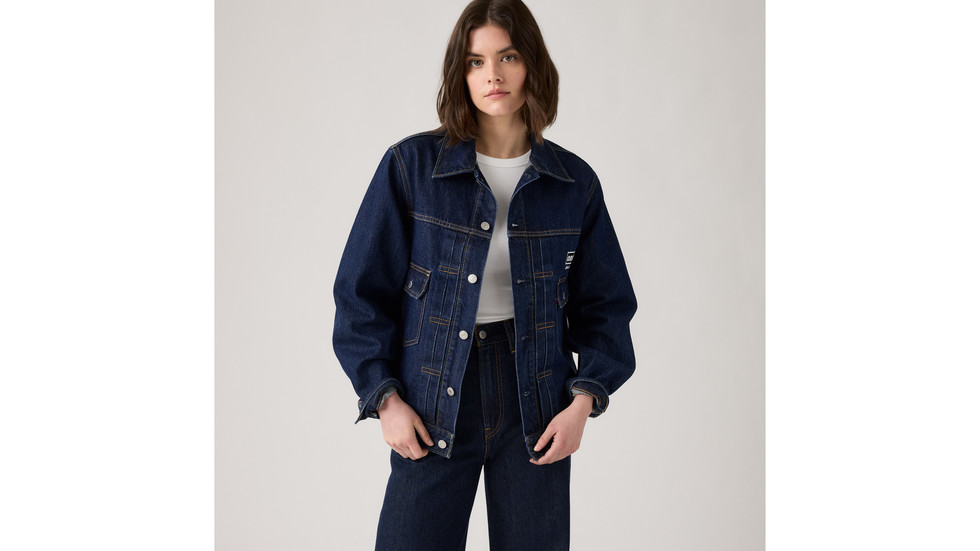
Levi’s x Oasis  Levi’s® is launching a new collection that celebrates the band’s iconic style and attitude – the Levi’s x Oasis Collection . The collection was released on July 1, just in time for the tour premiere, and includes both vintage-inspired band tees and denim pieces inspired by the band’s most legendary looks – including a parka in true Liam Gallagher spirit and a new version of the Levi’s Type II Trucker Jacket.
Opiates

Stockholm Surfboard Club SS 2025 Swim & Surf

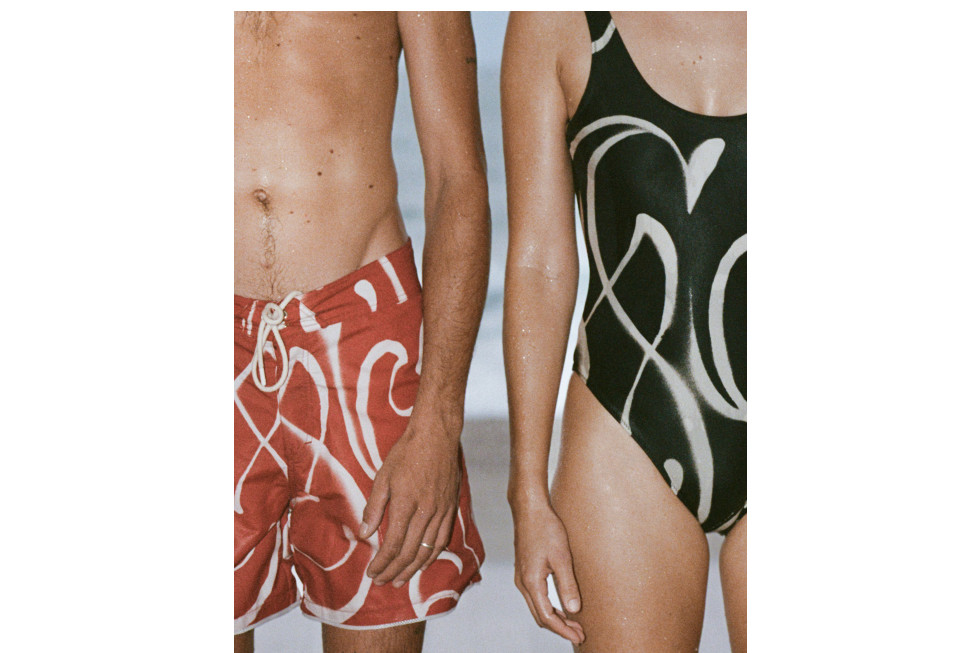
Stockholm Surfboard Club SS 2025 Swim & Surf Stockholm Surfboard Club introduces its Spring 2025 swim and surf collection with a new campaign photographed by Neige Thebault in Biarritz, France. Set against the backdrop of the city’s public pool, the images focus on clean, candid details—textures, skin, and the subtle interplay between water and fabric. The collection includes wetsuits for men and women, made in Japan and offered in a range of shapes and thicknesses. New seasonal highlights feature two-tone swimsuits and a leopard print story, seen in a women’s two-piece and men’s swim briefs. An all-over monogram print is also introduced across signature carry-over styles. www.stockholmsurfboardclub.com image courtesy of Stockholm Surfboard Club 
Fashion Editorial

Bone Struck

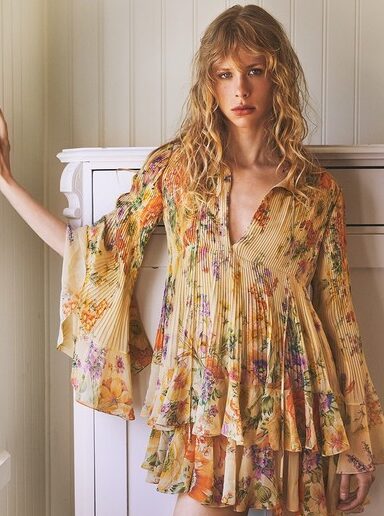
dress Celine top Sézanetrousers Victoria Chan dress Victoria Chanring & necklace Ennui Atelier skirt & sweater Soft Goatblazer Filippa Kshirt Acne Studiosflats Flatteredring, Maria Nilsdottersocks Stylist’s Own top Malene Birgerskirt Baum und Pferdgartenring & necklace Ennui Atelier skirt Costights Swedish Stockingsshirt and blazer Filippa Kbrooch & shoes Malene Birgerring Maria Nilsdotter top Ganninecklace Ennui Atelier
Opiates

Efva Attling x Victoria Skoglund — Where Nature Becomes Jewelry

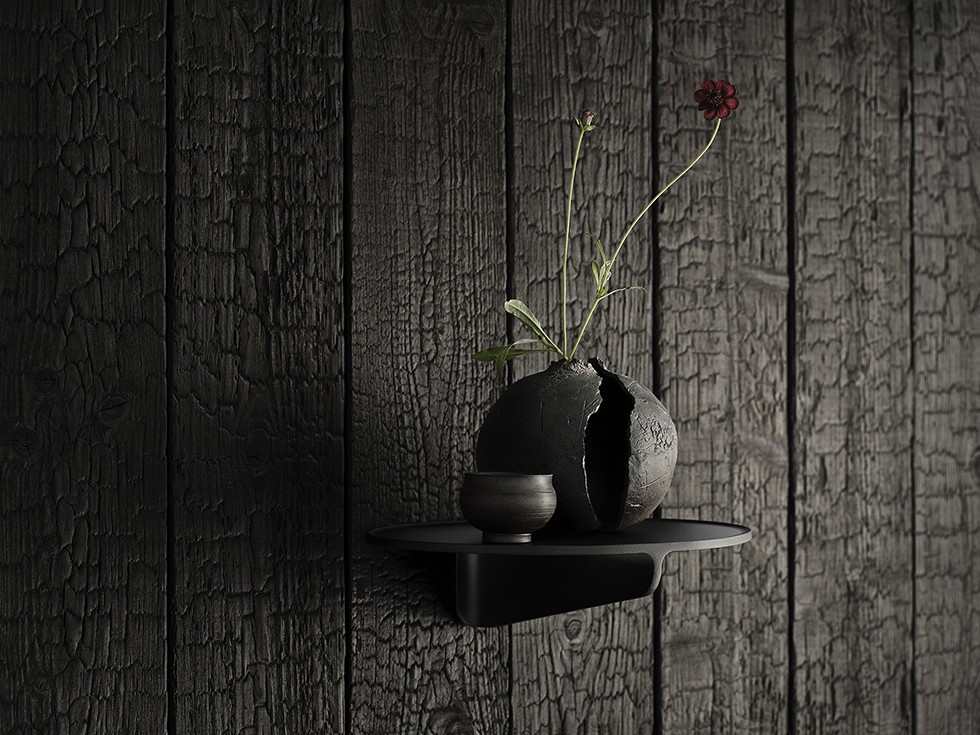
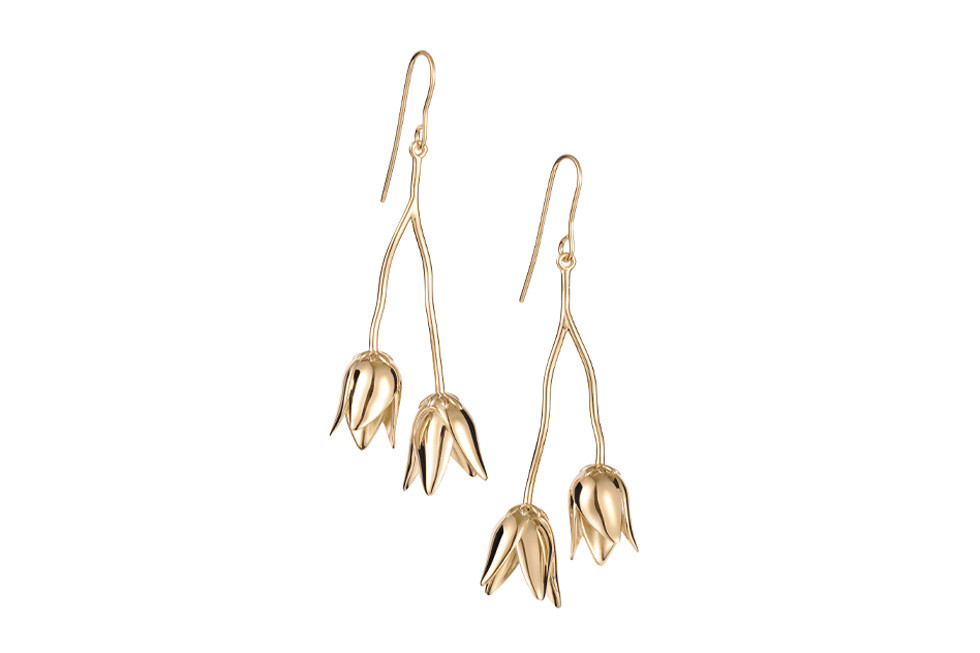
Efva Attling x Victoria Skoglund — Where Nature Becomes Jewelry When renowned jewelry designer Efva Attling joins forces with celebrated gardener Victoria Skoglund, the result is The Floral Garden—a delicate meeting of craftsmanship and nature’s quiet poetry. Rooted in shared values of beauty, simplicity, and sustainability, the collection draws inspiration from flora and organic form. Each piece, crafted in recycled silver with gold plating, echoes the natural world—from fragile petals to deep-rooted symbolism. Attling’s design language, known for its clarity and meaning, meets Skoglund’s intuitive relationship with the botanical. Together, they present a line of jewelry that whispers rather than shouts, celebrating memory, growth, and the enduring elegance of nature. My personal favorite? The Helleborus earrings—delicate and fresh, like spring’s first bloom. Read more at www.efvaattling.com Image courtesy of Efva Attling
Opiates

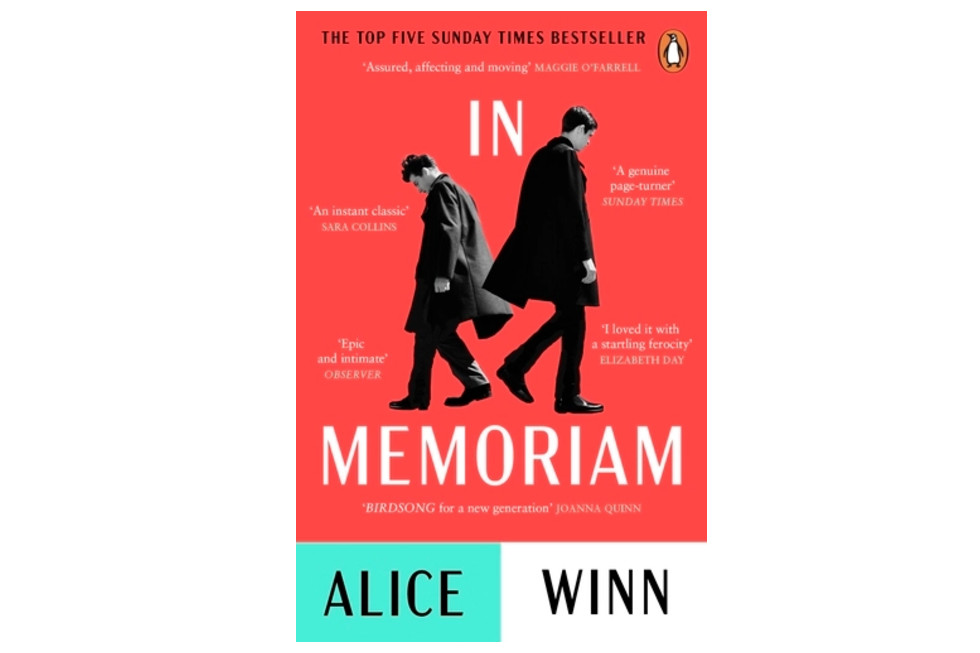
Odalisque book recommendations: In Memoriam by Alice Winn

Odalisque book recommendations: In Memoriam by Alice Winn Set against the haunting backdrop of World War I, In Memoriam follows two teenage boys, Henry Gaunt and Sidney Ellwood, whose tender, unspoken love collides with the brutal realities of the battlefield. What begins in the quiet confines of an English boarding school unfurls into an epic exploration of desire, loyalty, and loss among the trenches. Alice Winn’s luminous debut is both a heart-wrenching war novel and a deeply moving queer love story that lingers long after the final page. Read more at www.alicewinn.com Image courtesy of Alice Winn and Penguin Books
Art

Spoiled Image – Photography Unbound at Konstnärshuset

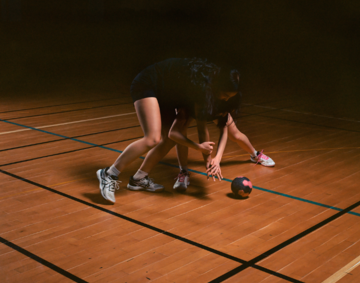
Spoiled Image – Photography Unbound at Konstnärshuset Text by Natalia Muntean In Spoiled Image, photographers Sofia Runarsdotter and Diana Agunbiade-Kolawole surrender their archives, professional and personal, artistic and accidental, to reimagining. Stripped of original intent, their images mesh and collide, freed from categories like photojournalism, fashion, or private snapshots. Here, a forgotten self-portrait, a celebrity snapshot, or a Tokyo train sequence demand attention not for what they were, but for what they are: singular, unresolved, and electric in their new dialogue. Curated by Ashik Zaman, the exhibition is part of a broader focus on contemporary photography and runs from May 10 to June 7 at SKF/Konstnärshuset. What happens when we stop labelling images and simply let them speak? Sofia Runarsdotter Natalia Muntean: Your Girl Battle series captures raw, physical tension between women. In Spoiled Image, how does this visceral approach translate when your images are divorced from their original narrative context?Sofia Runarsdotter: Girl Battle is a personal project, photographed in my home village. From the outset, the selection and presentation of the photographs in the Girl Battle series were intended to be experienced both as a whole and as singular photographs. I did the selection together with curator Ashik Zaman. Our aim was for each final image to be so powerful that it could stand alone, independent of its original context. In this exhibition, the photograph Spider is shown in a new context, which brings fresh energy and opens it up to new interpretations. I believe that change and transformation are positive forces. The motif, to me, represents something far beyond sport. NM: The exhibition pulls images from your personal and professional archives, even snapshots never meant to be shown as art. How did this process of recontextualization change your relationship to your work? Were there photographs that surprised you by gaining new meaning when freed from their original purpose? SR: I have an archive spanning over two decades, comprising approximately 300,000 photographs (though that figure is admittedly an estimate). These images were captured with a variety of cameras and stored across multiple formats: CDs, hard drives, and negatives. When Ashik invited Diana and me to do this exhibition, I anticipated the complexity of the process. The first step was to make a preliminary selection, a process that revealed how profoundly my way of seeing and reading photographs has evolved.One particular photo stands out: a self-portrait taken in Slovenia in 2005. What struck me was how the passage of time had recontextualised the image. For me, it is saturated with personal memory, so much so that I could barely recall taking it. Suddenly, I was confronted not with a photograph, but with a younger version of myself gazing back. I found myself wondering: Could this image hold meaning for someone else? Might it resonate beyond my narrative?This experience repeated itself with numerous photographs – images made in passing, never intended to be anything more than fragments. In that sense, the act of stepping back became essential. It was a relief, even a necessity, to allow a curator to engage with the work from a fresh perspective, unburdened by my associations. NM: The title Spoiled Image suggests a corruption or subversion of expectations. What does “spoiled” mean to you in this context? Is it about disrupting the hierarchies of photography (art vs. commercial vs. personal), or is it more about the viewer’s encounter with an image that refuses easy categorisation?SR: I find it liberating when images are allowed to be seen simply for what they are – photographs in their own right, without being forced into predefined categories. Having worked in the space between art and photojournalism, I’ve often witnessed how powerful images, especially those by colleagues in similar fields, remain unseen because they don’t fit neatly into institutional or disciplinary frameworks. There was simply no room for them, no “appropriate” category.With Spoiled Image, those boundaries are loosened. The images are no longer judged by conventional hierarchies or expectations, but encountered on their own terms. That openness allows for a greater generosity toward the image – a richer, more inclusive space of reception. In that sense, it becomes almost like a manifesto: a call to recognise the value of photographs that resist being pinned down. NM: Does the Girl Battle image change meaning when separated from the full series and shown next to Diana’s work?SR: I believe that when placed in dialogue with Diana’s archive, the Girl Battle image Spider gains a new and unexpected energy- one that I fully welcome. This kind of interplay has been a defining and enriching aspect of the entire process. It opens the work to new interpretations and connections that wouldn’t have emerged within the original series alone. NM: Were there old or forgotten photos that suddenly made sense in this exhibition?SR: They were, indeed. One example is a photograph I took in Tokyo in 2008, during a freelance assignment for various magazines. While going through my negatives, I suddenly came across a sequence from a train ride in Tokyo, images I had never seen before. And yet, as I looked at them, I began to recall taking the photo. Or did I? It’s strange, perhaps I only imagined capturing that moment, projected the memory onto the image itself. The line between memory and imagination can blur so easily when revisiting old work. Ashik was immediately drawn to it. It’s just three exposures from that trip, separate from my digital files made for work, but they carry a distinct energy. There’s something timeless about watching the two children in motion, suspended as if flying. In a way, it mirrors the exhibition itself: a journey through time, fragments, and rediscovery. Diana Agunbiade-Kolawole Natalia Muntea: Your work often documents Black diasporic communities. In this show, do these documentary images transform when displayed as fragments divorced from their sociopolitical context?Diana Agunbiade-Kolawole: I think in the company and context, the images hold up and produce more questions than offer the expected resolution answers. My work is centred around lived experiences and as a Black woman in the West, making work on the spectrum

BackStage

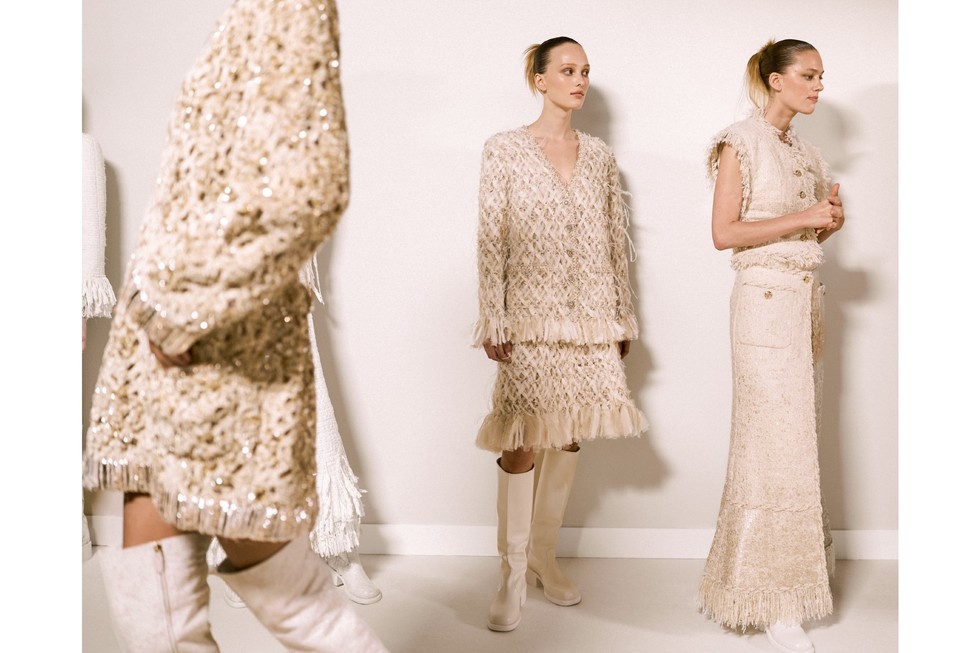
To the Moors, With Love: CHANEL’s Pastoral Dream for Couture Fall-Winter 2025/26

To the Moors, With Love: CHANEL’s Pastoral Dream for Couture Fall-Winter 2025/26  Text Jahwanna Berglund It’s not often that a fashion show feels like an exhale. But this season, Chanel invited us to breathe. Into the hallowed Salon d’Honneur at the Grand Palais, artist and designer Willo Perron crafted a serene tableau, conjuring the soul of the countryside, not as a place of nostalgia, but as a palette of possibility. The Fall-Winter 2025/26 Haute Couture collection felt like a return, not just to nature, but to Gabrielle Chanel herself. Her legacy, so often reduced to black, pearls, and perfume, was richer, wilder, and more grounded than we remember. This season, the house reconnected with her love for English landscapes and the rugged romance of the Scottish moors. It showed in the clothes: ecru, plum, deep forest green; cuts drawn from menswear with the grace of tailoring made for movement and not restriction. There was tweed, of course, but not as we’ve seen it before. Some looked almost hand-knit, shaped into soft coatdresses and mohair suits in hues that echoed fallen leaves. Others, in bouclé and brushed finishes, suggested sheepskin or faux fur, often playfully paired with feathers for texture and drama. A long gilet, a jacket that looked like a jumper, short trousers delicately painted and embroidered, these were garments meant for walking, for striding, for living. But the collection wasn’t just about quietude. It was, at times, celestial. Wheat, a symbol Mademoiselle adored for its ties to abundance, appeared as golden embroidery, buttons, and feather-like flourishes. The finale offered light: a golden lamé flounced dress like the last rays of sunlight over a field. The wedding dress, too, bore the wheat motif tenderly embroidered along the neckline, as if nature itself offered a benediction. Perhaps most striking was how little spectacle the collection needed. There was no overstatement. Everything, even the embellishments, felt intentionally poetic rather than decorative. The floral embroidery on a pea coat or satin crêpe pinafore dress spoke not of fantasy, but of earth and craft. This was Chanel speaking softly. And yet, it resonated deeply. In a time when fashion often shouts for relevance, Chanel reminded us that silence, too, is powerful. That elegance lies in ease. And that nature like couture is not a trend, but a timeless refuge. image courtesy of CHANEL

Scroll to Top