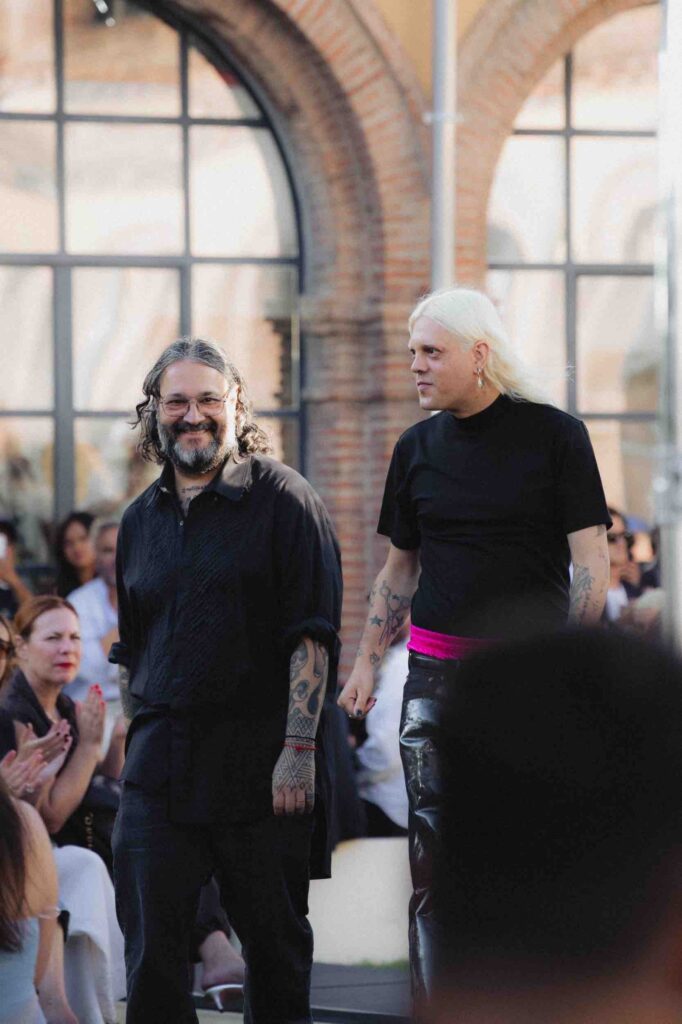
Living with the Ghost - An Interview with Dora Abodi
text Natalia Muntean
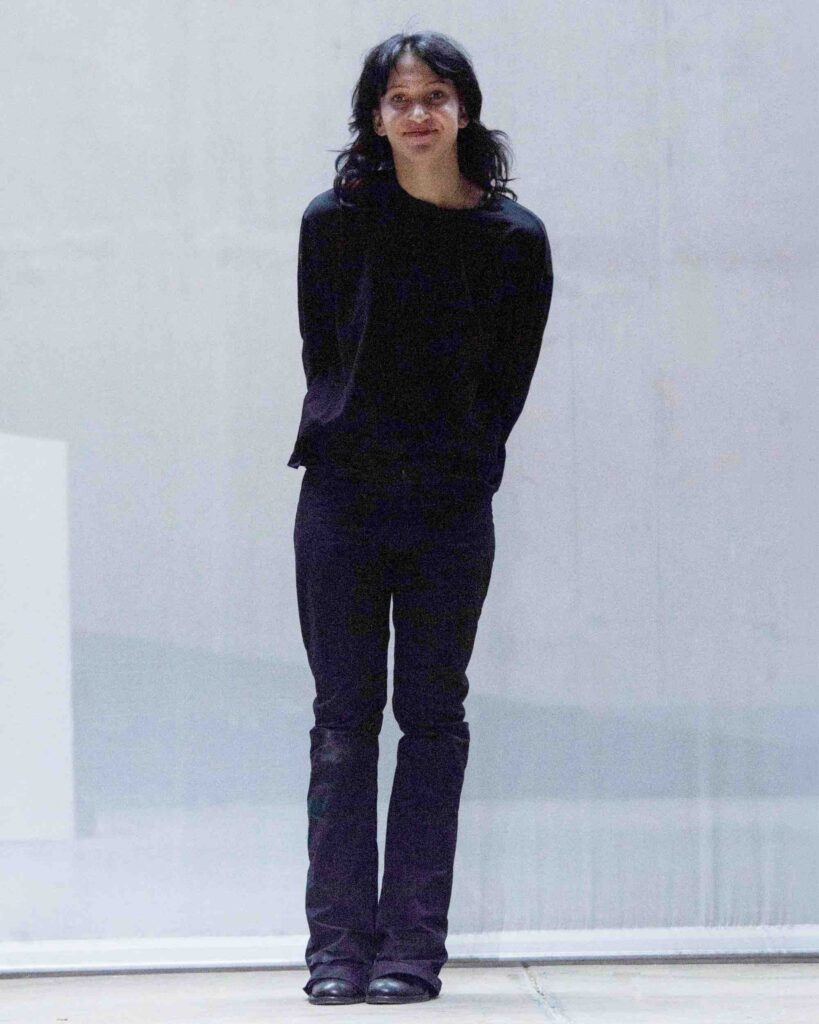
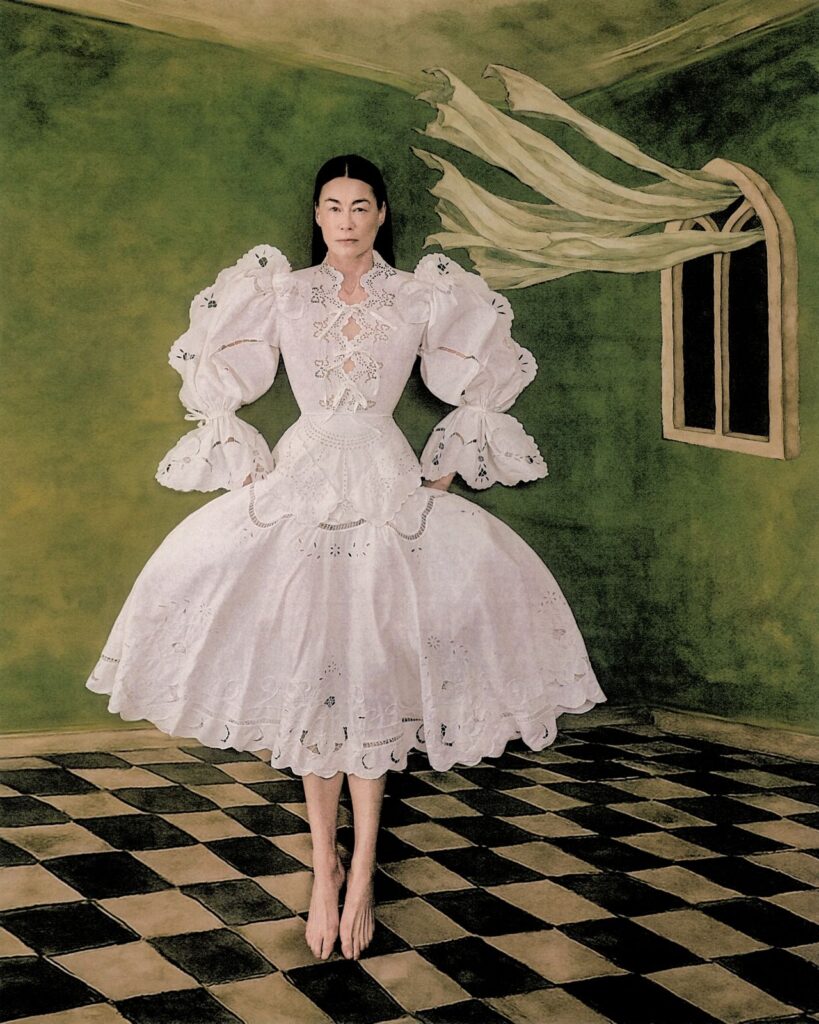
Dora Abodi founded ABODI Transylvania in 2013, but she resists calling it a fashion brand. “I don’t really see the boundaries” between fashion, ceramics, painting and myth, she says, fashion is simply “one of the ways the creatures escape into the physical world.” The Chronicles, her latest collection and campaign shot by longtime collaborator Szilveszter Makó, is billed as the opening volume of a longer saga: “fragments from a mythology rather than a traditional fashion campaign,” as Abodi puts it. At its centre is Elisabeth Báthory, the sixteenth-century Hungarian noblewoman remembered as the “Blood Countess,” reimagined here as “a mirror, and perhaps a little bit of a legal case I’m still arguing,” a symbol, in Abodi’s telling, of how powerful women get punished for their contradictions. We spoke to Abodi about the mythology behind the garments, the ghosts she still carries from Transylvania, and what waits beyond volume one.
Natalia Muntean: For someone who’s never heard of ABODI Transylvania, how would you describe it? Is it a fashion label, an art project, mythology or all three?
Dora Abodi: All three. And maybe a haunted castle and forest as well. ABODI Transylvania is a multidisciplinary art universe where fashion, ceramic sculptures, paintings, characters and mythology coexist. I don’t really see the boundaries between them. Fashion is simply one of the ways the creatures escape into the physical world.
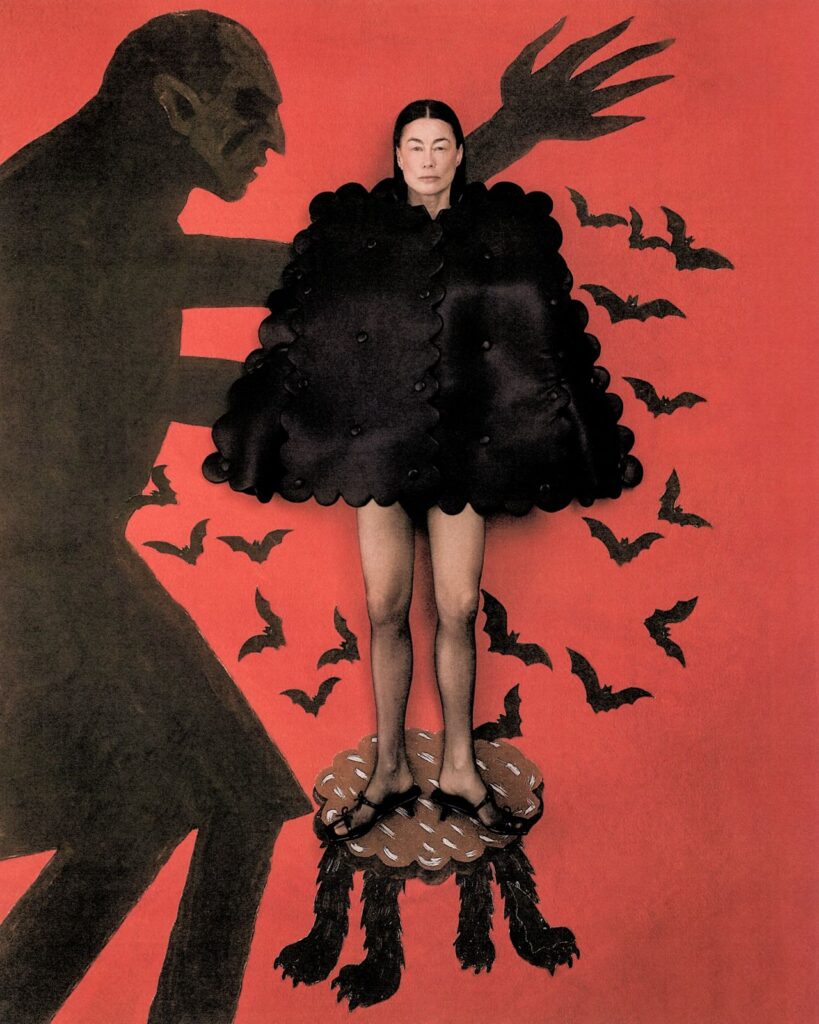
photography SZILVESZTER MAKÓ
image courtesy ABODI TRANSYLVANIA
NM: You paint, you sculpt, you build characters and stories and then some of that becomes clothing. Does an idea usually arrive already knowing what form it wants: garment, ceramic, painting or is that decided later?
DA: Usually, it arrives as an atmosphere first: a mood, a dream, a strange image. Then the character and the story start appearing. Only afterwards do I ask what physical form it wants. Sometimes it’s a dress. Sometimes a ceramic sculpture. Sometimes it wants to become a whole universe.
NM: You’ve built out a whole cast of original characters… For someone walking into this for the first time, who’s the character that best sums up what ABODI is trying to say?
DA: Probably the Twin Unisus, a dark and wild creature. It has been with me from the beginning and contains a lot of the ABODI DNA: fantasy, duality, transformation, beauty with a slightly dangerous edge. It doesn’t belong entirely to this world or the next one. That’s probably why I recognise myself in it.
NM: Is there a character waiting to be unveiled?
DA: There are always characters waiting in the shadows. I don’t like introducing them too early; creatures are much more interesting before they have a Wikipedia page. I can say there are new beings coming who belong to the same mythology, but they may not behave very well.
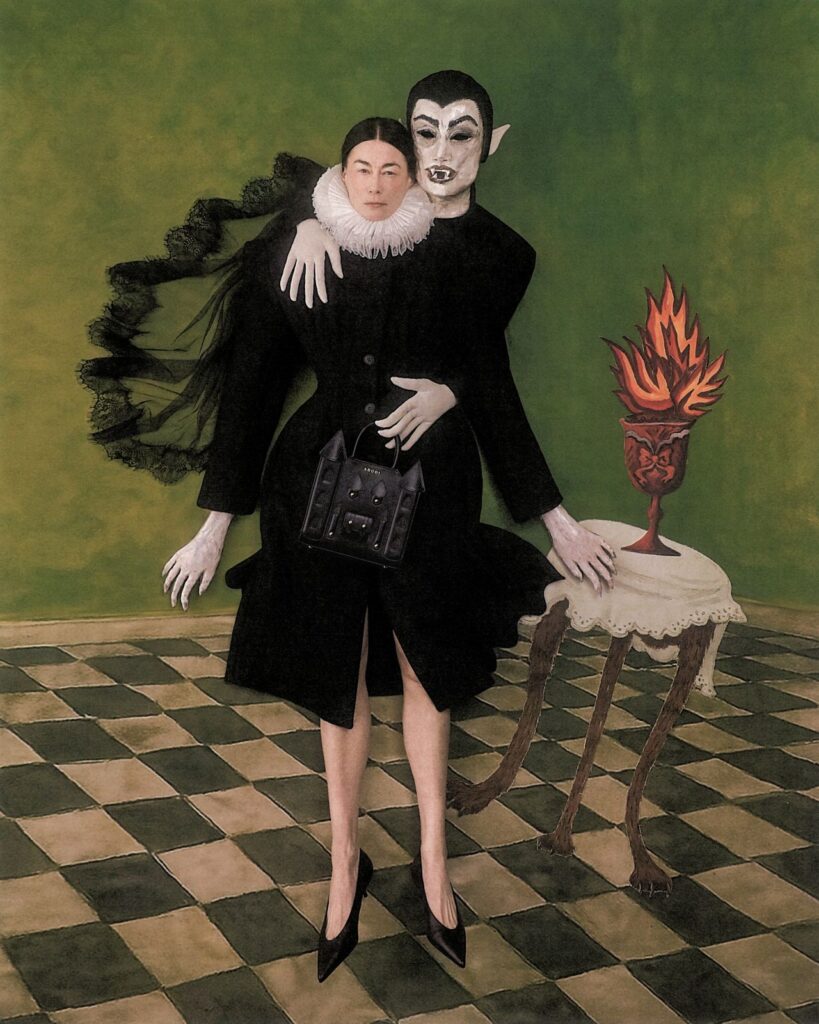
NM: A lot of your work draws on Eastern European folklore that isn’t well known outside the region. Is there one story or belief from home that you wish more people knew that you keep returning to?
DA: What fascinates me most is not one particular story, but the fact that folklore in Transylvania was never completely separated from everyday life. Superstitions, protective gestures, strange warnings, little prophecies – they survived alongside modern life. That’s very beautiful to me. The supernatural was never really unemployed.
NM: The Chronicles is described as the opening volume of a longer saga. For someone looking at these images for the first time, what should they know about what they’re seeing?
DA: Think of it as fragments from a mythology rather than a traditional fashion campaign. You’re seeing characters, artefacts and moments from a much larger universe. It’s not the beginning of the story so much as the moment when the door opens.
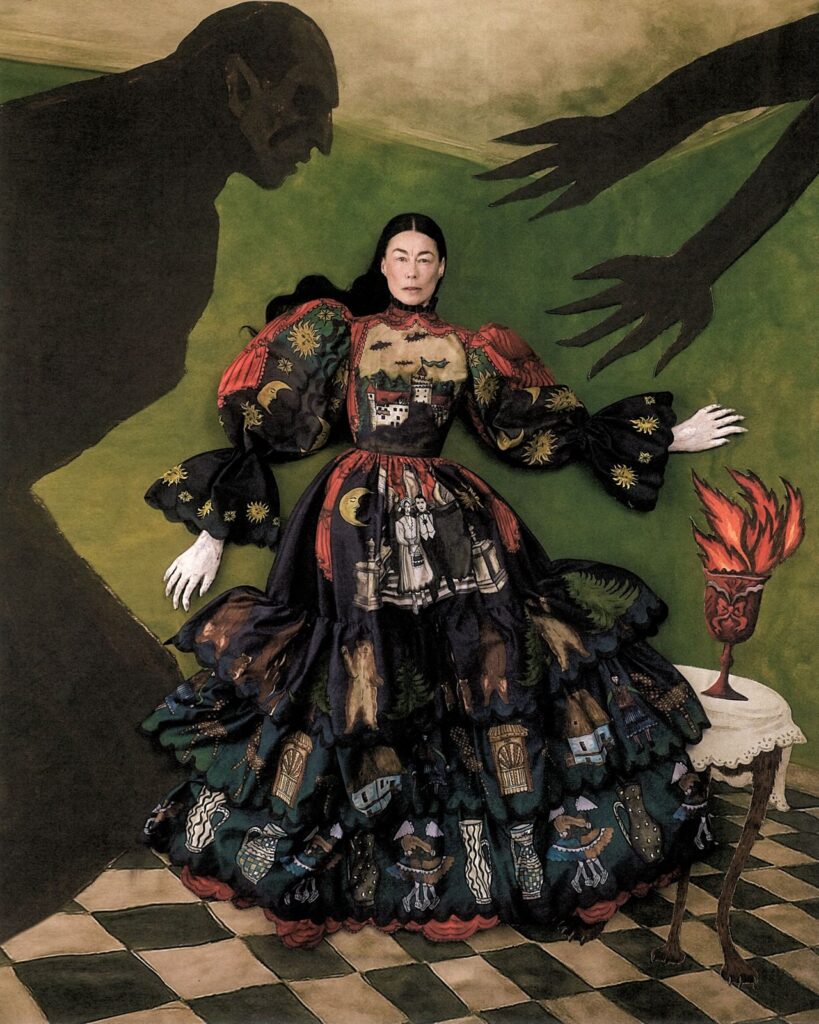
NM: Elisabeth Báthory is the central figure of this particular collection. Why is she the central figure of this collection and what is she to you: a muse, a mirror, a character you’re still arguing a case for?
DA: She’s a mirror, definitely, and perhaps a little bit of a legal case I’m still arguing. Báthory became the monster of the story, but the story also tells us something about how powerful women are judged. Beauty, age, ambition, sexuality, power – women are still punished for contradictions. I find that endlessly contemporary.
NM: Szilveszter Makó shot this campaign, and you two go back a long way creatively. What does he see in this world that maybe you can’t see yourself, working this closely with it?
DA: Szilveszter knows the DNA of my world because he has been there almost from the beginning. We grew up artistically alongside each other, so there is a strange shorthand between us. He can sometimes see the monster hiding behind the garment before I have finished drawing its teeth.
NM: If this is volume one, what can you tell us about what comes after?
DA: More worlds, more characters, more ghosts. I don’t want to reveal the map yet. The mythology has its own logic and I’m still discovering it myself. Let’s just say Volume One opens the door; it doesn’t explain the house.
NM: You left Transylvania as a child and call yourself someone who exists “both inside and outside” the culture. Has that distance ever felt like a loss or has it only ever felt like an advantage?
DA: Both. Distance can make you homesick, but it also gives you perspective. I think I live in that strange space between belonging and observing. Transylvania is not only a place I remember, but it’s also a landscape I carry inside me. Sometimes being outside lets you see the ghosts more clearly.
NM: How is a piece actually made? Walk me through what happens between an idea in your head and a finished garment.
DA: It usually starts with an image, a dream or a feeling. I sketch it, build the character and the world around it, then start translating the impossible into materials, structure and technique. After that comes the less glamorous part: fitting, failing, rebuilding, fighting with fabric, and trying again. Eventually, the object develops its own body.
NM: You work with artisans and antique textiles rather than just mass production. Why does that matter to you, and what would be lost if you didn’t do it that way?
DA: Because the hand leaves a ghost in the object. Antique textiles already have a life, and craftsmanship adds another one. I love materials that resist you a little: handwoven hemp, old lace, irregular fabrics. They have personality. Mass production can reproduce a shape; it can’t reproduce that history.
NM: You’ve talked about your ancestor Sándor Kőrösi Csoma and his lifelong search for knowledge. Do you see ABODI as its own kind of search?
DA: Absolutely. I think I’m searching for the place where memory becomes something new. Kőrösi Csoma travelled enormous distances looking for knowledge; my journeys are more visual, but there is a similar restlessness. I’m looking for forgotten stories, hidden connections, and new ways of translating where I come from into the future.
NM: If ABODI keeps growing the way it has, do you see it staying multidisciplinary like this, or does something eventually have to become the “main” thing?
DA: I hope not. The moment one thing becomes the main thing, the others start behaving like employees. I want ABODI Transylvania to remain a living organism – fashion, art, sculpture, film, objects, characters, whatever the mythology demands. The world comes first; the medium follows.