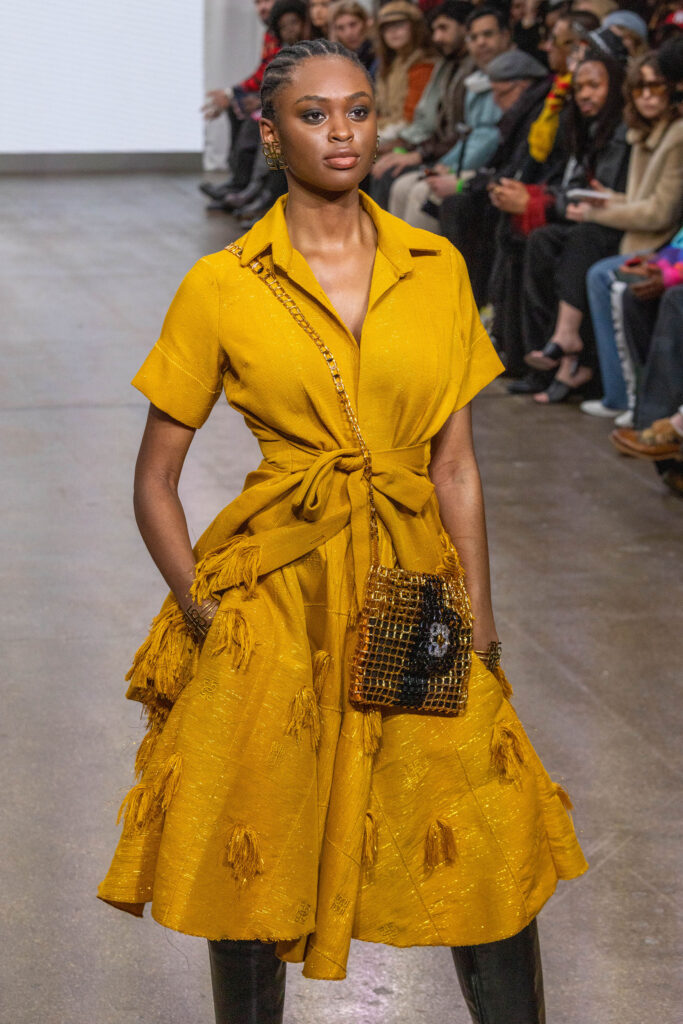
London Fashion Week AW26 – Jermaine Bleu
London Fashion Week AW26 – Jermaine Bleu photography Jason Jude


London Fashion Week AW26 – Jermaine Bleu photography Jason Jude
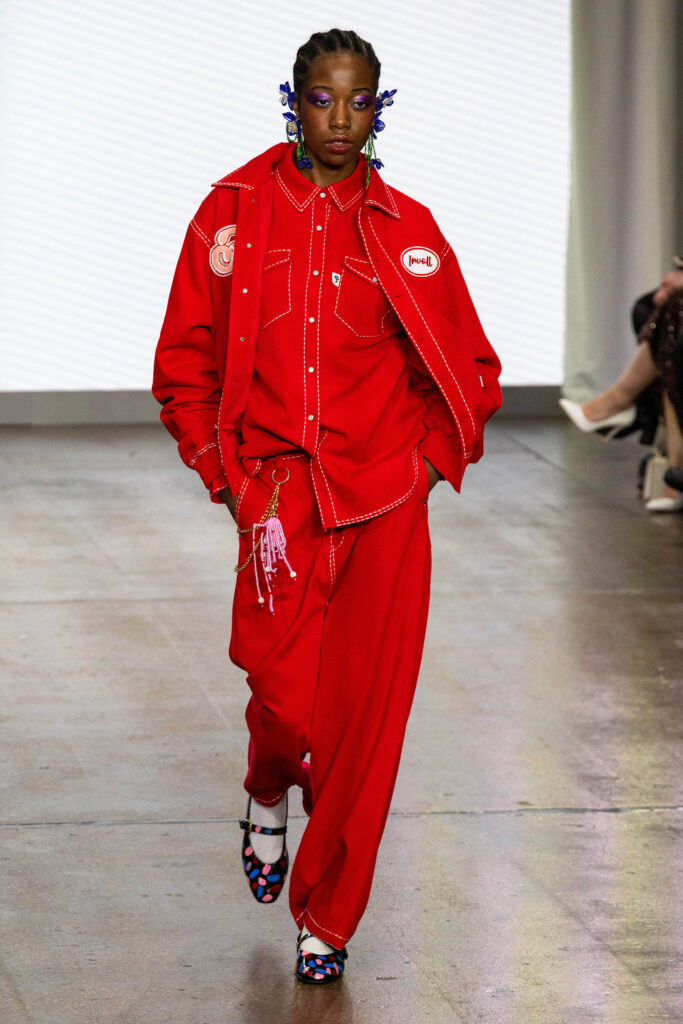
London Fashion Week AW26 – FAM IRVOLL photography Jason Jude
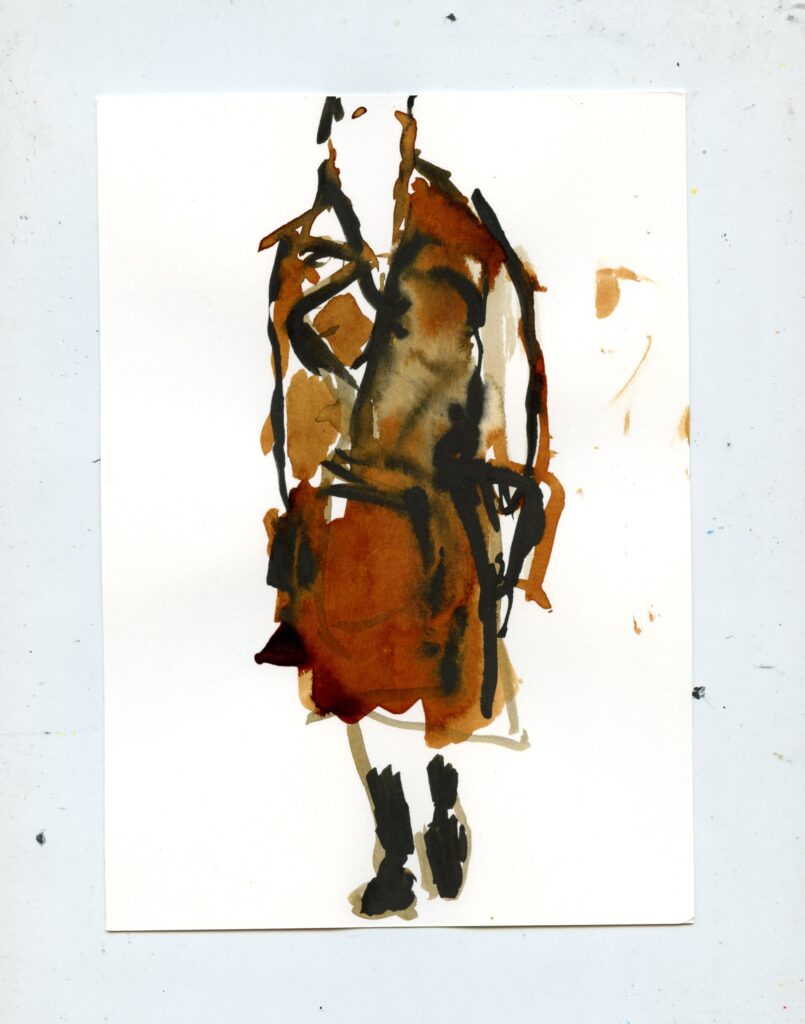
Steve O Smith Presents Metropolis Collection AW26 Steve O Smith’s Metropolis collection explores the city as a stage, where intimacy and spectacle collide. Drawing on the glamour and tension of interwar art, the collection merges precise couture construction with bold colour and hand-applied embellishment, translating performance and mood into wearable artistry.
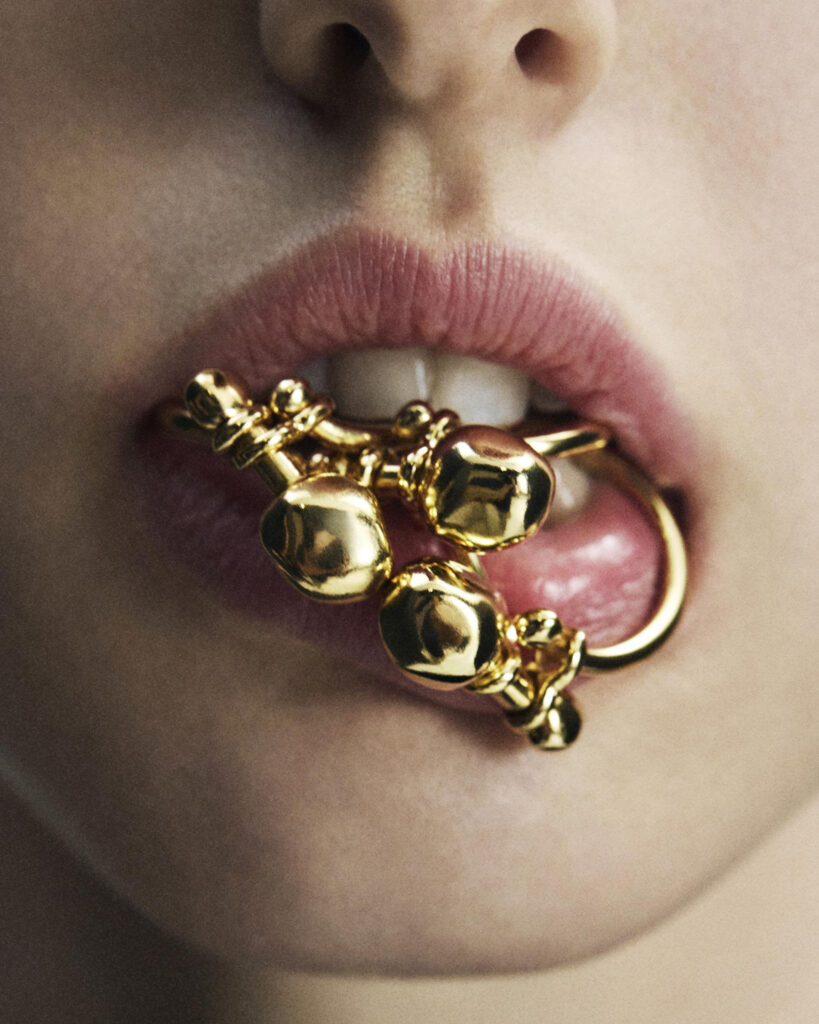
BYREDO Introduces Virasaat Jumbo & Mini An Inheritance of Form Byredo continues its exploration of personal ornamentation with Virasaat Jumbo & Mini, two limited-edition expressions that reconsider proportion while preserving the collection’s totemic language. Named after the Hindi word for “inheritance,” Virasaat evolves through expansion and reduction, allowing familiar forms to be perceived anew. Crafted in Italy from 925 sterling silver and gold-plated vermeil, Jumbo and Mini retain the structural codes of the permanent Virasaat line while shifting their relationship to the body. Form is constant. Proportion transforms meaning. This collection introduces: Jumbo Pieces – Sculptural, architectural expressions scaled up to occupy space with clarity and weight. Rings, necklaces, bracelets, and earrings read as structures rather than adornments. Mini Pieces – More intimate interpretations of the same forms, scaled down to engage through proximity, restraint, and precision. The collection is housed in a new Virasaat jewellery box, crafted and finished with kantha stitching. Designed as a secondary architecture, it extends the collection’s values of material integrity and permanence beyond the object itself. Virasaat Jumbo & Mini presents jewellery as structure, space, and inheritance shaped by form, defined by proportion, and completed by the wearer. images courtesy of BYREDO From February 19, 2026, the collection will be available on byredo.com and through a curated selection of Byredo stores worldwide.

“Feel First, Think Later”: Sally von Rosen on contradictions, her creatures, and the power of objects text Natalia Muntean Sally von Rosen’s work is a study in contradictions – beauty and grotesque, violence and tenderness, familiarity and alienation. Her sculptures, often described as “creatures,” evoke visceral emotions, inviting viewers to feel first, think later. “I want people to experience contradictory emotions,” she says, “to feel both the desire to care for the work and the urge to run away.” Drawing on her background in philosophy and aesthetics, von Rosen explores the political ecology of objects, treating them as active participants in human interactions. “Objects have their own intentions, their own ‘thing power,’” she explains, referencing Jane Bennett’s theories. From her early egg-like forms to her latest monumental outdoor sculptures, von Rosen’s work is a continuous evolution, blurring the lines between the past, present, and future. This ethos is central to the group exhibition Feel First, Think Later at Andréhn-Schiptjenko Gallery in Stockholm, where von Rosen’s hybrid creatures take centre stage. Alongside works by Annika Elisabeth von Hausswolff, Dev Dhunsi, and Minh Ngọc Nguyễn, the exhibition explores how intuition and emotion can precede intellectual interpretation. Von Hausswolff’s The Blind Woman (1998) serves as a symbolic portal into the act of letting go and trusting one’s senses, while Dhunsi and Nguyễn examine themes of tension and cultural identity. Together, the artists create a space where materiality and emotion converge, challenging viewers to engage with art on a deeply intuitive level. From von Rosen’s early egg-like forms to her latest monumental outdoor sculptures, her work is a continuous evolution, blurring the lines between the past, present, and future. Natalia Muntean: The title Feel First, Think Later comes from one of your quotes about how you want your work to be perceived. Could you expand on this idea and how it ties into the exhibition? Sally von Rosen: It’s about the transference of emotions – from me spending time with the object to someone else experiencing it in an exhibition. I remember a visitor in 2021 who looked at one of my creatures, the ones with claws and sharp tips, and said, “I want to take care of it, but I also want to run away from it.” That’s exactly the point. It’s about feeling contradictory emotions first, before intellectualising them. Art becomes interesting when it comes from intuition: the shapes, forms, and materials that feel right. Then, of course, there’s theory to apply. I have a background in philosophy and aesthetics, and I grew up surrounded by art – my mother was a ballet dancer, my father was an opera singer, and my grandfather a painter. Art has always been part of my life. NM: You mentioned the transference of emotion. Can you tell me about your emotions while making Offsprings and Ananke’s Playbunnies? SvR: These works are part of an evolution. The first ones were like eggs with claws, but they weren’t standing on their tips. At the time, I didn’t think much, I just worked with the material. Later, I realised I made these eggs during a time when my body wasn’t functioning well – I didn’t have my period, and it felt like these eggs were locked in my body. I only realised it a year later when my period returned. These creatures started as eggs, then grew bigger, and I flipped them so they had legs. They started to look more like creatures, part human, part animal. They evolved into a herd, and in 2023, I created a large installation with 60 sculptures climbing on top of each other during Berlin Art Week. The sculptures in Feel First, Think Later refer to that exhibition. My work often evolves in steps, like the evolution of a species. It’s about something that looks like it’s from the future or the past, raising questions about time and existence. NM: Do these creatures have a life of their own after you create them? SvR: Yes, once I’ve done my part, they exist on their own, often in exhibitions. This ties into the title Feel First, Think Later. I also research theories that resonate with my work, like Jane Bennett’s Vibrant Matter. She writes about how objects can have their own intentions, their own “thing power.” This idea gives meaning to how I think about my sculptures. NM: Do you work intuitively, or do you have a plan when creating these creatures? Do connections emerge during the process, or do you start with a clear vision? SvR: It’s different each time. It often begins with an image – shapes or forms. I start experimenting and realise, “Okay, this means that.” The visual aspect usually comes first, and then I tap into my mental library, thinking about how things relate. It all makes sense in the end. Sometimes, I dig into my foundation, like a “bad archaeologist,” as I once called myself. For example, I made some fragile sculptures that looked like they were sleeping, but the material was strong. I cast them in fibreglass and resin, then broke the mould to get the sculpture out. It’s a violent process, but something beautiful comes out. NM: It sounds cathartic, in a way – hammering it down and then having this newborn, so to speak. SvR: Sculpting can feel violent sometimes. You have to use a lot of power, especially with certain materials. For example, when I work with bronze, I use heavy tools and a 1000-degree flame to shape the surface. Then I throw acid on it. It’s all very violent and uncomfortable, but something beautiful comes out. It’s interesting how that process works. NM: Tell me more about you playing with the duality of things. Like beauty and grotesque, or violence and creation? And how do you balance them? SvR: I think those contradictions are where it gets interesting. How can a sculpture be both of these things? It’s not about balancing them intentionally. It’s about the tension between contradictions; something can be
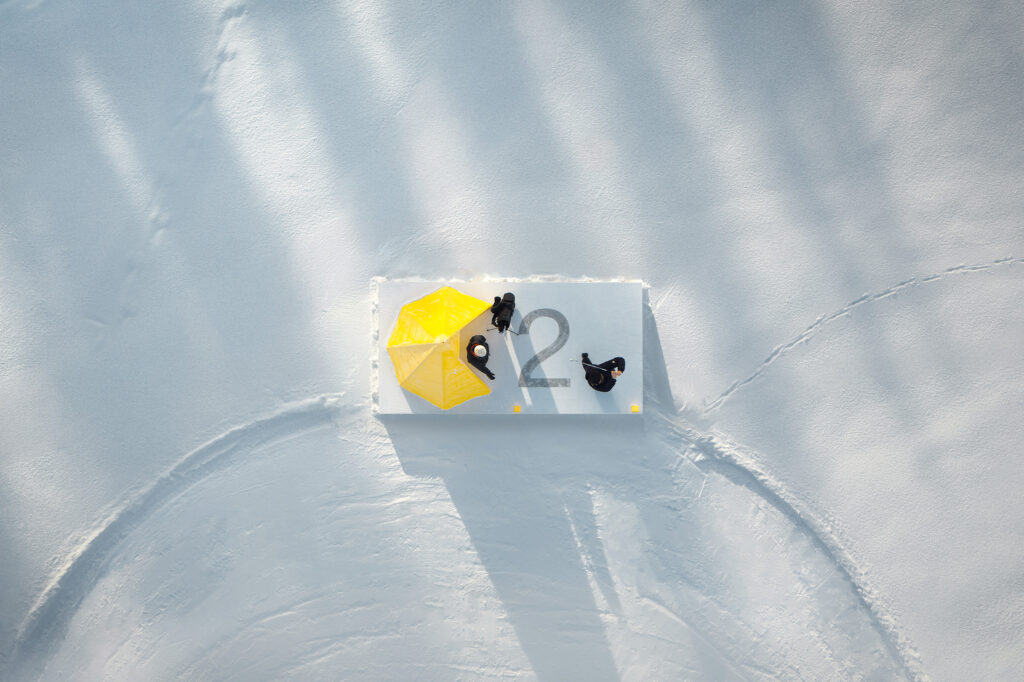
Below Zero, Beyond Ordinary: When Electric Performance Meets Winter Golf in Åre There is a certain silence in Åre during the winter that comes after snowfall. When the world feels, sculpted, almost curated. In that stillness, the idea of combining electric performance cars and golf might sound improbable, yet that is exactly where Polestar’s latest concept finds its charm. Drive below zero is not presented as a traditonal car event, but as a winter experience that blends movement, design, and play in a setting shaped by Nordic winter itself. At the heart of it is a simple but clever parallel. Golf is a sport of precision, patience and control. Winter driving in Scandinavia asks for the same qualities. Small inputs matter. Focus matters. The relationship between human and machine becomes more visible when conditions are demanding. images courtesy Polestar 3 Rather than talking about winter capability in abstract terms, Polestar places drivers in an environment where those qualities can be felt. Their vehicles are engineered and refined in real Nordic winters, where ice, snow, and deep cold are part of everyday testing. The result is a driving experience designed to feel composed and predictable, even when the rroundings are not. The winter golf element adds a layer of personality. A temporary course carved into the snowy landscape turns a test drive into something memorable. It invites curiosity. It slows people down. Between swings and drives, visitors move through the landscape in a more conscious way, noticing the terrain, the quiet, and the contrast between nature and technology. There is also an underlying design philosophy at play. The course is minimal, intentional, and temporary, echoing Scandinavian ideas of restraint and harmony with the environment. It reflects a mindset where luxury is not about excess, but thoughtfulness and experience. In many ways, Drive below zere feels less like a campaign and more like an invitation. An invitation to see performance in a different context, to connect sustainability with experiences, and to associate innovation with something human and playful. Perhaps that is wat makes it memorable. Not just the cars or the concept, but the feeling of seeing something familiar, like winter in Åre, interpreted in a new way. A reminder that innovation can be playful, and that even in the coldest settings, new ideas can feel warm and inviting.
PHOTOGRAPHER
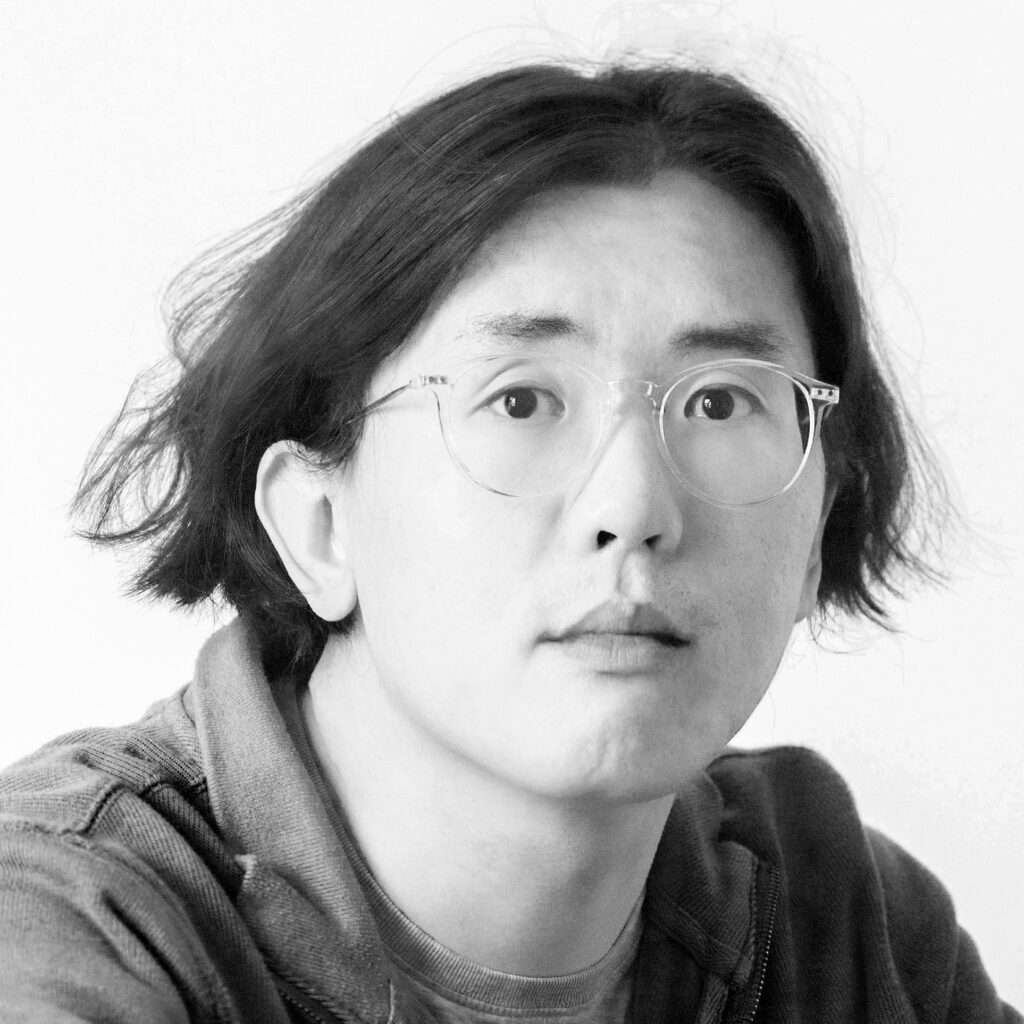
Henry Hu (born. 1995, Hong Kong) is a self-taught artist of Chinese descent. First arrived at his practice through modern technological tools and software; easily accessible, the digital medium served as an immediate resource. His early work engaged aspects of digital art and graphic design. The years followed, in an attempt to shift towards a more physical manner, Hu took on new materials, working between formats, to incorporate his digital creation into tangible forms. This ongoing exploration has manifested in mixed-media paintings, lens-based works, and computer-generated animation
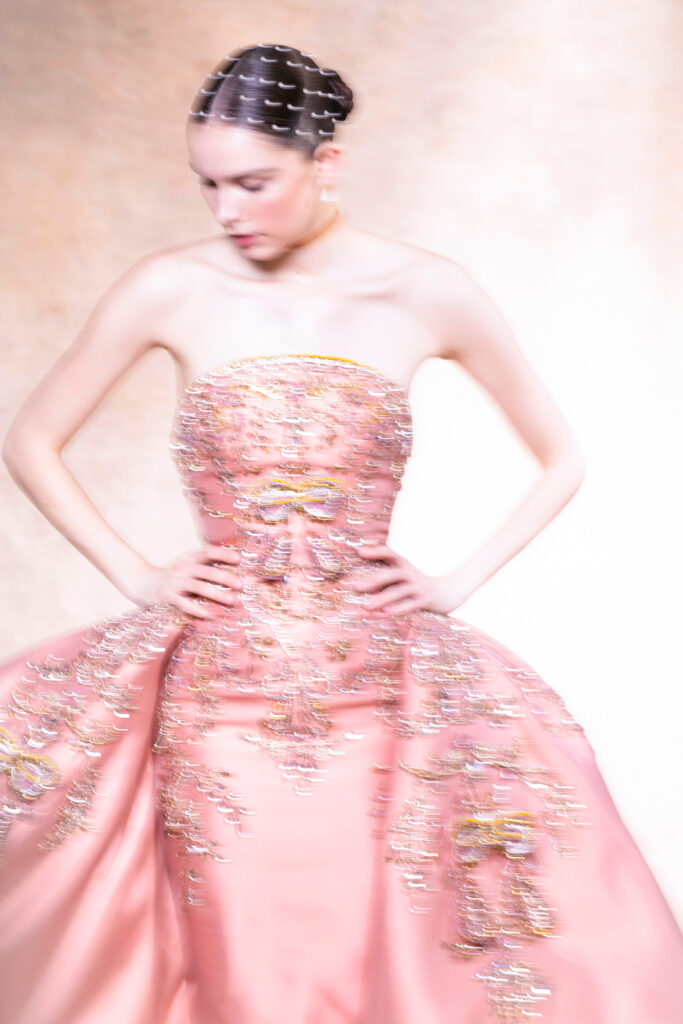
Paris Haute Couture / Zuhair Murad SS26 images courtesy Henry Hhu
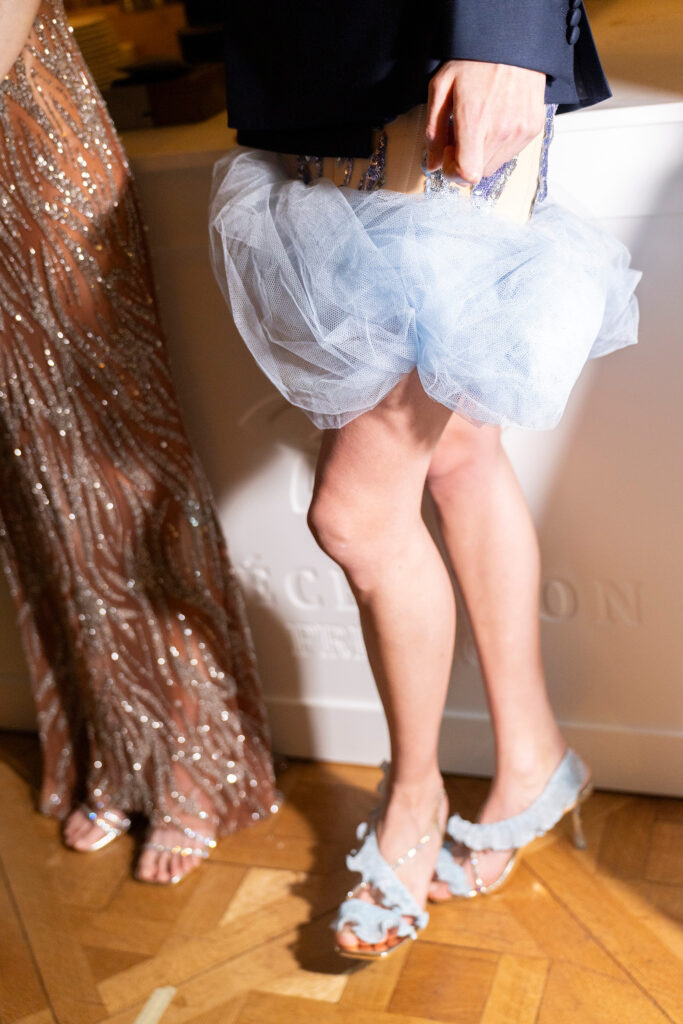
Paris for Haute Couture – Peet Dullaert SS26 images courtesy Henry Hhu
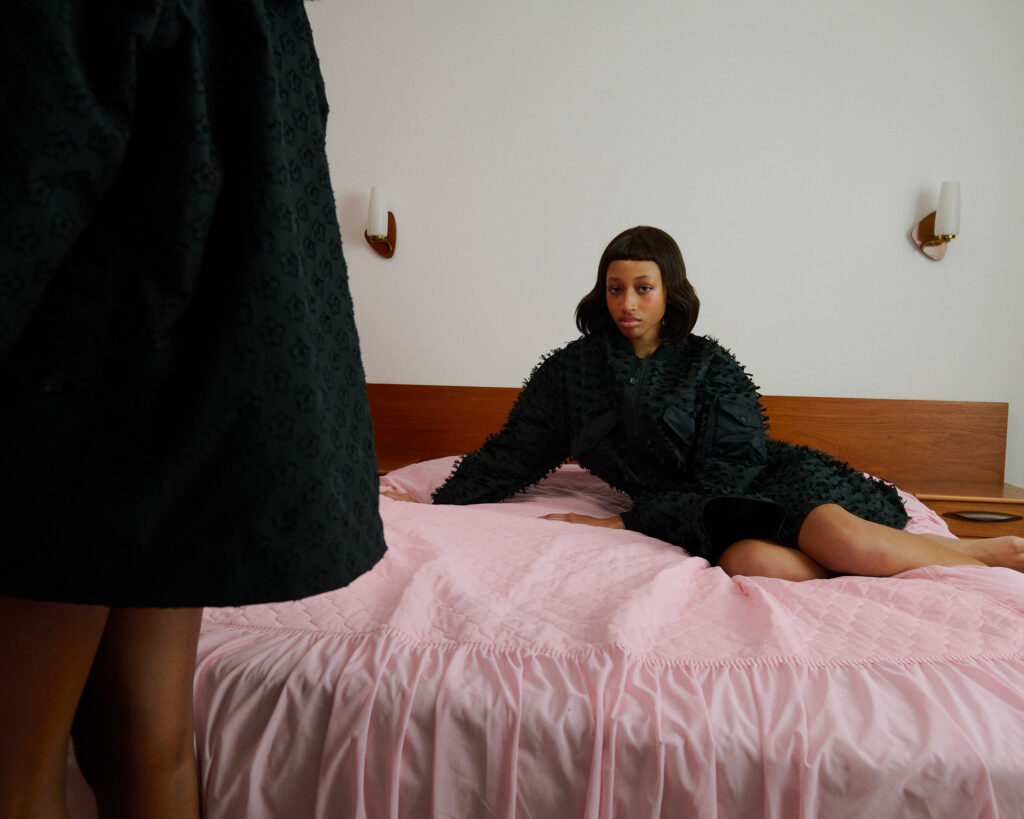
Cecilie Bahnsen’s Introducing thePre-Fall 2026 Campaign Cecilie Bahnsen’s Introducing thePre-Fall 2026 Campaign Cecilie Bahnsen’s Introducing the Pre-Fall 2026 Campaign PRE-FALL 2026 The bow has long been part of Cecilie Bahnsen’s vocabulary. This season, it becomes central. Like a guiding force, it appears as motif, method, and metaphor. At once delicate and decisive, the bow acts as both adornment and architecture, holding tension and binding softness into structure. Beneath its loops and trailing ends lies a lasting strength, a gesture that secures and shapes what surrounds it. This season, Bahnsen revisits the bow through every lens. The collection echoes the pages of A Magazine Curated By Cecilie Bahnsen, where a feature titled Unbowed explored the bow as a symbol of feminine paradox. Here, its spirit lingers across silhouettes and seams, binding innocence with intention. photography Nadine ljewerestylist Nathan klein A SENSE OF OCCASION There’s something beautiful about the idea of dressing up with no particular reason,” says Cecilie Bahnsen. “This collection is a reminder to cherish those moments. To dress not because we must, but because we can. For ourselves, with friends, as a kind of shared joy.” The idea of occasion runs through the collection. Silhouettes shaped with couture-like precision begin to soften, slouch, and gently collapse against the body, creating a sense of ease. Layering becomes a language of its own. The constructions are intricate, yet the feeling remains effortless. Looks that once felt formal are reimagined to be worn freely and spontaneously, every day. At the heart of it all lies instinct, knowing when to hold things together, and when to let them unravel. THE TIES THAT HOLD The bow emerges as the season’s sculptural focal point. It appears in generous appliqués, embroidered into panels, and woven into fabrics as a quiet pattern. It moves across the back of silhouettes, nestles into dense seams, and suspends delicate dresses like ribbons caught mid-air. In its most restrained form, it becomes a simple gesture, at times fastening and binding, at others serving purely as adornment. Texture deepens the dialogue. Sturdy knits, quilted weaves, and striking jacquards are held together by unexpected closures “zips bows, and knots” blurring the boundary between utility and elegance. Softness is never accidental; it is engineered and deliberate. The colour palette mirrors the changing season: raw whites replace brights, softened to a chalky finish. Autumnal tones grow richer, while cool greys and dusk pinks suggest fading light. Materials alternately shimmer and soften, shifting between technical nylon and luminous brocade. BEFORE EVERYTHING UNRAVELS Looking beyond the bow, the collection explores the contrast between the ultra-feminine and the functional. Delicate silhouettes are paired with bombers, technical outerwear, and utilitarian shapes, softened through knitwear that wraps and grounds the look. A quiet tension emerges between nostalgia and newness. Photographed by Nadine Ijewere, the campaign reflects on ritual, gesture, and atmosphere. “The campaign draws on the intimacy of childhood rituals — the quiet moments before stepping into the world,” says Cecilie Bahnsen. “Nadine captures that in-between feeling, the imperfection before completion, with a gaze that feels both dreamlike and grounded.” The images become portraits of becoming rather than completion: friends sharing the small choreography of getting ready. Clothes are tied, adjusted, and lived I worn freely, without waiting for an occasion. The bow returns as both a structural and emotional anchor, holding everything together, until it doesn’t.