Author name: Kaat Van Der Linden

Fashion Articles, Uncategorized

The Architecture of 1. cre ar+ {Uno Crear Más}: Designed by Yola Colón

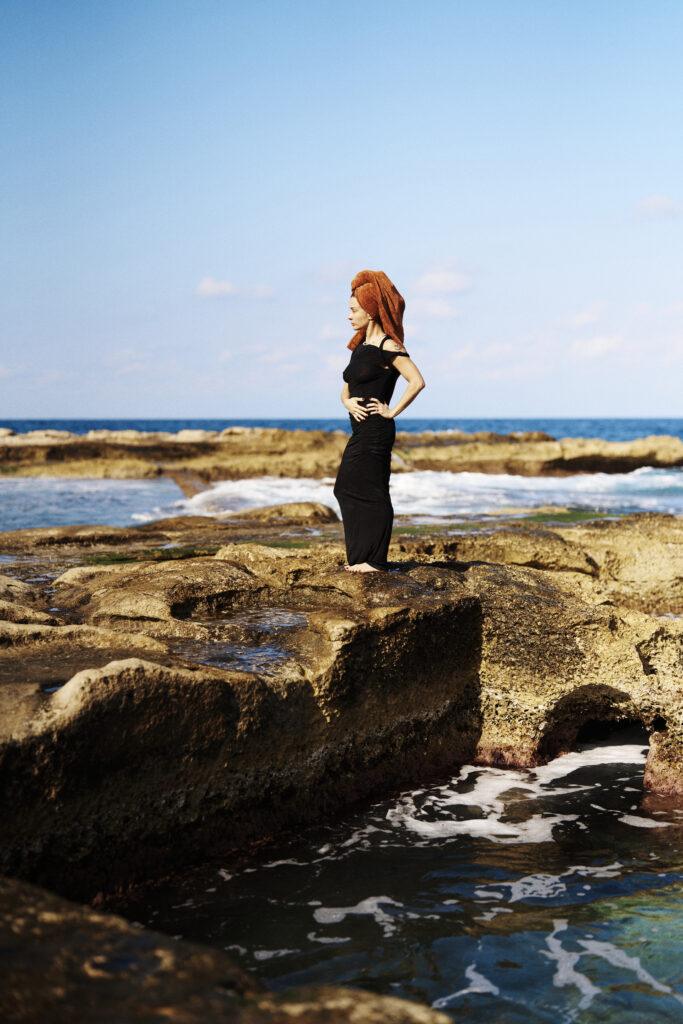
photography Ashley Jahncke The Architecture of 1. cre ar+ {Uno Crear Más}: Designed by Yola Colón 1. cre ar+ {Uno Crear Más} by YOLA COLÓN grows out of a practice that blends architecture, art history, and a deep respect for materials. Founder Yolanda Colón‑Greenberg studied architecture at Cornell and later completed a Master’s in Art History at NYU’s Institute of Fine Arts. That background shapes the way she builds garments: intentional, memory‑driven, and made to last. Her work doesn’t follow seasons. Instead, it grows as an archive: slow, iterative, and guided by the surplus textiles she chooses to work with. Puerto Rican heritage, an architectural eye, and long‑standing relationships with New York workrooms give the brand its quiet, precise language. In this conversation, she reflects on rebuilding her practice after Hurricane Maria and the pandemic and on how sustainability, material scarcity, and hands‑on making guide her work today. fashion Yola Colón (1.cre ar+ {uno crear más})hair and makeup Andrea C. Samauelsmodel Sylvia Gao / ONE Models You’ve described your garments as “living archives.” What does that idea mean to you?1. cre ar+ {Uno Crear Más} by YOLA COLÓN is built as an ongoing body of work rather than a sequence of seasons. A living archive reflects a consistent brand ethos centered on elevated workwear and enduring pieces. Core staples are produced in editions that respond to available materials, while new designs are introduced as layers rather than replacements. Instead of adhering to the traditional fashion cycle, the work develops cumulatively, allowing form, material, and identity to deepen over time.   How does your Puerto Rican heritage shape the way you think about clothing as a form of memory? For me, clothing preserves meaning through reinterpretation—carrying the memory of an original form while allowing it to evolve. The Guayabera—traditionally a tailored Caribbean shirt defined by vertical pleats, embroidery, and four front pockets—is an early example of this. Growing up in Puerto Rico, I observed it was worn almost exclusively by men, with no equivalent worn by women. That absence stayed with me and led me to reimagine the form for women. My architectural training reinforces this approach, treating garments as constructed forms shaped by use, proportion, and context. This way of thinking—of caring for memory through form and material—is how I approach fashion pieces as concepts.  1. cre ar+ {Uno Crear Más} Guayabera Editions rework the traditional silhouette through fit and scale, using surplus cotton voile and its iconic pintucked stripe locally crafted in New York artisanal workroom. Realizing that many other women shared the same desire to wear it affirmed the relevance of carrying that cultural memory forward through construction and recontextualization rather than replication.   When working with excess or historical textiles, what kinds of cultural or personal histories are you intentionally preserving or reactivating? I work with textiles that have been left behind—materials displaced by time or shifting systems of value. Discarded tablecloths at a market point to gatherings that no longer take place: the dressed table, embroidered initials, stains, repeated washing, starching, and pressing. I imagine how those surfaces might move again on the body. The same logic applies to Japanese selvedge denim sourced from closed or overstocked warehouses—fabric rooted in workwear, durability, and labor, produced with precision and then rendered surplus. Reworking these materials returns them to use, shifting them from dormancy back into circulation.   You rebranded 1. cre ar+ {Uno Crear Más} by YOLA COLÓN after the Covid pandemic. What pushed you to make that change? The shift began earlier, after Hurricane Maria devastated Puerto Rico while my parents were there and unreachable. That experience heightened my awareness of environmental instability, intensifying storms, and the urgency of rethinking priorities—including the impact of fashion systems. During the Covid lockdown, the pause created space to reflect more deeply. I took a virtual course at LIM College (The Business of Fashion and Lifestyle division) focusing on sustainability, and while many businesses in the fashion district shut down, the period also led to a renewed reconnection with specialized workrooms I had collaborated with before. Around the same time, reading H of H Playbook by Anne Carson—and encountering her drawing of red overalls—sparked a decisive moment. In the context of Herakles, it suggests a figure carrying burden after devastation. For me, the simple sketch defined an outline of labor, vulnerability, and endurance. That image resonated deeply. It led me to restart with a single workwear piece: the overalls. That garment became the foundation for the rebrand—designed to be sustainable, long-lasting, and highly tailored, using utilitarian hardware and refined details like piping to elevate function into an enduring form.   What does the new identity represent for you personally, especially after such an uncontrollable period? I think less about representation and more about how the work feels in practice. The new identity is grounded in direct local engagement—with pattern makers, specialized artisans, and cut-and-sew rooms, whether the process involves pleating, embroidery, or laser etching. Being present, asking questions, and refining details alongside the people who make the garments restores a sense of agency through process, and that closeness is also what makes the practice sustainable.  Your practice focuses on reclaiming surplus textiles and working with material intelligence. What does ecological responsibility mean to you, and how is it interpreted in your atelier? Ecological responsibility is not a marketing position for me—it’s a design constraint. The work is made locally in New York, in high-standard workrooms, in small batches and editions where what evolves is the material rather than making collections. By working with surplus textiles, the practice reduces the need for new material production. Forms are repeated and refined through reinterpreted fabrics, and leftovers are intentionally used for belts, bags, or panel-pleated skirts. Production is highly finished and tailored so pieces are built to last, often made on demand thus no need to discard of inventory. Every decision privileges longevity, care, and precision over speed.   You studied architecture and art history. How do those two backgrounds come together in your design process? They converge through structure

Culinary, Uncategorized

Koh Samui by Reservation

photography Selma Omar Costa Koh Samui by Reservation The air is thick with salt and sweetness, frangipani and grilled seafood. Mangoes tast brighter here. Limes cut sharper. The heat slows you down just enough to notice what you are eating. And that is the point. Travel is never only about where you sleep. It is about what you taste while you are there, and who guides you through it. Beyond the beach clubs and coconut shakes, Koh Samui has quietly built a fine dining scene that is thoughtful, ambitious and occasionally theatrical. Not loud, not trying too hard. Just confident. I spent my evenings and one very strategic lunch letting the staff decide what I should eat. If you are going to fly across the world, you might as well surrender control to the people who know the kitchen best. Dining on the Rocks If you are the kind of person who wants the setting to do at least half the seducing, book this first. Located within Six Senses Samui, it is built on ten terraced decks of weathered teak and bamboo at the tip of a headland, quite literally hanging over the Gulf of Thailand. Around 5:30 pm, the light turns cinematic. On Saturdays, a saxophone or violin drifts through the air while a small pop-up bar appears as if on cue. Dinner here is structured. I had The Rock Tasting, a fixed menu that moves between Thai and continental references. The standout arrived early. Rock Lobster with pomegranate, pickled zucchini and Khao Yai vanilla, a fragrant Thai-grown variety, alongside red curry and basil oil. Two generous pieces of lobster. Minimal plating. Maximum flavour. Precise and bold at once, it was the kind of dish you remember long after the evening is over.   What makes it more than a postcard moment is their sourcing. The seafood is supplied by small-scale fishers in Surat Thani using low-impact line-caught methods, with each catch traceable back to its origin. It is a quiet detail, but it matters. Come here for proposals, anniversaries, or any evening that deserves a horizon line. Luna Gastro Theatre In the middle of Fisherman’s Village, Luna stands out in the best possible way. Earthy red walls and plush chairs sit under lighting that flatters everyone. Through an amber onyx-like circular opening in the wall, you can watch the chefs at work. It feels intimate without trying too hard. Service is where Luna excels. You are seen. Guided. Gently convinced. I let the staff choose every dish. The Hamachi with ponzu, buttery corn mousse and fresh jalapeño was the star. Salt, sweetness, spice. Perfect balance. The salmon steak with broccoli and creamy dashi broth looked almost too virtuous on paper, yet delivered something deeply comforting and rich. And the mango sticky rice, reimagined with white chocolate mousse instead of coconut sauce, felt like mango sticky rice’s boujee sister. Creamy, smooth, finished with crunch. This is where I would book a date or a dinner with girlfriends when you want to feel slightly dressed up but still at ease. Tree Tops Signature Dining Hidden within Anantara Lawana Koh Samui Resort, Tree Tops feels like something out of a childhood fantasy. Small wooden bungalows circle a 120-year-old tree, creating private dining pods suspended in lush greenery. It is cozy, secluded, almost secretive. Ideal for larger groups who still want intimacy. The eight course menu, Embers of Earth and Ocean, began with a laser-engraved wooden card personalised with my name, a small gesture that set the tone for a meal built on precision and care. Several dishes competed for first place, but the Essence of the Sea, a Koh Samui Bay tiger prawn ceviche, won. Bright, clean, deeply fresh, served with toasted bread topped with what looked like sea foam. It stayed with me long after the last bite. The charcoal grilled Wagyu striploin was indulgent in the way you hope Wagyu will be. Dessert, Embers to Ashes, a coconut namelaka with pineapple compote, delivered freshness, chocolate depth and crisp texture in equal measure. Before dinner, stop at The Singing Bird Lounge just below, recognizable from The White Lotus. Classic cocktails share space with playful White Lotus-inspired creations. It sets the tone. This is the place for birthdays, reunions, or any night when you want your own treehouse in the tropics. The Tent Beachfront Restaurant and Bar Fine dining does not have to wait for sunset. Located within SALA Samui Chaweng Beach Resort, The Tent offers a refined midday alternative in Chaweng. A vast white canopy frames views of Mad Lang Island, with sea breeze drifting through wooden and earthy interiors. Relaxed, but considered. There is both a continental and a Thai lunch menu. When in Thailand, you know the answer. I opted for the Thai selection, beginning with a papaya salad that was particularly vibrant, balanced and refreshing. It felt perfectly suited to the island heat after a morning in the sun. The crab curry, prepared with blue swimmer crab, was unapologetically luxurious. Generous pieces of crab meat, silky vermicelli noodles and a sauce rich in flavour yet surprisingly light. It managed to feel hearty and fresh at the same time. Dessert, simply titled The Banana, arrived as delicate banana shaped chocolate shells filled with banana mousse, alongside warm banana cake, vanilla ice cream and salted caramel to pour at your discretion. If you like bananas, you will not regret it. This is where you go when a beach day lingers. Salt still in your hair, no rush to return. Lunch drifts into late afternoon and another glass of something cold feels entirely justified. image courtesy SALA Samui Chaweng Beach Koh Samui feeds you in more ways than one. Between the humidity and the horizon, the island insists that you slow down and pay attention. And if you choose the right table, it rewards you generously.

Fashion Editorial, Uncategorized

SOBER SPRING

SOBER SPRING photography Gustaf Peterson fashion Majken Hansén / Wei hair & makeup Katarina Ohlsén model Vida Viberg / Kult Models coat By Malene Birger sweater and shirt Samsøe Samsøe shorts Arket socks Uniqlo sneakers New Balance glasses EOE Eyewear polo shirt Gant shirt Bite Studios jeans Levi’s sneakers Veja earrings Blue Billie socks Uniqlo sneakers Bronx via Zalando jacket Unna World skirt Baum und Pferdgarten cardigan Calvin Klein tank top Bite Studios shorts Unna World socks Uniqlo necklace Ragbag blazer and shorts J.Lindeberg blue knit top and white long sleeve Bite Studios socks Uniqlo sneakers Baum und Pferdgarten x Etonic knit top and polo Soft Goat sweater and trousers Bite Studios coat Cos top and sweater Soft Goat shorts By Malene Birger socks Uniqlo sneakers Veja glasses EOE Eyewear cardigan Soft Goat shirt Uniqlo x JW Anderson shorts Unna World shirt Mother jeans Samsøe Samsøe sneakers Veja socks Uniqlo earrings Blue Billie cardigan Calvin Klein tank top Bite Studios necklace Ragbag

News, Uncategorized

Where the Air Feels Older Than Time

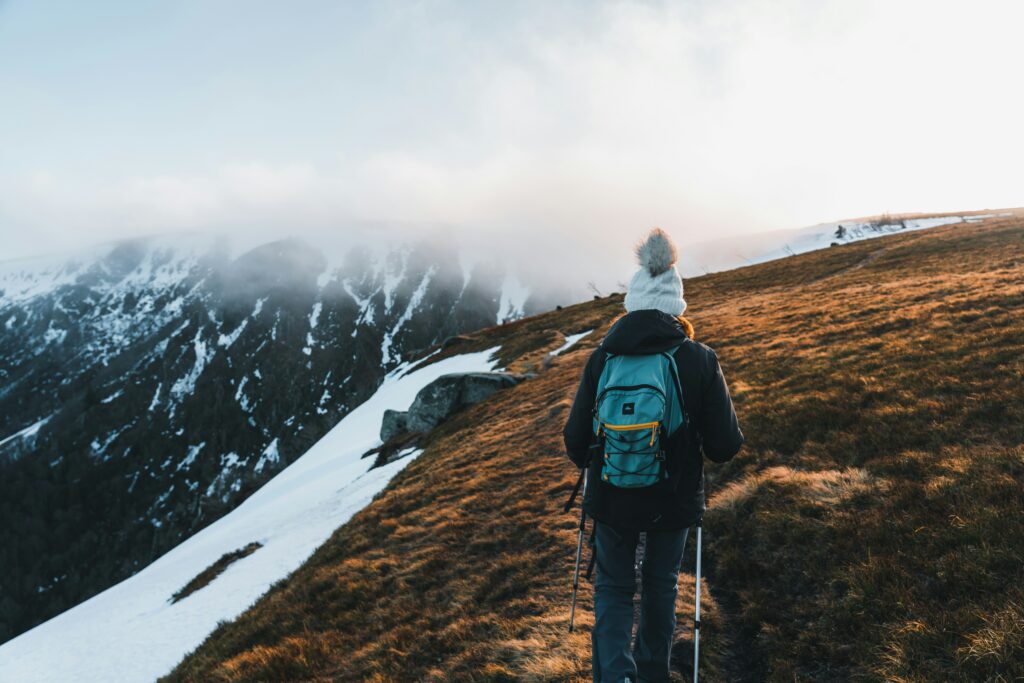
Where the Air Feels Older Than Time images courtesy AllTrails Hiking Telemark with AllTrails There is something about arriving in Norway in October. The light feels softer, almost thoughtful, as if the country is already preparing to turn inward for winter. After landing in Oslo, we boarded a bus and travelled about ninety minutes southwest toward Telemark. The city slowly gave way to forest. Roads narrowed. Lakes appeared like mirrors between the trees. By the time we arrived, the air felt different. Sharper. Cleaner. Quieter. Our first stop was Bolkesjö Gaard, resting at the foot of Blefjell mountain. The farm dates back to the thirteenth century. Its oldest building, Årestua, holds timber from the 1220s. Wood that has lived through plagues, unions, wars, harvests, and generations. Standing inside those dark wooden walls, time feels compressed. History is no longer abstract. It breathes. But this trip was not only about stillness or nostalgia. It had a purpose. AllTrails had just launched in the Nordics, and we were there to experience it where it makes the most sense. Out in the landscape itself. Into Telemark Our half day hike took us through the quiet wilderness of Telemark, a region shaped by biodiversity, layered forests, open mountain ridges, and endless lakes. The terrain keeps shifting. Soft moss underfoot. Rocky passages. Open viewpoints where the sky suddenly expands. October in southern Norway is a study in contrast. Deep greens. Burnt orange. Silver water. Crisp blue skies. The kind of air that makes your lungs feel newly installed. It was exactly the retreat I did not know I needed. No notifications. No urgency. Just movement. There is something deeply grounding about walking for hours with one simple goal: follow the path. Why AllTrails So why AllTrails? Because even in a country made for hiking, knowing where to begin can feel overwhelming. AllTrails helps you discover routes based on your level, distance, and terrain. Whether you want a gentle walk by a lake or a more demanding mountain climb, the platform filters options in a way that feels intuitive rather than intimidating. What makes it especially relevant in the Nordics is the scale. There are more than 8,000 trails in Sweden. More than 9,000 across Norway and Denmark. And the number keeps growing. Users can upload and share their own routes, turning hiking into something communal rather than solitary. The map becomes a living document shaped by the people who walk it. The platform offers three membership tiers depending on how advanced your needs are, from simple trail discovery to detailed offline maps and safety features. AllTrails is also a member of 1% for the Planet, reinforcing a commitment to environmental responsibility in a world where exploring nature must go hand in hand with protecting it. Simple Things Between the mountains, forests, and lakes, one thought kept returning: Is this not the best combination? A little history. A few meaningful conversations. Fresh air. Sometimes it really is the simple things. Back at Bolkesjö Gaard in the evening, candlelight reflecting on centuries old timber, it became clear why Scandinavia continues to draw creatives, thinkers, and dreamers north. Nature here is not a backdrop. It is the main character. AllTrails launching in the Nordics feels less like expansion and more like alignment. This region lives outdoors. The app simply helps you enter it with intention. And maybe that is what this trip was really about. Not conquering a mountain.Not chasing performance.Just remembering how good it feels to walk. https://www.alltrails.com/ https://www.bolkesjogaard.no/en/no/historie

Scroll to Top