Socker Sucker: The Art of Swedish Fika
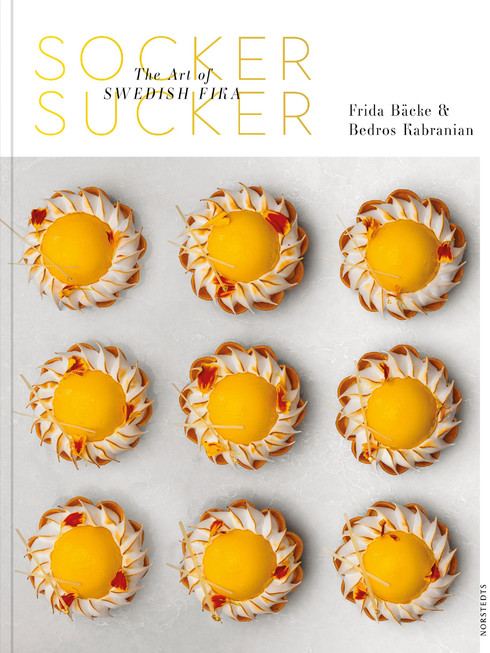
Socker Sucker: The Art of Swedish Fika text Ulrika Lindqvist Socker Sucker in central Stockholm has been a go-to destination for innovative and delicious pastries since opening its doors three years ago. Now, founders Frida Bäcke and Bedros Kabranian have collected a range of their recipes and step-by-step guides into a book, giving home bakers the tools to recreate their celebrated pastries at home. Odalisque sat down with the duo to talk about their inspirations and what they hope readers take away from the book. UL: What was the driving force behind writing Socker Sucker? Was there a particular moment of realization that made you want to share these recipes in a book? Bedros Kabranian: Not really, we got a great offer and it felt like there was space for it. Frida Bäcke: Exactly, and it also felt like a beautiful way to sum up our careers. We’ve been working for a long time, and this feels like the next chapter, to wrap it all up in a book in a nice way because we donât really know whatâs coming next. BK: Also, when this idea came up in the past, it didnât feel like the right time. But now everything aligned, and it just felt right. UL: Many of these recipes have a luxurious twist. Can you give us an example of a classic pastry that youâve reimagined in a surprising way? BK: Everything from the cinnamon bun, really, we changed the shape just to break the norm. It’s super simple but just changing the form makes it into something else. FB: And the Napoleon is another classic thatâs always been done a certain way, and that weâve also reworked. It really represents both of us with its lamination, filling, and flavour. Itâs definitely one of those classics weâve reinvented. But weâve also taken flavour inspiration from the classics. BK: We’ve said before that we break a classic down into its different flavour elements, and then rebuild it. A lot of our work comes from that approach. Everything, Iâd say, is in some way reinterpreted from a classic. UL: You draw inspiration from global influences. Which international flavours or techniques have influenced your recipes the most? BK: For me, itâs the Middle East. Thatâs where my foundational palette is, along with the rest of the world. For you (Frida), itâs the forest and your childhood in Dalarna, picking things yourself, spruce tips, berries⌠FB: Yes, exactly. It becomes more of a blend between the two of us, and that makes it special in a way. Also, during the pandemic when we couldnât travel, we pulled in flavours from other parts of the world. But we really work with ingredients when theyâre at their seasonal best, wherever they happen to come from. UL: The book covers baked goods for every season, from Semlor to Christmas saffron buns. How did you approach balancing tradition with innovation in these beloved recipes? BK: It actually wasnât too hard. We set some boundaries for ourselves so we wouldnât stray too far. And once we were in it, it was about small adjustments like swapping raisins for cranberries. Not just for the sake of it, but because we think it adds a different effect and taste. We kept the Semla pretty classic, itâs a classic, after all. FB: Itâs the little things we do, like toasting and refining ingredients in the best way. BK: Yes, instead of regular sugar you might use a different kind. Or instead of butter, browned butter. Seeds and flours can be toasted. Itâs those kinds of things. FB: It feels more thoughtful. Considering todayâs ingredient shortages, it seems like a shame to waste good ingredients. We want to really care for what we have. BK: Weâre always respecting the original. We’re not butchering The Classic, weâre elevating it. And sometimes adding a flavour twist or a visual twist. UL: Step-by-step guides are a key feature of Socker Sucker. Which techniques do you think home bakers will find most useful or most challenging? BK: Lining a tart shell. I think thatâs something many struggle with. FB: Exactly, you cut it into strips and stamp it out. BK: And just having someone show you, thatâll be an aha moment for many. FB: Yes, like not pressing it all the way down. BK: Right, because youâve done that your whole life. And then it cracks and looks bad. Just thinking a bit differently makes a huge difference. And chocolate lamination, of course. FB: Yes, chocolate lamination. We actually put the hardest ones at the beginning of the book to try and show them clearly. BK: Thereâs already a lot out there, but showing readers that we ourselves do it this way and get these results, I think that matters. UL: Your professional backgrounds and competition experience clearly show in your expertise. Are there any secrets or pro tips in the book that most home bakers wouldnât usually have access to? FB: Oh, I feel like the whole book is full of that kind of candy, really. BK: Right at the beginning, weâve got a section with tips on everything from liquids to temperatures, and how to think about small details. But each individual recipe also has tips that are second nature to us but might be crucial. Everything from proofing to contact loading. When I started working in the industry, so many times I had those âahaâ moments, like, âof course, why didnât I do it this way before?â Because youâre stuck in your habits. I think just seeing a different way opens up your thinking. FB: Exactly. And weâre still learning those things all the time. Thatâs why this profession is so fun. You keep discovering things. This book represents how far weâve come nowâand there will be more. BK: Volume one. UL: Precision and perfection seem to be hallmarks of Socker Suckerâs baking. What small details make a big difference in achieving bakery-quality results at home? FB: Read everything through first, have a plan. Donât decide to make an entire cake in one day, plan it out. Maybe make the fillings and interiors on Tuesday, the sponge on Wednesday, assemble on Thursday, and glaze it on Friday. Planning your bake makes it much more enjoyable, instead of cramming it all into one day. BK: With buns and things like that,