An Interview with Frederik Berner Kühl: Wessel & Vett Fashion Prize Winner 2026
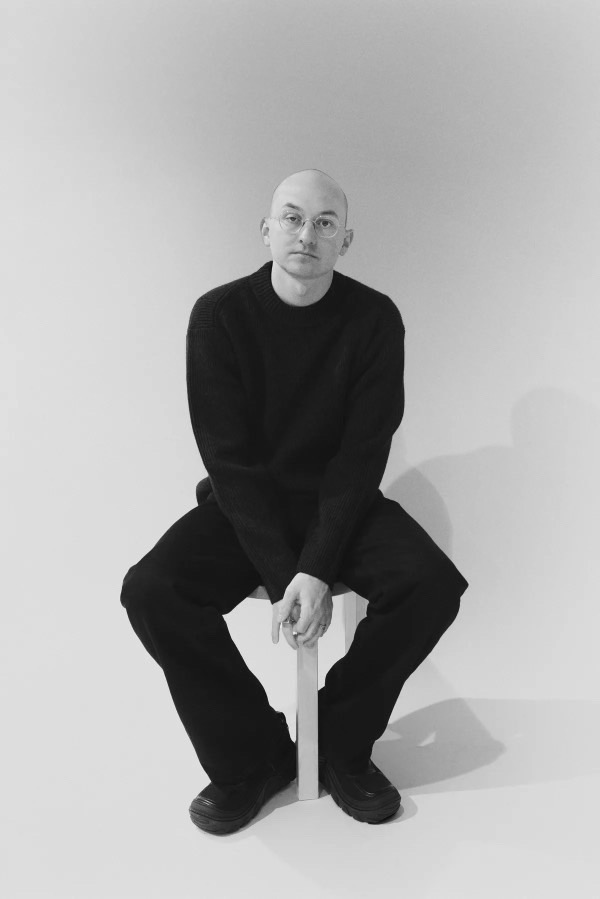
BERNER KÜHL received the Wessel & Vett Fashion Prize 2026. For the first time, the winner was announced at Copenhagen Fashion Week SS27, underscoring the Prize’s support for emerging Danish designers and their international recognition. To honour Magasin du Nord’s legacy, the jury observed the menswear label’s creative process during a live studio session in April. Founder Frederik Berner Kühl shared his refined approach to contemporary clothing with us.
Sandra Myhrberg: The new format puts the jury inside your studio for a live working session on April 9th, not just reviewing a finished collection. What are you most nervous or excited about them seeing up close?
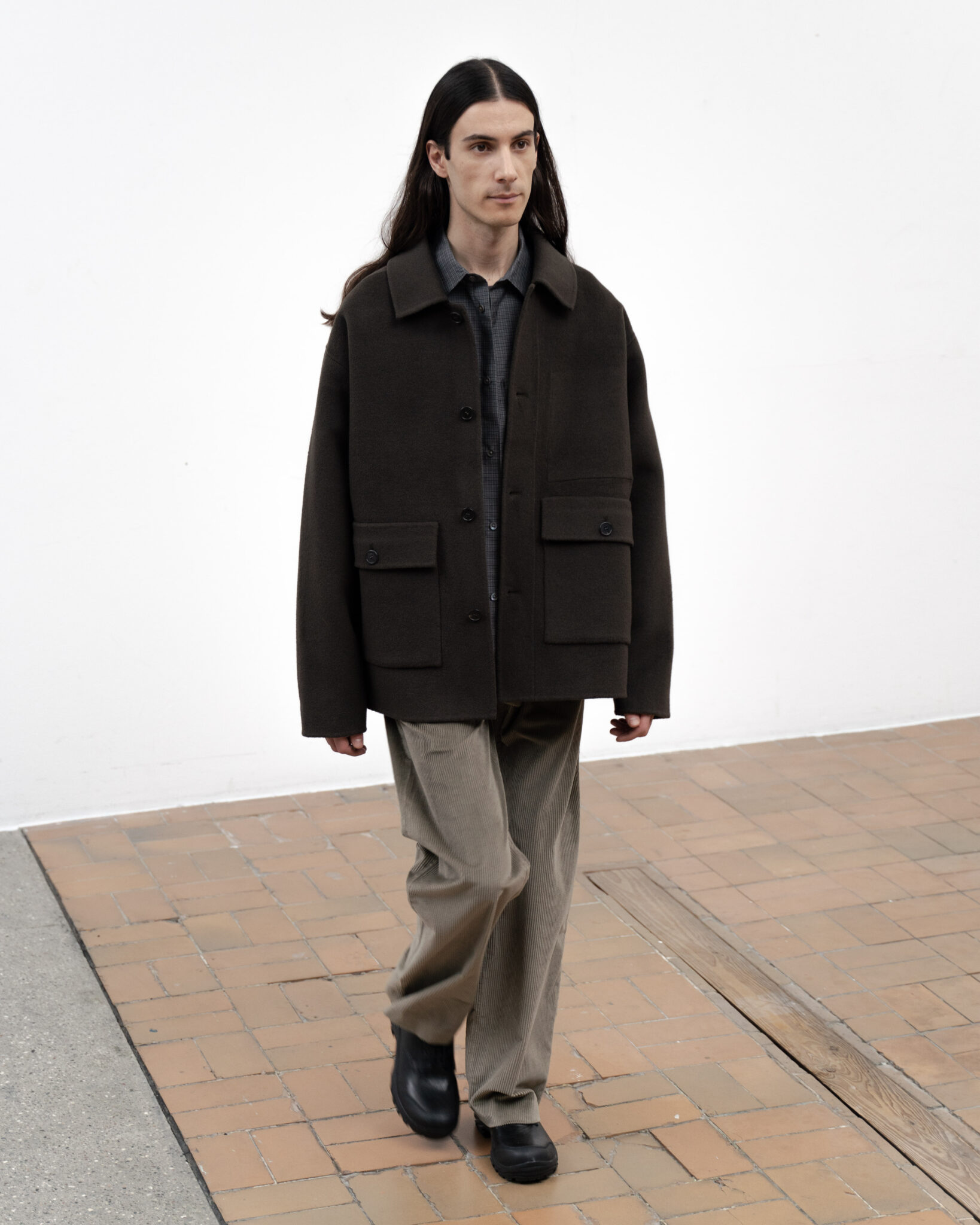
Frederik Berner Kühl: I think what I was most excited about was that they saw the process rather than just the outcome. Our collections don’t begin with a mood board or a trend. They begin with materials, conversations, fittings, and countless small decisions. We’re a relatively small team, so everyone is involved in shaping the collection. Hopefully they’ll see that every garment is the result of care, patience, and iteration. If I’m nervous about anything, it’s probably that the process can look slower or less spectacular than people expect. But that’s also exactly the point. We believe good products take time.
SM: Each of you balances a strong aesthetic signature with a need to scale commercially. Where do you personally draw the line between staying true to your original vision and building a business that can grow internationally?
FBK: For me, growth should never come at the expense of identity. I’d rather build something that grows steadily over many years than expand quickly and lose what makes the brand distinctive. We’ve always tried to create products people will wear for a long time rather than for a single season. If we stay focused on quality, materials, and consistency, I actually think those values become an advantage internationally rather than a limitation. The challenge isn’t changing the vision; it’s finding better ways to communicate it and make it visible to more people.
SM: Sustainability and circularity show up differently across your practices, from deadstock and durability to reconstructed vintage, to limited runs, to archival referencing. What do you think about the tension between responsible production and the pressure to keep producing more?
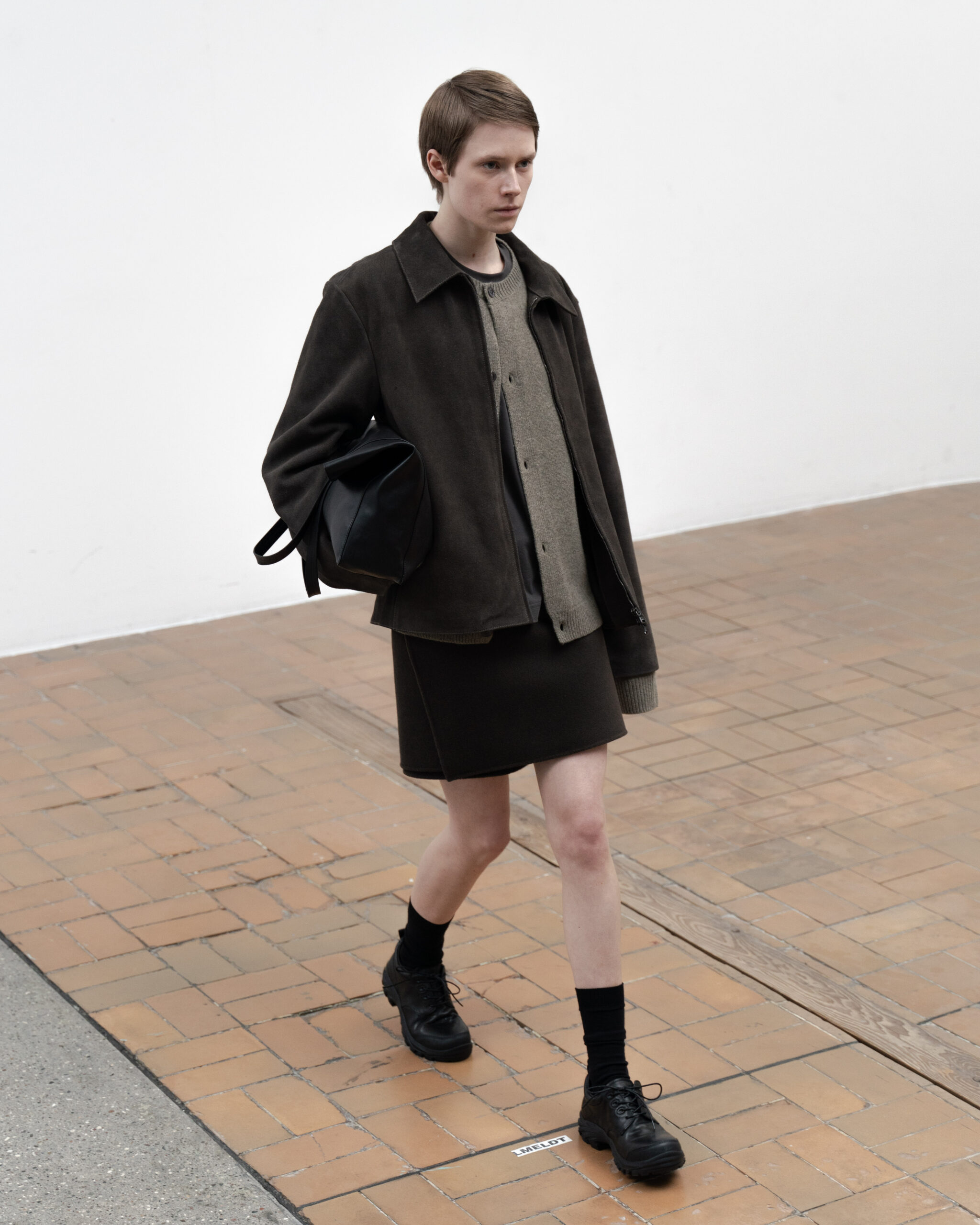
FBK: I don’t think sustainability can be reduced to one material choice or one initiative. For us it’s about creating fewer, better products that remain relevant over time. Fashion will always involve making new things, so the question becomes whether those products genuinely deserve to exist. We try to make garments that people return to season after season, rather than replacing after a few months. Durability, both physically and aesthetically, is probably the most sustainable thing we can contribute. Of course there’s always pressure to produce more, introduce more styles and move faster. We try to resist that where we can. We’d rather refine than constantly reinvent.
SM: If you win, the prize includes mentoring in sales, production, PR, and business development. Which of those areas do you most need help with right now, and why?
FBK: Probably business development. We’re confident in our creative direction, but we’re entering a stage where the biggest challenge isn’t designing the collection; it’s building the right structure around it. How do we grow internationally without compromising the values we’ve built the brand on? How do we make smart decisions about distribution, partnerships, and long-term strategy? Having experienced people challenge our thinking and share their perspective would be incredibly valuable.
SM: A look from your collection will sit in Magasin du Nord’s windows during Copenhagen Fashion Week, tying your work to over a century of Danish retail history. How does that legacy sit alongside the story you’re trying to tell with your own brand?
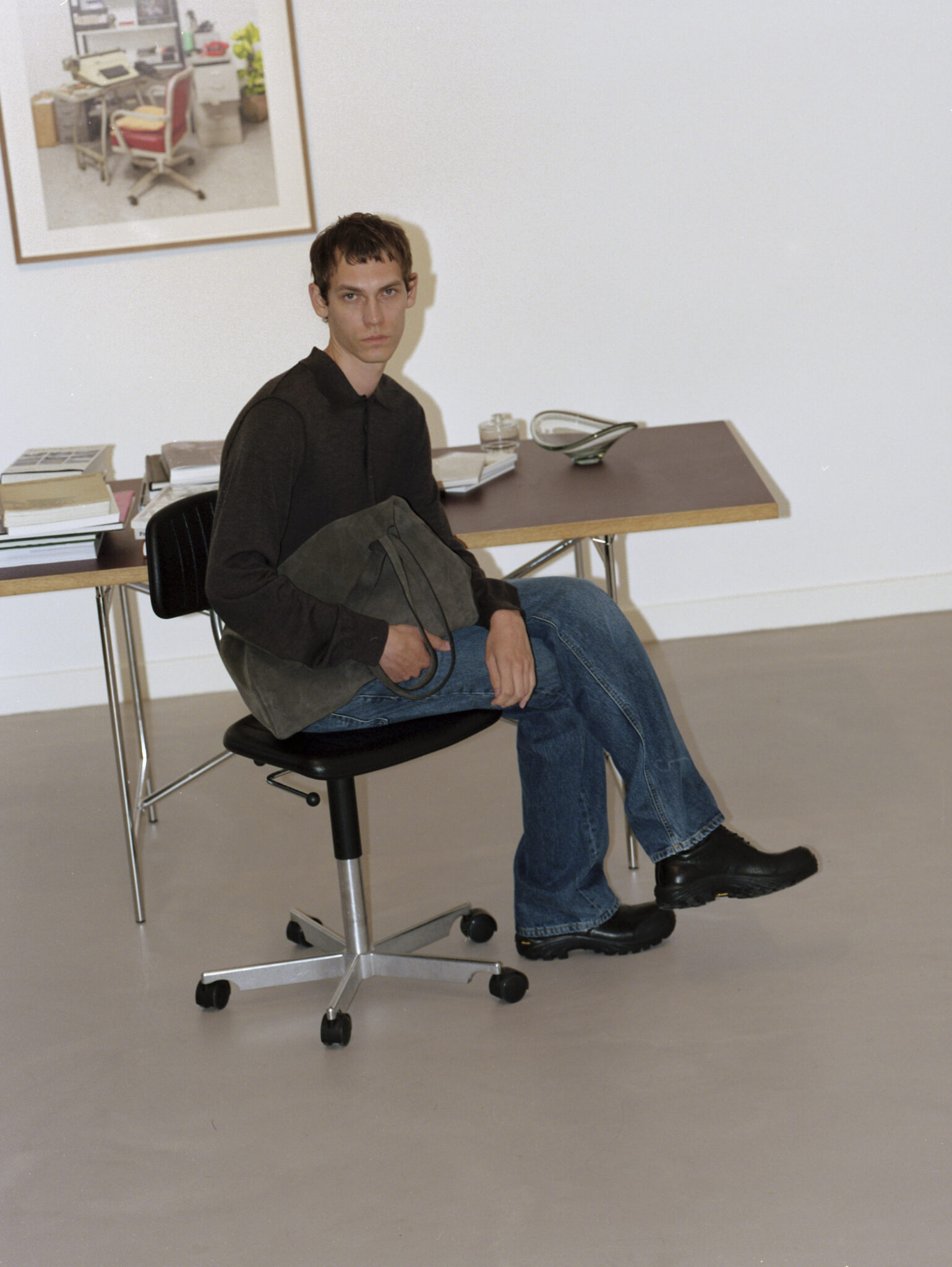
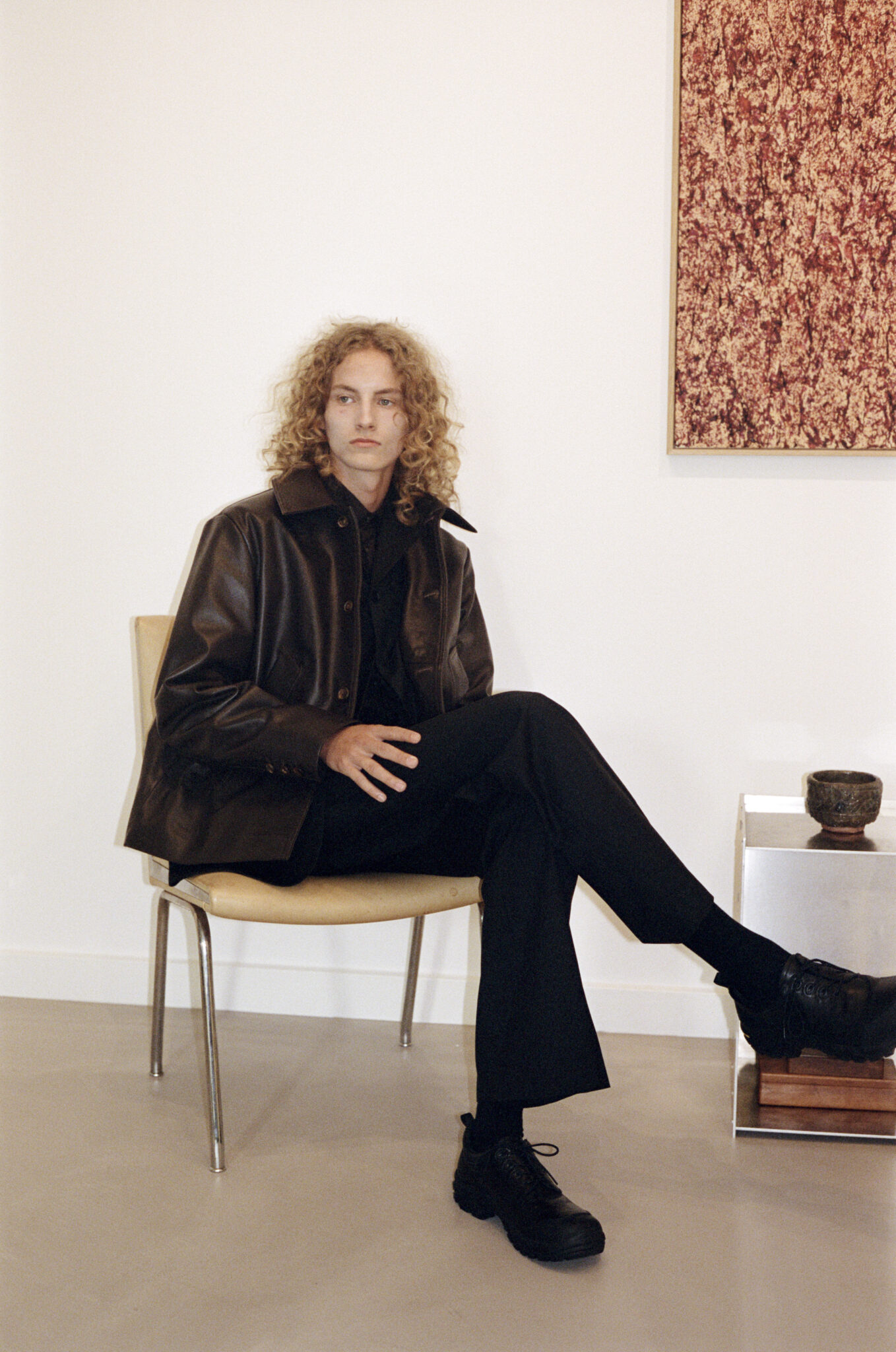
FBK: I like the idea that fashion exists in a longer continuum rather than only in the present moment. Magasin represents a long history of Danish craftsmanship, retail and culture, and I think our brand shares that respect for longevity. At the same time, we’re not interested in nostalgia. We want to build on that tradition while speaking to how people live today. If someone looks at the window and sees clothing that feels contemporary but also timeless, something they can imagine wearing for many years, that would feel like a meaningful connection between the two.
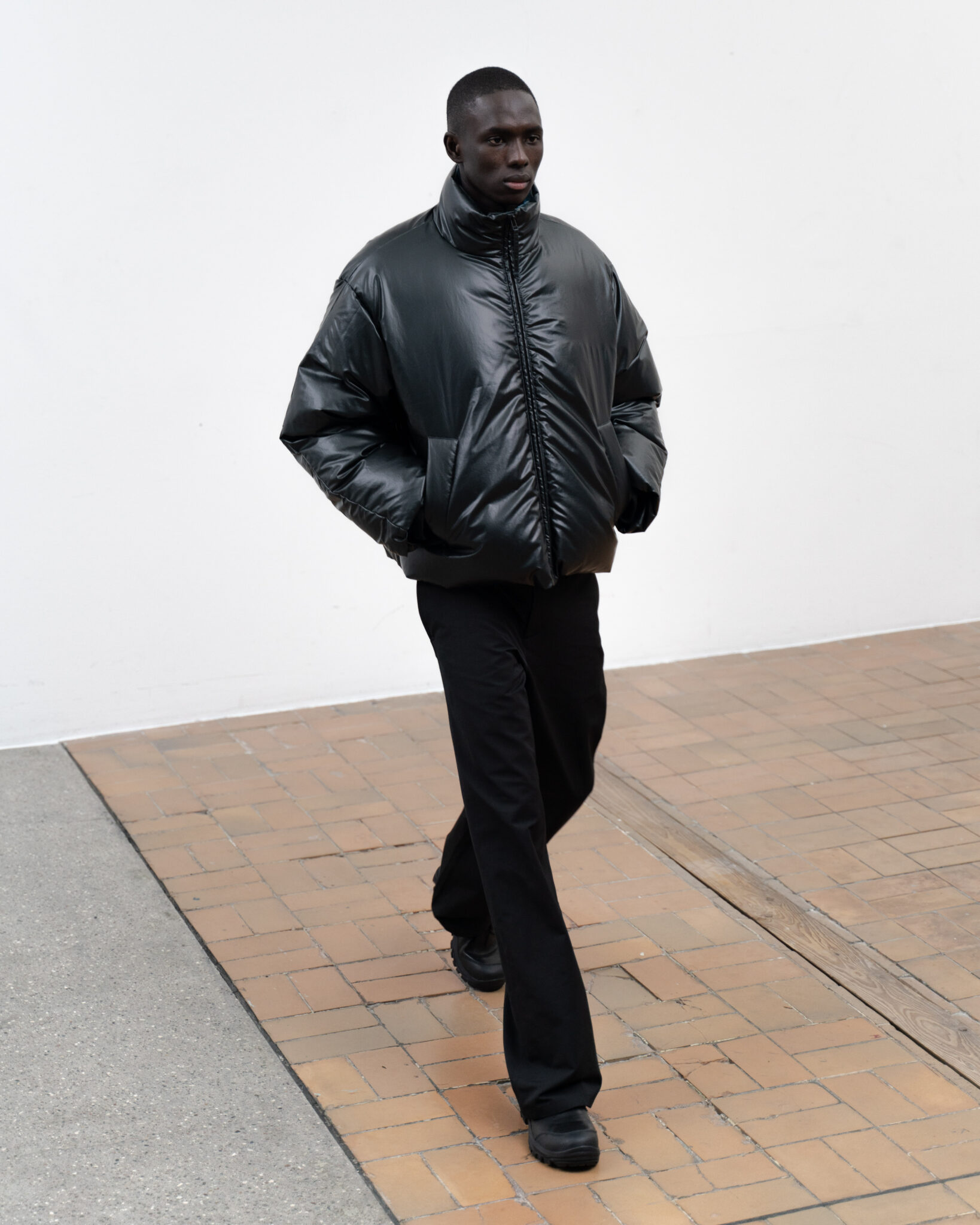
images courtesy Berner Kühl
photography Oscar Meyer and Kasper Søholm