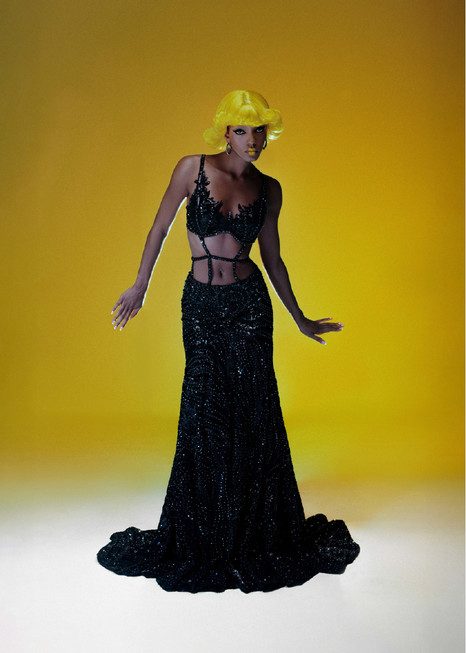
Author name: Odalisque

Opiates

From trophy to jewelry – Nordic Open celebrates this year’s winner with championship ring by Cornelia Webb

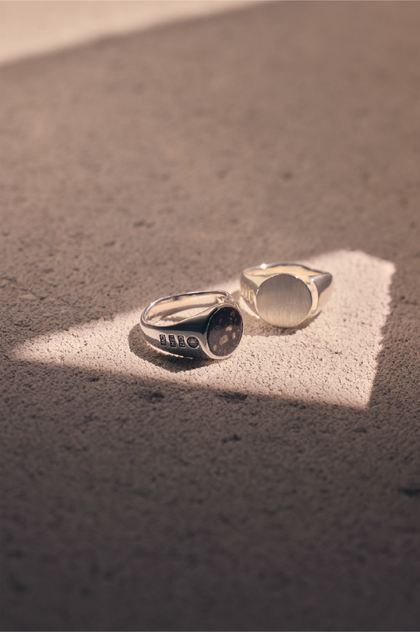
From trophy to jewelry – Nordic Open celebrates this year’s winner with championship ring by Cornelia Webb text Zohra Vanlerberghe Like the iconic rings from American sports leagues, the tennis tournament BNP Paribas Nordic Open, in collaboration with Swedish jewelry designer Cornelia Webb, has developed its first official championship ring. A piece of jewelry that will be awarded to the winner of the tournament in October. A limited version will also be available for sale during the competition week at the Royal Tennis Hall. The ring’s shape draws from the distinctive lines of a tennis ball, reimagined as an elegant design with an open detail that adds visual lightness while allowing for size adjustment, form and function in one. Its material, Swedish rock porphyry from Älvdalen, connects to the tournament’s heritage as the same stone used in the classic trophy designed by Carl XVI Gustaf. Often called “Sweden’s diamond,” porphyry symbolizes Swedish nature, tradition, and strength. Every detail is considered: instead of hiding the stamps inside, Webb highlights them as a visible, integral part of the design, Stockholm city stamp, C12 year stamp 2025, Pt950 material mark, and CW for Cornelia Webb, underscoring both authenticity and the artisanal character of tennis. I wanted to create a piece of jewelry that not only represents victory, but also the sport. It will be a wearable version of the trophy, which will have a natural place in everyday life. Tennis is about elegance, discipline and movement and I wanted the ring to reflect that, says Cornelia Webb, jewelry designer. Sales begin during the first day of the tournament at the Royal Tennis Hall and then at corneliawebb.com

Fashion Articles

Woven Stories: An Interview with KÔYÉ

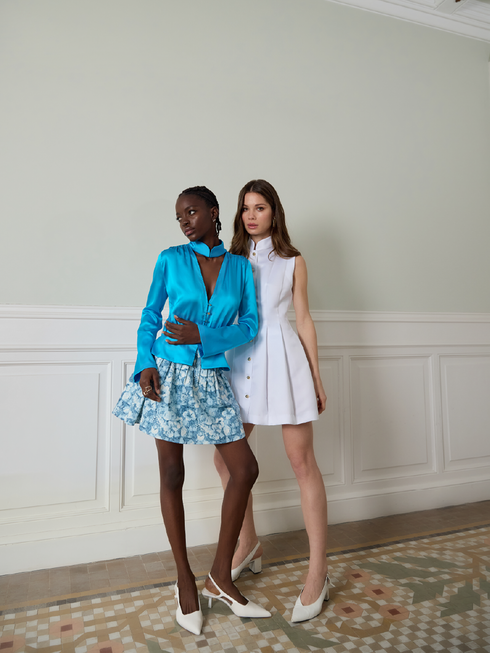
Woven Stories: An Interview with KÔYÉ text Zohra Vanlerberghe KÔYÉ is more than a fashion label. It’s a story woven through textiles, heritage, and emotion. Shaped by a Parisian childhood, a multicultural background, and a passion for meaningful design, its founder brings together timeless elegance and bold global influences. From the tactile memories of childhood fabrics to encounters across the world, she creates pieces that carry stories, confidence, and sustainability at their core. In this interview, she shares the inspirations, philosophies, and personal moments that define her creative journey. Sandra Myhrberg: How would you describe your childhood growing up in Paris? Do you think it influenced your career path? Did you always know from a young age that you wanted to become a fashion designer?Alicia Issaka: I grew up in a lively and multicultural Parisian neighborhood, surrounded by strong, elegant women,my mother, especially, was a huge influence. She used to take me to fabric stores, letting me touch the silks, the lace, the kinds of cotton. I didn’t know then that I would become a designer, but I knew how clothes could make someone feel powerful and beautiful. That early emotional connection to fabric definitely shaped everything I do today. SM: How did your upbringing in Paris and your multicultural background shape your creative vision and the designs you create for KÔYÉ?AI: Paris gave me a deep respect for timeless style, for cuts that flatter without shouting. But my multicultural background taught me to embrace contrasts,colors, textures, stories. At KÔYÉ, you’ll see that blend: silhouettes with classic elegance, combined with bold prints, unexpected details, and textiles that reflect stories from around the world. It’s this balance between heritage and modernity that defines our creative DNA. SM: You describe KÔYÉ as more than just a brand,it’s a story told through textiles. Can you share the moment you knew you wanted to create this kind of Fashion experience?AI: It happened during a trip to Ephèse in Turkey. I came across a woman wearing a traditional outfit made from the softest handwoven fabric. She told me the story behind how her mother had gifted it to her when she got married. That conversation stayed with me. I realized I didn’t want to design just for aesthetics, I wanted to create pieces that hold emotion, memories, and meaning. That’s how KÔYÉ was born. SM: You grew up in Paris but now live in Barcelona. What would you say is the biggest difference between fashion in Paris and fashion in Barcelona?AI: Parisian fashion is all about refinement and discretion. In Barcelona, there’s a lighter, more relaxed energy in how people dress, it’s confident but less rigid. Living between the two has helped me develop pieces that combine both: structured elegance with a sense of ease and sensuality. SM: Can you tell us about a specific experience or encounter during your travels that deeply influenced your design philosophy?AI: In Panama, I watched a group of women wearing vibrant fabrics with complete confidence. The prints were bold, the shapes were fluid, and there was something deeply unapologetic about it all. That trip reminded me that clothes should empower. That fashion isn’t just about looking good, it’s about owning your presence. SM: KÔYÉ blends Parisian elegance with sustainability, two concepts that can sometimes feel at odds. How do you strike a balance between the two?AI: For me, elegance is about intention, not excess. True luxury is a well-made piece you can wear for years, not just a season. We produce in small quantities, using high-quality, responsibly sourced fabrics. It’s not always easy, but it’s essential. I’d rather create fewer pieces that matter than chase trends that disappear. SM: How do you choose your fabrics, and what role does sustainability play in That process?AI: The fabric is where everything begins. I touch it, test how it falls, how it moves. I source everything locally from Spain, working with suppliers who align with our values. We avoid synthetic blends as much as possible, favoring natural or low-impact textiles that age gracefully. Sustainability isn’t a trend for us, it’s a design principle. SM: The Samarcande velvet dress and the Hérat top are stunning examples of duality in design. What’s the story behind these signature pieces?AI: Samarcande was the first dress I ever imagined, it’s our essence: elegant but powerful, structured yet fluid. The velvet gives it a rich, wintery presence, but the cut makes it surprisingly versatile. Hérat was designed with transformation in mind: a removable collar, jewel-like buttons… it’s a top you can wear to a meeting and still feel fabulous at dinner. Both are about adaptability, the wardrobe of a woman in motion. SM: La Muse pays tribute to women who inspire you. Can you tell us about a muse who had a profound impact on this collection?AI: One of my earliest muses is Audrey Hepburn, who worked in cinema and always dressed like a movie star. She taught me that elegance and ambition were not opposites. She would pair sharp tailoring with the softest fabrics, always in color. That mix of strength and softness, that’s what I tried to capture in La Muse. SM: If you could see KÔYÉ worn by any woman in the world, living or deceased, who would it be and why?AI: Honestly, Grace Kelly. She embodies everything KÔYÉ stands for: intelligence, strength, presence, and grace. She knows how to make fashion feel both meaningful and effortless. Seeing her in one of our pieces would be the ultimate affirmation of what we’re building.

Fashion Articles

Cartier’s New V&A Exhibition is a World-Encompassing Celebration of Craft

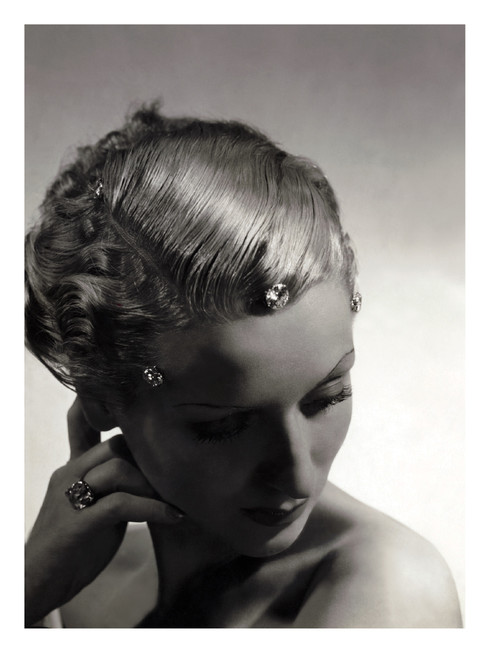
Cartier’s New V&A Exhibition is a World-Encompassing Celebration of Craft text Nicole Miller It’s been nearly 30 years since Cartier has had its own dedicated exhibition in London — a surprising fact considering the English capital is one of the jeweller’s three foundational cities, along with Paris and New York. And so the opening of Cartier’s titular show at the Victoria and Albert Museum last week marked a homecoming, of sorts. “The V&A and Cartier were established only five years apart,” said Dr Tristran Hunt, the museum’s director, at a press view last week. “[Founder] Louis-François Cartier, his three grandsons and the founders of this museum all shared an ambition to elevate craftsmanship and design to the realm of art, transcending mere utility for enduring artistic legacy.” This, Dr Hunt notes, was made possible by prioritising transatlantic partnerships. Curated in partnership with Cartier (and the generous support of the Royal Family, who contributed pieces from their private collection), the space showcases 350 beguiling pieces that tell a story of cultural exchange, innovation and of active participation in — rather than merely observation of — societal trends. From the Garland-style Scroll Tiara, commissioned in 1902 and worn for the coronation of Her Majesty Queen Elizabeth II, and later donned by Rihanna on the cover of W magazine in 2016, to the Tank watch originally owned by Jackie Kennedy and later acquired by Kim Kardashian, the collection weaves together eras, empires, and individuals to humanise Cartier’s storied history and underscore its enduring cultural relevance. The Cartier brothers’ global vision drove them to forge meaningful relationships with royals, socialites, thought-leaders and other influential figures from around the world throughout the early 20th century, crystallising the entrepreneurial spirit that underpins the brand’s ethos to this day. These connections fostered the kind of cultural exchanges that shaped the Maison’s design process, which is progressive yet grounded in the artistic heritage of its discerning clientele. Those values allow Cartier to evolve in step with society, as asserts the brand’s motto: “Always innovate, never imitate.” It reflects the jeweller’s deep-rooted respect for international culture and its celebration of the rich artistic heritage of places like Egypt, India and China. These have inspired its most iconic geometric, colourful and boldly modern styles — most notably, the Art Deco works, shown here in all their glittering glory. “One thing that we are very proud to have done in this exhibition,” said Rachel Garrahan, co-curator of the exhibition alongside Helen Molesworth, “is leading a fil rouge of London through the story of Cartier, where we see highlights that include jewels from the Royal Family.” From coronation tiaras from the 1930s (never as many made before or since by the brand) to Tank watches from Swinging Sixties London, Cartier’s savoir-faire has shaped British culture in every turn. This is a display of brilliance, both literal and metaphorical. 10 years in the making, the show offers insight and context for the influential power that is Cartier. Each piece reflects not only craftsmanship, but the lives and moments that made it matter, bringing Cartier’s legacy into sharp, human focus. The exhibition Cartier runs at V&A South Kensington from 12 April 2025 – 16 November 2025.  Link: Tickets available at vam.ac.uk/exhibitions/cartier

Opiates

Fashion Editor Ulrikas Packing List

Fashion Editor Ulrikas Packing List text Zohra Vanlerberghe 1 – Sunglasses by Tom Ford 2 – Suede bag by Flattered 3 – Sandals by ATP Atelier 4 – Earrings by Louis Abel 5 – Swimsuit by Toteme 6 – Dress by House of Dagmar 7 –Daily SPF 50 by Verso 8 – Body lotion by Sol de Janeiro 9 – Perfume “Never-ending summer”  by Maison Margiela Replica 10 – Cleopatra and Frankenstein by Coco Mellors

Opiates

Acne Studios x Moomins: A Whimsical Nordic Reunion

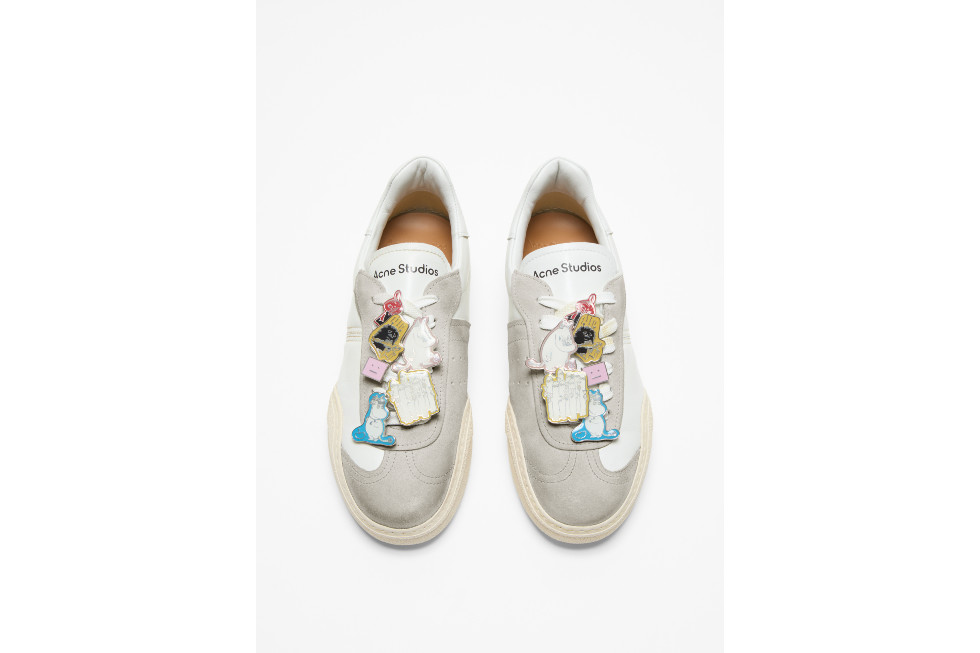
Acne Studios x Moomins: A Whimsical Nordic Reunion Acne Studios revives its collaboration with the beloved Moomins for Fall/Winter 2025, unveiling a 16-piece capsule collection inspired by Tove Jansson’s iconic characters. Merging Scandinavian heritage with playful nostalgia, the collection features jersey, denim, knitwear and accessories adorned with Moomin prints and patches. With relaxed, unisex fits and a palette of acid yellow and baby pink, the pieces channel youthful self-expression. Characters like Little My, Snorkmaiden and Stinky animate Acne Studios staples, from 1981 jeans and striped shirts to keyrings and sneakers, the latter customizable with metal Moomin patches and charms. First launched in 2024, the collaboration reflects a shared vision of creativity and peace, echoing the Moomins’ timeless message. The collection drops today on acnestudios.com and in select Acne Studios stores worldwide. Read more at www.acnestudios.com Image courtesy of Acne Studios 

Opiates

Levi’s Jorts Take the Spotlight for Spring/Summer 2025

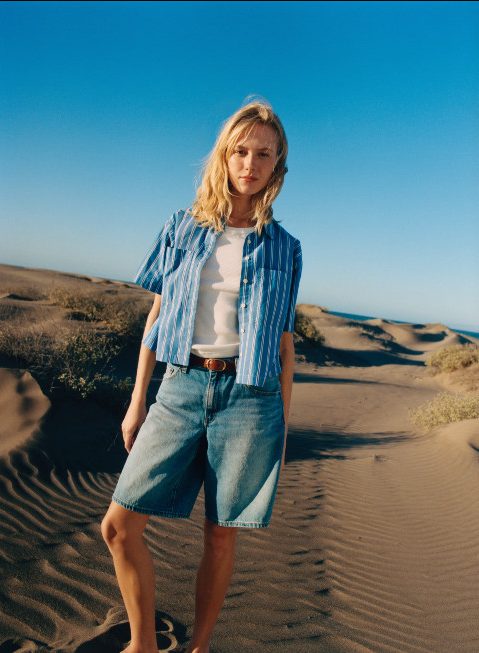
Levi’s Jorts Take the Spotlight for Spring/Summer 2025 text Ulrika Lindqvist  As temperatures rise, Levi’s® puts the spotlight on the season’s essential staple: jorts—jean shorts reimagined. The Spring/Summer 2025 collection embraces relaxed silhouettes and effortless styling, positioning jorts as a key piece in any warm-weather wardrobe. For women, the collection brings fresh energy with ultra-baggy cuts like the Baggy Dad Jorts and more tailored options like the Mid-Thigh Short. Whether styled with a breezy crochet top or dressed up with an oversized shirt and ballet flats, the versatility is clear. Men’s styles include the laid-back 478 Baggy Shorts and the new Baggy Capri, cut just below the knee for a bold twist on the classic short. Pair them with loafers and socks, or keep it casual with a tank top. With personal style at the core, Levi’s® Jorts deliver an easy confidence to any summer look. The collection is available now on Levi.com, in the Levi’s® app, and select stores worldwide. Read more at www.levi.com Image courtesy of Levi’s 

Opiates

Birkenstock x Maharishi: A Harmonious Clash of Function and Philosophy

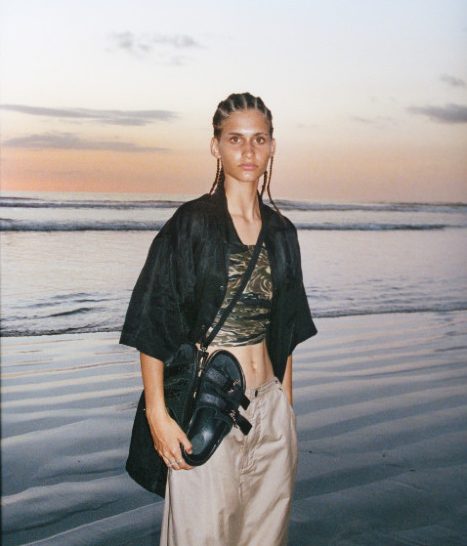
Birkenstock x Maharishi: A Harmonious Clash of Function and Philosophy text Ulrika Lindqvist In a striking fusion of utility and serenity, German heritage brand Birkenstock joins forces with London-based label Maharishi to unveil a limited capsule collection, launching globally on May 30th. The collaboration draws from both brands’ enduring philosophies—Birkenstock’s commitment to ergonomic, nature-driven design, and Maharishi’s peaceful take on military aesthetics. At the heart of the capsule is a reinterpretation of Birkenstock’s Mogami sandal. Known for its rugged appeal, the Mogami has been transformed with a tactical edge, staying true to Maharishi’s utilitarian roots. This waterproof sandal features quick-release buckles, a detachable sling strap, and is paired with the brand’s signature tabi socks—an embodiment of functional innovation made for modern movement. Complementing the footwear is the M.A.L.I.C.E. backpack, a contemporary adaptation of 1960s U.S. Army modular load-bearing systems. Maharishi reimagines this tactical lineage through a pacifist lens, delivering a piece that is expandable, ergonomically designed, and full of thoughtful details such as concealed zip compartments. The backpack stands as a wearable metaphor—military-born but peace-minded, engineered for everyday exploration. Together, the collection is a meditation on duality: nature meets technology, motion meets stillness, form meets function. It’s a compelling example of how fashion can draw from contrasting worlds to create something wholly original. The Birkenstock x Maharishi collaboration will be available from May 30th at www.birkenstock1174.com and selected global retailers. Read more at www.birkenstock.com Image courtesy of Birkenstock 

Fashion Articles

The Movement Director Injecting Fashion with Dynamism, An Interview with Yagamoto

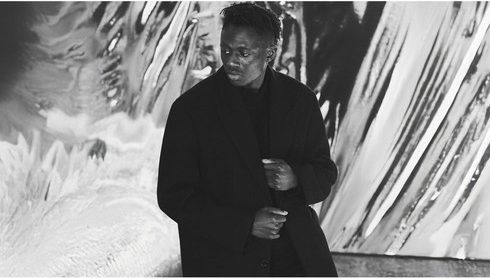
The Movement Director Injecting Fashion with Dynamism, An Interview with Yagamoto text Saffie photography Campbell Addyimage courtesy Jaguar If you are a fashion aficionado like me, few things excite you more than experiencing that fandom in new, imaginative ways. The rise of movement directors (or choreographers, for the uninitiated) over the past few years has reignited the industry’s appreciation for the kind of theatricality that made runway moments from the ‘90s and early ‘00s so iconic. From Shalom Harlow getting spray-painted by robots at Alexander McQueen’s 1999 presentation to Leon Dame’s angry stomp for Maison Margiela on the 2020 catwalk, it appears that the pendulum has swung back to fashion as performance — and we’re all better for it. One creative spearheading this shift is Abdourahman Njie, also known as Yagamoto. His emotive, cinematic campaigns — shaped by a background in performance art, modelling and his Senegalese-Gambian heritage — have brought a fresh sensibility to his collaborations with Pharrell Williams x Adidas, Louis Vuitton, Off-White and British Vogue, among others.Here, the multidisciplinary artist shares insights into his creative process, sources of inspiration and ambitions for the future. Maya Avram: You’re part of a growing cohort of choreographers who help design fashion’s narrative. How did you start your movement director journey?Yagamoto: My journey in movement started early on, when I was studying performance art in high school. That initial spark led me to explore the medium further in college, where I also experimented with method acting, physical theatre and improvisation. Eventually, I pivoted away from academia as I realised its structure didn’t align with my creative rhythm. Fortunately, soon after that I was scouted and signed by a modelling agency, which was a real turning point and reaffirmed my path in the creative industries. MA: Movement directors have become indispensable in fashion storytelling, transcending mediums. How do you adapt your work to different channels, from music videos to print editorials?Y: To answer that, I need to give context around how my methodology was formed.Early in my career I made a conscious decision to distance myself from the wider movement community, including my peers. This intentional isolation wasn’t out of disregard, but out of deep respect for the craft and a desire to develop a unique voice. I became highly selective about what I consumed, choosing not to follow others or compare paths so I could focus inward and develop my own methodology. Freeing up that space allowed me to root my perspective in intuition rather than external influence.The method that emerged is called MOTO, and it encourages artists to engage fully with every creative component on set — from the textures and materials of clothes to the nuances of hair and makeup to the atmosphere shaped by set design. It draws on character embodiment and incorporates elements of method acting to deepen presence and connection.And so, when creating ‘Impermanence’ with Campbell Addy for Miami Artweek, every element became a tool that shaped the character and constructed the narrative. It’s a holistic, intuitive approach to movement direction that transforms the set into a living, breathing extension of the performance. MA: Having worked both in front and behind the camera, which is your favourite?Y: Whether I’m directing or modelling, I’m happiest on set when there’s a real sense of creative harmony flowing through the production. It’s magical when every element — direction, client vision, lighting, hair and makeup, styling — aligns effortlessly.‘Impermanence’ is the perfect example of that. It was created by a team of close friends and collaborators, each bringing their best and making the process feel organic and fluid. That dynamic fostered a lively atmosphere where art could thrive and the work truly came alive. MA: How do you prepare for a project? What does the creation process look like?Y: Research and response are the pillars of my process. Once I receive a creative brief, I study the vision. If needed, I dive deep into research, collecting visual references, exploring themes and movement languages that can help enrich the creative direction.When creating ‘Impermanence’, Campbell Addy and I were inspired by Jaguar’s transition into a new era, so we drew a lot of inspiration from reincarnation and rebirth. My goal is always to offer a thoughtful, informed response that not only aligns with the original concept, but also evolves it. MA: When working with talent, what do you look to get out of their performances? How do you create a common language with your team?Y: When meeting talent, my priority is to establish a warm, professional dynamic rooted in mutual respect and openness. From the outset, I make it clear that when working with me, they are stepping into a psychologically and creatively safe space. I am fully open to collaboration and committed to bringing out the best in them.That introduction helps trust form naturally, laying a solid foundation for confidence to grow. I emphasise that vulnerability is not just accepted, but encouraged, and there is no such thing as doing something “incorrectly.” Every choice, every movement is part of the process, and it’s in that freedom that authentic expression can truly emerge. MA: You have worked with some of the biggest names and brands in the business, from Naomi Campbell to Dior. What is your next dream project?Y: I’m a big believer in the magic of manifestation. Every job, every moment that’s found its way to me started as a quiet dream whispered to the universe, and, piece by piece, those dreams have become my reality. There’s an endless stream of visions still unfolding, but I like to keep them secret until they’re ready to bloom. The universe is always listening, and trust me — there’s an infinite wave of k like?Y: Research and response are the pillars of my process. Once I receive a creative brief, I study the vision. If needed, I dive deep into research, collecting visual references, exploring themes and movement languages that can help enrich the creative direction.When creating ‘Impermanence’, Campbell Addy and I were inspired by Jaguar’s transition into a new era, so we

Beauty Editorial

Space Alien

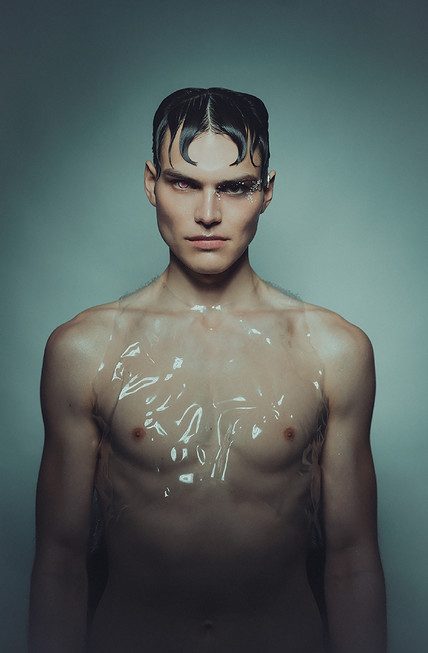
Space Alien photography photography Fabian Rosenbergmakeup Alicia Hursthair Julia Klevenfashion Gabriella Wetter Burman skin M.A.C Cosmetics  face and body M.A.C Cosmetics studio radianceconcealer Glossier cloud paint swept Pat McGrath Labartistry mask LH Cosmetics Infinityeyes M.A.C Cosmetics darkroom, in the shadowslips M.A.C Cosmetics Lipglasstop Gabriella Wetter Burman

Opiates

Dior Presents Its New Exhibition at la Galerie Dior

Dior Presents Its New Exhibition at la Galerie Dior text Zohra Vanlerberghe A perpetually evolving space dedicated to art and memory, La Galerie Dior at 30 Montaigne retraces the House’s extraordinary story in the very place where its collections have come to life for nearly eighty years. It offers a voyage to the heart of haute couture – from Christian Dior to the present day – continually reinvented through temporary exhibitions, each offering a new perspective on this unique heritage. On May 21, La Galerie Dior inaugurated a new retrospective showcasing around 150 models, accompanied by original sketches, archival documents, and photographs that illustrate the richness of the House’s legacy, its enduring modernity, and its leading role in the history of fashion. Christian Dior, who developed a deep affinity with artists from a remarkably early age, infused his designs with the magic of painting, music, and dance. For the first time, a room is devoted to the latter discipline, also a major inspiration for the founding-couturier’s successors. In 1947, at the request of his friend Christian Bérard, Monsieur Dior dreamed up the costumes for the ballet Treize Danses, choreographed by the young Roland Petit. In turn, Maria Grazia Chiuri devised those for Sharon Eyal and Gai Behar’s Chapter 3: The Brutal Journey of the Heart in 2019. Thirteen themes celebrate the Dior spirit and the passions that inspire it, from a fascination with gardens to the enchantment of balls, from the creative freedom of the Miss Dior ready-to-wear line to the virtuoso mastery of the ateliers that shape the haute couture of 30 Montaigne, via the “Chambre aux merveilles,“ conceived as a cabinet of curiosities, from the entrancing Dior allure to its spellbinding J’Adore … a fabulous adventure. La Galerie Dior (11, rue François-Ier, Paris 8) is open from 11 am to 7 pm, every day except Tuesday. Last admission is at 5:30 pm. Online reservation is recommended on galeriedior.com Images courtesy of Dior

Scroll to Top