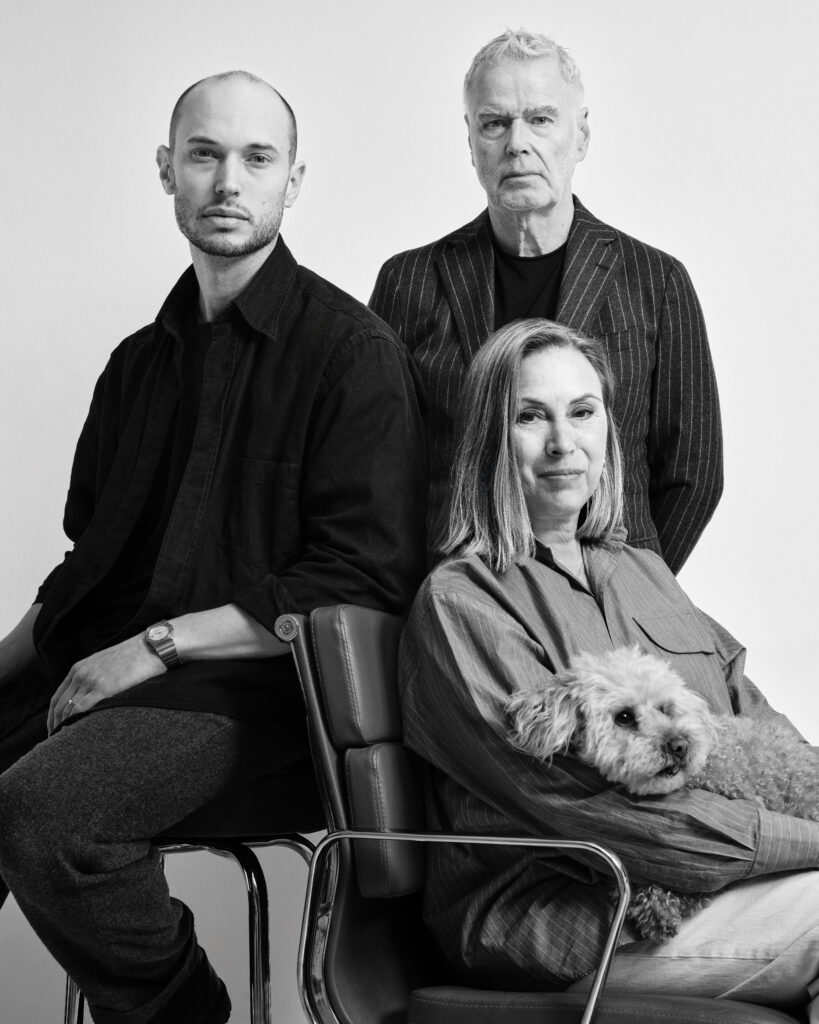
SCANDI BRANDS SHAPING THE FUTURE OF WELLNESS- NOVEMBER EDITION
Scandinavian wellness is entering a new chapter. Beyond the familiar rituals of saunas and cold plunges, a new generation of entrepreneurs is exploring how science, technology and a more personalized understanding of health can reshape the way we care for ourselves.
From cellular health and the microbiome to female-focused nutrition, wearable technology and everyday rituals, these emerging brands reflect a broader shift in how we approach wellbeing. The conversation is moving beyond quick fixes and the pursuit of longevity at any cost, towards prevention, self-awareness and the quality of the years we live.
For the November edition of Scandi Brands Shaping the Future of Wellness, Odalisque speaks to the founders and visionaries behind five Scandinavian wellness brands about their personal journeys, the ideas shaping their businesses and their perspectives on the future of health.
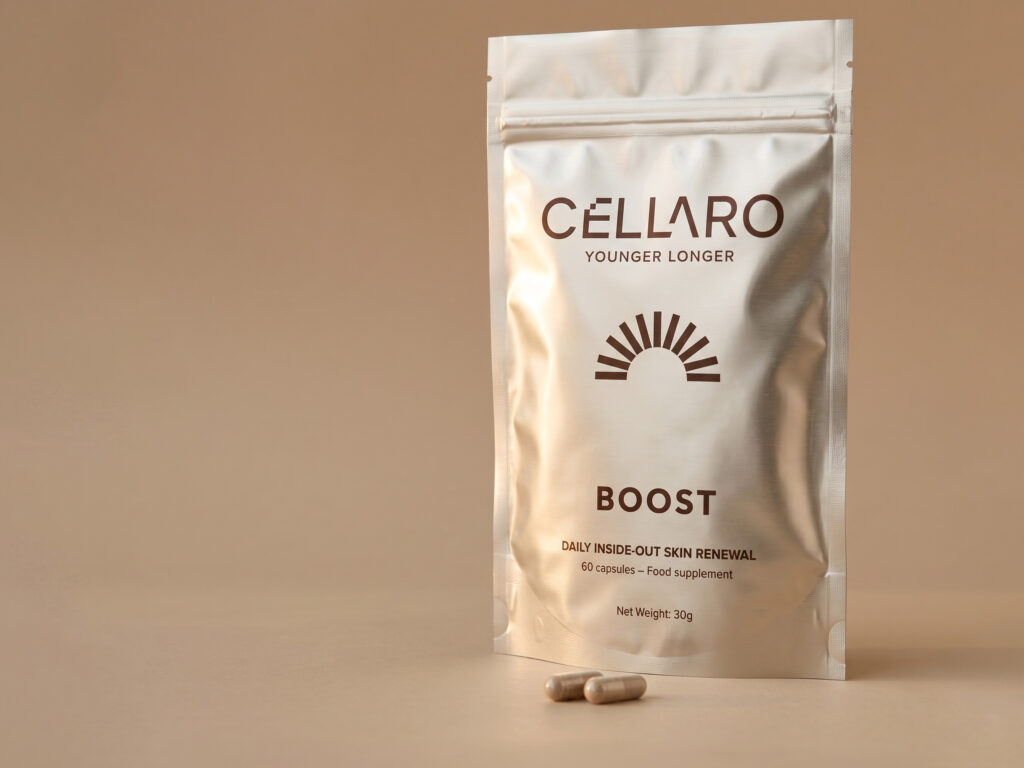
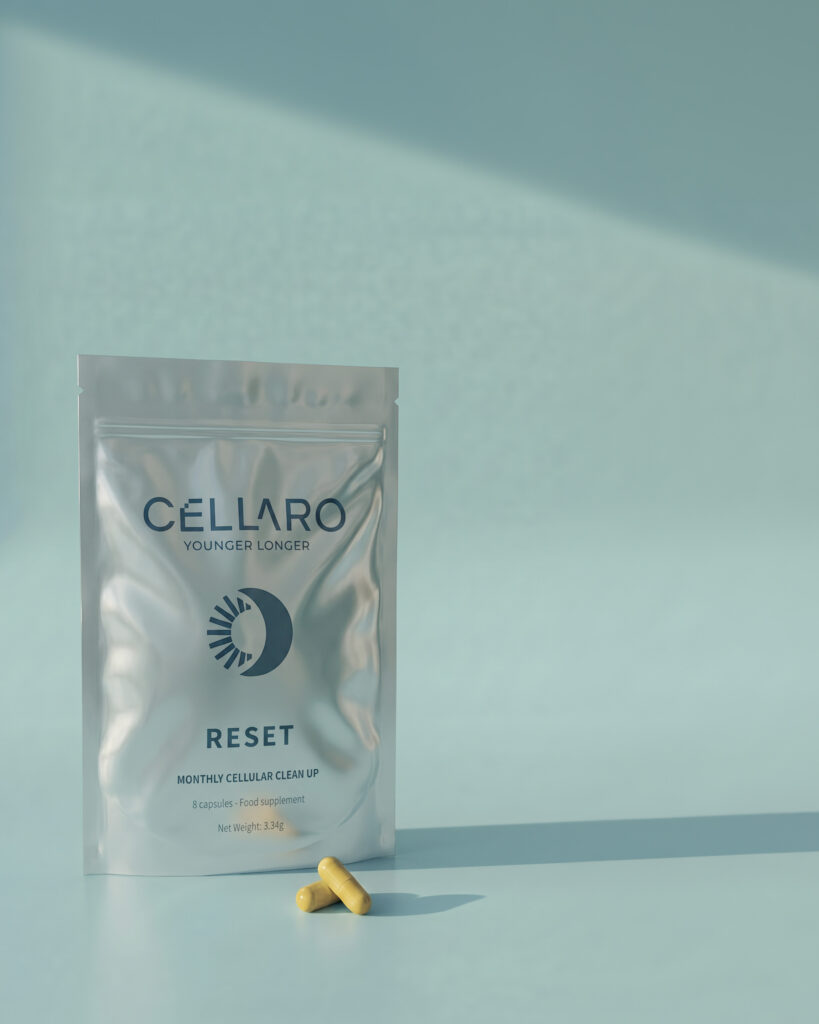
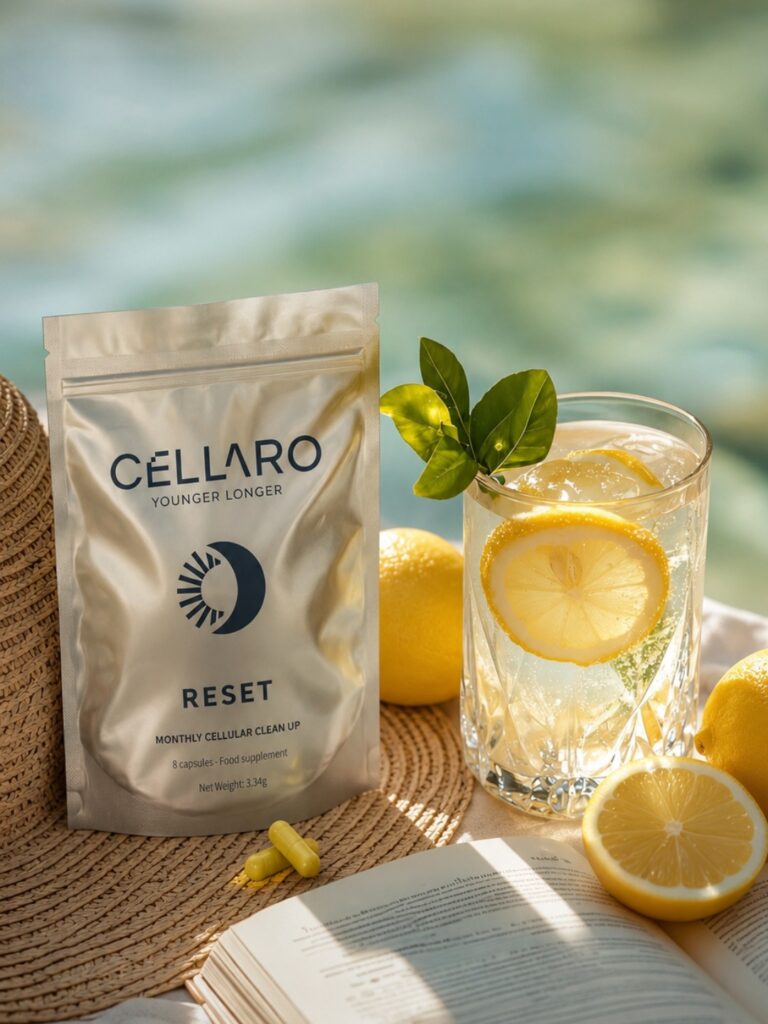
CELLARO- Rethinking Longevity Through Cellular Health
What if longevity was less about the number of years we live and more about how we experience them?
Founded by Kim Lindqvist, Cellaro is a Scandinavian wellness brand built around the emerging science of cellular health. With a focus on evidence-informed supplementation and daily rituals, the company explores how supporting the body’s fundamental biological processes may contribute to
energy, resilience and healthy aging.
At the heart of the brand is a concept called Peak span, an approach to longevity that places the quality of everyday life above the pursuit of lifespan alone. Rather than presenting longevity as a distant goal, Cellaro encourages a more proactive relationship with health, one rooted in consistency, personal motivation and a better understanding of how our bodies change over time.
Born from its founder’s personal experience of declining energy in her forties, Cellaro reflects a growing movement towards making the often complex world of longevity science more accessible.
We speak to Kim about the personal story behind the brand, the science of cellular aging and why feeling better today may be the most meaningful starting point for living well tomorrow.
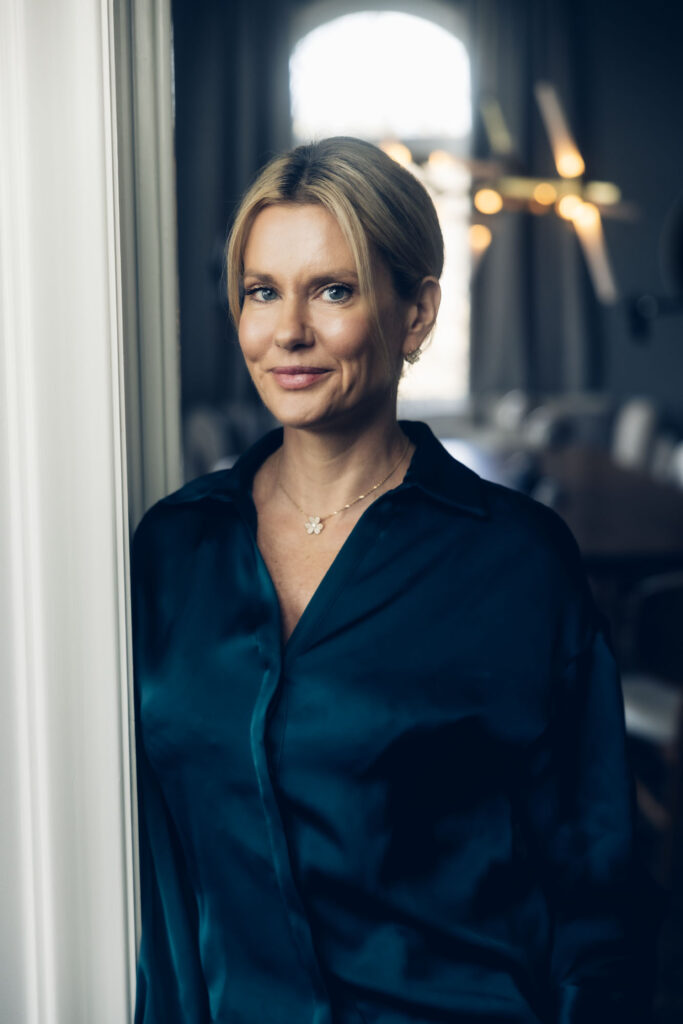
image courtesy Cellaro
Christine Deckert: Cellaro was born from a deeply personal experience. What inspired you to turn that journey into a brand, and what did you feel was missing from the existing longevity landscape?
Kim Lindqvist: In my forties, my energy started to slip. On paper, everything looked fine. I was exercising, eating well and looking after myself. I was still meeting my responsibilities, but the extra parts of life were slipping away: spontaneity, connection, the energy to do something more with my kids. I was functioning, but with less of myself. Was this my new normal? I didn’t want to accept that.
So I started to learn how our cells work: how they produce energy, repair and renew themselves, and how those processes change as we get older. Understanding that was empowering, because it meant there were things I could actually do. We cannot control everything, but we can take steps to feel better today and support our wellbeing over time. More than anything, I wanted to feel like Kim again.
I lost my mother to cancer when I was twelve. When I became a mother myself, that loss took on another meaning. I love my children fiercely, and I want to be there to meet my grandchildren. I feel a personal responsibility to care for myself, for my own life and for the people I love.
That became the basis for Cellaro. The longevity landscape I found was confusing and full of competing claims, so I wanted to make it understandable, trustworthy and simple enough to become a habit. Today, we bring that to life through supplements and daily rituals. Cellular health is the foundation for helping people build the life they want and feel at their best for longer.
CD: You introduce the concept of ”Peak span”, focusing not simply on living longer, but on living better. How do you believe this perspective could reshape the way we approach aging and wellbeing?
KL: Peak span means feeling at your best, for longer.That means more of yourself: the energy to do what you love, the strength to stay involved and the confidence that comes from feeling good in yourself, including in your skin. Beauty and energy both contribute to that confidence.
Our starting question is: what would you do with more energy? It might be playing the piano again, traveling with friends, starting a business or having more to give your family.
That intention makes wellbeing personal. When a daily habit connects to something you care about, you have a reason to keep going. Making it simple, enjoyable and something you identify with helps it become part of your life.
I want Cellaro to be a promise you make to yourself every morning: I’m taking care of myself, because my wellbeing and the life I want to live matter. Peak span gives people a positive reason to invest in themselves and look forward to what comes next.
CD: Cellular health is becoming an increasingly important conversation within wellness. Which scientific developments do you find most exciting, and where do you see the greatest potential for meaningful change?
KL: If I had to pick one area of science, it would be cellular senescence: cells that stop dividing but don’t clear away, and build up as we age. It isn’t something you feel day to day, but it’s being explored both in preventive health and in research into the treatment of disease.
But what excites me most about cellular health is that it’s proactive. It shows people that what they do every day can make a difference, long before anything is wrong. That’s a powerful shift: from waiting and reacting to taking an active part in your own health.
The challenge is turning that into action. Most of us already know what’s good for us. Making it work in everyday life is the hard part. Real change comes from small, simple steps that fit into a busy day and that you can keep doing. Small habits, done consistently, compound over time.
That’s where the greatest potential lies: bridging research into everyday life in a way that is safe, grounded in science and not driven by trends, and helping people keep going long enough to feel the difference.
It’s also why we mostly reach people through trusted partners: skin and longevity clinics, trainers and retreats. First, they can explain the why, so people understand what they’re taking and what it’s for. Second, they can follow up, which helps people keep going when life gets in the way. And third, it becomes part of a community and a wider ecosystem of care, rather than one more product on a shelf.
CD: The longevity industry is expanding rapidly, often blurring the lines between scientific innovation and marketing. How do you navigate this landscape, and what do you believe consumers should be more critical of?
KL: For us, it starts with a simple principle: when you take something every day, the quality of what you put into your body matters. In developing Cellaro, we worked with scientists with experience from world-leading institutions such as Mayo Clinic, Harvard and the Buck Institute, choosing ingredients with a clear purpose and evidence behind their use.
That’s why branded ingredients matter to us. We select them for what stands behind the name: human clinical research on the specific ingredient, defined quality standards, and documentation on stability and absorption. A familiar name on a label alone doesn’t tell you those things.
One example: before choosing our NAD⁺ precursor, we tested more than 20 ingredients. A name isn’t enough; you need to look at quality, stability and absorption. Every ingredient and every dose is on the pack.
We also designed Cellaro as a system rather than a collection of individual products, because biology is interconnected. Each part of the routine has a clear role.
My advice to consumers starts with intention. In more than 50 in-home interviews, most people couldn’t explain why they were taking what they took, and their routines were full of gaps, overlaps and too many pills. So first ask yourself: what am I trying to achieve? Don’t take something just because someone said it was good. Then ask what sits behind the promise: which ingredient was studied, at what dose, will it stay stable, and how is quality checked? Those are the questions a brand should be able to answer.
CD: Looking ahead to the next decade, how do you envision the future of longevity, and what role do you hope Cellaro will play in changing the way we experience aging?
KL: Longevity and wellness are merging. In more than 200 interviews while creating Cellaro, the most motivating idea wasn’t living longer. It was living better today. That’s how we define Peak span.
So I see one big shift: away from longevity as a shortcut or a hack, towards something integrated into how you take care of yourself every day. What turns that into a lasting habit? Two things stand out.
The first is intention and how it feels. When a daily ritual connects to something you care about, and it feels good to do, you keep going. Looking after yourself becomes something you enjoy, not another task.
The second is community. Taking care of yourself is a natural connector. When people share a purpose, they encourage each other, and wellbeing becomes something you feel part of, with rituals and experiences you look forward to.
And everything around it will come together into one ecosystem. Today, your wearable, your training, your clinic visits, your tests and your supplements all live in separate worlds. In the future, they’ll connect into more personalized experiences, where what you track informs what you do, and the people supporting you can see the whole picture. Our partners are already part of that ecosystem. No single product is the whole answer, and trust will be essential.
That’s the role I want Cellaro to play. We’re building a brand around empowerment. Today, we sell supplements, but our purpose is to help people build the life they want to live and feel at their best for longer.
KÄLLA- Where Science Meets Modern Wellness
In a wellness industry often caught between fleeting trends and bold promises, Swedish brand KÄLLA is taking a more considered approach. Founded on the belief that effective wellbeing begins with science, the brand bridges clinical research and contemporary wellness, with a particular focus on the gut microbiome, women’s health and healthy aging. From targeted probiotics to evidence-led longevity formulations, KÄLLA is challenging the idea that better health requires increasingly complicated routines. We speak with the founder behind the brand about the evolving science of the microbiome, the overlooked complexities of female physiology and why the future of longevity may lie in getting the fundamentals right.
Christine Deckert: KÄLLA was founded on the belief that wellness should be rooted in science rather than passing trends. What inspired the creation of the brand, and what did you feel was missing from the supplement industry?
Sophia Marinho de Lemos: When we started KÄLLA, the supplement industry was split between two extremes: clinical products that felt cold and hard to understand, and wellness brands that looked beautiful but often overpromised without enough substance behind them. We saw an opportunity to bridge that gap, and we started with probiotics.
Gut health is also personal for me. I’ve had IBS since I was a teenager, and my husband has Crohn’s disease, so I’ve seen first-hand how supportive lifestyle, nutrition and smart supplementation can be.
Today our range goes beyond gut health to hormonal health, skin, energy and healthy aging, but science still comes first. Every formula has a clear purpose, and every ingredient is chosen for its quality and evidence. Our probiotic strains, for example, are backed by more than 70 clinical trials, which makes them among the most researched in the world. We also know supplements only work if they become part of your routine, so we make ours simple to take, thoughtfully designed, and easy to understand.
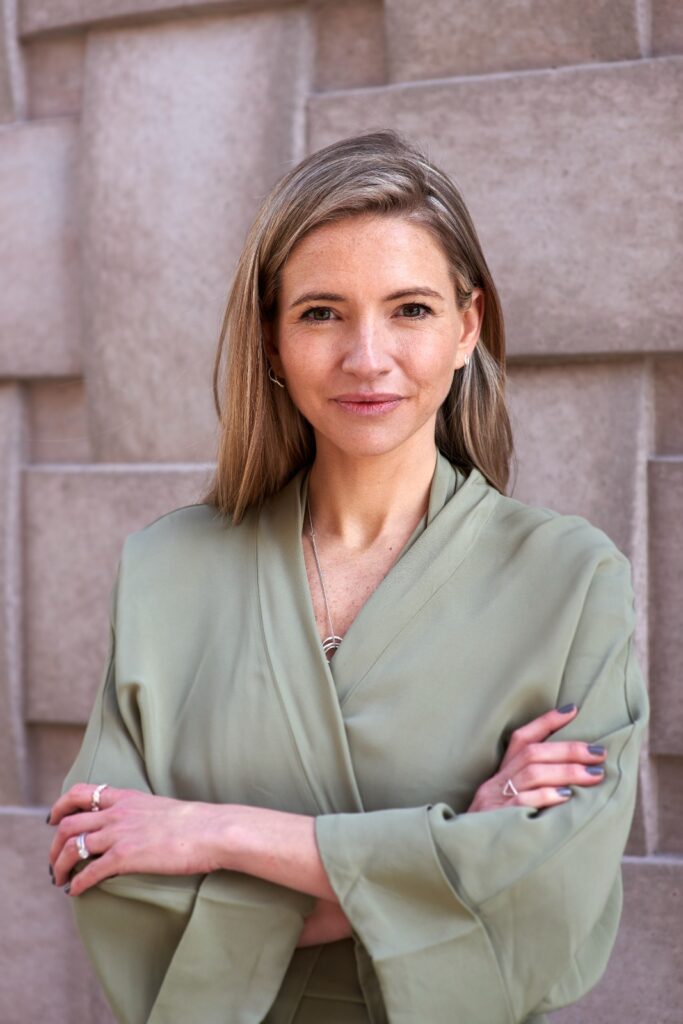
image courtesy KÄLLA
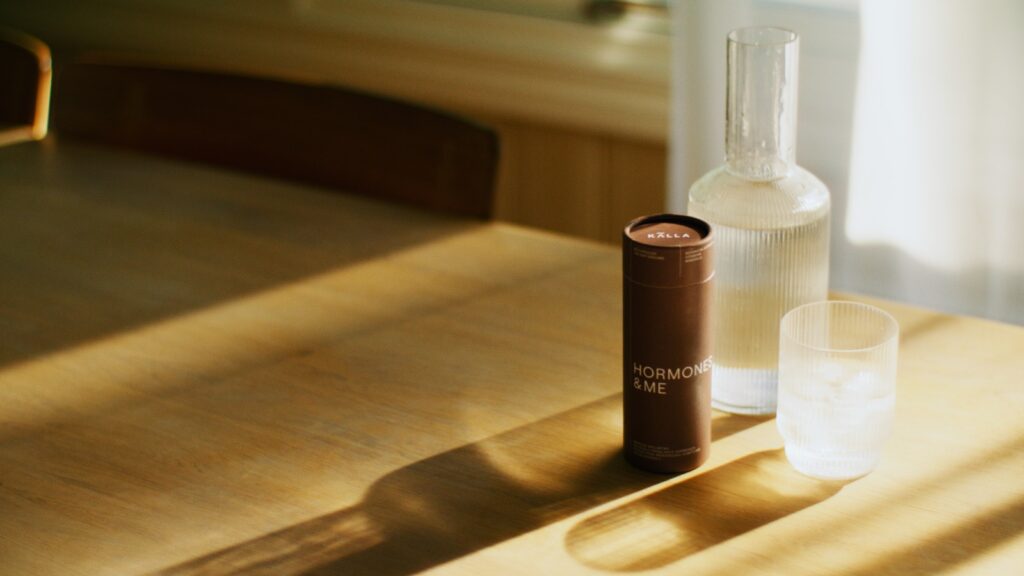
CD: Gut health has evolved from a relatively niche subject into one of the most talked-about areas of modern wellness. How do you see our understanding of the gut microbiome changing the way we approach overall health and wellbeing?
SM: We’ve only scratched the surface of what the microbiome does. The biggest change I see is that people no longer think of the gut as just digestion. Increasingly, they see it as a hub connected to mood, sleep, immunity, skin and hormones. For example, the motive for a customer buying our Microbiome Test has shifted from curiosity around digestion, to wanting to understand a skin issue, or why they find it hard to lose weight.
We design the whole range with the gut in mind. Our protein powder, for example, uses clear whey, which is lower in lactose, with added digestive enzymes and probiotics. It’s made for people who usually feel bloated after traditional protein shakes.
Looking ahead, fibre is the nutrient to watch. People want easy ways to get more of it, both to feed their gut bacteria and alongside their daily probiotic. Prebiotic sodas, kefir and kombucha are all growing, but the bigger shift is that people want fibre built into the products they already use, rather than switching to a new routine altogether.
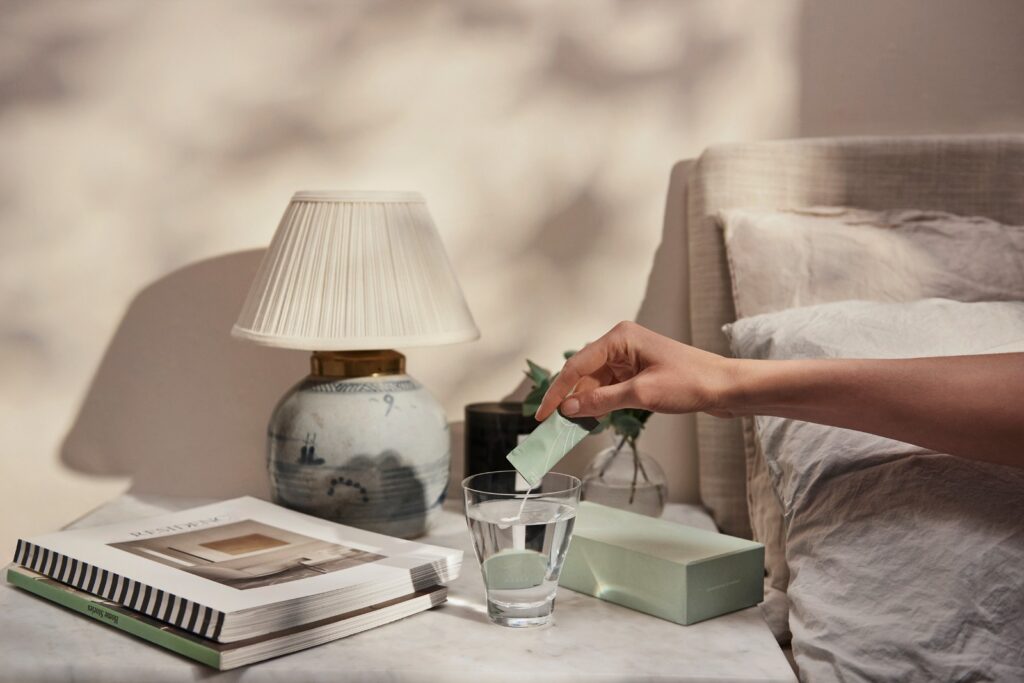
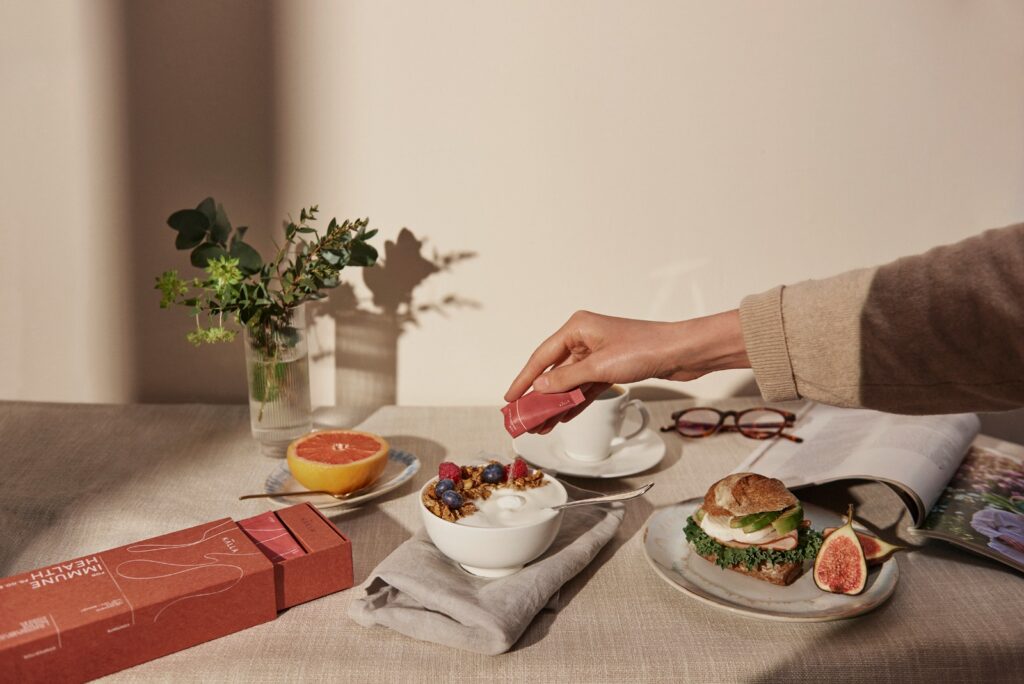
CD: Women’s health has historically been underrepresented in medical research. How is KÄLLA working to address women’s specific physiological needs, particularly when it comes to hormonal health, energy and healthy aging?
SM: At KÄLLA, we formulate around the distinct stages of a woman’s life, from the menstrual years through perimenopause, menopause and beyond, because her needs change as her hormones do. We work closely with sports nutritionist Matt Jones, who has advised female athletes, including Chelsea FC Women, on their nutritional needs. He brings a unique perspective on women’s physiology and makes sure every product we
create is designed with a woman’s needs in mind.
Energy is a good example. Low iron is one of the most common and most overlooked causes of fatigue. Iron deficiency mainly affects women of reproductive age because of menstrual blood loss, and it’s particularly common in Sweden. Lactiplantibacillus plantarum DSM 9843, the hero ingredient in our For
Relief product, has been shown in clinical studies to increase iron absorption in menstruating women. So it’s not only an incredibly well documented probiotic strain, when it comes to IBS, it also has other traits that lend itself to a woman’s needs.
For healthy aging, we focus on preserving muscle and bone through the menopause transition. Research in this area is starting to catch up, but it still has a long way to go. Women are underrepresented in scientific research, but there’s a growing body of evidence in the areas we work in, and we’re actively collaborating on clinical trials to add to it.
CD: Longevity has become one of the defining conversations in wellness, but separating scientific progress from clever marketing can be challenging. What developments in longevity research do you find genuinely promising, and where should consumers remain skeptical?
SM: The most exciting longevity science is actually the least glamorous. Strength and fitness remain among the most powerful predictors of a long, healthy life, and I honestly believe the basics win: sleep, movement, nutrition and connection have the strongest evidence. The same is true for supplements. Our Longevity Stack is made up of creatine, omega-3, vitamin D and magnesium. They aren’t the sexiest supplements, but they’re the ones with the best human data.
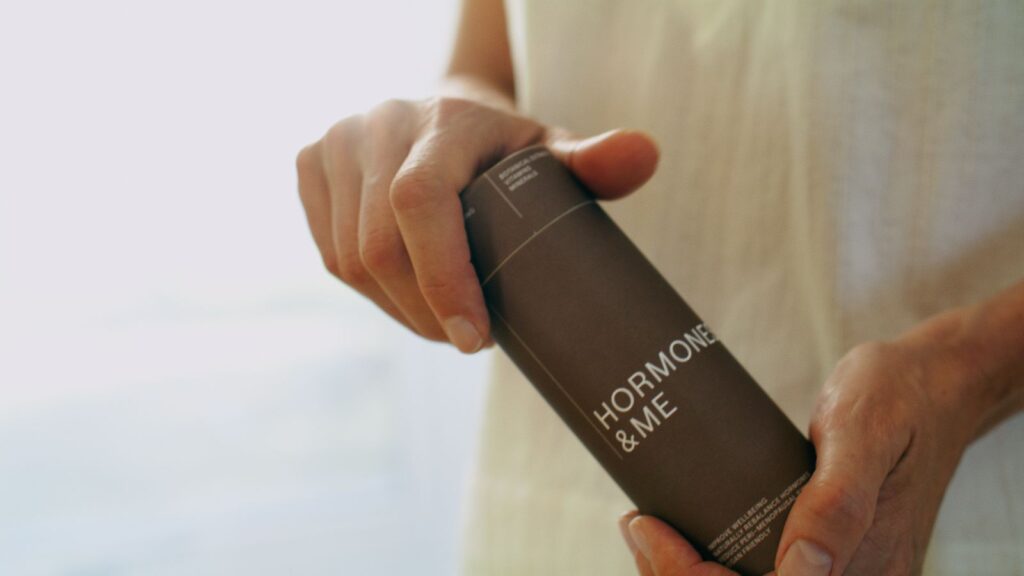
Beyond that, I’m genuinely excited about research into cellular energy. NAD+ is one of the most interesting areas: we know levels decline as we age, and human studies show we can raise them. Researchers are now working out what that means for how we feel and function. Urolithin A, which supports mitochondrial function, is another one I’m watching closely.
Consumers should be skeptical when promising science gets oversold. “Supports cellular energy” and “reverses aging” are very different claims, and that gap often opens up between the study and the marketing. Any brand promising to turn back the clock is getting ahead of the evidence. I’d be especially skeptical of grey-market peptides. The word “peptide” borrows credibility from approved drugs like GLP-1s, but many of the peptides people inject have almost no proper human data, and testing has found vials that didn’t even contain what the label said.
What’s missing from the conversation is women. Most of the longevity culture you see online was built by men, for men: fasting protocols, cold plunges, testosterone, biohacking. But women age differently. Perimenopause changes everything from sleep to muscle to bone density, and the research on women and aging is still far behind. So when a woman in her forties copies a protocol designed by a 30-year-old male biohacker, it might not just be useless; it might be entirely the wrong approach.
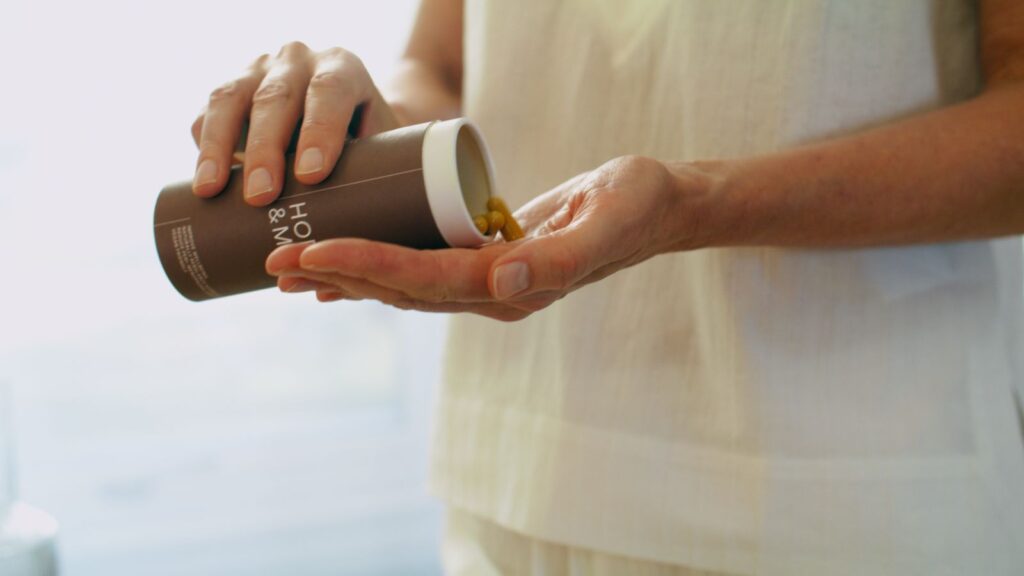
CD: Looking ahead to 2027 and beyond, what do you believe will define the next generation of Scandinavian wellness, and how does KÄLLA intend to help shape that future?
SM: For many years, Scandinavian wellness has been associated with calm design, nature and ritual. The next generation will combine those traditions with evidence and efficacy. Consumers are becoming more skeptical and more critical of dosages, forms, absorption, synergies and interactions. With that knowledge they’ll take a more preventative approach to their gut health, muscle, sleep and energy, and they’ll expect their supplements to come in formats that fit seamlessly into everyday life, hence the growth in innovative
formats such as melts, sachets, jelly sticks etc.
Women’s healthy aging, particularly through perimenopause and menopause, will move from the margins to the centre of the category. KÄLLA intends to lead that shift by investing in clinical research in these groups, keeping our formulations evidence-based and independently tested, and publishing the science behind our products so consumers can make informed choices.
DRINK DORA- A New Perspective on Women’s Daily Nutrition
For decades, much of the supplement industry has approached nutrition through a largely generalized understanding of the human body. A new generation of female-focused brands is beginning to question that approach.
Founded by Filippa, Drink Dora is a Swedish wellness brand developed with women’s physiological needs in mind. Created in response to its founder’s own experience of navigating an increasingly complicated supplement routine, Dora seeks to bring greater simplicity and intention to everyday nutrition.
Rather than encouraging consumers to take more supplements, the brand focuses on thoughtful formulation and the relevance of individual ingredients. Its female centered approach reflects a growing awareness that nutritional needs can vary significantly across different stages of life.
But Filippa’s ambitions extend beyond supplementation. Through what she calls the world of dora, she hopes to build a wider community centered on women’s health, knowledge and shared experiences.
We speak to Filippa about the personal journey behind Dora, the importance of designing wellness products around female biology and her vision for a future in which women feel better represented within the health industry.
Christine Deckert: Let’s start at the beginning. What inspired you to create Drink Dora, and what has your entrepreneurial journey been like so far?
Filippa Karlborg: It all started with my own experience. A few years ago, after almost hitting the wall, I became even more interested in health and started looking deeper into what my body actually needed, especially as a woman.
I’ve always been a curious person, so I started researching, testing different things and trying so many different supplements. Before I knew it, I had a whole cabinet full of pills and powders, different pill organizers and a daily routine that honestly became quite hard to keep up with. I remember thinking that there must be an easier way to take care of yourself without having to think about so many different things every day.
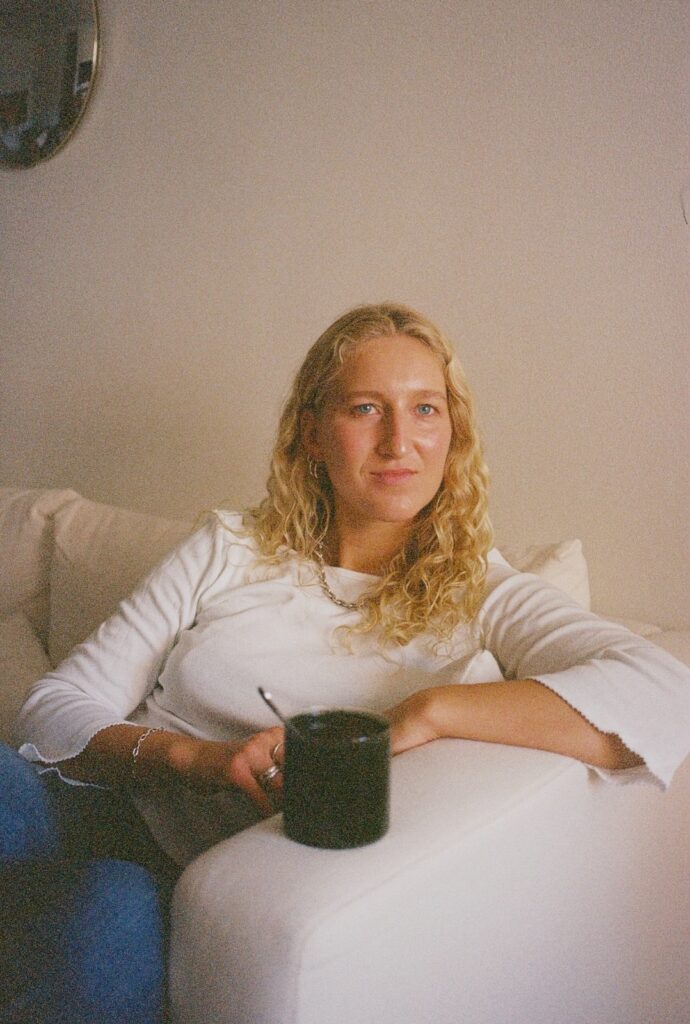
image courtesy Drink Dora
That is really how Dora came to life. I wanted to simplify my own routine, but also create something that was made with women in mind from the very beginning.
The journey so far has been a real rollercoaster, in the best and sometimes most challenging ways. Every day looks different, which I love. There’s so much that goes on behind the scenes that you don’t really think about when you first have an idea.
But seeing something that started as a thought in my head slowly become something real is such a special feeling. And the more I talk to other women, the more I realize that so many of us have felt the same way about our health routines. That’s probably what motivates me the most and makes me so excited about what we’re building with Dora.
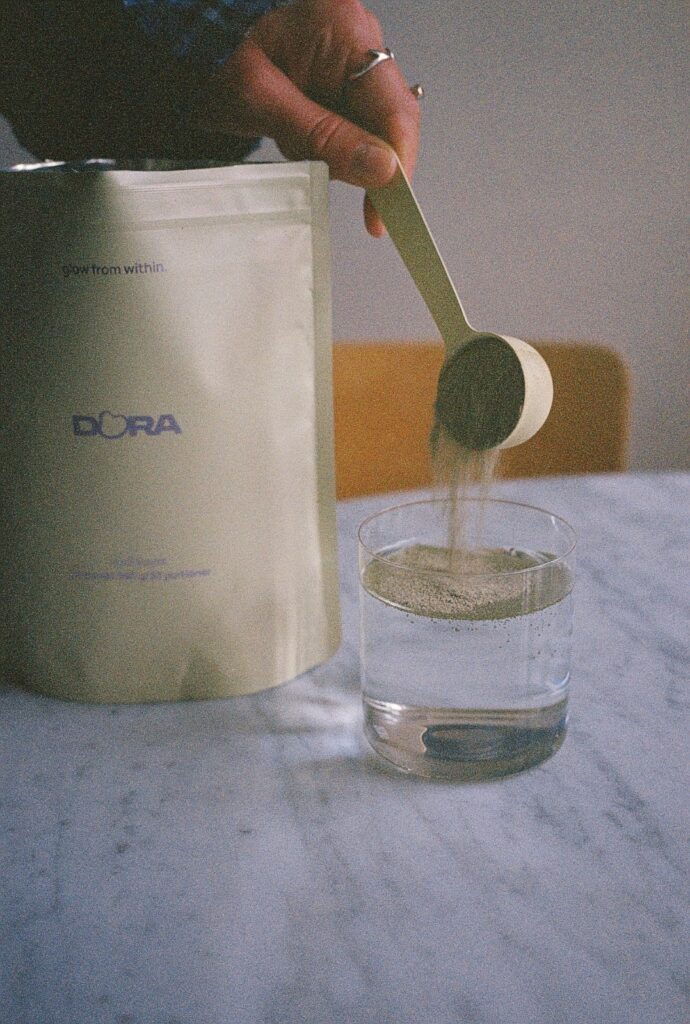
CD: Drink Dora is developed with female biomarkers in mind, which makes it particularly interesting in a wellness industry that has traditionally focused on men. Why was it important for you to take this approach, and how does the science influence your product development?
FK: I felt there was an opportunity to do things differently. So much of the wellness industry has been built around a generalized approach to nutrition, with little consideration for the specific needs of women’s bodies. I wanted female biology to be the starting point, rather than an afterthought. Science has guided every decision behind Dora, from the forms and dosages of nutrients to how ingredients work together. Just as importantly, I wanted to be selective about what went into the formula.
For example, I deliberately chose not to include iron. Although it’s an important nutrient for many women, individual needs vary greatly, and I don’t believe it should automatically be included in a daily supplement without considering whether someone actually needs it.
I think that sums up my philosophy quite well: not to include more for the sake of it, but to make better, more considered choices. I wanted to create something I genuinely believe women can benefit from, with female biology at the heart of every decision.
CD: Women’s health is finally getting more attention, from hormonal health to longevity and personalized wellness. What do you think is driving this shift, and where do you still see the biggest gaps in how we approach women’s wellbeing?
FK: I think it’s a generational shift. Our generation is more conscious of how we live, what we consume and, perhaps most importantly, what we put into our bodies. We see it in everything from declining alcohol consumption to a growing interest in nutrition, hormonal health and longevity.
I think we’re moving towards a more proactive approach to health, wanting to understand our bodies and invest in our longterm wellbeing rather than only addressing problems when they arise.
At the same time, I think there is still a big gap in how women’s health is understood and addressed. We need more research, more education and products that are genuinely developed around female biology. There’s more awareness than ever, but I believe we’re still only scratching the surface.
CD: Looking five years ahead, where do you see Drink Dora? What is your biggest ambition for the brand, and what would you love to have achieved by then?
FK: In five years, I would love Dora to be one of the first brands women think of when it comes to their health and wellbeing. But my ambition goes far beyond the product itself. I want to create what I call “world of dora”, a place where women feel seen, heard and understood. A place where we can share experiences, learn from each other and feel that we’re part of something.
I want Dora to be a brand women genuinely connect with, trust and feel represented by. Somewhere they can turn to for knowledge, inspiration and support throughout different stages of life.
Of course, I also dream of seeing Dora grow internationally, with a presence across Europe and the US within five years. But I wouldn’t measure success purely by how many markets we enter. What matters most to me is building something meaningful that women believe in and want to be part of. I want Dora to become much bigger than the product itself.
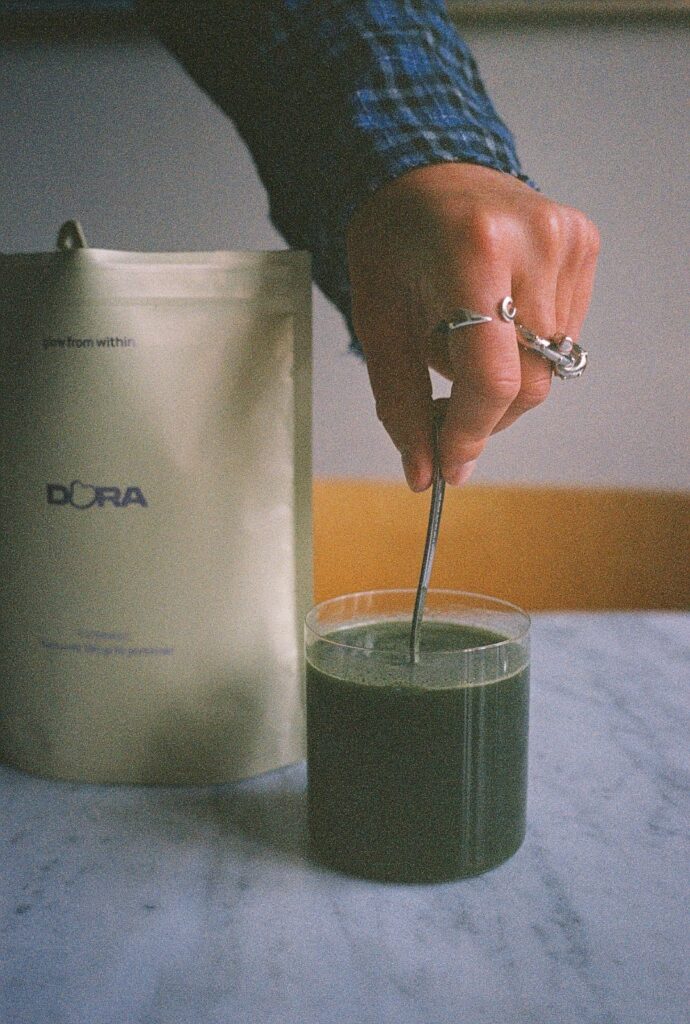
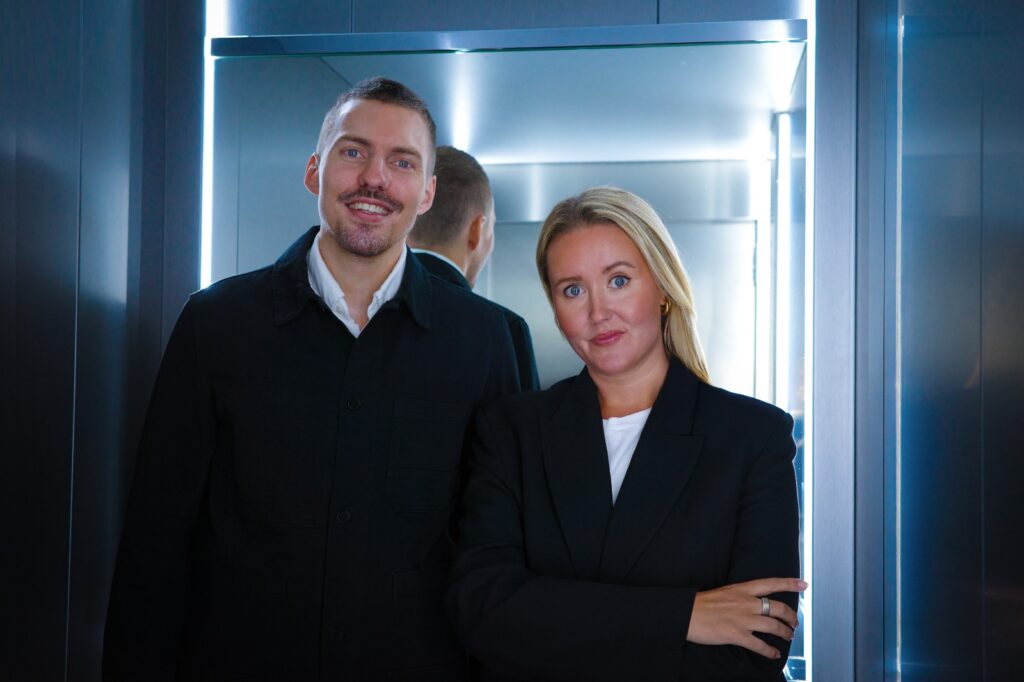
image courtesy HAALE
HAALE- The Future of Wearable Wellness
Personal health data is becoming an increasingly familiar part of everyday life. From sleep patterns and resting heart rate to physical activity and recovery, wearable technology is changing how we observe and understand our bodies.
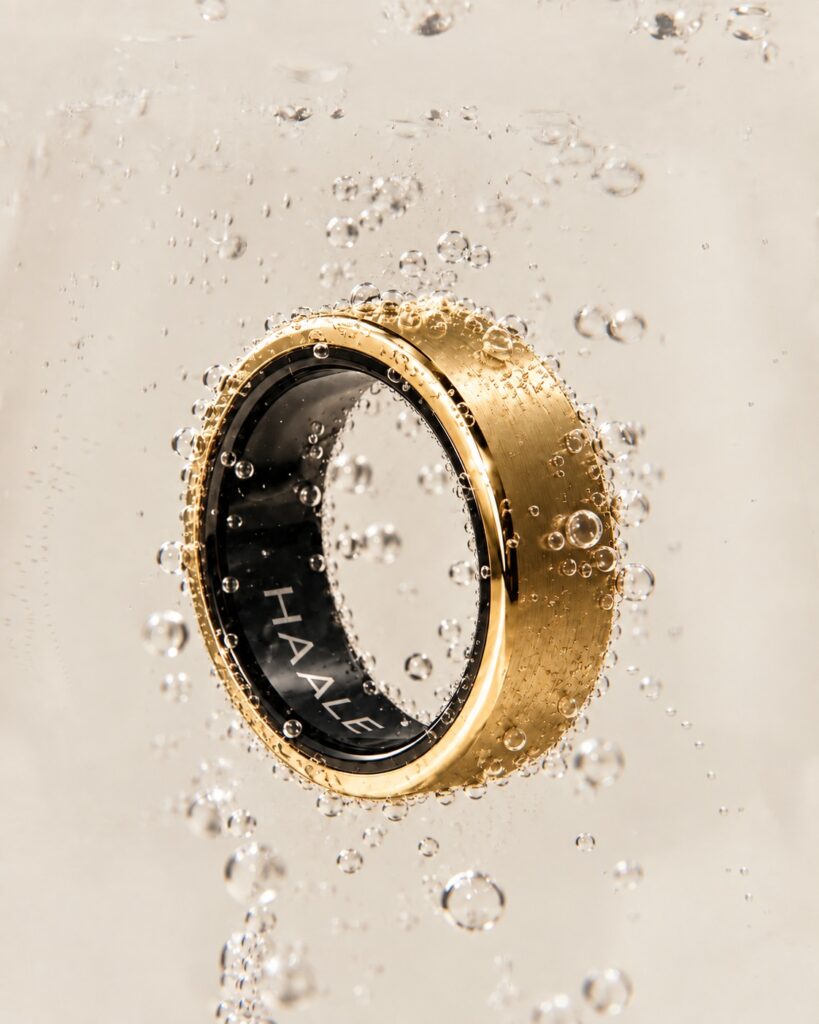
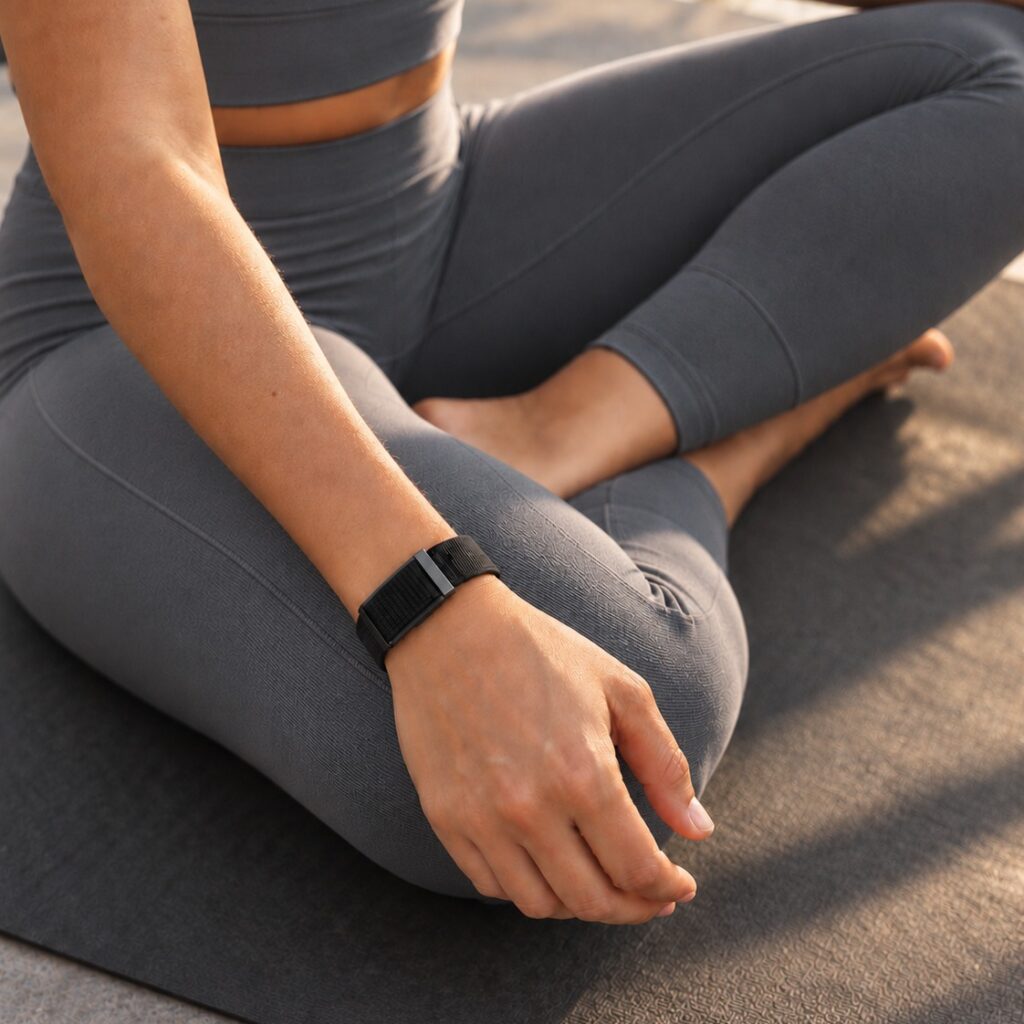
HAALE is a Scandinavian wearable technology brand exploring the intersection of personal health, intelligent design and accessibility. Through discreet smart rings and bands, the company aims to make health insights available in a form that feels closer to jewelry than conventional technology.
Its approach challenges the idea that health monitoring needs to be intrusive or demand constant attention. Instead, HAALE focuses on technology that integrates quietly into everyday life, allowing users to recognize patterns and develop a more informed relationship with their wellbeing.
As artificial intelligence opens new possibilities for interpreting personal health data, the conversation is shifting from how much information we can collect to how meaningfully we can use it.
We explore how wearable technology is reshaping preventive wellness, the delicate balance between self-awareness and over optimization, and why the most sophisticated health technology of the future may be the kind we barely notice.
Christine Deckert: HAALE was founded with the ambition to make personal health data accessible to everyone. What inspired you to enter the wearable technology space, and what did you feel was missing from the existing market?
Petra Thoms: We saw room for a wearable that felt like jewelry and was easy to use every day. Many options were expensive, bulky or required ongoing subscriptions.
We wanted to create something different. A product that people would genuinely enjoy wearing every day, that felt more like a piece of jewelry than a gadget, while still offering meaningful insights into their health.
With HAALE, our ambition has always been to make personal health insights accessible to more people, without compromising on design, functionality or affordability. We believe that understanding your own body shouldn’t be a luxury.
CD: We are entering an era where sleep, stress and recovery can be monitored through a device worn on our finger. How do you believe this growing access to personal health data is changing our relationship with our bodies?
PT: Wearables can help us connect how we feel with patterns we might otherwise miss, like how stress affects our sleep or how our bodies respond to exercise. Over time, those insights can help us trust our intuition and understand which habits make us feel better.
CD: Longevity is increasingly shifting the conversation from treating illness to preventing it. What role do you believe wearable technology will play in the future of preventive healthcare and healthy aging?
PT: Wearables help people pay attention to their health earlier. Trends in sleep, resting heart rate and activity can guide everyday habits and support more informed conversations with healthcare professionals. For us, healthy aging means feeling well and staying active for as long as possible.
CD: While health tracking can empower individuals, it can also create an obsession with numbers and optimization. How does HAALE approach the balance between providing meaningful health insights and encouraging a healthy, intuitive relationship with wellbeing?
PT: Our screen-free ring and band collect data quietly, so people can check in when it suits them. Sometimes the most useful insight is simply to follow your trends and see if they change over time, and not be too focused on the daily numbers.
CD: Looking towards 2030, how do you envision the next generation of wearable technology? Could smart rings eventually become essential tools for personalized healthcare, and what role does HAALE hope to play in shaping that future?
PT: I believe the next generation of wearables will become smaller, more discreet and increasingly intelligent. The biggest change won’t necessarily be the amount of data we can collect, but how well we can interpret it. Artificial intelligence will play an important role in turning complex health information into insights that are genuinely useful and personalized.
I also think we’ll see a shift towards technology that integrates more naturally into our lives. Instead of devices demanding our attention, they’ll work quietly in the background, helping us make better decisions without interrupting our day.
Smart rings and other discreet wearables could eventually become valuable tools in personalized healthcare, particularly as sensor technology and clinical validation continue to develop.
At HAALE, we want to be part of making that future accessible. Our vision is to combine thoughtful Scandinavian design, intelligent technology and affordability, so that the benefits of wearable health technology aren’t limited to a small group of people.
For us, the future of wearable technology isn’t about wearing more technology. It’s about making technology feel almost invisible, while making us more connected to ourselves.
IVYH - The Power of Everyday Rituals
In an industry often defined by constant optimization, complex routines and the promise of transformation, IVYH offers a different perspective: meaningful change begins with the small things we do every day.
Founded by Swedish entrepreneur Andreas Wicksell, whose background spans more than a decade of building businesses in technology and other industries, IVYH is an emerging wellness brand built around the philosophy that extraordinary lives are shaped by ordinary rituals.
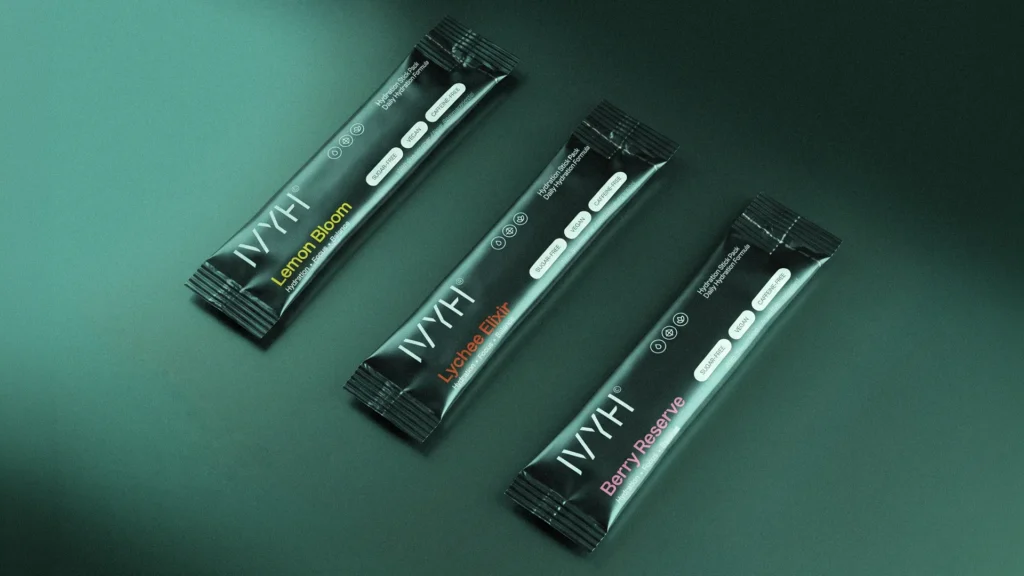
Hydration is the company’s starting point, but its ambitions extend well beyond a single product category. Envisioned as The Daily Ritual Company, IVYH seeks to develop products and experiences that make everyday wellbeing feel more natural, enjoyable and intentional.
At the centre of its philosophy is the distinction between a habit and a ritual. While habits are often automatic, rituals introduce a sense of purpose to familiar moments.
Looking ahead, Wicksell sees opportunities to bring technology and personal health insights into the brand’s broader vision, helping individuals understand which daily choices genuinely make a difference to how they feel.
We speak to Andreas about the entrepreneurial journey behind IVYH, the importance of consistency over quick fixes and his ambition to turn everyday acts of self-care into something more meaningful.
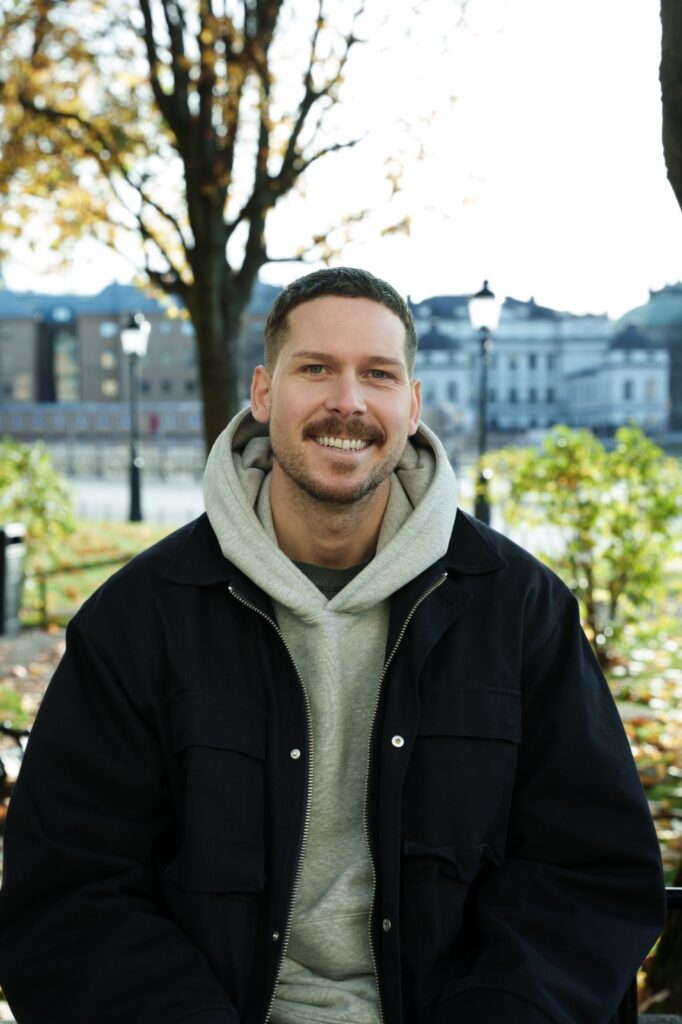
image courtesy IVYH
Christine Deckert: You’ve spent over a decade building businesses while health and fitness have always been a big part of your life. What inspired you to bring these two worlds together and create IVYH? Can you tell us a little about your entrepreneurial journey?
Andreas Wicksell: I’ve spent most of my professional life building businesses, primarily within technology. Over the past decade, I’ve been involved in different ventures across several industries and markets, which has taken me from Sweden to places like Bahrain and Dubai.
One of the things I’ve always loved about entrepreneurship is the opportunity to challenge how things are done and build something from the ground up. And working in tech has definitely shaped the way I think about innovation, scalability, and creating meaningful value for people.
At the same time, training and taking care of myself have been a big part of my life for well over a decade. I’ve always been fascinated by how much small daily habits influence how we feel, how we perform, and ultimately how we live. But despite spending so much time on both business and health, I had never really considered bringing those two worlds together.
What eventually sparked IVYH was the realization that the things we do consistently tend to matter far more than the things we do occasionally. We spend so much time chasing big results, whether in business, fitness, or life in general, but often overlook the small decisions that actually get us there.
I wanted to build something around that idea. Something that could make taking care of yourself a little easier, more enjoyable, and more natural in everyday life. That’s where IVYH started. And although hydration became our first product, the ambition was always much bigger than that.
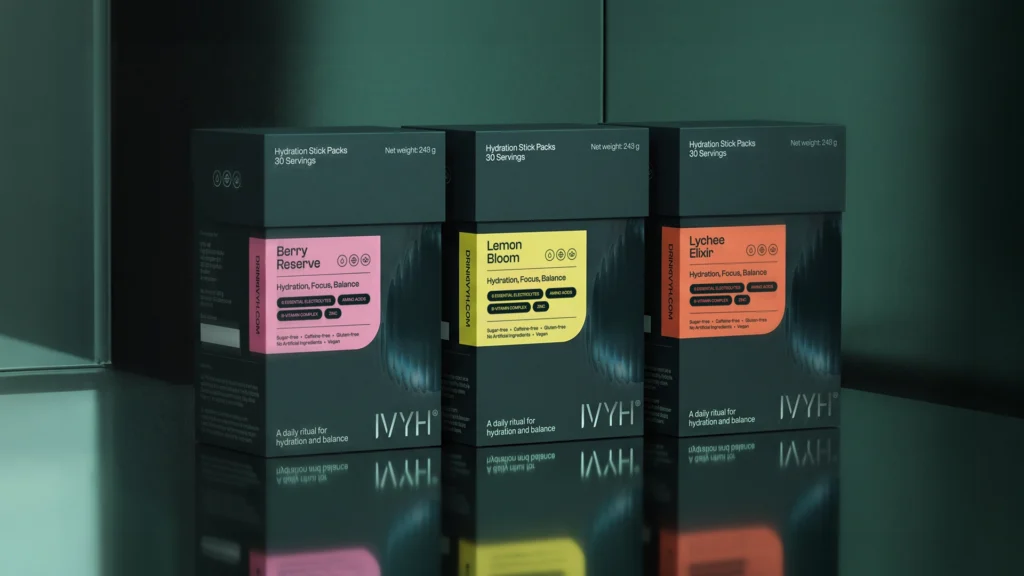
CD: IVYH is built around the idea that extraordinary lives are shaped by ordinary rituals. What does that philosophy mean to you personally, and how has it influenced the way you’ve built the brand?
AW: I think we tend to overcomplicate what it takes to live a good life.
We look for big changes, quick fixes, and dramatic transformations, when in reality so much of how we feel and perform comes down to what we do every single day.
I’ve experienced that myself, both in business and through training. You rarely see the results of a good decision overnight. But repeat that decision hundreds of times, and the impact can be enormous. That’s really the thinking behind IVYH.
We believe extraordinary lives are built through ordinary rituals. Not necessarily complicated routines or major lifestyle changes, but small, intentional things that become a natural part of your day.
And I think there’s an important distinction between a habit and a ritual. A habit is something you do automatically. A ritual is something you do with intention. We want to make those everyday moments feel like something you actually look forward to.
That philosophy influences everything we’re building, from the products and their functionality to the design, the experience, and how we communicate.
I don’t want IVYH to feel like another supplement brand telling people they need to optimize every second of their lives.
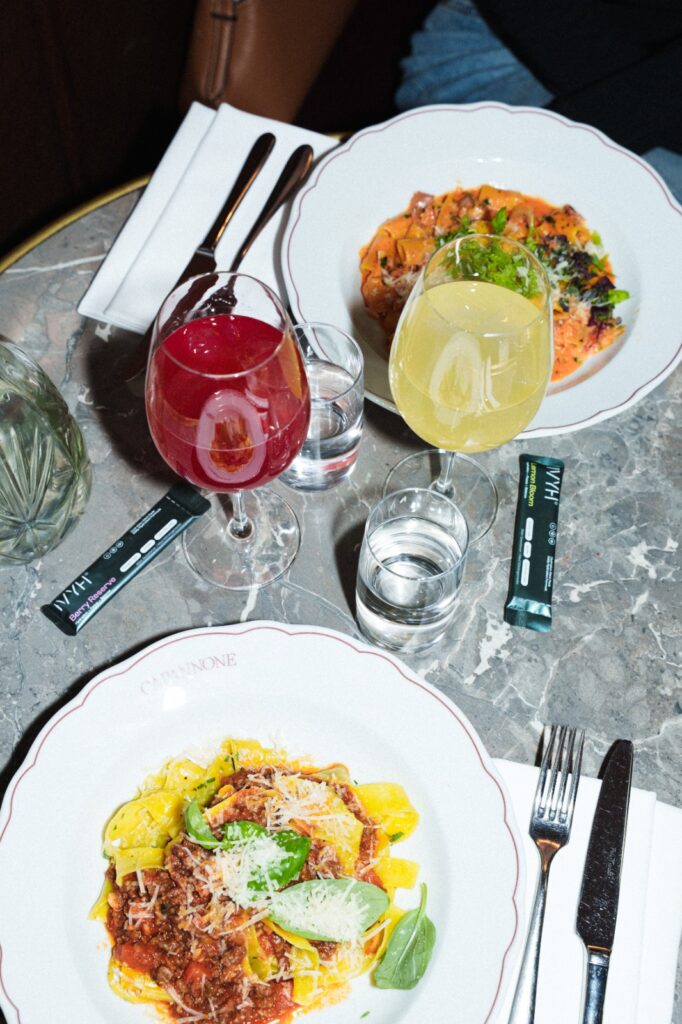
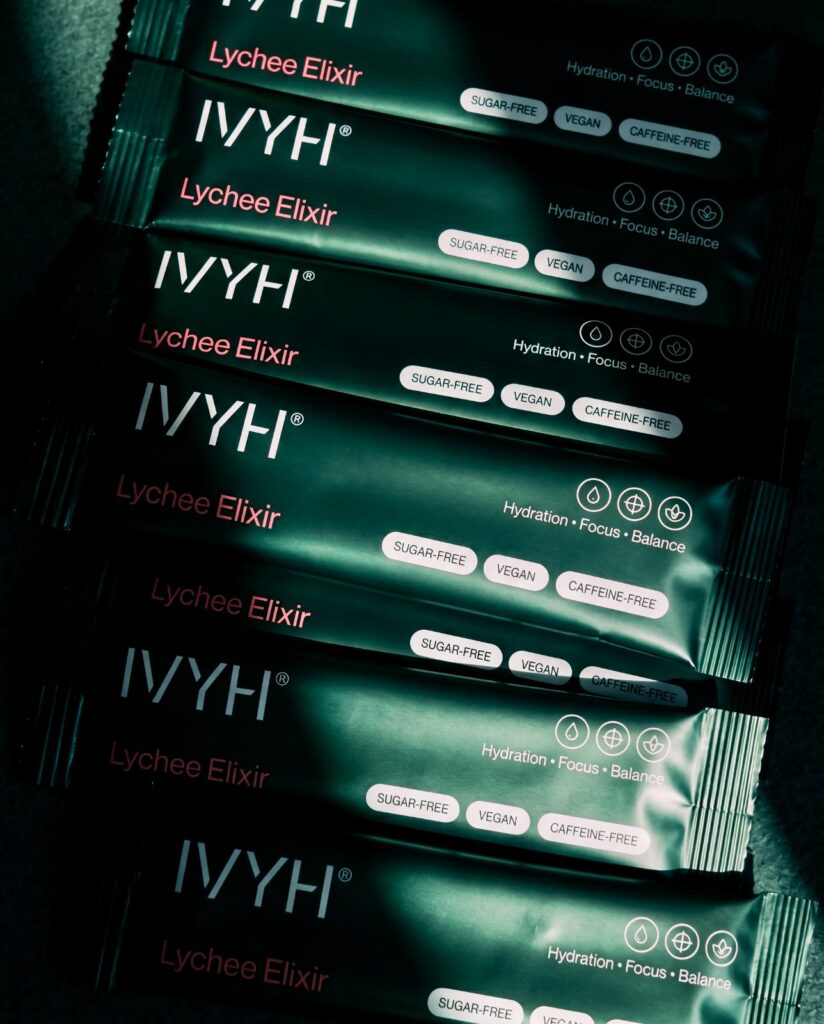
CD: The interest in wellness, longevity and everyday health is growing rapidly. How do you see this shift in people’s priorities, and what do you think consumers are looking for from wellness brands today?
AW: I think we’re seeing a fundamental shift in how people think about their health.
For a long time, health was largely about reacting when something went wrong. Today, more people are becoming interested in what they can do every day to feel better, perform better, and hopefully stay healthier for longer.
And I think that’s a really positive development.
At the same time, the wellness industry has become incredibly noisy. There are endless supplements, trends, routines, and people telling you what you should be doing. It’s almost become difficult to know where to start.
I believe consumers are becoming more selective because of that. They’re looking for brands they can trust, products that make sense, and solutions that fit naturally into their lives.
Coming from a background in technology, I’m also particularly interested in how wellness and tech will evolve together. People already have access to an incredible amount of personal health data through wearables and other devices. But having access to data and actually understanding what to do with it are two very different things.
I think there’s a huge opportunity to bridge that gap.
The next generation of wellness brands will need to offer more than attractive packaging and interesting ingredients. They’ll need to help people make better, more informed decisions about their wellbeing.
And ideally, make the whole experience feel effortless.
CD: You’ve described hydration as just the beginning for IVYH, with ambitions to build something much bigger. Where do you see the brand in five years, and what would you love to have achieved by then?
AW: When we started IVYH, we never set out to build just another hydration brand.
Our ambition has always been to build what we call The Daily Ritual Company, a brand that becomes a natural part of people’s everyday lives through products and experiences that make taking care of yourself simpler and more enjoyable.
And when we started thinking about which ritual to begin with, hydration felt like the most natural place.
It’s one of the first things we do in the morning, and something we return to throughout the day. It’s such a fundamental part of our lives, yet something most of us barely think about.
We loved the idea of taking that simple, everyday moment and turning it into something a little more intentional. Something that combines functionality, quality, and an experience you genuinely look forward to.
So hydration became our starting point. But it’s just the first chapter.
Looking ahead, I want IVYH to become a brand people naturally turn to for different moments throughout their day. Whether that’s how they start their morning, prepare for a demanding day, recover after training, or wind down in the evening.
And we’re thinking beyond physical products.
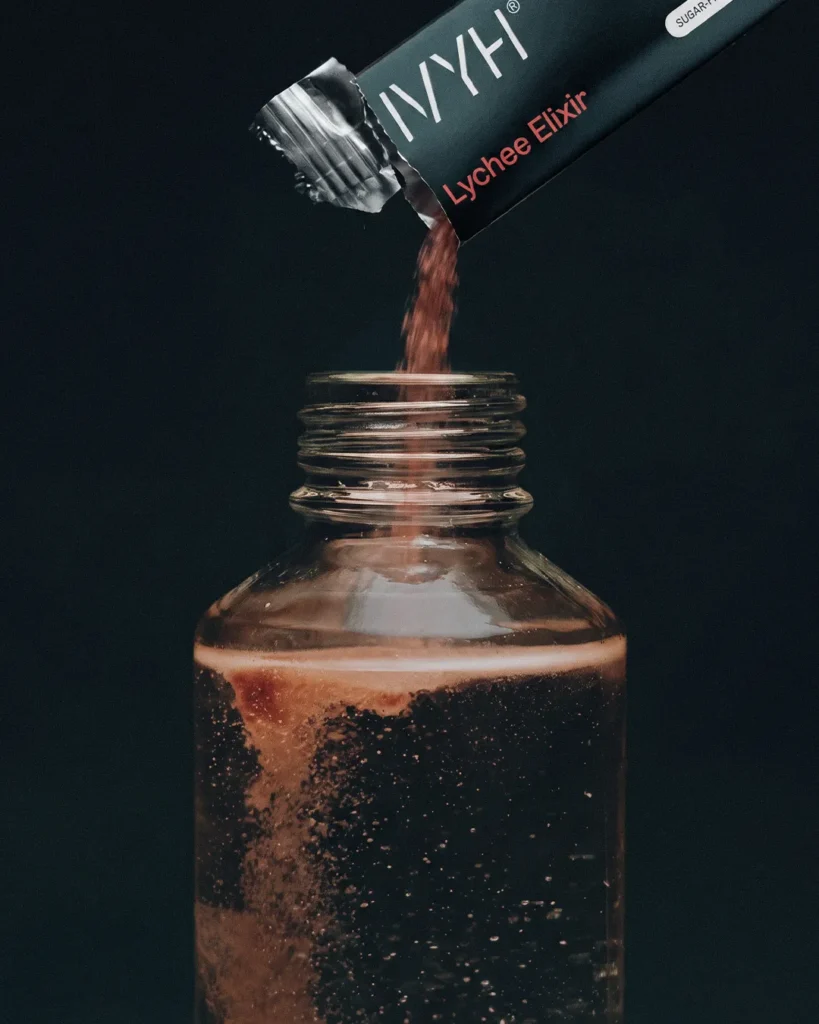
One of the things I’m most excited about is how we can combine our products with technology to make wellbeing more personal. Imagine being able to understand your own health data, explore small changes to your daily routine, and actually see whether those changes are making a difference.
I think there’s something incredibly powerful in helping people discover what works for them, rather than just telling them what they should be doing.
In five years, I’d love for IVYH to have grown into an internationally recognized wellness brand, with a range of products and experiences that people genuinely value and trust.
But more than anything, I want us to have built something that makes a positive difference in people’s everyday lives.