Nifemi Marcus-Bello Traces Material Memory in A Measure of the Moon
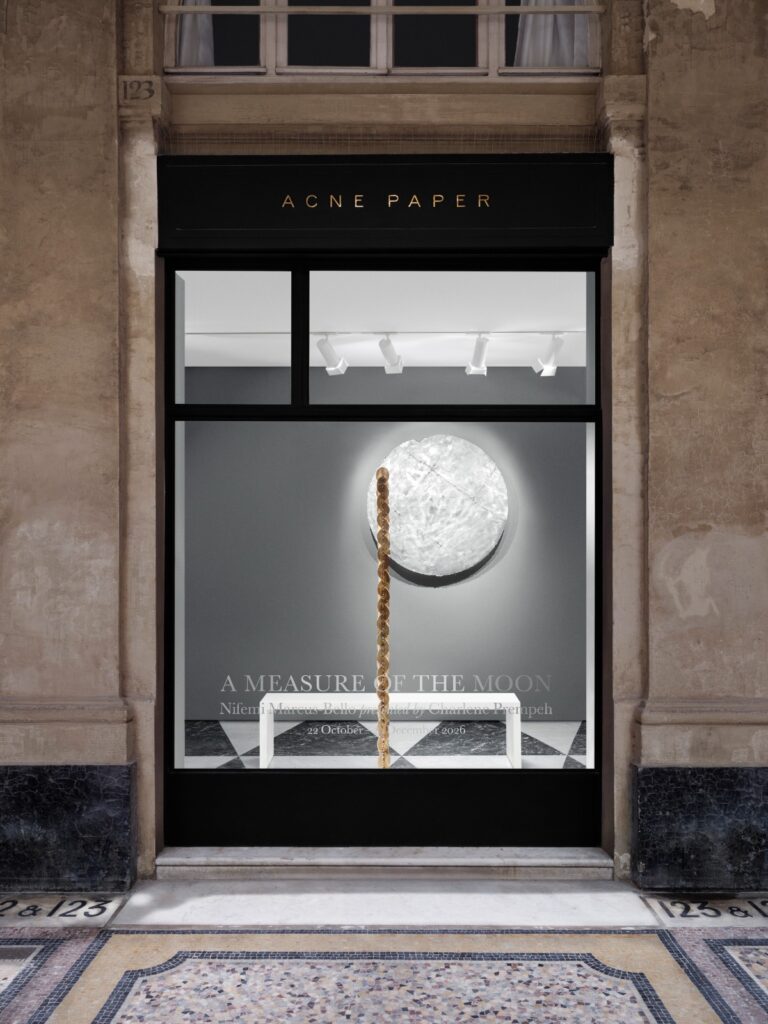
image courtesy Ance Studios
An object’s story begins long before it takes its final shape. In the hands of Lagos-based artist and designer Nifemi Marcus-Bello, metals carry histories of labour, cultural memory and transformation. These connections take centre stage in A Measure of the Moon, presented by Charlene Prempeh at Acne Paper Palais Royal from 22 October to 20 December 2026.
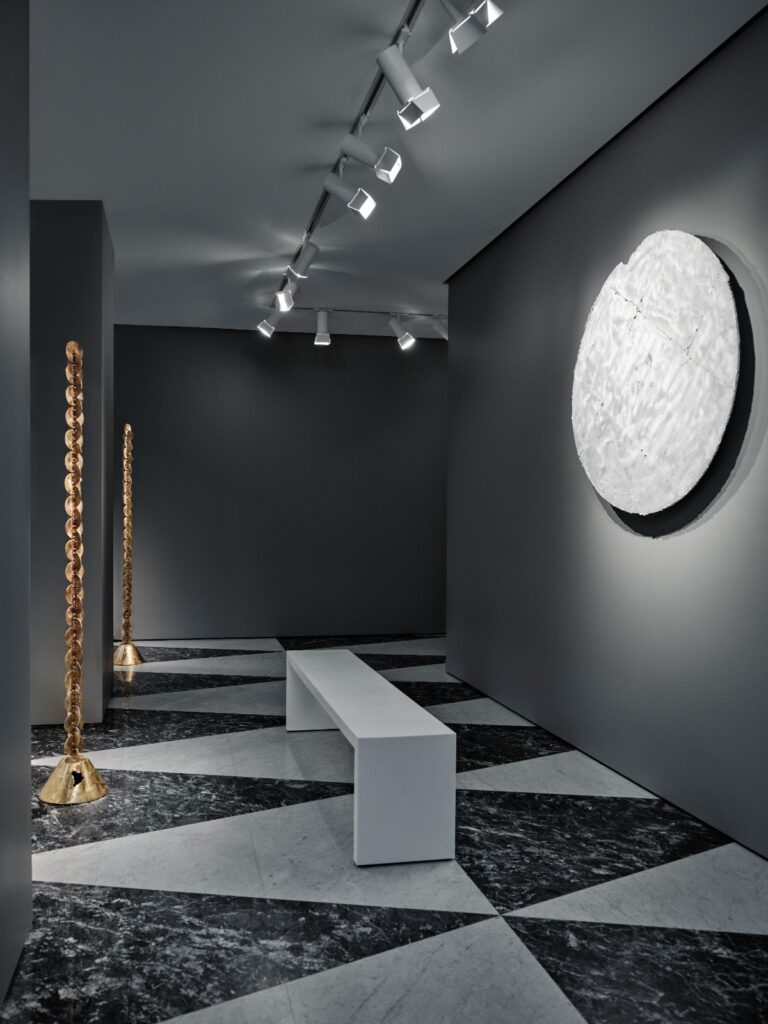
Building on his sculptural series Material Affirmations: Oríkì Acts I–III, the exhibition explores materials familiar within Nigeria and the systems that determine their availability. Running through the presentation is a question about global consumption: how does excess in the global North affect access to materials and the economic possibilities of working with them in the global South?
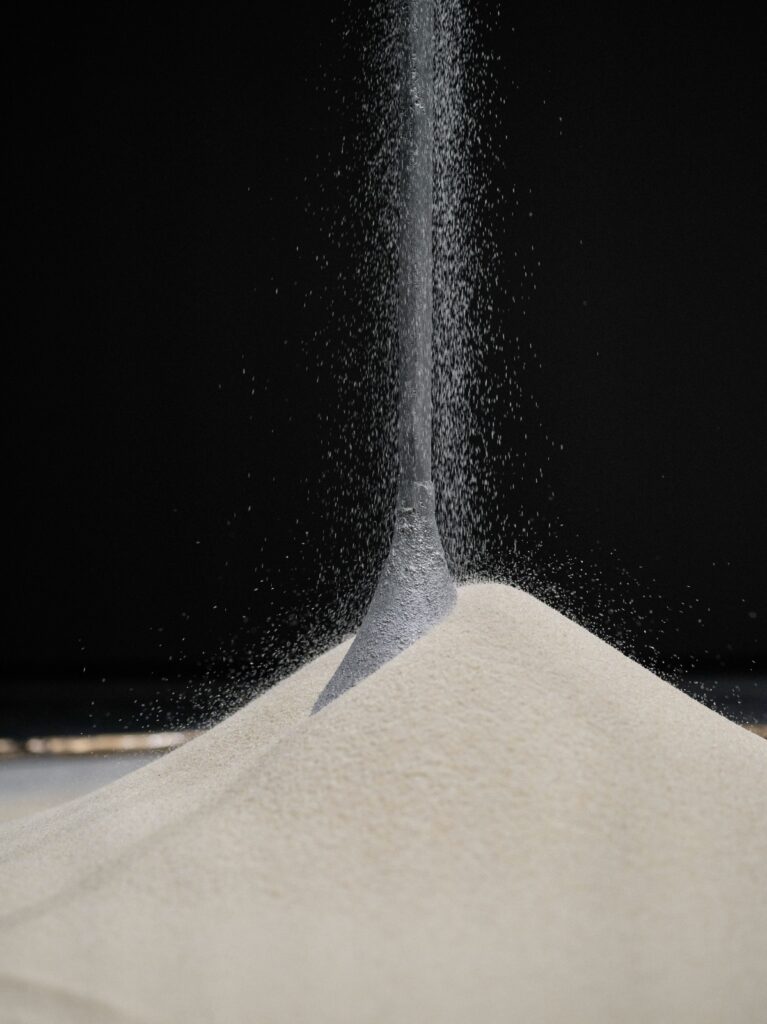
Marcus-Bello approaches these concerns through simple forms. Discs become a means of exploring bronze’s historical and cultural significance in West Africa, while aluminium appears as moon and vessel. Drawing on Tales By Moonlight, the second act of his Oríkì series, these aluminium works reflect a metal continually scavenged, melted and recast through Lagos’ informal foundries. References to sand casting bring Nigerian manufacturing traditions into the conversation, drawing attention to both their potential and the continued extraction of the country’s resources.
Alongside the objects, a soundscape introduces a more personal connection. An oríkì, a Yoruba practice of poetry and affirmation, is performed by Marcus-Bello’s mother, Folake, giving the exhibition a rhythm rooted in voice and cultural inheritance.
The moon provides another way of understanding that rhythm. Across many African societies, its recurring phases helped mark time, connecting agricultural cycles, ceremonies, gatherings and storytelling. Here, it becomes a way to consider renewal: materials can be recovered and redistributed, while craftsmanship can be revived and reinterpreted.
“Objects carry traces of what came before, suggestions of what might come next and an expression of what is happening now, creating a continuous cycle of use, transformation and renewal where time becomes inextricable from material,” says Marcus-Bello.
Moving between sculpture, design and research, A Measure of the Moon asks viewers to look beyond an object’s surface and consider the histories and relationships held within it. Through these cycles of use and transformation, Marcus-Bello explores the possibility of replenishing Nigeria’s material, cultural and ancestral riches.
A Measure of the Moon is on view at Acne Paper Palais Royal from 22 October to 20 December 2026.