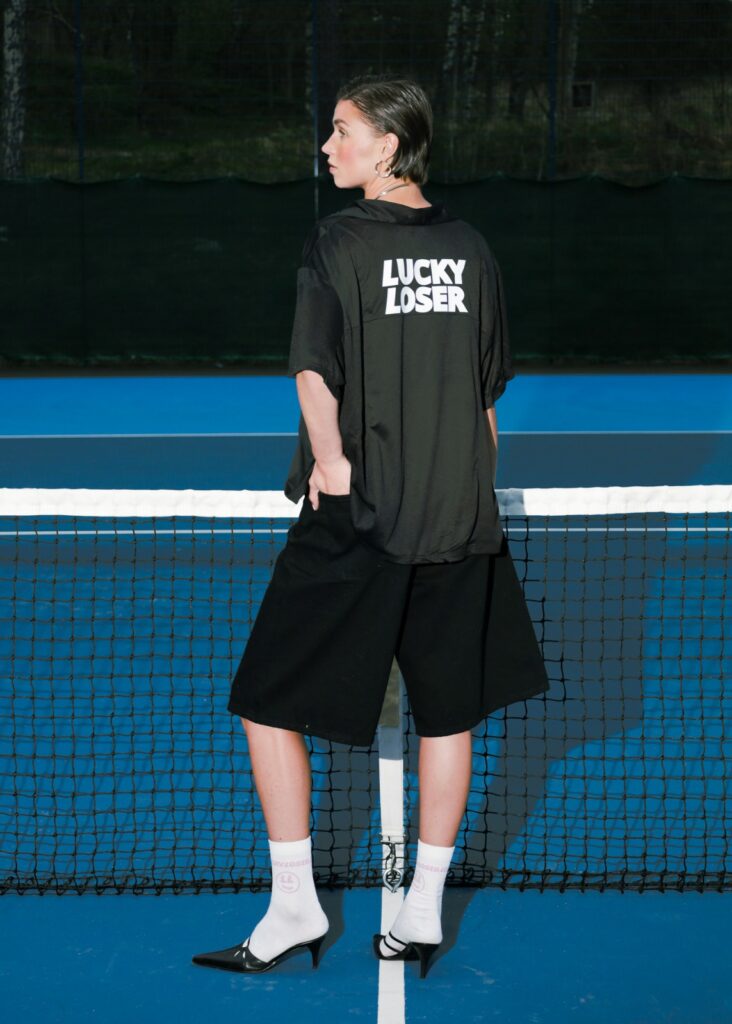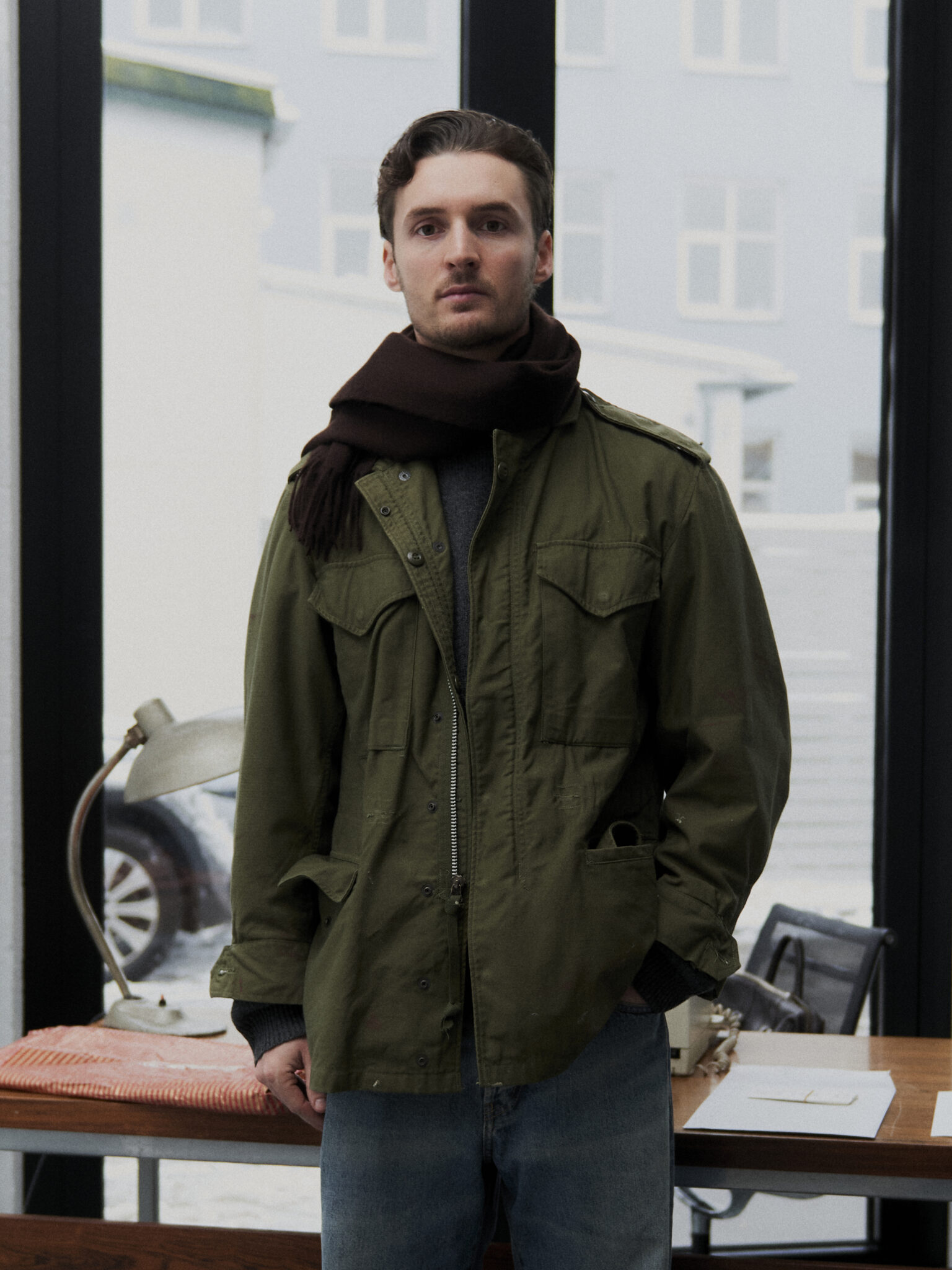
An Interview with Oscar Jardorf: Wessel & Vett Fashion Prize Nominee 2026
Sandra Myhrberg: The new format puts the jury inside your studio for a live working session on April 9th, not just reviewing a finished collection. What are you most nervous or excited about them seeing up close?
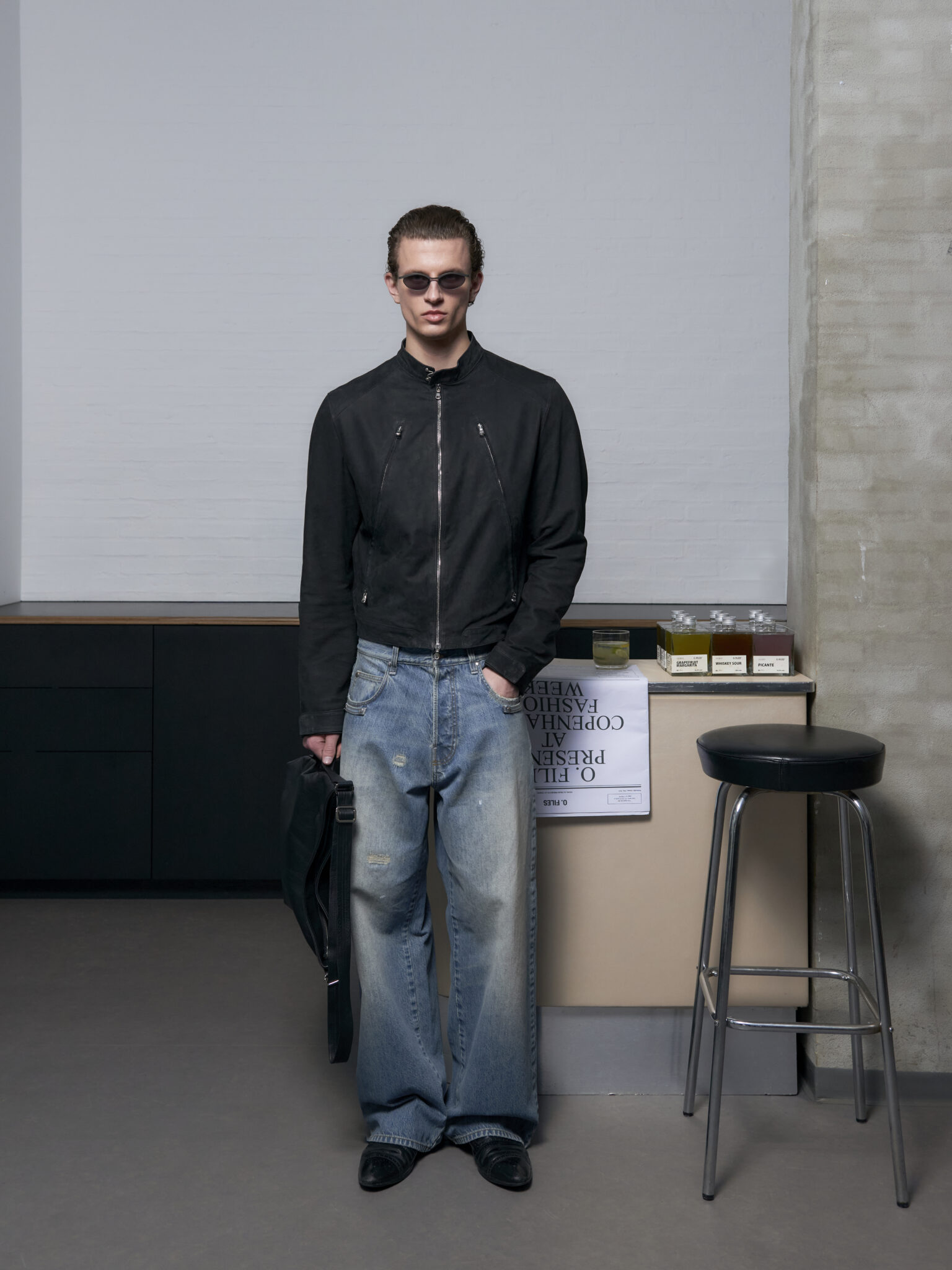
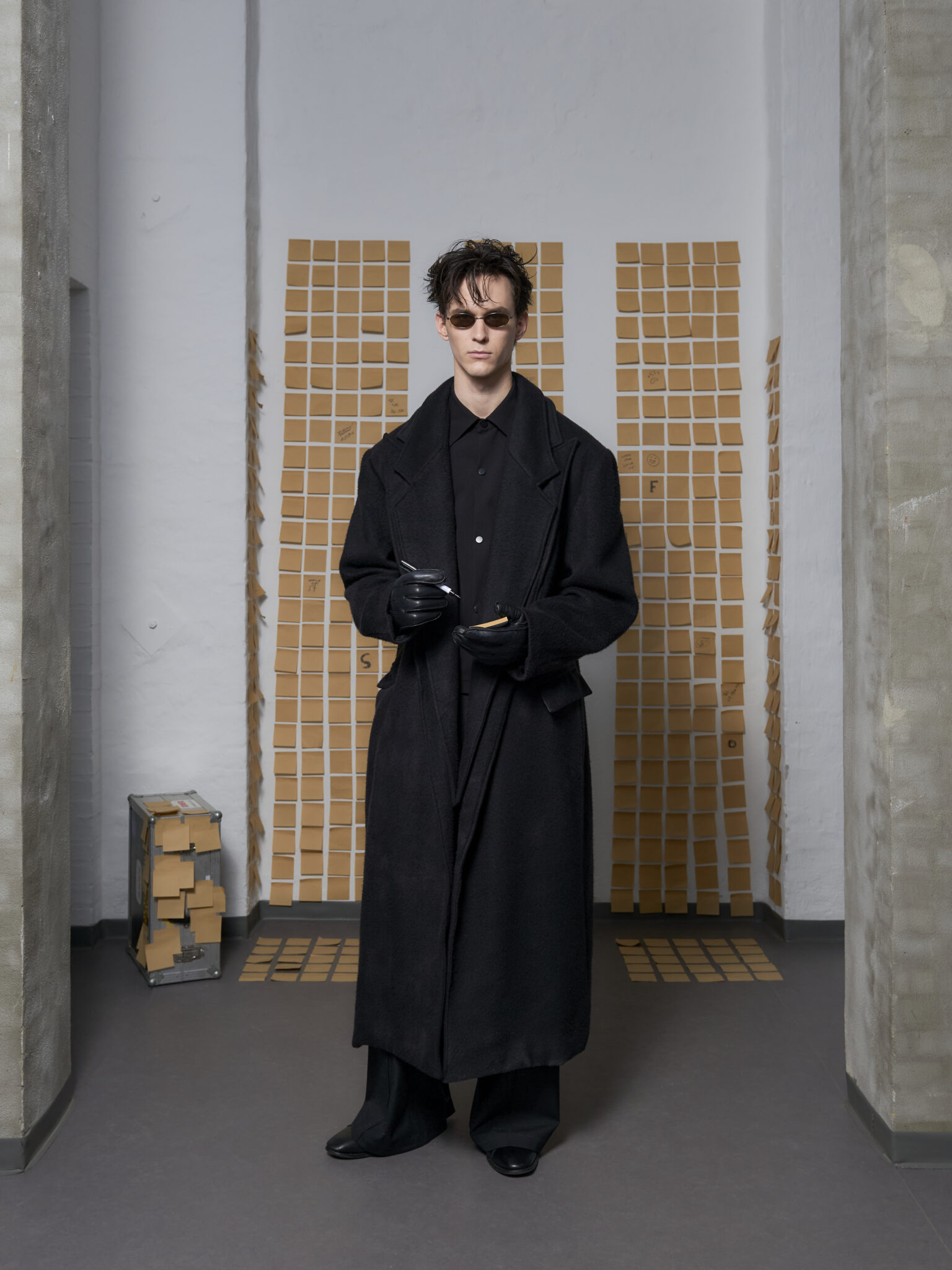
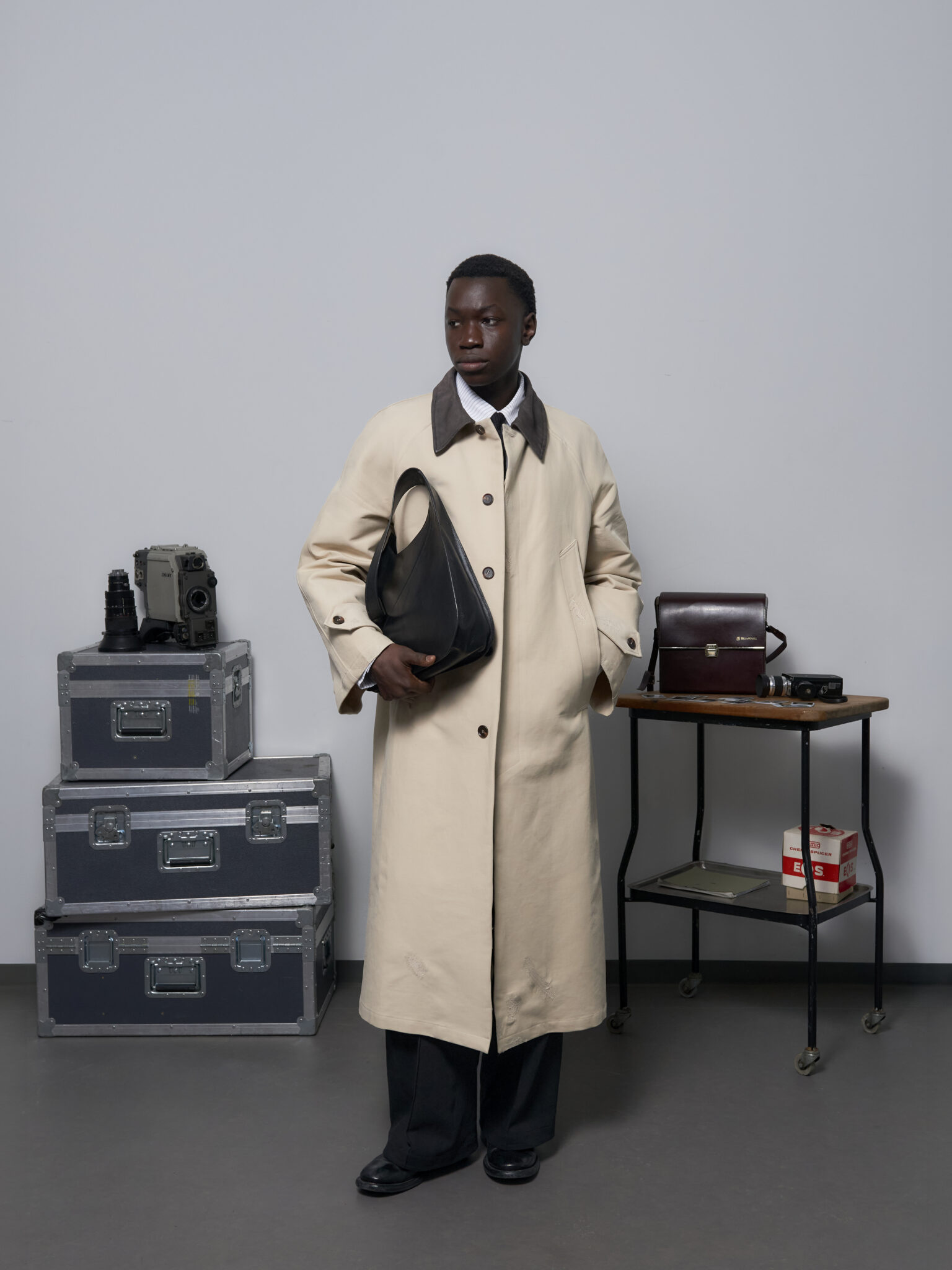
Oscar Jardorf: Compared to showcasing a finished collection, it was both interesting and a great exercise to have to present and convey raw ideas from the midst of an idea-/conceptual phase to an audience with such extensive experience. A lot of ideas normally just float around and rarely materialise in an easily presentable form before a relatively late point in the process; however, we tried to really condense and concretise some of the concepts and tenets behind the upcoming collection for the jury’s careful review.
SM: Each of you balances a strong aesthetic signature with a need to scale commercially. Where do you personally draw the line between staying true to your original vision and building a business that can grow internationally?
OJ: At O. FILES, the vision is principal to everything, and it’s a vital part of our proposition to the consumer. We don’t want to compromise and let the foundation on which the brand was built deteriorate, primarily because said foundation is the thing that sets us apart. In terms of international commercial growth, such an approach may be somewhat troublesome in the fast-paced, complex environment of the fashion industry, yet we genuinely believe it’s the best and most optimal long-term strategy and that the users will ultimately cherish a non-diluted version of the brand. As also emphasized during our meeting with the jury, for guarding the vision, knowing exactly what not to do is a key capacity for us.
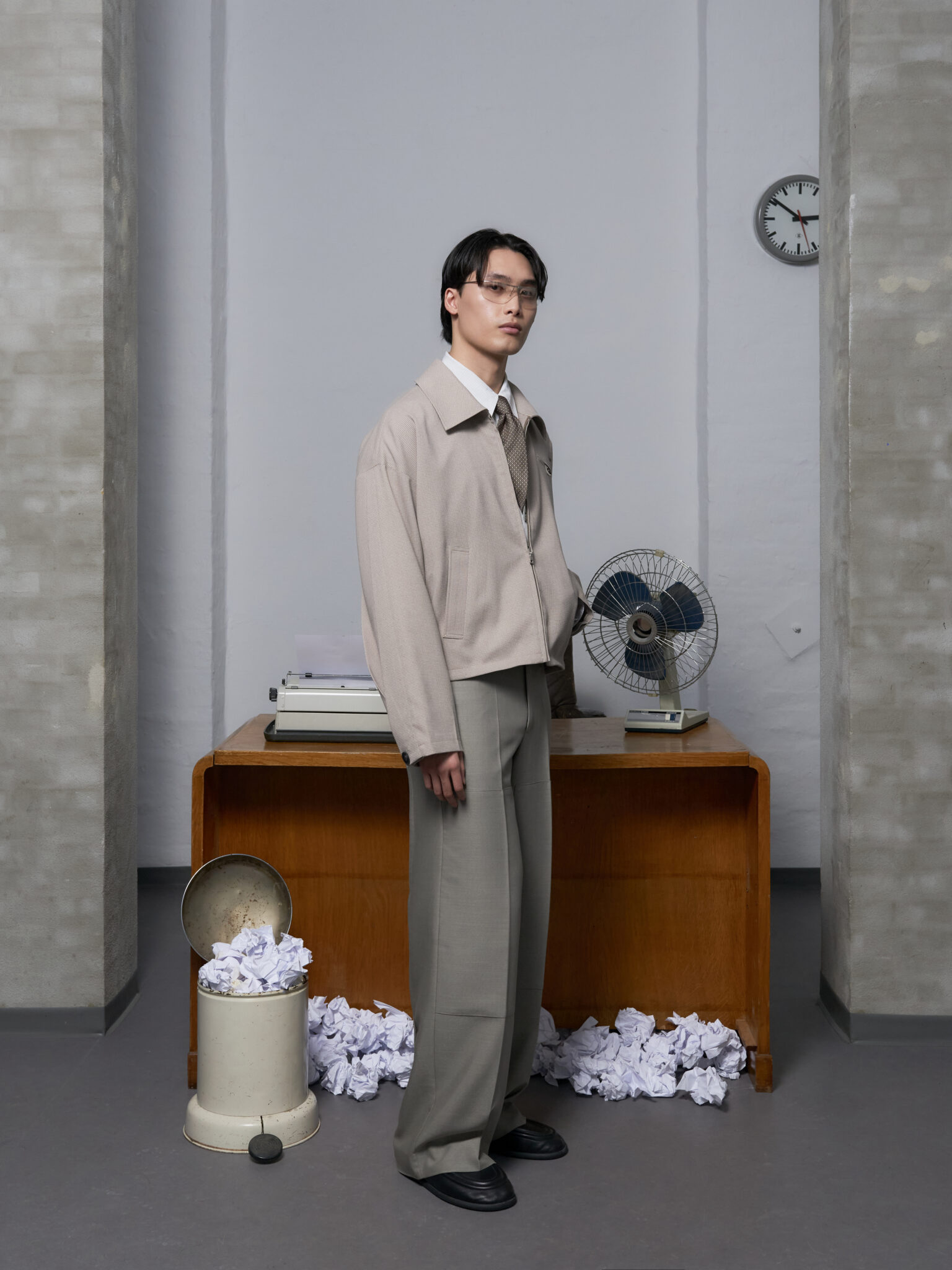
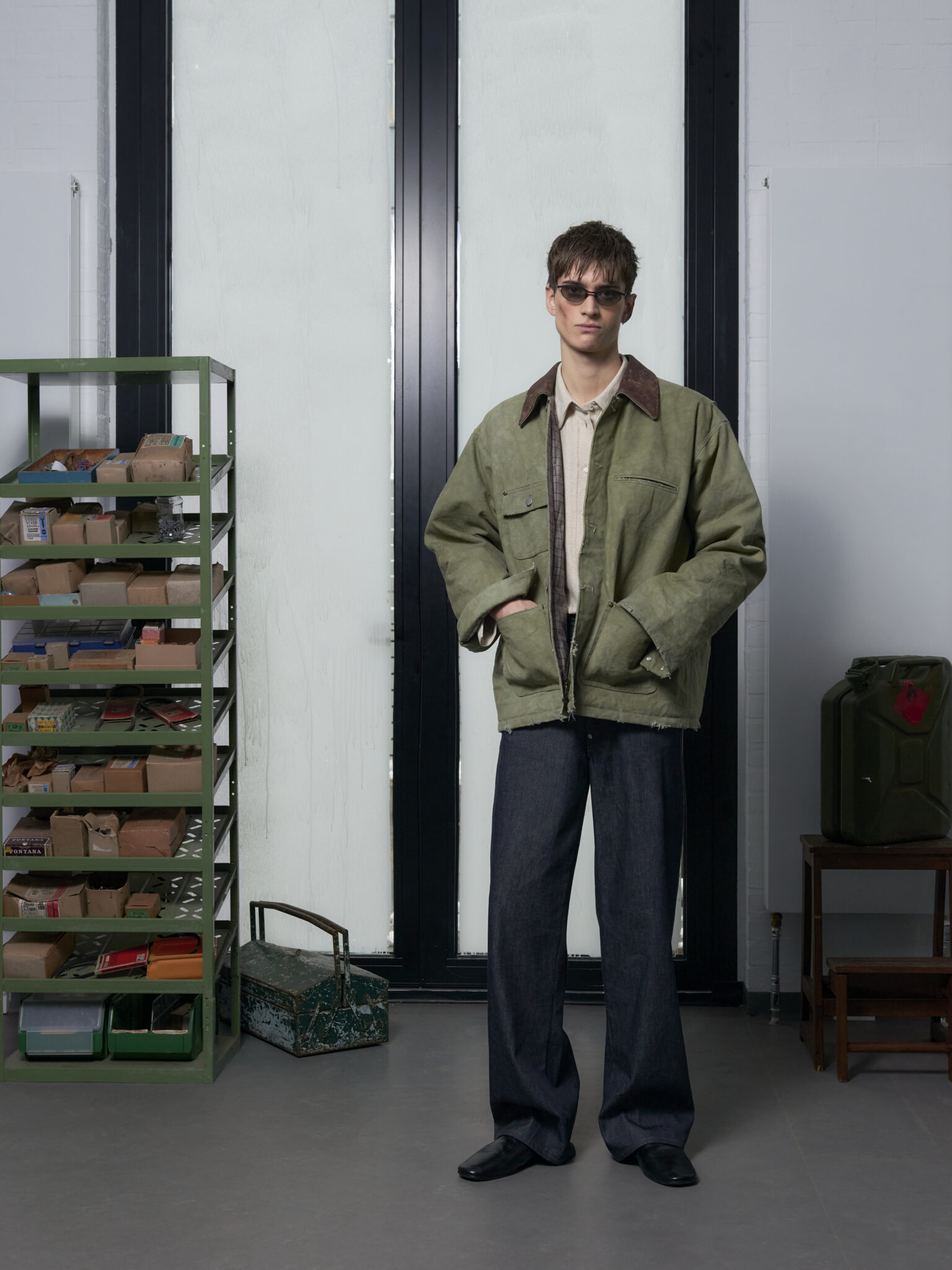
SM: Sustainability and circularity show up differently across your practices, from deadstock and durability to reconstructed vintage, to limited runs, to archival referencing. What do you think about the tension between responsible production and the pressure to keep producing more?
OJ: This is somewhat of a paradox, so there are multiple perspectives needed for answering this question. Up close, we believe and thus create items that are intended to transcend the singular season, things that are distinctively purposeful and generally have a high utility value in the long run. If we simply wanted to scale and sell more at a consistently rapid rate, the character of our designs and fabric choices would be vastly different. As such, our configuration comes with an intrinsic limitation for mindless production. On the other hand, in the bigger picture, we want more people to choose products with a proposition similar to the one described above, whether from O. FILES or from other mindful brands like our co-finalists for the prize. This implies that, consequently, someone has to produce more; it just has to be someone with the right approach.
SM: If you win, the prize includes mentoring in sales, production, PR, and business development. Which of those areas do you most need help with right now, and why?
OJ: To be honest, we would gladly welcome mentoring in each of the areas. We are always open to listening and learning how to further develop the operation from someone with more extensive experience, especially if the respective mentor can integrate the principles of our vision in the mentoring.
SM: A look from your collection will sit in Magasin du Nord’s windows during Copenhagen Fashion Week, tying your work to over a century of Danish retail history. How does that legacy sit alongside the story you’re trying to tell with your own brand?
OJ: The story of Magasin du Nord is one of retail mastery. To us, it’s inspiring from many different facets, ranging from the capacity for sustained cultural relevance to exceptional general business acumen within the retail space. It shows how a strong identity can remain relevant across generations.
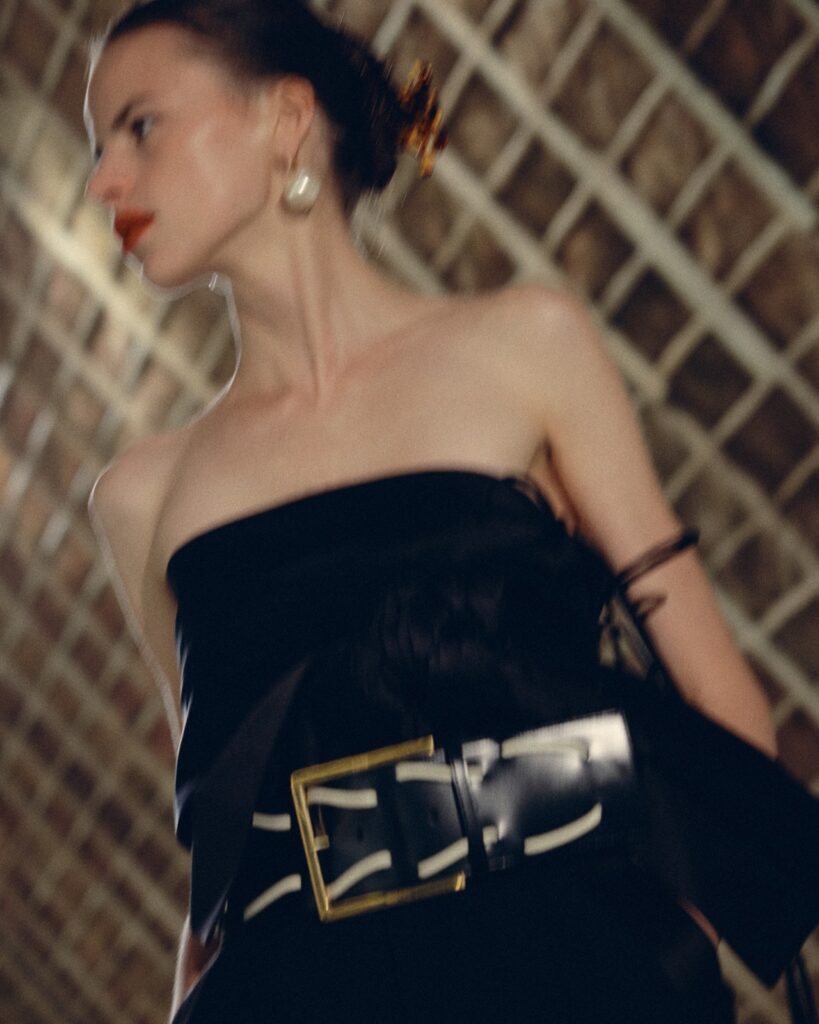
images courtesy O. FILES
photography Paw Lysemose