
SCANDI BRANDS SHAPING THE FUTURE OF WELLBEING
October Edition
By Christine Deckert
A new generation of Scandinavian founders is reshaping the language of wellness – from blue-light protection and women’s health to creatine and functional gummies. For this feature, Odalisque speaks directly with the people behind the brands to explore the ideas, personal motivations and wider shifts in health, design and prevention shaping the next chapter of Nordic wellbeing.
Scandinavian wellness has moved far beyond saunas, supplements and cold plunges. A new generation of founders is building brands around longevity, women’s health, recovery, functional nutrition and preventive care, combining the region’s restrained design language with a distinctly modern approach to wellbeing.
What sets many of these companies apart is not simply the products they create, but the way they frame health itself: less as a quick fix and more as an ongoing practice shaped by science, lifestyle and long term resilience. From biohacking and hormone health to functional beverages and next-generation supplements, the Nordic wellness space is becoming increasingly ambitious, sophisticated and difficult to ignore.
For this feature, I speak directly with the founders behind each brand to explore the ideas, personal motivations and wider shifts in wellness that shaped their companies. The conversations offer a closer look at how a new generation of Scandinavian entrepreneurs is thinking about health, design and the future of wellbeing.
HEVO
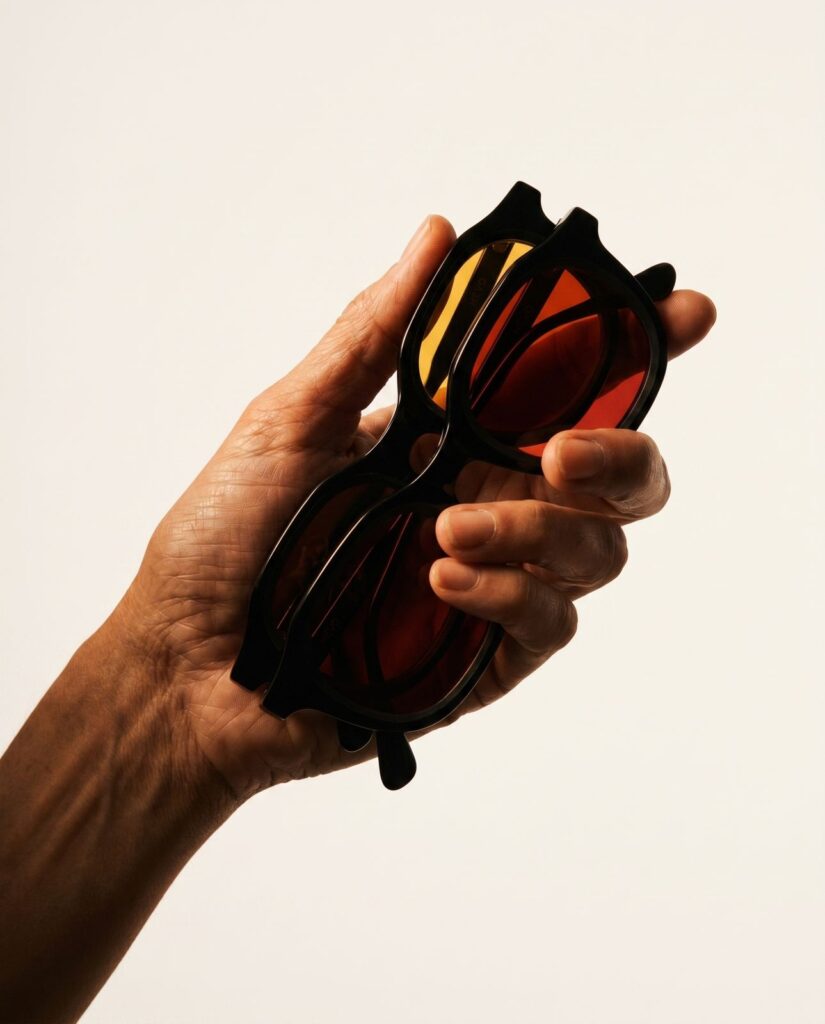
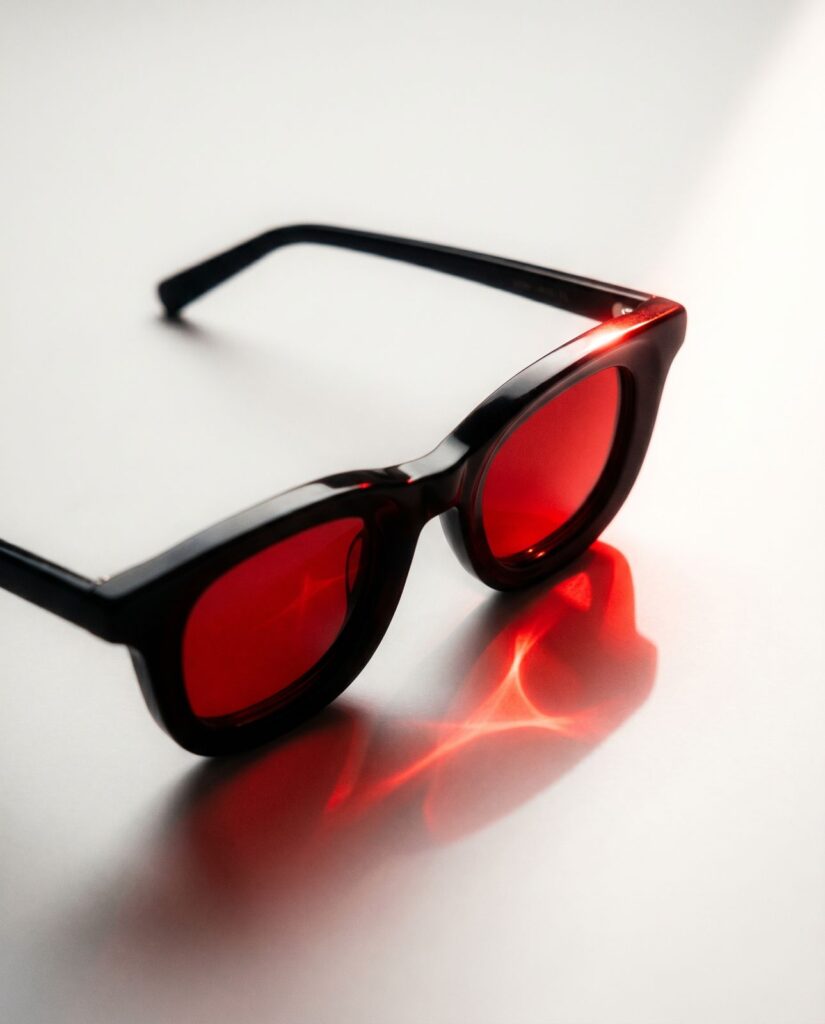
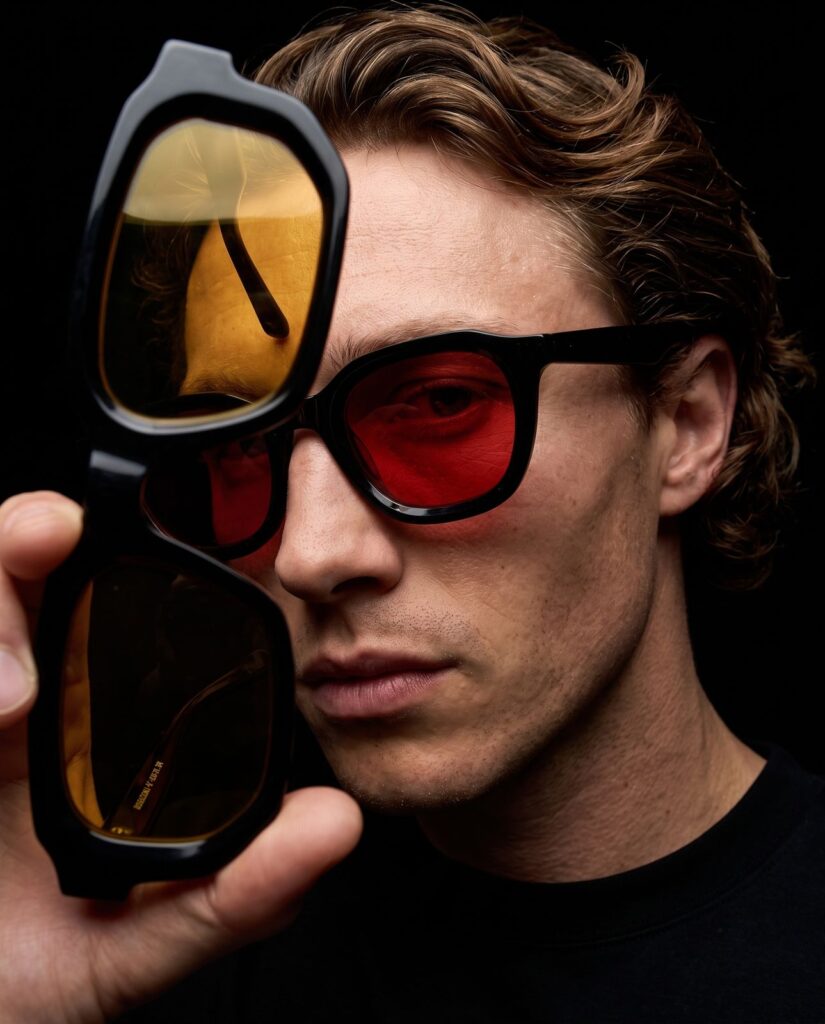
HEVO is a Scandinavian wellness brand exploring how modern life, technology and everyday health increasingly overlap. Built around blue-light eyewear, the brand positions screen exposure not simply as a tech issue, but as part of a broader conversation about sleep, focus and recovery.
With a clean Nordic design language and a distinctly preventive mindset, HEVO reflects a new generation of wellness brands looking beyond supplements and traditional fitness. Instead, the focus is on the small, everyday habits that shape how we feel, work and recover in an increasingly digital world.
Christine Deckert: HEVO sits at the intersection of technology, design and everyday wellbeing. What made you want to build a brand around blue light, and what do you think people still misunderstand about its impact on modern life?
Founder Melvin Wahlin: I’m deeply interested in health in general but light is something that caught my attention in a different way. Food and exercise is just top of the iceberg but once you start understanding light it gets really interesting. My personal philosophy is that we humans are cavemen put in a modern chaotic environment. Bright LED-lights ands screens are literally younger than my grandparents. I believe that this is so foreign for the human body, especially in combination with how little natural sunlight
we get as humans today. However we can’t just say it was better in the past. We have to find ways to live in a modern world but still be connected to our inner cavemen. That’s exactly what my goal with HEVO is. Pure human biology and circadian rhythm packaged in a modern way.
CD: Wellness is increasingly moving beyond supplements and fitness into the way we work, sleep and interact with technology. Where do you see blue light protection fitting into this broader shift towards preventive, everyday health?
MW: As I see it blue light glasses is one of the easiest way to make your health one level better. It’s also a fun way because you can combine it with style. That’s one of the biggest challenges for most health tech companies, to make their product look good and not as a scientific device. I’m well aware of the early stage blue light protection is in right now, especially in the Nordics. I strongly believe, once people realise how simple the switch is, it will gain more popularity. That’s the thing with supplements, it’s easy to consume. Blue light protection requires no effort, no scheduled notification reminder in your phone, or any willpower. The most common thing I hear regarding this is that once people start wearing them at night, they can’t live without them. The challenge for now is to make people more aware of blue light. Everyone knows that blue light isn’t heavily destructive for your health in the way like only sleeping 4 hours a night is. However it will affect you. It will affect your sleep, performance, and you being as sharp as you can be. We also have to remember that our bodies evolved to warm light after sunset.
CD: Scandinavian brands are often associated with simplicity, function and thoughtful design. How has that mindset shaped HEVO, both aesthetically and in the way you think about wellbeing as a category?
MW: HEVO has always been so much more than selling glasses. We leave that to Ray-Ban. The glasses are in fact just the product form we are “forced” to host our technology in. We didn’t create a eyewear brand with red lenses. We created a circadian rhythm brand that uses style to make it look aesthetic and fun. You can find similar glasses with the most simple looking frame but for us it ruins the routine. If you invest in a new routine like HEVO, I strongly believe it must elevate your look and persona. That can only be achieved with great design. Not only to make yourself proud wearing them but also be confident wearing them around people. That is actually one of the main reasons I started HEVO. I could’ve kept using my cheaper ones for similar function, but I wanted more. If you ask me, wellbeing must be fun and effortless. As soon as it feels like a chore, looks dull or doesn’t feel right, you will not keep up with it. No matter how good it is for your health. That’s why supplement gummies has become so popular. Not the most effective way to dose but it’s fun, aesthetic and a different format. To summarise, I want people to feel proud wearing HEVO. It shows you care about both your health and approach.
L’AURA
L’AURA is a Scandinavian women’s health brand built around a more modern, personalised approach to wellbeing. With a focus on the changing needs of women and the gaps that still exist in traditional health and wellness, the brand sits at the intersection of science, prevention and everyday self-care.
Developed with an emphasis on credibility as well as design, L’AURA reflects a broader shift within Nordic wellness: away from one-size-fits-all solutions and towards products created specifically around women’s bodies, lifestyles and long-term health.
Christine Deckert: Women’s health has historically been under-researched and often treated as an afterthought within wellness. What gap did you see that made you want to build L’AURA?
Founder Elin Mendola: L’AURA actually started with me looking at my own supplement routine. I’ve always cared about health and wellbeing, and supplements had been part of that for years. But at one point I realised I was taking around ten capsules every morning. Something that was supposed to support my health had started to feel like a chore.
That made me question the category more broadly. Why did taking supplements have to be so complicated? And why was so much of the conversation about adding more ingredients or taking more products, rather than looking at how nutrients are delivered and what the body can actually absorb and use?
I also felt there was room for a brand that started with women, rather than treating women’s needs as an extension of a more general wellness category.
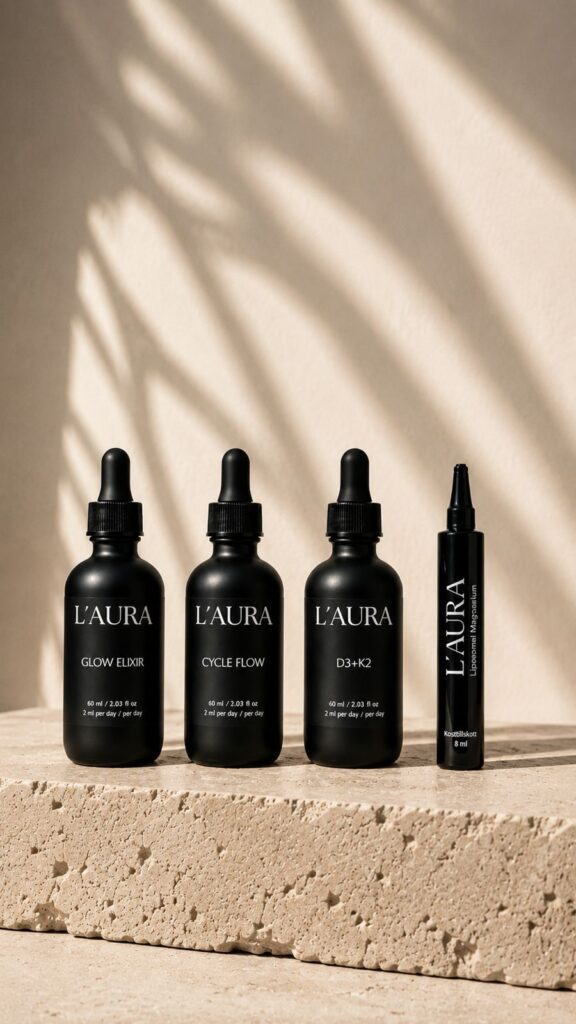
That curiosity eventually led me to liposomal delivery, and that’s really where L’AURA began. I wanted to create something simpler and more intentional, with women at the centre of the thinking. Not more for the sake of more, but better considered formulas in a format that can genuinely fit into everyday life.
CD: There is a growing shift towards more personalised and preventive approaches to women’s health. How do you see L’AURA fitting into that movement, and what do you think women are asking for now that they weren’t five years ago?
EM: I don’t think personalisation necessarily means that everyone needs a completely unique routine. To me, it’s also about giving women enough clarity to understand what they need, what they don’t, and to make choices that make sense for them.
I think women want to understand much more about what they’re taking now. It’s no longer enough to put a long list of ingredients on the front of a pack and expect that to equal a better product. We’re asking what’s actually in it, why it’s there, what form it comes in, how much we’re getting and whether the body can use it.
That’s where I see L’AURA fitting in. I’m not interested in telling women they need ten different products every day. I’d rather create purposeful formulas, be transparent about what goes into them and make them easy to incorporate into real life. For me, better wellness isn’t about doing more. It’s about understanding what actually works for you.
CD: Scandinavian wellness is becoming increasingly ambitious, combining science, design and long-term health. What do you think makes the Nordic approach to women’s wellbeing distinctive, and how has that influenced L’AURA?
EM: I think there’s a simplicity to the Nordic approach that has influenced me a lot. We tend to value things that are functional and well made, but we also care about how they fit into our lives. There doesn’t have to be a choice between something being effective and something being beautifully designed or enjoyable to use.
That balance is very much part of L’AURA. I wanted the science and formulation to be as considered as the experience around the product, which is why I develop our formulas together with specialists in liposomal delivery. But I also wanted the experience of taking them to feel simple and considered.
For me, wellbeing shouldn’t take over your life. The best routines are the ones that become such a natural part of your day that you barely have to think about them. That combination of function, simplicity and intention feels very Scandinavian to me.
MOBY
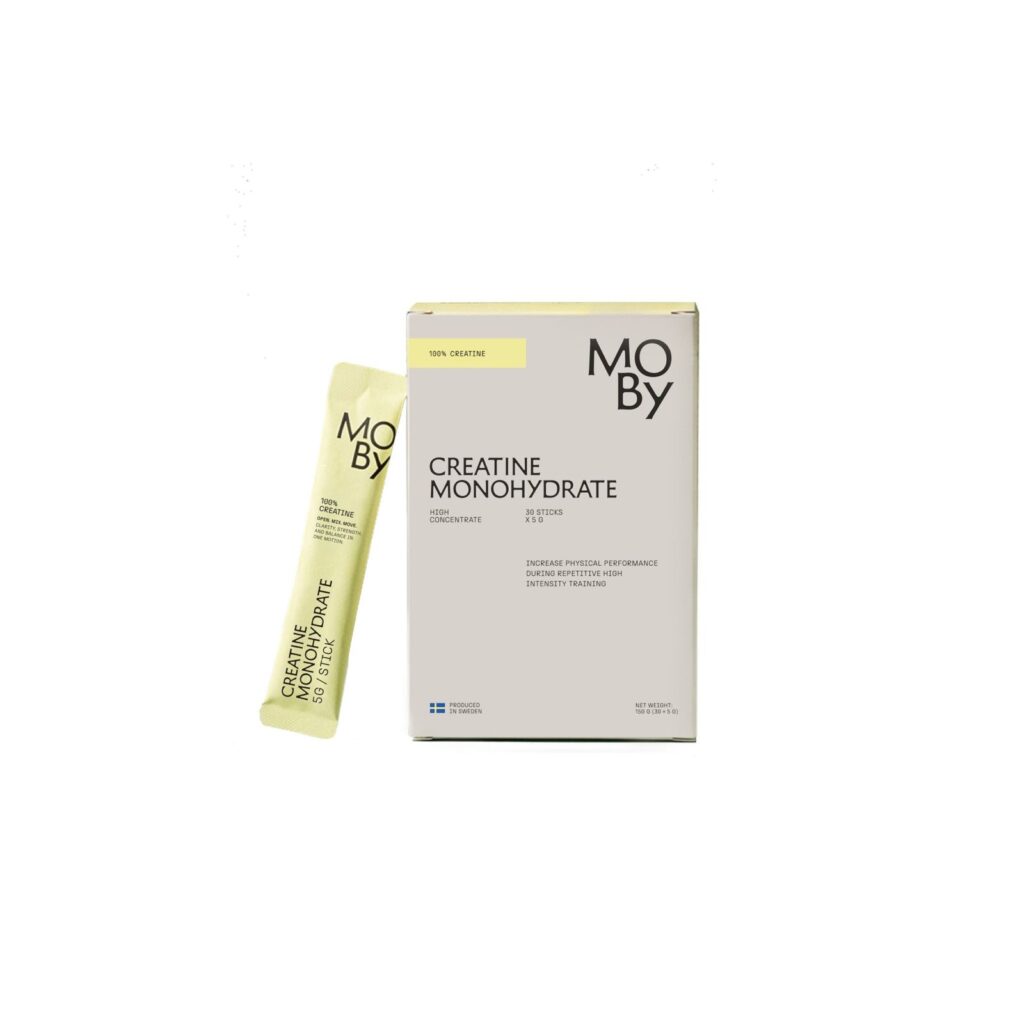
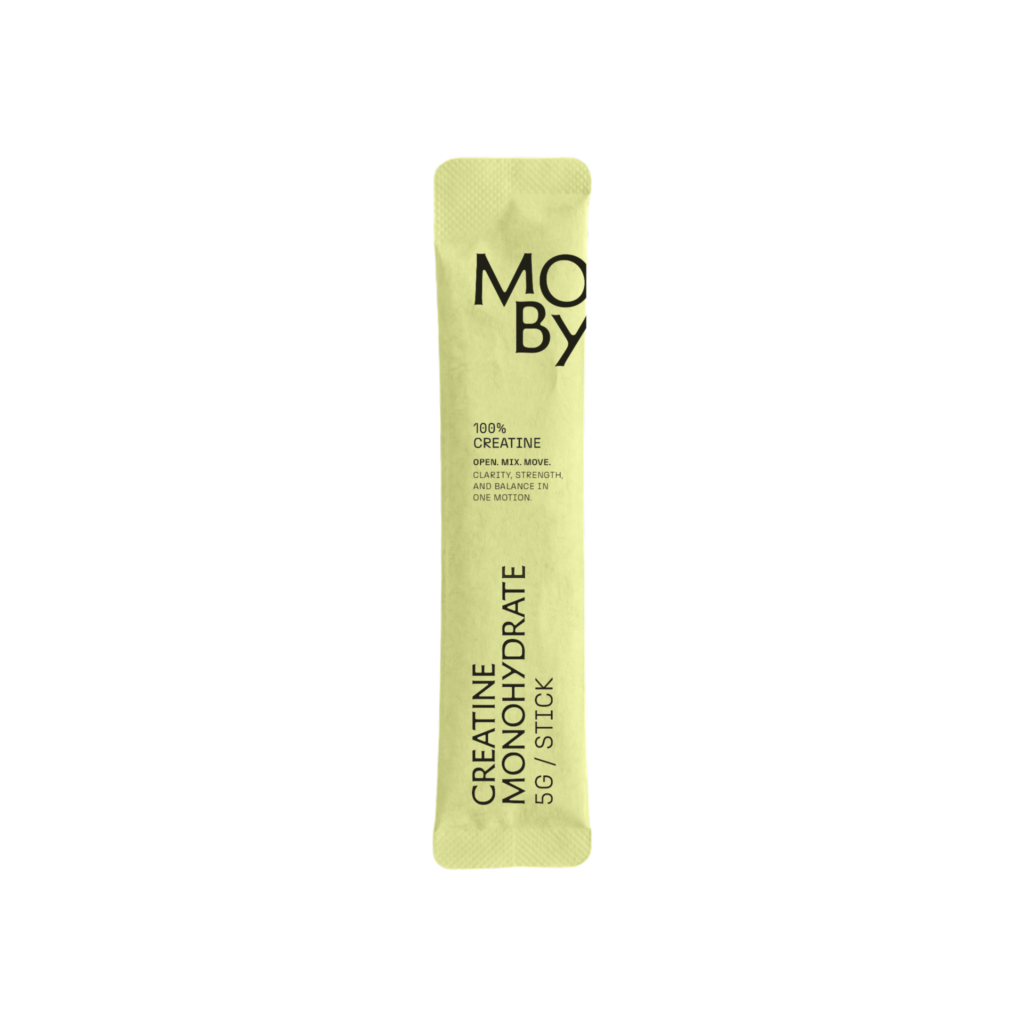
MOBY is a Scandinavian wellness brand bringing creatine into a more contemporary, female focused context. By reframing a supplement long associated with gym culture, the brand explores how creatine can fit into broader conversations around strength, recovery, energy and long-term health.
With a clean, modern identity and a more inclusive approach to performance, MOBY reflects the shift towards wellness products that feel relevant beyond the traditional sports nutrition space.
Christine Deckert: Creatine is often surrounded by misconceptions, particularly among women, including concerns about weight gain or feeling “bulky.” What are the most common myths you encounter, and how do you address them?
Co-Founder Clara Pesch: All myths and misconceptions start with a lack of knowledge. So let’s start with what creatine actually is. Most people don’t even know that our bodies naturally produce it.
Our cells need energy constantly, whether we’re walking, thinking, or moving a muscle. Creatine is part of the system that helps keep that energy readily available. Think of it as a small energy reserve, like a battery.
So if our bodies already make creatine, why take more? Because we can only store a certain amount. Supplementing helps fill that reserve, so more is available when our cells need it.
And now, onto the misconceptions. One of the biggest among women is that creatine will make you “bulky.” There is a small truth behind where that idea comes from: creatine can support strength and increase lean muscle mass, particularly alongside resistance training. It can also increase water stored in the muscle. But that doesn’t mean suddenly becoming bulky.
The bigger issue is that creatine has been culturally stuck in the gym for so long. For years, we’ve seen it marketed through bodybuilding, heavy lifting and male performance. So when women hear “creatine,” that’s often the image they see.
For us, it’s about changing that conversation. Creatine isn’t a “gym supplement.” It’s a naturally occurring part of our energy system, and we believe it has a place in everyday life too.
CD: You have deliberately chosen women as your primary target audience. Why was that important to you, and what do you think has been missing from the traditional creatine conversation?
CP: We chose women because we realised that an entire half of the population had largely been left out of the creatine conversation. Creatine is one of the most extensively researched supplements in the world, yet so much of that conversation has been built around men, muscle and strength.
And that’s the thing: creatine has never been a “male” supplement. The science has never said that. The category became gendered through the way it was marketed and communicated.
Creatine has also been framed very narrowly around muscle and physical performance, when its role in the body is much broader. It is part of our cellular energy system, including in the brain, and research is increasingly exploring its relevance to women’s health. We also know that women have different creatine physiology, including generally lower endogenous creatine stores, and that hormonal changes can influence creatine metabolism.
So for us, the opportunity is quite simple: it’s time to change the conversation. We want to make creatine feel relevant to women, not by creating a “female version” of creatine, but by finally inviting women into the conversation.
CD: Wellness is increasingly moving away from quick fixes towards long-term performance, recovery and healthy ageing. Where do you see creatine fitting into that broader shift, and how do you think consumer attitudes will change over the next few years?
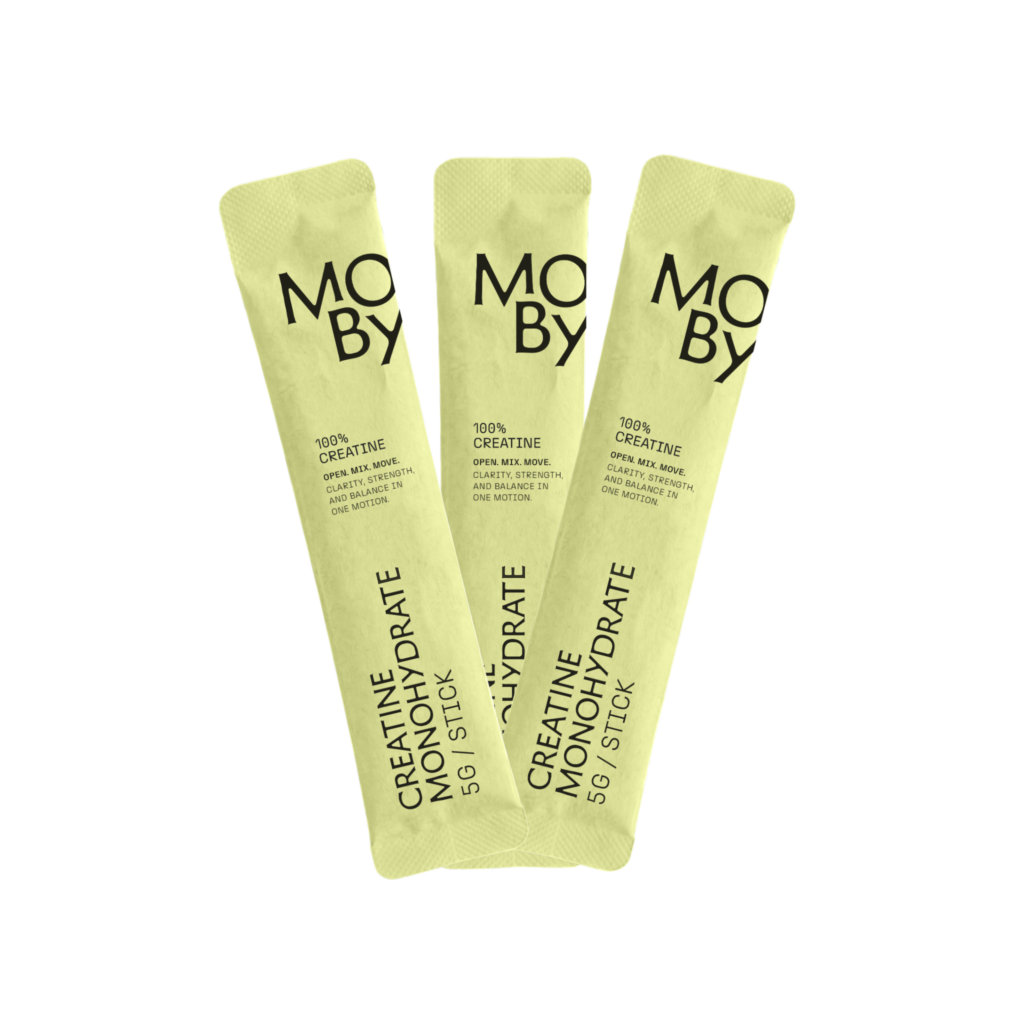
CP: I think creatine fits very naturally into the shift from quick fixes towards long-term health and performance. It’s not something you take once and suddenly feel a difference. It works through consistency, which is why we actively talk to our consumers about habit stacking.
Today, there are so many things we’re told we should do to optimise ourselves: vitamins, protein, electrolytes, supplements, cold plunges, you name it. We don’t need another thing to think about. We need habits that can actually become part of everyday life.
That’s where I think creatine has a really interesting role to play. It’s not a caffeine-like buzz that gets you through the afternoon and leaves you crashing later. It’s about supporting something your body already uses every day.
In the same way that eating well only works when you do it consistently, creatine works through daily use. And that makes it very easy to attach to a habit you already have: your morning coffee, your smoothie, or the glass of water you take your vitamins with.
I think that’s where consumer attitudes are heading: away from chasing the next quick fix, and towards building simple, evidence-based habits that support us over time.
CD: As a relatively new brand, what has been the biggest lesson in building Drink MOBY so far, and what has surprised you most about the journey from idea to market?
CP: None of us had previously worked with products in the health and wellness space, even though we’ve all always been interested in health and wellbeing. So one of the biggest lessons has been learning how much work goes into finding the right audience, understanding what resonates and figuring out how to communicate something as scientifically complex as creatine in a way that feels relevant and approachable.
The startup journey itself has also been a learning curve. We’ve probably called each other a hundred times saying, “Wait, let’s take three steps back.” We’re constantly testing, questioning and refining what we’re doing.
But what has surprised and inspired us most is the community we’ve found along the way. When we bring people together around creatine, we see women of completely different ages and backgrounds becoming genuinely curious, asking questions and wanting to learn more. Some may arrive still thinking creatine is something that will make them bulky, but instead of just dismissing it, they engage, challenge what they thought they knew and start the conversation.
CÁENE
Cáene is a Scandinavian wellness brand rethinking the traditional supplement routine through a more approachable, design-led format. Built around functional gummies, the brand combines everyday wellbeing with a format that feels simple, modern and easy to integrate into daily life.
At a time when the supplement category is becoming increasingly crowded, Cáene represents a broader shift towards wellness products that need to deliver both credibility and desirability. The brand’s approach reflects a distinctly Scandinavian balance of function, simplicity and thoughtful design.
Christine Deckert: What made you choose gummies as the format for Cáene, and what do you think this says about how consumers want to approach supplements and everyday wellness today?
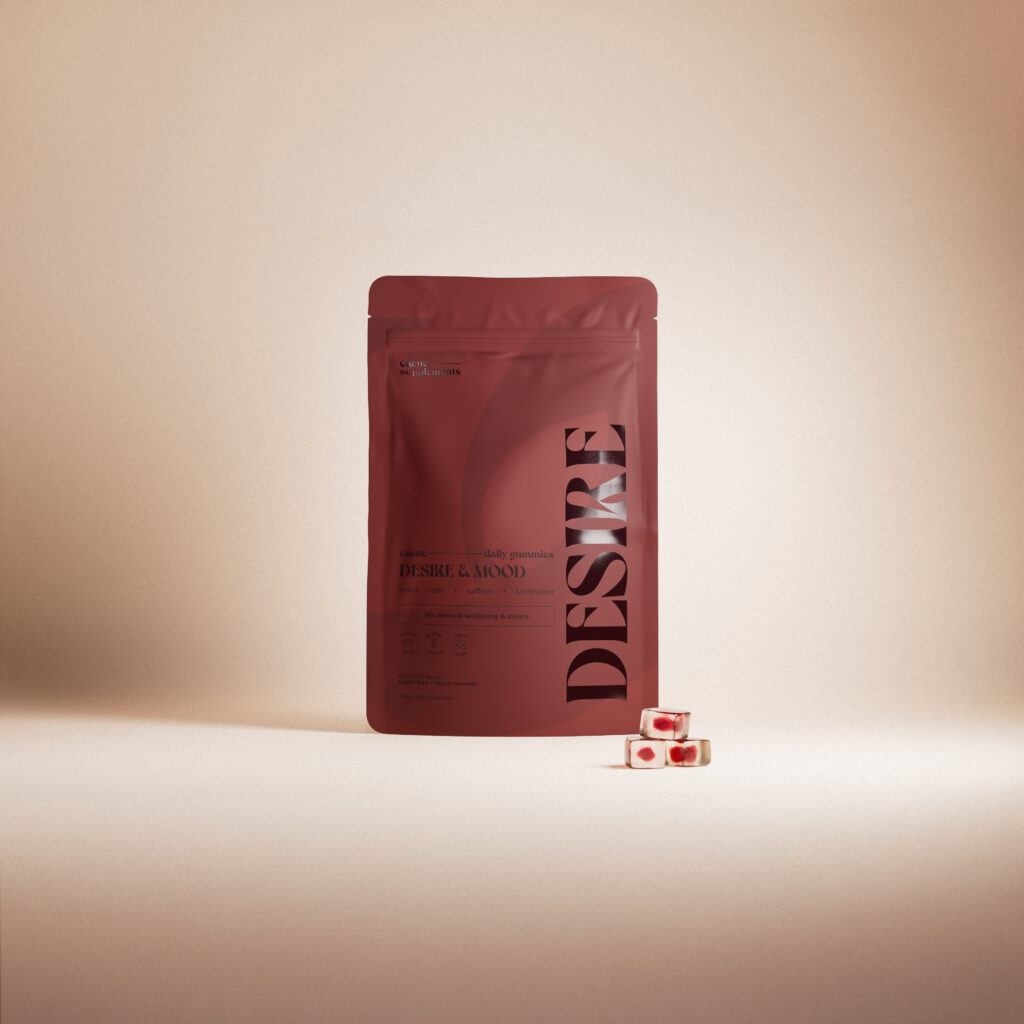
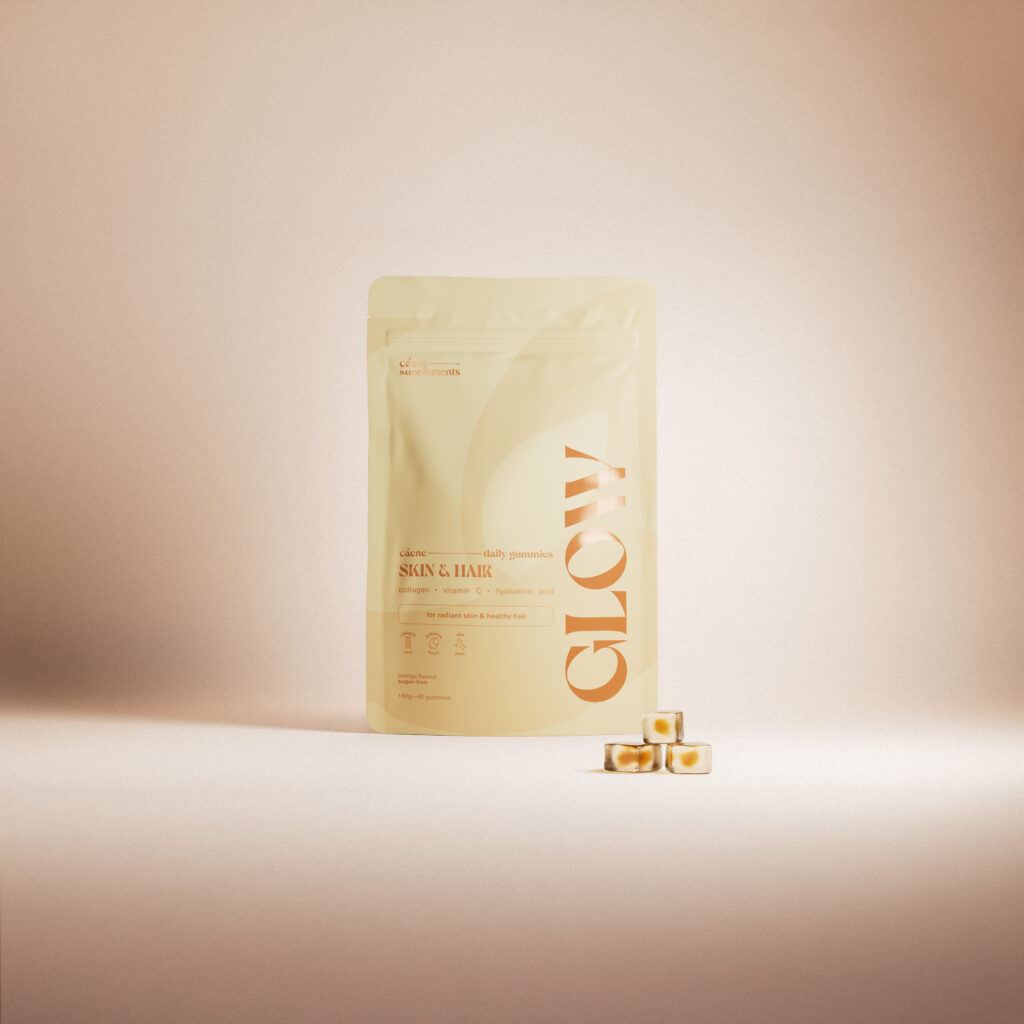
Co-Founder Paulina Lundström: We chose gummies because we believe the experience of taking a supplement deserves care and attention, alongside the formulation itself. Beauty has long recognised the importance of texture, packaging and the pleasure of using a product. We wanted to bring that same thinking to supplements.
Gummies offered a convenient format, without the need for water or swallowing a tablet, with flavour and texture as part of the appeal. Our launch range is sugar-free, gelatin-free and gluten-free, with three of the five products also being vegan-friendly.
We see a desire for wellness to fit more naturally into everyday life. People already have enough routines they feel they should follow. We wanted to create something they could look forward to. That is the idea behind cáene: supplements you actually enjoy.
CD: The supplement category is becoming increasingly crowded. How do you make sure Cáene feels both credible and desirable, without losing the simplicity and accessibility that makes the gummy format appealing?
PL: We start with a specific need and build each formula around it, drawing on vitamins, minerals, botanicals and other active ingredients, with careful attention to the role and dosage of each. The products are designed to be combined within the collection at their recommended daily doses, so people can build a routine around their needs. Our products are tested by independent third-party lab Eurofins.
Flavour, texture and packaging are part of the development process from the beginning. We want the products to be enjoyable to take, with packaging you want to keep next to your skincare.
Building trust also means being clear about what each product contains, how to take it and what someone can reasonably expect. People should have the information they need to make an informed choice, without having to become experts in supplements.
CD: Scandinavian wellness is often associated with clean design, functionality and a more considered approach to health. How has that mindset influenced the way you have built Cáene, both as a product and as a brand?
PL: For us, the Scandinavian influence starts with function. Each product has a clear purpose, and we have organised the collection into three series – beauty, health and sensual wellbeing – to make it easy to navigate. That clarity is part of the design.
We both come from fashion, which has shaped our approach to colour, imagery and styling. We bring an editorial eye to cáene and wanted the brand to feel expressive and sensual. To us, Scandinavian simplicity leaves room for personality.
Our three series also reflect what we believe belongs in everyday wellness. We launched Intimate and Desire alongside Glow, Summer and Debloat, giving intimate and sexual wellbeing a place in the collection from the beginning. We believe these areas deserve the same openness and consideration as skincare.