An Interview with Anna Myntekær and Yoko Maja Rahbek: Wessel & Vett Fashion Prize Nominees 2026
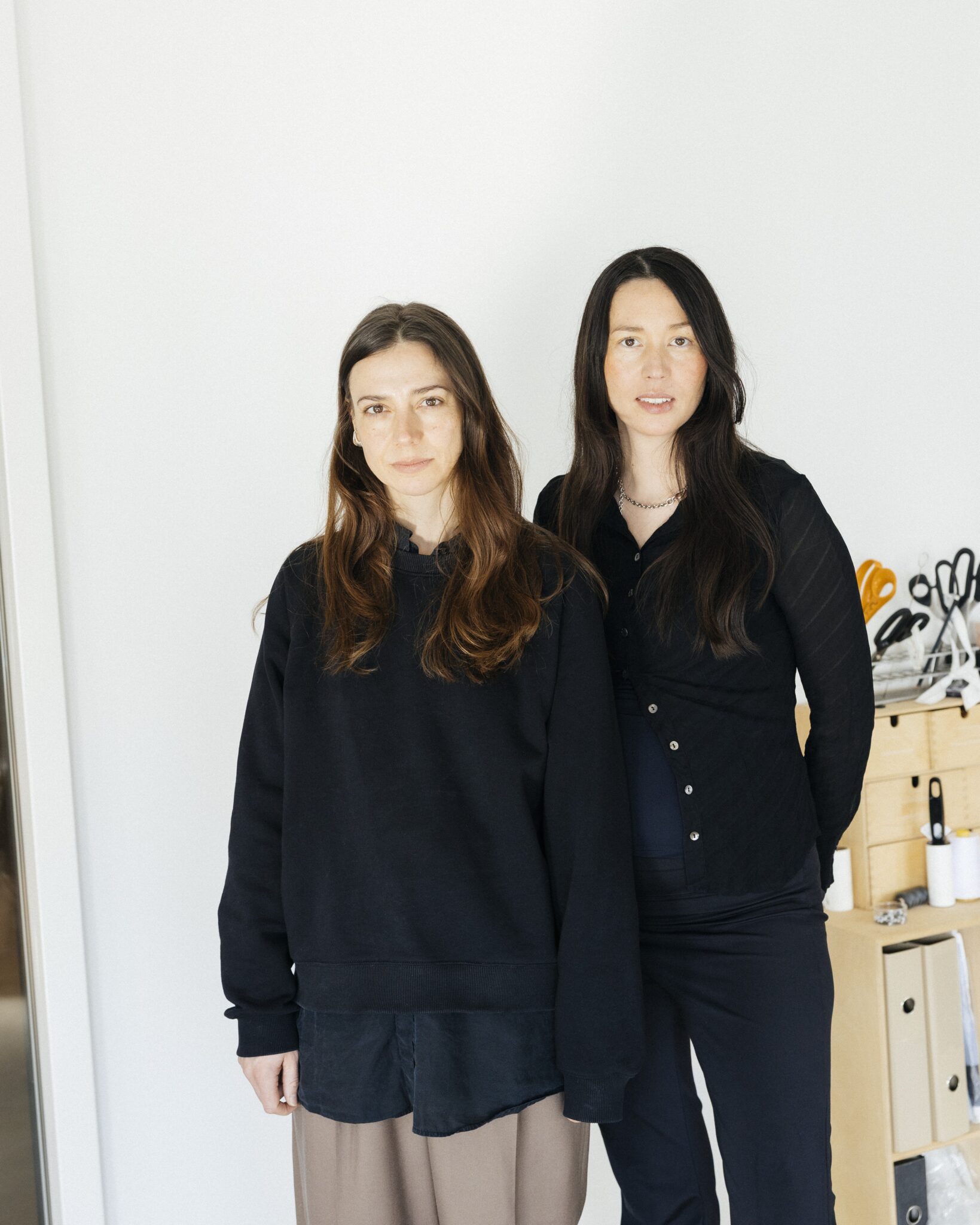
BONNETJE stood among the nominees for the Wessel & Vett Fashion Prize 2026. For the first time, the winner was announced at Copenhagen Fashion Week SS27, underscoring the Prize’s support for emerging Danish designers and their international recognition. To honour Magasin du Nord’s legacy, the jury observed the label’s creative process during a live studio session in April. Anna Myntekær and Yoko Maja Rahbek shared their ideas about the new circular fashion movement with us.
Sandra Myhrberg: The new format puts the jury inside your studio for a live working session on April 9th, not just reviewing a finished collection. What are you most nervous or excited about them seeing up close?
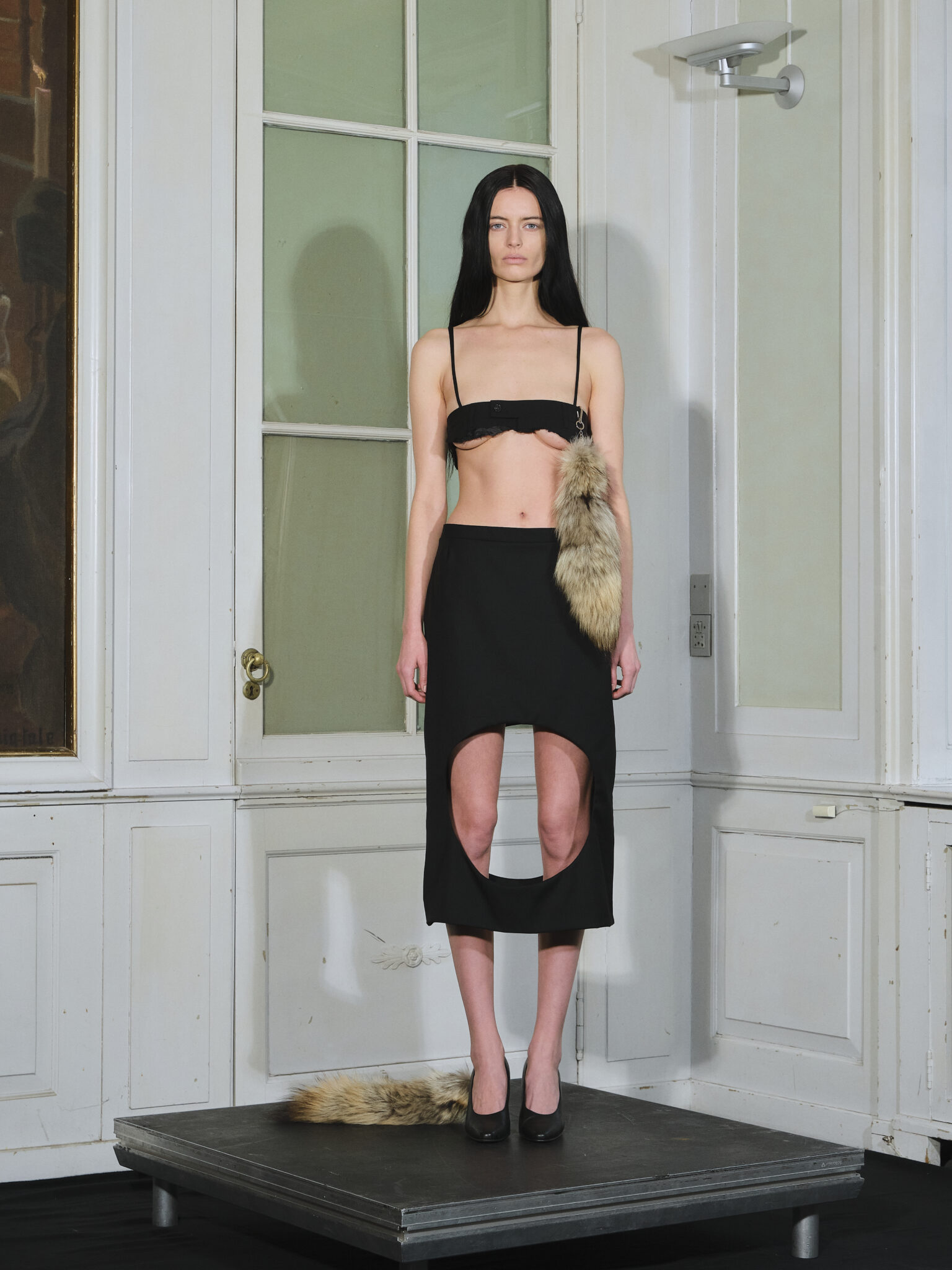
Anna Myntekær and Yoko Maja Rahbek: We were actually most excited that the jury got to experience the process rather than only seeing the finished outcome. Bonnetje has always been built around making, experimenting, and responding to what already exists, so the studio is where our creative work really takes shape. It’s not a linear process — it involves countless fittings, conversations, unexpected decisions and constant refinement. What made us most nervous wasn’t the creative work itself — we have a lot of confidence in that. It was whether our way of working could be seen as something that can scale, be produced and succeed commercially without losing what makes Bonnetje, Bonnetje. When you work with reconstructed garments and an unconventional production model, questions around scalability, production, and sales naturally arise. That was the part we were most excited to discuss and to show that we’ve been thinking carefully about.
SM: Each of you balances a strong aesthetic signature with a need to scale commercially. Where do you personally draw the line between staying true to your original vision and building a business that can grow internationally?
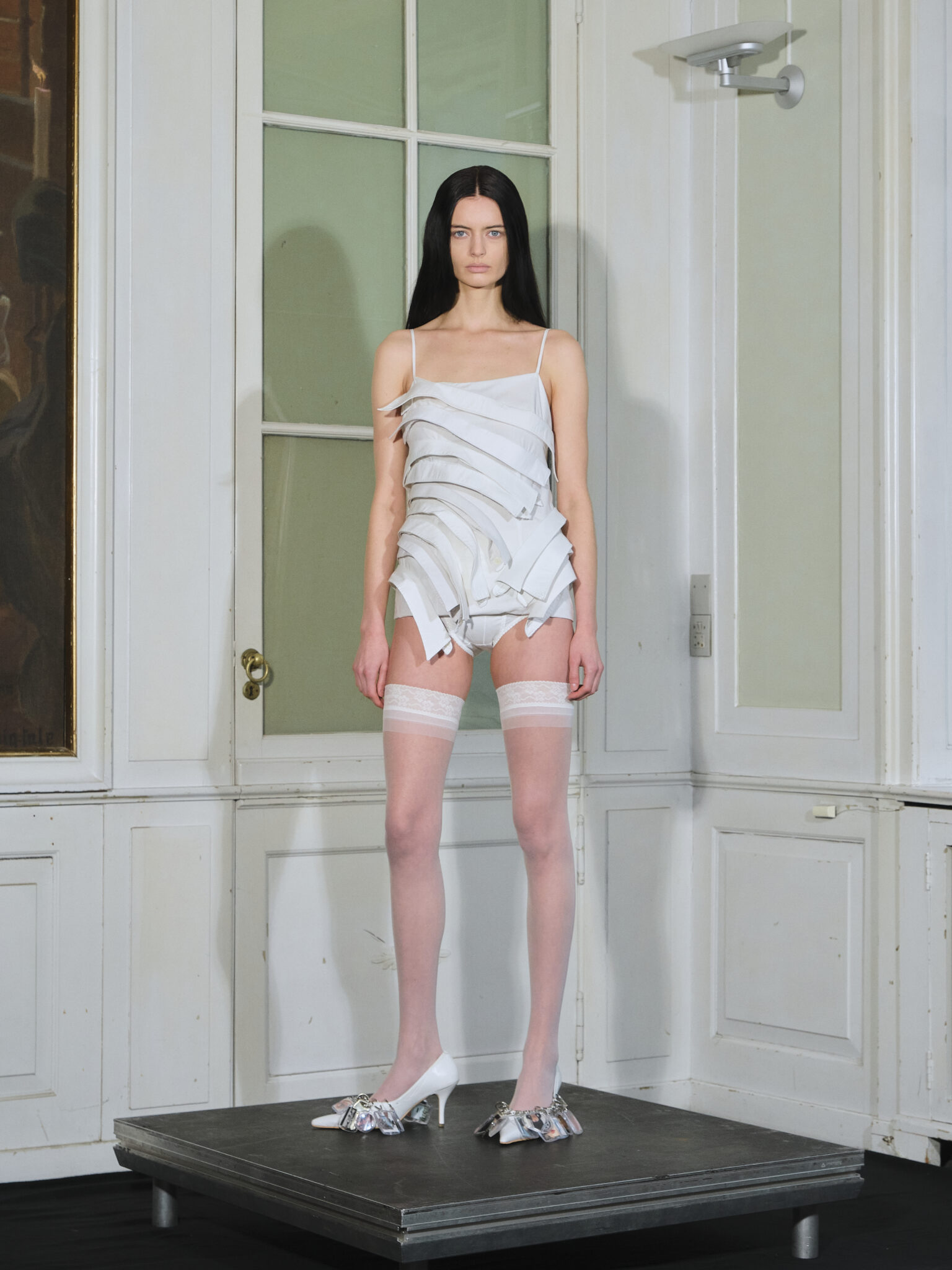
AM & YMR: For us, growth should never mean designing differently just to reach a bigger audience. The identity of Bonnetje comes from working with tailoring, existing garments, and a certain playfulness, and that’s something we don’t see as negotiable. The challenge is finding ways to scale the system rather than changing the creative vision. That means improving production, developing partnerships, and becoming more efficient while keeping the same design philosophy. We’d rather grow a little slower than lose the reason people connected with the brand in the first place.
SM: Sustainability and circularity show up differently across your practices, from deadstock and durability to reconstructed vintage, to limited runs, to archival referencing. How do you think about the tension between responsible production and the pressure to keep producing more?
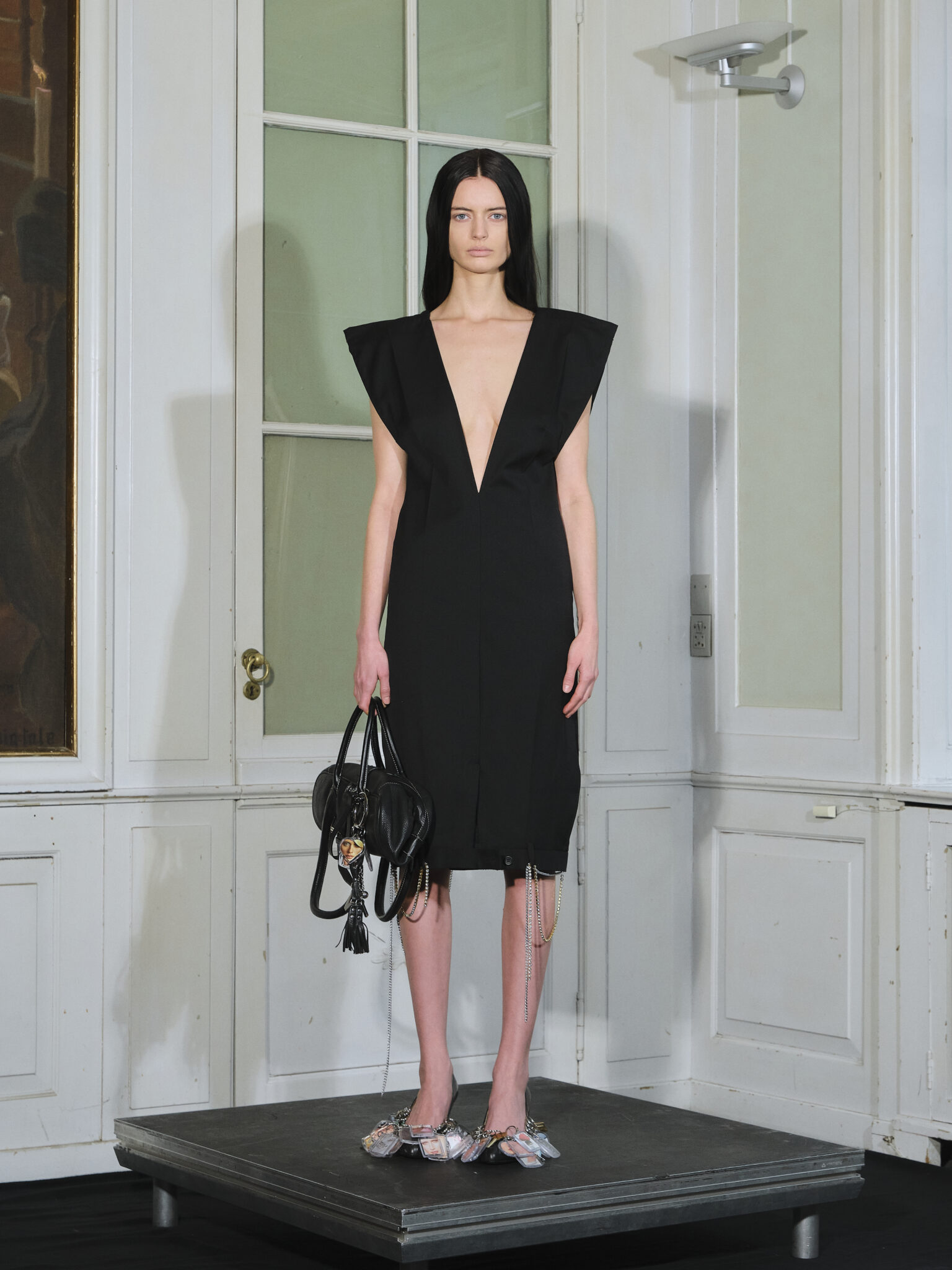
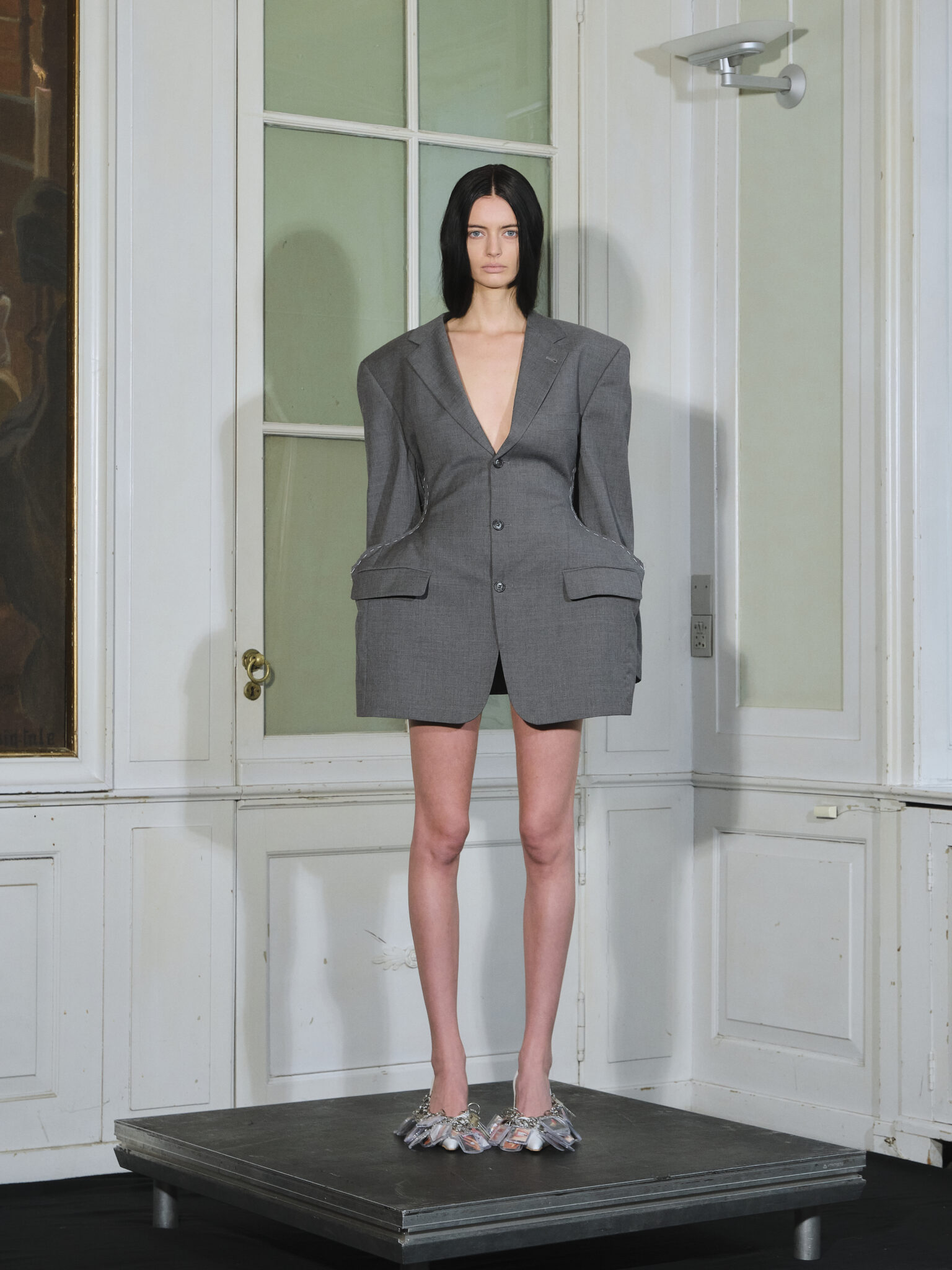
AM & YMR: It’s a tension we think about constantly. Fashion is built around newness, but our starting point has always been that there’s already an enormous amount of value in what exists. Working with vintage garments and existing materials isn’t just an aesthetic choice for us; it’s a design methodology. At the same time, we’re building a business, so we also have to be realistic about production and demand. We don’t believe sustainability is about claiming to have all the answers. It’s about making thoughtful decisions every day, producing with intention, creating pieces that people want to wear for a long time, and continuing to challenge ourselves to find better ways of working as we grow.
SM: If you win, the prize includes mentoring in sales, production, PR, and business development. Which of those areas do you most need help with right now, and why?
AM & YMR: Production, sale, and business development would probably have the biggest impact for us right now. Although many of our garments are unique and partially upcycled, we’ve spent the last few years developing systems that allow us to grade, reproduce, and produce our styles in a structured way. Proving that this kind of practice can be scalable has always been important to us. What we would value most now is guidance on how to take those systems to the next level — growing internationally, strengthening production, and building a business that stays true to our way of working.
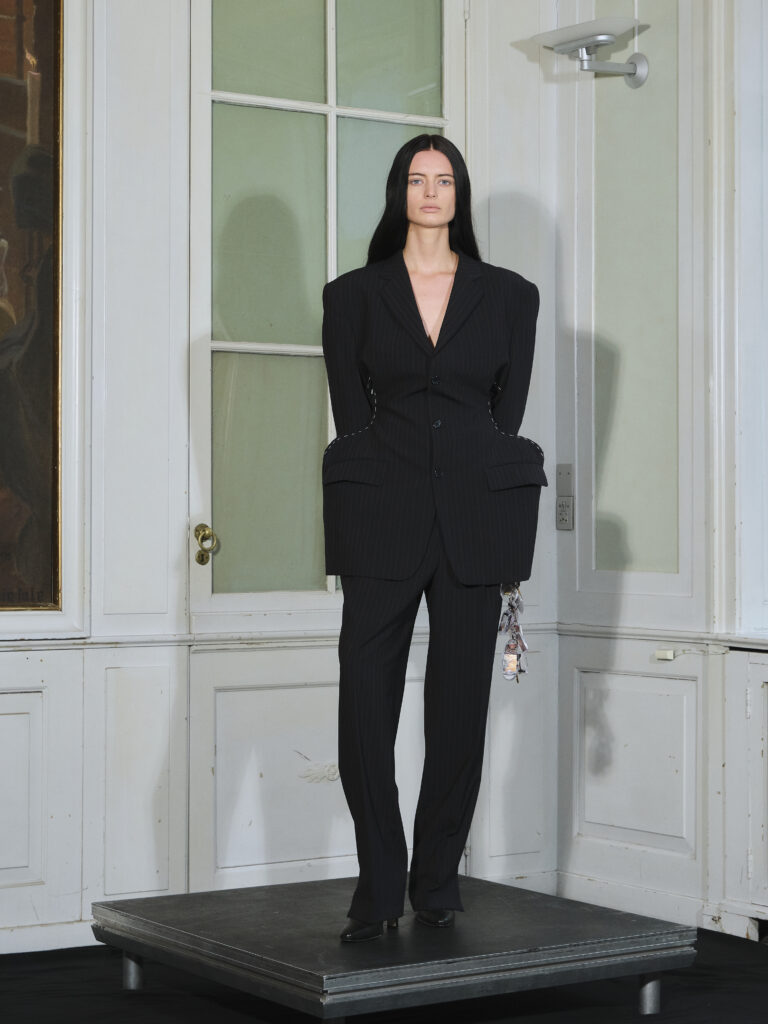
SM: A look from your collection will sit in Magasin du Nord’s windows during Copenhagen Fashion Week, tying your work to over a century of Danish retail history. How does that legacy sit alongside the story you’re trying to tell with your own brand?
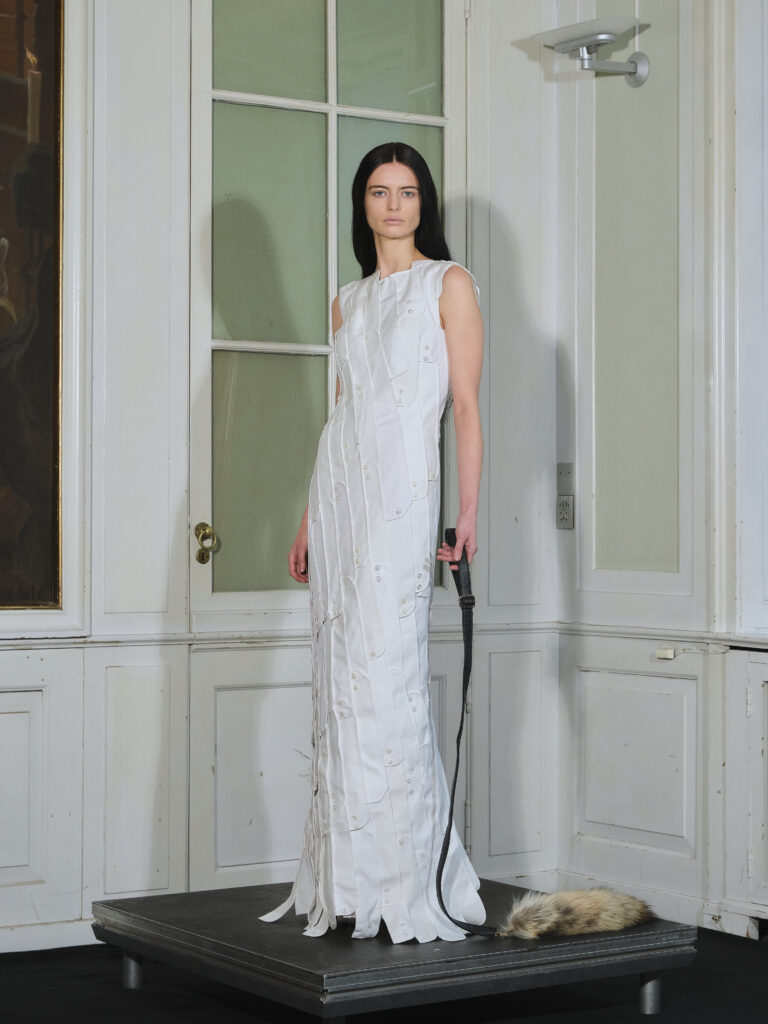
AM & YMR: We like the contrast. Bonnetje is rooted in rethinking existing garments and questioning traditional ideas of fashion, while Magasin represents a long-standing retail institution. Bringing those two worlds together feels like a reminder that fashion is always evolving. There’s also something symbolic about presenting garments that are built from existing pieces in a space associated with heritage and craftsmanship. We see it as a conversation between past and present rather than a contradiction. Our work is about giving garments another life, and in a way that also reflects the idea of heritage — not as something fixed, but as something that keeps being reinterpreted.
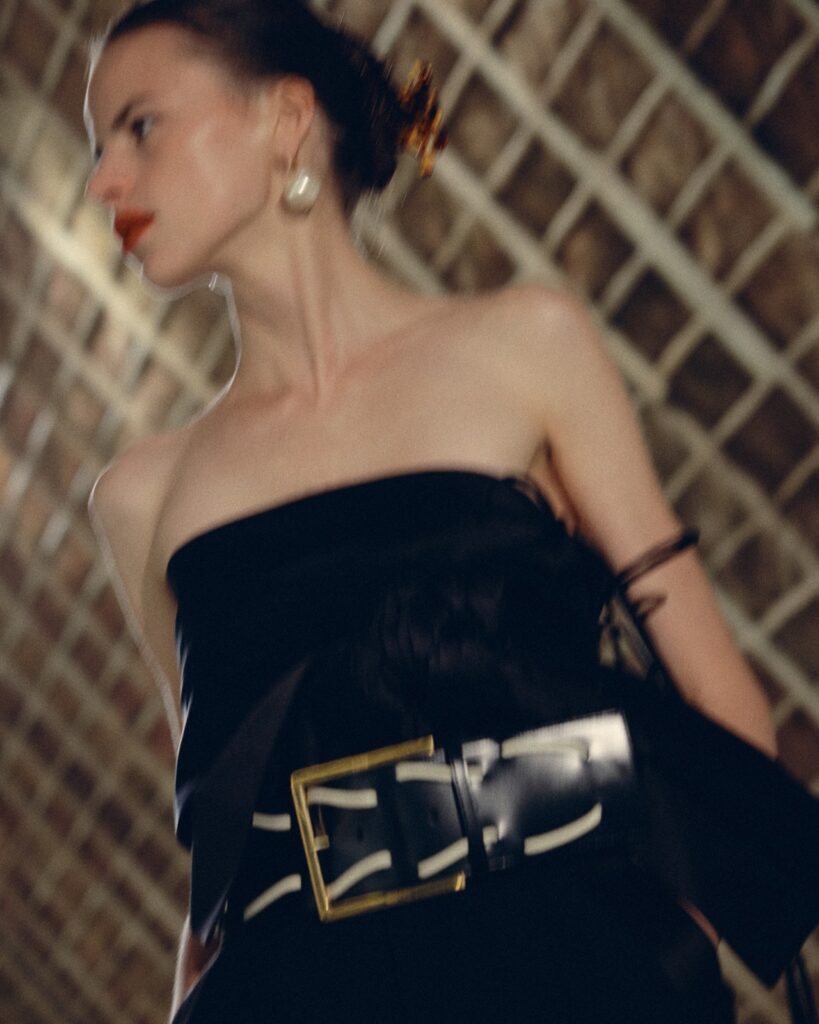
images courtesy Bonnetje
photography Nynne Henriksen and Kresten Julian Sommer