Lenoites' Laila Högfeldt on Clean Beauty, Confidence and
What's Next for the Brand
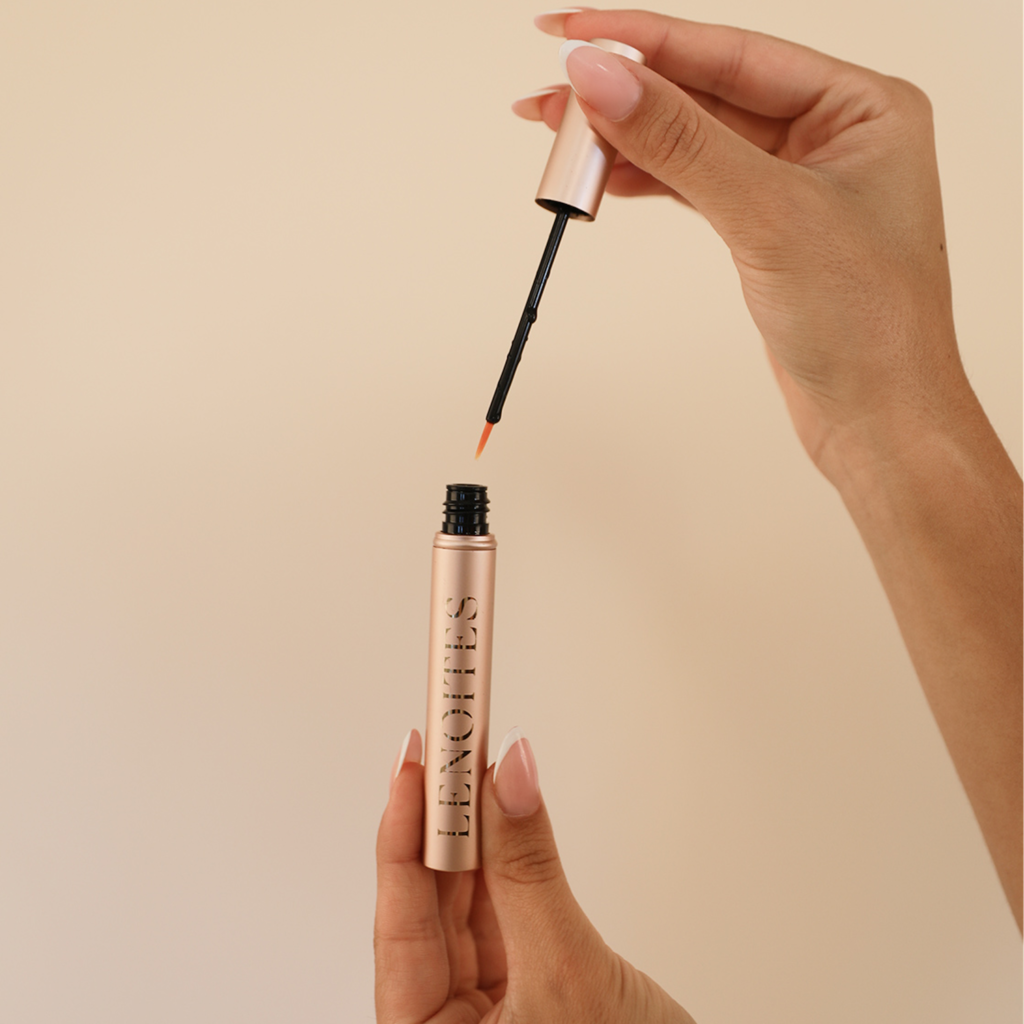
Laila Högfeldt has a simple test for whether a beauty product is any good. “You use it,” she says. Not saved for a special occasion, but reached for every morning. Since founding Lenoites in Borås in 2021, that conviction has taken the brand from direct-to-consumer sales to shelf space with some of Scandinavia’s biggest retailers, with formulas that can take years and over ten rounds of samples to get right.
Natalia Muntean: You started as an influencer before founding Lenoites in 2021. What gap in the market did you feel wasn’t being addressed?
Laila Högfeldt: I noticed I’d split my products into two piles. The beautiful, high-performing ones were expensive, so I saved them for special occasions — they’d sit on my shelf barely touched. Then there was everything I actually reached for every day, which was cheaper, uninspiring to use, and didn’t really deliver. It struck me how backwards that was. Why should the products you use most be the ones that bring you the least joy? Lenoites exist to close that gap, something that performs, feels special, and still earns its place in your everyday routine.
NM: What does “age-independent” beauty mean in practice when you’re developing a product?
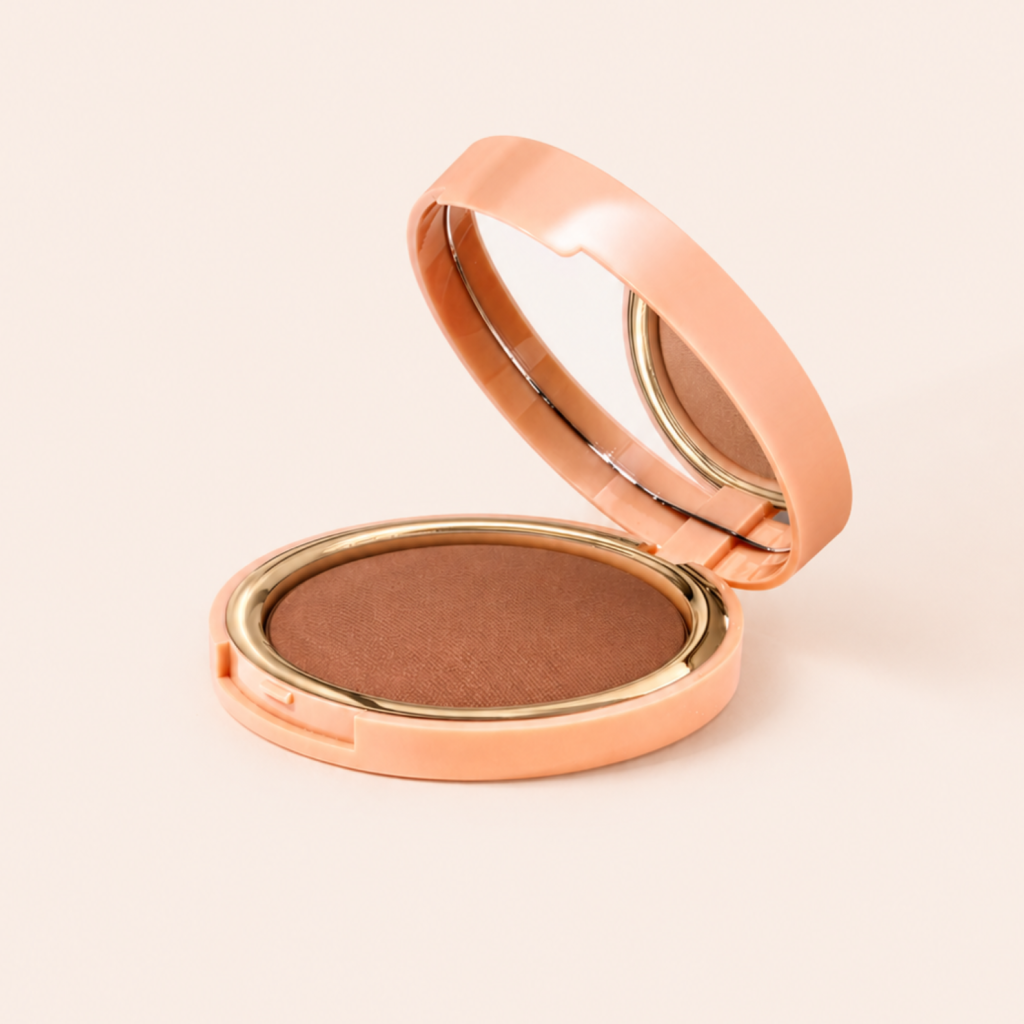
LH: It means we formulate for the concern, not the age on the label. Take a powder designed not to settle into fine lines, blurring the skin and enhancing your features: mature skin benefits from that most, but a 25-year-old isn’t worse off — if anything their makeup looks better for it, because the product lays down more evenly and smoothly than most. The need is what guides us, not a birth year. So much of beauty is marketed as “anti-age” or “for young skin,” and that framing quietly tells people what they’re allowed to buy. We’d rather just make something that works, and let you decide if it’s for you.
NM: The Silky Blurring Powder Bronzer uses a baking process rather than pressed powder. Why was that technique important enough to build a product around?
LH: Because you can feel the difference the second it touches your skin. Baking gives you a powder that behaves like a cream — it’s lighter, silkier, and melts into the skin instead of sitting on top of it. You get that soft-focus, blurred finish and a natural warmth, never the flat, powdery look pressed formulas can leave. It also means it flatters skin rather than settling into texture or lines. It’s a slower, more expensive way to make a bronzer, but the payoff is right there on your face. We think the result earns it.
NM: The setting spray came out of “close dialogue” with your community. What does that dialogue actually look like in practice?
LH: Honestly, our community is in the room far earlier than people assume. The setting spray started because so many customers asked us to make one — so instead of just doing it, we asked them what they were missing. Two things came back again and again. Either a spray held their makeup all day but left their skin dry, broke them out, and felt awful by evening. Or they’d chosen a “kinder” formula that was gentle on the skin but didn’t actually keep the makeup in place. They were being forced to pick. On top of that, alcohol-free and fragrance-free really mattered to them. So we built one that does both — it holds all day and is genuinely good for your skin, with no alcohol and no fragrance. That’s the gap we closed. When the same request keeps appearing, that’s not noise — that’s a brief.
NM: Both products lean on “clean” formulas. How do you decide where to compromise, if you do, between clean formulation and performance?
LH: Performance is non-negotiable — full stop. Clean is the goal, but a clean product that doesn’t perform isn’t clean, it’s just useless. So we start with what actually works, then push to make it as thoughtfully formulated as possible. And I mean push — a single product can take years to develop, with samples going back and forth more than ten times. We don’t settle until it’s exactly right. When a cleaner option performs just as well, it wins every time — but it has to earn its place first.
NM: Do you see physical retail as the next phase of growth or will Lenoites primarily remain direct-to-consumer?
LH: We’re already both, and that’s deliberate. You’ll find us in Kicks, Åhléns, Lyko and Matas, to name just a few, alongside our own direct channel. Selling direct lets us stay genuinely close to our customers — it’s where we learn the most. Retail gives them something online never can: the chance to touch it, feel the texture, test the shade, or simply pick it up on the spot. You need the intimacy of one and the tangibility of the other to build something that lasts — so it was never really an either/or for us.
NM: FSC-certified, recyclable packaging is a stated commitment. Where has that been hardest to deliver without pushing up cost or changing the product experience?
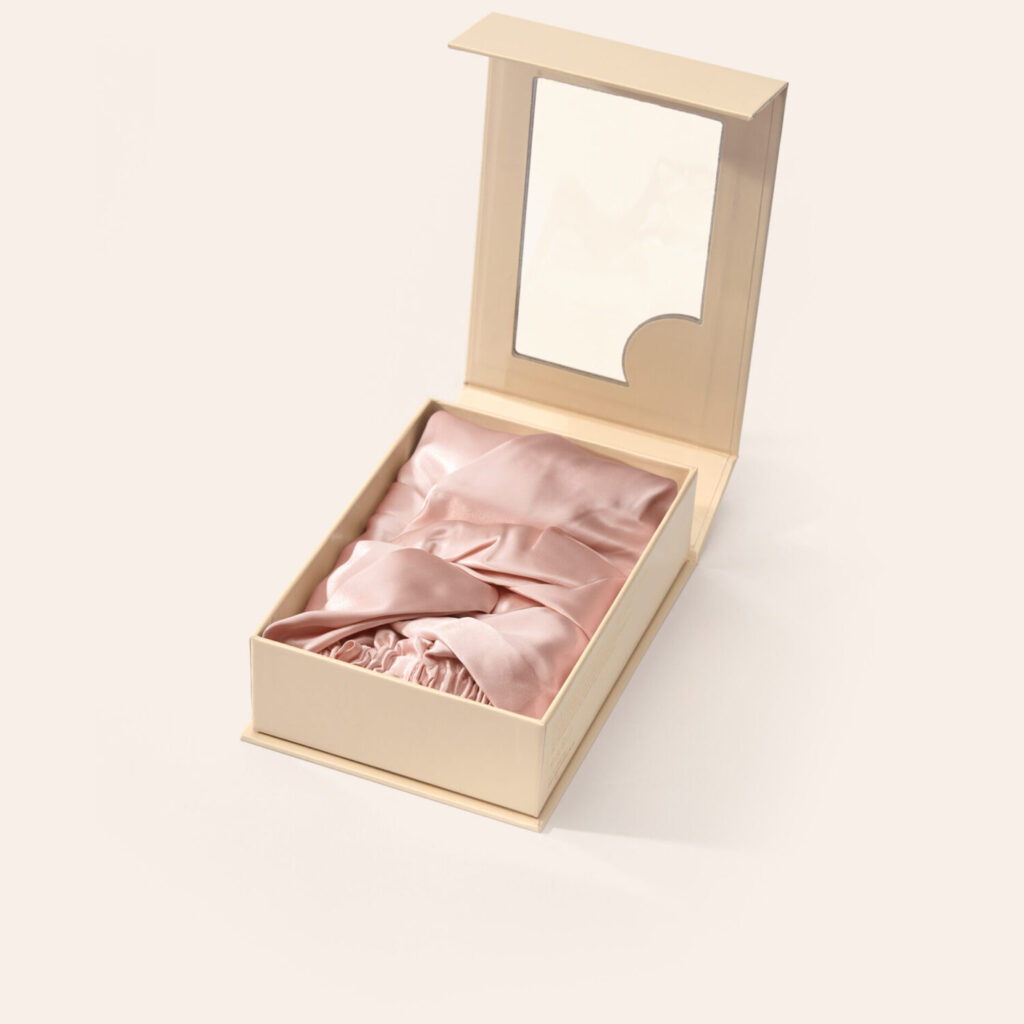
LH: When I started, I wanted packaging with no plastic at all — that was the dream. But retail taught me it’s not that simple. Some stores need a window in the packaging so the customer can see the product, otherwise you lose your place on the shelf. So we’ve had to meet both our customers and our retailers halfway on certain products. The hard part is refusing to let those compromises pile up. It would be easy to end up with packaging that’s either sustainable but feels cheap, or premium but wasteful, and we won’t accept either. It often means longer development and higher cost on our side. But I’d rather fight for every detail than pretend the trade-offs don’t exist.
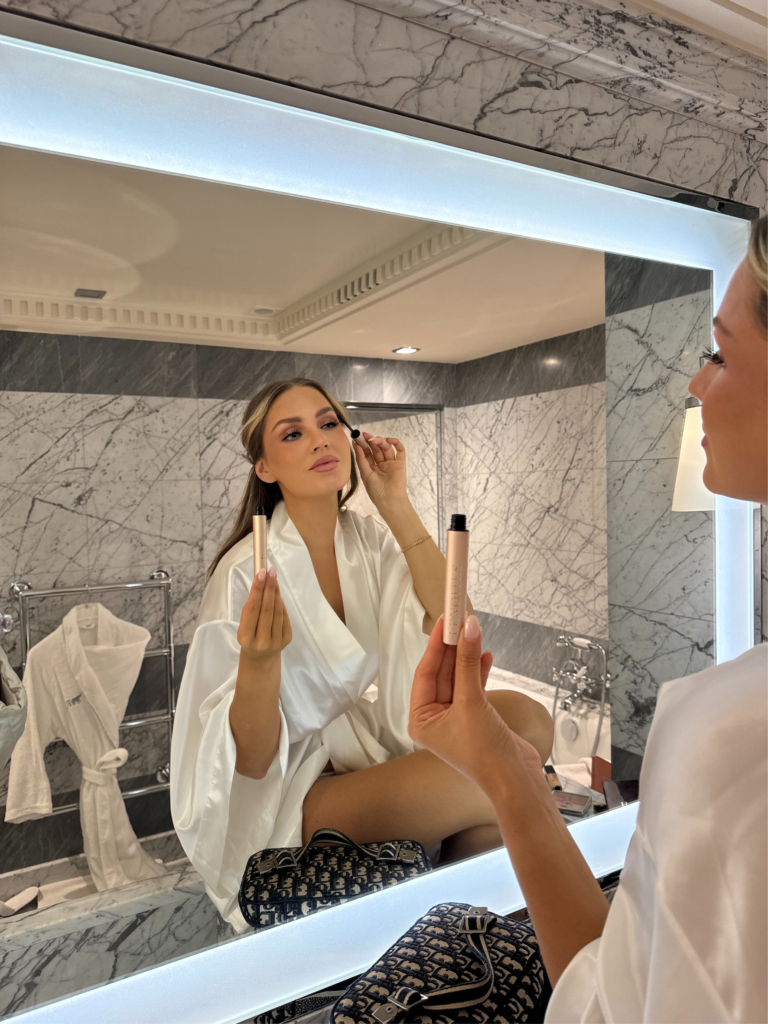
NM: Lenoites’ messaging ties beauty closely to self-confidence and well-being rather than just appearance. Is that solely a marketing position or does it shape product decisions directly?
LH: It’s the whole reason the brand exists, so it shapes everything. I was bullied from the first grade through sixth — I was told I was ugly, that something was wrong with me. I cried every single day, and honestly I still get tears in my eyes thinking about how that felt. It did something to me that I carried for years. So when I talk about confidence, it isn’t a marketing line — it’s personal. I want everyone to know they are already enough exactly as they are. Beauty, to me, was never about changing who you are; it’s about enhancing what’s already there and feeling good in your own skin. That belief is a filter for real decisions.
NM: “Everyday luxury” is a phrase you use. How do you define that against how other Swedish beauty brands are positioning themselves right now?
LH: We have a line we live by: how do you know a beauty product is good? You use it. That’s the whole philosophy. Luxury shouldn’t be something you save for a special occasion — it should be the product you reach for every single morning. It can’t be so expensive that you ration it, it has to perform, and it should make you feel something when you hold it — inspired, a little bit spoiled, like you’re worth the best without having to compromise. Beautiful packaging, formulas that deliver, details that were clearly thought about — that’s the everyday part. I built Lenoites out of something I genuinely love — these are products I actually use and believe in; you can feel it in the product.
NM: What is next for Lenoites?
LH: Europe. We’re in active conversations with retailers across several markets right now, and expanding beyond Scandinavia is the next real chapter for us. Alongside that we’re growing the range — there’s a lot in development I’m genuinely excited about. But I try not to get lost in the size of the ambition. My goal isn’t to be the biggest beauty brand out there; it’s to be the one people actually trust and reach for every day. If we keep obsessing over the product and listening harder to our customers than anyone else does, the growth takes care of itself. That’s how we got here, and it’s how we’ll get wherever we’re going next.