Culinary Icons at Puente Romano: A Feast for the Senses
Text by Natalia Muntean
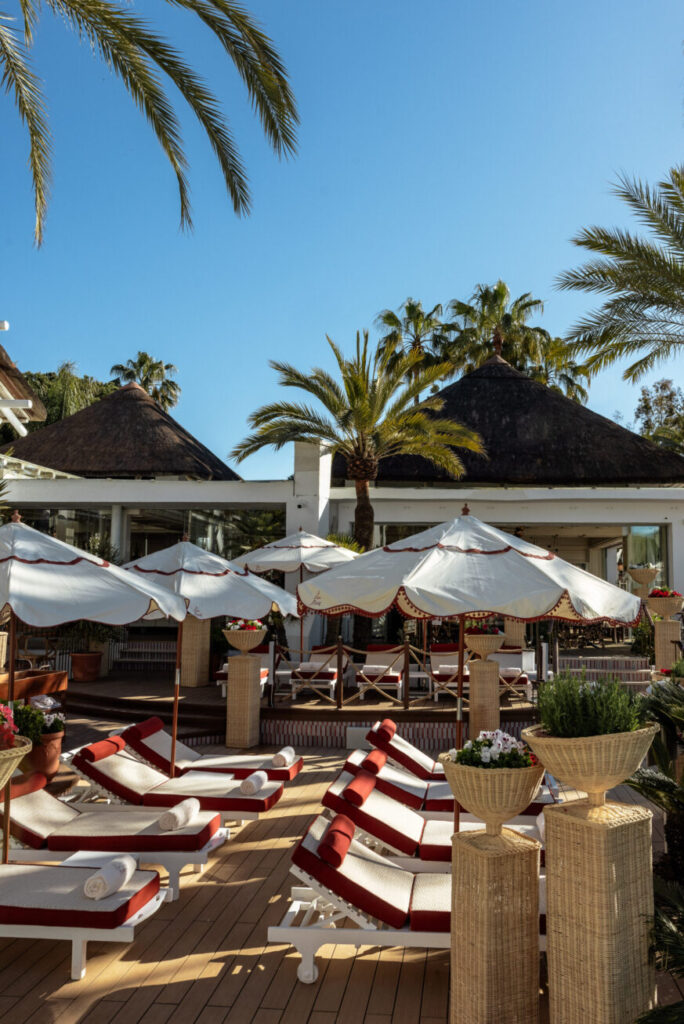
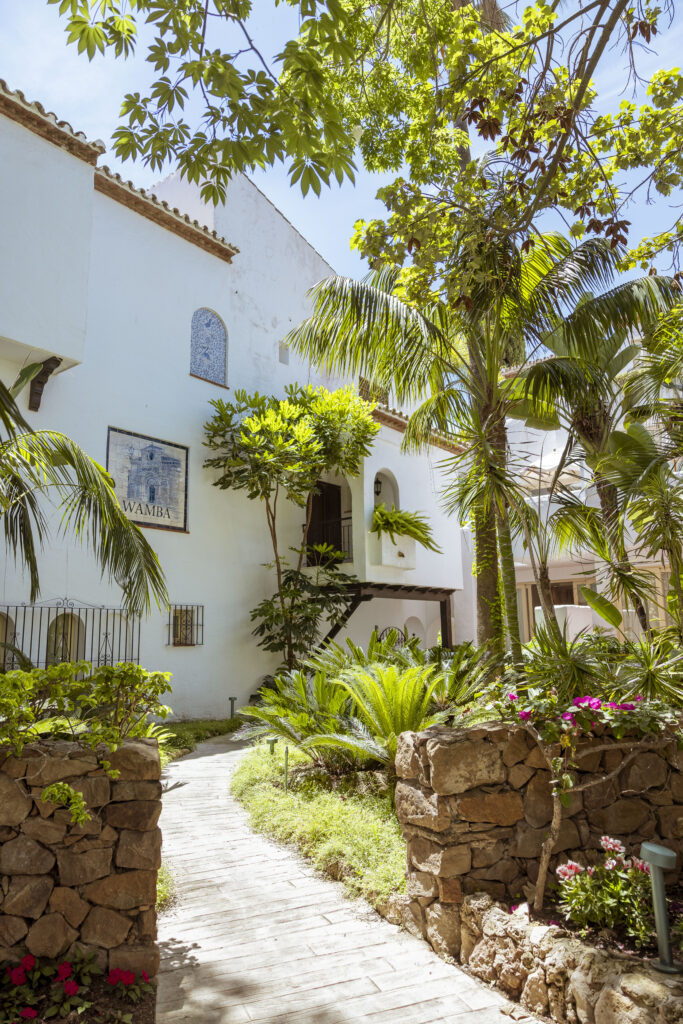
Puente Romano is not easy to summarise. Named after a first-century Roman bridge at its centre, the resort began as an apartment complex before opening as a hotel in 1979, and has since grown into something closer to a self-contained village. Comprised of whitewashed houses named after local Andalusian towns, subtropical botanical gardens, a long gold beach, its five pools, spread across the resort’s grounds, each offer a distinct atmosphere, true to its moniker of Mediterranean Playground, and enough ground that guests require a map to navigate it, Puente Romano is a kaleidoscope for the senses.
What sets the resort apart gastronomically is not the number of restaurants, more than twenty, but the relationships built that help them thrive. Nobu Marbella, GAIA, Leña, and the recently opened La Petite Maison are not simply tenants. They are the result of two decades of deliberate curation by Daniel Shamoon, who took over the resort from his father in 1995 and has since built something closer to a culinary ecosystem than a dining programme. Culinary Icons is where that ecosystem becomes visible. “It started as an idea to celebrate the chefs whose restaurants have made this resort what it is today,” Shamoon said. “It keeps getting better.”
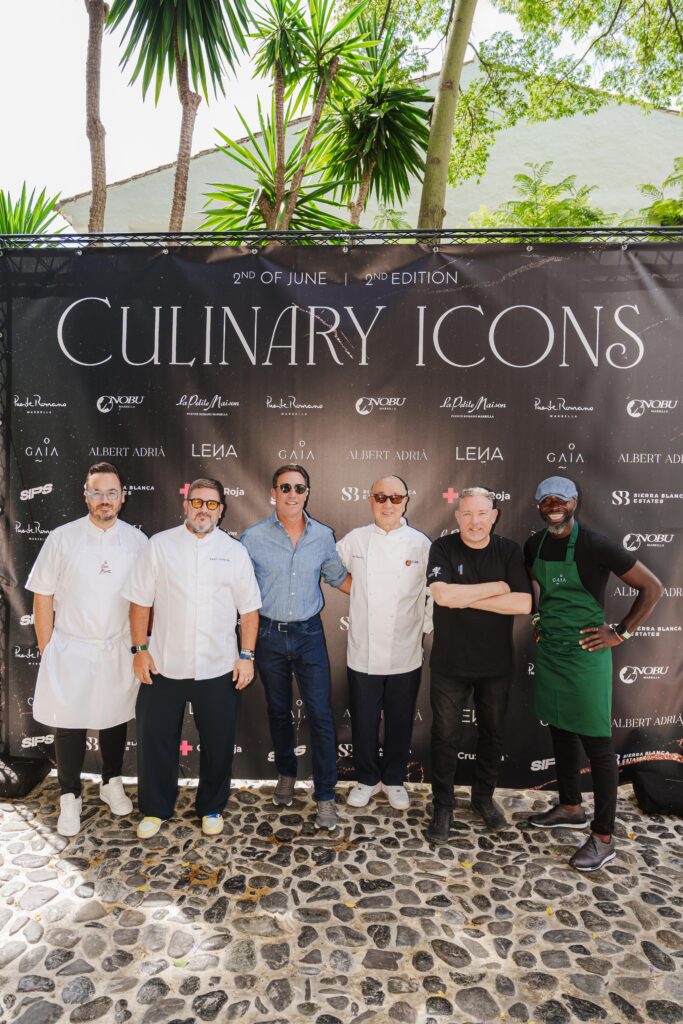
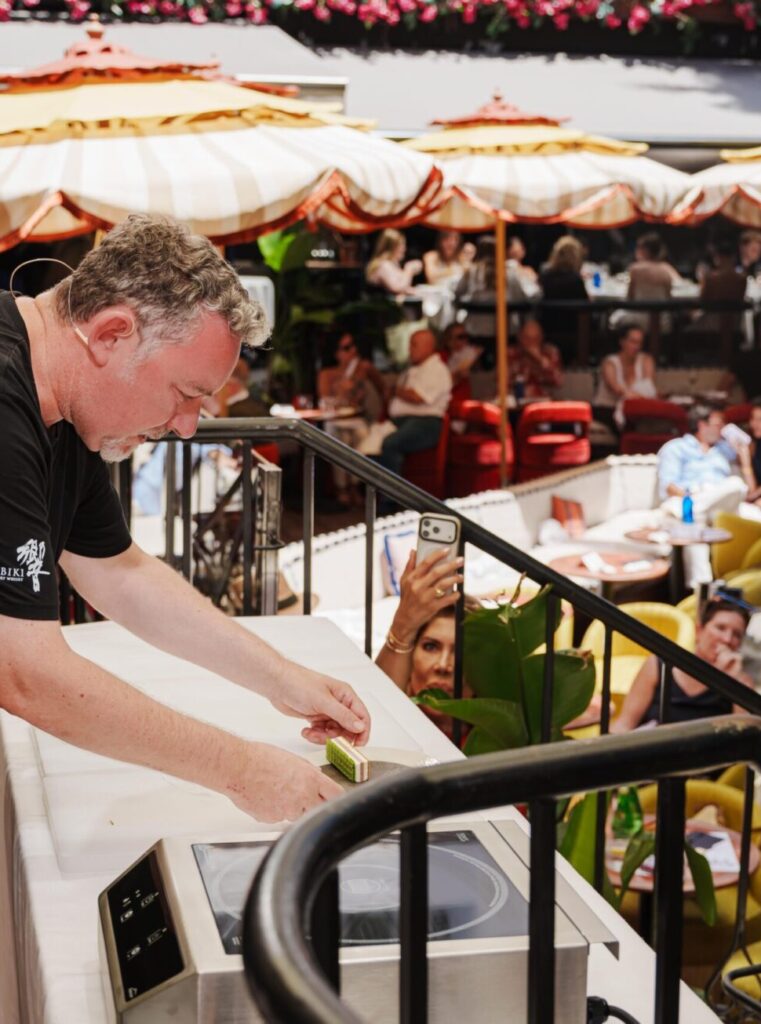
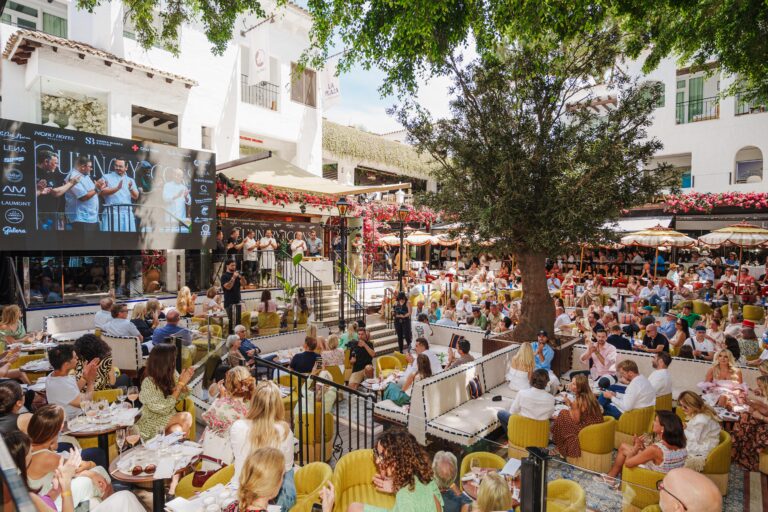
On June 2nd 2016, Puente Romano hosted the second edition of Culinary Icons, gathering five of the world’s best chefs. Two hundred and thirty-five guests had gathered in La Plaza, the resort’s open-air square that can function as something between a piazza and a stage set. SIPS Barcelona, named the World’s Best Bar in 2023 and Best Bar in Europe three years running, is now in summer residence at Bar La Plaza and welcomed guests with a Paloma Santoni Spritz created exclusively for the occasion.
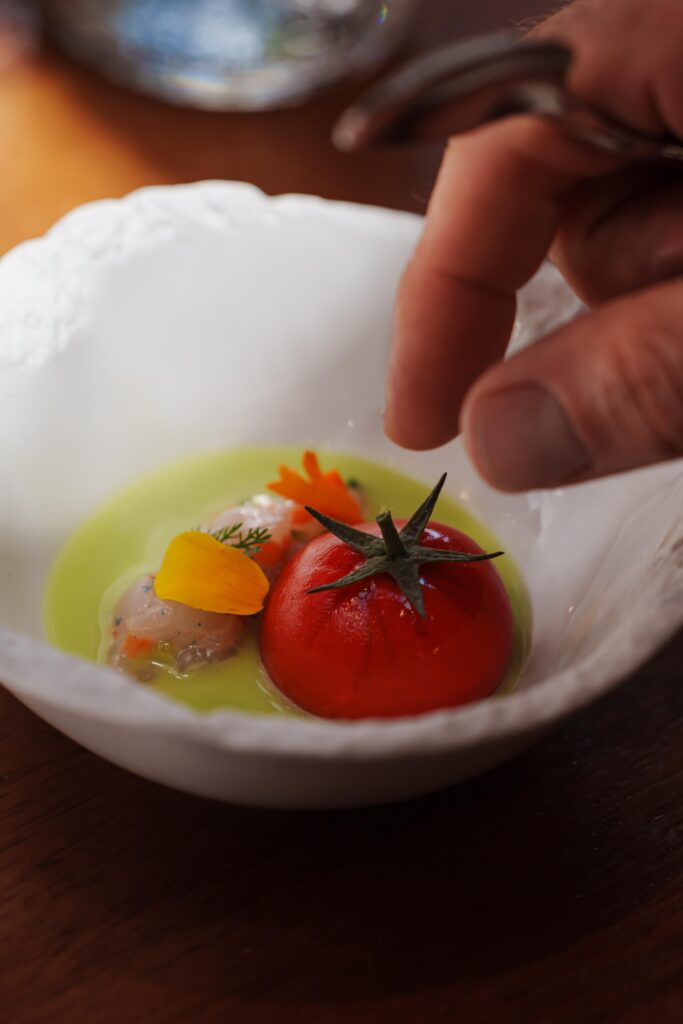
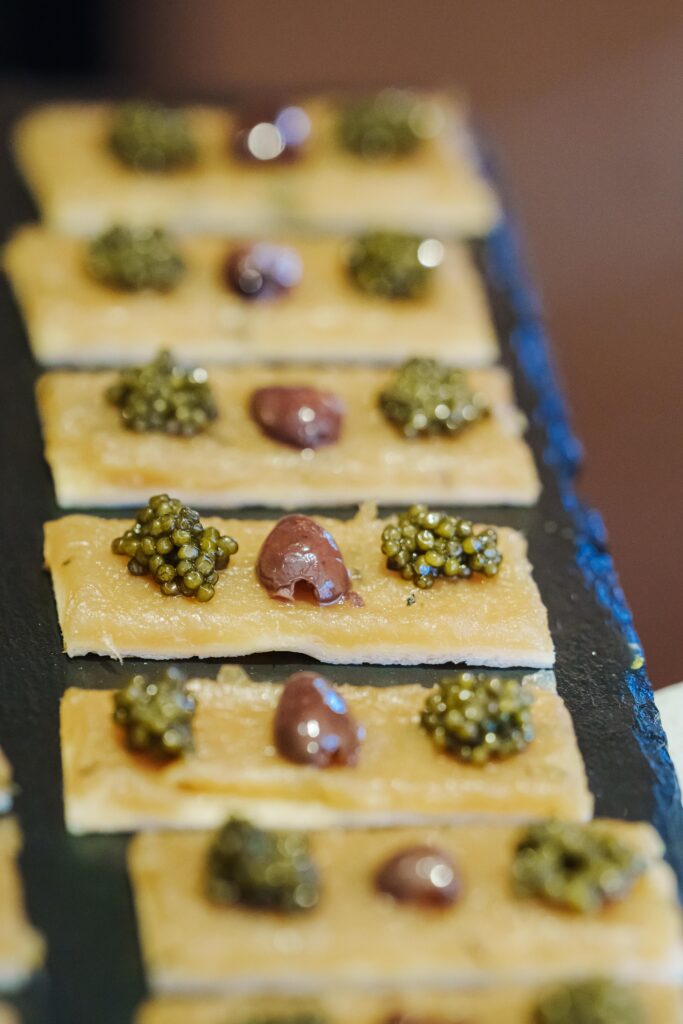
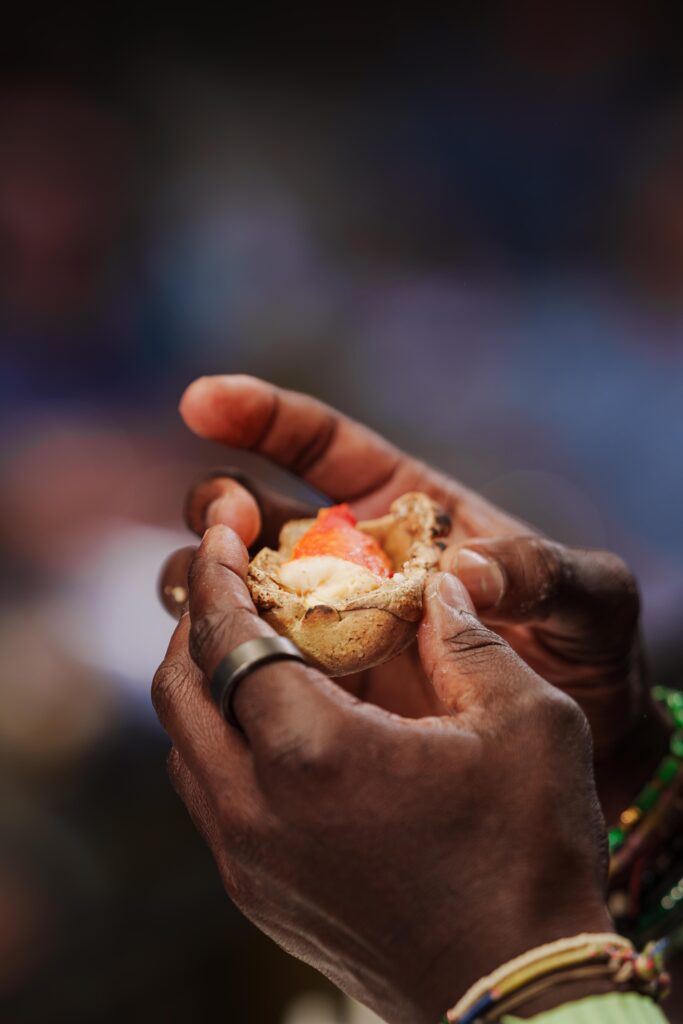
In its second year, the event’s format has sharpened considerably. Where the first edition brought together three chefs, this one expanded to five. Nobu Matsuhisa opened the afternoon, followed by Izu Ani with a dramatic Salt Crusted King Crab; Dani García brought his Nitro Tomato with green gazpacho and Motril shrimps, a dish first created at Puente Romano over twenty years ago that has since followed him to kitchens across the world; and Yiannis Kioroglou presented Rigatoni aux Truffes and Caviar Pissaladière, rooted in the French Riviera culinary tradition. Albert Adrià closed the afternoon with dessert. All the proceeds raised from the ticket sales were given to the Spanish Red Cross, the event’s charity partner, in support of their humanitarian work.
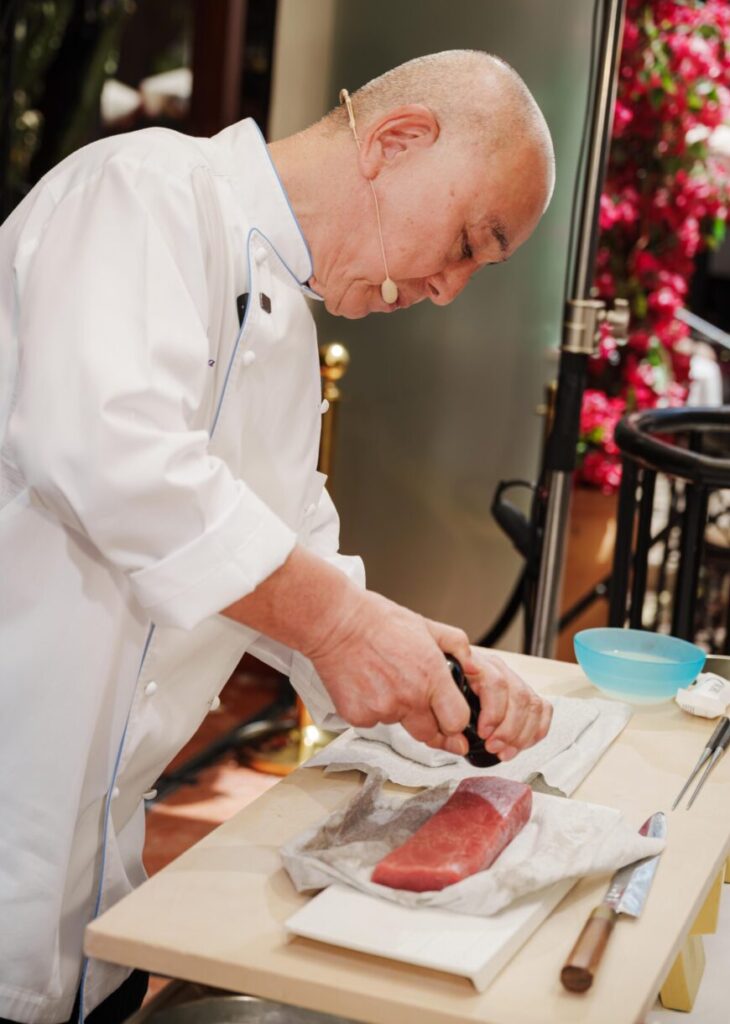
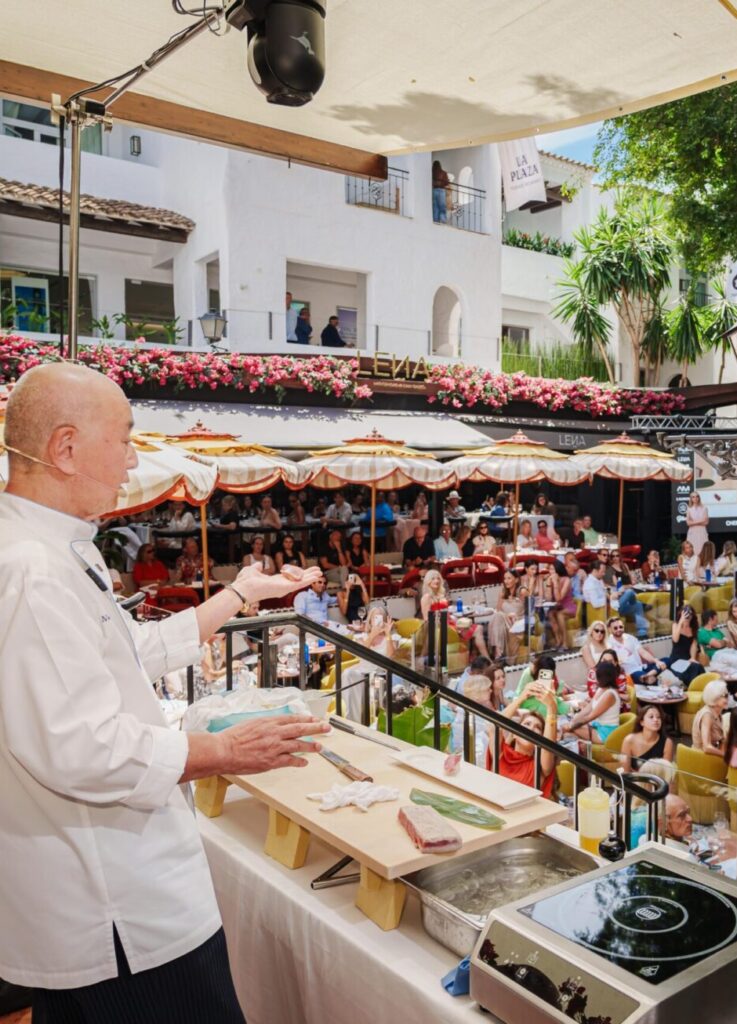
Chef Nobu Matsuhisa presented two dishes on stage: Tuna Tataki Tosazu and Seabass Kombujime Oshi Sushi, the latter a pressed rectangle of rice and fish so precisely calibrated it looked closer to architecture than lunch. When asked what he hopes guests notice when they watch him cook live, he said that foremost, he is enjoying himself. “I like to introduce my Nobu style, my sushi, with more passion,” he continued. For a chef with sixty restaurants across the world, the pleasure still appears to be genuine.
That pleasure has its roots in a creative rupture that occurred more than forty years ago, when a young Japanese chef arrived in Peru and found an entirely different logic of cooking. “In Japan, fish is sashimi: fresh fish, wasabi and soy sauce. But in Peru, the same fish is cooked in a completely different way, with lemon juice, garlic, chilli, cilantro, onions. Ceviche is what changed my mind. It gave me more freedom to use fish in a different way.” The word he returned to was freedom – the permission, discovered in another culture’s kitchen, to treat Japanese cuisine not as a fixed set of rules but as a foundation.
That foundation now supports sixty restaurants worldwide. When asked how he maintains consistency or intimacy across that scale, his answer reframed the question entirely. “The history is the team. A lot of people have been working since the beginning. They know everything. That’s why I’m a very lucky person.”
“My food is very simple,” he continued, “and maybe one misunderstanding people still have is that they think about sashimi in a traditional way. My way: no wasabi, instead jalapeño and different spices. Maybe some people say: This is not sashimi.” And that is the whole point of the Nobu cuisine – to disrupt and bring together different worlds.
If you were wondering what a chef of his calibre reaches for in need of comfort, the answer is simple. “Anything my wife cooks. She’s like my private chef at home.”
Albert Adrià closed the afternoon with dessert, presenting two dishes: the Cork Stopper, disguised as a wine cork, and a Chocolate and Yuzu Waffle that balanced richness with the brightness of Japanese citrus.
Adrià is sixty-one years old, forty of those years spent in professional kitchens. “Sometimes I believe I don’t know. You always need to learn more and more because I always think about the customers, not about me. People pay a lot of money to eat. So when the plate is empty, and the faces of people are happy, I don’t need to know more. The plate doesn’t lie.”
His thoughts on dessert’s place in fine dining were direct. “The dessert is the end of the party,” he says. “It’s the last thing you remember when you go back home.” He has been making that finish for four decades, and his impatience with how little the category has evolved was evident. “I don’t see too many changes in dessert compared to twenty years ago. Of course, we talk about the reduction of fat, of sugar, better balance, but people still like sugar.”
On legacy, Adrià said that it is the young chefs who worked with him. “The most famous chefs around the world worked at El Bulli. This is our school.” And the feeling he wants to leave with guests? “ La cocina es felicidad. Cooking is happiness,” he says.
Culinary Icons will return with a Third Edition in 2027, a year that also marks the 10th anniversary of Nobu Marbella, the first restaurant by Chef Nobu-San in Spain.