Zalando Visionary Award 2026: An Interview with INSTITUTION’s Designer Galib Gassanoff
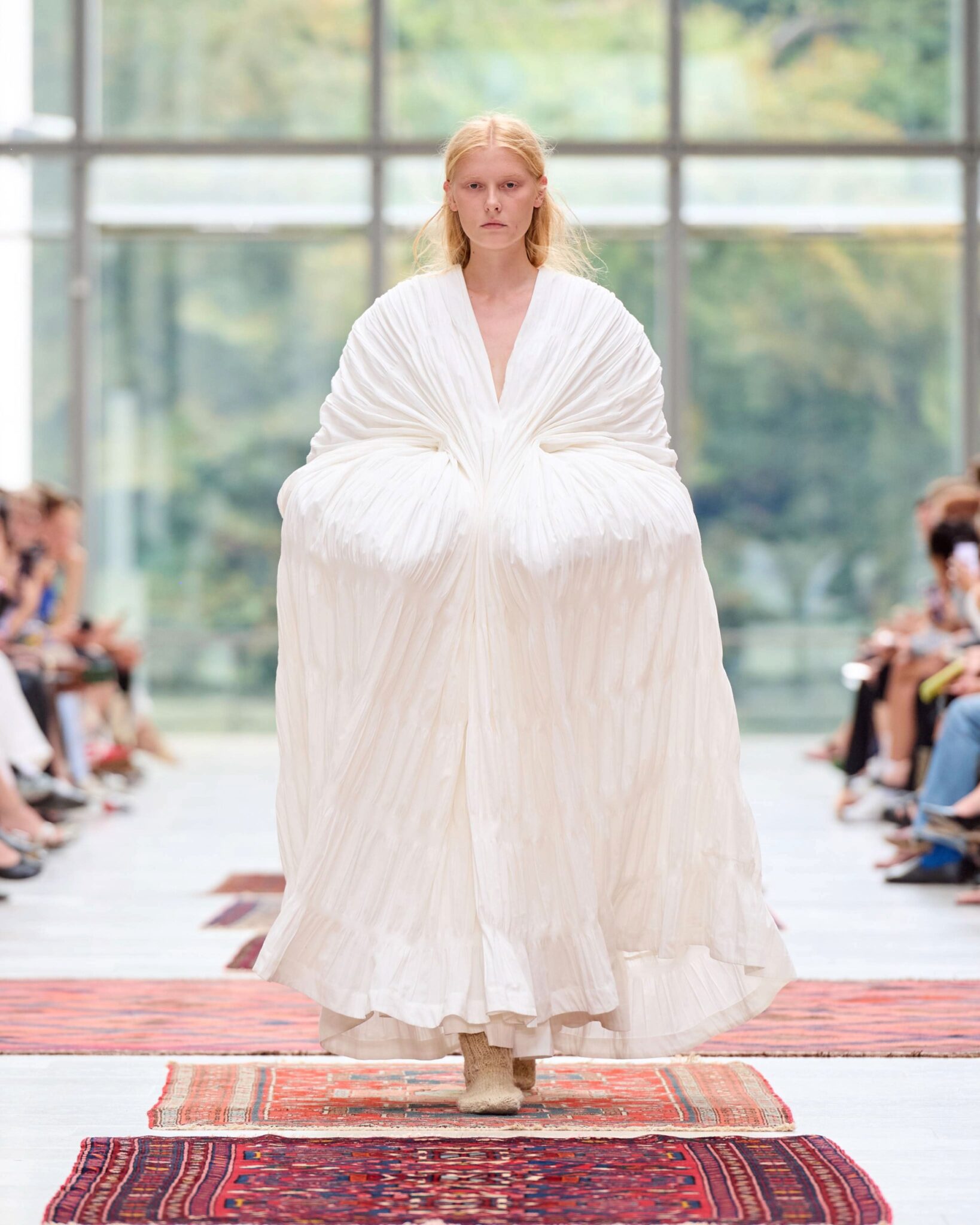
What does winning the Zalando Visionary Award 2026 mean to you at this stage in INSTITUTION’s journey?
Galib Gassanoff: It is a meaningful moment because it acknowledges a way of working that has always been rooted in patience rather than speed. Since the beginning, INSTITUTION has been about building something with purpose, something that values craft, cultural knowledge and human connection as much as the finished garment. To receive this recognition at this stage gives us confidence to continue investing in those values. It also creates opportunities to amplify the conversations we have been trying to initiate around preservation, education and the future of craftsmanship.
INSTITUTION is recognised for its commitment to craft and cultural preservation. How would you define the core vision of the brand today?
GG: I see INSTITUTION as more than a fashion label. It is a platform where clothing becomes a way to preserve knowledge, tell stories, and create dialogue between generations. The vision is to demonstrate that craftsmanship is not something nostalgic or static; it is a living language that can evolve alongside contemporary design. Every collection is an attempt to build that bridge between heritage and modernity.
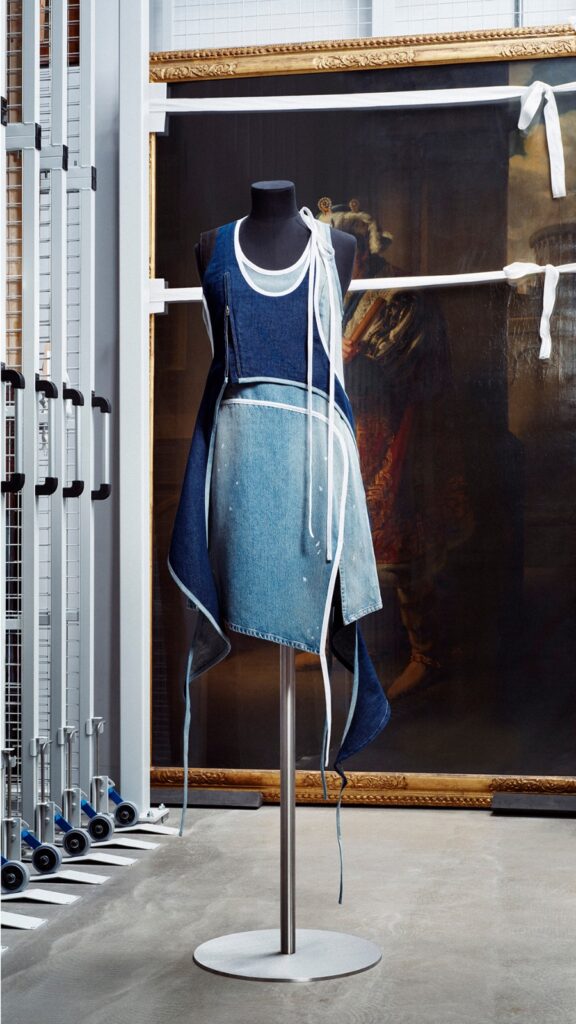
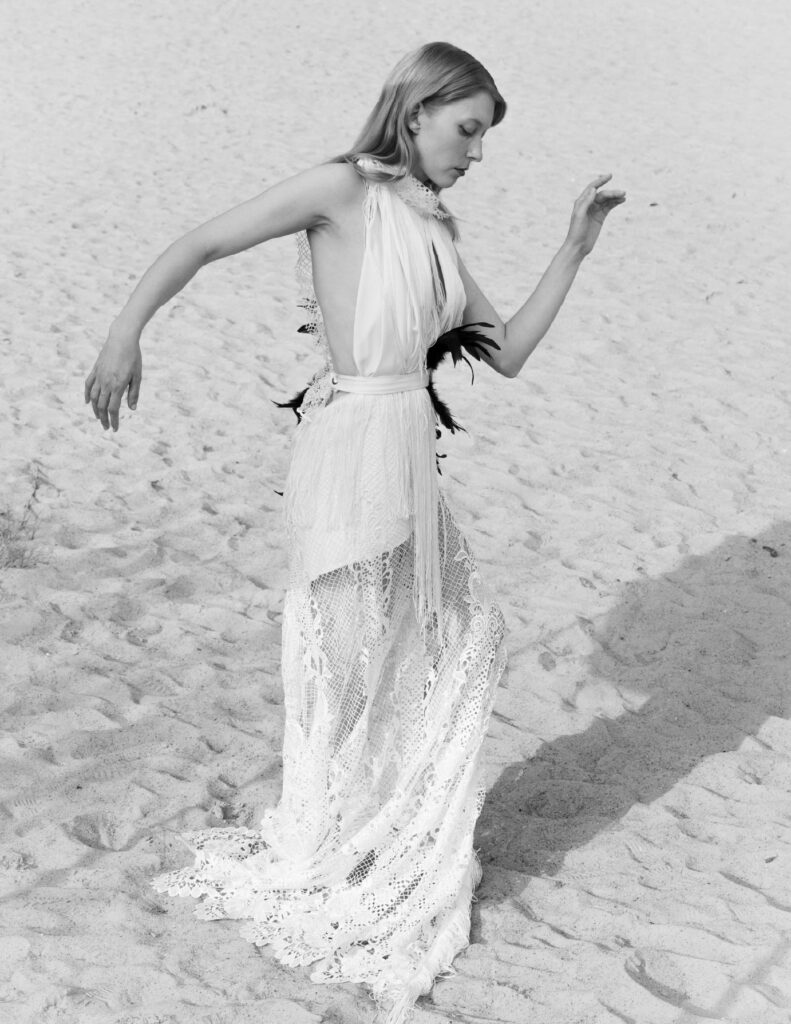
images courtesy INSTITUTION
photography James Cochrane
The Zalando Visionary Award celebrates design, innovation and social impact. How do these principles come through in your work at INSTITUTION day-to-day?
GG: For me, innovation begins with asking better questions rather than simply creating something new. Every decision, from the way we develop patterns to the people we collaborate with, is guided by the idea that design should have meaning beyond aesthetics. Social impact comes through supporting craftspeople, preserving endangered techniques, and creating opportunities for cultural exchange. Design is only successful when it creates value not just for the wearer, but also for the communities involved in making it.
Your practice is deeply informed by heritage and traditional craft. Does your cultural background continue to shape the way you design?
GG: Absolutely. Growing up in Georgia gave me an understanding of craftsmanship that goes beyond technique. It taught me that making things is connected to memory, resilience, and identity. I don’t approach heritage through literal references or folklore. Instead, I try to translate its values – precision, respect for materials, generosity of making – into contemporary forms that can feel relevant today.
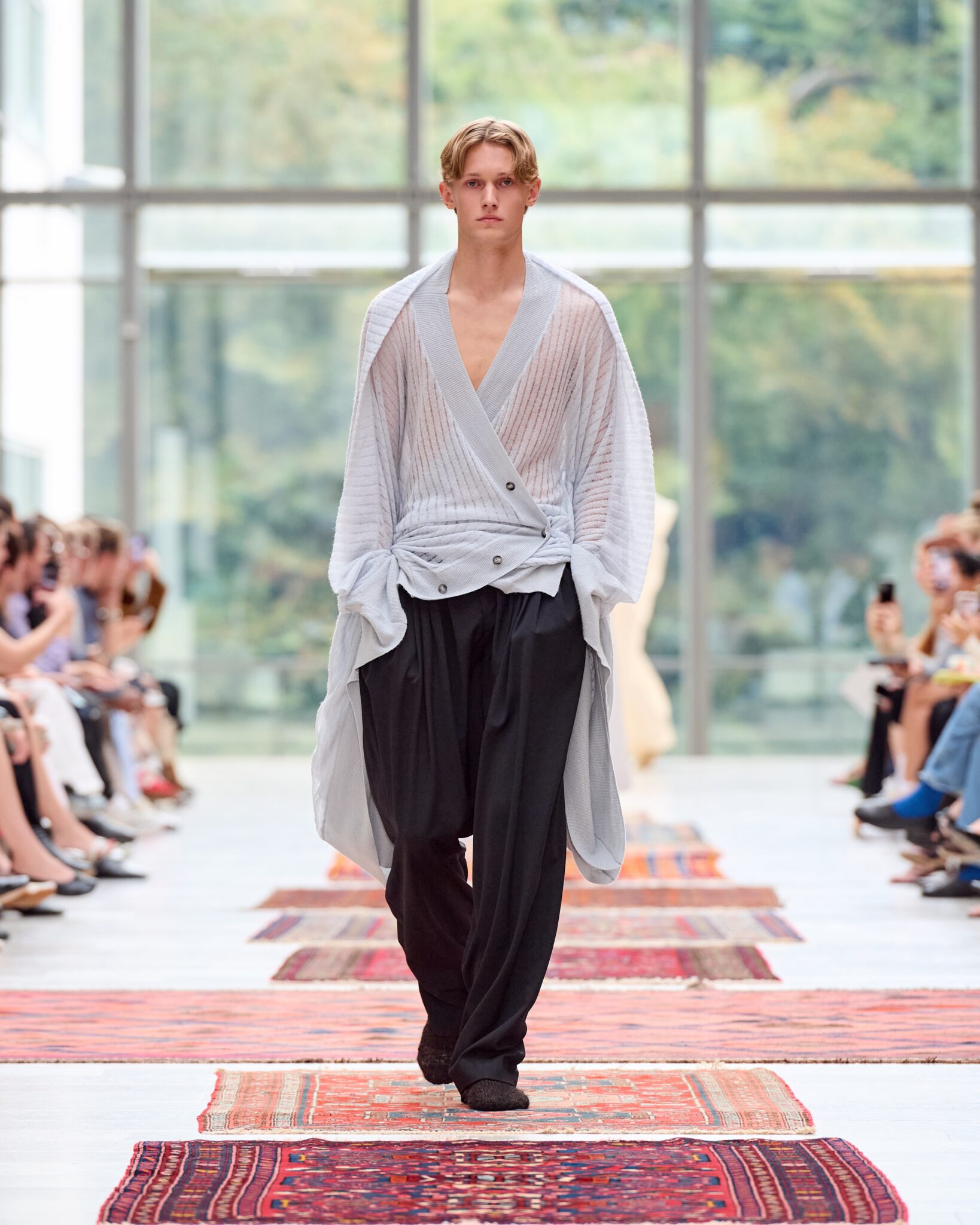
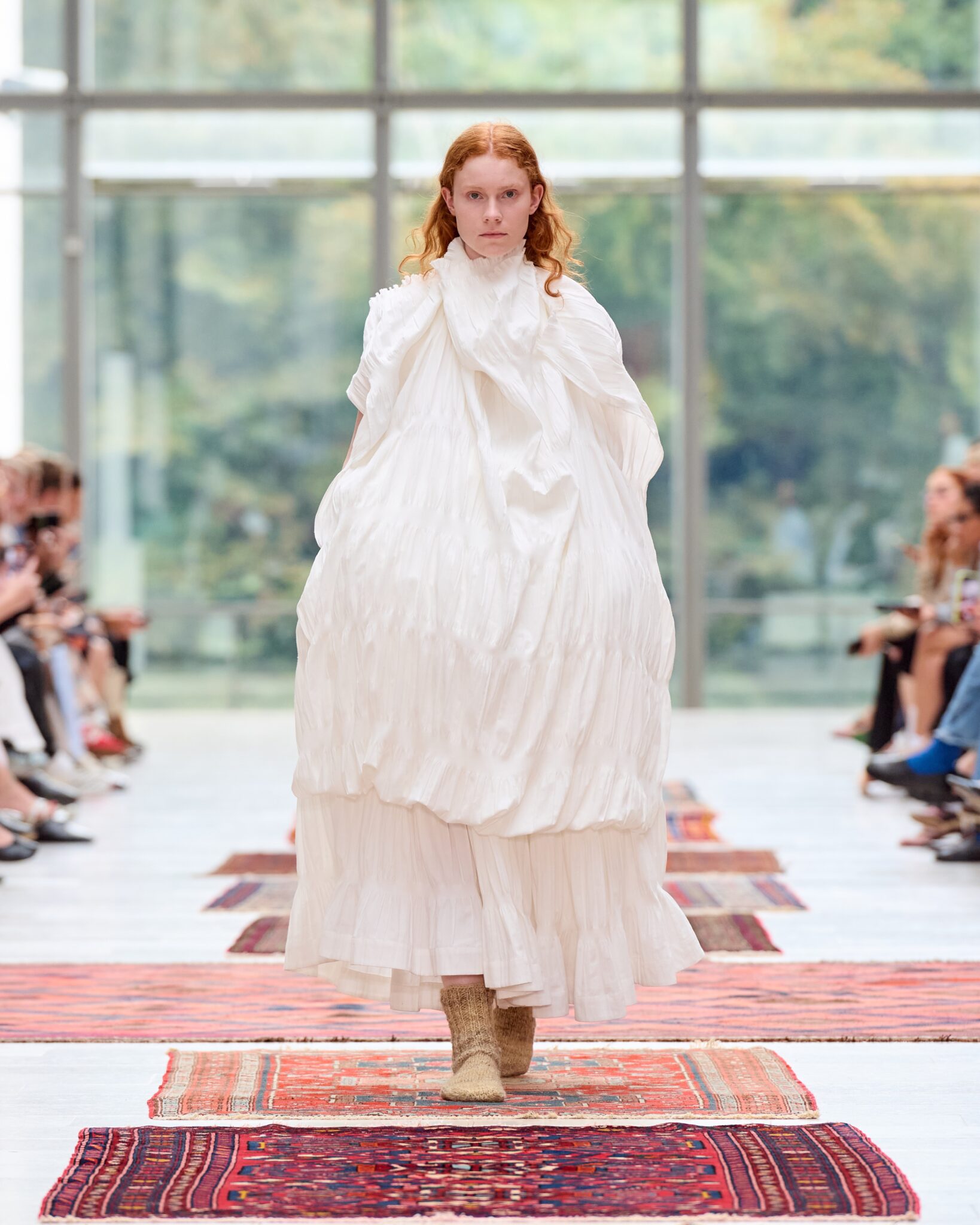
INSTITUTION has grown beyond the traditional boundaries of a fashion brand. Was that always your ambition, or did the work naturally evolve into a wider platform for craft and cultural preservation?
GG: It was always the intention. From the beginning, I didn’t want to build just a fashion label. I wanted to create a platform where fashion could exist alongside craft, cultural research, and knowledge-sharing. The name INSTITUTION itself reflects that ambition; it suggests a place where ideas are preserved, developed, and passed on. Clothing is one expression of that vision, but it has never been the only one. Collaborating with artisans, documenting traditional techniques, and creating dialogue around cultural heritage were always fundamental to the project. For me, fashion is a powerful medium because it connects people, but the larger goal has always been to build an institution that contributes to preserving and evolving craftsmanship for future generations.
Innovation and the usage of traditional techniques are often seen as opposing forces. How do you preserve craftsmanship while continuing to push your work forward creatively?
GG: I don’t believe they are opposites. Craftsmanship has always evolved. Every tradition exists because someone was willing to adapt it to their own time. My role is not to preserve techniques unchanged, but to understand their essence and allow them to evolve through new materials, new technologies, and different contexts. Respecting tradition doesn’t mean only repeating the past; it means also giving it a future.
What does ‘visionary’ mean to you personally within the context of fashion right now?
GG: It is about having the courage to stay committed to an idea even when it doesn’t follow the industry’s expectations. It means thinking long-term, building responsibly, and contributing something meaningful to culture rather than simply responding to the market. For me, vision comes from consistency and curiosity.
How do platforms like the Zalando Visionary Award help shape the future of independent design voices like INSTITUTION?
GG: Independent designers often have strong ideas but limited resources to realise them. Awards like this provide visibility, mentorship, and support that allow those ideas to develop without compromising their identity. They encourage experimentation while giving designers the confidence to remain authentic. That kind of support is essential because innovation often begins on a smaller scale before it influences the wider industry.
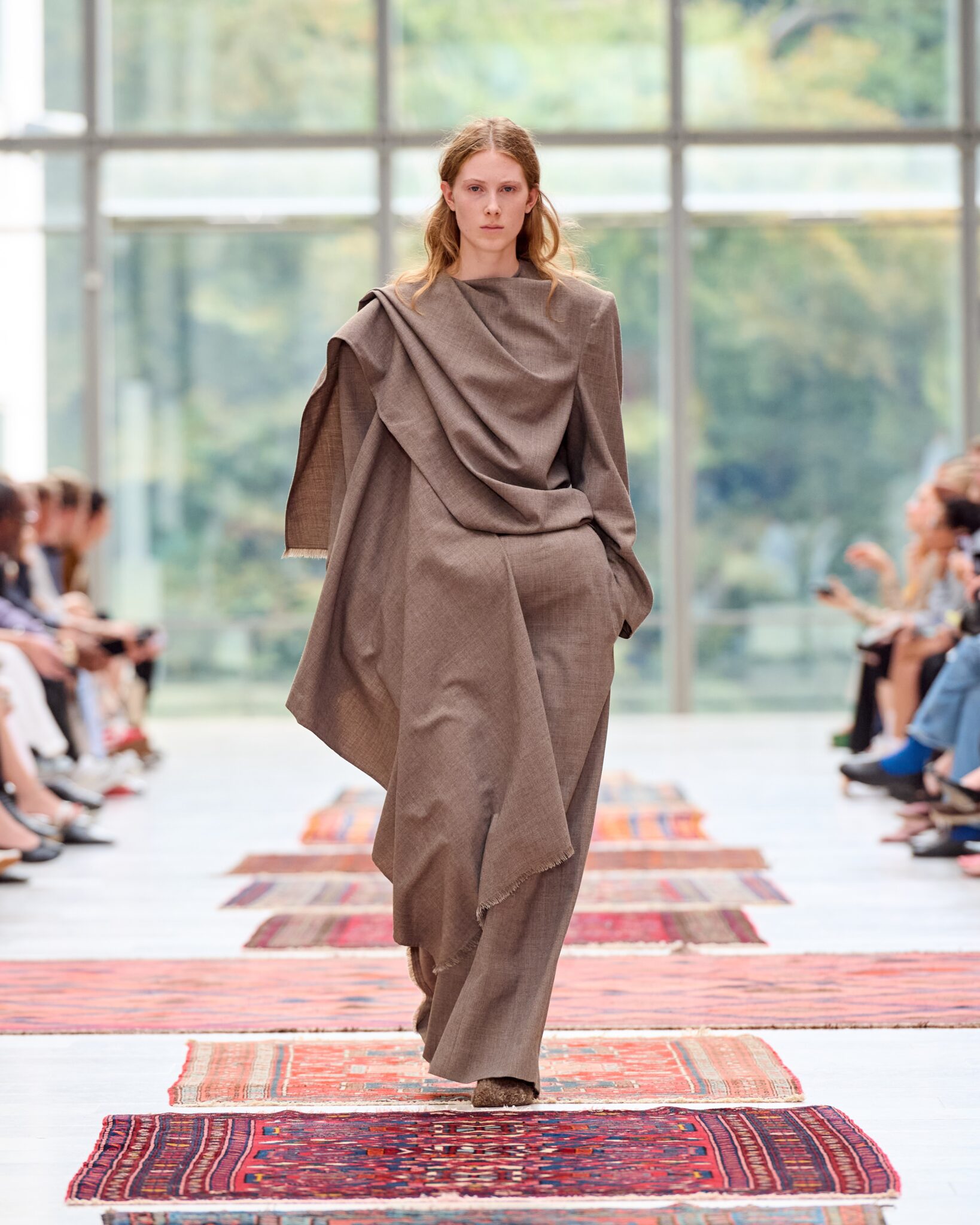
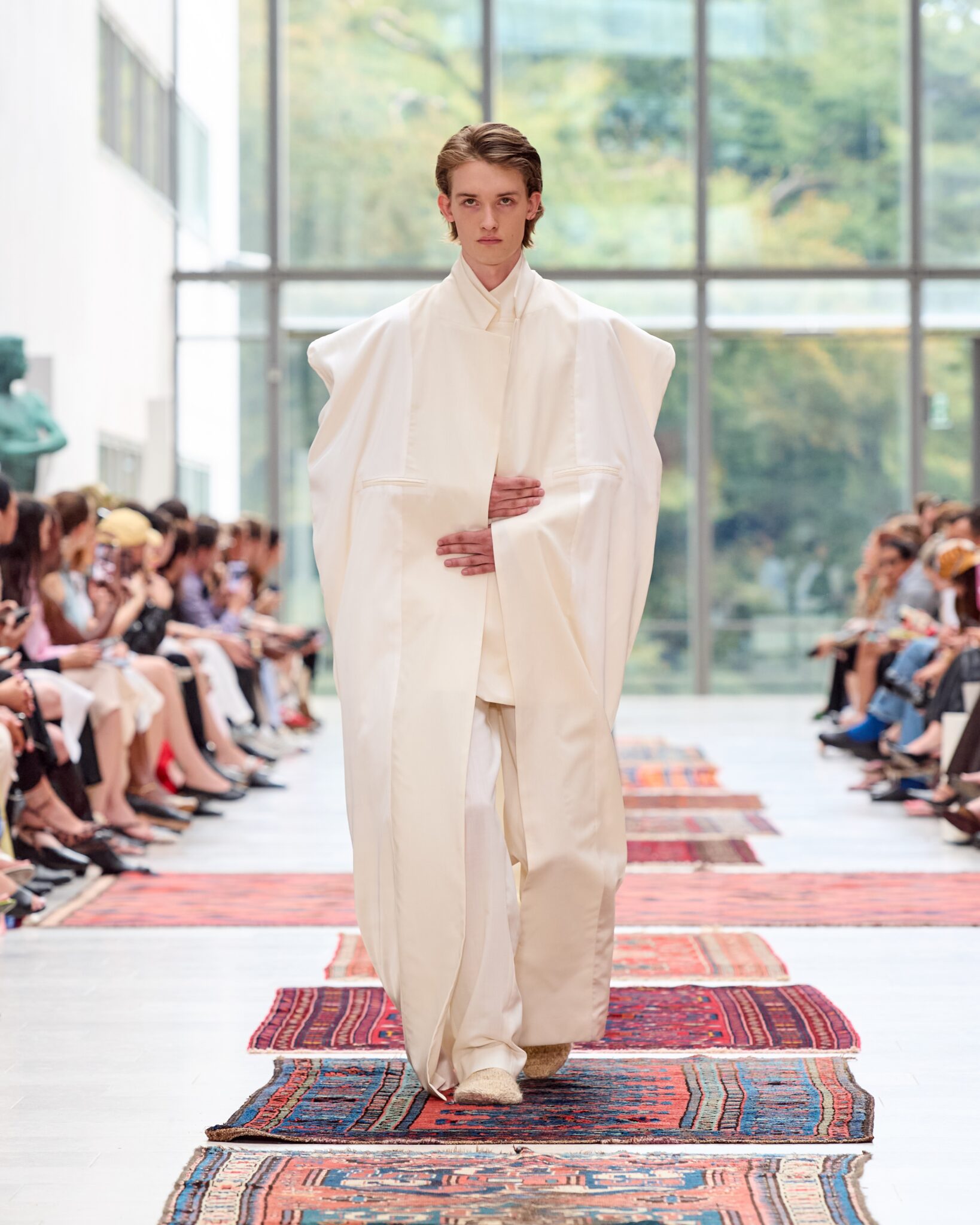
Looking ahead to your SS27 collection at Copenhagen Fashion Week, what themes, ideas or conversations are you exploring this season?
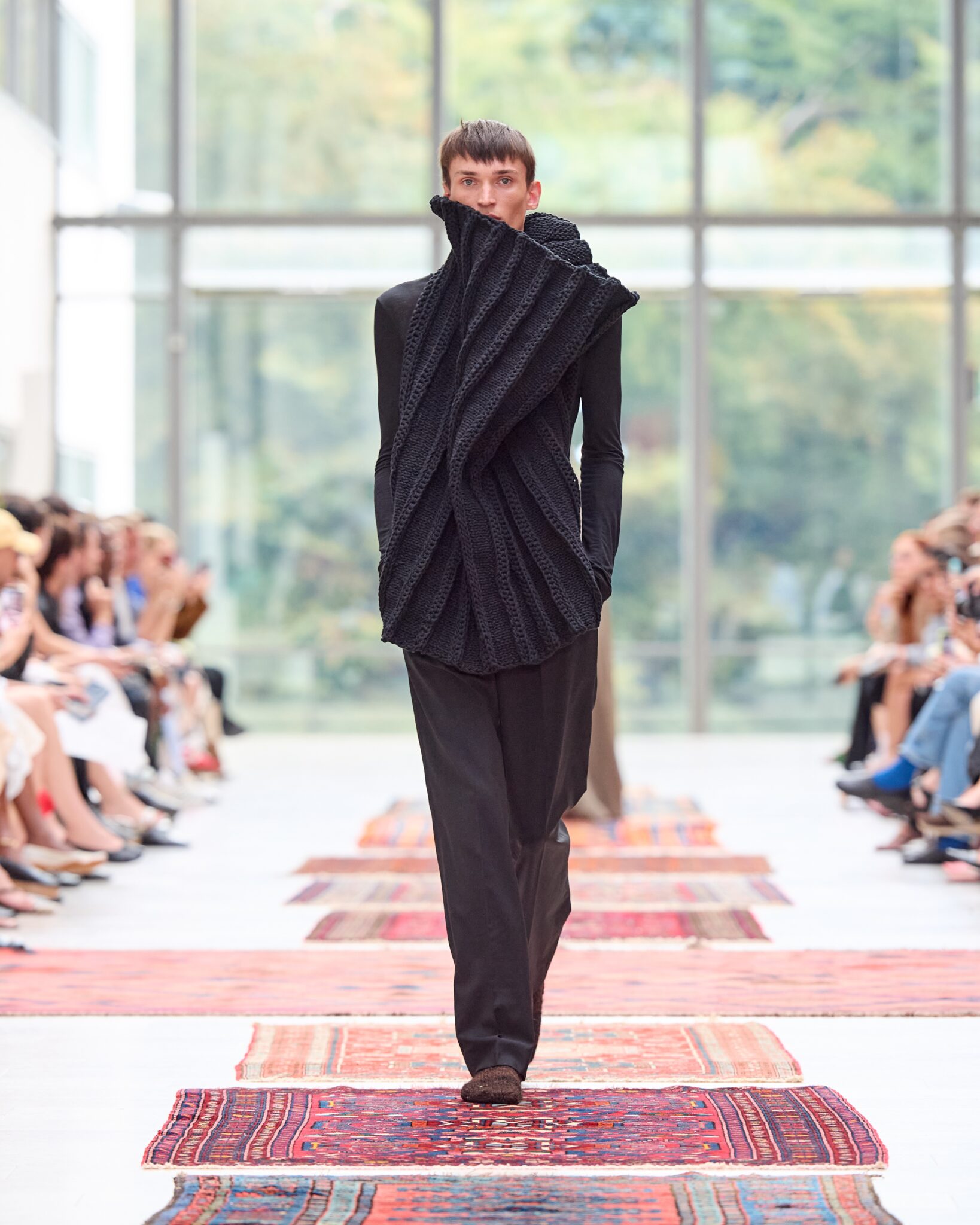
GG: We will present Collection 06 in Copenhagen. In this new chapter, I continue exploring monumentalism through cutting, draping, and sculptural construction. The silhouettes are built with exaggerated volumes and strategic padding that reshape the body, questioning conventional proportions and creating a powerful architectural presence. Running throughout the collection is a dialogue with my cultural heritage as an Azerbaijani born and raised in Georgia. The collection brings together contemporary construction with the craftsmanship of Kvemo Kartli, the region I come from. As part of this collaboration, we are presenting knitted pieces created by local artisans, celebrating their knowledge and preserving techniques that have been passed down through generations. The collection also includes three special looks that pay tribute to Georgia’s independence from Soviet occupation. Rather than approaching history as a literal reference, these pieces reflect on resilience, identity, and cultural continuity, weaving personal and collective memory into the language of contemporary fashion.
For INSTITUTION, the runway show often feels like an extension of the collection rather than simply a presentation. How do you use the show experience to deepen the story you want audiences to take away from each collection?
GG: For me, the runway show is the final chapter of the collection. It is not simply a presentation of my work, but an environment where every element comes together to complete the narrative. The looks exist in dialogue with the space, the movement, the rhythm, and the sound. Together, these elements create an atmosphere that allows the audience to experience the collection on both an emotional and sensory level. I’m continuing the collaboration with composer Etibar Asadli to develop the show’s soundscape. We are creating a dialogue between electronic music and traditional instruments from the Caucasus, building an emotional bridge between the visual and the auditory experience. I want to invite the audience to slow down, observe the construction of each look, and engage with the ideas and craftsmanship that shape the collection.
What do you hope audiences, buyers and the wider industry take away from INSTITUTION at this moment of recognition?
GG: I hope people see that it is possible to build a contemporary fashion practice without disconnecting from culture, craftsmanship, and community. Recognition is important, but what matters most is creating work that continues to generate dialogue and supports the people and knowledge behind it. If INSTITUTION can encourage even a small shift in how we value making, heritage, and collaboration, then I feel we are moving in the right direction.