
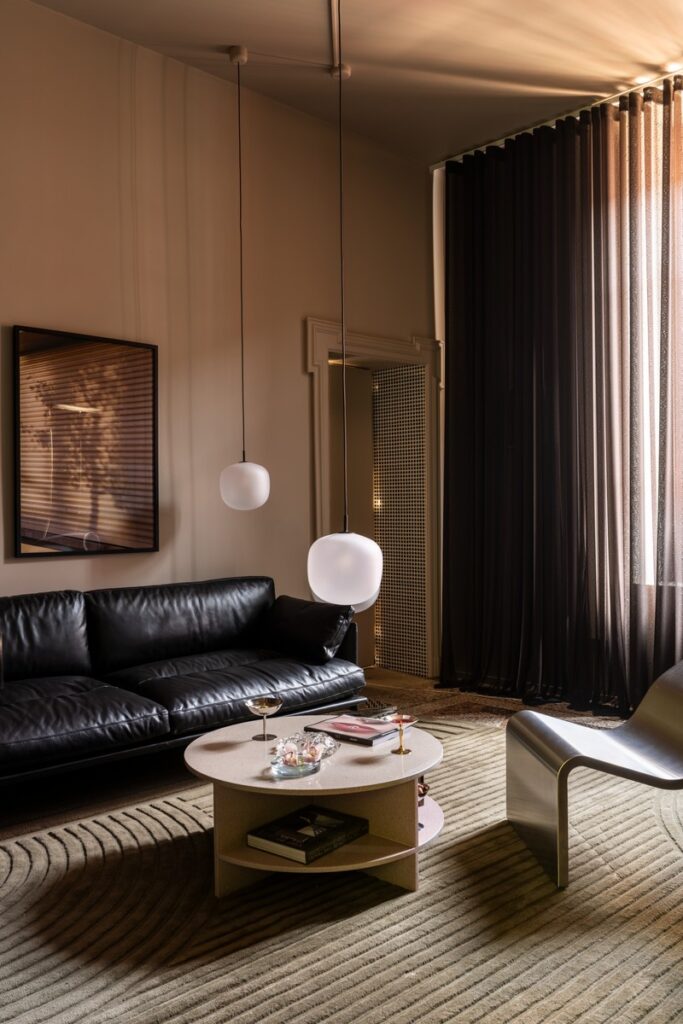
Muuto Milan Apartment – The Art of Belonging
Muuto Milan Apartment – The Art of Belonging Presented during Milan Design Week 2026, Muuto unveils The Art of Belonging—a conceptual Milan Apartment that reframes the idea of home as an emotional and lived experience rather than a purely aesthetic construct. Rooted in the belief that our surroundings influence how we feel, relate, and move through daily life, the space is shaped through a careful interplay of materiality, color, light, and form. The result is an environment that feels warm, intuitive, and deliberately unpolished, where design supports everyday living while fostering comfort, connection, and a sense of belonging. Rather than presenting a static exhibition, the apartment unfolds as a sequence of functional rooms, each defined by familiar domestic rituals. Framed as “The Art of…”—arriving, gathering, hosting, preparing, listening, and winding down—these spaces emphasize use over perfection. They are conceived as places to inhabit, where traces of life remain visible and where culture, personal interests, and daily habits are allowed to shape the atmosphere over time. In this way, the home becomes both a physical and emotional landscape, reflecting the rhythms and nuances of contemporary living. Within this setting, Muuto introduces the Coltre Modular Sofa, designed by the Milan-based duo Studiopepe. Taking its name from the Italian word for “blanket,” Coltre embodies a tactile and enveloping approach to seating. A quilted textile layer drapes softly over a structured frame, while parallel stitched lines create a visual rhythm that enhances both softness and sculptural volume. The design balances comfort with clarity of form, offering a system that adapts effortlessly to different spatial needs. Conceived as a modular series, Coltre can be configured into expansive sofa landscapes or stand alone as individual lounge elements, each piece maintaining its own sculptural presence. This flexibility mirrors the apartment’s overarching narrative—one that prioritizes adaptability, informality, and the evolving nature of the home. The tactile qualities of the sofa further reinforce the sensory dimension of the space, inviting interaction and prolonged use. Set to launch in September 2026, the Coltre Modular Sofa becomes a central expression of Muuto’s vision for contemporary living. Together with the Milan Apartment concept, it underscores a broader perspective on design—one that moves beyond visual appeal to support the realities of everyday life. Here, the home is not idealized, but human: a place where design quietly enhances the art of belonging. Image Courtesy Muuto Milan