
cinema

Cinema

Chanel and Its Enduring Legacy in Cinema

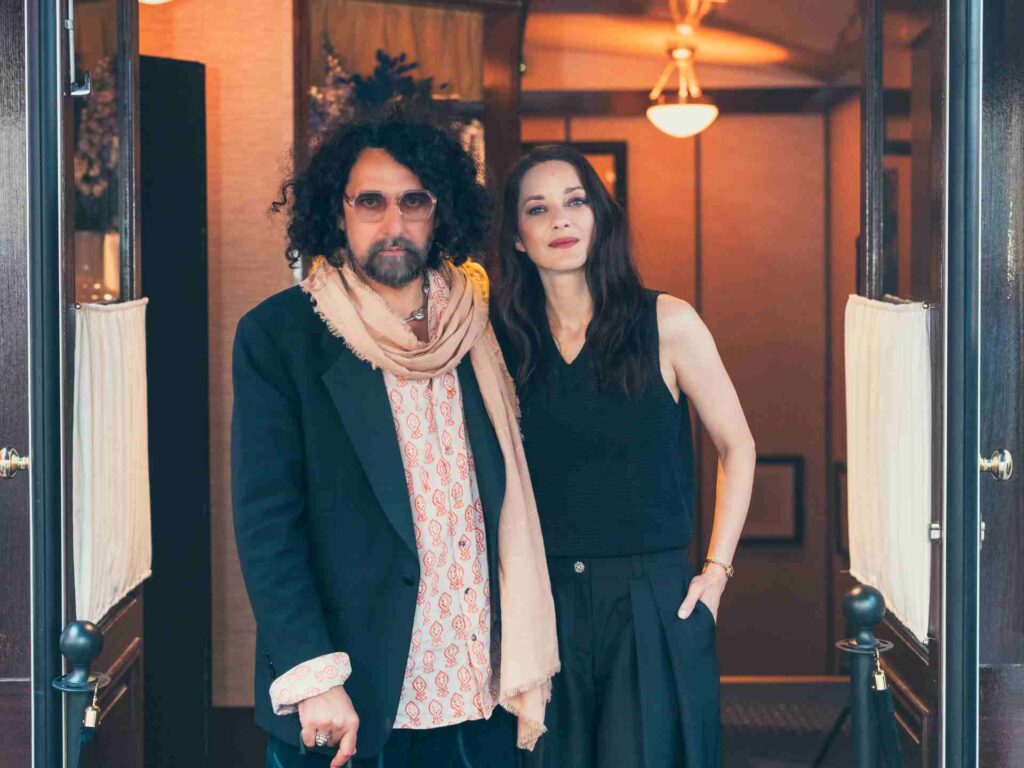
Chanel and Its Enduring Legacy in Cinema For decades, Chanel has shared a distinctive and enduring relationship with the world of cinema. This connection extends well beyond fashion, reflecting a sustained devotion to creativity, storytelling, and artistic expression that has shaped both the screen and the cultural imagination. The bond began with Gabrielle Chanel, who recognized early the power of film as a modern art capable of moving audiences across borders. In the early 1930s she collaborated with Hollywood productions and dressed some of the era’s most celebrated actresses, bringing a new language of elegance to the silver screen. Her pared‑back silhouettes, clean lines, and instinct for movement translated beautifully to film, establishing a lasting dialogue between fashion and cinema that continues to influence both industries. Across the decades, Chanel has supported filmmakers, actors, and cultural institutions dedicated to preserving and advancing cinematic art. The House has partnered with renowned directors and iconic performers, contributing to costume design, supporting production, and promoting works that have expanded the horizons of film. This sustained commitment rests on a belief that cinema is not only entertainment but a vital space for artistic freedom, experimentation, and cultural exchange. A recent expression of this dedication is Chanel’s partnership with Le Saint Germain des Prés cinema in Paris. By supporting the renovation and reopening of this historic venue, Chanel helps safeguard an essential cultural landmark while welcoming contemporary filmmaking and widening access to diverse cinematic experiences. The program will include screenings, retrospectives, premieres, and conversations with film personalities, creating a setting where curiosity, dialogue, and creative risk can flourish. The reopening celebration gathered House ambassadors and close friends of Chanel from across the film world, underscoring the brand’s close relationship with contemporary cinema. A preview screening of Roma Elastica, directed by Bertrand Mandico with support from Chanel, featured House ambassador Marion Cotillard in a leading role. After the screening, Cotillard joined Mandico for a conversation moderated by filmmaker, screenwriter, and poet Ramata‑Toulaye Sy, turning the evening into a lively exchange of ideas. The event encapsulated Chanel’s ongoing commitment to empowering filmmakers, elevating actors, and nurturing creative voices, while cultivating meaningful cultural dialogue within the cinematic community. Today, Chanel continues to champion cinema through collaborations with acclaimed filmmakers and performers, support for festivals and cultural institutions, and initiatives that preserve film heritage. Its longstanding involvement mirrors values that have remained remarkably consistent throughout its history: creativity anchored in craft, openness to innovation, and deep respect for artistic vision. The relationship between Chanel and cinema demonstrates how fashion and film can illuminate one another. By nurturing emerging talent alongside established artists, Chanel continues to shape the cultural landscape, ensuring that the magic of cinema remains vibrant, accessible, and inspiring for generations to come.
Cinema

Fabian Penje X Odalisque

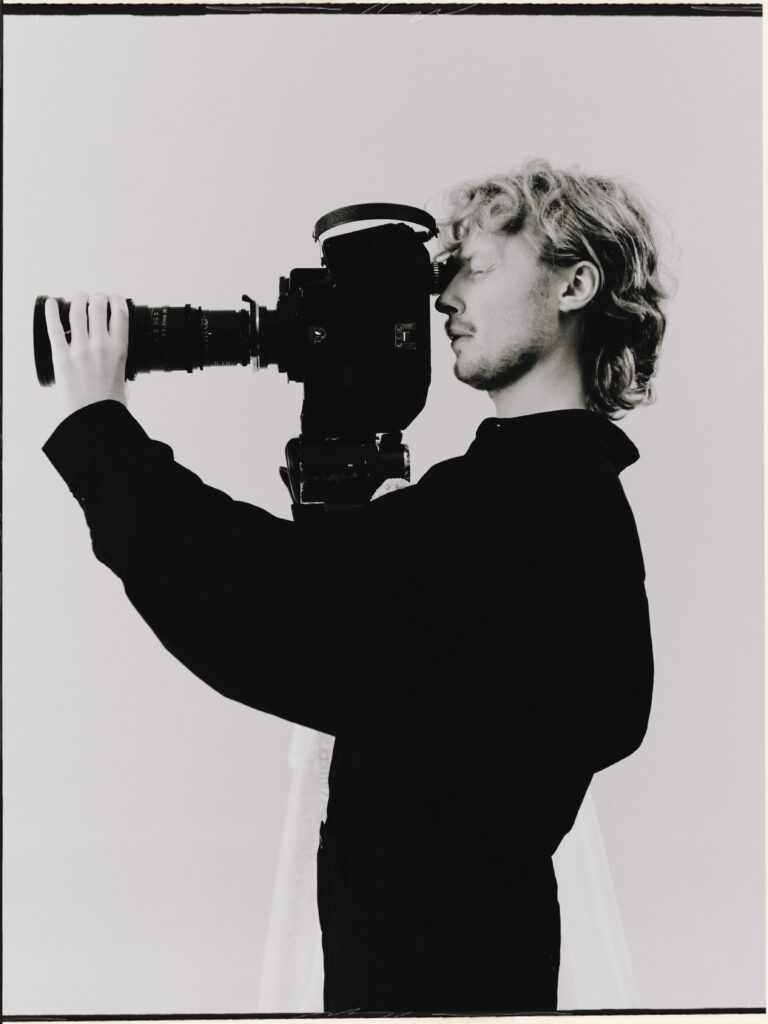
Fabian Penje X Odalisque I want to have that feeling of being way in over my head! I feel like you need that to move forward. photography Gustav Svante Larsson fashion & text Lejla Plima knitted sweater & shirt HOPE jeans ADNYM hat Helly Hansen shirt ADNYM pants Beyond Retro Stockholm shoes Vagabond jewelry OCC knit cardigan Core Rd Knitting Co jeans MADH   During my conversation with Fabian Penje, several things seemed to linger, but this sentence has stayed with me ever since we met at the small café Beck on Tjärhovsgatan in Stockholm. Fabian, best known for his roles in Young Royals and Blindspår, sips carefully on a decaf coffee as I open my laptop on the small café table. We take a moment to laugh about something trivial before diving straight in. After all, we’re here to talk about his career, his style, and his dream of directing. L: I want to start at the beginning! Your career started on the stage at Dramaten, tell me about that. F: Yeah, I was really young when I was thrown into life at Dramaten. It was a big role in a big production, as Alexander in Fanny & Alexander. We rehearsed for a year before theproduction began, and in many ways I grew up in the corners of that theater. I came to know that building over time, and eventually I grew really fond of the stage and all my memories there. I’m really happy that I got that traditional theater-schooling, it still shapes me as an actor today. knit cardigan Core Rd Knitting Co jeans MADH shoes Vagabond shirt ADNYM pants Core Rd Knitting Co shoes Vagabond jewelry OCC rings OCC L: What was that like, being so young and working while your classmates weren’t? F: I definitely had a lot of social anxiety about school, and acting became a kind of escape from that. I’ve always gravitated more toward adults, and Dramaten was probably the first place where I felt understood. It all kind of happened at once, I found myself in theatre, while losing myself a little in school. L: How would you say you “found yourself”? F: Dramaten opened the doors to the art world for me, and very quickly Ingmar Bergman became a huge inspiration. It was through his world that I discovered what theatre could really be. L: How would you describe your relationship to fashion back then, as a kid? F: I grew up in Sollentuna outside of Stockholm, where the aesthetic was pretty posh. Fashion to me then was just guys walking around in polos and chinos haha. It wasn’t until theatre, when I got to dress up for roles, that I understood clothing as an expression. That’s when it became something meaningful to me. L: And how did that interest in fashion evolve after your Fanny & Alexander-days? F: The big shift came when I started school at Södra Latin. That place was like a hub, the students had this unique sense of style I hadn’t really been involved in before. It was an immediate hard switch for me. Within six months, I went from a regular guy to a poster child for the Södermalm, theatre-kid aesthetic knit cardigan Core Rd Knitting Co jeans MADH shoes Vagabond shirt ADNYM pants Beyond Retro Stockholm shoes Vagabond jewelry OCC L: How would you describe that “theatre style”? F: I think the style in our circles at Södra Latin was a little try-hard at first. You kind of wanted to dress as a french philosopher so it was a lot of black. But eventually it became more ironic and I started mixing in street-style. I drew a lot of inspiration from Frank Ocean, Kendrick Lamar and Tyler the Creator. And I still do! I think that fashion is the purest form of expression, you can change how people see you when you walk into a room with a good outfit. L:Do you have an outfit like that? One that lets you take the room! F: (Laughs) I like that philosophy. It varies, of course, but my statement pieces are a vintage black leather jacket, a vintage Helly Hansen cap, and an orange beanie that somehow has become a symbol that my friends recognize me by. I think it’s important to have those you know? Statement pieces for your own character in life. L: Do you notice a difference in how you dress depending on whether you walk into a room as an actor or as a director? F: I always want to feel confident and strong, since both roles are very exposing. As a director, I think I lean towards comfort. Everything moves really fast and it makes it easier tostay focused on what’s in front of you! I would never wear anything that feels overstimulating. As an actor, I think I get there in my usual pieces, and then the stylist’s work becomes the most important! The clothes they choose help me find the character, so it means a lot.   L: How does it feel to explore directing at such a young age? F: I think that to be a director, you need a deep understanding of people. It takes experience and a good sense of why people think and act the way they do. At the end of the day it’s pure psychology and in turn dramaturgy. So in theory, it’s something that would make more sense to do later in life. But directing is also about our present moment as a society. About reflecting the times we live in. So in that way I think it’s important for young people to step in and show our perspective. Our generation is shaping pop culture, and everything we do leaves a mark. We have to make space for that, even if it means taking on a big labour of work like directing. And honestly no generation has as many opinions as we do. So I think we need to express

Scroll to Top