Music

Music

An Interview with Joshua Idehen & Ludvig Parment

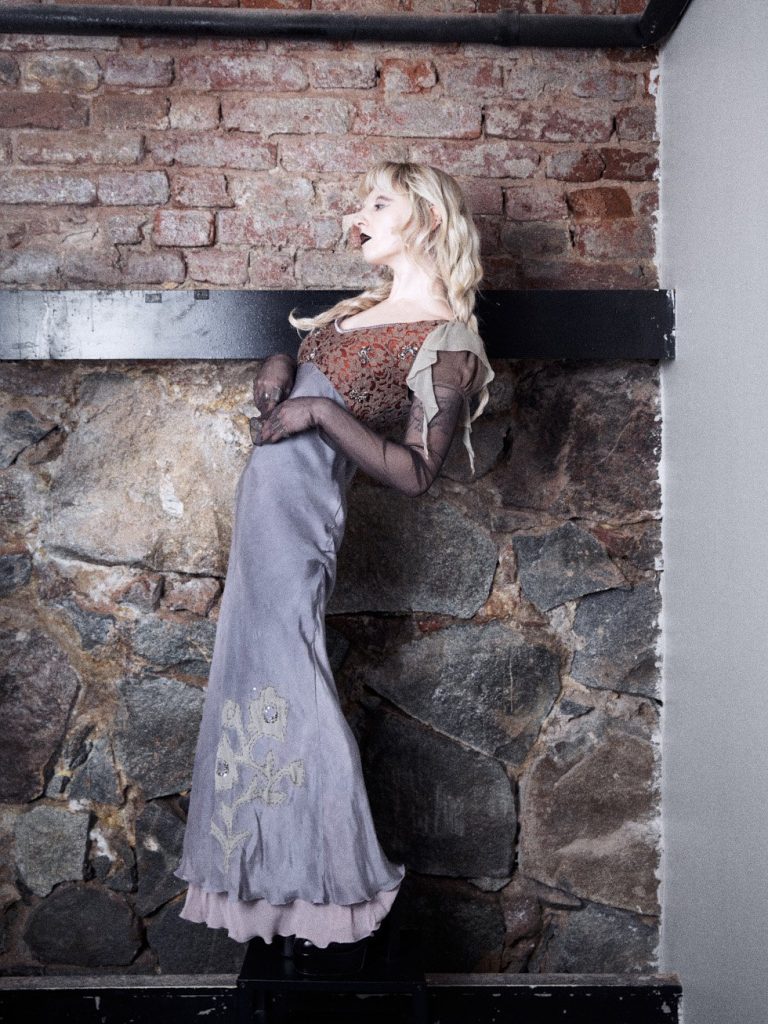
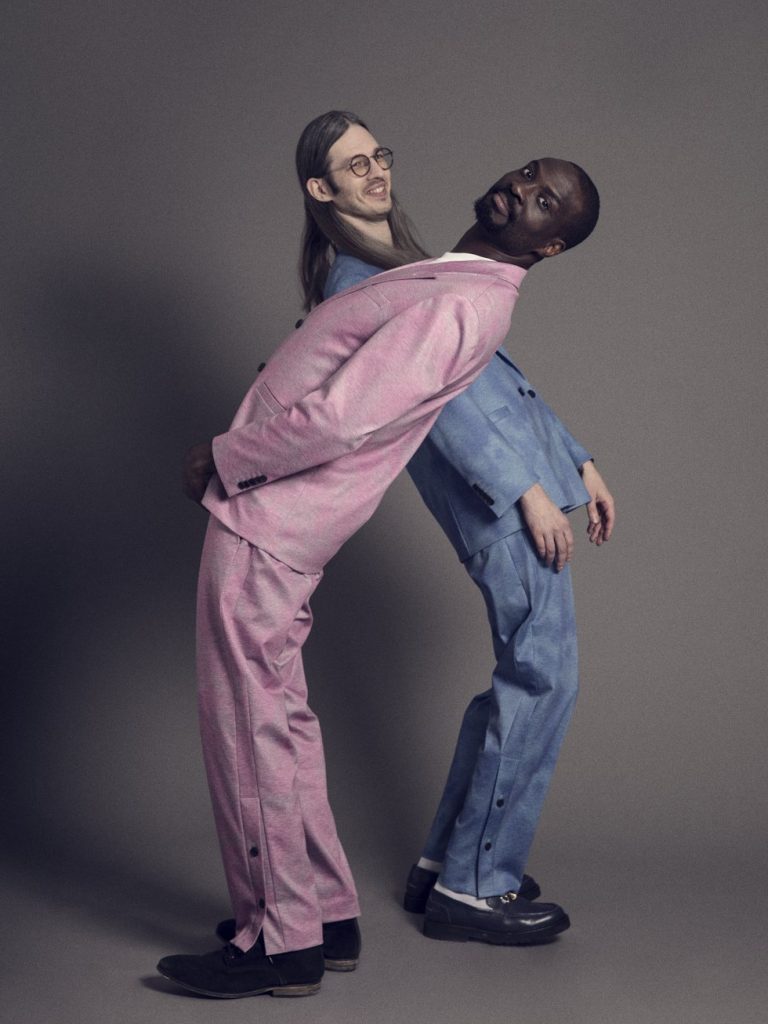
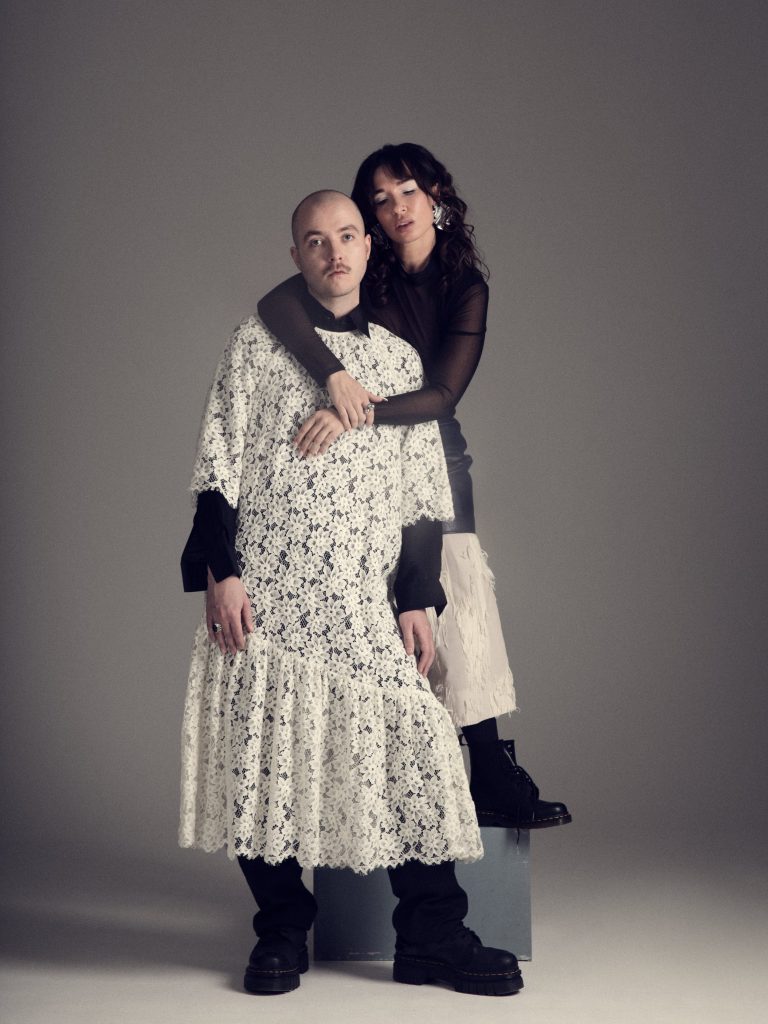
An Interview with Joshua Idehen & Ludvig Parment text Emelie Bodén & Filippa Finn In this interview with Joshua Idehen and Ludvig Parment discuss their collaboration, born from Ludvig’s admiration for Joshua’s live performance with Benin City. Ludvig envisioned Joshua as a solo artist, leading to a unique collaboration with a focus on Joshua as the primary brand. They touch on the balance of creative input, emphasising evolving trust for fruitful collaboration. The interview explores the evolution of their sound, with Joshua gaining confidence and prioritising honesty. Ludvig notes the shift from overwriting to leaving room for lyrical finesse. Distinctive production techniques, like the use of a choir in the chorus, are discussed as signatures of their work. Looking ahead, Joshua envisions exploring lounge music with poetry and dreams of an orchestral album, while Ludvig expresses a desire for unconventional ventures, including jazz exploration. The interview offers insight into their dynamic partnership, hinting at exciting possibilities in future projects. How did your collaboration come about, and what drew each of you to work together?LUDVIG: I think what drew me to it was seeing when I saw you live for the first time in Benin City. I’ve respected you since hearing your music, but when I saw you I thought why isn’t Josh doing a solo thing, he really needs to find a producer that can get the essence out, and I didn’t even think of myself at the time. That’s sort of why I’ve been like what we’re doing absolutely shouldn’t be a band; we shouldn’t have a band name, this has to be your brand and you need to be the one like the main focus. JOSHUA: We’ve known each other since 2016 and tried to work with each on several occasions. You sent me music but I was too involved with my own projects. At one point you produced a few of Benin City’s songs in 2018 but that was as far as it got for a while, we were both kind of like in different relationships for want of a better word uh we never really found anything that kind of was us at our best. And then when I moved to Stockholm, both of us were free of everything else we were doing and in a space to do something new. This was in 2021: you know, I still have the first email when you had sent the first demo of Don’t You Give Up On Me, and you were like “er yeah i don’t have any ideas and i just worked on this for an hour so tell me what you think” and then i sent you something back just going “yeah i just wrote this the today in my kitchen about so a couple of caveats i think we should get a choir” anyway, the rest is history. How would you describe the balance of creative input between the artist and the producer in your collaborative process?LUDVIG: I think we both have a lot of space to do our own thing. I’ve never really worked this for this long with the same collaborator before, so I tend to view the way Josh writes to everything i do as a version of feedback, like okay, that enforces my decision on where I take the music and future music next. JOSHUA: Our process has definitely evolved since when we first started. On the first mixtape you made the beats and then you sent it to me and then I  essentially wrote to that, and i would have sometimes l’d have some feedback in terms of “here’s what I want to happen with this verse” but now there’s a lot more trust in the process. For example, we have this demo, where you sent the beat over and I wrote to it, and I had thought the chorus was somewhere completely different from where you thought the chorus went but you went along with my arrangement, and then you tore out some of my lyrics to give the track more space and the song is better for it. Just the two of us allowing the other a bit of space in the play pit and bouncing off the ideas and happy accidents. How has your sound evolved since you began working together, and what factors contributed to those changes?JOSHUA: I’m definitely more confident. I’m playing more with the rhythm in bars and also not resting too much on rhyming. Allowing for more space: there are a few tracks on the mixtape that, if I did them now, I would most definitely rip out whole sections and just allow the music to breathe. Also not trying too hard to be clever when I can just be honest, lol. LUDVIG: I tended to overwrite stuff before because I just made a beat and I didn’t know who was going to be on it so I always had to make sure everything’s in there. But now that I know how you work, how you write, I can leave much more room for you. Can you discuss any favourite production techniques that have become signatures of your collaborative work?JOSHUA: choir in the chorus for sure! i think that’s a definite signature like, no one else is kind of doing those.LUDVIG: combination of three things: dance music, spoken word and a choir, the last one we’re using it less and less now right but it is something that I think does definitely mark us distinctly from everybody else yeah. we’re not using that many sort of like tricks. Are there specific musical or creative territories you want to explore together in upcoming projects?JOSHUA: oh well i think uh i would like us to do a lounge album like KHRUANGBIN but with poetry, definitely an album with an orchestra.LUDVIG: It would be really nice to do something else like super left field yeah like where we can really just be unhinged, and jazz. shirts ETON Joshua wearspink suit HUGOshirt HUGOshoes Artist’s own photography Sandra Myhrbergfashion Filippa Finnhair & makeup Vanessa Eriksson Tonelliphotography assistant Rebecka Barlach Joshua wearsblack suit HUGOshirt HUGOshoes Artist’s
Music

Suite Simone: An Electronic Celebration of Nostalgia

Suite Simone: An Electronic Celebration of Nostalgia text Emil Björnius Viggo wearsshirt We twotrousers Dickiesdress Baum und Pferdgartenshoes Dr. Martensrings Sif Jacobs Rebecca wearsshirt Urban outfittersskirts Baum und Pferdgartenstockings Swedish Stockingsshoes Dr. Martensearrings Clara Finaring Sägen One is pretty much a pioneer with over 15 years in the industry. The other one has had a meteoric rise to fame and could be seen playing at Boiler Room in Stockholm two years ago. In their new joint project, Suite Simone, Rebecca Scheja and Viggo Dyst let melancholy take a vital part in their genre-crossing music. Suite Simone is probably one of the most exciting things to happen to Swedish electronic music since DJ Seinfeld, and it is easy to understand why. Rebecca and Viggo share a love for vibrant, ambient and emotional melodies, which they successfully combine with merciless breakbeats. They do this with a mature yet playful sound. Rebecca has a lot of experience in the industry. Viggo describes himself as a true nerd who – in his younger years – preferred to produce beats while his friends played computer games. We meet digitally, and Rebecca and Viggo are about to start the day in their music studio. With different backgrounds, they complete each other. Rebecca’s career began in 2008 when female DJs were a rare phenomenon on the Swedish club scene. Rebecca & Fiona has been a powerhouse on the Swedish music scene for nearly a decade. On the other hand, Viggo released his first material on Spotify ten years later and has since studied music theory, lived in Berlin and worked with prominent Swedish producer La Fleur. How did the two of you meet? Rebecca: We met at a writing camp hosted by Vivrant Records. I was there as a producer, lyricist, and songwriter, and meeting Viggo was like love at first sight. Viggo: I joined the camp unexpectedly due to a cancellation during the COVID-19 pandemic. Rebecca and I connected instantly, especially while creating “Lost in Love.” We decided to form a band after that session. You come from different backgrounds but share an equal love for electronic music. Tell me about Suite Simone: Rebecca: We share a lot of nostalgic love for the Basshunter era. Viggo comes more from techno, and I am from the house genre. In the project, we strive for a melancholic melodic language but also want to up the tempo. Suite Simone can be a little dark and sad at times. Viggo: “Lost in Love” is an excellent example of the spread of genres in a single song. You can find both UK breakbeat and some Italo vibes. I’ve never really landed on what I wanted to do, so the common thread has never been a genre but a language conveyed through all the songs. The first songs were a bit more 90s, then we’ve come up in years, so the latter has leaned more towards how Deadmau5 sounded in 2008. We’ve simply landed in a combination of EDM, trance and techno. don’t want to be put in a specific compartment. Viggo wearsshirt We twotrousers Dickiesdress Baum und Pferdgartenshoes Dr. Martensrings Sif Jacobs Rebecca wearsshirt Urban outfittersskirts Baum und Pferdgartenstockings Swedish Stockingsshoes Dr. Martensearrings Clara Finaring Sägen Tell me a little bit about the dynamics in your duo. Rebecca: I don’t think we have ever argued about anything. We have chemistry around the melody and in how we do things. It has been very effortless. Viggo: I’ve never been angry with you. We have a very mutual understanding. We are also responsive to each other. The work we do together must be completely open, “if you do this, then I will take responsibility for that.” It has been a satisfactory relationship. I sit at the computer and tweak things, but we try to have an equal relationship. Rebecca is with me when I mix, and I am there when Rebecca writes lyrics. Rebecca: I have learned incredibly much when it comes to mixing. I had Viggo’s role a lot while working with Fiona, so it has been nice to switch things up. Viggo is incredibly educational. When are you going on tour? Rebecca: We will aim to run hard this spring. Everything needs to be nailed down. Our album will come out this spring, at the beginning of March, then we’ll probably tour a lot. Viggo: You are so invited to our release party. If you had to choose, who would be the dream collaboration, and why? Rebecca: The only producer that would have been epic to work with is Timbaland. Viggo: So many good producers do similar things to us, but we can do that ourselves. Timbaland is a little something else. Regarding artists, it would be someone from a completely different world, like Enya, Björk, or Rozalia, maybe? Listen to Suite Simone’s new singel Ajuna! Viggo wearsshirt We twotrousers Dickiesdress Baum und Pferdgartenshoes Dr. Martensrings Sif Jacobs Rebecca wearsshirt Urban outfittersskirts Baum und Pferdgartenstockings Swedish Stockingsshoes Dr. Martensearrings Clara Finaring Sägen Rebecca wearsveil Sofia Corneskogshirt Sofia Corneskogstockings Swedish Stockingsshoes Talent’s ownrings Sägen Viggo wearsleather jacket Brixtol Textilesshirt Ahlvar Gallerytrousers Stylist’s ownshoes Stylist’s ownrings Sägen photography Sandra Myhrbergfashion, hair & makeup Filippa Finn & Emelie Bodénphotography assistant Rebecka Barlachfashion, hair & makeup assistant Vanessa Eriksson Tonelli Rebecca wearscoat PelloBellosunglasses MaxMaranecklace Sif Jacobsearrings Sägen Viggo wearsleather jacket Replaysunglasses Guessnecklace Sif Jacobs shirt LEVI’Searrings Stylist’s own coat Remakeshoes Dr. Martensnecklace Caroline Svedbom
Music

Interview with the musician UMI

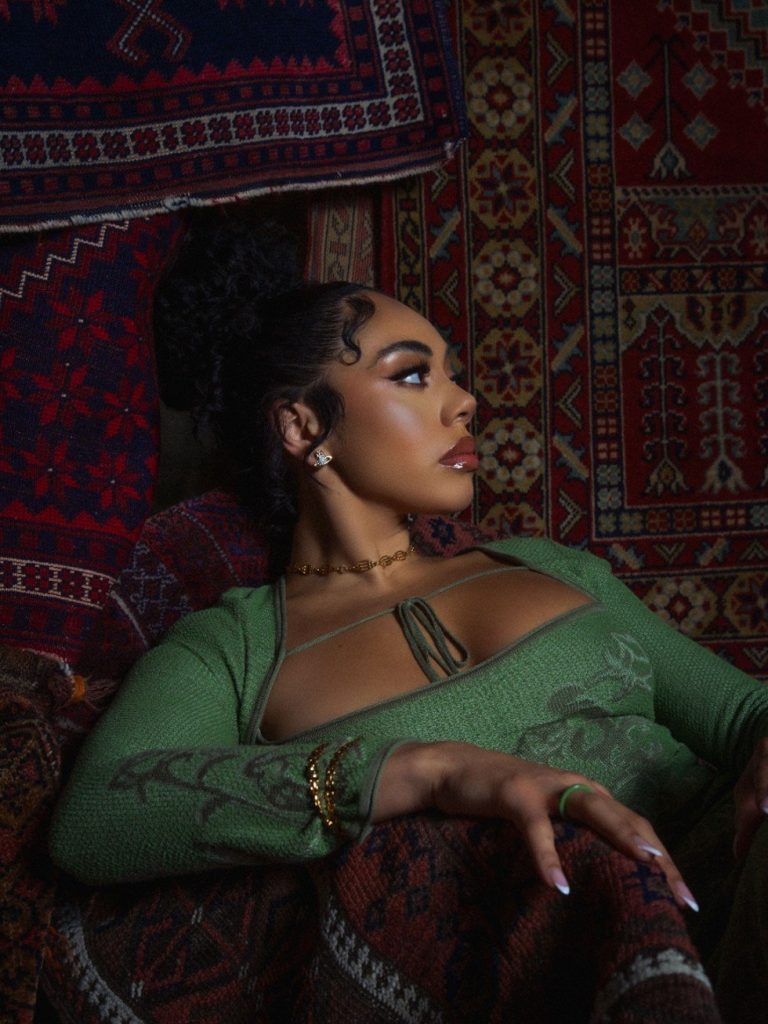
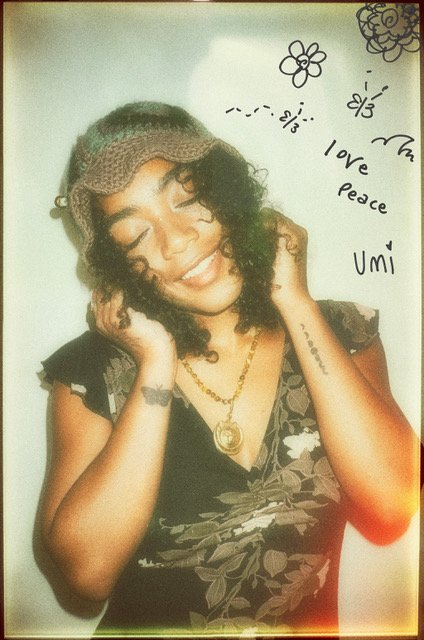
Interview with the musician UMI text Wendy Bevan photography Wendy Bevan As I waited for Umi to arrive at my home in Los Angeles I watched the skies, that  had been a little heavy over the last days, darker clouds, heavy light, even some rain but still, golden outlines that held the clouds tightly, out of sight above us. The golden rays of the sun shone low, it was a classic Los Angeles afternoon.Earlier that day, I’d listened to some of Umi’s music and was keen to meet this young artist who was bringing a ray of light to the contemporary R&B scene. It was no surprise to me that minutes before she arrived, a huge, brilliant rainbow had arched itself over the Hollywood Hills in the distance, boldly glowing with each of its seven vibrant colours across the Canyons. A perfect entrance for Umi, the new musical artist and healer who loves life and feels guided by the elements. Who is UMI ? Umi is a multidimensional artist and healer. Umi is a friend who understands you and seeks to understand you more. Umi loves life Tell me about your inspiration behind your EP talking to the wind. You found the motivation to write this whilst meditating. How important is meditation in your songwriting and practising as a musician? It’s so important, in order to create music that is very authentic to me. It requires the outside noise, so you can create from your centre, versus the centre of others. So, every time I meditate I feel like all the extra clutter disappears and I get a clear inspiration of what I want to do and what I want to create. It’s like the healer to writer’s block, the healer to self doubt, the healer to confusion, it’s like my important centre practice. How long have you practised meditation? Like 8 years now. I started when I went to college, right when I graduated high school. I had so much anxiety every day, and I got to this point when I thought ‘I cannot live my life like this.” I heard about meditation from my mom who practises Buddhism, so I knew about mediation from her but never really did it growing up. So I tried this ten minute meditation and I had never experienced that much peace and quiet in my mind before. I literally started crying after that. I didn’t know it was possible to have such an empty state, so after that I thought “whatever this is, I’m going to dedicate my life to learning more about it.” So do you enjoy Buddhist wisdom? Mmmm I do! I love it because it’s very simple and it doesn’t demand anybody to believe it or to understand or believe; it’s just ‘this is what’s been passed down- it just asks if it resonates with you.’ It’s also very flexible, there’s many different types of Buddhism. The specific type my mom practices is from Japan, and it talks about the self as the universe and how we in ourselves are our own universe. There’s parts of it I resonate with and parts I don’t resonate with. I appreciate it because it’s more of a teaching than a formed belief. So, talking to the wind- what is the EP actually about? The EP itself is an experience and a journey. The title talking to the wind is about how when I’m confused I’ll sit outside and let the wind and the elements guide me. I think that nature has a very simple way of speaking their words. It’s just from the heart, it’s very simple like “Just be, it’s gonna be ok, trust.” It’s very simple. So when I was making this project, I think I was learning about trust; how to trust myself, how to trust my journey. In each song, I remember a different aspect of my life I didn’t trust, so I wrote the song to help me learn to trust more. The whole project really is about trust, so I hope when people listen to it, it gives them the same feeling of meditation, being outside, and that by the end of listening to the project, some type of inspiration clarity will arise through you. That’s the intention behind it. Vogue has quoted your r&b style as those spent at the beach and carefree summers in LA- how would you spend your perfect carefree summer? Ohhhh I’d wake up whenever I want to wake up, I’d stretch, I’d eat some fruit, and then I would go to the beach with some friends, I’d jump in the water, do mediation, see my friends and listen to some music and let the wind take us from there… How influential were the dreams you had as a child in your adult life? I feel like they have been a direct translation in a way. Ever since I was little I always saw myself on stage. But when I was playing music pretending to have a show or pretending to record in the studio or pretending to write a song, I knew that that’s just what I enjoy and love doing. I’d dream about it…. So I feel like those dreams remind me that I’m doing exactly what I feel is my purpose and what I’m inspired to do. Why else would I want to do that when I was so little, when I had infinite other things to play with and do… it’s cool, too, when I close my eyes I can still see the same dreams as I did when I was little. I can still see myself on stage, or being in the studio… all still on my mind, all stuck with me. You embrace love, life but above all feel ok with being lost in the world. When you feel lost, what gives you comfort and what guides you through darker times towards your light? That’s such a poetic question! I think back to all the other times I felt lost, and I was kind of okay in the end,
Music

Chappell Roan Chats with Apple Music

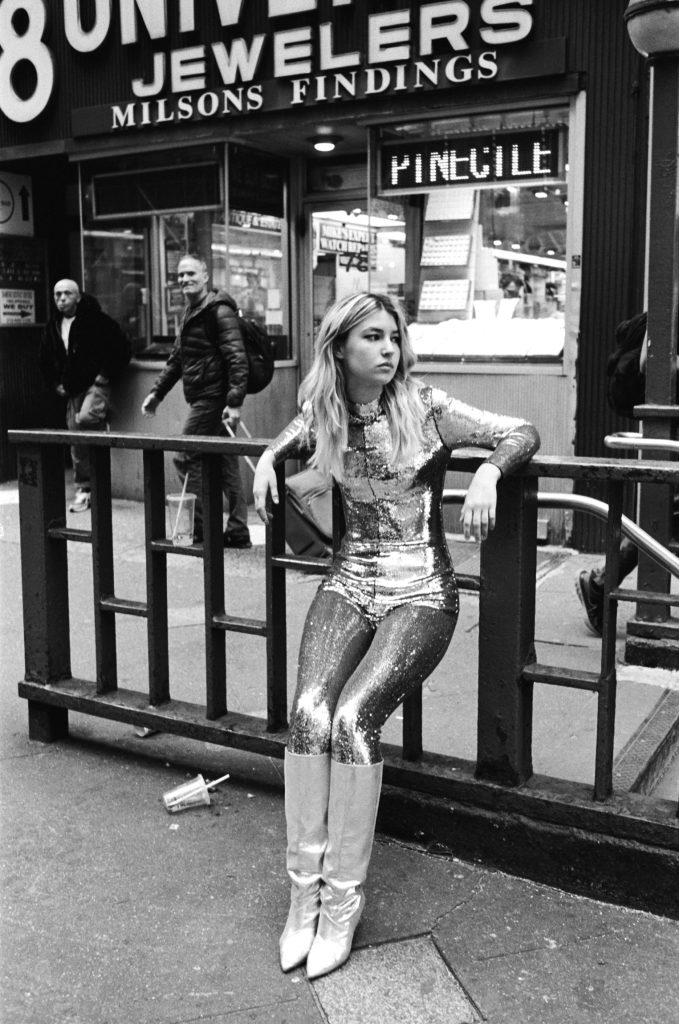
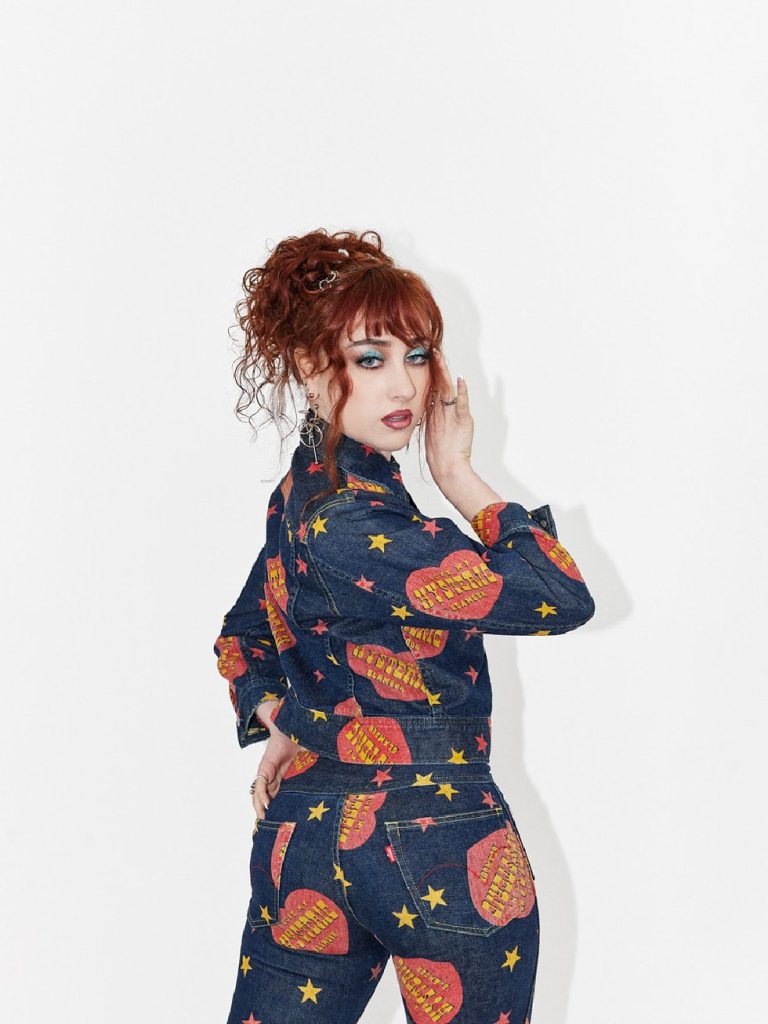
Chappell Roan Chats with Apple Music text Kelleigh Bannen on Apple Music Country Chappell Roan chats with Apple Music Country’s Kelleigh Bannen about how she turned an instrumental part of her past into a song of empowerment with her country debut, “The Giver,” while also embracing her queer identity through her music. The two also discuss the history of women in country music, including their admiration for artists like Loretta Lynn and Dolly Parton. Chappell Roan Tells Apple Music Why She Wanted to Write a Country Song I just thought it would be funny. It’s campy and it’s fun. I’m from southwest Missouri, grew up on Christian and country and then found “Alejandro” by Lady Gaga. And I was like, “I think I like this too.” So I have kept country in my heart and it’s so incredibly nostalgic to drive in West Hollywood and have Jason Aldean, or Alan Jackson, “Chattahoochee.” And I love how… “Save a Horse (Ride a Cowboy).” I was like, “How can I…?” I want to feel that way on stage. I want to feel that because that’s how I write. I’m like, “How do I want to walk around on stage and sing?” And I was like, “I want to write that song, but, like, Chappell’s version.” Chappell Roan Tells Apple Music About Drag Queens Performing Country Songs I think I have a special relationship to where I’m from because of country music. And so to kind of honor that part of myself by making a country song where it’s like, “You know what? Yes, I am gay and yes, I am ultra pop. Yes, I am a drag queen. You can also perform a country song.”… And there’s a lot of drag queens who do country music all over the world. Name a girl who hasn’t done “Before He Cheats.” Name a girl that hasn’t done “Man, I Feel Like a Woman.” Chappell Roan Tells Apple Music About Growing Up in Missouri and Not “Hating Herself” for What She Was Taught to Do It’s like I don’t hate myself for not knowing everything about the queer culture at the time. I don’t hate myself for coming from Missouri and not knowing any lesbians. I don’t hate myself for being closeted and hating myself. Of course, you do. Every person in the Midwest and south, especially, these tiny towns, are taught to not only keep it down, but hate it away or pray it away. And I’m not mad at myself for doing that. It’s all I knew what to do. That’s all you’re told to do… I can hate myself for being gay at 15 and be like, “I’m a woman. I’m supposed to just be there for my husband and I’m going to learn how to cook and…” Awesome. I can do that. Move to LA, have a revelation, and write a country song to wrap it all up and be like, I love myself for loving country music and I love myself that I came around the other side. I love myself so much that I took a leap into a pretty painful part of my past in the Midwest and made a song of joy. Chappell Roan Tells Apple Music About Being Talked Down to In Her Life Chappell Roan: As a woman you have to have the absolute audacity to feel like… you have to have the audacity to walk on stage and be like, “You’re going to look at me and I’m going to talk directly to the camera.”… And I was not just born with that. Every girl knows what it’s freaking like to be talked down to by a boy or a pastor or-Kelleigh Bannen: A record label executive?Chappell Roan: Or a record label executive.   Chappell Roan Tells Apple Music Country Boys Have Treated Her Both the Worst and the Best I’m about to say something so controversial, but do you know who has treated me the best and the worst? Country boys. They treated me the nicest and they’ve also treated me the worst because… this is in high school and that’s what I grew up around. Those are the boys I grew up around and that’s how I learned to stand up for myself, because you’re not going to look at me and be like, “Shh, shh, shh.” That’s how I learned that I am never going to have this done to me ever again. I’m never going to have someone put their hand up and say, “Stop talking.” I learned from a lot of the boys that I grew up around who were influenced by their fathers and how these roles as, like, “I’m a man, so you speak after me.” I began my confidence in feeling kind of inferior to a lot of the boys around me growing up. And so whenever I pointed out at that photographer on the red carpet at the VMAs, I heard boys at my freaking high school telling girls to shut the… up. And I know that’s not exclusive to country. That’s not exclusive to southern culture. That’s not exclusive to any culture. It’s universal. But I didn’t hear just slurs around gay people. I’ve heard a lot of women-hating comments growing up and a lot of women-uplifting comments, but it’s different where we grew up. And I don’t care that I was raised to be ladylike. I don’t care. I don’t care about being trashy. I don’t care about looking sexy. These are all things I had to unlearn. I had to unlearn, like, “Actually you are not going to make me feel inferior just because I’m a young girl.” I had to pull myself up, and that is straight up why I’m here. Chappell Roan Tells Apple Music She’s Dated Country Boys and Hints at Poking Fun at Them in “The Giver” I wonder if people are going to revolt against me making a very clearly lesbian song, where I poke fun
Music

Exploring the Multifaceted World of Ros

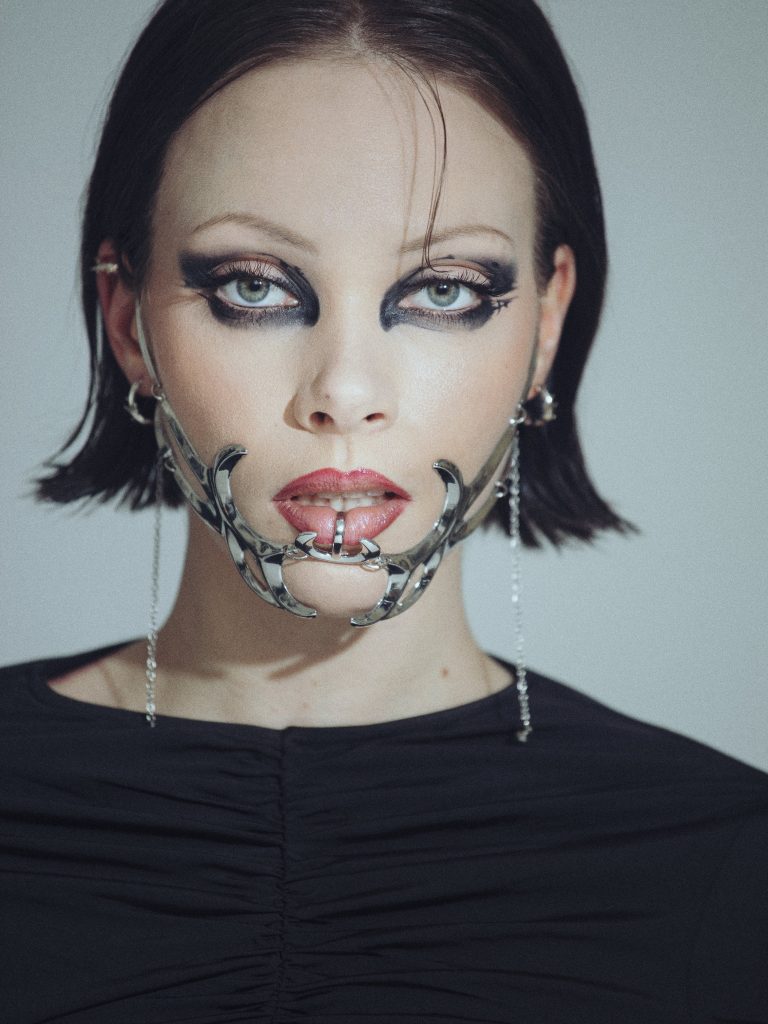
Exploring the Multifaceted World of Ros text Emil Björnius photography Sandra Myhrbergfashion Merilin Kermas Mardo top By Malinametal face jewelery La Petite Mortearrings Miriam Bryant x the HÖGDALEN In the ever-evolving domains of music and fashion, few artists like Ros embody the spirit of transformation and creativity. Born in Gävle and raised in Lund, Ros’s journey began in the culinary world, apprenticing as a chef at Daniel Berlin Krog, now known as Vyn. However, when Stockholm called in 2016, it was clear that her destiny was in the creative industry. Tell us a bit about your background? I’m originally from Gävle but grew up in Lund. Post high school, I started as a chef apprentice at Daniel Berlin Krog, now Vyn, in Skåne’s Tranås. After a year there, I continued exploring the culinary world. In 2016, I moved to Stockholm, where I’ve been ever since. Music entered my life in 2017 thanks to my friend and producer, Isak Von Haartman. That’s about when I started making music, initially for fun but quickly became a passion. Alongside music, I’ve always worked as a chef, so these are my two greatest passions. Your latest single, “Holy Shit”, has a raw sound. How much “pop” is Ros in 2023?“Holy Shit” is indeed raw. It’s created uniquely, with the beat comprising sounds from a doorbell, a staircase, and an elevator. These little things make it feel different and raw. I’m leaning more towards dance music but am open to experimenting with whatever I like. I’m not fixed on one sound; it constantly evolves like humans. As someone who’s been genre-defying since your debut in 2017, what drives Ros’s musical direction?I wouldn’t say I like feeling trapped by people’s expectations. I want to do what feels fun, which isn’t always easy. I express myself through style and an overall aesthetic rather than musical prowess. This ignorance frees me from the notions of right and wrong, leading me to unexplored places. In a previous interview, you mentioned that your three greatest passions in life are food, music, and fashion. How do you define your style?My style constantly changes. I’m pretty ordinary, yet I love to stand out and be creative. I enjoy adding unique details to simple things. There are two sides to me: one that loves to blend in and another that adores being a showstopper. You’ve openly talked about your anxiety. How does it influence your music?Anxiety has had a massive role in my music, from the lyrics to the creation process. Making music can be anxiety-inducing, but over the years, through therapy and aging, I’ve learned it’s a waste of time to dwell on it. I won’t let anxiety dictate my music anymore. What are your plans for 2024?To keep having fun and possibly let Ros evolve beyond music. I love creating and reaching out to people. I plan to explore new paths, not necessarily confined to music production. Having collaborated with various artists, who would you love to work with next?I’d love to work with Yeager. She’s incredible. Leila K would also be fantastic to collaborate with. jacket Calvin Klein Jeansbelt Stylist’s Ownros necklace Made by Stylistnail jewelry Made by Ros, the artist jacket Artist’s Owntrousers CW By Carin Westerboots Steve Maddennecklace LIV & ELLEN, WOSnipple covers H&Mgloves Stylist’s Ownbracelet Martina Jansson top H&M Studiosdress Calvin Klein Jeanslatex trousers Ahlvar Galleryshoes Vagabondknee socks H&Msunglasses Artist’s Ownvintage earrings Stylist’s Ownring Annika Gustavsson Jewelery top By Malinaover knee socks, shoes & belt Stylist’s Ownmesh stockings Fen Baorings Karolina Berg Jewellery, WOSearrings Miriam Bryant x the HÖGDALEN coat STHLM MISCstockings Fen Baoboots Steve Maddenros necklace Made by Stylist photography Sandra Myhrbergfashion Merilin Kermas Mardohair & makeup Miranda Wehlinphotography assistant Rebecka Barlachspecial thanks to Garlic & Shots Fishnet Body Stylist’s Ownlatex trousers Ahlvar Gallerynipple covers H&Mboots Steve Maddennecklace Artist’s own
Music

Interview with Adele Marcia Kosman

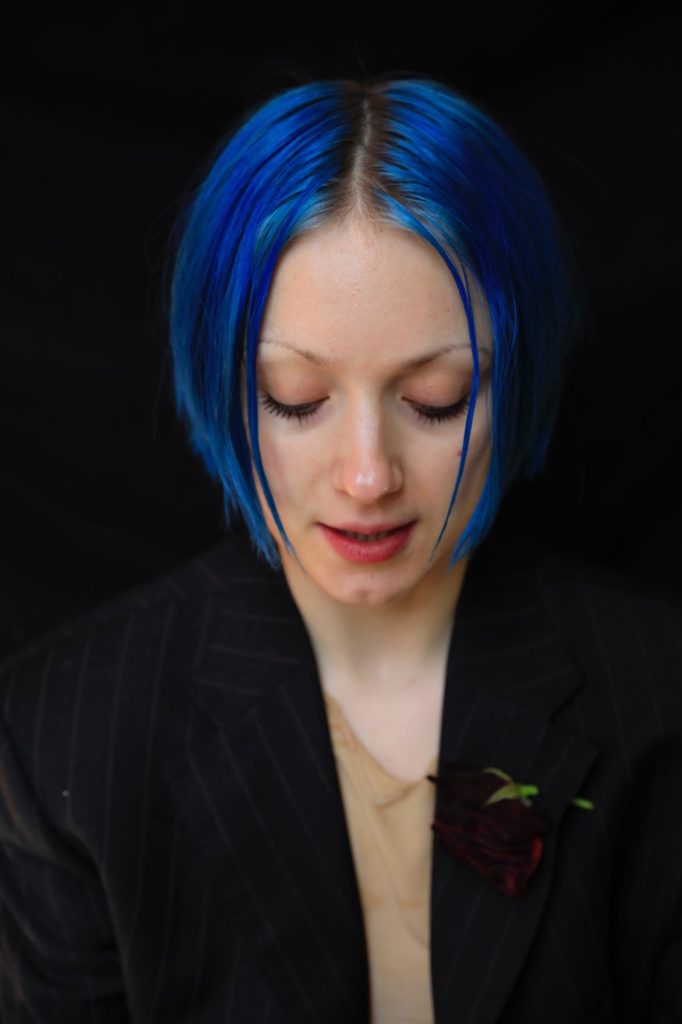
Interview with Adele Marcia Kosman text Alicia Hurst photography Johan Scarsbrick Swedish composer Adele Marcia Kosman unveils a world of emotion on her debut album, “VOLVM 2. pieces.” Through dissected voice, pump organ performances, and algorithmic synthesis, Kosman explores the delicate dance of pleasure, disruption, and persistence in time. Drawing from diverse experiences, her music offers a brief yet immersive journey into a realm of emotional depth and subtle revelation. Your album, VOLVM 2. pieces, features a blend of intimate, raw emotions and digitally manipulated sounds. Can you share personal experiences from your life, such as those in “Closer to Trust,” inspire these elements in your music? It is truly challenging to derive the origin of an idea or inspiration. I highly rely on intuition when composing and the many different musical circumstances and periods of my life effortlessly resurface when needed and when relevant, and I remain ignorant to whythis relevance occurs. With that said, the tools I use certainly dictate the music to a large degree. The pump organ landed in my possession by chance and has influenced the album deeply. The summer of 2021 we built a studio in my family’s summer house and I was on the lookout for a small piano. Suddenly this cute organ pops up in the Facebook-page of the village. Its sensitive fluctuations in dynamics and the rhythmic aspect of the pumping has allowed me to find new sounds and expressions in my vocal performance and I believe this also heightened the raw sensation of the album immensely. The digital processing, as an aesthetic, ie. Beyond mixing and effects,comes from an urge to dissect sounds – hoping to find hidden treasures.“if it were for me you’d piece me up” is a good example of this tendency and also shows how the tools at hand shapes the end result. I also love clicks and pops! With your background as a back-end developer and experiences in major-label-signed electronic pop, how have these diverse influences shaped your creative process, particularly in crafting the unique sound found in VOLVM 2. pieces? I would first of all like to say that the major-label electronic pop allowed me to become a musician. Before For BDK was signed I had no faith in pursuing a musical career. A naivety in me was born in thatsigning moment and it has since served me well. The naive dream of stardom and fame gives me so much energy and will. A side note is that studies in composition allowed me to do computer development. It’s all intertwined, like it should. Moreover, I had a wish to mix and merge the different sonic tendencies Ihave. The sparse and live-recorded on one hand, the heavily processed on the other, and perhaps a few instances in between. Perhaps this is something significant to the record. My intention with this has something to do with sincerity. These are the most beautiful tracks I have made in the past few years and they belong together.I won’t keep anything from you! I promise! Your music explores recurring themes and leitmotifs. Do any of these draw directly from personal experiences, and how do they contribute to the overall narrative of VOLVM 2. pieces? As many, I find it easier to compose when starting off with a little seed of sound. So, you borrow excerpts from previous works. Sometimes the resemblance of its origin is lost along the way, and other times the resemblance works to tie a story (album) together. Apart from this, ever so often you write something which has a huge potential, and I’m sure to make use of this. Lyrically the album is strictly personal. All texts are from diary notes. Many of these diary entries were written in the aftermath of separation. In the ebb and flow of grief, emergence of new dreams and wishes, reconciliation and all the things. The dualistic nature of your vocals from intimate to abstract suggests a personal touch. How do your own emotions and experiences influence the way you choose to sing, especially in songs like “Always” and “If ItWere For Me You’d Piece Me Up”? The dualistic nature of the album has a somewhat practical origin. How Lust and practicality impact decisions, particularly when years of movements of lust are accounted for.“if it were for me you’d piece me up” I wrote during my studies in composition. I wished to deepen my artistic practice beyond the voice.At the same time – the voice is my main instrument. I used recordings from earlier live concerts of mine and put my voice to good use, with new tools.Graduating The Royal College of Music I was again longing for the fragility and corporal aspects of vocal performance. Not unrelated to my degree project where I dwelled into the topic of liveness and how this can (should) be incorporated in a concert of electronic nature. In your role as a stylist and model, how does your identity in these fields intersect with or influence your musical identity? Are there moments where your work in one realm directly informs the other? Today, I am a composer and artist. The time I spend with shape and form,clothes and expression, is to aid a musical expression. Music is the beginning and end! Reflecting on your electroacoustic academic endeavors, can you share a specific concept or discovery that significantly impacted your artistic perspective and found its way into your music? We have already mentioned “if it were for me you’d piece me up” a few times and I find it necessary to do so again. This piece is the oldest track of the album and at the time of birth it evoked a new musical era.I set off to expand on the use of voice and to generally explore new techniques of processing recorded sounds. My exploration led me to databending and glitch. Damaging the source code of an audio file is one way to perform data bending, it is a tedious process but it brought about the most interesting and surprising variations to the motif of the piece. In the
Music

Interview with Kerstin Ljungström

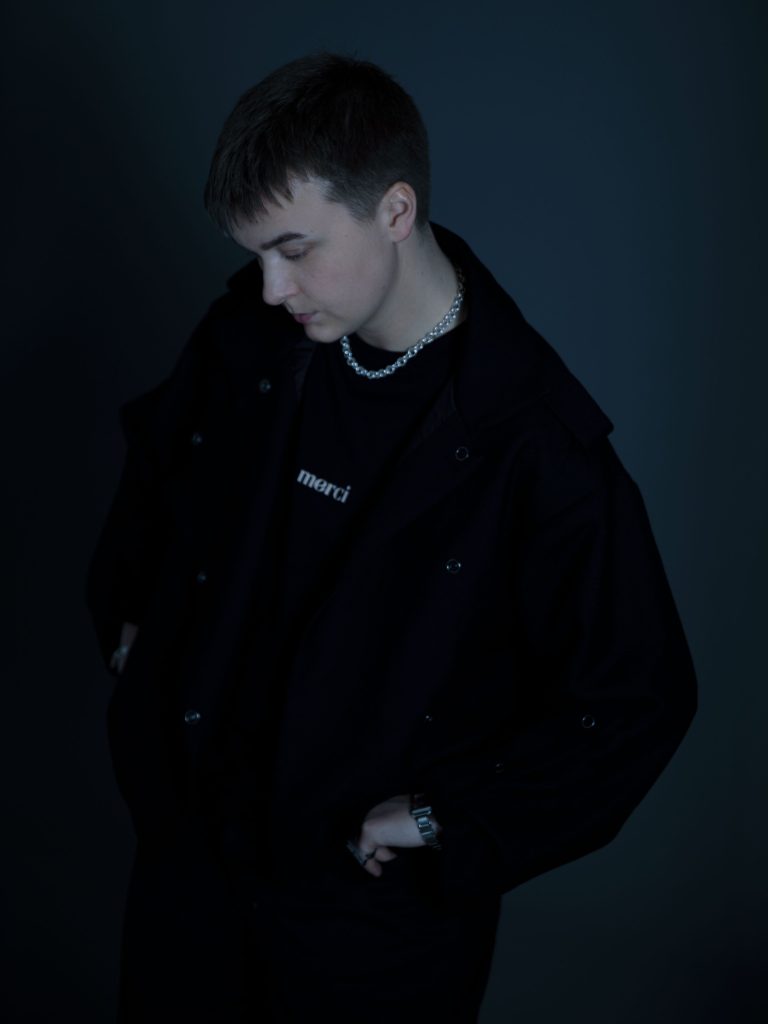
Interview with Kerstin Ljungström text Emelie Bodén photography Sandra Myhrbergfashion Emelie Bodén jacket Ahlvar Galleryshirt Avenytrousers Our Legacyrings Efva Attling & Annika Gustavssonbracelet & necklaces Efva Attllingwatch Seiko   For nearly a decade, Kerstin Ljungström has dedicated herself to working as a producer, live musician, songwriter, and studio technician for some of our brightest stars. Finally, on October 13th, her debut album takes its place in the British pop landscape. It’s a tumult of everyday melancholy, a nod to the music that has carried her through it all – with Kerstin’s velvety vocals, uncensored stories, vibrant productions, and rarely witnessed musicality serving as the overarching theme. What inspired you to pursue a career in music?From the first moment I started singing and playing the guitar, it felt like I’d found “my thing.” Nothing else made me more excited or drew me in the way music did. It’s never really been a choice for me to pursue music; it’s just been this kind of force that drew me to where I am today. Might sound a bit cheesy, but that’s how I feel about it. Can you tell us about your musical journey and how you got started in the industry?My mother taught me how to play the guitar when I was around 11 years old. After that, I started a band with my friends back in Bollnäs, and we had lots of gigs. I was 16 years old when I moved to London and studied at a music school called Rytmus, then another music school up north in Sweden. After that, I had an internship at a studio where a lot of established producers worked. I worked there for a few years and then signed my first publishing deal. How would you describe your musical style or genre?I’d say it’s pop, but with lots of different influences. I grew up listening to everything from jazz to Daft Punk, and in my early 20s, I worked a lot as a DJ, so I’ve always consumed a lot of different genres. When I produce my own stuff, I try to bring everything I love into the mix. Are there any specific themes or messages you aim to convey through your music?I try to write very personally and want the songs to be as honest as they can be. But one thing that’s always been very important to me is to write openly about being queer and always use “she” instead of “you.” Kind of want to write songs that I wish I could have listened to when I was younger. What’s your dream collaboration with another artist, dead or alive?I’d love to work with Sam Smith or Troye Sivan; I think they’re both such amazing artists. But for my own stuff, I’d say Jonathan Johansson because I think he is one of the best lyricists we have in Sweden. jacket Ahlvar Galleryshirt Avenyrings Efva Attling & Annika Gustavssonbracelet & necklaces Efva Attllingwatch Seiko What advice do you have for aspiring musicians trying to break into the industry?Don’t rush it! Music is so much about just finding that thing that is yours. And don’t care about what other people think or do! ‘ How do you handle criticism or negative feedback, and how has it influenced your work?I’m human, so, of course, I get affected, but I try to always remind myself that it’s just a matter of personal taste. The only thing I can do is keep doing what I like and love. shirt Avenyjeans Our legacyshoes Converserings,bracelets & necklaces Efva Attling shirt Avenytrousers Adnym Ateliershoes Converserings & bracelet Efva Attling jacket Ahlvar Galleryshirt Avenytrousers Our Legacyrings & bracelet & necklaces Efva Attling shirt Avenyjeans Our legacyshoes Converserings, bracelets & necklaces EfvaAttling shirt Arkettrousers Hopeshoes Dr. Martensrings Efva Attling photography Sandra Myhrbergfashion Emelie Bodénhair & makeup Filippa Finnphotography assistant Rebecka Barlachgeneral assistant Vanessa Eriksson Tonel

Music

Exploring Boundaries: An Interview with Nao Mali about his Multifaceted Artistry

Exploring Boundaries: An Interview with Nao Mali about his Multifaceted Artistry text Frank-Adam Hagman Nao Mali, originally from Wisconsin and raised in northern Sweden, effortlessly combines smooth R&B vocals with dynamic rap, crafting a unique pop sound. With impeccable style and a talent for imaginative songwriting, their artistic fusion mirrors a profound passion for both music and fashion. Beyond their musical accomplishments, Nao Mali is a highly sought-after stylist, making their mark in global fashion campaigns. Notably, they featured prominently on H&M’s Times Square Billboard, showcasing their influence and presence in the fashion and beauty world. In their latest single “FAG” Nao Mali boldly merges heavy metal guitars with a pulsating club beat, delivering explicit verses that challenge conservative detractors. The reappropriated chorus transforms a homophobic slur into an unexpected anthem: “I’m a fag / That’s a fact / I walk fast / Never look back.” This daring composition showcases Nao Mali’s fearless creativity. ”FAG” marks the start of Nao’s collaboration with creative director Martin Falck for the upcoming album, SCANDAL. The track also showcases Vixen, the shred queen and lead guitarist for Halsey and Rina Sawayama. This summer, Nao Mali captivated audiences on Sweden’s grandest stages during Daniela Rathana’s “School of Rathana” tour. Adding to their success, Nao delivered unforgettable solo performances to sold-out crowds at Stockholm Pride and the main stage of Copenhagen Pride.  You went under different names earlier in your career, what about Nao Mali stuck?I decided on Nao Mali because it felt neutral and fresh to me. I needed a name that was fluid and gave me the opportunity to be whatever really. I played around with the letters in my last name Malinao, and that’s how came up with the name Nao Mali. How has fashion influenced your music?I have the most fun being an artist when I get to create looks for photoshoots and performances. So fashion is absolutely a big driving force for me making my music. You’ve been on tour with Daniela Rathana this summer, what was the best part of that experience?This was the first tour I’ve ever been on, so it was scary as shit not gonna lie. But of course, I couldn’t say no to singing backup for (with no exaggeration) the best singer and performer we have in Sweden. Getting to know Daniela, her band members, and the team has been so much fun. This has for sure been a life-changing summer for me. But the best part of this experience is obviously seeing Daniela excelling on stage, front row deluxe, hitting every note effortlessly.   knit World of Kismetshirt Stylist’s Ownshirt around waist HOPEjeans & shoes EYTYSnecklace Acne Studiosearrings Arto You have earlier said that music for you is like a playground where you can create new worlds and discover new parts of yourself. What has Nao Mali taught you personally?That it’s okay not knowing fully who you are yet! Allow yourself to try different things out until something feels right. Favorite song lyric of yours?“I’m f*cking freaky funky, gender f*cking I create my own niche” from my song Pretty / Ugly has been the lyric that’s been stuck in my head since I wrote it, and has helped me to accept and embrace my weirdness. How do you feel the Internet has impacted the music business?I think it’s a bittersweet situation, especially TikTok blowing up. I believe it’s a blessing for many new artists to get discovered and all. But my passion is to create music and art, not to make TikTok videos. What advice do you have for young queer people starting to realize their creative potential?My advice would be to allow yourself to get inspired by other creatives without getting jealous or comparing yourself to them. What’s the best piece of advice you’ve been given?Trust the process. Cheesy question but I must ask – What is your dream collaboration?Robyn for sure! jacket Deadwoodtop EYTYSskirt Rave Reviewstockings Falkeshoes Acne Studiosjewelry Artofaux fur piece Tim Maksimovic top & jeans Stockholm Surfboard Clubjewelry Artotop two Anna Lastro knit World of Kismetshirt Stylist’s ownshirt around waist HOPEjeans & shoes EYTYSnecklace Acne Studiosearrings Arto   wings & belt Stylist’s Owntrousers World of Kismetstockings Wolfordshoes Acne Studiosjewelry Arto jacket, necklace & charms on bag Stylist’s Owntop Stockholm Surfboard Clubskirt World of Kismetstockings Swedish Stockingsshoes EYTYSsunglasses Acne Studiosbag Little Liffnergloves Handsome Stockholmrings Artoown photography Sandra Myhrbergfashion Amy Tamakeup Alicia Hursthair Isabell Larssonnails Paloma Gonzalezassistant Filippa Finnpost production Rebecka Barlach

Music

“Pop’s next It-girl” UPSAHL x Odalisque

“Pop’s next It-girl” UPSAHL x Odalisque text Josie McNeill According to Taylor Upsahl, better known as her pop star persona UPSAHL, she never really made the decision to start making music–it was always a part of who she was.“I started doing music before I really could remember honestly,” UPSAHL said. “ As soon as I had a personality, the biggest part of my identity was music.”UPSAHL said she grew up in a music environment, with her dad playing in punk bands and having a house full of guitars, a piano, and a drum set. She was then classically trained in music at a performing arts high school starting at age 10.At night after classes, UPSAHL said she played at “little shitty clubs” and started putting out albums. But it wasn’t until she moved to Los Angeles after high school that she began to pursue music full time.Now, after releasing the fourth installment of THE PHX TAPES project on Oct. 20 and embarking on a tour with Melanie Martinez, Upsahl released SNOWGLOBE, a new holiday mixtape on Nov. 10. Odalisque sat down with UPSAHL to discuss her upcoming projects, tours, and how she became the pop artist that she is. Did you mostly listen to punk rock music growing up? Or did you mainly have other influences? Definitely a little bit of everything. I mean, I listened to a lot of punk bands that people probably never heard of just because of my dad and the bands that his friends were in when I was a kid. So I listen to a lot of that, then a lot of Queens of the Stone Age, a lot of Weezer that was a really big influence for me and a lot of No Doubt. Gwen Stefani was my idol. I just wanted to be Gwen Stefani growing up. I thought she was so badass. I listened to some OutKast. I feel like I just kind of listened to a mixture of a lot of things. But what my parents had playing around the house was a lot of punk music and a lot of classical. The only thing I didn’t grow up listening to was country and pop music weirdly enough. I didn’t really get into pop music until I moved to LA and started writing pop music, which is crazy. Why did you choose to go into pop music?I think it happened by accident. When I started writing songs, I was just like in my room playing guitar, and so naturally, the music sort of went in a singer-songwriter direction production wise. It wasn’t until I moved to LA and started working with other producers that I realized there’s a world of different sounds at my disposal. It doesn’t have to be just a live instrument, we can program drums or use a synth or whatever. So that opened my eyes to the endless world of production and getting to work with producers. And then also just pop songwriters made me fall in love with the art of making pop music. I think I fell into it sort of naturally just by working with other people. How did you come up with the concept to do a series of little mixtapes?I knew I wanted to call it THE PHX TAPES at the top of the year. Because I was just having so much fun in the studio making music, I made this goal for myself going into sessions in January that I wasn’t really going to worry about genre at all. I was just gonna have so much fun in the studio, and if I wanted to make a really alt rock song one day and then a house record the next, I just like gave myself the freedom to do that. It just started to remind me of how I felt when I was making music as a kid back in Phoenix when I had like no idea what the fuck I was doing, and pulling up to the studio and just seeing what would happen. That’s how I felt–it was sort of this naiveness, so it kind of made sense to call the project THE PHX TAPES. It’s sort of an ode to all the influences that I grew up on and that creative and childish sort of freedom that I was feeling. Can you talk a little bit about the sound and concepts behind your songs “NO HANDS” and “SLAYYYYY” that are being released on the fourth installment of the mixtapes?Each volume is meant to feel very different. And even like the side A versus the side B for each volume are meant to feel worlds apart. “NO HANDS” is side A. It’s very dark and dancey, which I feel like regardless of where I go with my music, I always go back to the old, dark, dancey records. That’s what “NO HANDS” sounds like. It’s very chaotic and aggressive. And then “SLAYYYYY” which is side B in volume four, is completely different. It was just me having fun. I wrote the song as a joke in the studio and honestly never thought I was going to put it out because it was like that much of a joke. And then I just kept coming back to listen to it. I was like wait, this is actually like a really fun song. So that one’s the more “I don’t give a fuck,” very freeing song. I’m really excited for both of these because I feel like lyrically as well, “NO HANDS” is very much about creating chaos and wanting to break out of whatever is like holding you down and “SLAYYYYY” is the result of that chaos, which is just like fucking insane and very unhinged. I feel like that’s becoming a more common thing for artists to do now, releasing a song they originally wrote as a joke. For real, I feel like when you write a song as a joke, and then put it out, at least for me, listening to

Music

Unveiling ‘Zig’: inside Poppy’s journey towards herself

Unveiling ‘Zig’: inside Poppy’s journey towards herself text Natalia Muntean Poppy, also known as Moriah Rose Pereira, has navigated a career as fascinating and unexpected as the enigmatic content she creates. From launching her YouTube channel in the mid-’10s, to her eccentric debut album ‘Poppy. Computer,’ reflecting her peculiar robot-voiced videos, to the more musically compelling ‘Am I A Girl?’ featuring collaborations with industry luminaries like Grimes and Diplo, her evolution has been a kaleidoscope of innovation. Now, with her fifth studio album ‘Zig,’ released on October 27th, the 28-year-old artist continues her zigzag trajectory. The album, while representing the duality of her spirit, also reveals a more liberated and outspoken Poppy.We sat down for a conversation during which the LA-based artist shared insights into her formative years in Nashville, the evolving musical influences stemming from her family background, and the pivotal moments that shaped her trajectory in the music industry. Who is Poppy?Singer, songwriter, artist, multi media creator. You grew up in Nashville, surrounded by music, with your father as a drummer in a punk band. How did your family’s musical background influence your journey into the music industry?I recall that it was nice to have music around in the house, but my memory is a bit spotty. Their interests didn’t directly influence mine; I was on my own path to discovery. It was convenient to have a recording studio in the house, but I was too young to use it much when I lived with them. I have vague memories of recording as a baby. However, it wasn’t until I started my own journey when I was 15 and moved out that I could truly come into my own, I feel. And then how when did you realise that music was what you wanted to do? Because I know you started with a YouTube channel.I was always into music, but there was a period when videos took precedence or had more prominence than the music. I remained a recording artist during that time. However, things became more real for me when I moved to Los Angeles.   Can you walk us through your creative process when writing a song? Do you have a specific approach or routine, and where do you draw inspiration for your lyrics and melodies? It depends on the day, and it depends on the task at hand. A lot of it is in experimenting, I think you find the most unexpected and interesting things when you’re not trying for them sometimes. So I think it’s the artist’s responsibility to always evolve and pose a question to the world. But for me, I keep journals, and  try to read and watch as many films as I can, and find things that pique my interest and lean into that. But as far as the process itself, I try to keep people around me. Collaborative partners that are friends first, but also trustworthy individuals and people that push me to be better every day on a personal level, but also a creative level. When you have a strong connection with such people, as I do with those I work with, it encourages greater honesty in your art. So you always work on songs together? Even when you’re drafting lyrics? Or do they come in at different stages?Yes, they come in at a bit of a later stage, the skeleton of the idea usually will start for me, if it’s a riff, or if it’s a lyrical bid, or concept, or something that I just want to explore. And I have gotten better over the years at articulating to them and to people that are better at instruments than I am exactly what I’m looking for. And sometimes you go down a path, that’s not necessarily the right one, but you have to go down it in order to know it’s like, with anything, when you’re trying things out. Sometimes you have to be more in the centre of the storm to know if it’s for you or not. Yes, for sure. You mentioned that films and books inspire you: what were the latest ones that left a mark on you?I watched a film last night that was pretty perverse, controversial, and edgy. It was called “Angst” from 1983, based on a true story, so it was very impactful. I also recently watched another film called “Sick of Myself,” which I enjoyed a lot. That was great. But one of my all-time favourite movies is “Amelie” or “Leon: The Professional.” I see a lot of myself in these characters. Can you expand a bit on that?In “Leon: The Professional,” I love Natalie Portman. I believe she’s one of the greatest actresses ever. I really admire the independence she portrays as a young girl, something I identify with. She seems more self-assured than I was at her age. I appreciate her independence, curiosity, and her connection to her plant. She seems very empowered, which is wonderful. Then there’s “Amelie”; I think it’s the tone, the soundtrack, and how things unfold unexpectedly. The beautiful colour palettes and the film’s elegance really stand out. top & skirt Stellaxingyi gloves Kristina K belt Zana Bayne boots Stylist’s Own   I agree. And then when you were working on were there any specific movies, albums books that you drew inspiration from or that you listen to maybe, or rewatched. I would like to understand what your universe was like…It’s been a while since I made it, so it’s hard to remember everything I was into at that time. But I’ve mentioned in a few interviews that I’m a big fan of Marianne Faithfull, not just as an actress but also for her musical project, especially the film “Girl on a Motorcycle” also known as “Naked under Leather”. I’m a really big fan of that film. I find it interesting that it’s sometimes categorised as soft porn, but I personally think it’s a very romantic film. She’s strong, empowered, and inspiring. The song “Motorbike,” which I’d describe as the most vibrant song

Scroll to Top