Music

Music

Alba August: “I decided I was going to be the last man standing”

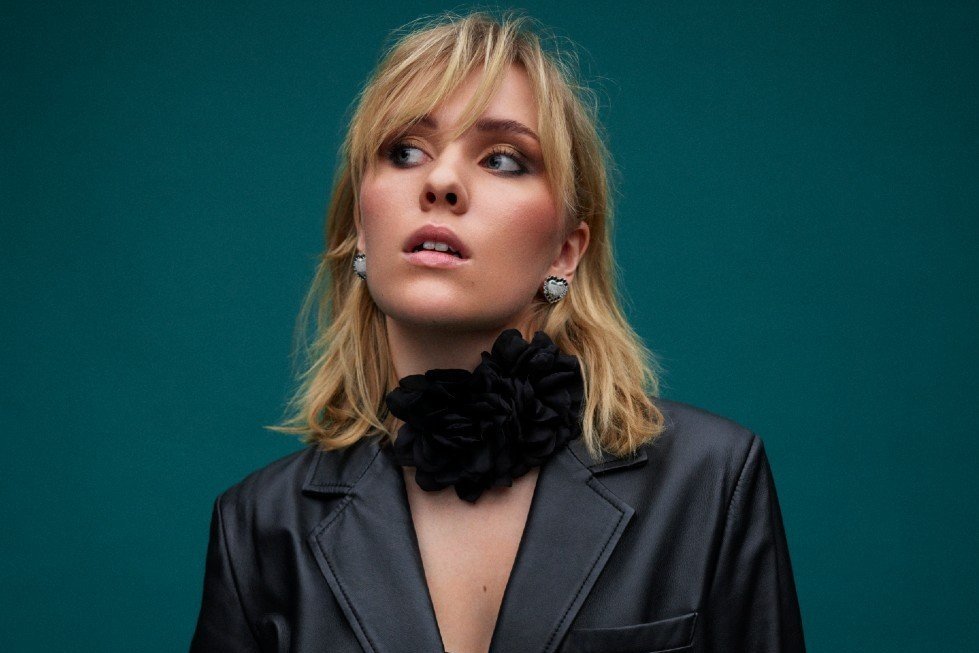
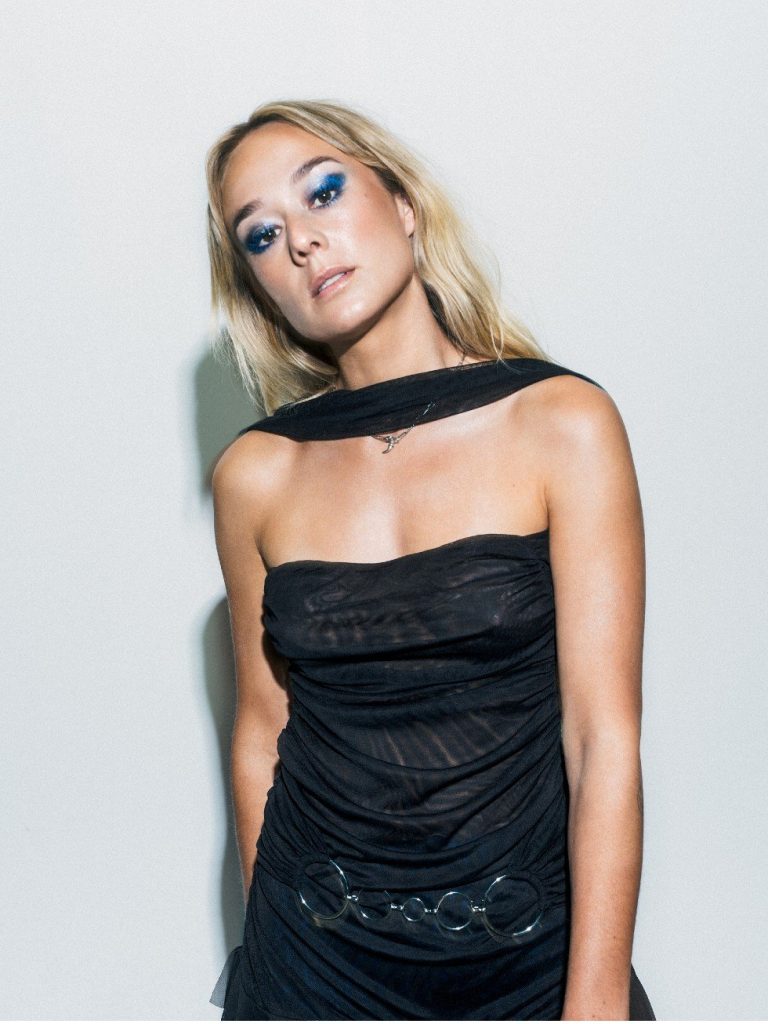
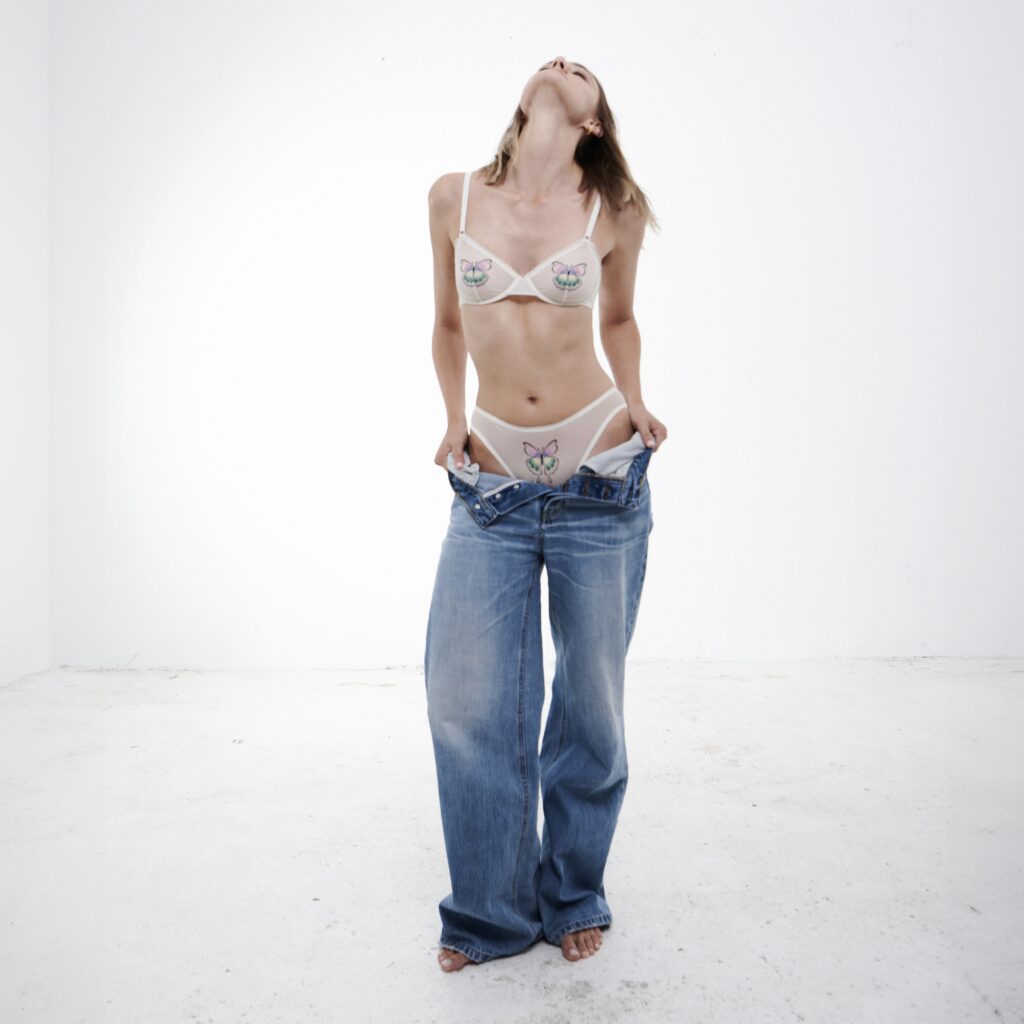
Alba August: “I decided I was going to be the last man standing” text Natalia Muntean Alba August has had a busy few months. Two years after her debut album “I Still Hide,” the artist returned in October with a new EP titled “I Wish I Was Someone Else,” earning her the title “Swedish rock queen” from a music critic. “It was surprising because I didn’t see the EP as rock, but I relate to this idea in a way. I wanted it to be less polished, more raw, and I enjoyed being a badass in the music videos,” says August. Besides the developments in her music career, the Danish-Swedish artist graces both big and small screens, starring in “Stockholm Bloodbath,” a new movie by Mikael Håfström, and the Danish series “Bullshit.” Born into a family of cinematic royalty, August has been forging her path with a sense of self-assurance, introspection and a pinch of mischievousness. In this conversation, Alba reflects on her artistic evolution, navigating the complexities of creativity, self-discovery, and balancing her music and acting careers. Natalia Muntean: This is your second EP after your debut album. How do you see the musical journey that you’ve been on between these two releases?Alba August: With “I still hide“ I wanted more energy. During production, I was constantly pushing for more—choirs, layers, you name it. But this time around, I remember talking to my producer and saying, “Take away, take away, take away.” I wanted this to be different. The first album was me wanting to be excessive. Now, I craved something stripped down, more raw. These albums are like a showcase of where I am in my personal journey. Back then, I was in a different place, I had a more extroverted lifestyle, with a lot of partying. But now I’ve come to realize how sensitive I am to sounds and people. I’ve always been that way, but I’ve only just realised the source of all the anxiety. I needed to pare things down in my music. I needed to be more direct. It’s, for sure, a way of processing what’s going on in my life and my mind. Even with what I’m working on now, it will have even fewer elements. I always want to do things that I haven’t heard before. And I want to push myself in directions where I’m a bit uncomfortable. NM: What I understood about “I Wish I Was Someone Else”, the whole EP, is that it has hints of empowerment, self-discovery and living with one’s decisions. You’ve also turned 30 this year, so I wonder if that impacted the stories you tell or the music you put out in the world. photography Martin Kiessling AA: This EP focuses on some things I was struggling with. Trying to understand more about myself is something that I have always liked since I can remember, maybe since I was five years old. I’ve always been super anxious and felt very lonely but I didn’t realise that the feeling I felt was loneliness. Now, as a grown-up, I understand it. And then I realised that I always felt weird. All of these things started to resurface as I was writing this. So “I wish I was someone else” was absolutely a way to allow myself to be the weirdo I am. But it’s also about wishing I was normal. That’s what’s so amazing about being an artist and working with art – only when I am being creative I can fully be myself. It’s the only time when I’m really happy and Zen with being in this world. NM: You mentioned that you have social anxiety, however, you are an artist in the public eye and you expose yourself to the world. How does it work then?AA: In a way, being an artist it’s a bit like a persona. I think in private it’s harder to cope with being me compared to when I’m performing. NM: So is there a split between Alba in your personal life, so to speak, and Alba, the artist?AA: There’s a word in Swedish, hudlös, which means skinless and that’s how I feel in private, like I have no skin, more vulnerable, as if everyone can see inside of my body and I have no protection. But when I’m in character, when I’m acting or on stage, I feel strong and I feel like I have control over the situation. NM: Do you feel that on stage you have more freedom to do whatever you would like to do without being judged?AA: Yes, on stage I feel I have power over the audience. It’s clearer what my role is when I’m performing. Everything is decided: I’m going to be on stage and I’m going to do this and they are going to sit and watch. And in my private life, everything is uncertain, and I have a hard time coping with that. NM: In the video for “The Summer of 99” there’s a lot of footage from your childhood. How does it feel to revisit those memories, and how does it impact your music? Does reconnecting with your younger self shape the stories you want to tell?AA: I have mixed feelings about looking back. In a way, it’s a bit sad watching those videos when I was feeling so free, so unaware of how people perceive me. But I also just love the early 2000s. There’s something about that time. Life was so much about dreaming about what it was going to be when I got older. Looking back I also realised how creative life was. My sister and I were always rehearsing a dance or a play. There was always a project we were working on. And there was so much lightness, silliness and humour in the things we did. And it’s hard to find time and space for that as an adult because adult life is so much about achieving, making money and doing boring things. I feel like there’s not that
Music

Diane Emerita on Music, Memory, and Momentum

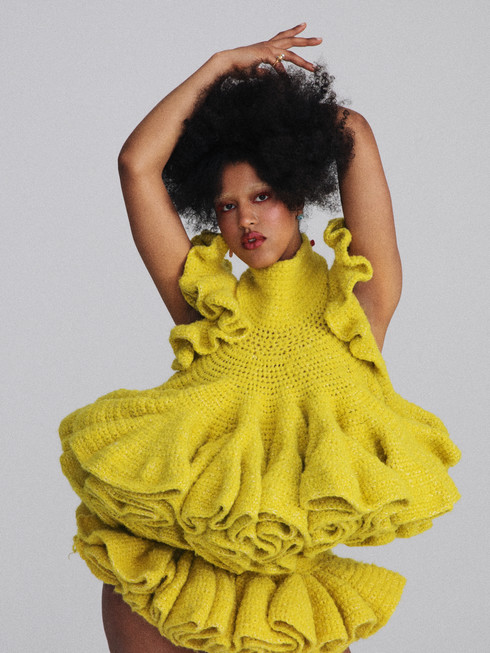
Diane Emerita on Music, Memory, and Momentum text Sandra Myhrberg After a whirlwind year filled with praise from major media outlets, airplay on P3, and a standout performance at Way Out West, singer-songwriter Diane Emerita finds herself both exhilarated and grounded. Her music—intimate, conceptual, and often rooted in family and memory—has resonated widely, yet she still writes songs on her mother’s piano and juggles her music career with a mathematics degree. Sandra: You’ve had quite a whirlwind year—praise from major media, airplay on P3, and a performance at Way Out West. How has this rise affected you, both creatively and personally?Diane: It is fun and scary and interesting. I am taking my time to process it all. I still can’t believe I have done certain things like having a song of mine in the game SIMS. But then most of the times I am just myself and not my “artist persona” so really I am quite calm and don’t think about it too much. I study a bachelor in maths and besides music that pretty much fills up my thoughts. Creatively, I am just excited that people seem to get something out of my music and buy tickets to my shows and that I get to see how far the music can reach. I remember a line in Frank Ocean’s song Futura Free saying “Play these songs, it’s therapy momma, they payin’ me momma, I should be payin’ them” and I resonate with it a lot. I get so much out of reflecting my own thoughts and emotions and expressing them through my music that mostly I am just thankful that I get to do and make a living out of it as well. So then, I write and sing to find out what I have to say. S: Your music feels deeply personal, often rooted in storytelling. “Indigo Bruised” is another collection of songs based on stories about your family. What draws you to these themes, and what can listeners expect from this EP?D: I looove storytelling. I like to intentionally work with concepts because it somehow becomes a challenge for me to master – a problem solver. Music andthe visual expressions, including styling and performances become so much easier for me to coordinate when they have a connected concept. I get emotionally invested. Also I think it is quite refreshing working with themes because it is easier for me to understand where I start and where I draw the line and move on to the next project. For instance “Indigo Bruised” has four tracks in it because I wanted to dedicate one song to my mom, sister, father and brother, simultaneously as making each symbolise a season as well. But there are only four seasons, so that is how many songs I made. Listen to “Indigo Bruised” and see if you can guess which song is what season. (Either way you are right) S: You’ve continued working with producer Hampus Norén, who also contributed to “Traveling Forever.” What is it about this collaboration that keeps you coming back? How has your sound evolved together?D: I think I like the way how he challenges me to let go a bit. To see it all more as a game than something serious. Well I still take music very serious because it makes me feel so much, but it has definitely been a nice journey to allow some imperfections into creating the sound of my songs. There is a clear seriousness to the songs I released before “Travelling Forever”. Hampus brings in an aspect of playfulness and “dirt” into the productions. He likes for it all to not sound all too clean and perfect, which I think helps giving the music emotional depth. And also it takes a long time for me to let someone into my creative space, so he has also become a comfortable teammate to keep because he know gets me. I know what I want my music to sound like and I always have very clear references for the production if I am not producing myself and then he always manages to give me more than I’ve asked for, which is great. And then we have our incredible mixer Sven Johansson who just elevates everything we do and gives the sound the last needed edge. S: Despite all the buzz, you still write your songs at your mother’s piano. Is that a grounding ritual for you? What’s your songwriting process like—does melody come first, or do lyrics lead the way?D:I have a lot of siblings, so my mother’s place is a very lively house. Most of all Ilove playing on her piano because I get to disappear into my own bubble in the way I always have done even when I was younger and was still living there. So I float away into my bubble, but life around me kind of goes on. My songwriting process is a long one, I play the piano and after some time, perhaps weeks or a day or a second lyrics arrive. But the music, the playing always comes before the singing starts. I also love when some of my siblings start singing to along to what I am playing. You could indeed call it a grounding ritual, it gets my creativity flowing. I feel like Sampha’s song “No One Knows Me Like The Piano” when I play. S: You’ve described Malmö as a creatively thriving scene. How has the city and its artistic community influenced your work?D: Malmö feels warm and open both in climate and culture of the people. I really love the fact the artistic community is inclusive and welcomes everybody. Like there is no need to feel like you are competing with other artists for attention of others, everyone kind of supports everyone. It sounds very cheesy but ultimately I find it to be a very respectful, warm and vibrant place. I work mostly in Stockholm when it comes to music, so when I am at home in Malmö I get to chill and study which for me has been such
Music

Franc Moody’s Chewing the Fat: A Raw, Honest Evolution of Sound

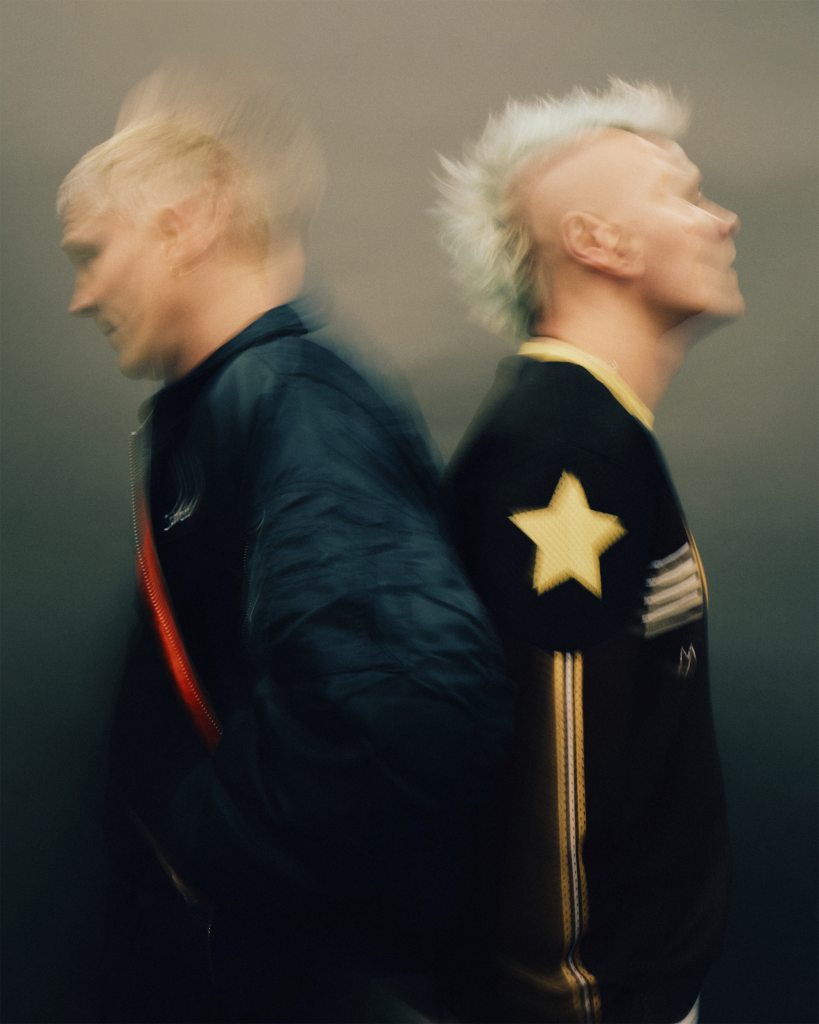
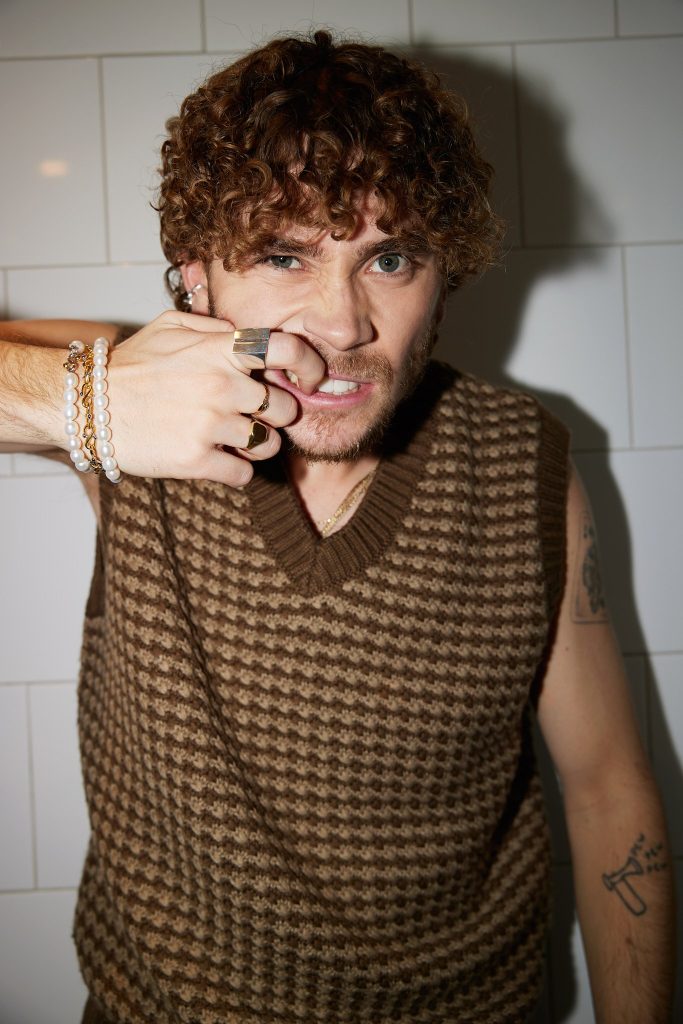
Franc Moody’s Chewing the Fat: A Raw, Honest Evolution of Sound text Maya Avram With the release of their new album Chewing the Fat, Franc Moody’s ubiquitous sound has become somewhat introspective. From sonic references that nod to the duo’s rich British heritage to close collaborations with friends and family to produce gripping artwork, the duo present their most personal record yet. Maya Avram: Tell me about the creation process of Chewing the Fat. Where did the name come from? Ned Franc: This album is probably the most raw and honest record we’ve ever done, both sonically and lyrically, which makes it the most powerful, in a way. We felt that Chewing the Fat, [meaning] general discourse — whether it be light or heavy — shows the creation process of the record. Jon Moody: Also, it leans into the idea of sharing your process with other people. When you’re “chewing the fat,” you’re having a natter with whoever it is, addressing things with other people, with family, friends and support — [the name] is quite a nice way to turn that process into a lighter statement. At the end of the [Into the Ether] campaign, we found ourselves slightly going through the motions, restricted in the kind of sonics we were writing and what we thought was Franc Moody. So it was time for a shift up, scale everything back and go back to the drawing board. We had a long, hard think about what we wanted to be, [revisiting] everything including the live setup. Now the band is smaller and the act is more direct, aligning with the style of writing we wanted to achieve — a bit more raw, a bit tougher, with less disco elements — and easier to digest, in many ways. NF: Sometimes having a smaller amount of tracks, fewer elements, gives the sound a greater power. MA: You announced the release of Chewing the Fat at the end of last year while on tour with your previous album. How much did working on it intertwine with performing previous material? Did it help in the evolution of the Franc Moody sound? JM: It’s been interesting. The new songs are hitting nicely and it feels like they’ve come together exactly how we wanted them to. Playing the older tunes, which have an older format, required us to rework our approach. But it’s been great, it gives them a new lease of life. It’s been quite a fun process. MA: Themes that come up throughout the album revolve around legacy, both in terms of your British identity and the development of your new sound. How do you balance that with global influences like disco and electronic? JM: It’s something we set out to do from the word go, actually. We wanted to fit into that world while appealing to multiple cultures, have the sound be acceptable to a lot of people but not sit within the pop mainstream. We want our sound to have its quirks and characters and be as honest as possible. The British thing has worked better abroad, which is funny. NF: People used to think we were a solo French man. All that ambiguity adds to it a certain mystique, I suppose, which is important sometimes. JM: I mean, [when we started] the project, we were listening to the likes of Daft Punk and Jamiroquai, which have a huge global reach while the sound is very punchy, direct tunes that can be listened to anywhere. Things have morphed and changed a lot since then, but that was very much at the forefront in the beginning of the project. MA: The album is very dreamy as well; there’s a sense of optimism to it. JM: We rent the studio here in London from Damon Albarn, [lead singer of] Blur and Gorillaz, so we’ve got access to their synth cupboard, which is amazing. There have been a couple of weapons that we’ve dusted off from this in writing Chewing the Fat, like tough guitars and bass, more direct drums, which lend that dreamy soundscape. I don’t know about you, Neddie, but I think this record is the closest we’ve got to where we want the sound to be. NF: When you do an album, you want to complete it knowing where you’re at in that moment, and with this one, we definitely did. This feels like a very realised project. MA: In addition to the album release, what are you excited about for the future? JM: Personally, I’m excited about opening up the live vessel and realising the potential of the new setup. The way it’s structured now expresses the real personality and flair of everyone on stage, and that’s an exciting thing. I hope that it can grow, and so our amazing drummer, Dan, bassist Rosetta, and Ned and I can find our personalities within that, and that it shapes the next record, too. NF: I agree. Every record we do is like the start of a new era, a new look, a new production, a new sonic, and now new personnel as well, and this one’s the same, and we’re at the very beginning of it. So I’m excited to see where it goes and where it takes us because I feel so proud of the record. I can’t wait for people to listen to it.
Music

Felix Sandman on Yue, Reinvention, and the Journey to Self-Acceptance

Felix Sandman on Yue, Reinvention, and the Journey to Self-Acceptance text Ulrika Lindqvist photography Ellinor Sjöbergfashion Ulrika Lindqvist With the release of Yue, his second album, Felix Sandman takes listeners on an intimate journey of self-discovery, anxiety, and transformation. Drawing inspiration from past struggles, relationships, and the ever-present symbolism of the moon, the album marks a turning point in his artistry. In this interview, he opens up about his creative process, the shift in his musical direction, and what’s next—including upcoming live shows, acting projects, and his dreams of venturing beyond Earth. Congratulations on releasing your second album “Yue”, can you share the inspiration behind the album? Thank you! I would say that the mental state that I was in, because of past experiences and how I lived my life in a very bad way at the time, was one half of the inspiration. My interests, my relationships and the moon was the second half. Throughout the album, the moon remains a constant reference, symbolizing the search for a guiding light in times of darkness. Yue chronicles my anxiety and reflects on the expectations both I and other people have of me. I write about how I wonder what a person is without a purpose, while trying to find myself in the noise of the surrounding world. The introspective essence of the ”Sandy Karlo” part of the album puts forth a more subdued side of me. The other part picks up the pace a little bit. The isolating anxiety transforms into a more reactive quest for my new self, for love, and finally landing on self acceptance. Even if the melancholy is still present, the aura gets a bit more playful and the sound is based on live recorded instruments. Especially on the focus track Nylon. Why is the album called “Yue”? Yue translates to ‘moon’ in Chinese. Since the moon, in all its different shapes and forms, was the leading symbol of the album, and the fact that I love Chinese and Japanese culture, made it the obvious choice. Also, my favorite character from Avatar: The Last Airbender is named Yue. She sacrifices her soul to give back the light that was stolen from the moon. Space seems to be a big source of inspiration for you, would you like to travel to space? If yes why and if no why?  Haha, I guess space is a big source of inspiration. I could go to space. I feel like I’m one of those humans they talk about when they talk about humanity and how we’ve always looked up among the stars and wondered what lies beyond… that might be an ”Interstellar” quote haha. But yeah I mean, it would be awesome, a once in a lifetime feeling of not being stuck on this earth, feeling zero gravity. Imagine setting foot on the moon or another planet, that has to be the biggest adventure we can go on. Your ep marked a new musical direction for you, how did that change come about?  After being forced to stay away from music because of my mental state and the fact that I didn’t want to do it anymore, I could only focus on recovery (and some acting). After almost two years I slowly started to feel that the time off was life saving and necessary. It made me see things differently and made me realize the changes I had to make in my life. It also gave spark to the idea of making music again, but in a completely new way. Without compromise, with respect to the creative process, with full focus on exploring my potential within the genres I’ve always identified with and the passion of creating a full body of work. Basically doing stuff that I actually like, that will get me somewhere, rather than the soul draining- fake ”good exposure” bullshit. That was the only way I could do it again. So I called my friend and producer David Husberg and asked him if he wanted to take time and explore with me in the studio. That led to the creation of Sandy Karlo. You’re doing a concert at Kägelbanan in Stockholm in March, what does the preparations before a gig like that look like?  We played a show at Way Out West last summer. Before that show we produced, or created, the whole tour setup. We build the stage design, program the light show, make live arrangements for all the songs, maybe pick out some drip to wear for the show and then rehearse it all. The WOW show was crazy, so now before the show in Stockholm we just have to rehearse the songs a little bit to freshen up the memory, and of course do a shit ton of marketing to make people buy tickets. jacket & jeans Arketshirt J. Lindebergrings talents own leather jacket J.Lindebergtrousers Hopesneakers New Balancesunglasses Chimisilver ring Ennui Atelier coat Stand Studiosshirt Hopejeans Dr. Denimshoes Dr.Martensbracelet Core Rd Knitting Cogold jewellery privatesilver ring Ennui Atelier coat Stand Studiosshirt Hopejeans Dr. Denimbracelet Core Rd Knitting Cogold jewellery privatesilver ring Ennui Atelier You also act, what are the biggest differences between acting and creating music and performing?   They go pretty well with each other. In music, I play the different characters of myself. Right now I’m Sandy Karlo, in everything I create, from the lyrics to the music production, from the visual expression to the public output and live performances. In film, I play the characters of others. Although that’s a different feeling, it kind of works the same way and has the same depth to it. I would say that the biggest difference between them is that when I work with film, I don’t have to be involved in- or responsible for every department’s contribution to the final product. With my music career, I’m literally involved in everything. So if I’m only working as an actor in a production, it can sometimes be a nice break for me. You have a strong and devoted fan-base, what do they mean to you?  The fans obviously mean the world to me. Any person who appreciates what
Music

An Interview with Cherrie

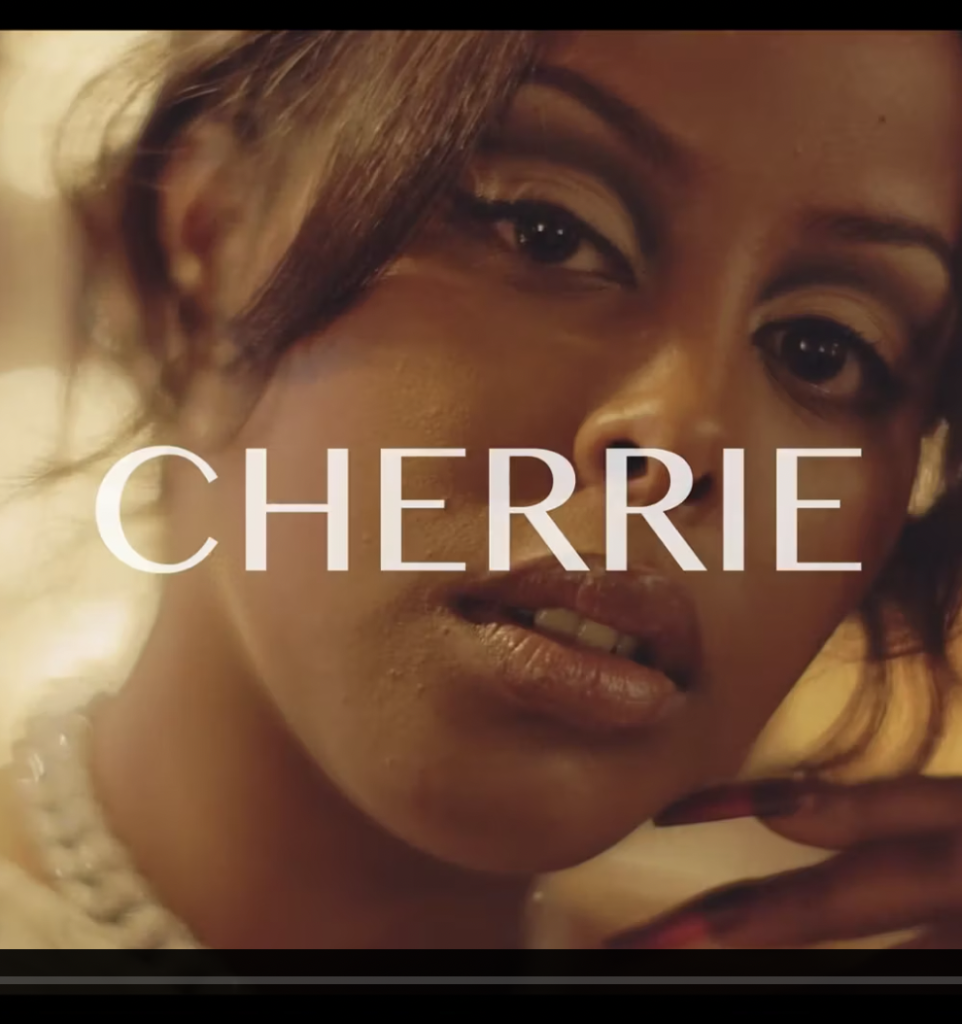
An Interview with Cherrie text Yasmin Muburak and Natalia Munteanphotography Sandra Myhrbergfashion Jahwanna Berglund For over a decade, Cherrie has remained a dynamic force in Scandinavian music, blending soulful R&B with personal and cultural influences. Known for breaking boundaries with her independent releases, Cherrie is entering her ‘Obsidian Era,’ where she fully embraces her duality balancing strength and vulnerability, tradition and innovation. Her latest project, built on resilience and creative freedom, not only marks her growth as an artist but also as a leader in nurturing emerging talent. With a particular focus on empowering women through her label, Araweelo, Cherrie is working to create a supportive ecosystem of female entrepreneurs and creators. From sold-out shows in Brooklyn to offering mentorship to local artists like Saru, her influence continues to expand both in and out of the studio. dress Avenmansa by Marona Kajjewellery Rare Jewelry / Nymans Ur 1851shoes Christian Louboutin   dress Avenmansa by Marona Kajjewellery Rare Jewelry / Nymans Ur 1851shoes Christian Louboutin WITH FOUR ALBUMS BEHIND HER, SHE NOW FOCUSES ON CRAFTING STANDALONE SINGLES THAT CONNECT ON A DEEPER EMOTIONAL LEVEL, ALL WHILE MAKING STRIDES IN FASHION AND MENTORING THE NEXT GENERATION OF ARTISTS. Odalisque Magazine: You’ve just released a range of new songs this year. Can you share the inspiration behind them? Cherrie: The crazy thing is, there’s a whole backstoryto these new songs. This is the sixth single I’ve releasedindependently, a great thing for me, especially doing it in 35 times of economic recession. It’s been such a blessing tobe able to put out music on my own, with the help ofmy friends. It’s called the Obsidian Era because I am very focused on the Obsidian gemstone. It’s a symbol of changeand strength – having the courage to go through these changes and maintain a sense of independence. I went into my first era during the pandemic and returning to the independent label work style I was used to felt like a scary change. I didn’t want to release an album this time, because I had already released four. But I still wanted to create new mu- sic and for the singles to have a cohesive sound, and bea part of each other. As a Gemini, I often see things from different perspectives, and I wanted that duality to come through. Most importantly, though, I wanted to come back to real R&B with this release. dress Wanni Fuga shoes Sania D’mina gloves By Malene Birger jewellery Rare Jewelry / Nymans Ur 1851 watch Rolex Certified Pre-Owned / Nymans Ur 1851 OM: Tell me about your latest song, ‘Lack.’ Where does it fit into your Obsidian Era? Cherrie: The latest single, called Lack, means “angry” or “mad” in Swedish. It’s about love, broken trust, and being fed up. You can also view those more aggressive emotions from differentperspectives. My songs this year have all explored different feelings: one was about independence, another about love, one about being truthful, and another about life. It’s about embracing the duality of your emo- tions. I feel like Lack is just an extension of this Obsidian Era a year of returning to indie music and creating everything I’ve done independently. OM: Why is it called the Obsidian Era? Cherrie: The reason why it’s called the Obsidian era is because of what the gemstone represents. It’s a black gemstone with stripes of colour and white in it, just like how I feel my music is. I grew up on Scandinavian pop, but at heart, I’m still an African girl who loves black RnB and Hip Hop, with a twist of Afrobeat. I also have to mention that I’m a real nerd—I love sci-fi. If you’ve ever watched Game of Thrones, you’ll know the stone they used to destroy the ‘bad guys’ was Obsidian, which I think is very cool too. So, it’s kind of an extension, representing the duality in everything I do. OM: Being known and praised for your soulful R&B, are there any new directions or genres you’re interested in exploring coming back? Cherrie: I wouldn’t say I’m heading in a different direction, it’s more about exploring and developing the genre I’m already immersed in. R&B, for instance, stands for Rhythm and Blues—it’s such a broad genre that’s evolved and grown over many years I feel the need to explore different directions within the music I love. It’s a genre from which almost all pop music stems, which is why you can hear similarities when you listen to pop today. Or why R&B blends so easily with hip-hop. Not to mention, Blues even inspired Rock. For me, my artistic growth lies in continuing to explore what R&B is, without losing my identity. With my African roots, I also want to honour that heritage, drawing inspiration from Somali and West African music, or even Afro Beats. Lately, I’ve also been getting into Bollywood music from India, which I think is cool. I always want to push the boundaries and expose myself to different genres. As a songwriter and producer, in all aspects, I’m constantly striving to push myself and the music I create. full look Wanni Fugajewellery George Jensen OM: How was it to become an independent artist again, and have control over your creation? Cherrie: This year, I had a big plan for what I wanted to do when I became independent again. But making that jump was scary. Going from having a team of 40 people working around you to having to do everything yourself – from PR releases to editing your music videos. But this is what I love, the fact that I can dive into the different aspects of being an independent artist and share my art with everyone. OM: I have seen you have been working with fashion a lot, for example with your sister, how was that? Cherrie: I feel like I’ve been working a bit in the shadows during these past few years and now I can finally show my work to everyone. A lot is coming this year, and I

Music

Audrey Nuna: A Journey Through Music, Fashion, and Creative Exploration

Audrey Nuna: A Journey Through Music, Fashion, and Creative Exploration text Josie McNeill photography Joseph Culticefashion Lauren Lusardimayumi oda SNOWDON knit’couture Before finding her favorite bands and writing her own songs, Audrey Nuna had her voice. It was her voice and singing that made her fall in love with music, not the other way around. The American singer and rapper started singing when she was around seven or eight years old through auditioning for musicals and choirs. By the time she turned 17, she was recording and releasing her own music. She started working with her producer Anwar Sawyer when she was still in college and signed her record deal with Arista records at age 20. The now 25 year old released her most recent single “Jokes on Me,” an ethereal, electronic track, on May 3, and is currently gearing up for her sophomore album. Audrey talked to Odalisque about the cinematic inspirations for her sound, her fashion collaborations, and her hopes for the music industry. What inspired you to pursue a music career?Musically I come from a place of just loving to sing. It’s my first love when it comes to music. People like Celine Dion and Whitney Houston, these diva singers who I grew up idolizing, played a really big part in just pushing me to become a musician. But I feel like I’ve just been organically doing it my whole life, and it’s somehow become a career so I feel truly grateful for that, honestly. How did you develop your sound then? It’s really interesting that Celine Dion was one of your biggest inspirations because her music is so different from yours.She’s more than a music inspiration, I would say. She’s one of the people who as a kid, like a very young kid, I’d watch YouTube videos of singing, and it really pushed me to be a better singer. In terms of musical inspiration and influence sonically, I didn’t grow up listening to that much music to be honest. But when I started listening to more of my own music and finding my own taste in high school, it was things like listening to Radiohead and Childish Gambino, Missy Elliott, Beastie Boys–just the kind of people who forge their own sound and their own path that really inspired me and inspired my producer. I take influence from a lot of different places. I can’t necessarily cite main influences. I think I just take what I like from basically everything in my life; it doesn’t even have to be music.  I definitely take inspiration from films, from fashion, just anywhere and everywhere–things happening in my life. Did you have any specific music or movie inspiration for your song “Joke’s On Me”? For the music side, we as a group loved Don Toliver. We loved this combination of very r&b-esque chords, which I feel like you know, Anwar really brought on the guitar. Then this idea of intense and punchy 808s came from my other producer Miles Aside. So this collision of worlds from the beginning of that trip–we were actually in Joshua Tree making a lot of music–we discussed this idea of if Stevie Wonder and Lil Uzi had a [musical] baby. So I think that was kind of the through-line for a lot of the songs we wrote. What was the process of writing “Joke’s On Me”? How did you blend those two sounds, the silky r&b and punch 808s, together?It came together really fast. It was literally me and then three of my friends just sitting in a dark room somewhere in Joshua Tree. The melody was actually a one-take. We had the melody sitting there for a long time, but we were kind of overlooking it, trying to think of other things and then we came back to the very first take. From there we decided that this is obviously what the song is supposed to be, and I just wrote it out. Honestly, it was one of the quicker ones because I really take time with my lyrics to make sure it’s good and rewrite and all those things. For this one, it was just a visceral experience of what I feel like saying. Maybe even some lyrics don’t make perfect, perfect logic sequential sense. But I think that for that song and that experience of making that song, that experience of being in Joshua Tree with the four of us, the whole thing was just going based on energy and going based on feeling so the song came together really easily in that way. mayumi oda SNOWDON knit’couture How was that process of putting that song together and making your recent songs different from putting together your first album ‘a lA Liquid bBreakfast’?For this project, we tried to do trips and travel with a little bit more intention than we did for the first project. The first project was very much a hometown project. Well, it was really my producer’s hometown because we worked out of his space. I was still living at home for a lot of it or going to school at NYU. So there was just this home and groundedness to it, I would say. The second project is more wild wild west. That was the feeling for me because I had just moved to a new city–LA. I was still figuring out what my actual creative, safe space is that I can record and feel comfortable. For that reason, we did a lot of searching. We traveled to Joshua Tree. There are literally some vocals that were recorded in random places in the states just because I was on tour for a little bit of time. Some ideas and concepts were conceived in places like Tokyo because I was able to travel to places like that as well. So I think this new project was much more migrant, in my view of the word. It took place a little bit all over the place. It was more scattered, whereas the first project was very central to

Music

The Many Lives and Deaths of El Perro del Mar

The Many Lives and Deaths of El Perro del Mar text Natalia Muntean dress Sofia Ericsontop & hat Mega Mikaela Capturing the essence of Sarah Assbring, the woman behind El Perro del Mar, is no small feat. Her singing voice is delicate, almost whispery, while Sarah’s presence carries a certain gravitas, as if her centre of balance lies firmly within herself, and her roots are deeply grounded. Both sides exude a sense of lightness, as well as unshakeable strength. “It’s not a persona; rather, it gives me a tool to artistically put myself in a room or a place, that I wouldn’t probably be able to if I didn’t have the name. It acts as a bit of a cover between me and the public,” she shares, reflecting on the dichotomy between her personal identity and her artistic alias. Her journey as El Perro del Mar began 20 years ago on a beach in Spain during a time of personal crisis, which she describes as an existential crisis on many levels. She had stopped writing music and singing, but this transformative experience led her back to music, inspired by a stray dog she met on that beach. “I was in a very bad place,” Sarah reflects. “I unconsciously realised I had to break this cycle, so I looked for a cheap flight to anywhere. I ended up on a beach, staring at the ocean, thinking about what to do with my life. A stray dog walked up and sat next to me. The dog’s dignity struck me—I felt it had more dignity than I did.” This got her thinking about fundamental things in life – being happy with what you have and appreciating small things. The encounter also served as a catalyst for her debut album, and her slow, step-by-step healing. “I started writing in my diary and eventually started writing music again,”  she explains. “The whole debut album was about healing and starting over.” Sarah’s music mirrors her journey, focusing on perspective and appreciating life. “The name El Perro del Mar keeps me grounded both personally and in my music,” she says. Her latest album, “Big Anonymous,” has a “skinless sincerity,” diving heart-first into losses she has experienced and seeking redemption, almost like an exorcism. “I want to address the things that hurt because I think you can be relieved of the hurt, but you have to address it.” Sarah’s journey as El Perro del Mar is a testament to resilience and the transformative power of art, drawing inspiration from the smallest steps towards healing and the profound impact of perspective. Natalia Muntean: I read you’ve been named one of the most consistently intriguing pop artists of the 21st century. How do you relate to that?Sarah Assbring: Oh, my God! I cannot relate to that. Those are big words. I’m just doing what I do, but it’s overwhelming that anyone would say that. I’m constantly on the lookout for something new. It’s not about being unhappy with where I am but exploring with curiosity. I tend to grow bored of what I did last, so I seek new platforms and perspectives to discover new things about myself. NM: Where does El Perro del Mar end and where does Sarah begin?SA: There’s a total separation. El Perro del Mar is about my music, lyrics, and artistic expression. But the deeply personal, intimate part of me remains. It’s a means to channel myself into art, though my innermost centre is still present in my music. NM: Is there a particular song or album that represents your journey?AS: My debut was definitely a breaking point for me in that I felt like I was able to tap into my core. However, as it was such a painful journey, it’s not a place I want to revisit. I don’t believe in the suffering artist anecdote anymore. Not if you want to live a long and happy life anyway… Even though I’m very proud of all my different albums, Big Anonymous is one of my proudest moments, possibly because it shares the same skinless sincerity and demands beauty despite the darkness as the debut album. And it’s not coming from a dark place. NM: Did you always know you wanted to sing?SA: Yes, I was really convinced and stubborn as a young person and when I grew older, whenever I tried to take a different path, music always won. I’ve always felt Natalia Muntean: I read you’ve been named one of the most consistently intriguing pop artists of the 21st century. How do you relate to that?Sarah Assbring: Oh, my God! I cannot relate to that. Those are big words. I’m just doing what I do, but it’s overwhelming that anyone would say that. I’m constantly on the lookout for something new. It’s not about being unhappy with where I am but exploring with curiosity. I tend to grow bored of what I did last, so I seek new platforms and perspectives to discover new things about myself. NM: Where does El Perro del Mar end and where does Sarah begin?SA: There’s a total separation. El Perro del Mar is about my music, lyrics, and artistic expression. But the deeply personal, intimate part of me remains. It’s a means to channel myself into art, though my innermost centre is still present in my music. NM: Is there a particular song or album that represents your journey?AS: My debut was definitely a breaking point for me in that I felt like I was able to tap into my core. However, as it was such a painful journey, it’s not a place I want to revisit. I don’t believe in the suffering artist anecdote anymore. Not if you want to live a long and happy life anyway… Even though I’m very proud of all my different albums, Big Anonymous is one of my proudest moments, possibly because it shares the same skinless sincerity and demands beauty despite the darkness as the debut album. And it’s not coming from a dark place. NM: Did you always know you wanted to sing?SA:

Music

Shadows of Ourselves, an Interview with Bloom Twins

Shadows of Ourselves, an Interview with Bloom Twins text Josie McNeill Music and Fashion Coexist For Ukrainian born pop duo Bloom Twins, music and fashion are intertwined–one cannot exist without the other in both member’s lives. “We started singing before we could speak,” Sonia Kuprienko, one half of Bloom Twins, said. “We were born in a musical family. So that is something that we consider a natural habitat. When fashion came it was as a quest for finding ourselves and sharing our identity with everybody.” Through the zoom screen for our interview, it was apparent that the self-described “dark pop” sound of Bloom Twins, composed of twin sisters Anna and Sonia Kuprienko, influences the duo’s fashion. Both wore their hair in short black styles, each accessorized with chunky silver jewelry and black clothing, leaning more into the “dark” aspect of the genre. Bloom Twins had a complex beginning. The two twins started their career in the public eye as models, but music was always in the background–both are classically trained musicians by encouragement from their musically inclined parents. Anna and Sonia met their music manager through their modeling manager after the latter posted a photo of the two on Facebook. The future music manager suggested that Anna and Sonia should move to London to test out their music careers after they finished school. Twelve years later, the two are still there, combining music and style as their full time careers. “She’s Not Me” Even with similar alternative styles, Anna Kuprienko of Bloom Twins said that she could not be more different from her twin sister Sonia. “It’s so weird because we’re identical twins with the same DNA,” Anna said. “How was it possible that I’ve never met one person in my life that is so different to me?” The two combine their distinct styles to create a unique genre of music. Bloom Twins merges the alternative music tastes of Anna and the pop inspiration of Sonia to create their dark pop sound. “I tend to create more alternative instrumentals that are pretty dark, but you know, with good energy. She is more melodic–it’s more sophisticated, more pop.” Anna added about their opposite styles. These differences extend into the sides each of them gravitate toward in the process of creating music. Sonia leans into the more lyric and melody oriented part of the process while Anna focuses more on the production side. Anna said that she became interested in music production by the encouragement of her manager because of her interest in computers. The first song the twins wrote together was “She’s Not Me,” a track asking listeners to stop comparing the two sisters just because they look alike. The song is a noir, electronic inspired track that still feels like it has roots in the pop punk world with the duo’s vocals. Anna said that Bloom Twin’s original sound was inspired by the electronic music she was listening to at the time. The duo continued with this electronic sound with most of their tracks, even venturing into the dance music world with tracks like “High on Beat” with Jan Blomqvist. But recently, Bloom Twins has shifted even more into the pop punk world with their collaborative EP with X Ambassadors’ Sam Nelson. The team’s first EP together, Pretty in Pink, was released on Nov. 17, 2023 and contains the pop punk songs “Drunk and Loud,” “Beats Not Bombs,” and “Pretty in Pink.” Sonia said that the three began writing “Beats Not Bombs” together after the Bloom Twins reached out to Sam Nelson to collaborate. According to Sonia, Bloom Twins allowed themselves to experiment with a wide variety of sounds and genres because they refused to put themselves in a box from the start. Sonia said that they wrote the upbeat alternative rock song “Beats Not Bombs” in under two hours. In the middle of the writing process, Sonia said she suggested that she and her sister sing a part of the song like they’re drunk and loud. Sam Nelson decided that would be a great title for another song, so the three switched gears to write “Drunk and Loud.” Sonia described “Drunk and Loud” as one of those songs that you blast in your headphones as you ride the London underground. The beat of the song keeps you moving and the lyrics cause a reaction in the people around you.  “Pretty in Pink” is about a girl who is not afraid to tell it as it is. All the songs have distinct instrumental parts in the music, marking a departure from the band’s predominantly electronicdiscography. “I believe that we allowed ourselves to not understand or classify how we’ve evolved because we allowed ourselves to get away with pretty much anything by calling our vision anything that it can be,” Sonia said. Sonia went on to say that “it’s important to not forget about the dance scene” when talking about the evolution of the group’s sound. Besides Sam Nelson, Bloom Twins has collaborated on projects with various DJs, such as“DayDream” with Benny Benassi and the aforementioned “High on Beat” with Jan Blomqvist.The twins said these collaborations mainly came about during the COVID-19 pandemic in 2020 and 2021. “We wanted to dance, but we couldn’t and I believe that this music is the result of that oppression,” Sonia said. The duo got into contact with the DJs through Instagram DMs as well. It’s interesting to see how much social media impacts modern music careers–Bloom Twins’ most streamed song is “High on Beat,” a song that came to fruition over direct messaging. “Now that I’m saying this, I actually think it’s very strange that people not only took the time of their day to listen to our song because I don’t think that we were the only ones that were Sending them DMs. I also really don’t think we chose the songs that they liked, but they still rode with us,” Anna said.  Honoring Their Roots One of the topics that Anna and Sonia consistently returned to throughout the interview was their home country of Ukraine. Sonia said that one of the main influences for

Music

Raven Numan: The Alt Pop Enigma with a Dark Aesthetic and a Surprising Pop Influence!

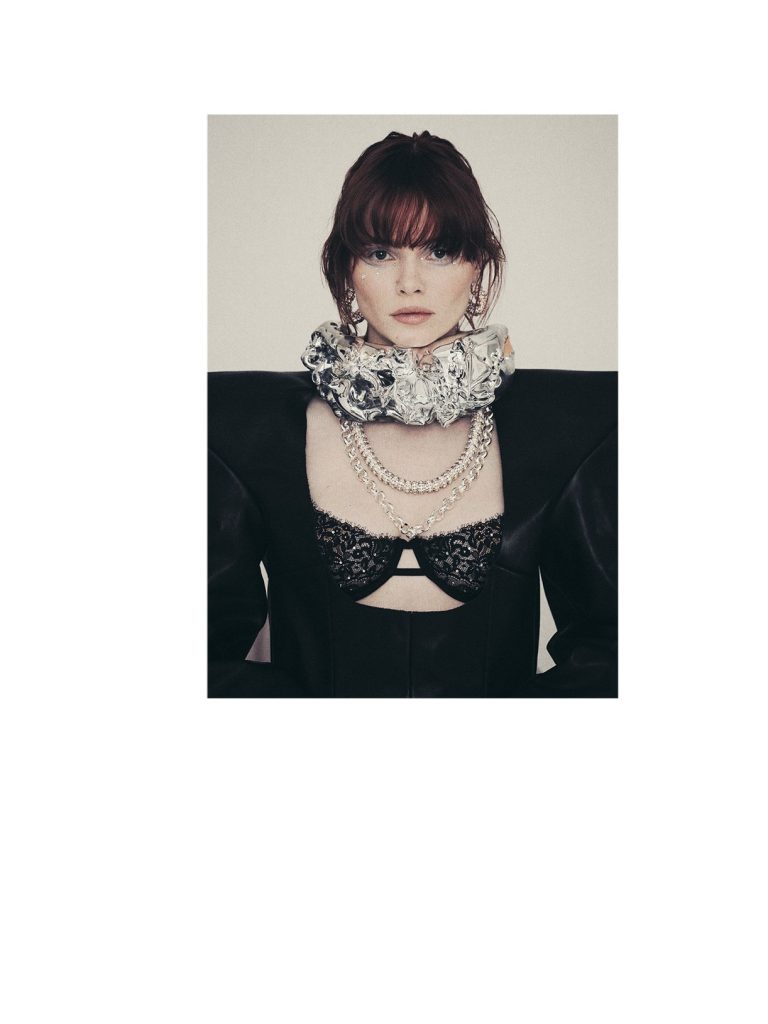
Raven Numan: The Alt Pop Enigma with a Dark Aesthetic and a Surprising Pop Influence! text Josie McNeill photography Joseph Culticefashion ‬Lauren Lusardi‬ collar Zana Baynecuff Georgina Jewelrycorset 0770 The Instagram of alt pop singer-songwriter Raven Numan is full of red and black aesthetic pics–they would fit perfectly into a Pinterest mood board for cool vampires and modern goths. Raven’s vibe in real life matches the same vision (she has jet black, straight hair), and so does the deeply personal and industrial-inspired pop songs she produces.Currently, Raven has three songs released on Spotify–”My Reflection,” “Here For Me,” and “Going Down.” Each track touches on Raven’s personal struggles with mental health and self image–dark themes fitting for the alt style of the Raven Numan we see online and in person.So, listeners may be surprised to hear that Raven’s biggest influence in pursuing a career in music was Katy Perry–a bubblegum pop singer known for her whimsical and colorful style.Odalisque sat down with Raven to talk about this surprising music influence of hers, the impact of her father Gary Numan (frontman of the band Tubeway Army) on her sound, and the importance of being candid through songwriting. Why did you decide to pursue a music career?I grew up around it with my dad, I wasn’t really interested when I was a kid. I was like “this is boring, blah blah blah”. And then I watched this Katy Perry documentary back in 2013, when I was 9, and I just fell in love with her whole vibe. I loved the arenas and all the huge venues that she was playing in. I just loved the music and I was like “I want to do that”. So I’d say Katy Perry got me into this whole music thing. Surprising but It wasn’t my dad, it was Katy. I know you just talked about Katy Perry’s influence, but your music combines the new wave sound of your dad, Gary Numan’s, music and modern pop music, so I was wondering how you found a balance between these influences to craft your own sound?I grew up around that whole [new wave, industrial genre] so it obviously has a huge influence on me. My parents were always into Nine Inch Nails, and ever since I was little, I really loved them too. They’re super dark and industrial, so I’ve just grown up around that type of music. Siouxsie and the Banshees, The Cure, Depeche Mode–my dad. So this music was just ingrained into my brain. As I grew older, passed the Katy Perry and Ariana Grande pop phase that I was in for a very long time, I realized that industrial/dark wave music was the type of music that I wanted to write. It captivated me. dress DELOSANTOScollar Zana Baynecuff Georgina Jewelry You released your most recent track “Going Down” at the beginning of May. What inspired that track and how did it all come together?All of my songs are quite dark because I can only write music when I’m not feeling good or when I’m depressed or when something really upsetting is going on. That’s literally the only time I can write, it’s really annoying. I wrote “Going Down” a couple of years ago when I had recently been diagnosed with borderline personality disorder. I was really, really struggling because nothing made sense to me. I was really depressed. I was really angry. I had these crazy mood swings which ended up hurting a lot of the people around me. I was very suicidal. And I was like, “I can’t talk about any of this. I can’t talk about my feelings, but I can write them down.” I remember going to my room–it was right after a Billie Eilish concert actually–I just sat down, and I was so angry, I was writing down everything that I wanted and needed to get out of my head. Then I went to my laptop and plugged in my keyboard and just started recording these super eerie, sad and aggressive chords. I started singing everything that I had written down, and it just formed into a song. Basically, Going Down is about my experience trying to cope with the whole borderline [personality disorder] issue so I could show my family and friends how I was feeling. You’ve spoken a lot about how you hope, if people do relate to “Going Down”, that it makes them feel less alone. Does music serve this same purpose in your own life?Yes. 100,000,000%. Without music. I don’t even know man, it’s helped me so much. Within the past five years, the person who has helped me through difficult times the most is Lana Del Rey for sure. When I’m feeling down, there are certain songs I’ll put on that will immediately calm me down. I’m not alone–there’s other people out there that can relate to how I’m feeling. So yes, music has helped so much. You said you wrote “Going Down” a couple years ago. Are all the songs written from a while back or are they more recent?No, actually the first one, “My reflection” was written in early 2021 when I was 17. I wrote “Here For Me” in 2020 kind of at the beginning of COVID when I was 16. And “Going Down” at 18. So 16, 17, 18. Why did you decide to release “My Reflection” first out of the three?Honestly, we just chose it. There was no big thing behind it. We were just like this one’s cool, let’s do this one first.  collar Zana Bayn What was the experience of releasing music for the first time?Terrifying. I was so scared. But it was also really exciting. I think when we released “My Reflection”, because it was the very first one, I was like oh my god this is really scary because it’s incredibly vulnerable. And the fact that other people were going to hear what I was going through was really, really intimidating to me. But it’s also cool in a way because I know a lot of people can relate to body dysmorphia and feeling

Scroll to Top