Art

Art

Orchestrated Characters: Raghav Babbar’s Solo Exhibition at Larsen Warner Gallery

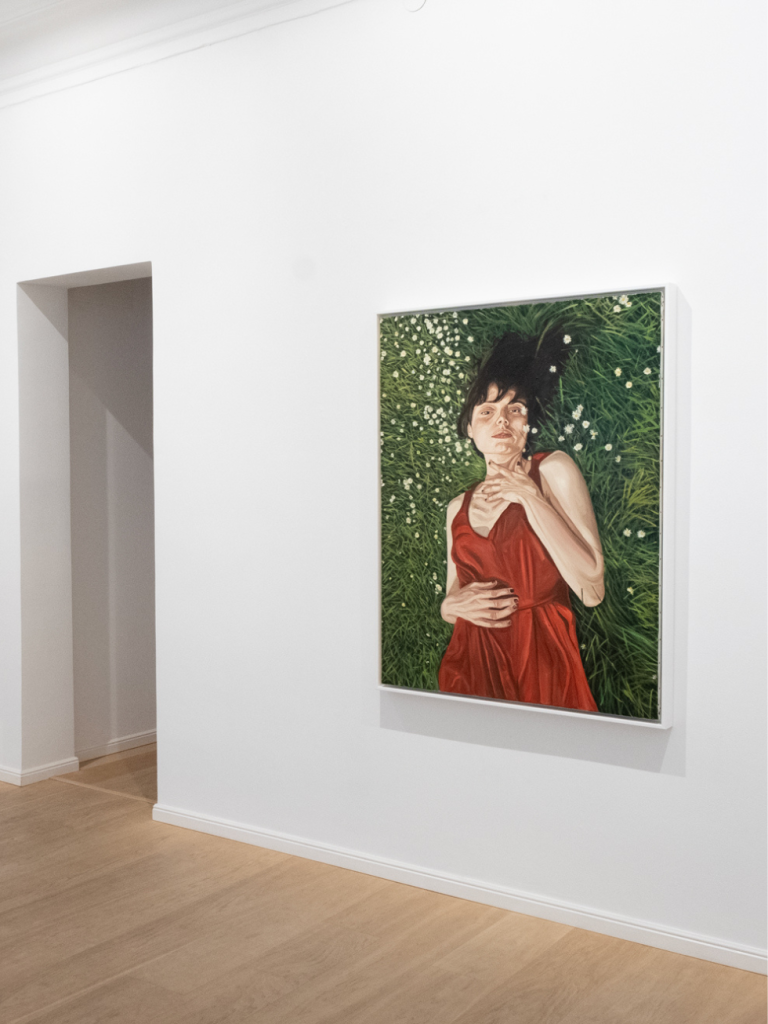
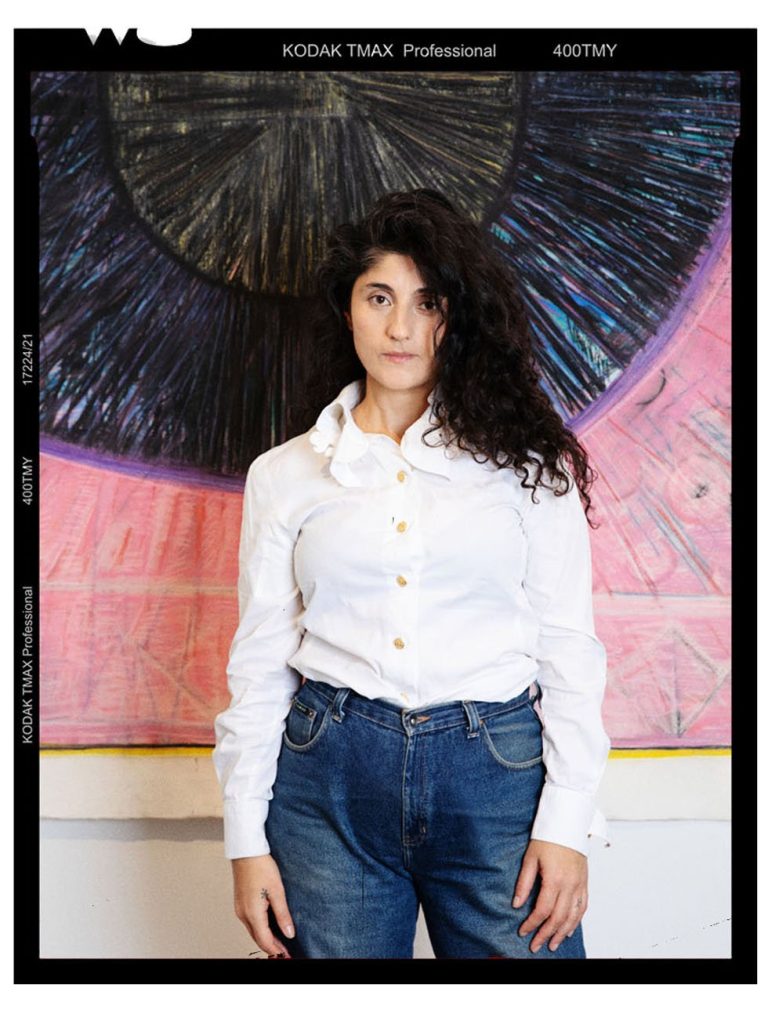
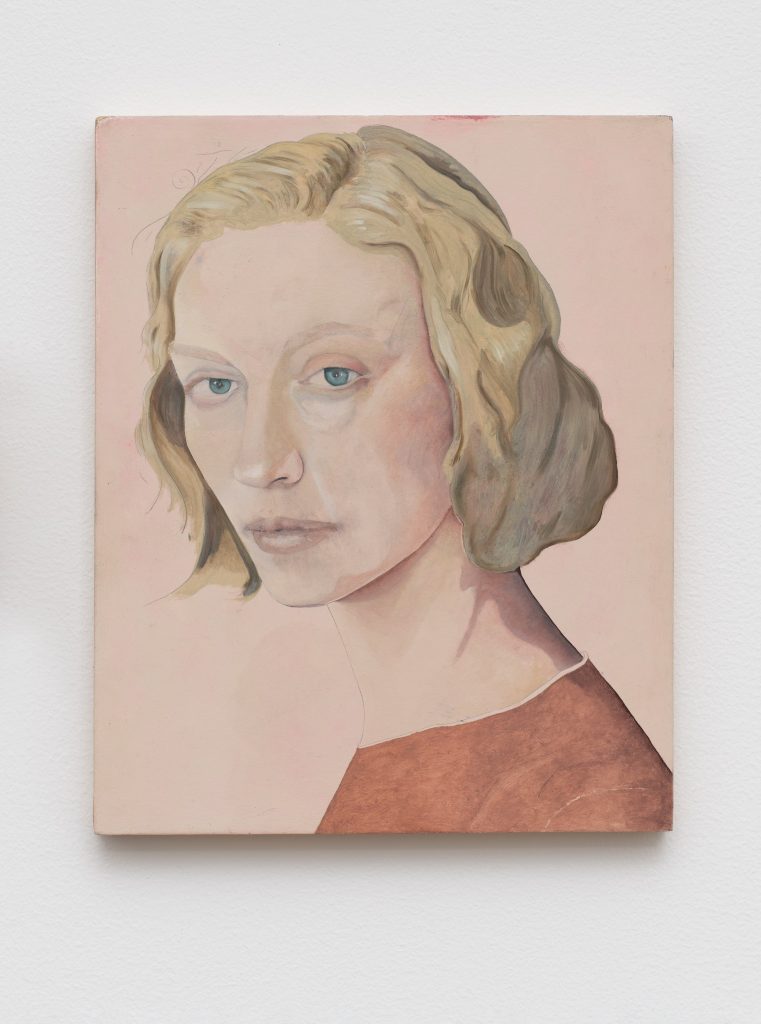
Orchestrated Characters: Raghav Babbar’s Solo Exhibition at Larsen Warner Gallery text Natalia Muntean Stockholm’s Larsen Warner Gallery presents Orchestrated Characters, a solo exhibition by British Indian painter Raghav Babbar, an emerging talent in contemporary art. Babbar’s work captures ordinary people and everyday moments with a depth that invites the viewer to pause and reflect. “He works on several paintings at the same time,” explains Darren Warner, curator of the show and director of Larsen Warner Gallery. “This is partly due to the heavy layers and detailed strokes that require drying time, but also because he needs time to reflect on his subjects, capturing their emotional depth and intricacies.” Drawing inspiration from films, personal photographs, and memories, Babbar’s paintings explore common yet often overlooked moments in life, while conveying emotion through rich, textured layers of oil paint. With a technique reminiscent of Lucian Freud, Babbar uses thick layers to capture expressions, creating intimate portraits that draw viewers into each character’s psychology. Orchestrated Characters represents Babbar’s first solo show in Stockholm and is notable for including his works on paper, with six displayed publicly for the first time. These pieces reveal his process and approach to building his paintings, as each figure gradually emerges from washes of oil paint and turpentine. Usually a private part of his process, these paper works allow him to explore ideas before he transfers them to canvas. Each painting in the exhibition reflects both Babbar’s Indian heritage and his life in London, where he now resides. Through this body of work, he tells stories of Indian spirituality, legends, and the scenery of North India where he grew up, bridging cultural elements from India and the West through his impeccable technique. Warner notes that Babbar enjoys creating portraits and self-portraits, a passion evident in this exhibition. Using light, shadow, and meticulous brushwork, Babbar conveys the essence of his subjects with sensitivity and empathy. Orchestrated Characters is on display at Larsen Warner Gallery until the 15th of December. Photos courtesy of Larsen Warner Gallery, portrait by Dan Weill, courtesy of Nahmad Projects  
Art

Ann-Sofie Back Is Back (With a Retrospective)

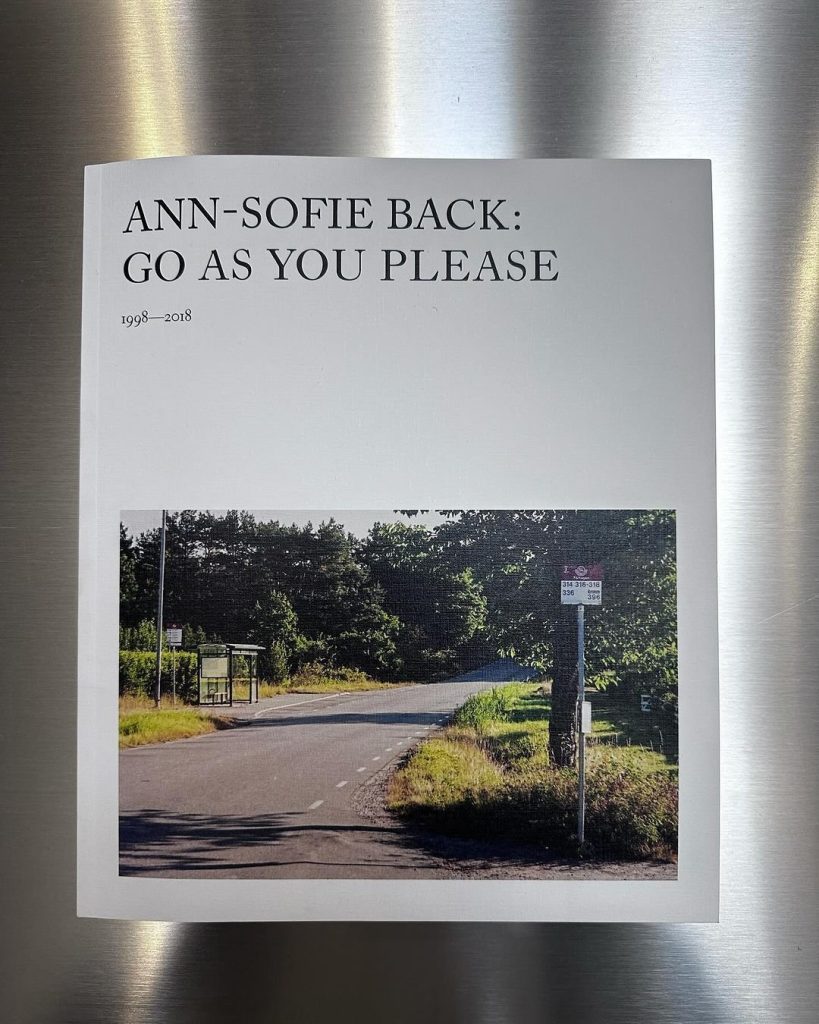
Ann-Sofie Back Is Back (With a Retrospective) text Natalia Muntean “I needed to make some sort of summary of my work in order to say goodbye and live again,” Ann-Sofie Back says, looking back at her career. Considered one of Sweden’s most influential fashion designers, Ann-Sofie Back is reflecting on her journey in Go As You Please – Ann-Sofie Back, a new exhibition at Stockholm’s Liljevalchs+ Museum, covering her work from 1998 to 2018. “Nicole Walker, my co-curator, and I have intentionally designed the exhibition to be as incohesive as possible,” Back explains. “We needed to make it exciting for us to put the exhibition together and a straight-up retrospective would have bored me to work on.” Accompanying the exhibition is a comprehensive monograph of the same name, which includes a wealth of visuals showcasing Back’s collections, runway presentations, lookbooks, styling projects, exhibitions, and media coverage. It also features interviews, articles, and writings by Back herself. “The book represents the linear development of my esthetic,” says the designer, “and the exhibition is more of a spontaneous interpretation.” The book, an extensive overview of Ann-Sofie Back’s vast archive, includes re-published texts by Lauren Cochrane, Anders Edström, Francesca Granata, Ulrich Lehmann, Maria Ben Saad and Mathilda Tham, as well as images by photographers such as Richard Prince, Johnny Dufort, Anders Edström, Nick Knight, David Sims, Juergen Teller and Harley Weir. “I chose these writers because they often revealed perspectives on my work that I hadn’t considered,” says Back. Reflecting on the 1999 shoot with Juergen Teller, she recalls, “I expected things like that to happen back then, but now, looking back, I’m almost embarrassed by my younger self.” The sketches and creative processes behind her pieces are what she is most excited for readers to discover in the monograph, but she regrets not including her portfolio from St. Martin’s, where she graduated in 1998. “It was so good! I just found it in a box in my storage,” she adds. “It would have also been fun to include all the absurd incidents from that time and the fun we had.” Over the years, her collections have challenged conventions of femininity, beauty, and glamour. Reflecting on her evolution, Back says she’s come full circle: “I’m back where I started—in 1998.” And her advice for young designers hoping to make an impact? “I don’t give advice,” she says straightforwardly. Whether Back will return to fashion remains open-ended. “I don’t know. Anders Edström and I did a shoot for the exhibition, revisiting my old designs with non-models in the suburb where I grew up. We agreed it would be our last shoot—but then I saw the Sugababes are touring again, so who knows?” For now, Back is designing interior objects under the name Gnilmyd Kcab. The monograph will be launched on November 7 at Liljevalchs, and the exhibition will be available from November 8, 2024, to February 23, 2025. Photo credit: @annsofie_back_archive and courtesy of Liljevalchs Museum
Art

Money on the Wall: Andy Warhol – A New Exhibition at Spritmuseum

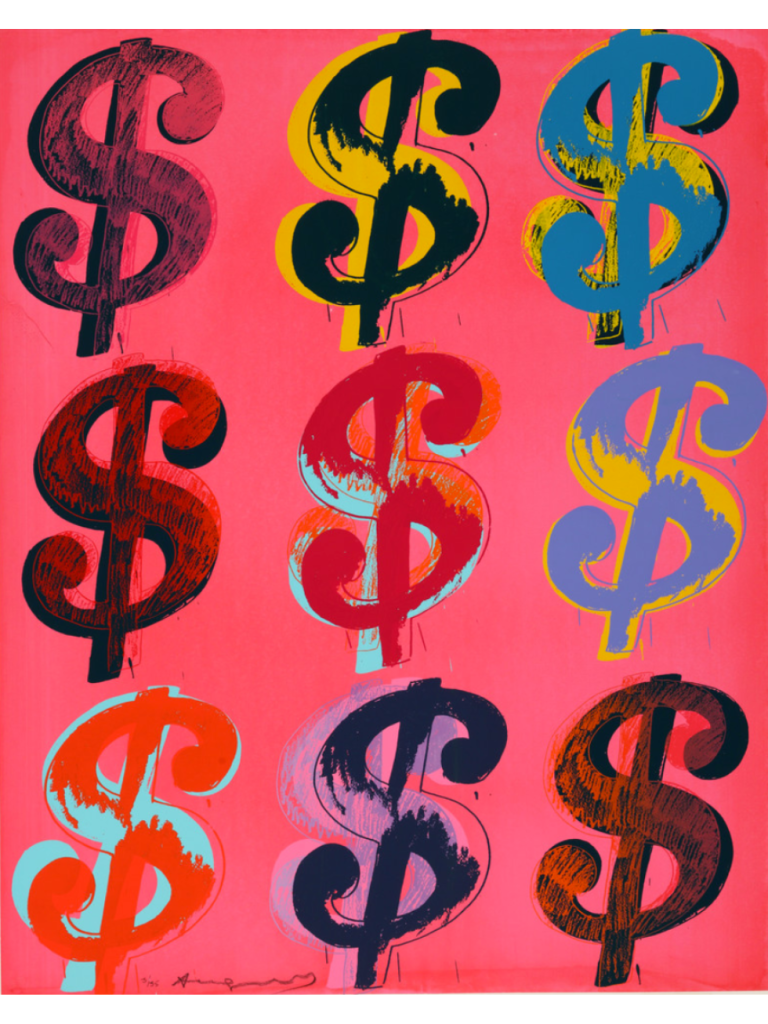
Money on the Wall: Andy Warhol – A New Exhibition at Spritmuseum text Natalia Muntean “I like money on the wall. Say you were going to buy a 200 000 painting. I think you should take that money, tie it up and hang it on the wall,” said Andy Warhol in 1975. The new exhibition “Money on the Wall: Andy Warhol,” at Spritmuseum in the heart of Stockholm, examines the concept of Business Art—“the step that follows art,” as Warhol advocated. Curated by Blake Gopnik, art critic and one of the world’s most well-known experts on Warhol, the exhibition focuses on Warhol as a pioneer of the Business Art current, showcasing how he turned the processes of buying and selling into a crucial element of his artistic practice. In the 1950s, Andy Warhol thrived in commercial culture, creating ads and earning well. In the 1960s, he shifted to the uncertain life of an artist, focusing on mass consumption and declaring his commercial activities as art. Instead of simply depicting commerce, Warhol engaged in it directly, producing wallpaper, directing commercials, and even renting out friends as part of his Business Art concept. “Some say Andy Warhol was a sell-out. They are right: selling out was one of his most influential art forms,” says Gopnik. The exhibition showcases Warhol’s work as a commercial artist in the 1950s, during which he was occasionally featured as a model. It includes pieces from his Pop Art era, highlighting his famous portraits of New York socialites and the Absolut Warhol paintings. These works are part of the future Absolut Art Collection and represent one of his most successful ventures into Business Art, marking the beginning of one of the most celebrated advertising campaigns in modern history. Works by postwar artists, such as Yves Klein, Chris Burden, and Lee Lozano, who, like Warhol, integrated business and finance into their art to reflect our economic realities, are also included in the selection. Additionally, the show showcases contemporary artists who explore similar themes, including Darren Bader, Andrea Fraser, Takashi Murakami, Carey Young, and the collective MSCHF. The exhibition will be available for viewing at Spritmuseum in Stockholm until April 27, 2025. Photo by Markus Olsson Mediabolaget
Art

Ingrid Pollard Named 2024 Hasselblad Award Laureate

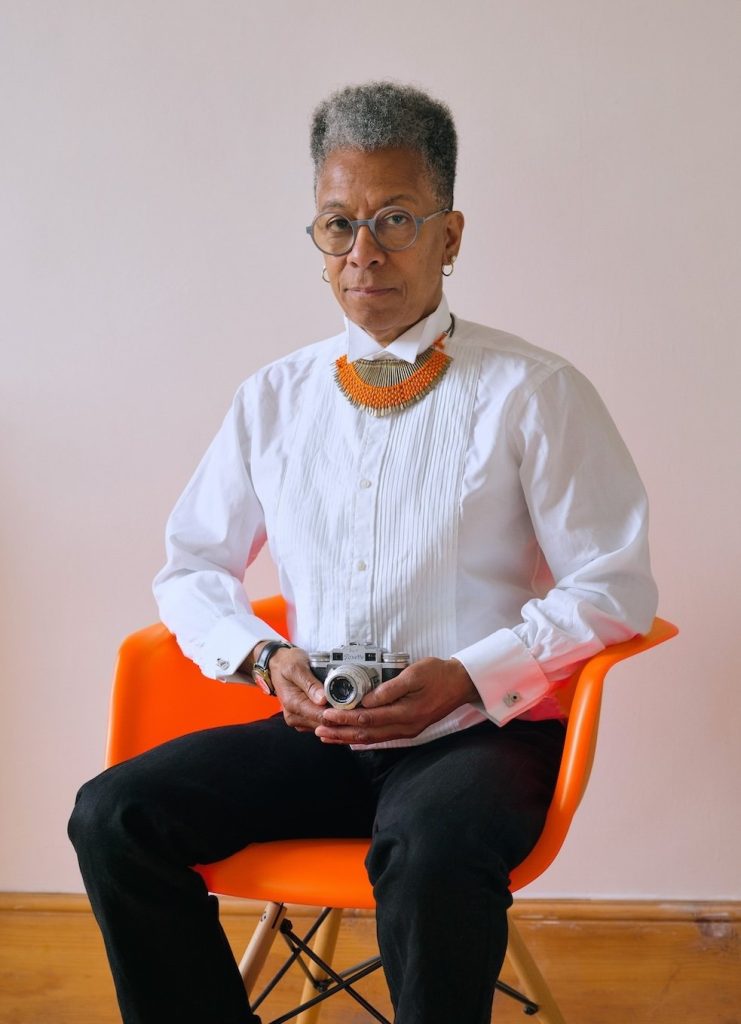
Ingrid Pollard Named 2024 Hasselblad Award Laureate text Natalia Muntean Ingrid Pollard, the renowned British contemporary photographer and artist, was awarded the Hasselblad Prize for 2024, becoming its 44th recipient. Pollard’s work revolves around themes of memory, identity, and belonging, often explored through studies of the body, landscapes, migration, and beauty. A key focus of her practice is photography’s historical and technical dimensions, particularly its use as an instrument of power and control. Her career is marked by an exploration of the intersections between landscape and identity, as well as photography’s role in shaping historical narratives. Her iconic series, Pastoral Interlude (1987), challenges notions of “Englishness” by placing Black bodies within idyllic English countryside settings, exposing the colonial histories embedded in these landscapes. Her more recent works continue to explore themes of migration, representation, and the hidden histories of Britain’s imperial past. In recognition of her profound impact on photography and art, Pollard received a gold medal, a Hasselblad camera, and SEK 2,000,000. Pollard was celebrated during Hasselblad Award Week in Gothenburg, where she received the prize, held her first solo exhibition in Scandinavia, and enjoyed a concert performed by the Gothenburg Symphony Orchestra. Pollard’s oeuvre not only reflects on history but also creates space for contemporary conversations about power, identity, and representation, inspiring new generations of artists and thinkers. Her first solo exhibition in Sweden offers audiences a unique opportunity to engage with her thought-provoking exploration of photography’s capacity to reflect, challenge, and transform society. Ingrid Pollard was born in Georgetown, Guyana, in 1953 and grew up in London. She currently lives and works in Northumberland, northeast England. Portrait taken by Emile Holba
Art

Ulrika Barr’s “Harena” Exhibition Opens at Galleri Glas

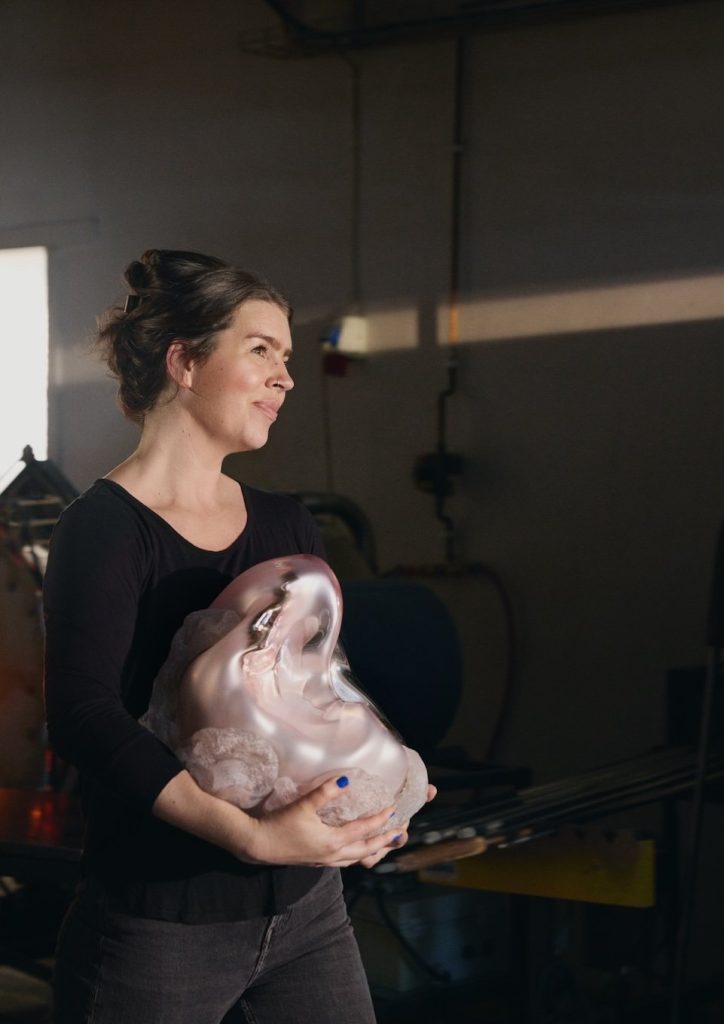
Ulrika Barr’s “Harena” Exhibition Opens at Galleri Glas text Natalia Muntean Known for her innovative technique of combining blown glass with sand casting, Swedish artist Ulrika Barr creates organic, abstract forms that capture the essence of nature. Her works, often resembling stone or lava, are crafted with an intuitive, playful approach that reflects the eternal cycle of sand and glass. Currently on display at Galleri Glas in Stockholm, Harena marks Barr’s first solo exhibition following her time with the Barr & Leven duo. Running from October 17 to November 14, the exhibition draws inspiration from artists such as Georgia O’Keeffe, offering a modern take on Jugendstil and Art Nouveau. Barr’s pieces emphasise the contrast between raw materials and refined form. With international experience and a master’s degree from Konstfack, Barr’s artistry continues to evolve, blending traditional techniques with modern interpretations. Harena offers visitors a unique exploration of natural elements, from the depths of the sea to the earth’s core, through Barr’s distinctive glasswork.
Art

Anna Camner’s “Places to Be” Exhibition Opens at Loyal Gallery

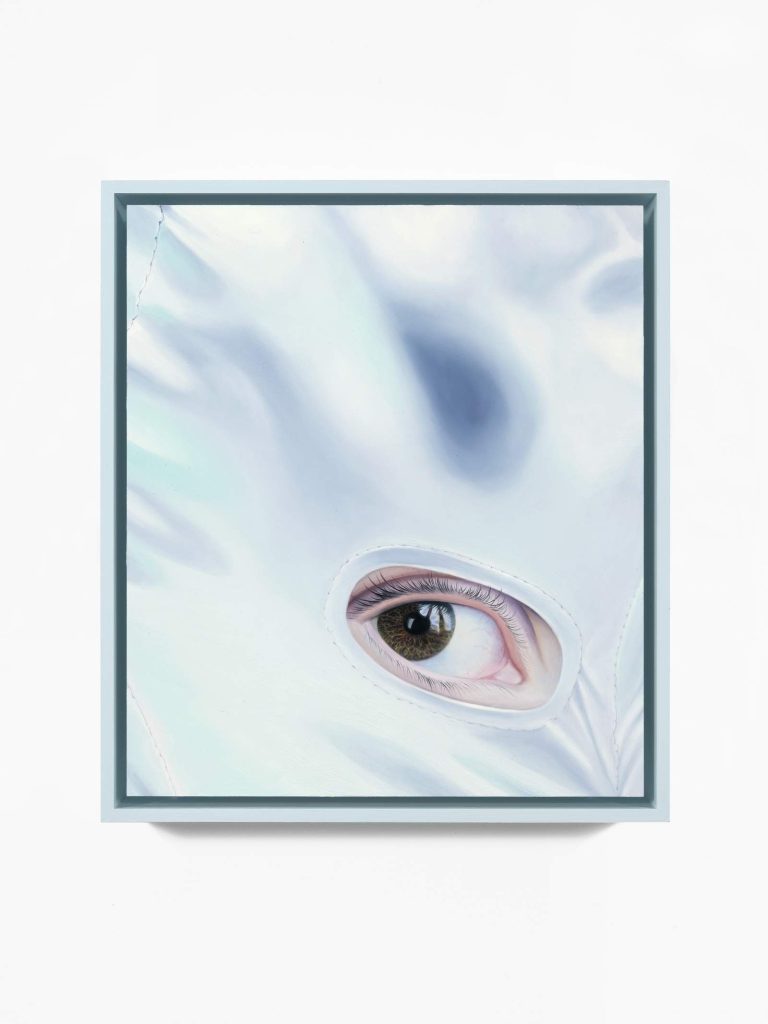
Anna Camner’s “Places to Be” Exhibition Opens at Loyal Gallery text Natalia Muntean “Place to Be”, the new exhibition by Swedish artist Anna Camner, features a new body of oil paintings characterised by pale blues, pinks, and lavender tones, exploring surrealist themes, and blending external details with inner desires. Camner employs the alla prima technique, painting wet-on-wet, which allows her to balance meticulous planning with spontaneous creativity. Her works, displayed across both floors of the gallery, create a bridge between mental and physical dimensions. The exhibition’s title, “Places to Be,” evokes both physical destinations and desired mental states, exploring the dual role of touch in intimacy and connection. The paintings feature opaque “cocoons” that amplify physical sensations, highlighting Camner’s unique blend of figuration and abstraction. Born in 1977 in Stockholm, Anna Camner holds an MFA from the Royal Institute of Art. Her work has been showcased internationally and is part of several notable collections. In 2022, she co-founded the art collective Black Iris, and she has an upcoming solo exhibition with the Ståhl Collection in 2025. This is the artist’s first solo exhibition with Loyal Gallery and will run from October 3 to November 2, 2024.
Art

Gazing Bodies – A Daring Exhibition by CFHILL

Gazing Bodies – A Daring Exhibition by CFHILL text Natalia Muntean In CFHILL’s latest exhibition, Gazing Bodies, the interaction between the viewer and artwork takes centre stage. Curated by Caroline Wieckhorst, in collaboration with writer Lo Hallén, the exhibition showcases international superstars like Sarah Lucas, Karon Davis, and Kennedy Yanko alongside Swedish luminaries such as Karin Mamma Andersson and Charlotte Gyllenhammar. The show delves into the idea of the ‘gaze,’ drawing on psychoanalysis, and questioning how artworks can seem to “gaze back” at the viewer. As Hallén explains, “Artworks shape how we move through a gallery space and the way we think and converse in their presence,” creating a sense of power reversal where “they clearly hold a certain power.” The venue, CFHILL’s new space at the Armémuseum, plays a vital role in elevating the experience, with its historical setting and innovative design. “We love this 18th-century space,” says Michael Storåkers, Executive Chairman, “its beautiful natural light enhances the appearance of the paintings and sculptures.” This unique combination of venue and curation offers a profound exploration of identity, perception, and how art influences its observers. We sat down for an interview with Michael Storåkers, Caroline Wieckhorst, and Lo Hallén about the curatorial decisions behind Gazing Bodies, the impact of their new venue, and how the exhibition challenges traditional perspectives on art and the gaze. Natalia Muntean: CFHILL recently shifted to working more like a gallery. How has this new approach influenced how you curate exhibitions like Gazing Bodies?Michael Storåkers: We always wanted to bring the most exciting artists from all over the world to CFHILL, which is still the case, and we still work with the brightest external, international curators to make it happen. In Gazing Bodies, we combined some global stars we have worked with before, such as Paloma Varga Weisz, Klara Kristalova, and Kennedy Yanko, with Sarah Lucas and Karon Davis, together with some amazing Swedish artists we represent like a traditional gallery – among them Charlotte Gyllenhammar, Marie-Louise Ekman and Martina Muntzing. NM: With the move to the Armémuseum, how has the new venue shaped the experience of displaying artworks? Did the space’s historical or architectural elements affect your curation decisions?MS: We love this 18th-century space; how you enter from the grand courtyard and dive right into the art. Its look is a take on the white cube, created by our three architects led by Valentin Nordström, which combines an innovative wall system with the historical setting. The space receives beautiful natural light from different directions, enhancing the appearance of the paintings and sculptures. The co-curators, Caroline Wieckhorst and Lo Hallén worked with the space to heighten the feeling that the artworks by the 22 artists gaze back at visitors. NM: What new things have come with your new way of working and the venue change? How do these changes benefit both the artists and the audience?MS: We wanted to move away from our previous ‘headquarter-style’ space and shift towards a more classic gallery venue. Now, we are in multiple locations throughout the year, participating in art fairs and similar events. Being CFHILL, we, of course, still aimed for something truly impactful, and I believe we’ve achieved the best of both worlds. Regarding this show, I think the white cube structure, the focus on the art in this space, and the beautiful natural light and historical setting support the artists and the audience in this Gazing Bodies experience. NM: The exhibition is called Gazing Bodies. Can you explain how the idea of the ‘gaze’ works in this exhibition, especially with the artworks being seen as if they have their personalities?Lo Hallén: I understand the interpretation of the exhibition text as suggesting that artworks possess personalities, but I wouldn’t use that specific word. To me, it imposes our odd human subjectivity onto them – haha. Instead, for the show, we thought of them as distinct entities with their own desires and demands, which we can’t fully access or comprehend. Yet, they directly influence us as viewers. Artworks shape how we move through a gallery space and think and converse in their presence. They clearly hold a certain power. It can evoke a sensation of being watched – the artwork gazing back – especially when a piece depicts or is reminiscent of a body. NM: You’ve included artists from both Sweden and other countries. How did you choose these specific artists, and how do their works connect to the exhibition’s theme?Caroline Wieckhorst: It’s been a privilege to work with these amazing artists and their artistry. A key for us has been finding a great mix and balance of art with different expressions and mediums that communicate with and challenge each other and us as viewers. Works that, in different ways, have their own gaze and agency, interacting with our emotions, challenging our perspectives and sometimes what we might take for granted or know to be true. How we interpret the artworks is individual, and this is the point – to shift the focus from how the artists, curators, and critics intend for the art to be interpreted and, instead, how the art itself makes us react and feel. For instance, an artwork that very literally gazes back at me is Ulla Wiggen’s eye, Iris. With its ice-blue colour, it’s hard not to feel watched and pierced through your inner thoughts. But is this how you would interpret or feel about this work? And Karon Davis’ sculpture Echo & Narcissus: Looking Glass, speaks to me about the fragility of life, with the plaster that is lightly pieced together and at the same time it holds a certain power and grace, that makes me act with a high sense of respect around it. Paloma Varga Weisz’s large bronze sculptures, Wilde Leute, make me want to hang and sit with them, despite their intimidating size. And Charlotte Gyllenhammar’s child sculpture, Beholder, makes me wonder what she is thinking of and how I best approach her. While Marie-Louise Ekman’s huge floor piece,
Art

I Told You I’d Be Home Most of the Day – A Meditation on Longing by Josef Jägnefält

I Told You I’d Be Home Most of the Day – A Meditation on Longing by Josef Jägnefält text Natalia Muntean Swedish artist Josef Jägnefält’s first solo exhibition at Saskia Neuman Gallery, I told you I’d be home most of the day, invites viewers into a world where ordinary objects become powerful carriers of hidden stories and emotions. Throughout the exhibition, we are invited to explore the delicate balance between stillness and longing, where the most intimate objects become reflections of human desire. “I don’t think about a story,” says Jägnefält, “I think about the colour and how to get there.” This focus on details and colour lends the works a quiet yet powerful emotional resonance and captures the tension between what is revealed and what is left unsaid, offering a visual meditation on longing and desire. I told you I’d be home most of the day will be on display until September 26th at Saskia Neuman Gallery in Stockholm. Natalia Muntean: Could you tell me a bit about how you started as an artist? Was there a decisive moment when you realised this was what you wanted to do?Josef Jägnefält: I applied to art school, encouraged by friends and family. I initially studied printmaking, but when I applied to university, I focused on painting full-time. NM: Did you grow up in a family of artists?JJ: My mother was a teacher who sometimes taught art classes, though she wasn’t a trained art teacher. She enjoyed it, and her mother was also an amateur painter. It was always present in the family, but no one pursued it as a career until me. My brother is an architect, which is somewhat close. NM: Do you have any routines or methods that help get you into a creative mindset?JJ: Going to the studio every day and just continuing to work is key. Eventually, something happens. My process is slow, using small brushes. It sometimes feels like I haven’t done anything for a week, but when I return to the work, I realise things have moved forward. NM: How does the journey go from gathering images to creating a painting? And how do you decide which ones will become paintings?JJ: I save images on my phone or computer, and they can come from anywhere—books, online, or even everyday observations. Everything gets processed digitally, but I like to print the image to have a physical copy. From there, I might make a simple drawing or use transfer paper to trace it onto canvas or another surface.It’s a very intuitive process. I might find an image, save it, and maybe a year later it resurfaces when it feels ready. It’s not immediate; it’s more about timing and seeing when an image feels right. I print a lot of images and experiment. Instead of starting with a big painting, I might begin with a smaller one to test it. Over time, I’ve painted over so many works, only to later find a picture of the original painting and realise it was interesting. But by then, it’s gone because I painted over it. I’ve ruined many paintings like that and regretted it later. Now, I try to stop before I get to that point, so I can restart the same painting if I need to. NM: How do you decide which materials to use for a painting? What materials or techniques are important for expressing the feelings you want to convey?JJ: I used to buy large canvases and aim for perfection, but it became time-consuming and creatively limiting. After moving to Stockholm, I began using scrap materials like MDF or wood from building sites, which brought more variety into my work. The paint itself is very important. I usually use acrylic paint, which can be in any colour, for my larger paintings. With acrylics, I can be adventurous and use different colours, mixing them as I like. With oils, I limit myself to five colours, inspired by LS Lowry, a British painter known for his industrial landscapes of people in Manchester. This approach has significantly impacted my paintings, as it has forced me to really focus on finding the right colour. I enjoy the challenge of reproducing a printed pattern as closely as possible, but sometimes I can’t get the exact colour I want, which leads to something unexpected and I enjoy that. NM: Are there any materials you’d like to work with in the future?JJ: I’m always curious about new materials. My girlfriend is also an artist, and though she doesn’t paint, she uses a lot of different materials in her work. That’s a great source of inspiration, and we often share materials. NM: Do you give each other feedback on your work?JJ: Always! It’s important to have people you trust. I invite a few close friends to the studio to ask for their opinions. Sometimes you need an outside perspective to see if a piece is finished or if it works. NM: How do you know when a painting is finished?JJ: Sometimes I’m afraid of ruining it, so I stop. There are examples where I stopped too early, but that became a part of the piece. When I put the frame on, it’s like saying goodbye to the painting. NM: When you blend different sources like art history, photography, and magazines, do you feel you’re creating a new story, or are you highlighting elements of existing ones?JJ: It’s a mix. It becomes a narrative, but it’s not a clear-cut story. I don’t have a storyboard or an ending. I want to surprise myself by putting images next to each other, and something happens. I’m not sure what it is, but it’s fun to do. NM: I imagine that it’s like a puzzle? You mix and match the pictures?JJ: I keep painting, and when the paintings are ready, something happens. I might work on several paintings at a time. Many of them get discarded, put on a shelf, and then, much later, I find something interesting
Art

Bateau Rouge, an Interview With Constance Tenvik

Bateau Rouge, an Interiew With Constance Tenvik text Astrid Birnbaum Celebrated for her mastery across performance, textile, sculpture, costume, painting, and drawing, Constance Tenvik stands as a visionary artist, crafting immersive installations that resonate globally. The upcoming exhibition at The Munch Museum in Oslo will no doubt elevate Tenvik to new heights. Whether nestled in artist retreats or exploring new countries, she seamlessly transforms each environment into a curated extension of her vibrant creations. In this global artistic journey, Tenvik’s oeuvre un- folds like a sophisticated maximalist, weaving together narratives, colour theories, and ex- aggerated forms that enchant discerning audiences. Drawing inspiration from the tapestry of humanity, dreams, and mythological fragments, her paintings intricately interweave, creating a chromatic collage that transcends conventional boundaries. Tenvik’s artistic allure has graced exhibitions across the world, solidifying her presence as a revered artist whose work resonates with the global artistic conscience. Astrid Birnbaum: Constance, I would like to begin this interview at the beginning. You are Norwegian but you were born in London in the year of 1990. As a child and teenager – did you surround yourself with creative things?Constance Tenvik: I was dancing Jazz-ballet four times a week and every other weekend until I was 16. I was also singing in a church choir for two years that I ended up in accidentally. I wanted to give emotional support to my friend by showing up with her to the choir audition. I ended up being in the choir but not her. I actually liked it a lot. I was not a perfectionist about it but I liked being part of it. We had a few concerts in the concert house. The nice thing about a choir is that if you leave while everyone is singing, no one will notice. If two people leave, it’s fine. If three people leave it really makes a difference. It’s not really about you, but you are necessary for the choir. I was a child when I picked up some parts of my dads CD collection that had everything from funk to Mozart’s Requiem. There was always music in the house. As a teenager I tried to find excuses to draw, I liked reading books and I was in a poetry club. I was already writing a diary. I still do, every day. I think a lot of artists have a need of documenting and remembering moments and making them last longer. I have recorded many things in my life – small things like everyday conversations, food, music and interactions. AB: When growing older you studied art. You went to Yale University School of arts where you did your masters degree. How were your years in art school?CT: My undergrad experience at the Academy of Art in Oslo gave me a good foundation. I still keep in touch with some of my professors from back then and remember things they shared with me. The Yale experience felt like I was building a vault of my interests. I had access to most courses across all fields, which is incredible. You could go to the biology department if you wanted to – you could go everywhere to learn. My daily route was studio – library – home. That was my little world there. I’d go to the Be inecke library for old manuscripts and I’d go to the HAAS library after studio visits when someone had just mentioned ten new artist names. I could then find a bunch of books about these artists and just flip through it all. Having libraries like that so close and in such an elevated environment – it really helped me build my world of thoughts and references. I am still ruminating over the things I learnt and the academic interests that were formed there. I was in the sculpture department, my studio was messy and full of experiments. I made a lot of things – like a bathtub out of paper mache with a three-breasted monster in it. “I seek more freedom through my paintings,” says Swedish artist Malin Molin as we stand in front of Dear eyes, what are you looking at?, one of her works from her current solo show, Ekfraser. Born in Gothenburg in 1989, Molin is exhibiting for the second time in a solo show, Ekfrases (Ekphrases), at Gallery Wetterling in Stockholm. Derived from the Greek ekfras, the title describes a commentary on a visual work of art, with the artist intending to offer a commentary on today’s culture of image. Molin says she has an ambiguous relationship with the images we see online, and in our everyday lives. She is equally fascinated and enthralled by the neverending stream of imagery that can be found online, while also rebelling through her paintings against these same images deciding so many things for us, without us even being aware of it happening. The starting point for the colour-saturated paintings making up the exhibition are prompts given to AI software, such as Open Ai’s Dall-e 3 or Midjourney. This is an essential part of Molin’s attempt to understand the systems of image production that shape our reality, desires, minds, and bodies while counterbalancing these systems with oil painting. “I wanted to bring the flat images we see online and bring more movement, more body, more physicality to them. I believe that paintings offer the possibility of more immersion, more interaction and more awareness of your physical body,” she says about the movement, and livelihood even, present in her works. Rather than focusing on their visual meaning, Molin aims to draw attention to how the images were constructed. While the images are mostly inspired by animal and vegetal motifs, they are characterised by artificial lighting and a pinch of eccentricity. “I always feel a sense of dread before an exhibition and a feeling of it not being good enough,” she confesses. This time these feelings pushed her to start working on one more addition to the exhibition just two weeks before the

Art

Until the Morning, in Conversation With Sophie Allgårdh & Katarina Löfström

Until the Morning, in Conversation With Sophie Allgårdh & Katarina Löfström text Natalia Muntean We can talk about Katarina Löfström’s art and describe it in different ways, but to me, it’s poetry. It’s both poetic and cerebral,” says Sophie Allgårdh, curator of “Visions,” an exhibition featuring video works and sculptural installations by Katarina Löfström, at the Thiel Gallery in Stockholm. Often referred to as Stockholm’s hidden jewel, the Thiel Gallery exhibits a unique collection of Nordic late 19th and early 20th-century art, hosting the largest and most significant Edvard Munch collection outside of Norway and works signed by Rodin, Vigeland, Carl Larsson and others. Starting on May 25th until October 20th, the museum will host “Visions.”. Born in 1970 in Falun and currently living and working in Stockholm, the artist Katarina Löfström will exhibit pieces created from 2001, such as “Whiteout”, as well as newer works; some inspired by the Swedish painter Stefan Johansson (1876–1955). Johans- son’s bold studies of light are displayed alongside Löfström’s work in an exhibition called “A New Light”, on show at the Thiel Gallery from March 23rd to September 1. With a background in creating scripts for pop videos for the likes of Madonna and Prodigy, and at certain points in her life hosting bootleg clubs, Löfström takes a lot of inspiration from electronic music when creating and trying to achieve almost the impossible – visualising music and trying to grasp the intangible. “I work mainly with video in close connection with sound or music. These ideas of music and visuals having an almost sacred bond have always been there, and I try to find that perfect balance between the music and the visuals. Some of my works depict light and explore the different ways it can be used for meditation or contemplation,” says Löfström. This fascination with light became her connection to the Thiel Gallery and the paintings that adorn the museum’s walls. “Many of the paintings from that era depict twilight, early mornings, and nights that are almost entirely illuminated with very little sunset. This makes them particularly special for Nordic art because these kinds of evenings are unique to this part of the world,” says Allgårdh. Löfström’s art is ethereal, quiet even, and it invites you to sit with it. To sit with your emotions and yourself. This feeling is strengthened by the history and gravitas of the Thiel Gallery, whose walls have witnessed countless stories of the human experience. “I create situations where hopefully I can let things be open and let you find a platform where you can think and judge for yourself. I work intuitively and art is a free space for me where I don’t have to perform intellectually. I try not to overthink while I’m working,” says Löfström. When asked about her hope for the exhibition, Löfström says that she would want the works from the permanent collection to be the gateway into her work because they all try to grasp the intangible – understanding the condition of being human. “Something that I recognise within my perspective when I look at the artists that are in this collection, is the interest in the human gaze: the way you look at things, how you deconstruct an image, and what is it that you see,” says Löfström. She applies this skill to her work, breaking down and reassembling topics that capture her attention. During the time of Signe Maria and Ernest Thiel, the ones who commissioned the villa at the beginning of the 1900s and built the permanent collection, the large gallery halls served as a stage for art in all of its manifestations. Any expression of artistry, whether music, poetry, philosophy, or dance, was present in the villa, embodying the idea of Gesamtkunstwerk – a cradle where various forms of art created by different artists come together to form a unified whole. This legacy is something the museum preserves through exhibitions and a dynamic programming that bring together different iterations of art and create a contrast to the sobriety of the permanent collection, this being the case with the ethereal nature of Löfström’s work. “Katarina is shedding a new light on the permanent collection, putting it into a new setting, and giving it a different understanding,” says Allgårdh. “I think it’s interesting how she has evolved and has become braver but still kept true to the core of her art. The moving images are still there.” While abstract, her work always reflects a concept or an idea that she is drawn to and wants to express and is inspired by personal issues that she needs to address, but her themes are universal. “We’re so similar to the people who once frequented this house,” says Löfström. “Those artists had the same longings, the same core as any person. We all go through loss, angst and love.” The Thiel Gallery, beautifully set in the Royal Park of Djurgården in Stockholm, houses a world class collec- tion of paintings and sculptures by Nordic artists from the turn of the century 1900. Temporary exhibitions are arranged year around. Café Monika Ahlberg offers lunches and homemade cakes with outdoor serving in the sculpture park during spring and summer. In the museum shop you find unique products inspired by the art collection. Bus 67 and Boat 80. Opening hours: Tuesday–Sunday 12 pm–5 pm(May–September: Thursday 12-8 pm).

Scroll to Top