Author name: Odalisque

Opiates

Feeling First: Sophie Carbonari Brings Her Skin-First Philosophy to Zalando’s New Insider’s Edit

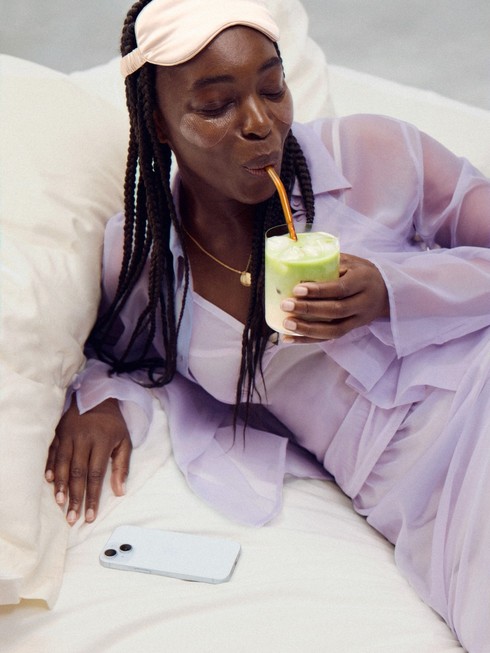
Feeling First: Sophie Carbonari Brings Her Skin-First Philosophy to Zalando’s New Insider’s Edit Jahwanna Berglund I’ve long been fascinated by how beauty moves, how it shifts with culture, mood, and our relationship to the self. So when I heard that Sophie Carbonari, one of the most quietly influential facialists working today, would be launching a new collaboration with Zalando, I knew it was something worth paying attention to.
 Sophie’s approach has always been one of care before correction. Known for her intuitive, skin-first philosophy and her work with some of the world’s most recognisable faces, she brings a kind of grounded elegance to skincare, one that doesn’t shout, but resonates deeply. Now, she’s the first to feature in Zalando’s Insider’s Edit, a new expert-led beauty format that explores professional rituals and the real stories behind them.
 The edit is shoppable, but it’s also intimate. Sophie shares the products she trusts, the rhythm she follows, and the pared-down rituals she swears by. Her selections feel like a gentle nudge toward clarity in a world that often overwhelms with choice. And perhaps most importantly, it’s a reminder that beauty doesn’t have to be performative to be powerful.
 “Together with Zalando I’ve curated an Edit that feels both accessible and results-driven,” Sophie shares. “This is an extension of how I treat my clients—with intention, simplicity, and deep respect for the skin’s rhythm.”
 It’s a philosophy that echoes what many of us are craving right now. According to Zalando’s 2025 Beauty in Brief report, consumers are stepping away from unrealistic ideals and toward routines that feel grounding, effective, and kind. Sophie’s edit captures that shift perfectly, rooted in barrier health, emotional connection, and products that work in harmony with the skin.
 As someone who believes in beauty as a lived, evolving experience and not just an aesthetic one, this feels like a meaningful step forward. It’s not about chasing perfection, but about reconnecting with your own reflection in a more honest and considered way.
 With more Insider’s Edits planned throughout 2025, Zalando is setting the stage for a new kind of beauty storytelling, one led by the voices we trust, and shaped by the rituals that make us feel more at home in our own skin. www.zalando.se

Art

Stockholm Art Week: Ayan Farah Lets the Materials Speak

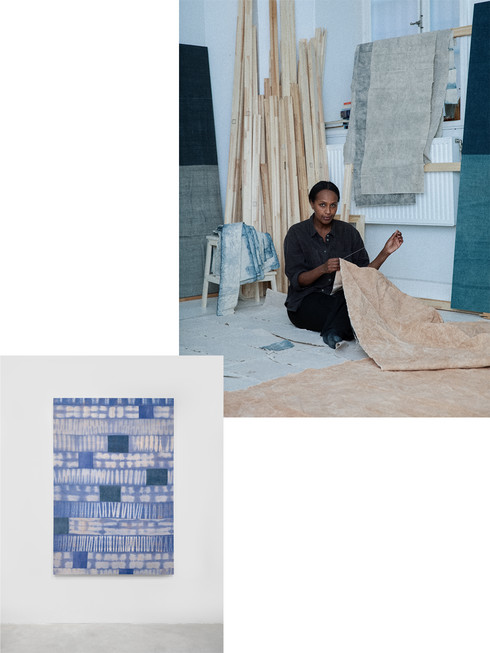
Stockholm Art Week: Ayan Farah Lets the Materials Speak text Natalia Muntean “I’m not preserving materials,” says Ayan Farah, “I’m extending their histories.” Farah’s art lives in the space between memory and transformation. Using natural pigments, weathered textiles, and geological traces, her work embraces the poetry of process, with rust, indigo, and clay becoming active collaborators. As she prepares for her upcoming exhibition at Galerie Nordenhake during Stockholm Art Week 2025, Farah discusses imperfection as liberation, slowness as resistance, and why every artwork is a seed for the next. Natalia Muntean: Your work often incorporates materials with deep histories: antique linens, sitespecific clays, or indigo from Senegal. How do you navigate the tension between preserving these material histories and transforming them into something new? Ayan Farah: In an abstract sense, tension is where the work happens, parallel to this I try not to think of it as tension, but as a continuum. I’m interested in the idea of material memory, how something seemingly still can hold a geography, a weather and a body. Transformation then becomes a way of listening. It’s not about controlling the outcome, it’s about letting something emerge through the process. My process isn’t about preserving them intact but about extending their histories. By working with them, soaking, staining, and layering, I’m allowing new stories to emerge. It’s not a transcendence but a continuation, one that acknowledges both the origin and the transformation. This method not only grounds my work in specific landscapes but also raises questions about the geopolitical and environmental implications of sourcing and utilising these materials. The process in itself draws attention to these materials and sites. NM: You describe your works as “questions” rather than statements. Which artists, writers, or thinkers have influenced this open-ended approach? Are there non-artistic sources that shape your practice? AF: Writers like Édouard Glissant have influenced me, especially his ideas around opacity and relation. I’m drawn to thinkers who allow for multiplicity, for fragments rather than totalities. Artists and writers who move in the space between the visible and the invisible, repetition and differences. Roni Horn and Walter De Maria’s sensitivity to scale and silence, René Daumal’s ascent toward the unknown – these resonate deeply. Their work doesn’t resolve, it opens. I tend to navigate towards non-linear systems of knowledge, how something can be both grounded and speculative, rigorous and ephemeral. I’m interested in the natural sciences, geology, botany, and meteorology. The way sediment layers tell time or how rust records air and salt. NM: You embrace irregularities, blurred photography, “mistakes” in tie-dye, frayed edges. Is there a beauty in decay or incompleteness that feels particularly urgent in today’s culture of perfection? AF: There’s a kind of freedom in relinquishing control, especially in a world preoccupied with polish and permanence. I’ve come to understand imperfection not as failure, but as honesty. The blurred line, the uneven tone and the under-processed. What’s incomplete is often what triggers my interest. I’m drawn to moments where a linear form begins to dissolve, these are places where time becomes visible. This does not mean I’m not intrigued by the opposite, but I still want to leave space for what’s unresolved. NM: Your works often involve slow processes: growing plants for dyes, weathering fabrics, or waiting for rust to form. How does the slowness of your practice challenge or enrich your relationship with the art world’s fast-paced demands? AF: Slowness allows me to step out of the linear time of production and into something more cyclical, more attuned to natural rhythms. The art world can be urgent but my process insists on waiting, on listening. That space, where materials change at their own pace, becomes the work itself. When I wait for rust or for dye to deepen in the fabric, I’m attuning myself to forces beyond my control. This time is full of potential as I trust in this natural rhythm that is often tied to the seasons. I adapt my work to it and in the process allow new ideas to grow. There is always another part of the process to hold my attention in the in-between hours. NM: You’ve described your practice as experimental, where “each work is a seed for another.” How do you anticipate this cyclical process evolving for your upcoming exhibition in Stockholm? Are there unresolved questions from Seeds that you’re carrying forward? AF: Seeds opened up new material relationships that are still unfolding. Certain clays I only just started working with and other materials have resurfaced. I’m currently integrating new elements of embroidery while further developing abstraction, allowing larger fields of “quietness” in each work. Working with diptychs and twin works that reference each other. I tend to work through a spectrum of techniques and pigments and this hasn’t changed.
Art

Stockholm Art Week: Mike Kelley: An Interview With Hendrik Folkerts

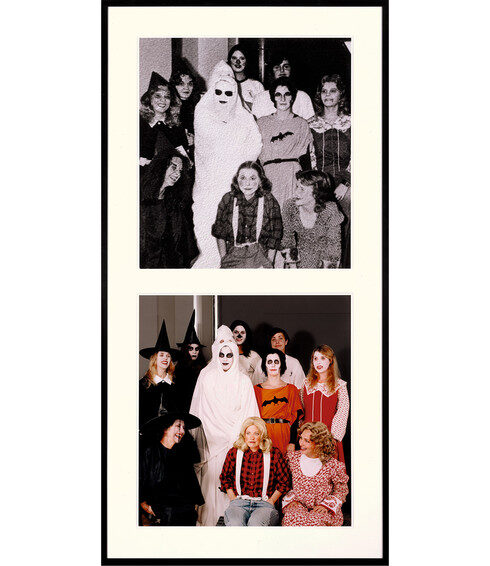
Stockholm Art Week: Mike Kelley: An Interview With Hendrik Folkerts text Zohra Vanlerberghe Extracurricular Activity Projective Reconstruction #10(Group Portrait), 2004-5 photography Robert McKeever courtesy of the artistand Mike Kelley Foundation for the Arts© Mike Kelley Foundation for the Arts/Bildupphovsrätt 2025 Emerging from 1970s Los Angeles, Mike Kelley tore apart the myths of education, class, and mass culture, exposing the psychological undercurrents beneath their sanitised surfaces. His art was never just about provocation; it was a relentless excavation of memory, trauma, and the absurdity of the systems that shape us. Ghost and Spirit, a major retrospective at Moderna Museet, delves into the artist’s multidisciplinary practice and the challenges of presenting his expansive body of work. Hendrik Folkerts, curator of the exhibition, highlights Kelly’s exploration of identity, memory, and the underbelly of American culture, while also emphasising Kelly’s enduring relevance, particularly in today’s era of deconstructed myths and critical discourse. Natalia Muntean: Could you start by telling me how this exhibition came together? What was your approach to presenting Mike Kelley’s work? Hendrik Folkerts: There are several important layers to this. Moderna Museet has a long-standing relationship with North American art dating back to the late 1950s, though historically this was very New York-centric – focusing mainly on white East Coast artists. In recent years we’ve consciously expanded this perspective to include Los Angeles, Chicago, the American South, and other underrepresented narratives. Mike Kelley’s exhibition fits perfectly within this expanded vision. The scale of this retrospective made international collaboration essential. We’re working with Tate Modern, Centre Pompidou, and K21 because such an ambitious exhibition simply can’t be done alone today. The works come from collections worldwide, and the logistics – particularly transportation costs – are enormous. When Tate first approached us about collaborating, the decision was immediate. It made perfect sense for our program, especially as we already hold several important Kelley works in our collection. NM: Given Kelley’s multidisciplinary practice and the breadth of his work, how did you approach the curation? Was there any adaptation for Scandinavian audiences? HS: Kelley’s work operates on multiple parallel tracks, examining how we construct identity, challenging institutional structures, and questioning art’s role in society. He rebelled against the dominant minimal and conceptual art of his student years, seeking more expressive forms. We conceived this as a “focused retrospective” – not attempting to show everything, but diving deep into key bodies of work that represent his evolving practice. The exhibition moves chronologically from his early performances in the late 1970s through his explorations of memory and trauma in the 1990s, culminating with his final installations from the 2000s. The architectural design, created with Formafantasma, is crucial. We’ve used perforated steel walls that create transparency between sections while maintaining intimate viewing spaces. The walls float 40cm above the floor, creating this dual sensation of being in a specific moment while remaining aware of the larger narrative. Regarding Scandinavian audiences – our primary responsibility was to Kelley’s work and its context. We’ve invested significantly in interpretive materials, assuming most visitors won’t be familiar with 1980s-90s American culture. Interestingly, there’s a strong Swedish fascination with American culture that creates fertile ground for Kelley’s critique of its seductive power and hidden darkness. NM: Kelley’s work balances humour with profound melancholy. How did you maintain this tension in the exhibition? HS: That duality is inherent in the work itself – things are simultaneously funny and disturbing. We’ve been careful not to over-explain, allowing the pieces to speak while providing enough context for viewers to engage critically. Kelley’s Detroit upbringing was crucial. Growing up in a working-class suburb where the American dream was already failing gave him an innate understanding of its contradictions. He transformed this personal experience into a broader critique of national mythology. In each gallery, we connect the specific works back to these central concerns, helping visitors see both the immediate impact and larger significance. NM: With such an extensive body of work, how did you select which pieces to include? HS: Kelley worked in clearly defined series, which became our organizational principle. His late 70s performances evolved into installations like Monkey Island (1982-83), where he diagrammed human knowledge. The stuffed animal works of the early 90s marked his breakthrough, leading to deeper explorations of memory and trauma, often expressed through architectural forms like Sublevel (1997) – arguably the exhibition’s centrepiece. This approach allows visitors to experience the depth of his investigations while understanding how each series connects to his broader practice. Of course, some important works fall outside these groupings, but we’ve prioritised giving a coherent sense of his artistic development. NM: Performance was so central to Kelley’s early work. How did you translate this ephemeral aspect into a museum exhibition? HS: It’s challenging because Kelley resisted traditional performance documentation. We’re fortunate that he often created sculptural objects as performance props – transformed everyday items like birdhouses or megaphones that became minimalist artworks. These objects, along with rare photographs Ahh…Youth!, 1991 photography Robert McKeever courtesy of the artistand Mike Kelley Foundation for the Arts© Mike Kelley Foundation for the Arts/Bildupphovsrätt 2025 and films, help evoke the original performances. We’ve also dedicated a central gallery to his writings – journals, diagrams, and scores that reveal his obsessive thought process. This quiet, velvet-lined space provides intellectual grounding for the more visceral works surrounding it. The performance section opens the exhibition, establishing foundations that resonate throughout. We’ve designed sidelines so visitors can literally see connections between galleries, and labels frequently reference these relationships. NM: What surprised you most in preparing this exhibition? HS: His incredible contemporary relevance. I’m constantly struck by how many young artists cite Kelley as a major influence. His multifaceted practice offers so many entry points – whether performance, installation, social critique, or institutional interrogation. We’re living through what feels like the culmination of processes Kelley diagnosed decades ago, the unraveling of national myths, the exposure of institutional failures. His work provides tools for understanding this moment, which is why it resonates so powerfully now. NM: What do you hope visitors take from the experience? HS: Above all, a critical perspective. Kelley teaches

Opiates

TRAVIS SCOTT NAMED CHIEF VISIONARY AT OAKLEY

TRAVIS SCOTT NAMED CHIEF VISIONARY AT OAKLEY Oakley enters a new era and it’s dressed in Cactus Jack. The legendary eyewear brand has named Travis Scott as its first-ever Chief Visionary, launching a multi-year partnership that promises to redefine the brand’s creative direction and cultural reach. Long before this official title, Scott was already shaping Oakley’s renaissance. His tour looks have regularly featured the brand’s distinctive eyewear, seamlessly blending post-apocalyptic aesthetics with technical edge. That organic connection now evolves into something more deliberate: a fusion of vision, influence, and design. “Today marks a bold new chapter in Oakley’s history,” said Caio Amato, Oakley’s Global President. “Welcoming Travis as our Chief Visionary isn’t just a creative move — it’s a defining one.” In this new role, Scott and his Cactus Jack creative team will collaborate closely with Oakley’s in-house designers to reimagine archival silhouettes, develop future-facing eyewear and apparel, and launch campaigns that feel more like cultural moments than marketing. Expect the unexpected: from Scott’s tour staples to completely new designs, all viewed through his genre-defying lens. “I’m inspired by what people think can’t be done,” says Scott. “Oakley’s design game is next level, and I had to be part of that. We’re building something that blends legacy with the future.” To kick things off, the duo is dropping three “Day Zero” items including a poster set and two exclusive apparel pieces, now available at shop.travisscott.com. Styled like retro sunglass shop merch, the teaser offers a first glimpse into a collaboration that’s set to disrupt more than just fashion. With Scott behind the wheel, Oakley isn’t just making sunglasses, it’s rewriting the blueprint for what a heritage brand can become. Read more at www.oakley.com Image courtesy of Oakley 
Opiates

BELLA GRANDE: COPENHAGEN’S NEWEST CLASSIC

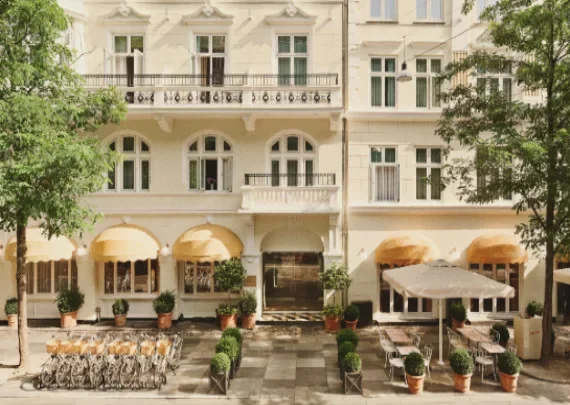
BELLA GRANDE: COPENHAGEN’S NEWEST CLASSIC From the team behind Scandinavia’s most celebrated hotel comes a new destination for lovers of timeless interiors and Italian charm. Meet Bella Grande: a freshly unveiled boutique hotel in the heart of Copenhagen, just steps away from the City Hall Square. Opened in April, Bella Grande brings new life to a storied address where travelers have checked in since 1899. The building’s history is honored through design choices that blend classic elegance with contemporary finesse , a nostalgic nod to the past, reimagined for the modern guest. The hotel boasts 109 newly renovated rooms and suites, all designed as tranquil sanctuaries in the city. Guests are welcomed into rich, layered interiors where vintage color palettes and tactile materials set the tone for a warm, stylish stay. Downstairs, the lobby and common areas feel like a dialogue between eras where sophisticated comfort meets playful curation. At the heart of the hotel lies Donna, a festive Italian restaurant that channels the spirited glamour of Rome and Milan. With bold dishes and an equally vibrant décor, Donna anchors Bella Grande’s social life, spilling out into an Italian-inspired atrium courtyard that invites long lunches and even longer aperitivos. Amenities include a gym, bike rentals for exploring the Danish capital, and generous conference and meeting facilities. Whether you’re in town for business or a romantic city escape, Bella Grande feels both intimate and grand. As the sister property to the award-winning Coco Hotel — crowned “Scandinavia’s Best Hotel” and one of Travel + Leisure’s “Top 500 Hotels in the World” — Bella Grande carries on a legacy of excellence while carving out its own soulful identity in Copenhagen’s hospitality scene. Read more at www.hotelbellagrande.com Images courtesy of Hotel Bella Grande
Opiates

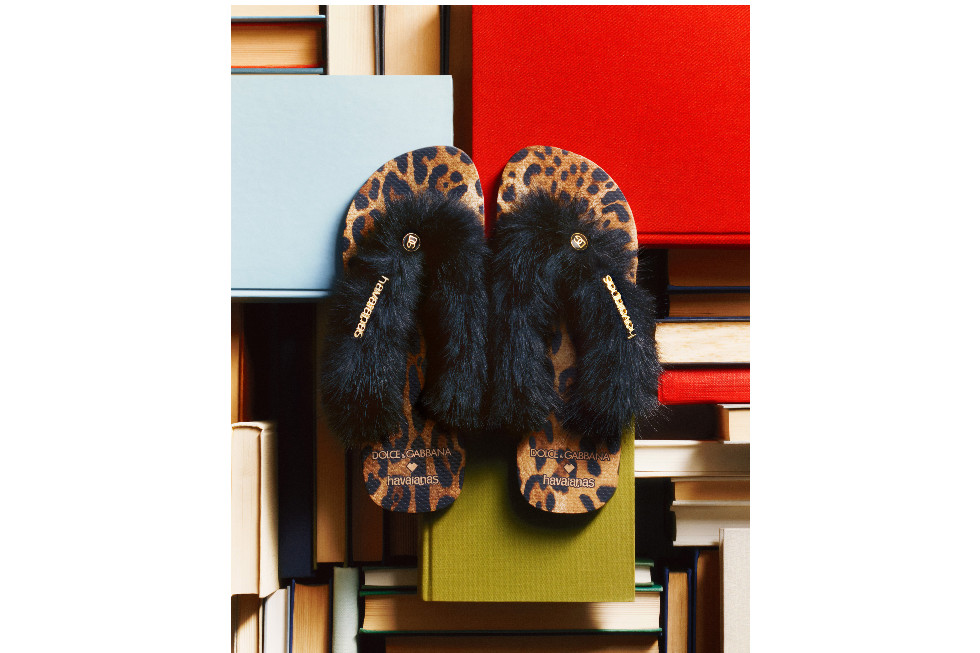
HAVAIANAS X DOLCE&GABBANA: A LUXURY REUNION FOR SUMMER

HAVAIANAS X DOLCE&GABBANA: A LUXURY REUNION FOR SUMMER Two icons, one statement: Havaianas and Dolce&Gabbana return with a bold second collaboration, reimagining the humble flip-flop through the lens of high fashion. After the runaway success of their first drop, the Brazilian beachwear giant and the Italian couture house have once again joined forces to deliver a limited-edition collection that’s anything but ordinary. This season’s release is an eclectic celebration of texture, pattern, and elevated comfort. The lineup introduces three standout styles: a chunky platform silhouette with hand-knotted macramé straps in vibrant hues; lush floral and tropical motifs that pay homage to Brazilian craftsmanship; and wild animal prints made all the more decadent with faux fur details, a nod to Dolce&Gabbana’s maximalist flair. Prints take center stage in the collection, with four signature D&G patterns gracing the sandals: the ever-iconic Leopardo and Zebra, alongside botanical-inspired Banano leaves and romantic Florals. Each pair is finished with a metallic Havaianas logo and a Dolce&Gabbana pin, packaged in a design that’s just as luxe — featuring golden details and metallic accents that echo the spirit of Italian glamour. Read more at www.havaianas-store.com Image courtesy of Havaianas
Opiates

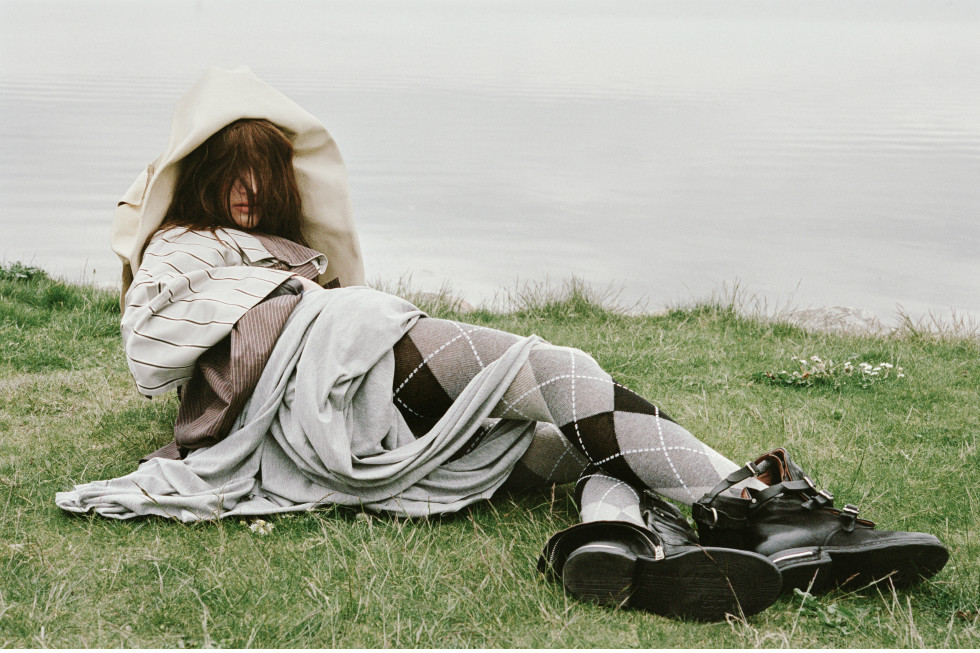
Swedish Stockings Unveils AW25: An Ode to Anonymity and Texture

Swedish Stockings Unveils AW25: An Ode to Anonymity and Texture This August, Swedish Stockings introduces Anonymous: a thoughtfully curated AW25 collection designed for the season’s colder cadence. The collection brings a rich array of socks, knee-highs, and tights crafted from luxurious natural yarns such as cashmere, mulesing-free merino wool, and organic cotton. With tactile knits and grounded colourways, Anonymous evokes the quiet elegance of cold-weather dressing. Drawing inspiration from the Scottish Highlands, traditional garment structures are reinterpreted through richly textured patterns as rib, fishbone, tartan, and argyle in deep hues of red, forest green, anthracite, brown, and ivory. Highlights include the boldly checked Harriet tights and knee-highs, and the Franka styles, which playfully thread in bright pink and blue for an unexpected lift. Classic silhouettes return in a new palette, giving a seasonal twist to the brand’s most beloved styles. Shades like dusty purple, dark green, and soft ivory add depth and warmth, seamlessly blending into everyday wardrobes and more elevated winter looks. The AW25 campaign, created by Danish duo Andreas Bach and Louise Borchers, embraces the power of subtlety. “In a world obsessed with visibility, we were drawn to the quiet power of anonymity,” they reflect. The result is a visual narrative that merges grunge with tradition, where layered silhouettes move between polished and raw — and where nature becomes both sanctuary and disguise. Swedish Stockings’ AW25 collection will be available from August 14, online and via selected retailers. Read more at www.swedishstockings.com Photography Andreas Bach
Opiates

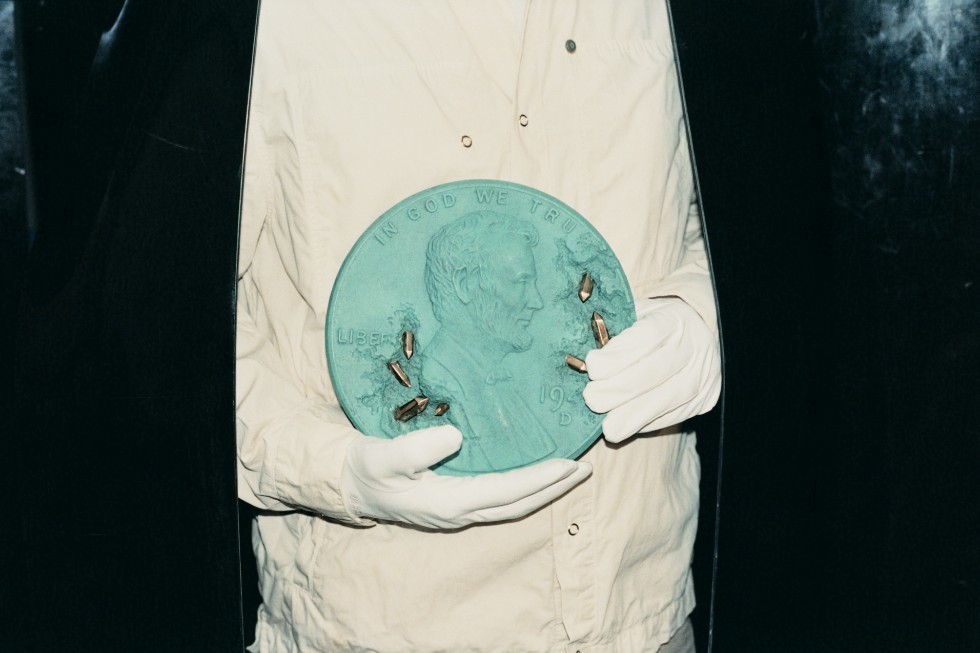
From Penny to Precious: Tiffany & Daniel Arsham’s Iconic Drop

From Penny to Precious: Tiffany & Daniel Arsham’s Iconic Drop In a world where luxury and art often dance around each other, Tiffany & Co. and contemporary artist Daniel Arsham have found a way to make the union feel intimate and electrifying. Their latest collaboration is a poetic take on transformation: a patinated bronze sculpture shaped like an eroded penny, with a hidden treasure inside a dazzling, limited-edition Tiffany HardWear necklace reimagined through Arsham’s creative lens. This is not their first rendezvous. Since joining forces in 2021, Tiffany and Arsham have nurtured a partnership rooted in craftsmanship, curiosity, and a willingness to rewrite tradition. But this release feels especially personal, an object that carries both weight and whimsy. The Bronze Eroded Penny Vessel, handcrafted in Arsham Studio in New York, draws inspiration from his early works and Tiffany’s own history, including their 1885 redesign of the U.S. Great Seal. With its rich green patina and gleaming crystal accents, the vessel sits at the intersection of relic and sculpture, both ancient and futuristic, familiar and strange. And nestled within? The real surprise. A bold new take on Tiffany’s HardWear necklace, crafted in 18k white gold and encrusted with over 1,000 diamonds and 500 tsavorites. The design pays homage not only to New York’s gritty elegance but also to the archival 1971 piece that inspired the HardWear collection. The addition of tsavorites, a vivid green gemstone introduced by Tiffany in the 1970s—ties back to Arsham’s own signature color palette and the weathered glow of the vessel. “My work explores the idea of history as a living, evolving entity,” Arsham shared. “This collaboration allowed me to push that idea even further, turning something iconic into something entirely new.” Each of the 39 limited-edition sculptures comes encased in a custom Tiffany Blue® art crate, complete with dual-branded white gloves for those lucky enough to handle it firsthand. It’s a collector’s dream, but also something more intimate: a story told in metal and gemstone, where fine jewelry and fine art blur into one. A collaboration that’s not just about precious metals or rare stones, it’s about emotion, memory, and transformation.
Opiates

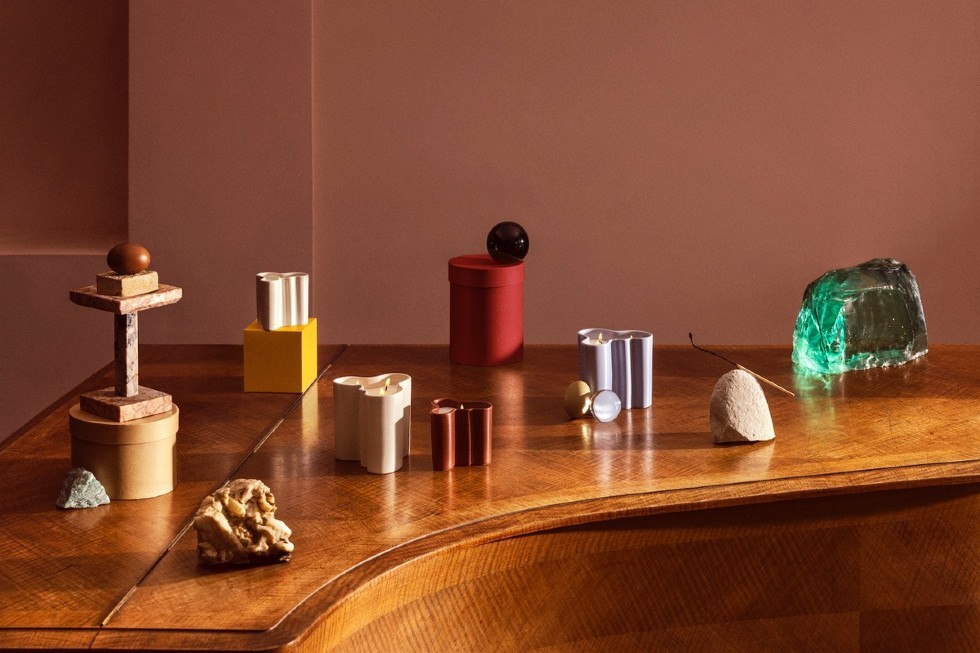
Iittala Captures Nordic Stillness with Scented Candles and Seasonal Glassware

Iittala Captures Nordic Stillness with Scented Candles and Seasonal Glassware At this year’s 3 Days of Design in Copenhagen, Iittala unveiled something quietly groundbreaking: its very first collection of scented candles. Long celebrated for its iconic glassware and deep roots in Finnish design traditions, the brand takes a new sensory turn with its Autumn/Winter 2025 collection that brings warmth, introspection, and tactile beauty to everyday rituals. “It’s about embracing the rhythm of the season,” says Janni Vepsäläinen, Creative Director at Iittala.“Nature slows down, light shifts, and there’s a deepening of mood. We wanted to capture that feeling—not only in form, but in scent.” These new candles are more than just decorative accents. Inspired by the elemental forces of Fire, Sand, and Water, each central to Iittala’s glassmaking process, they come housed in refillable ceramic holders shaped with a nod to Alvar Aalto’s sculptural language. Each fragrance tells a story, from the crisp coolness of lakeside breezes to grounding notes of cedarwood, oakmoss, and suede. True to Iittala’s ethos, they are objects to live with, designed for both the senses and the soul. The launch also sees the Solare glassware series expand with a new seasonal palette inspired by the shifting Nordic twilight. Muted greens, warm ambers, and earthy neutrals catch and refract light with poetic subtlety. Each piece is mouthblown at Iittala’s glass factory in Finland, an enduring testament to the brand’s craft heritage, which dates back to 1881. Another standout is the limited-edition Ultima Thule Finnish Sand Edition. Traditionally made with Belgian sand, this version uses locally sourced sand from Karvia in western Finland, resulting in a naturally green tint and no dyes, no additives. Originally designed by Tapio Wirkkala and inspired by melting ice, the design’s unique, textured surface remains just as mesmerising today. Iittala’s AW25 collection is a call to slow down, reconnect with nature, and surround yourself with thoughtful design that stirs both hand and heart. The full collection will be available globally in Iittala stores, online, and at selected retailers from autumn 2025.

Opiates

Burberry Takes Over The Standard, Ibiza, for a Signature Summer

Burberry Takes Over The Standard, Ibiza, for a Signature Summer This season, Burberry brings a distinctly British take on sun-soaked sophistication with a bold summer collaboration at The Standard in Ibiza. Running through October, the iconic fashion house transforms the hotel’s rooftop oasis, UP, into a vibrant coastal retreat where style, escapism and golden-hour glamour converge. A custom Burberry Check in The Standard’s signature yellow sets the tone, stretched across loungers, parasols and even sailing the Ibiza coastline aboard Check Mate, a branded boat that extends the experience beyond the rooftop. Sunset DJ sets, curated cocktail evenings and thoughtful branded touches create an atmosphere of effortless indulgence. In the lobby, a Burberry photo booth invites guests to capture their summer in style. Upstairs, a curated edit of seasonal pieces is available to shop, from swimwear and light layers to statement sunglasses and sun hats, all designed to embody Burberry’s house codes while celebrating the spirit of the Mediterranean. Set against the Balearic sky, Burberry at The Standard offers a summer defined by ease, elegance and understated attitude. An invitation to sink into the scene and make it your own. Read more at www.standardhotels.com Images courtesy of The Standard Hotels

Scroll to Top