Electrolux: Rethinking the Swedish Home
Text by Natalia Muntean
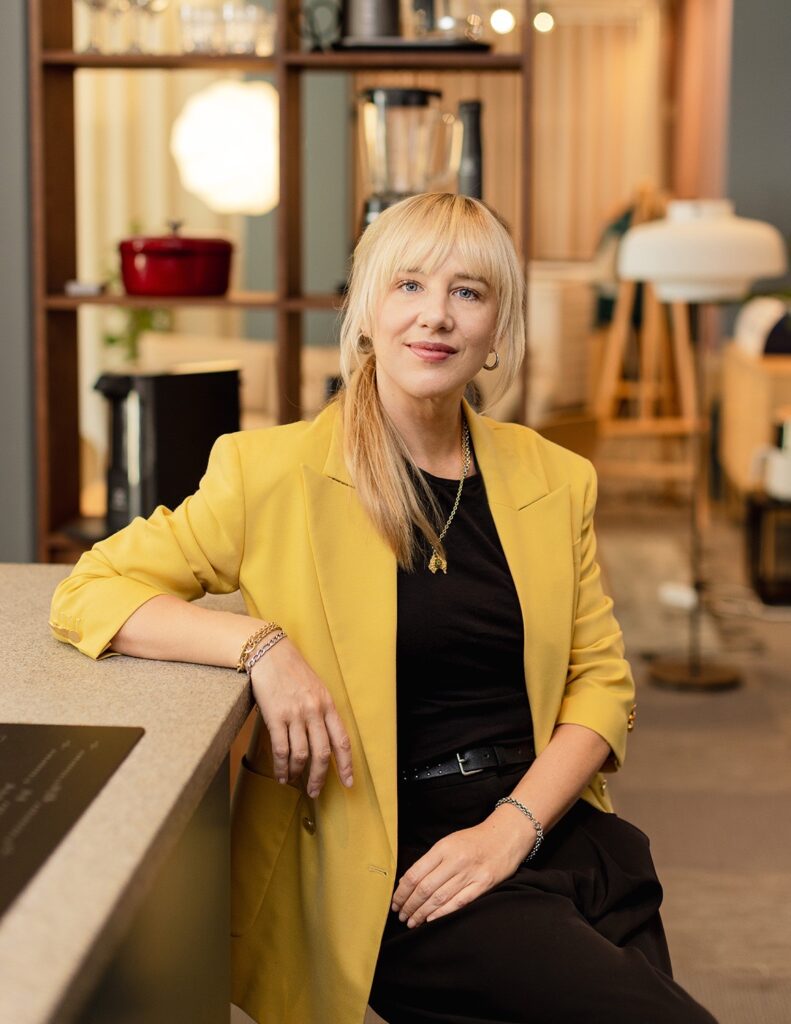
What does the Swedish home mean beyond the familiar image of Scandinavian minimalism? “The Swedish influence is less about minimalism and more about balance,” says Eleonore Säll, Global Brand Chief and Vice President of Brand at Electrolux Group.
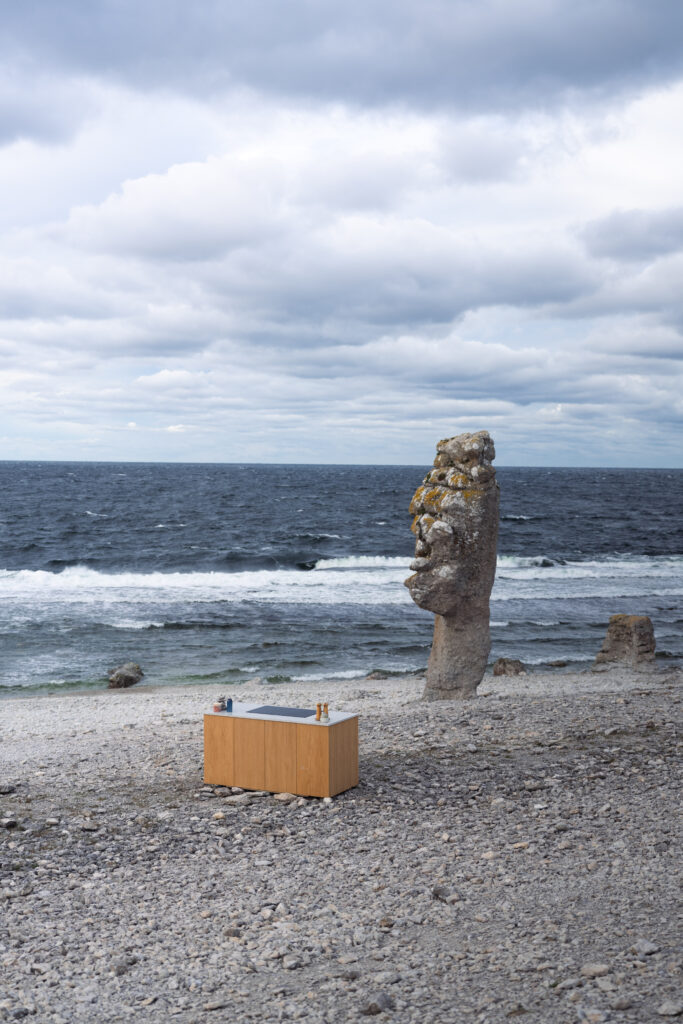
On the remote island of Furillen, off the north-eastern coast of Gotland, the landscape offers a different pace of life. Nearby Fårö is known for its distinctive raukar, limestone formations shaped by the sea, while the industrial setting of the hotel Fabriken Furillen provided the backdrop for Electrolux’s exploration of The Swedish Home. A former limestone factory abandoned in the 1970s, the building was bought by photographer Johan Hellström, and the destination is characterised by muted grey limestone and industrial tones. The island spans 583 hectares of wild nature, limestone cliffs and beaches.

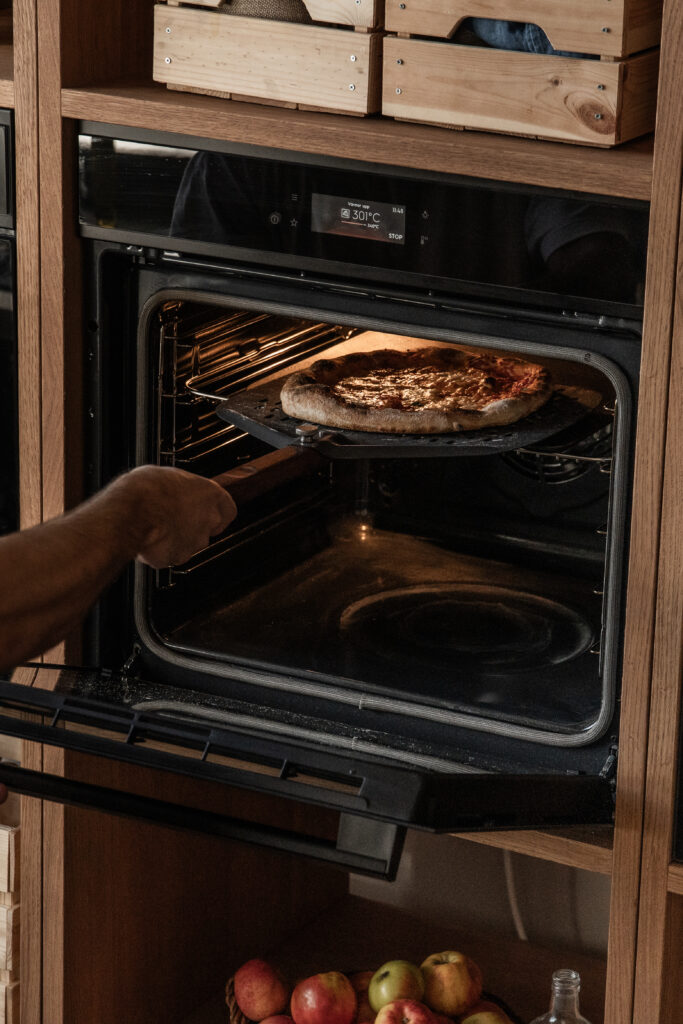
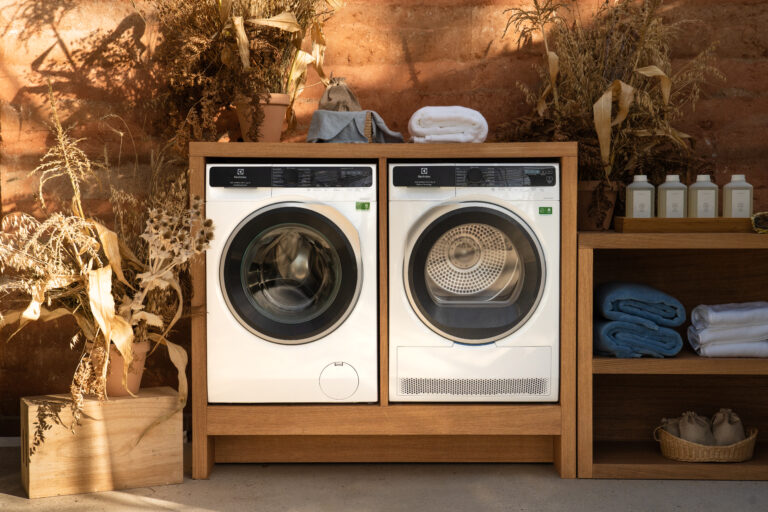
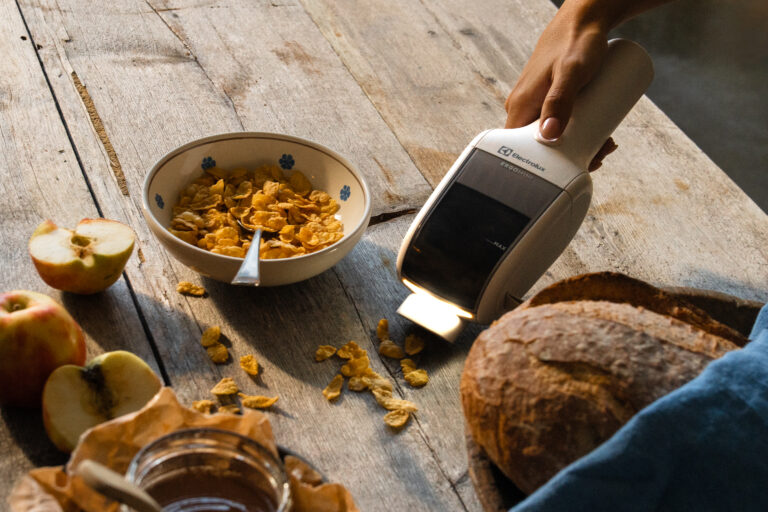
The experience brought together cooking, design and everyday rituals. We tested the Electrolux 700 MealAssist oven with PizzaExpert, which bakes a pizza in around two and a half minutes at 340°C once preheated, and is the only domestic oven approved by Scuola Italiana Pizzaioli. Electrolux also presented the 800 SteamPro MealAssist, an AI-assisted oven with steam and sous vide functions, and the ErgoMini, a handheld vacuum cleaner weighing just 0.55 kg. We also visited Ullkontoret, home to Sweden’s only large-scale wool scouring mill, a fitting occasion to talk about how we care for what we wear and about Electrolux’s laundry range, which is designed to make garments last longer through gentler care.
First introduced at Milan Design Week 2026, The Swedish Home explores how Scandinavian design, thoughtful technology and a closer connection to nature can support wellbeing and more intentional living. The concept will extend beyond the press trip: throughout 2027, Electrolux and Fabriken Furillen plan to offer bookable experiences for guests, including hands-on cooking activities and opportunities for relaxation and restoration. And how can technology help us make more room for the things that matter? In Säll’s view, the highest compliment for AI “is not that people notice it, but that they don’t.”
Natalia Muntean: What does “The Swedish Home” mean to Electrolux beyond Scandinavian design aesthetics?
Eleonore Säll: The Swedish Home isn’t about a specific aesthetic. It’s a philosophy rooted in the belief that the home should restore us rather than exhaust us. Today, many people spend their days navigating constant notifications, choices and distractions. We believe the role of the home is becoming increasingly important as a counterbalance to that. The Swedish Home is our interpretation of how design, technology, light, materials and everyday rituals can work together to create a sense of calm and wellbeing. It is grounded in the idea that small, intentional choices can help restore balance in everyday life.
It’s also about belonging. At a time when many people are looking for stability and connection, we’re seeing renewed interest in gathering at home, sharing meals, reconnecting with heritage, craftsmanship and local traditions. Those values have long been part of Swedish home life. The Swedish influence is less about minimalism and more about balance. It’s about creating spaces where people feel connected to themselves, to nature and to each other.
NM: What have you learned since the concept was first introduced at Milan Design Week?
ES: One of the most surprising things we’ve learned is how quickly the conversation moves beyond products. Whether in Milan during Design Week, or later at Furillen in Gotland, people wanted to talk about how they felt in their homes, why modern life often feels overwhelming, and how everyday rituals such as cooking, gathering around a table or disconnecting for a moment have become increasingly valuable.
At Furillen, the landscape and surroundings encouraged a different pace of conversation. That reinforced something important for us: the future home is not simply a functional space. It’s increasingly becoming an emotional space. The strongest response wasn’t to a specific innovation, but to the idea that technology and design can reduce stress rather than add to it.
NM: You talk about “creating space for what matters”. What does that mean in practical terms when it comes to the products you design?
ES: It means removing friction from everyday life. People don’t buy an oven because they want to manage oven settings. They want to cook a great meal for friends and family. They don’t buy a washing machine because they enjoy laundry. They want their clothes to last and look good. When we say “creating space for what matters”, we’re talking about reducing the mental load associated with household tasks. Every unnecessary decision, every moment of uncertainty, and every layer of complexity takes attention away from what people actually care about. That philosophy also influences how we think about technology. Products should blend naturally into the home experience. Technology should be visible when needed and invisible when not. Good design gives people time back rather than demanding more of it.
NM: What role do you think AI should play in the home? Should it be visible and interactive, or should good technology essentially disappear into the background?
ES: My personal view is that the home doesn’t need more screens competing for our attention. We see AI moving from automation to collaboration. The best systems won’t execute commands; they’ll understand context, anticipate needs and help people make better decisions. The role of technology is shifting from something we operate to something we work alongside. At the same time, we don’t believe every technology needs to announce itself. The most successful AI in the home will likely be the least visible. It should quietly simplify choices, reduce stress and help people achieve better outcomes without demanding constant attention. In many ways, the highest compliment for AI is not that people notice it, but that they don’t. They experience a home that works better for them.
NM: With AI TasteAssist, for example, what problem did you identify that AI genuinely solves better than existing technology?
ES: The challenge wasn’t cooking. It was confidence. Millions of people discover recipes online every day, but recipes are written for humans, not appliances. They’re often inconsistent or dependent on assumptions about skill level. AI is uniquely suited to bridge that gap. It can interpret a recipe, analyse what is being cooked and translate that into precise cooking instructions for the appliance. That’s exactly the role of AI TasteAssist, which can read online recipes and optimise oven settings accordingly. What makes AI valuable here isn’t that it’s advanced technology. It’s that it removes uncertainty. That allows people to focus on creativity, flavour, and the enjoyment of cooking rather than worrying if they’ll get the settings right.
NM: With appliances like the SteamPro, you’re changing not just how people cook but potentially what they consider good cooking. How much are you trying to influence consumer habits?
ES: I think all design influences behaviour, whether we intend it to or not. What’s fascinating is that many of our household habits are inherited rather than consciously chosen. The question is whether new technologies can help people discover better alternatives. We’re not trying to dictate how people should cook; rather, we’re trying to remove barriers that may have prevented them from exploring different techniques. If people discover more tasty, nutritious, and enjoyable ways of preparing food as a result, that’s a positive outcome. Innovation is at its best when it expands people’s possibilities over limiting them.
NM: What did you learn from consumers that led to the development of the PizzaExpert functionality?
ES: What we learned through our research was that pizza repeatedly occupies a unique place in people’s lives. People don’t just love eating pizza; they love sharing it. They associate it with gatherings, celebrations and informal moments with friends and family.
At the same time, many consumers felt frustrated by the gap between restaurant-quality pizza and what they could realistically achieve at home. PizzaExpert emerged from that insight. The goal wasn’t simply to make pizza faster. It was to help people recreate an experience they associate with connection and enjoyment. In that sense, the innovation is as much social as it is technical. It supports a broader shift toward creating restaurant-quality experiences at home. The resulting oven can achieve authentic pizza results in around 2.5 minutes at 340°C.
NM: How do you see this kind of technology changing the way people entertain and cook at home?
ES: We’re seeing what we describe as the “Entertain-In” trend, where people are increasingly choosing to socialise at home. Through hosting informal dinners, cooking together and creating experiences around food. Part of this is driven by a desire for deeper human connection. Part of it reflects a broader search for comfort, belonging and meaningful experiences in uncertain times. The home is once again becoming a destination rather than a place between activities. Technology can support that shift by lowering the barrier to participation. When people feel confident they’ll achieve good results, they’re more likely to experiment, cook together and invite others into the experience. The technology itself is not the goal. The goal is creating conditions where food becomes a catalyst for connection. Some of the most meaningful moments in the home still happen around the table.
NM: What does “more intentional living” mean from a sustainability perspective?
ES: Intentional living starts with recognising that sustainability is as much about behaviour as it is about technology. We’re also seeing a shift away from perfectionist sustainability toward what some researchers describe as “guilt-free environmentalism”, the idea that people want to make positive choices for the planet without feeling overwhelmed by trying to do everything perfectly. Increasingly, people are rejecting the idea that sustainability requires constant sacrifice. Instead, they’re looking for realistic ways to live better every day. For us, intentional living means valuing what we already own, reducing waste and making decisions based on long-term value. That might mean extending the life of garments, reducing food waste or choosing products designed for longevity. The most effective sustainable behaviours are often the ones that fit naturally into everyday life.
NM: How does Electrolux reconcile encouraging consumers to buy new appliances with the idea of consuming less?
ES:: It’s an important question, and honestly, it’s a tension every manufacturer must confront. What we’re seeing is not a rejection of consumption, but a shift toward intentional consumption. Consumers increasingly want products that last longer, deliver greater value over time and align with their values. Our responsibility is to ensure that when consumers do invest in a new appliance, it is designed to improve resource efficiency, help reduce waste and support more sustainable behaviours throughout its lifetime. Consuming less doesn’t necessarily mean buying nothing. It means buying more thoughtfully, keeping products longer and getting greater value from everything we bring into our homes. Longevity, repairability, efficiency and ongoing digital updates will become increasingly important parts of that equation.
NM: You talked about how some of our laundry habits date back to the 1950s. What is one laundry habit you wish people would finally leave behind?
ES: Probably the belief that hotter means cleaner! That idea made sense decades ago when detergents and washing machines were very different. Today, modern detergents and appliance technology can achieve excellent cleaning performance at much lower temperatures. Yet many people continue washing hotter than necessary out of habit. Lower-temperature washing, or even steaming, can help reduce energy consumption while also helping garments maintain their colour, shape and quality for longer. Sometimes the most sustainable innovation is simply letting go of outdated assumptions.
NM: What does the contemporary Swedish home look like when you move beyond the international stereotype of Scandinavian minimalism?
ES: I think the international image of the Swedish Home is often too neat and too simplified. The stereotype tends to focus on neutral palettes, clean lines and minimal possessions. The reality is much more human and increasingly more expressive. Contemporary Swedish homes are shaped by seasonality, nature, family life and everyday rituals. They are practical, but also personal.
What’s interesting is that younger generations are bringing more colour, personality and playfulness into their homes. Trends such as dopamine décor reflect a desire to create environments that feel optimistic, emotionally supportive and individual. There is also a growing confidence in mixing old and new. Family heirlooms sit alongside contemporary design. Natural materials coexist with technology. Homes are becoming more personal, layered and reflective of the people who live in them. What’s distinctly Swedish isn’t minimalism itself. It’s the pursuit of balance. Lagom in Swedish. The desire to create a home that feels functional but warm, beautiful but unpretentious, connected to nature yet designed for modern life.
To me, that’s the essence of The Swedish Home. Not perfection, but a calm and thoughtful framework for living. A place where design supports wellbeing, where technology serves people quietly in the background, and where everyday rituals create a sense of belonging.