At IFA, Xiaomi Designs a World Beyond the Smartphone
For its IFA debut, Xiaomi took over 3,300 square metres in Berlin with more than 380 products. Alongside smartphones and smart home technology, three cars reveal how far the company’s ambitions now extend.
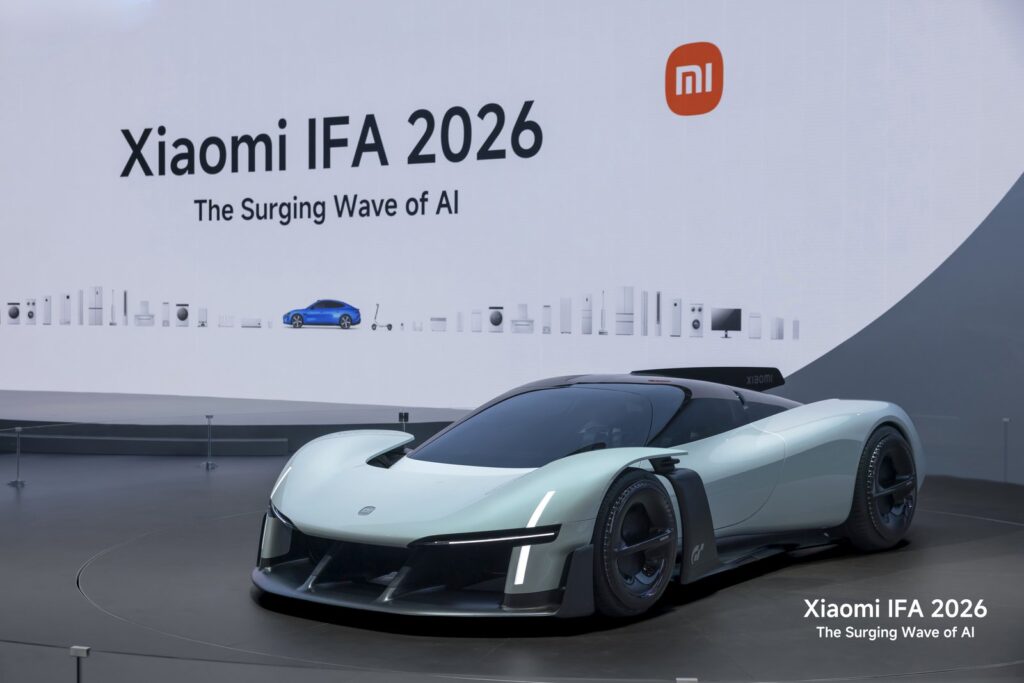
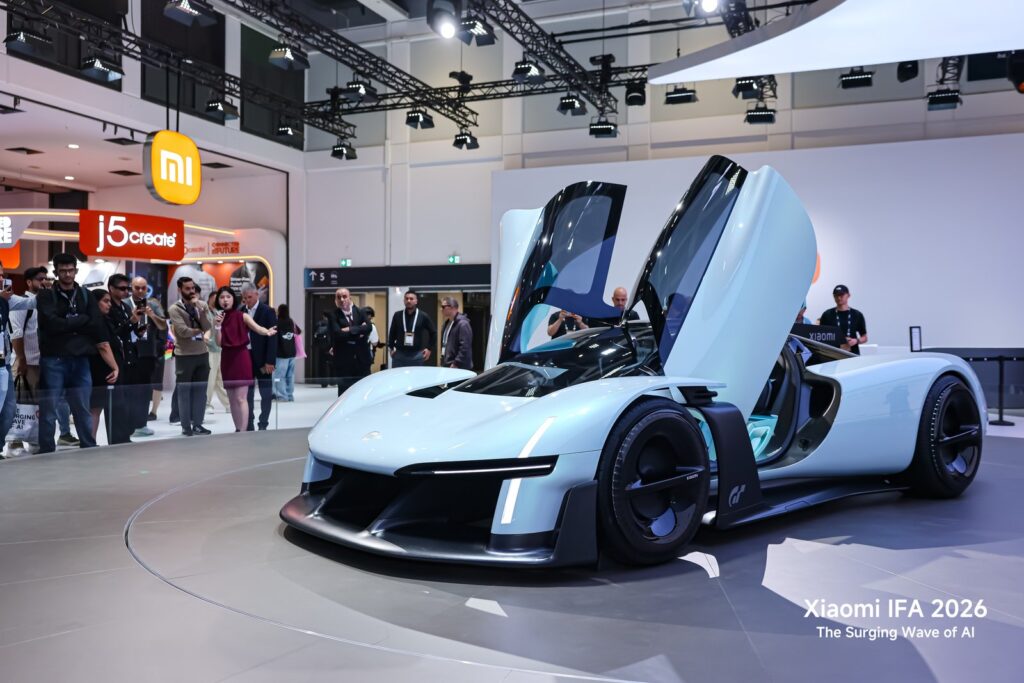
A car created for a video game could easily feel out of place at a technology fair. But on Xiaomi’s stand at IFA in Berlin, the Vision Gran Turismo offers a glimpse into how the company sees its future, both on screen and on the road.
This is Xiaomi’s first year at IFA, and it has arrived with its largest standalone presentation outside China to date. More than 380 products fill the 3,300-square-metre space, moving from smartphones and home technology to kitchen appliances and electric vehicles.
At the centre of the presentation are three cars: the SU7 electric saloon, the high-performance SU7 Ultra and the virtual Xiaomi Vision Gran Turismo. Each shows a different side of Xiaomi’s growing automotive business.
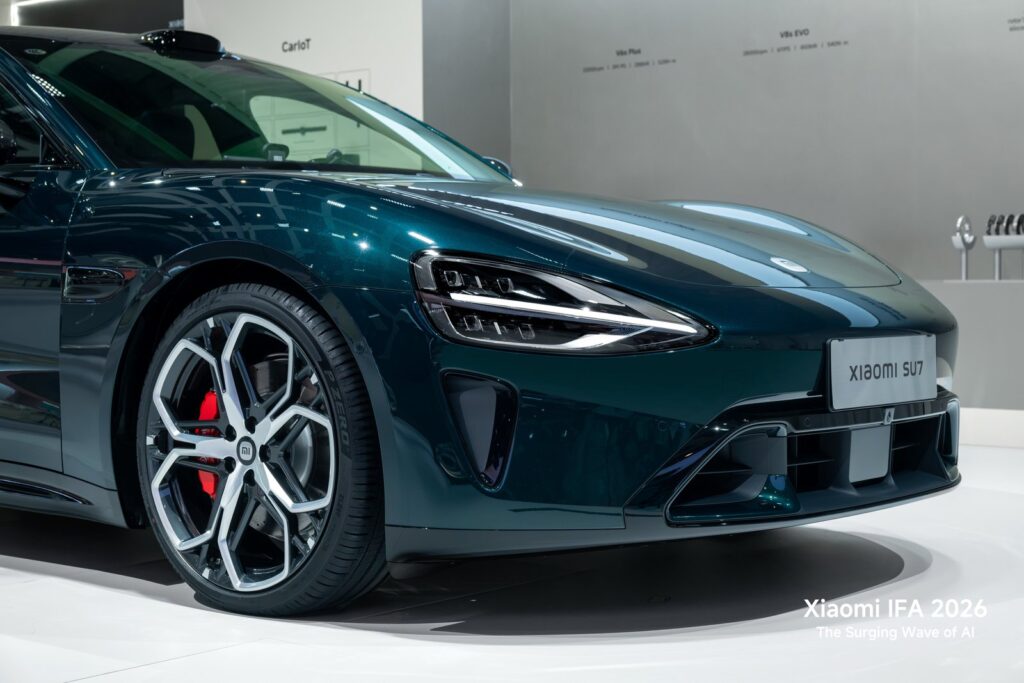
The SU7 is the clearest example of Xiaomi’s move from smartphones into mobility. Its long, low shape places it firmly within the world of modern electric sports saloons, but the more important story is found inside.
Powered by Xiaomi HyperOS, the car connects with the devices already used throughout the day. The idea is simple: your phone, home and car should be able to communicate without requiring separate systems for each.
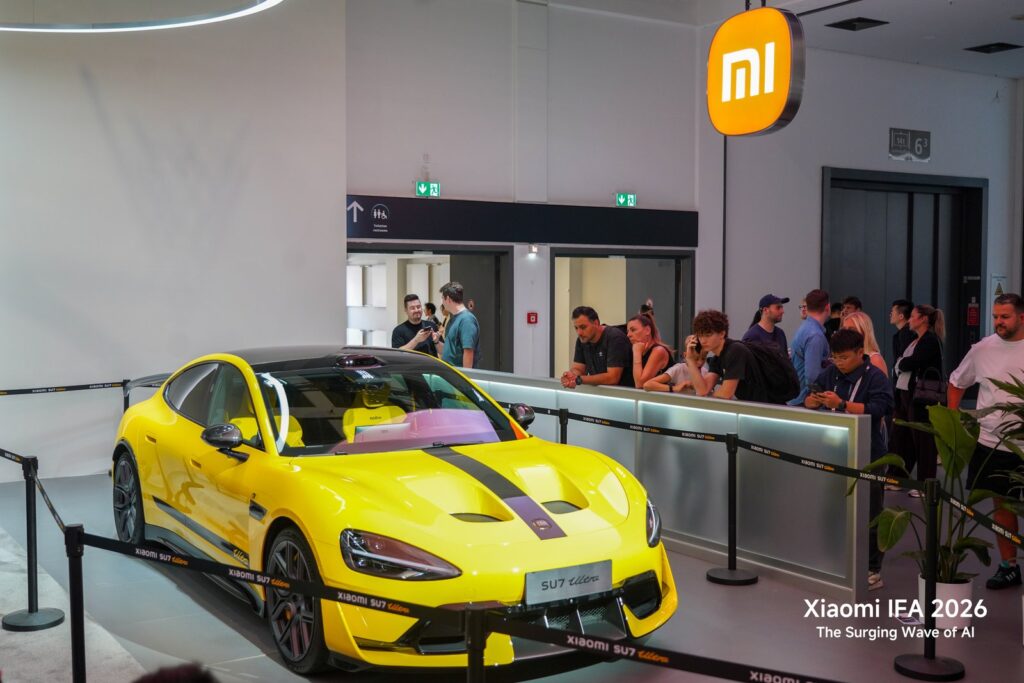
The SU7 Ultra focuses more directly on performance. In April 2025, the production model completed an official Nürburgring Nordschleife lap in 7:04.957, setting a record in the Electric Executive Car category at the time.
Considering Xiaomi delivered its first production vehicle only in 2024, the result helped establish the company as a serious automotive competitor far more quickly than many might have expected.
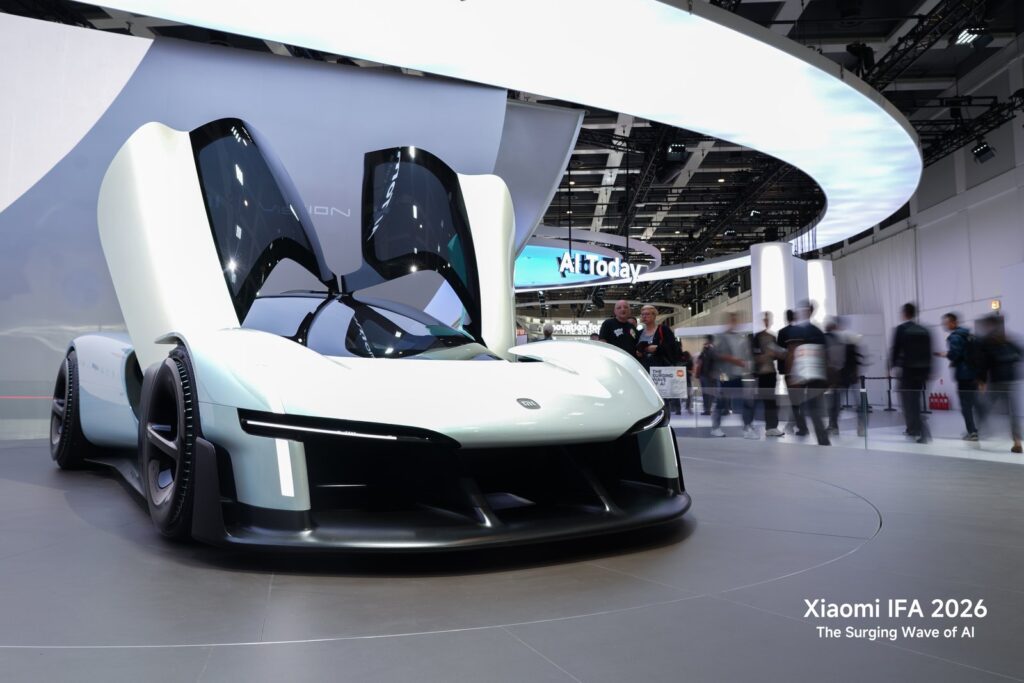
The Vision Gran Turismo takes a more experimental approach. Created for the Gran Turismo franchise, it makes Xiaomi the first technology company to take part in a programme traditionally associated with established carmakers.
Because it does not have to meet the same immediate demands as a production car, its designers have been able to push the form further. The concept has a teardrop-shaped cockpit, an active system that manages the airflow behind the car and a sharply sculpted body that looks as though it belongs equally on a racetrack and inside a video game.
The interior is unexpectedly soft. Xiaomi describes the concept as “Racing on a Sofa”, replacing the rigid feel of a traditional racing seat with something more comfortable and cocooning. A ring-shaped assistant called Xiaomi Pulse sits at the centre of the interface.
Some of the language surrounding the concept is deliberately futuristic, but the question behind it is relevant: as cars become increasingly controlled by software, how should it feel to interact with them?

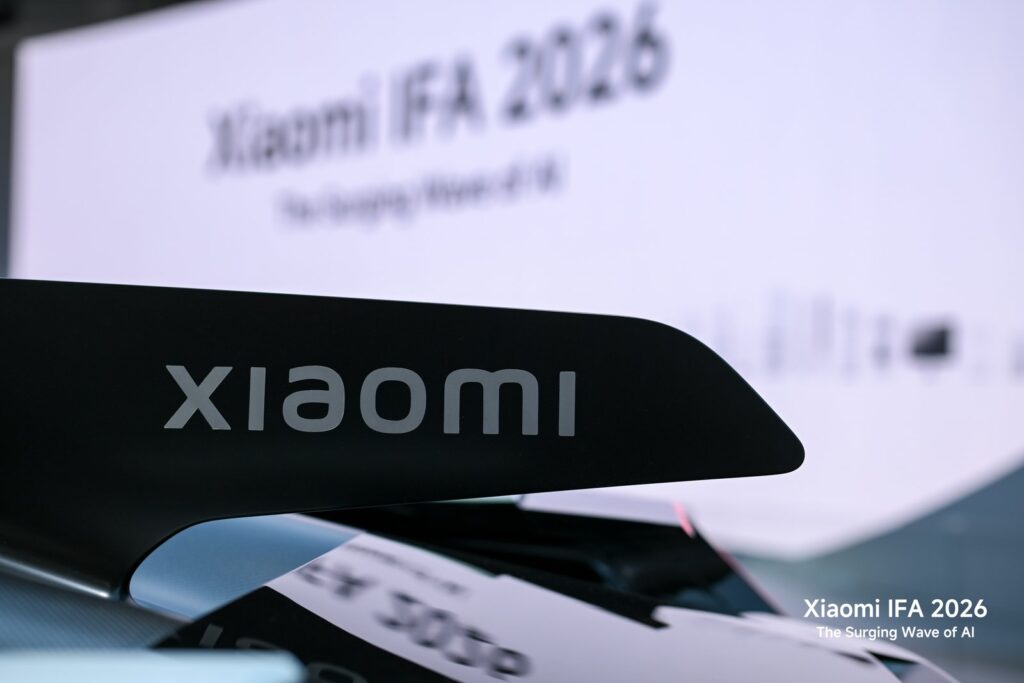
The cars are part of Xiaomi’s wider “Human × Car × Home” strategy, which connects personal devices, vehicles and household products through AI and HyperOS.
In practice, this could mean the car communicating with the home before the driver arrives, adjusting the lighting or temperature depending on the time of day. A photograph taken on a phone could be sent to a printer through a spoken request. Instead of operating separately, the devices are designed to work together.
Of course, this level of connection is also good business. Once a phone, car and home all work through the same system, choosing the next product from the same company becomes easier. Xiaomi is not only developing individual devices; it is building an environment around them.
Europe will be important to the next stage of that plan. Xiaomi is using IFA to expand its Mijia smart home business across the region, while its automotive division is expected to enter the European market in 2027.
The Berlin presentation therefore feels less like a conventional product launch and more like an introduction. Before European consumers are asked to buy a Xiaomi car, the company wants them to understand the connected world that will come with it.
Among the many promises of smarter homes and more intuitive technology at IFA, the cars make Xiaomi’s ambitions easier to see. This is a company that no longer wants to be known primarily for the smartphone in your hand. It also wants to shape the rooms around you and, eventually, the car waiting outside.
The Vision Gran Turismo may never reach the road in its current form. But that is not really the point. For now, its purpose is to show us where Xiaomi believes it is heading.
text Jahwanna Berglund