Norwegian Design Makes its Move on Sweden
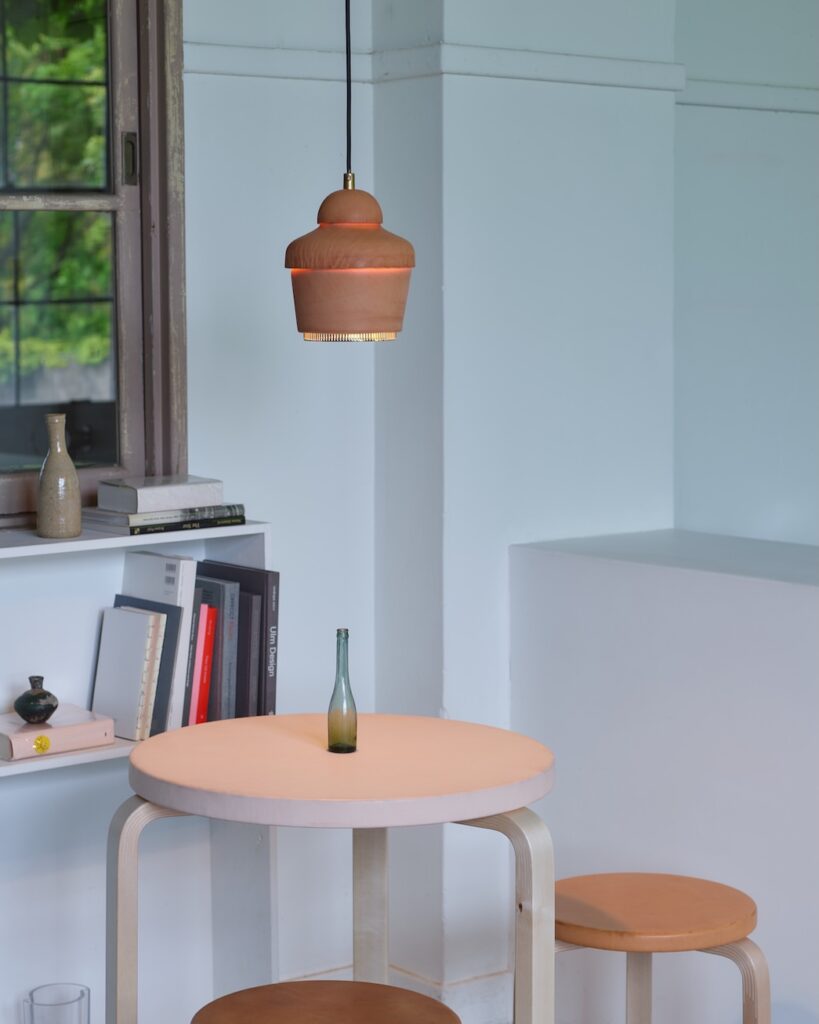
On a recent evening at the Norwegian Embassy in Stockholm, six Norwegian design brands gathered for an intimate showcase hosted by Norsk Industri. The event was less a trade fair than a declaration that contemporary Norwegian design, rooted in landscape, material honesty, and a near-philosophical commitment to longevity, has something urgent to say to the Swedish market.
The brands ranged from century-spanning furniture makers to a new generation rethinking acoustics, textiles, and stone. What united them was a resistance to trend cycles and a conviction that how something is made is inseparable from what it means.
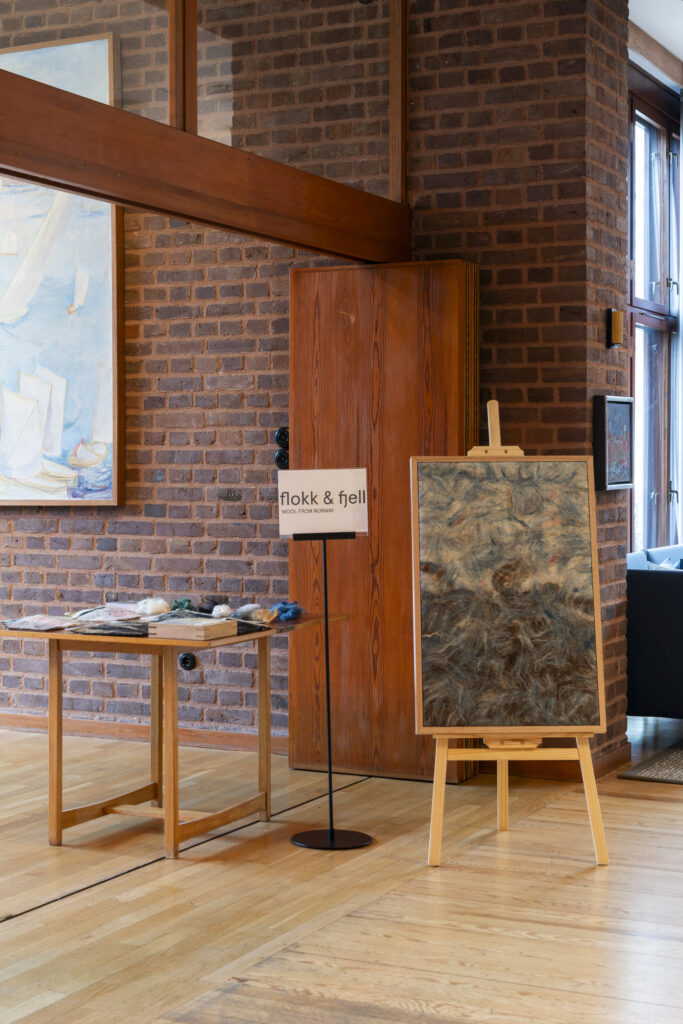
Flokk & Fjell works with waste wool that would otherwise be discarded, dyeing it with plant-based pigments from local raw materials to produce handmade acoustic panels that are also objects of beauty. Founder and architect Annemieke Koopmans unveiled a new collection, Winter Landscapes, exclusively at the Stockholm event, her ambition being to bring indoors the same stillness one finds out in nature.
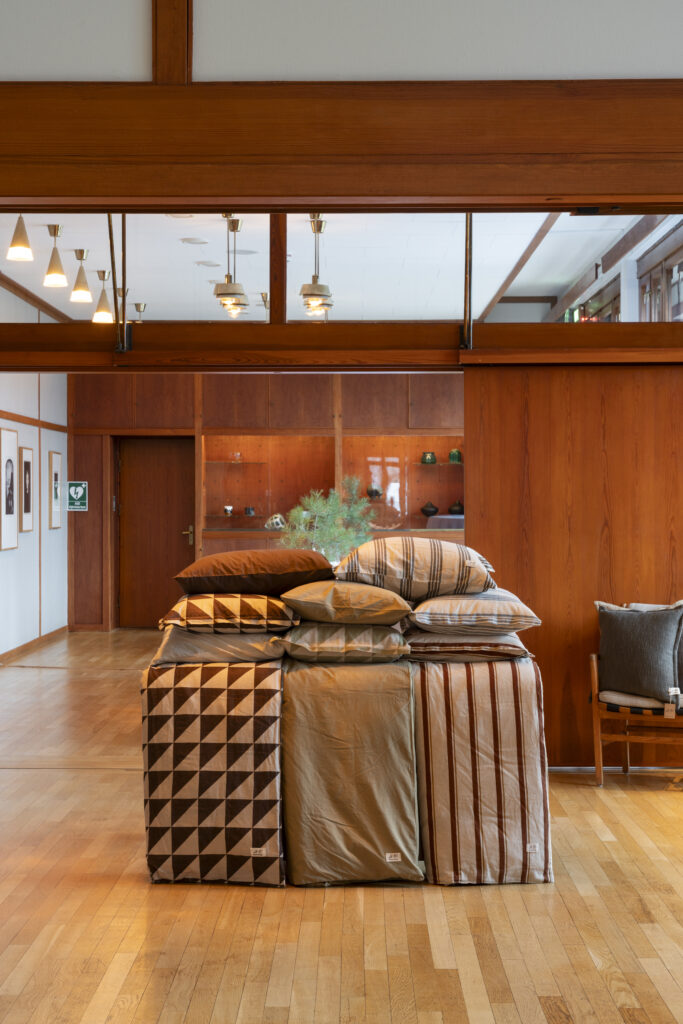
Norsk Dun’s new collaboration with designer Gustav Ovland takes a similar approach to materiality. Recycled fibres, mineral-based pigments, pomegranate peel – the collection’s palette is drawn from what already exists and would otherwise be lost. The results are textiles with a warmth that synthetic processes rarely achieve. “Good design is about creating something people want to live with for a long time,” says Ovland.
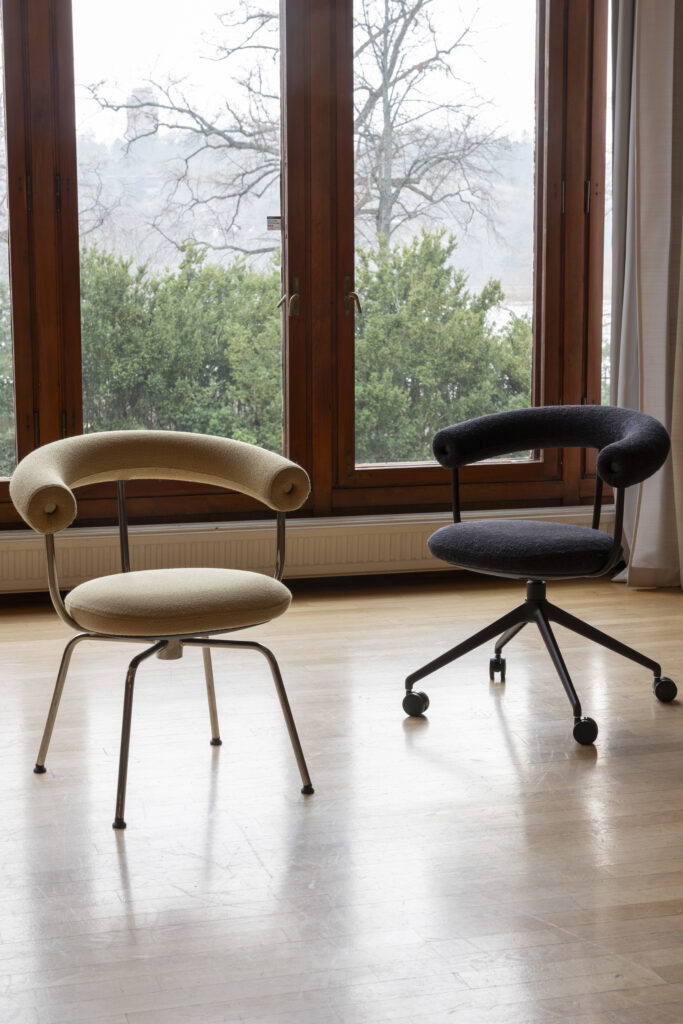
LK Hjelle has been making furniture in Sykkylven since 1940. Every piece still leaves their own factory, still bears the Made in Norway mark, still built for repair and reupholstery rather than replacement. Their collaborators, Andreas Engesvik, Hallgeir Homstvedt, Jonas Stokke, are among Norway’s most respected designers, and the furniture has found its way into the Norwegian National Opera and embassies worldwide. CEO Jens Peter Brunstad’s vision is simple and unsparing: no one should ever need to throw away a piece of LK Hjelle furniture.
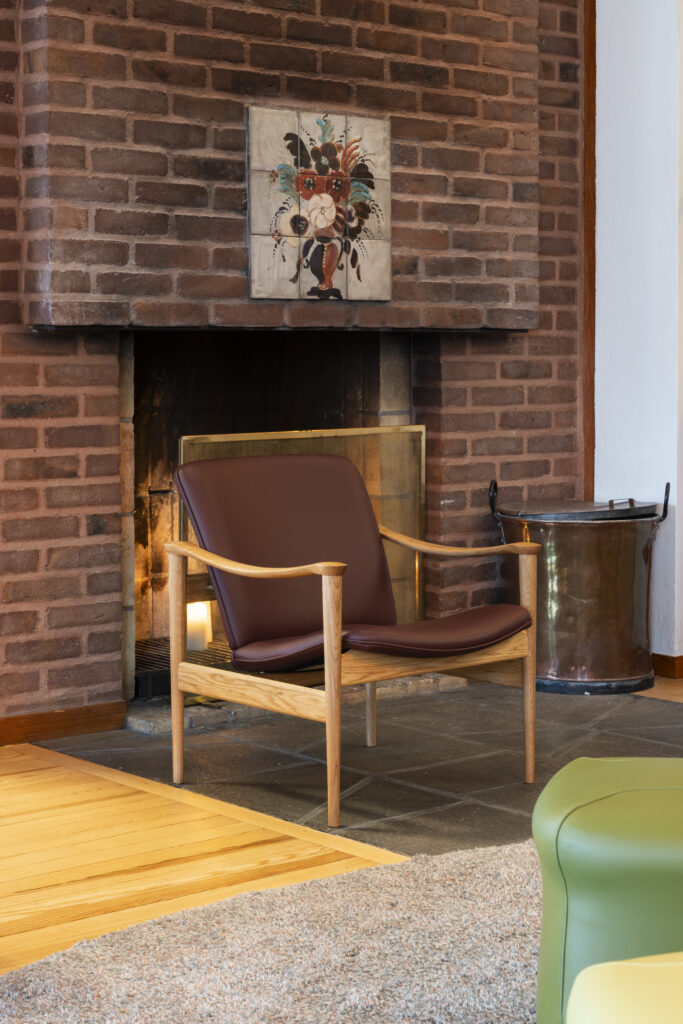
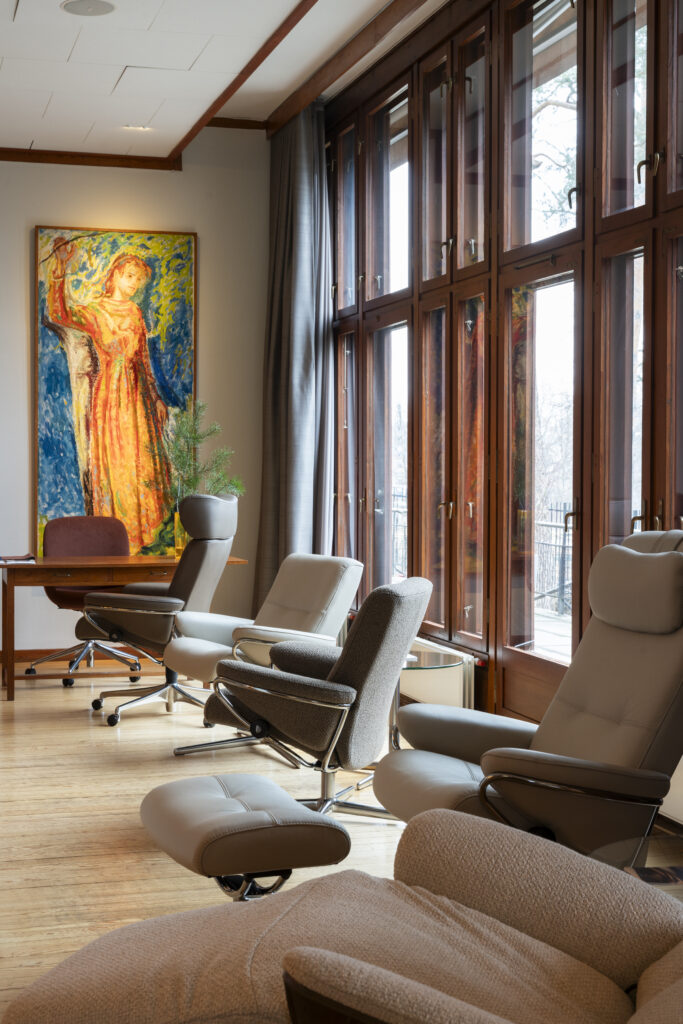
Ekornes brought two new Stressless® models, Adam, recently awarded the Red Dot Design Award, and Bay, that make ergonomic rigour feel like luxury rather than compromise. Both are built for durability, both designed to support the body in the way the body actually moves. Comfort, here, is not a selling point. It is the whole point.
Fora Form’s BAST, designed by London-based Norwegian duo Hunting & Narud, is a modular low table system that thinks in the long term. Solid oak, floating aluminium, three sizes that can stand alone or compose into something larger. Every joint engineered for disassembly and repair, with longevity written into the object’s logic from the start.
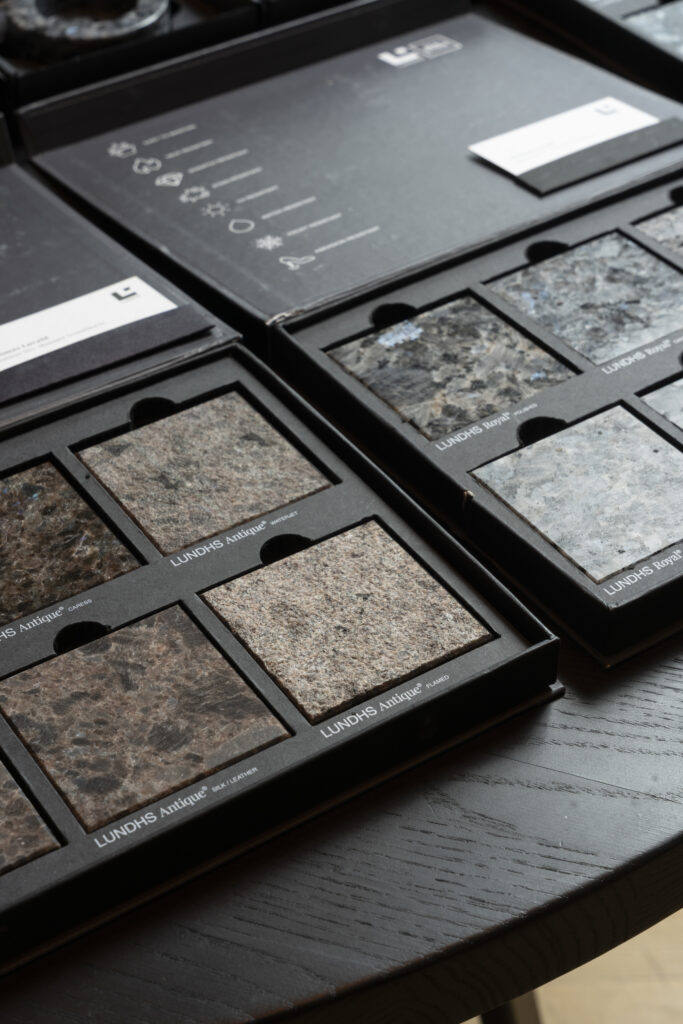
The most structurally ambitious proposition came from Lundhs Real Stone®. Their Larvikite and Anorthosite, formed hundreds of millions of years ago, entirely free of quartz, are no longer simply surface materials. A ten-storey building on Finchley Road in London now uses Larvikite as its load-bearing exoskeleton, replacing concrete and steel in what is believed to be a first of its kind. “Larvikite is more than a surface material,” says Business Developer Thomas Løvald. “It is architecture in its most fundamental form.” From Oslo’s Sommerro House to the University of Oslo, the stone keeps finding new ways to hold things up.