Inside the Happy Chalet: Alix Bortoli on Making Happy Socks’ Holiday Campaign
Text by Natalia Muntean
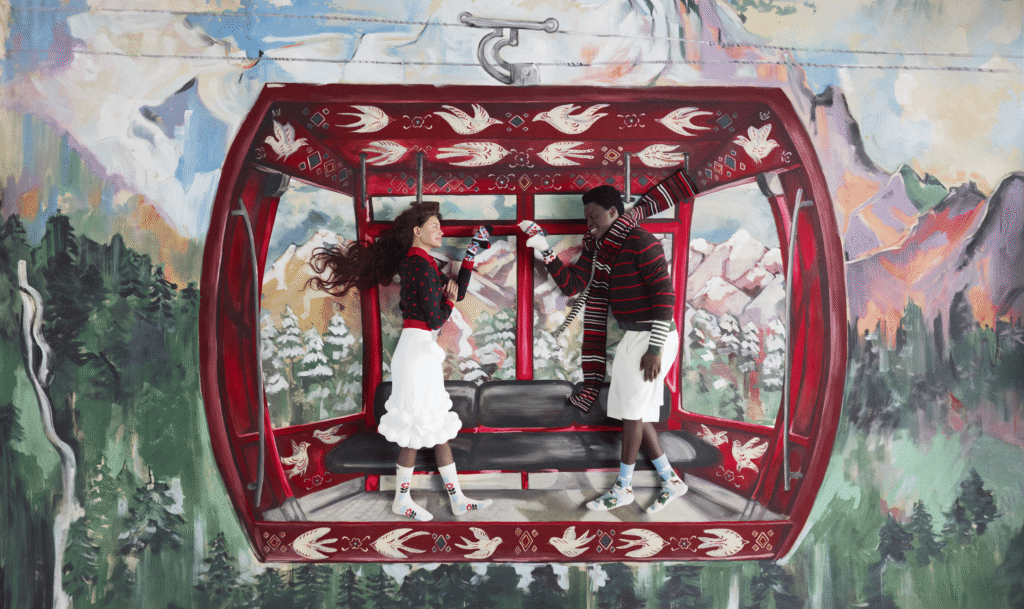
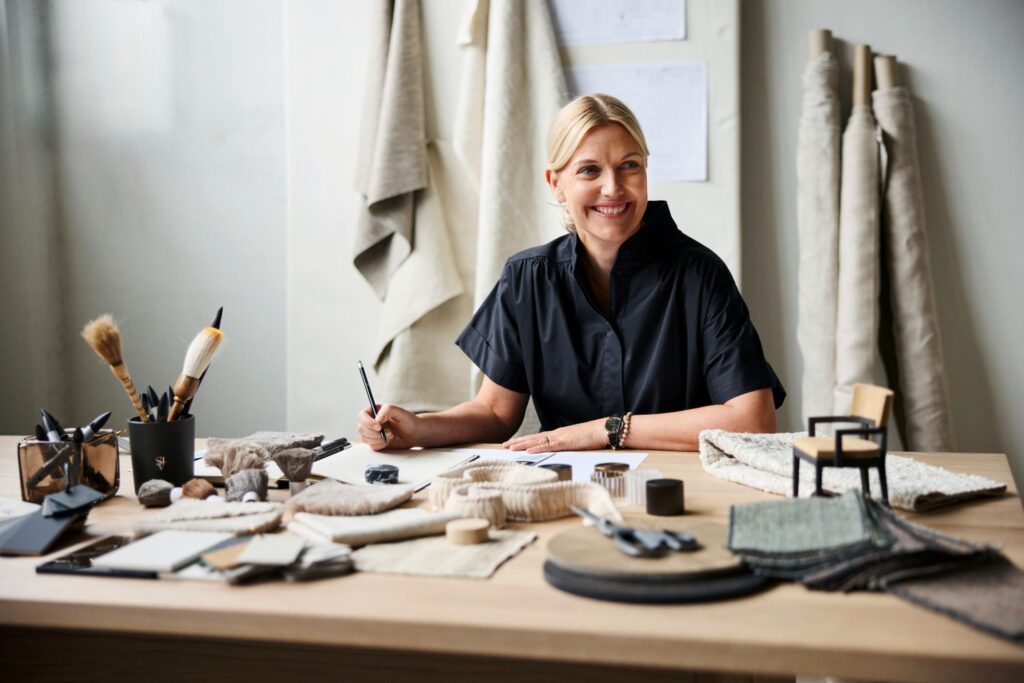
“To me, celebrating and preserving handmade work is vital,” says director Alix Bortoli. The Paris-based creative built Happy Socks’ Holiday 2026 campaign, The Happy Chalet, together with the Milan studio Edith Di Monda. Built from wool, textiles and a giant hand-painted canvas, the holiday universe animates its models frame by frame.
Natalia Muntean: What was the starting point for The Happy Chalet? Was there a first image, object or idea that the rest of the world was built around?
Alix Bortoli: The starting point was directly inspired by the collection itself and my collaboration with Edith Di Monda. My goal was to create a deeply tactile universe referencing the socks and building an entire world centred around fabric and wool.
NM: How did you decide which materials the Chalet should be built from, and what did each one bring to the story?
AB: To anchor the project in a warm, handcrafted, and tactile dimension, we leaned heavily into textiles, wool, and painted canvas, directly echoing the materiality and cosiness of the socks themselves.
NM: How did the collaboration with Edith Di Monda work in practice? Who built what, and where did your direction end and the studio’s craft begin?
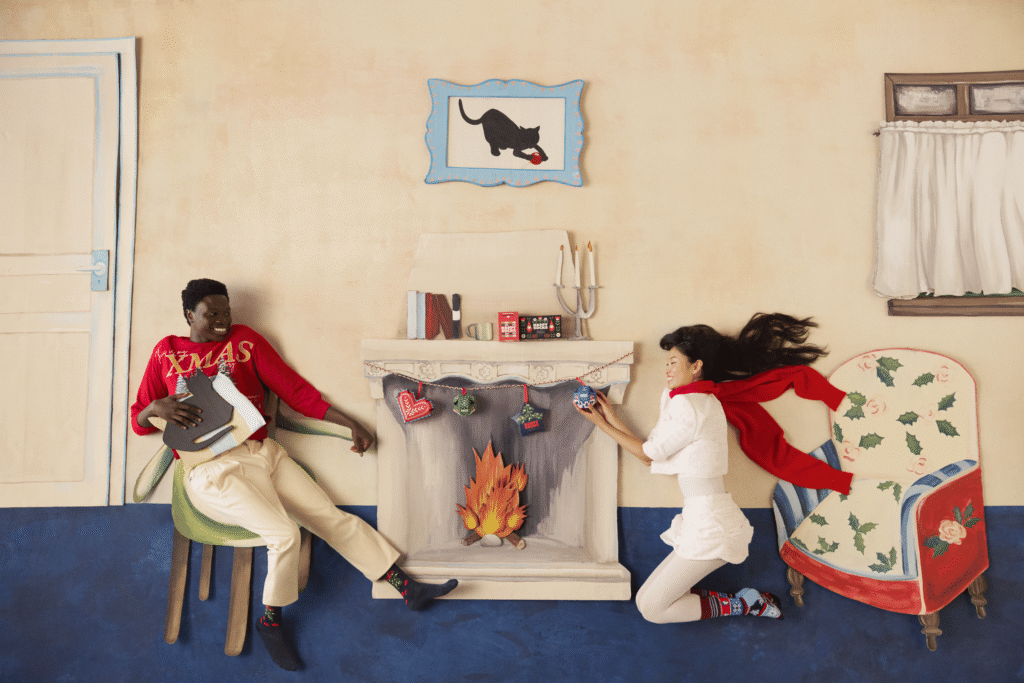
AB: The core concept was to merge Edith Di Monda’s signature universe—huge, flat paintings that actors interact with in animated film —with the chalet. So, the chalet itself was painted on a massive canvas where the models interacted lying flat. The collaboration flowed seamlessly because we trusted each other and shared the creative process. I drew a complete storyboard for the entire film, and from there we divided up the frames based on each of our strengths and styles, while staying closely aligned so that everything merged together seamlessly.
NM: The finished campaign keeps its imperfect edges and visible textures. Did you ever fix something during the build and then decide it was better left as it was?
AB: Yes, it was essential to keep that authentic, handcrafted feel—imperfections, visible textures, and all. That raw quality fits right into Happy Socks’ DNA, as the brand has always embraced an offbeat, playful touch.
NM: What was the hardest scene to make by hand, and what did you have to figure out to get it to work?
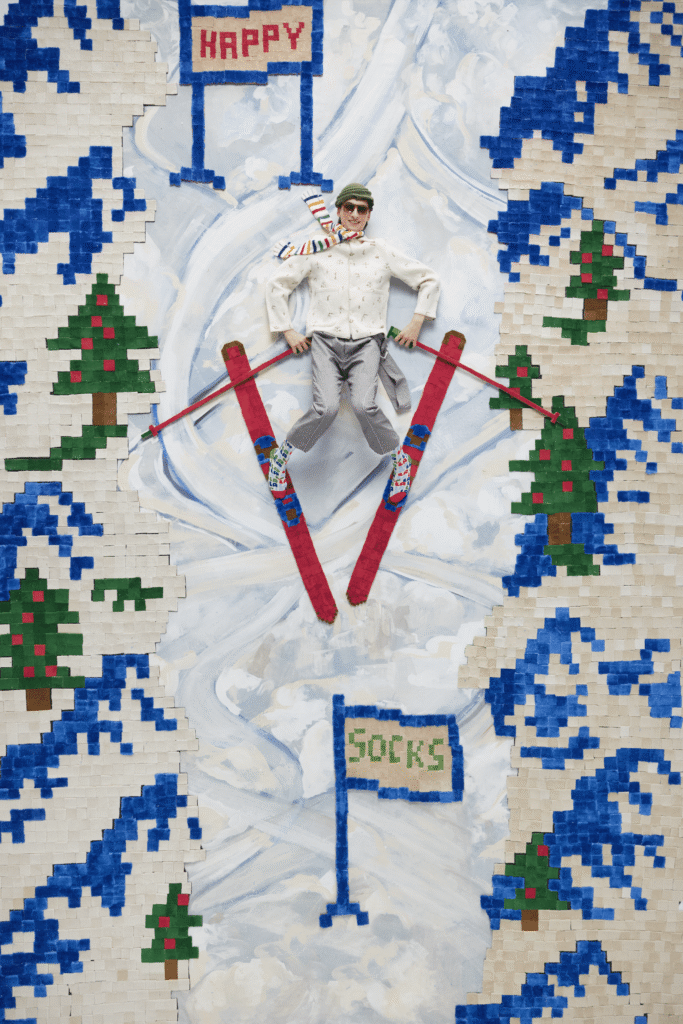
AB:The most challenging part was definitely shooting all the flat-lay studio scenes with the models. They had to be incredibly patient—holding poses and staying styled for long stretches while we used pixilation, essentially doing stop-motion animation directly with their bodies.
NM: Happy Socks is positioning the Chalet as a stand for handmade work in an age of generated images. What does that mean to you personally?
AB: To me, celebrating and preserving handmade work is vital. In the age of AI, choosing to craft something entirely by hand feels delightfully offbeat which makes it a natural fit for Happy Socks. Taking the time to build things physically and bringing together teams of painters, animators, and costume makers is ultimately a celebration of human creativity.