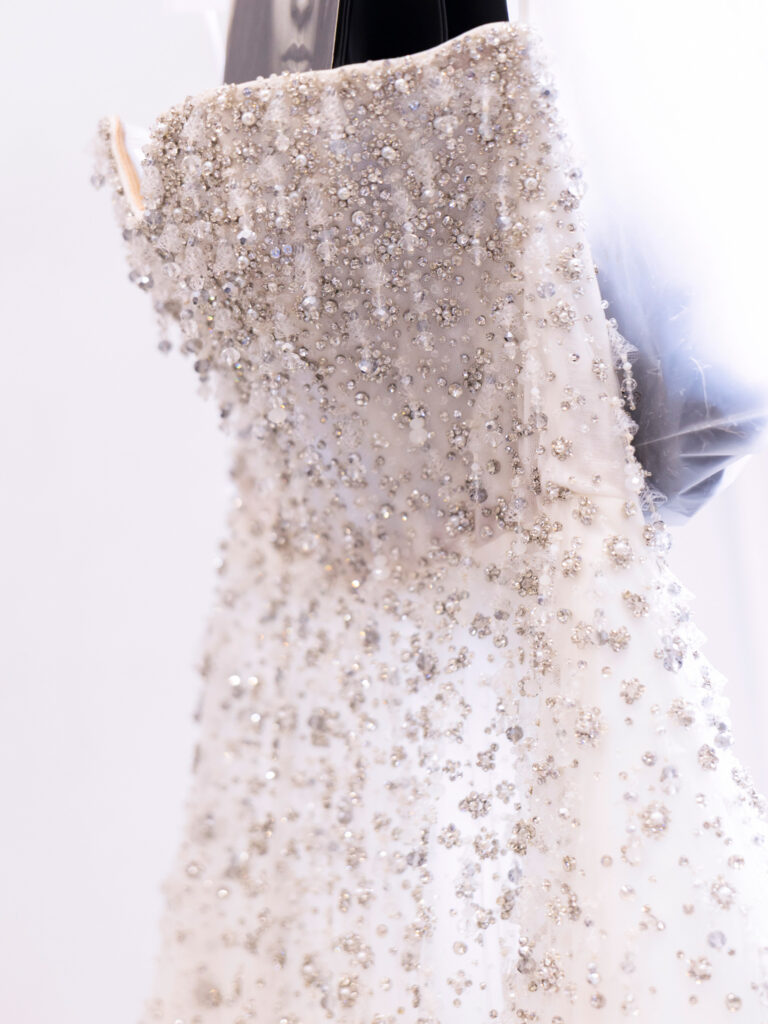
Twenty Years of Instinct: The Woman Behind the World of Sézane
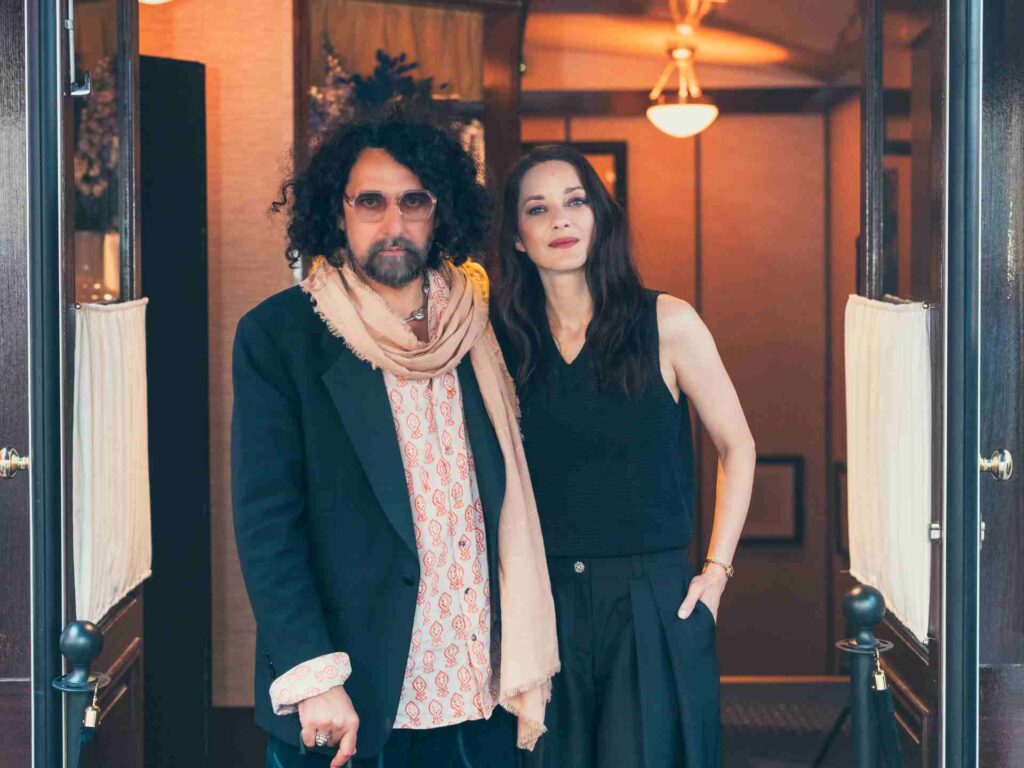
A fashion brand often begins before it has a name. It takes shape in the things its founder notices, keeps and returns to; in the images collected, the objects given a second life and the instincts that gradually become a point of view. For Morgane Sézalory, that instinct first found expression through vintage pieces sold online under Les Composantes and later evolved into Sézane, a brand whose idea of Parisian style has travelled far beyond the streets of Paris.
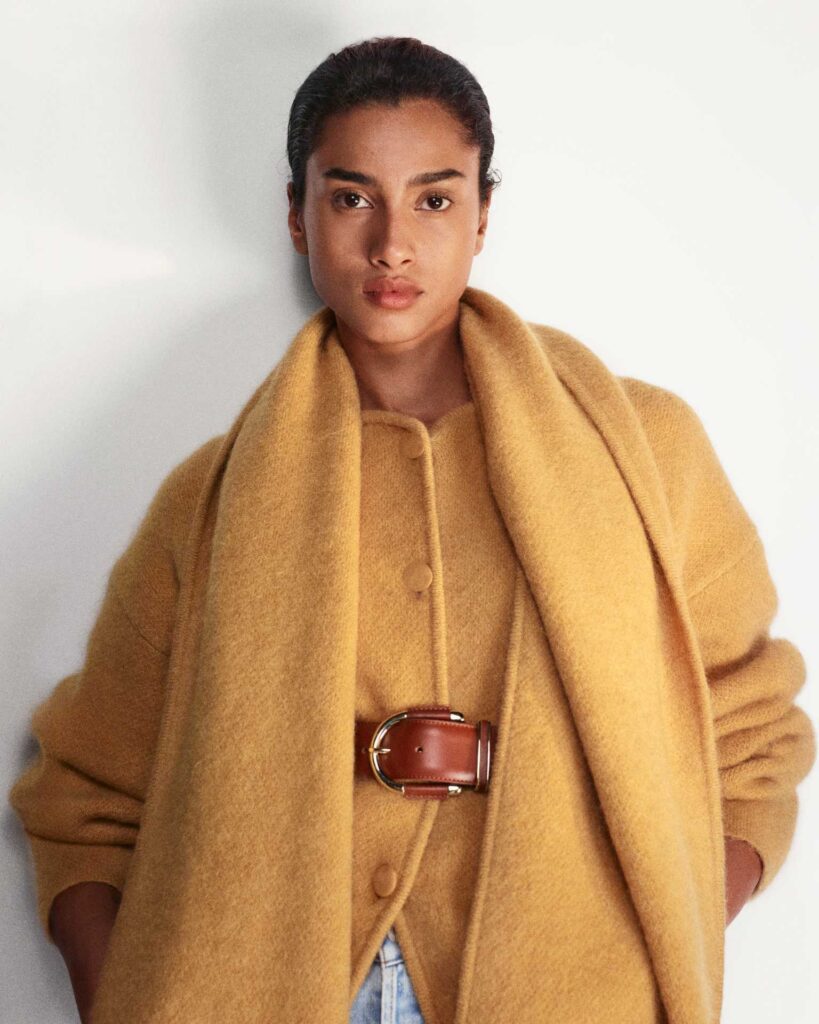
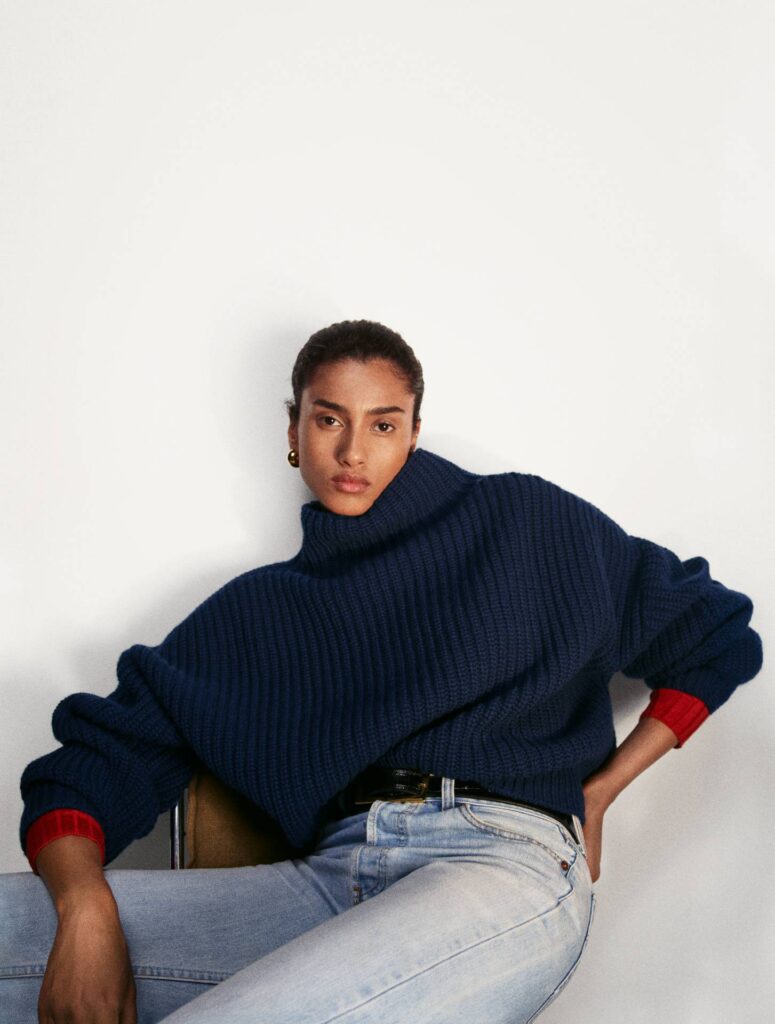
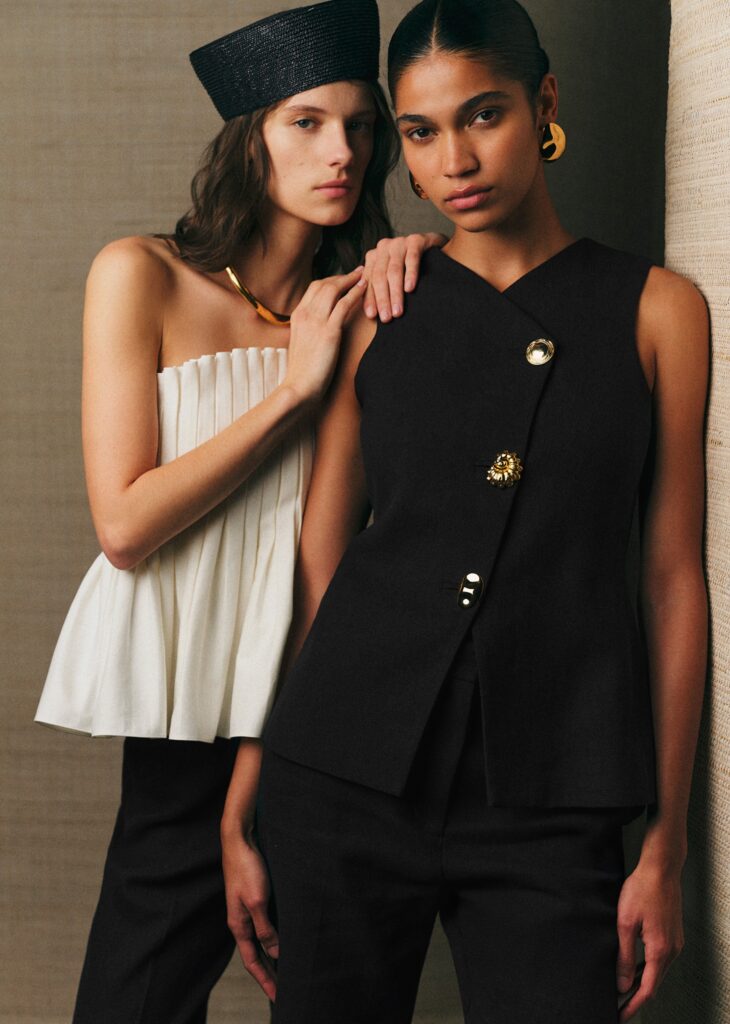
Two decades on, Sézalory is not simply looking back. A newly sharpened visual identity and more deliberate silhouettes mark a period of refinement, shaped by a clearer understanding of what should evolve and what must remain. At its centre is still the personal world that started it all: photography, art, vintage, enduring design and the freedom to follow her own path. In our conversation, Sézalory reflects on the independence that shaped her, the clarity that has come with time and why Sézane now feels closer than ever to the woman she is today.
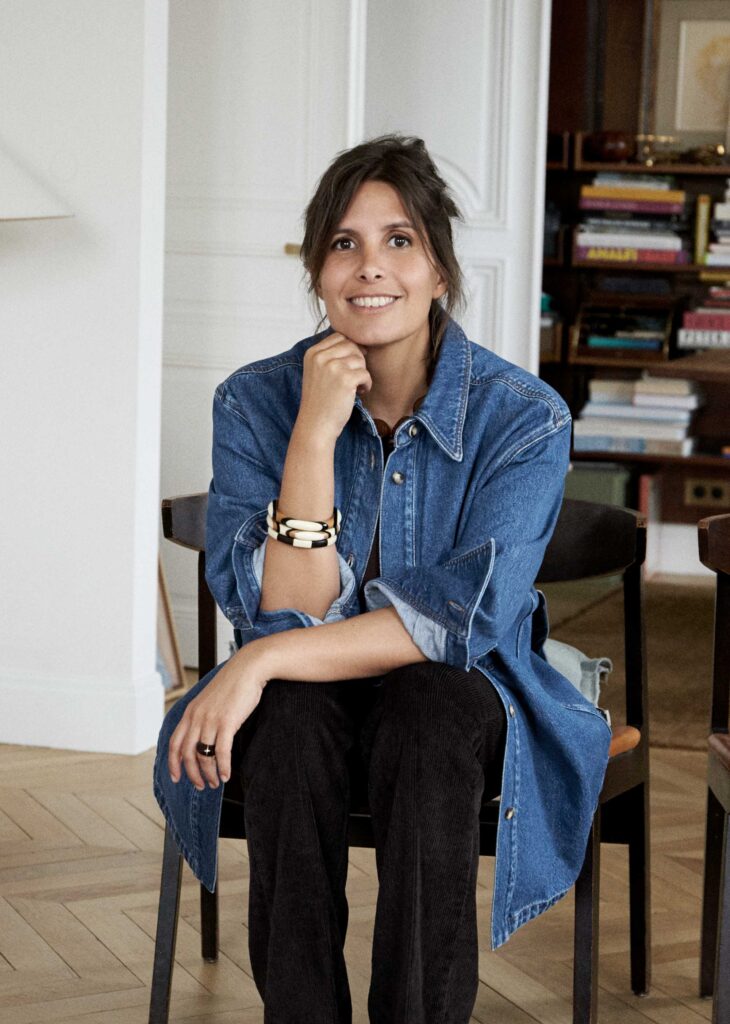
Jahwanna Berglund: Looking back, do you feel the world of Sézane began taking shape long before the brand itself? I would love to hear about the women, places and early memories that shaped your eye, and how they continue to influence the world you are creating today.
Morgane Sézalory: From a very early age, my parents taught me to trust my instincts. There was never one prescribed route to follow; we were encouraged to pursue whatever sparked our curiosity, creatively and intellectually. I actually chose to leave school and complete my final years as an independent candidate. Even then, I think I was already seeking greater independence.
I think that freedom developed my curiosity. I learned to look closely, to notice the character of an object or the detail that makes something feel singular. Long before Sézane existed, that way of seeing the world was already there.
JB: Your story began with Les Composantes and a love of finding vintage pieces with a past. What do you think you were really searching for back then?
MS: I was searching for freedom. I realised at a young age that I wanted to work for myself and create my own path. Selling my vintage finds online gave me that independence, although I had no idea where it might lead.
I was also drawn to beautiful things made to last. Each vintage piece had a character and a history that deserved to be preserved. I loved finding these objects, recognising what made them special and giving them a new life. Looking back, that appreciation for enduring design was already at the heart of what Sézane would become.
JB: You have said that your perspective has sharpened and your desires have become clearer with time. How has the woman you are today changed the brand you want Sézane to become?
MS: When I first started out 20 years ago, I had no plan. Sézane grew through instinct, encounters and the joy of creating, with an urgency that meant I rarely stopped to consider where it was all heading. I loved that intensity and became used to that pace.
Approaching forty gave me a little more perspective. I began to look at Sézane with some distance and recognise how much I had evolved since I was twenty-one. Today, I have a clearer sense of where I want to place our energy, what feels essential and what we can let go of. I want to create with greater intention, while continuing to place enduring design, quality and human connection at the heart of Sézane.
This new chapter has been taking shape for almost eighteen months. After twenty years of learning, I finally feel ready to bring my vision fully to life and make Sézane even closer to who I am today and what I believe.
JB: This new chapter feels more intentional, with stronger silhouettes and a more defined visual identity. Was there a particular moment when you realised Sézane was ready to evolve?
MS: That evolution really began with a period of reflection around two years ago. With a little distance, I could see more clearly what we wanted to refine and what felt essential to preserve. We began questioning some of our habits, editing more carefully and becoming more deliberate in our choices.
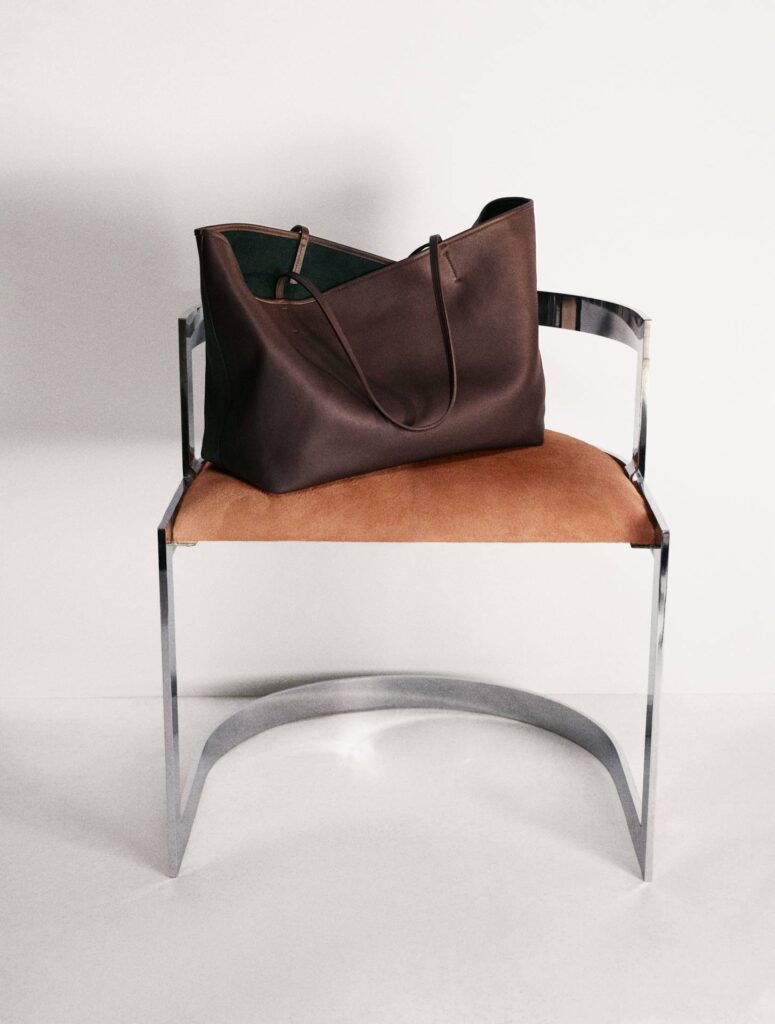
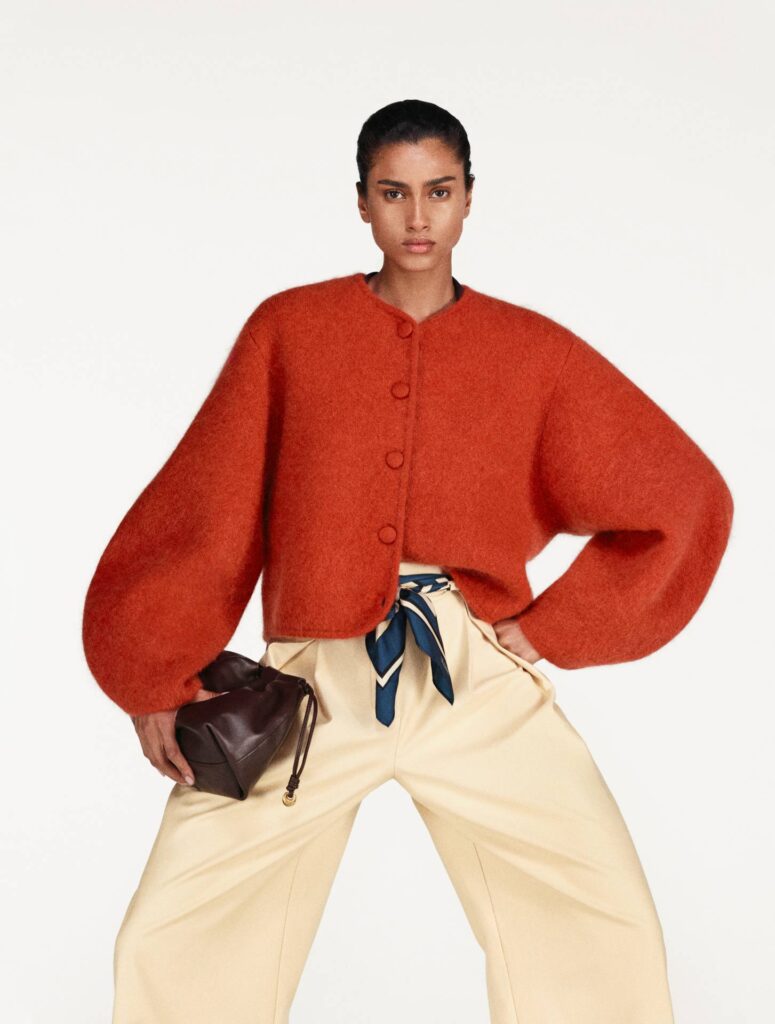
JB: Art, photography, books and vintage all seem to inhabit the same world for you. What is inspiring you at the moment, and how do those personal discoveries find their way into the world of Sézane?
MS: I find inspiration everywhere, often when I am not consciously looking for it. Photography has always been especially important to me, and James Barnor’s work has become a real touchstone for this chapter. I am also inspired by artists such as William Klein, Vivian Maier and Harry Gruyaert, who each capture life with such curiosity and humanity.
There is such warmth in Barnor’s photographs. In his images, clothing speaks. A dress, a uniform or a kente cloth can tell us something about an era, a way of life and how someone chooses to present themselves to the world. That relationship between clothing and everyday life feels very close to Sézane.
JB: If you could sit down with the woman you were when this all began, what would you want to tell her?
MS: I would tell her to keep trusting her instincts, protect her independence, and forge her own path. I would tell her that the years ahead would teach her when to run, when to pause and, eventually, how to see more clearly what matters most. But I wouldn’t give her all the answers. So much of the story came from not knowing what would happen next.