
Through Her Own Lens: Julia Hetta’s Poetic Portrait of Sweden for Louis Vuitton
Book Images courtesy of Louis Vuitton
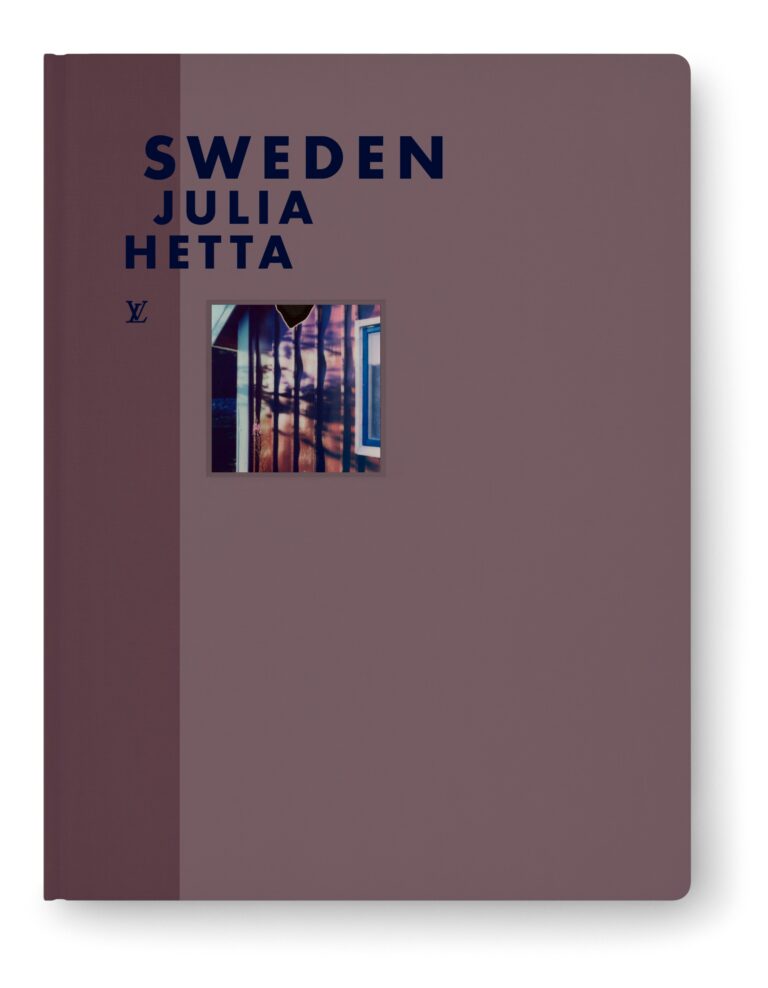
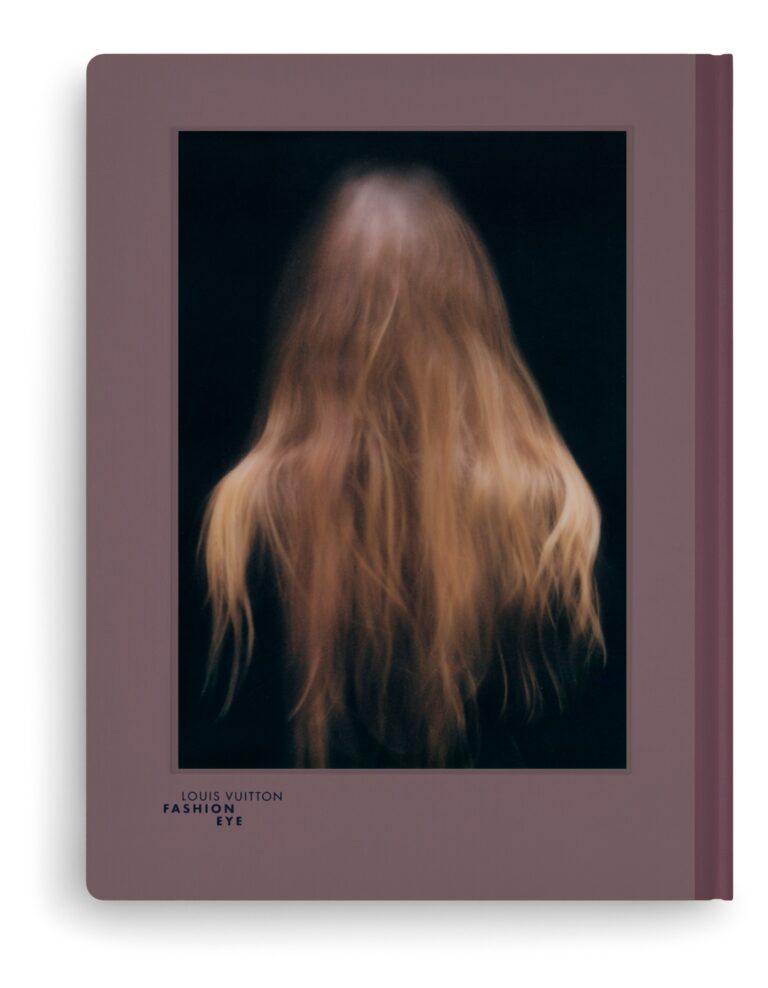
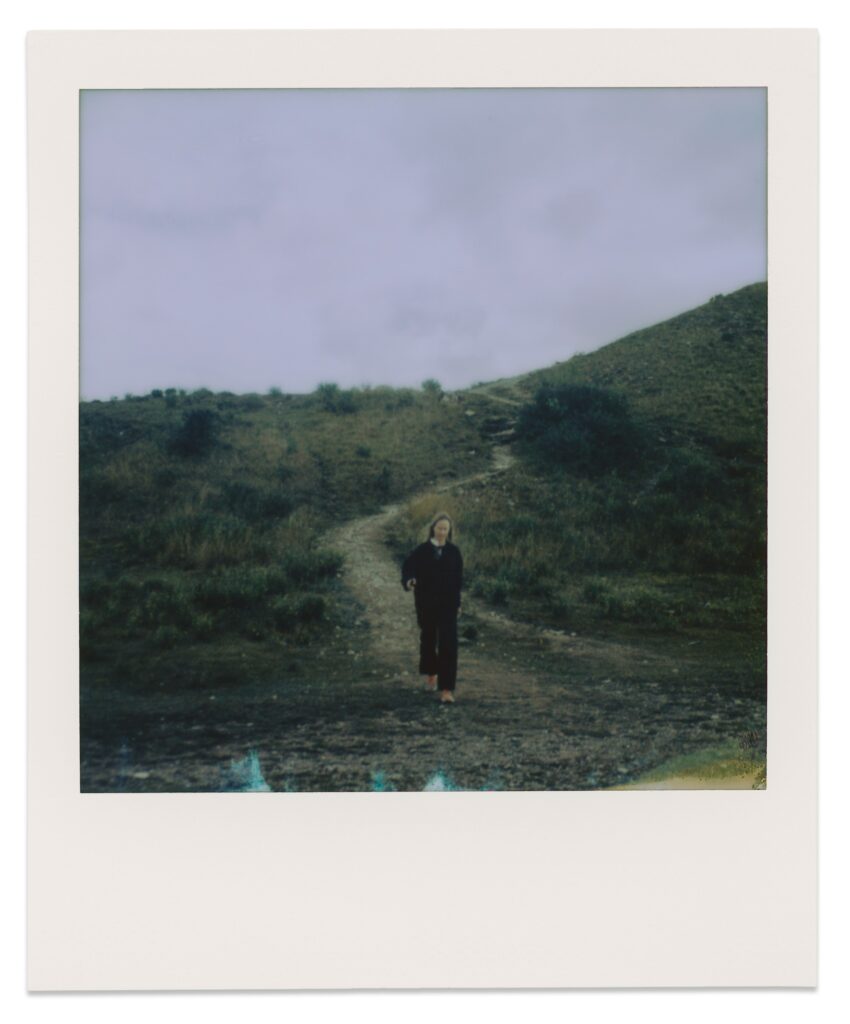
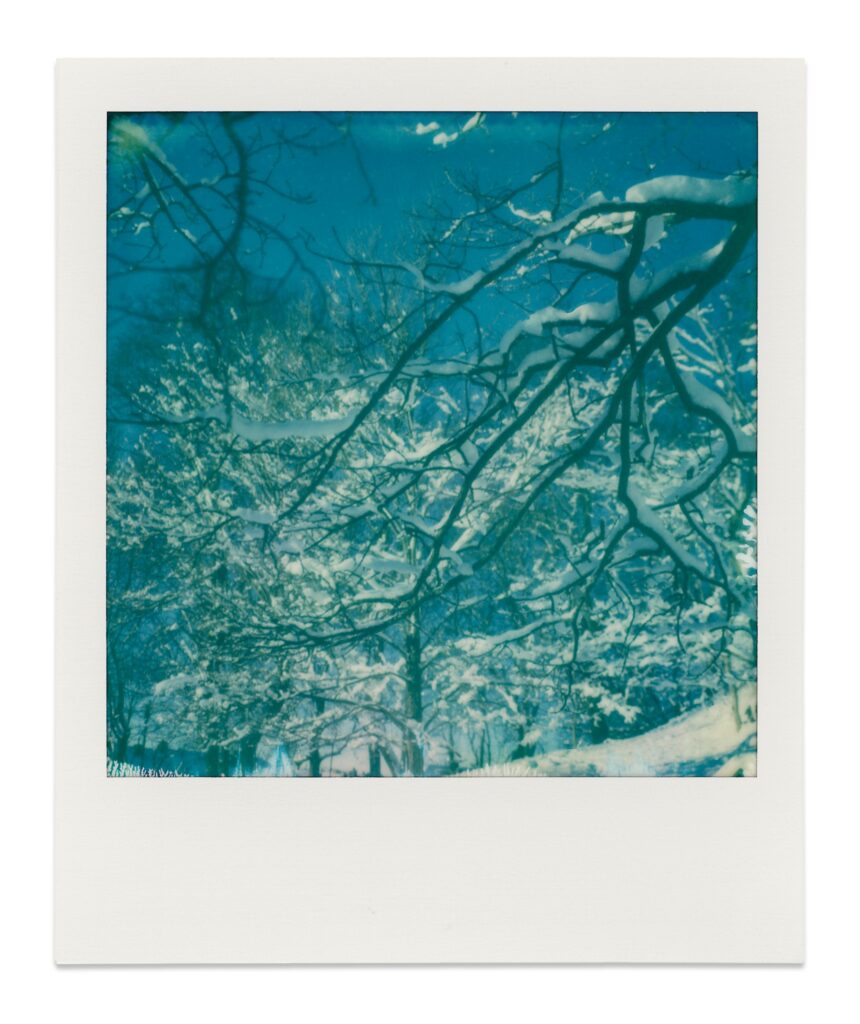
In Fashion Eye Sweden, Julia Hetta captures her home country through a deeply personal and painterly lens, using Polaroid film to trace shifting seasons, textures, and light. Created as part of Louis Vuitton’s travel-inspired series, the book unfolds as an accordion-style visual diary. An evocative sequence of landscapes and quiet moments that transform everyday life into something cinematic and poetic.
Text Ulrika Lindqvist
Ulrika Lindqvist: How did your relationship with photography begin? What first drew you to this medium?
Julia Hetta: Well, it really started through my father, who was interested in photography, while I was interested in painting and drawing. Then we had a darkroom in the basement, so little by little I started experimenting with photography instead.
UL: That cannot have been very common, having a darkroom in the basement?
JH: I actually think it was. This was in the seventies. Back then people had basement living rooms and hobby spaces and so on, so I do not think it was all that unusual at the time.
UL: How did this collaboration with Louis Vuitton come about? And what attracted you to the project?
JH: I got an inquiry from Patrick Remy, who works on the project, and I immediately felt quite strongly that it was a very fun project, because I had been longing to work on something of my own and just have the camera and be by myself. The condition was that it would be done in Polaroids, so both the technique itself and the project as a whole were exciting to me. I also trust Patrick Remy’s judgment.
UL: Had you worked much with the Polaroid format before, and how does it differ from other techniques?
JH: Yes, I had. When I was younger I worked a bit with large format Polaroids, and I also did that in this project, partly in the self portraits. But apart from that I had not done it for many, many years.
UL: And compared to how you usually photograph, how does the technique and the result differ?
JH: It is much more spontaneous, a more spontaneous kind of photography, and that was what I liked and felt I wanted to return to.
UL: What did your creative process behind Fashion Eye Sweden look like? Did you work from already existing material, or was everything created specifically for the book?
JH: No, it was created specifically for this book, and it began almost like a diary project and also ended that way, because I made the self portraits at the end. But it took me a while to understand what I was going to do, because I felt it was difficult to depict your own country and how to approach that, until one day I realized that this is my life here in Sweden. I had already started doing that a little before the project, but then I developed it further.
UL: I think the colors really capture Sweden and the light.
JH: Oh, how nice. I think very much about colors and materials and light. Those are the three components that are very important to me in my photography.
UL: How did you work with the selection of which images would be included in the book?
JH: Editing is a very big part of the job for a photographer, I think. It is something I have trained myself in over the years, and also when I worked as a photo editor when I was twenty, so it is something I am very practiced in, and I think it is an important part of a photographer’s work. I had a large number of Polaroids, maybe a body of material four times as large, which I then edited down.
UL: Was an editor involved, or did you make the selection yourself?
JH: No, I made the selection myself, but I did discuss it back and forth with the team at Louis Vuitton and with Patrick Remy.
UL: What would you say you yourself are trying to express and explore in your photography?
JH: In this project, I think I was trying to explore what my perception looks like, what I see, and to be as direct as possible. More broadly, I think my photography is really about that, about somehow lifting up life, elevating life as such in some way. I am also interested in details and materials, and in what beauty is, and also darkness and light.
UL: What do you want the viewer to feel when looking at your images and at Fashion Eye Sweden?
JH: I hope that I have, in some way, visualized one side of Sweden, and that people abroad who either have a connection to Sweden or are interested in Sweden in some way will get a feeling for the country. Swedes living abroad are one audience, but also people who have recently arrived in Sweden. It feels interesting to present an image of the country to them as well. I also often work in a relatively poetic way, and I want it, in some sense, to be like a story about my life and a country.
UL: Where did you take the pictures? Which locations did you use?
JH: They are really from northern to southern Sweden, but a large part was done in and around central Sweden, around Uppsala and Stockholm, where I have my country house, but also in Norrland, where we also have a country house with my parents on an isolated island, and some of it was also shot in Skåne. So I think I really tried to stretch across the whole country. That felt right, because Sweden is so large and the landscape is so different from north to south, and I also wanted to capture the different seasons.
UL: So how long did it take from when you started photographing for the book until it was finished?
JH: Three years.
UL: Do you have a project or an image or something within you that you would like to visualize, and if so, what would it be, if you want to share?
JH: I think I am doing that all the time, and it is really the same recurring images that one keeps trying to create. It is some kind of balance between something dark and perhaps uncertain, while at the same time there is fragility or beauty and light. What one is looking for, I think, is an image that speaks on many levels, in many layers, and also an image that endures over time.
UL: Where would you say you find your inspiration?
JH: I find it in literature, fiction, art history, the history of photography, films, music, friends, and on the days when you feel receptive, I would say nature. I also think that you are on different levels in different periods of life or in different months. Sometimes you feel like you are in some kind of highly charged state where you are very perceptive, and at other times you are very closed off and cannot see anything.
UL: You have made books before, Julia Hetta X 36, Out of Context, Island, and Karl Lagerfeld: A Line of Beauty. In what way is Fashion Eye Sweden different from those?
JH: I also have a new book coming out called Songen with a Japanese publisher. The others differ partly in technical terms, since this one was done in Polaroids, and then this is also a very personal project. The upcoming book Songen is as well. But Out of Context is more, how should I put it, a collection of my photography, much of which has been commissioned work or work for magazines and so on. So I would say that this book is more personal and uses a different technique.
UL: I actually wanted to ask a little about the format of the Fashion Eye Sweden, because it was not very common, was it?
JH: You mean the accordion format? Exactly. No, but I thought that became a very beautiful solution, a way of working with collage, which I have done, while still showing the images individually. It was Louis Vuitton who proposed it, and I thought it was super beautiful. The whole book is twelve meters long when fully extended. It is almost like an object in itself.
UL: How does Fashion Eye Sweden differ from the others in the series?
JH: They are all very different. I know this was one of the most expensive ones to produce, which I thought was fun, but they are all very different, so it really depends entirely on the project and on the photographer. That is what makes it so interesting.
UL: What is happening for you going forward now?
JH: I have another book on the way called Songen, which I had a release for in Tokyo before Christmas, and it will be released in Paris in the autumn, maybe sometime during the fall. Then I work here from my studio at the Royal Academy of Fine Arts on more and more personal projects, so I have a few more projects that I do not yet know when they will be finished. They are a little secret, but exciting. My works are also sold through my agency Arts & Commerce. They have an editions section where they present a selection of, I think, around twenty works by members.
UL: You have not always lived in Sweden, right?
JH: No, exactly. I lived in Italy when I was younger, then I studied at the academy of fine arts in Amsterdam, and I also have an apartment in Paris where I work part of the time. My brother, who is a stylist, lives there too.
UL: Do you think the fact that you have lived abroad gives you an extra eye, an outside perspective on Sweden?
JH: Yes, maybe actually, hopefully, yes. It is an interesting question, but I hope so. Sometimes distance can be a good thing. You see something more clearly. Absolutely. Above all, I think it is nice to go away precisely because it helps you get a slightly more positive view of Stockholm.
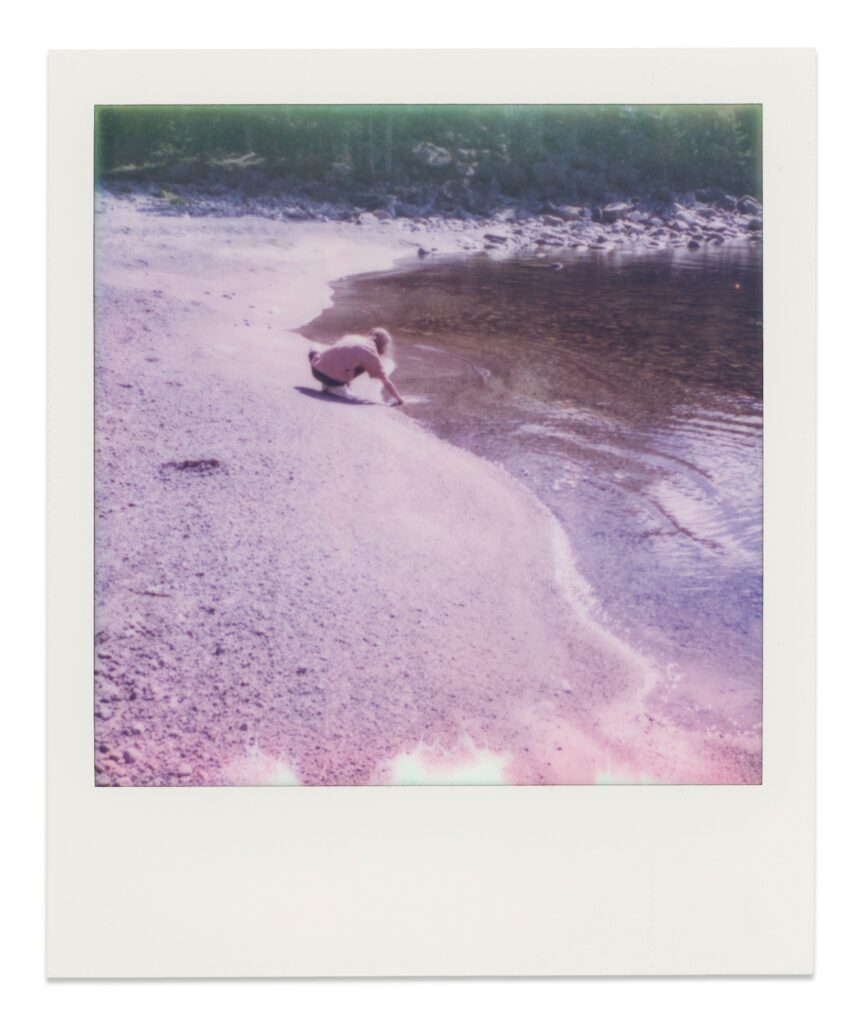
photography Julia Hetta