In Conversation With Nelly Skog, Founder of Imaskopi
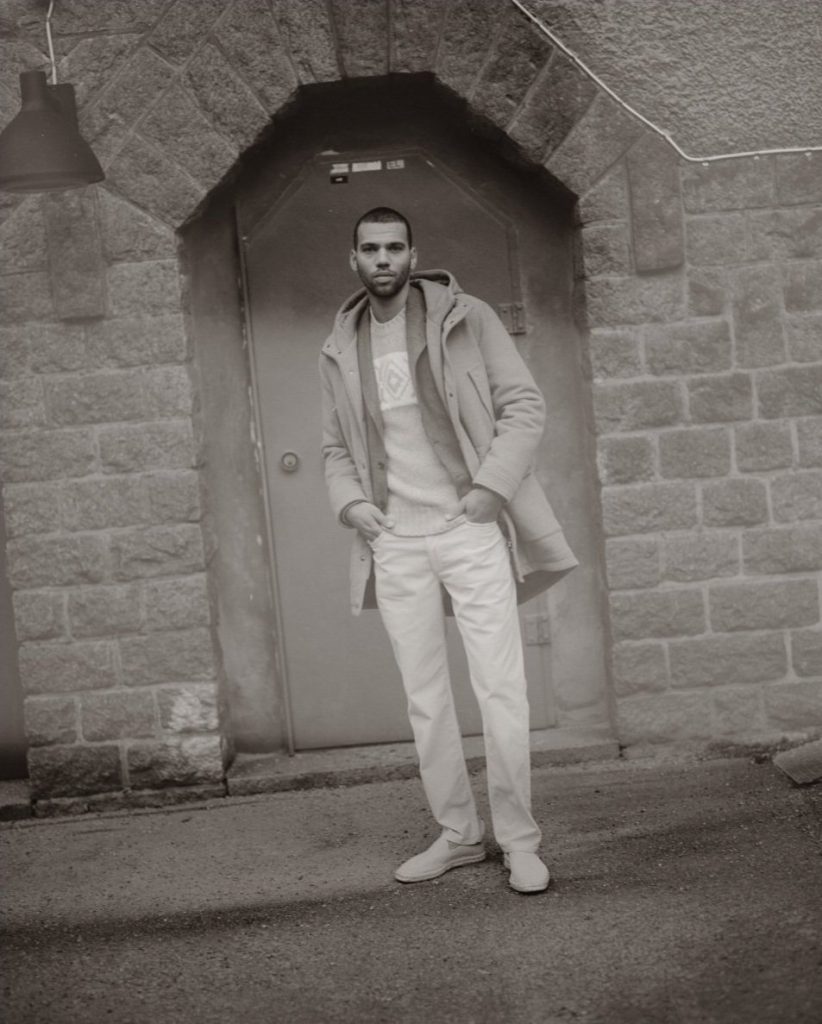
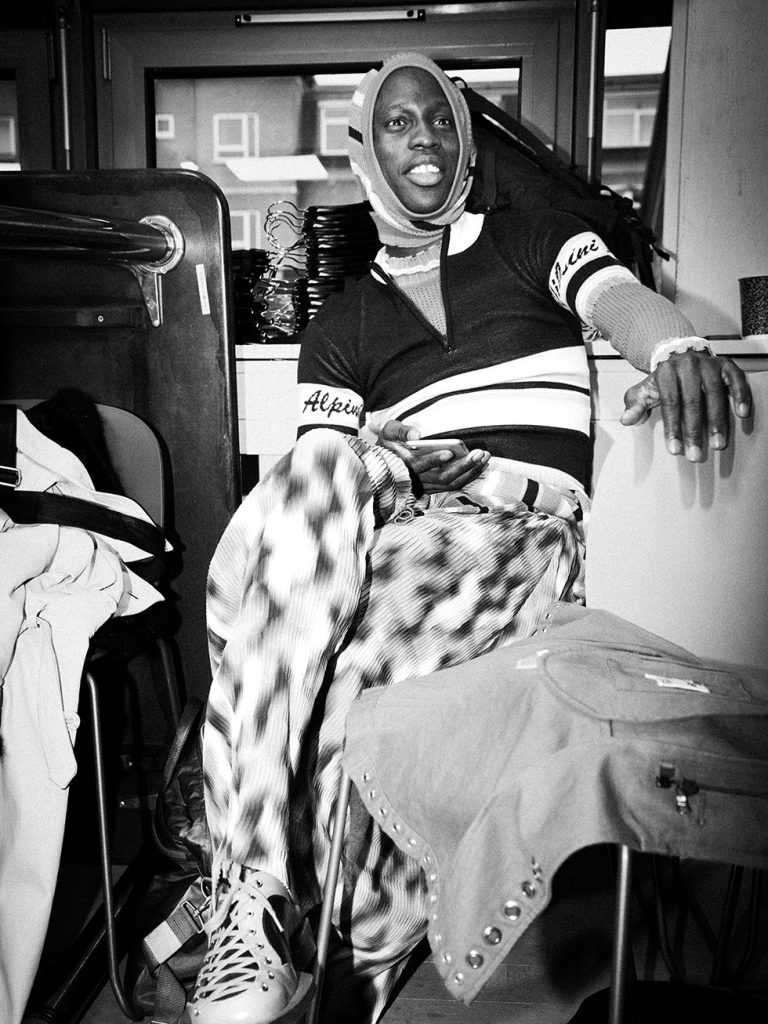
In Conversation With Nelly Skog, Founder of Imaskopi text Natalia Muntean Imaskopi’s non-gendered, hand-knitted and crocheted pieces defy norms of aesthetics and challenge gender conventions. Each garment, meticulously crafted in Imaskopi’s basement studio in Stockholm, is a unique expression of individuality. With production times ranging from 6 to 30 hours per piece, Imaskopi embraces the slow, deliberate process of creation. We sat down with Nelly Skog, the founder behind Imaskopi, to delve into her journey, inspirations, and the future she envisions for the brand. Natalia Muntean: How did you start your brand and what is your background?Nelly Skog: I usually say I started Imaskopi in 2020, but that was just when I created an Instagram account and uploaded pictures of sweaters. NM: Was it only sweaters in the beginning?NS: Yes, three sweaters maybe. But it’s hard to say when it started. I didn’t have a plan or anything. I did it for fun and wanted to do something with my partner, Emanuel, who had just started photography. He suggested that if I made something, he could take photos. That was how it started. Soon, the main focus of Imaskopi became creating a world where images, movement, music, and clothing brought this universe to life. I enjoyed that. At the same time, I started studying for my bachelor’s in gender studies and now I’m doing a master’s in fashion history at Stockholm University. NM: Do you remember what was the first thing you did for Imaskopi?NS: I think it was a brown sweater with sleeves that had cutouts. NM: You mentioned your universe Imaskopi with music, movement, and photography. Can you tell me more about that?NS: One of the best things about Imaskopi is sharing it with my friends and family, and doing stuff together. My partner Emmanuel takes the photos, my friends make music and model, and my sibling, an artist, makes posters, for example. It’s really fun. NM: Okay, so you bring it all together under this umbrella. Where did the name come from? What does it mean?NS: When I was thinking of the name, I wanted something related to knitting. The word maska means stitch in Swedish. The word Imaskopi means to be in secret understanding or collusion. I wanted to convey a sense of community or belonging. NM: Really cool! Your garments are non-gendered – what was the thought process behind it and how do you approach it?NS: Assigning gender to clothes before creating them is incomprehensible to me. A garment I make can signal combinations of masculinity or femininity, or something that is difficult to categorise, but then it’s up to the person wearing it to combine it with their body and their expression in a way that they like. According to me, that is what fashion is about. What is perceived as masculine or feminine is constantly changing and renegotiated. I don’t think about gender when I make something. I envision the person wearing it, thinking about their personality, not gender. NM: What does your target audience look like? What are their interests?NS: It’s more like an image in my head, just fragments from a person. NM: When you think of Imaskopi, what type of person do you see wearing it?NS: Hopefully, anyone. From the beginning, I didn’t want to communicate a specific person in mind. I wanted it to be open so anyone could combine it with their own expression. It’s like a tool to make something your own. For example, the balaclava: many different people have bought it and combined it in various ways. It’s versatile and has many different associations. NM: Did the idea of making non-gendered clothes start before you studied gender studies?NS: I think so. I always wanted it that way and never thought about gendering the clothes. Studying gender studies helped me formulate it better. It’s rewarding to let theoretical work inspire practical work and vice versa. It heightened my interest and understanding of fashion and gender identity expressions, making it more interesting and fun. NM: Can you tell me a bit more about your creative process or what a typical day looks like at the studio for you?NS: My process is trial and error. I sometimes make drawings beforehand to remember an idea, not for technical details. I start with something, but 99% of the time it becomes something different because I get new ideas or things don’t work out. For themes or collections, I gather references and start working together with my mum, and it evolves over time. NM: Where do you look for inspiration?NS: I don’t have a specific place. It’s more about what’s in my head, what my friends are talking about, or movies I’ve seen. Every movie can offer something inspiring, like an image or a character. NM: Do you have any rituals to get you in the creative space?NS: I come to the studio and try not to do anything else but work, which helps me stay concentrated and disciplined. NM: What kind of material do you work with?NS: I don’t use any synthetic, so it is mostly mohair, wool, and cotton. And a lot of Merino wool. NM: Do you have specific colours that you go back to or use more frequently?NS: I don’t think any colours are no-gos, but I tend to use a lot of black and blue. For the first collection, I didn’t really think about colours that much. I just saw a colour I thought was lovely and I made something. But I didn’t think it through before. But with the last two collections, I decided before what colours to use. So, the last collection was yellow, grey, black and white. And now I’m working with blue and black. NM: How do you decide on the themes for your collections?NS: It’s hard to answer, but it’s what I have in my head at the time. I write down different garments I want to try and then build on that. I don’t have a specific method. NM: