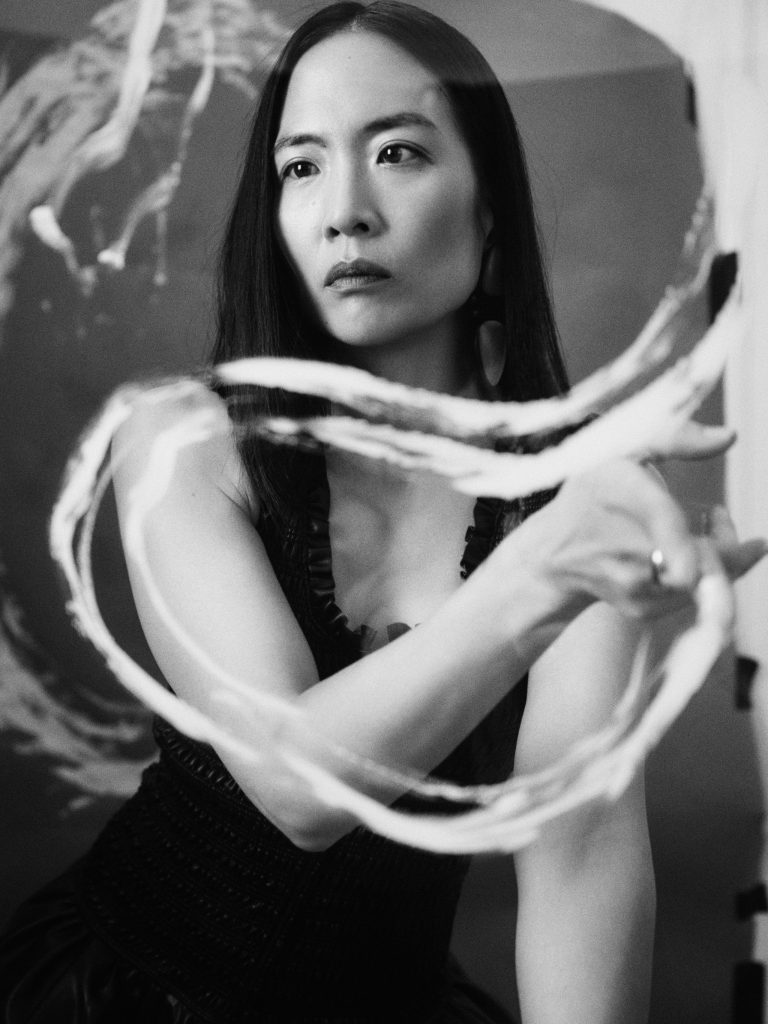
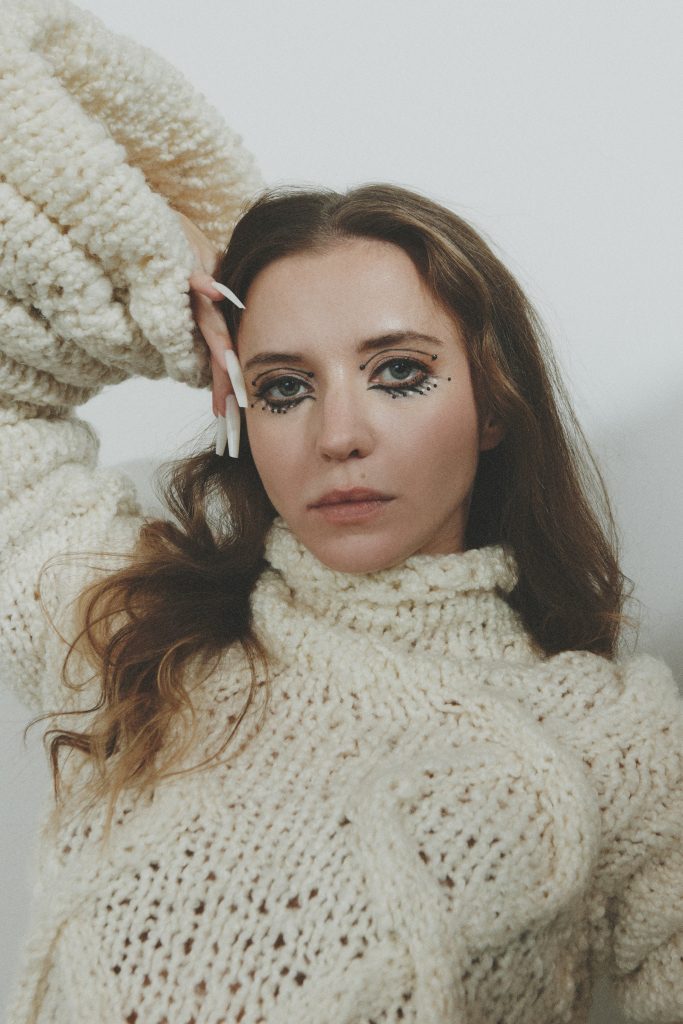
Interview With Actor, Activist, Writer, Director, and Mother Sandra text Josie McNeill Sandra Yi Sencindiver has a lot on her plate, but she always appears to have room for more. The actor, activist, writer, director, and mother, started in show business in 2000, but her role playing Miss Saigon at the age of 20 was the first to indicate to her that shecould be paid to pursue a hobby that she loved. Now, she’s Enjoiner Rue, the political savvy advisor to Queen Sarenth in the sci-fi television series ‘Foundation,’ and has upcoming roles in the shows ‘Oxen,’ a thriller, and ‘Geek Girl,’ a heart-warming coming-of-age tale. She’s leading political movements with her Et Større Billede campaign and writing and directing theatre and film projects on the side. Sencindiver said she doesn’t really have an “everyday life,” but with all the projects she has going on, she sure does seem to live an extraordinary one. Is there something your viewers should take away from the new season of ‘Foundation’?Oh, there’s probably a lot of things to take away from the series. It’s such a very ambitious, very intellectual show with so many big themes–faith, belief, love, free will, time and power. How can you keep power? How can you renew power? How can you take power? This season is also told with quite a lot of humor. So I think everybody will be able to take something away from this series. If you’re not latched onto one plot, there are several other plots going on. Politics plays an important role in your life as well, especially with your Et Større Billede project, can you talk about your work in this sphere?I do a lot of political work for the art and culture scene here at home. I’m very active with the Danish Arts Council and the theatre scene, but Et Større Billede, “a bigger picture,” is one of the political campaigns I’ve been doing for the arts that dropped February 1. It came to be because I’m a part of a network of women of color in the arts, which we started back in 2020 during lockdown, during Black Lives Matter, and we just came together in a community. We’re here to support each other. We call the little network Sisters in Show Business–all actresses of color–and we have this little mantra. We’re here to support each other. We will not be each other’s competition. We will share info, we’ll advise each other, we’ll celebrate each other when we get chances, and we will support each other when somebody experiences discrimination, sexism, and racism. If anybody needs advice to get an agent or how to handle a toxic workplace. If they’re asking, is this role racist? How can I go about making this a human being/ You know, all kinds of issues that you meet when you’re a woman of color in this business.At the end of November, three rather large Danish productions were coming out. They were these major productions with huge casts that would be shown on huge broadcast channels. 42 actors and nobody of color. If you look at all the posters with their large casts, there’s no people of color. It’s crazy. That is just so far from reality. We were like, “hey, how can this be going on in 2023?” And then we thought “oh, wouldn’t it be funny if we recast all these posters with people of color?” We started to brainstorm. We decided to do it intersectionality, so we should also address class and sexuality and family forms and normalize bodies and people with disabilities. So, me and four other actresses made this workgroup and, you know, started to put it into production and hire photographers and coordinated 42 actors to come be a part of the posters. We thought we might all be blacklisted, but we can’t be quiet anymore. And then, on the first of February, we dropped the campaign. To our surprise, it went completely viral. We didn’t think it would have such a huge impact, but it has. Slowly, we have acknowledged we have a problem, and slowly we’re trying to figure out how to make policy, how to change in our business to be more inclusive, and not just for people of color, but people with disabilities–how can we expand the very very shallow and narrow norm of what is Danish? Did your work on that project influence how you approached your character in the series?Well, not directly one to one but David Goyer has said that Foundation is basically the fall of an Imperium. They’re like very head straight, white, privileged men trying to hold on to their power and all the planets and all the different people and entities are trying to take them down. Even though this is science fiction, it still feels very much present in our time. Also, just discussions of how do you rework a fantastic work as Foundation that is just so iconic, but which is clearly also written by a man of his time. And how do you make that more imaginative? How do you expand that universe? We’re talking about the galaxy, why would everybody be white and male? Is there any specific way you think the Danish industry can improve in terms of representation?These discussions are of course the first things going on but they have to realize that their view on what people want to see on screen is so narrow. It needs to do a lot of reckoning and also recognizing, for example, that racism exists. I think Denmark has always thought of itself as a very progressive country. It was the first country to free the slaves, but then I’m like, you also have to recognize that you had slaves to begin with. It’s baby steps. There’s a lot of reflective work going on now, and that, of course, is like a very important step towards change. But we also need to see action embedded in policy and law. So it doesn’t just become a trend in 2023,