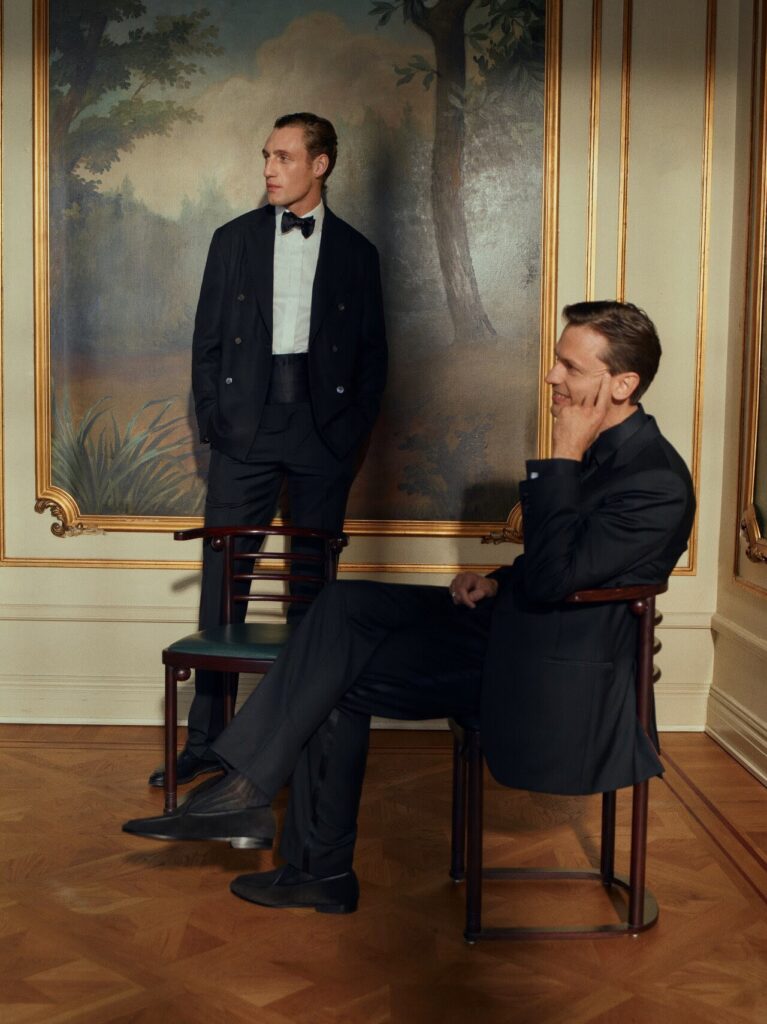
Flowlife Brings Scandinavian Recovery to Harrods with a New Longevity Lounge
text Christine Deckert
As recovery becomes an essential part of modern wellness, Swedish brand Flowlife is taking Scandinavian innovation to the international stage. With a new presence at Harrods and a partnership with British tennis star Jack Draper, the company is entering a new chapter.
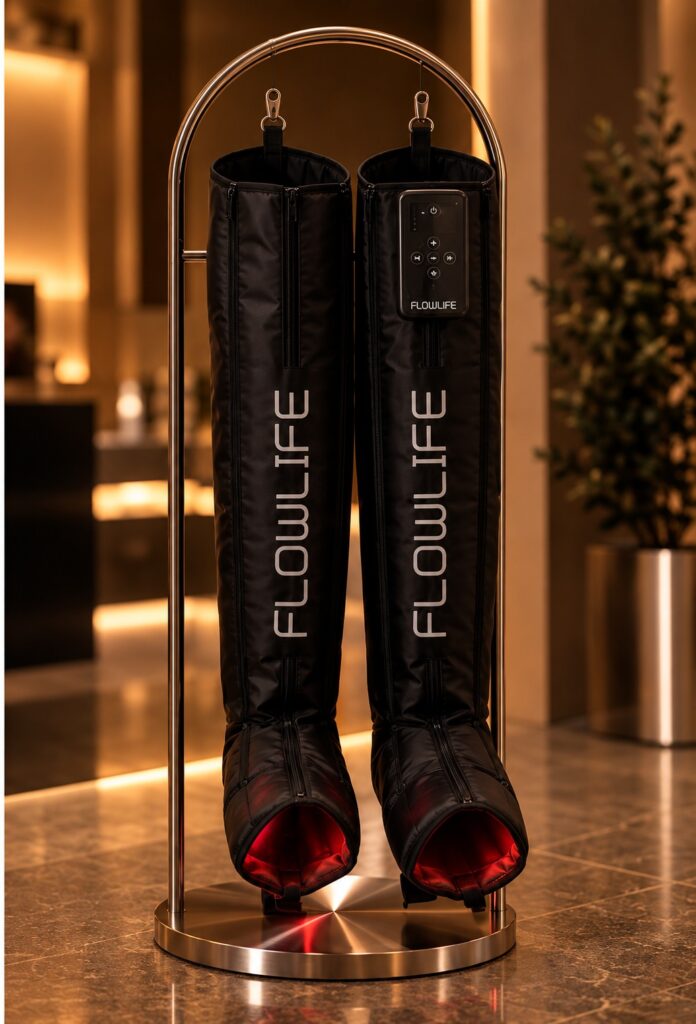
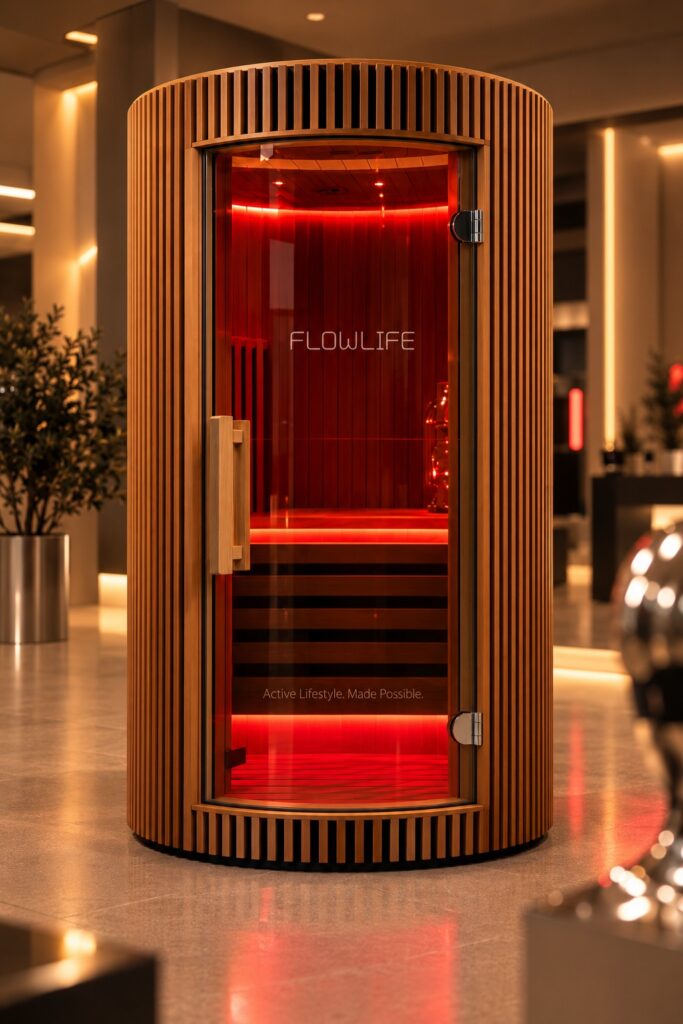
Recovery was once mainly associated with professional athletes, physiotherapists and sports clinics. Today, it has become part of a much wider conversation about health, longevity and everyday wellbeing. From red light therapy and compression treatments to infrared saunas, recovery technology is increasingly finding its way into our homes.
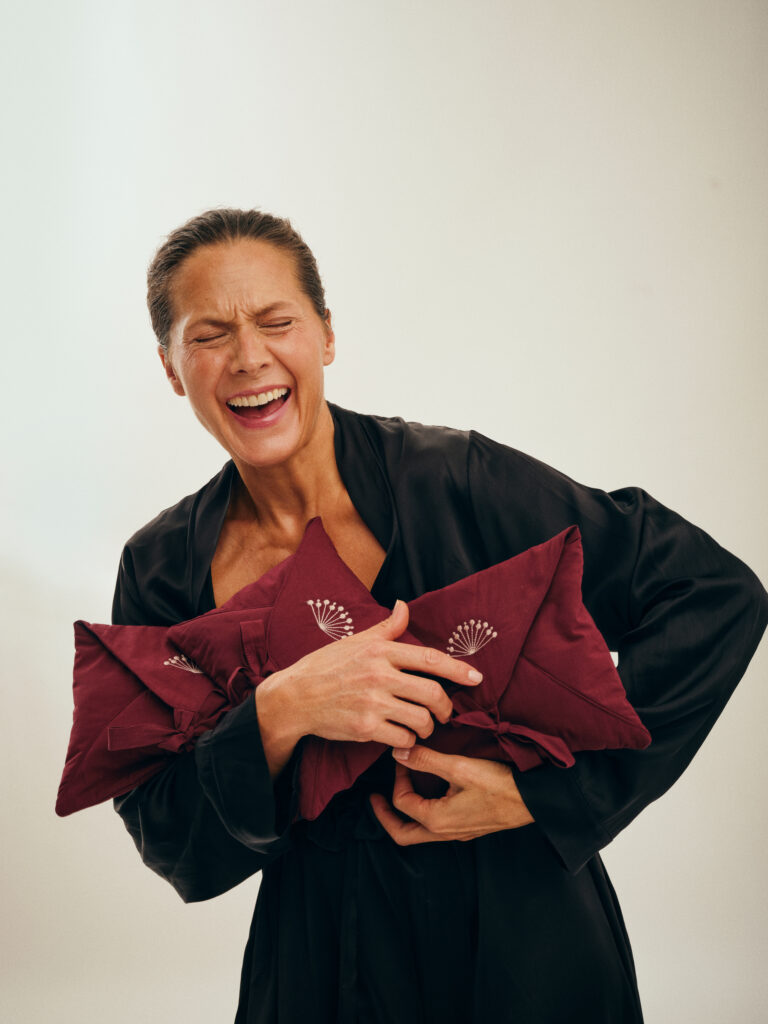
Swedish wellness brand Flowlife has been part of this development since 2016, when Lucas Wasniewski and his co-founders, then students at Chalmers University of Technology, developed a cordless, rechargeable massage cushion. Their idea was to make recovery more accessible, without the need for expensive equipment or professional treatments.
“We weren’t just selling a gadget. We were answering a need many people didn’t have a word for yet. Recovery became that word,” explains Emelie Åkesson, Head of Marketing at Flowlife.
What started with a single product has grown into a company operating across 24 markets, offering everything from massage and compression devices to red light therapy, cold plunges and infrared saunas.
A New Perspective on Recovery
As interest in longevity and preventive health continues to grow, recovery is becoming an increasingly important part of everyday wellness.
“For a long time, wellbeing was mostly reactive: you did something when it hurt. What we’re seeing now is a clear shift. More and more people aren’t only fixing problems, they’re investing in feeling good for longer,” says Åkesson.
This shift has also influenced how Flowlife develops its products. While professional athletes and clinics remain a source of inspiration, the company focuses on making recovery technology accessible for everyday use.
“Most people have ten minutes and a living room. So we take our inspiration from the clinic and build for the home, at a standard good enough for both.”
From Sweden to the International Stage
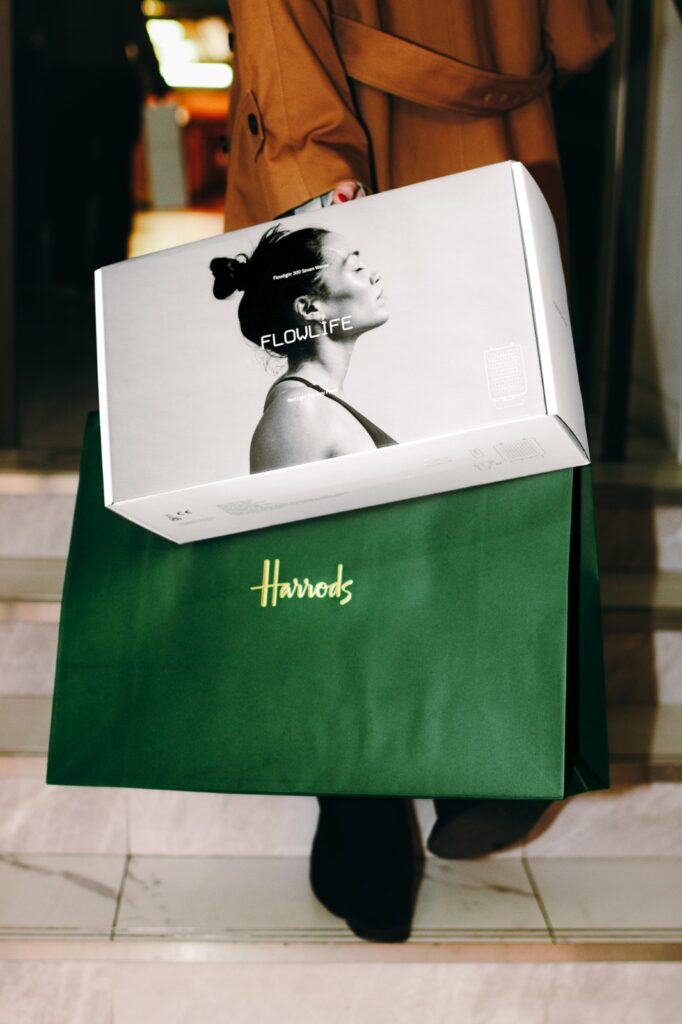
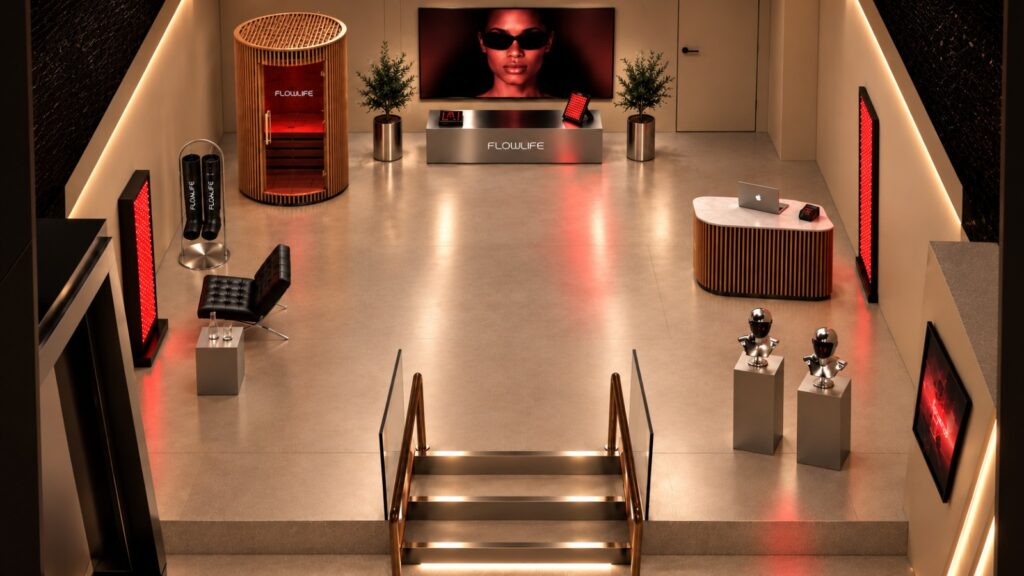
In January 2026, Flowlife entered the British market through John Lewis, followed by Boots and Currys. Now, less than a year later, the brand is expanding to Harrods in London, opening a dedicated recovery and longevity space on November 12.
The expansion also includes a global partnership with British tennis star Jack Draper, who began using Flowlife’s products during his recovery from injury.
The collaboration marks another step in Flowlife’s international journey and reflects the growing connection between professional sports and everyday wellness.
To learn more about the brand’s journey, the changing world of recovery and what lies ahead, Odalisque spoke with Emelie Åkesson, Head of Marketing at Flowlife.
In Conversation with Emelie Åkesson, Head of Marketing at Flowlife
Christine Deckert: Flowlife started in 2016 with a massage cushion and an idea to make recovery more accessible. Take us back to the beginning. What inspired the creation of the brand, and when did you realise you were onto something bigger?
Emelie Åkesson: Flowlife started in 2016, when Lucas Wasniewski and his co-founders, then students at Chalmers, built the first cordless, rechargeable massage pillow on the market. The idea was simple: recovery shouldn’t require a clinic, an appointment or a pro athlete’s budget.
Then we saw how people used it, at their desks, on flights, on the sofa, and how many problems it helped with. One product became many, and one therapy became several. We weren’t just selling a gadget. We were answering a need many people didn’t have a word for yet. Recovery became that word.
CD: Interest in health, longevity and wellness has grown enormously in recent years. How do you see this shift in the way people approach their wellbeing, and what do you think is driving it?
EÅ: For a long time, wellbeing was mostly reactive: you did something when it hurt. What we’re seeing now is a clear shift. More and more people aren’t only fixing problems, they’re investing in feeling good for longer.
We live in a world where a lot is measured and a lot is about performance. Wearables have made our bodies more visible, podcasts have made the science more accessible, and longevity has moved from niche towards mainstream.
And many are realising that performing well, at work, in sport or as a parent, starts with recovering well. We don’t see that as a passing trend. We believe recovery is here to stay.
CD: Several of your latest product launches have sold out almost immediately. How has it felt to see such a strong response, and has the demand surprised you?
EÅ: It’s the best kind of problem to have. We released ten new products this autumn, and three of them sold out within days. We knew there was interest, but the speed surprised us. As a marketer, you can build anticipation, but you can’t fake demand. Some launches are for early adopters, like our vagus nerve device, a therapy many people are only just discovering. Others are upgrades of bestsellers, built on what our customers have told us. Flowfeet Pro has been a top seller for years, and now it’s back with improved massage and a new design.
Both tell us the same thing: the market is learning fast, and it’s asking for more.
CD: Recovery used to be something mainly associated with professional athletes. Today, wellness technology is becoming part of everyday life. How has this influenced the way you develop new products, and what do you think people are looking for today?
EÅ: Elite athletes and clinics set the standard. They have the routines, the equipment and the expertise to perform at the top.
But athletes have physios and hours to spare. Most people have ten minutes and a living room. So we take our inspiration from the clinic and build for the home, at a standard good enough for both.
That means intuitive products, short sessions and Scandinavian design you’re happy to leave out, not hide in a cupboard. Because if a product isn’t used, it doesn’t matter how good it is.
Athletes are still central. They’re how we educate, and more and more clubs and athletes are reaching out to us.
CD: Flowlife is celebrating its tenth anniversary this year. Looking back, what are you most proud of, and what excites you most about the next ten years?
EÅ: I’ve been here for two of those ten years, so I can only admire the first eight from the outside.
Going from a single massage cushion to a brand many people turn to when they want to recover is quite a journey.
What stands out to me is the pace, both in our people and in the company’s growth.
We launched in the UK in January. Within a few months, we were in Harrods and partnering with British tennis star Jack Draper, who reached out to us himself.
It’s a sign that recovery is being taken more seriously, by elite athletes and by luxury retail alike.
Looking ahead, we’re only at the beginning. I want to see this movement grow even bigger, with Flowlife as one of the brands leading the way.