
A Sense of Place: Note Design Studio and Bob W. Stockholm Norrmalm
images courtesy of Note Design Studio
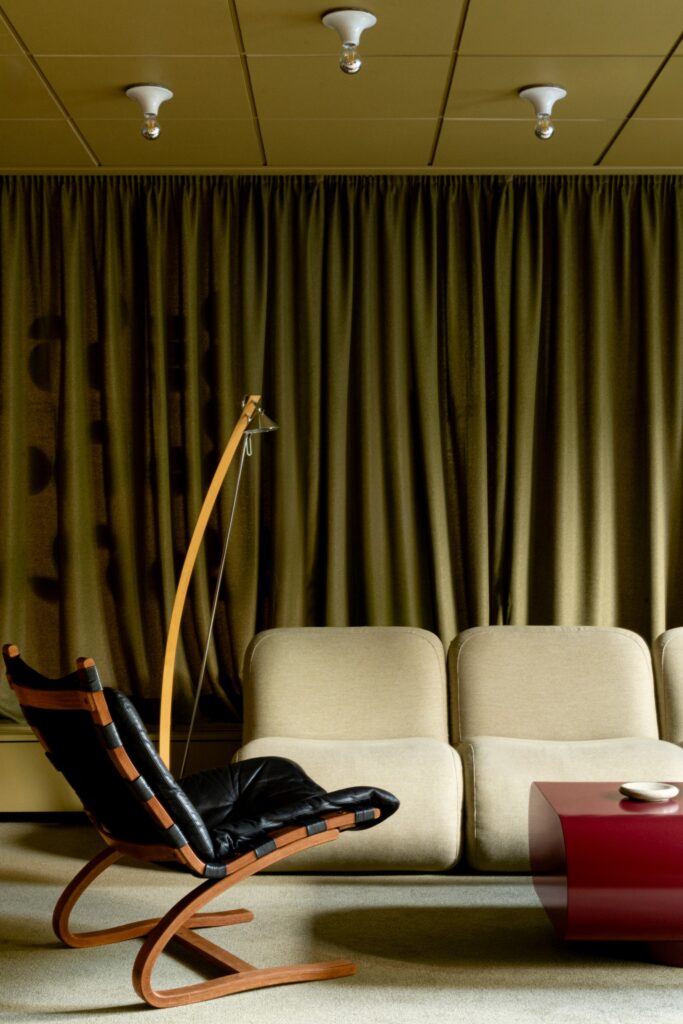
At Bob W. Stockholm Norrmalm, the building’s 1960s architecture meets a contemporary approach to hospitality. Designed by Swedish studio Note Design Studio, the interiors combine vintage furniture, considered colour and carefully selected details with Bob W.’s digitally driven concept of apartment living. Together, the two approaches offer a different perspective on what a hotel stay can be.
Located on Kammakargatan in central Stockholm, Bob W. Stockholm Norrmalm occupies a former hotel building dating from 1965. The property marked Bob W.’s first venture into Sweden when it opened in 2025, bringing the Nordic hotel operator’s combination of technology, local design and the comforts of home to the Swedish capital. For Note Design Studio, the building’s history provided the starting point for the interiors. Rather than replacing its original character, the studio sought to work with the existing architecture, introducing colour, vintage furniture and carefully considered details to create a more expressive atmosphere.
“We’ve reused as much as possible and altered as little as possible,” says Jesper Mellgren, architect at Note. “Using colour and carefully selected furniture, much of it vintage, as well as thoughtfully designed joinery, we wanted to bring these rather modest buildings to their full potential.”
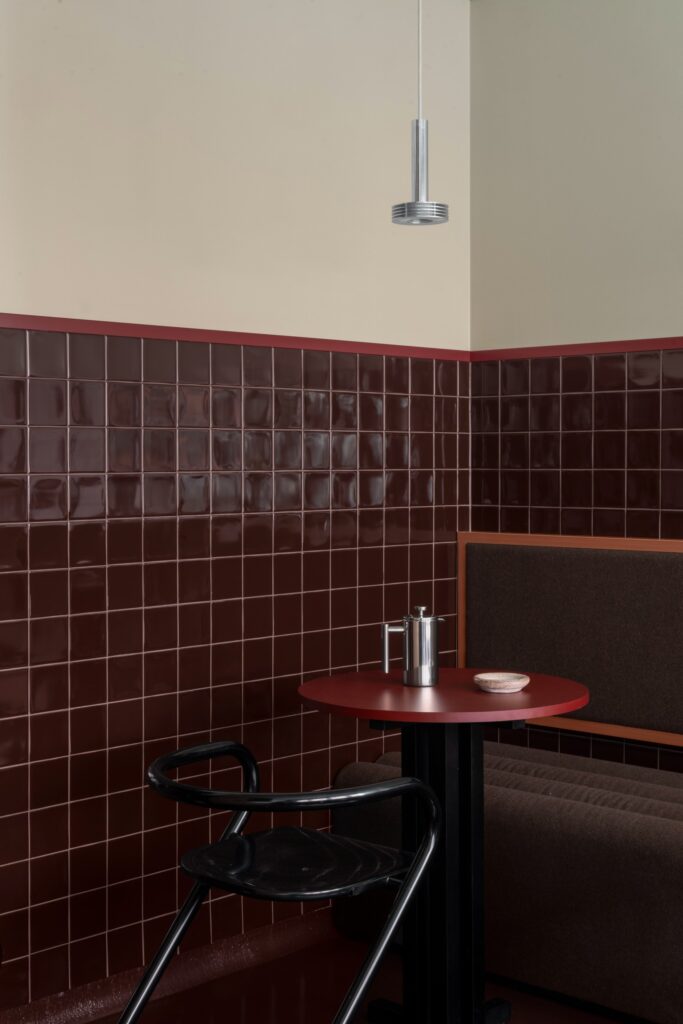
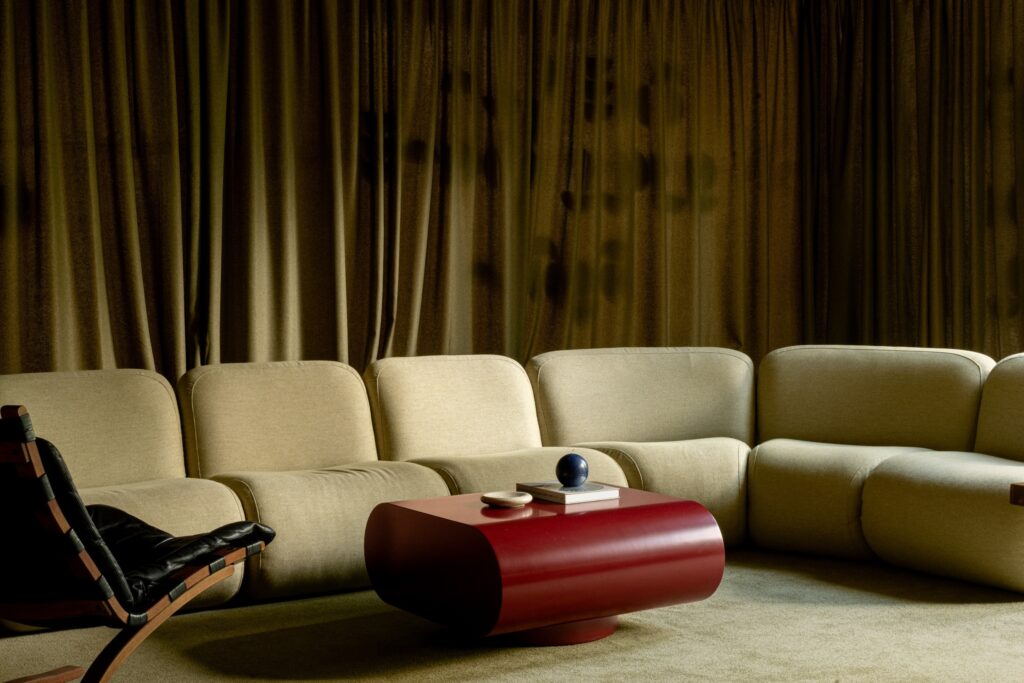
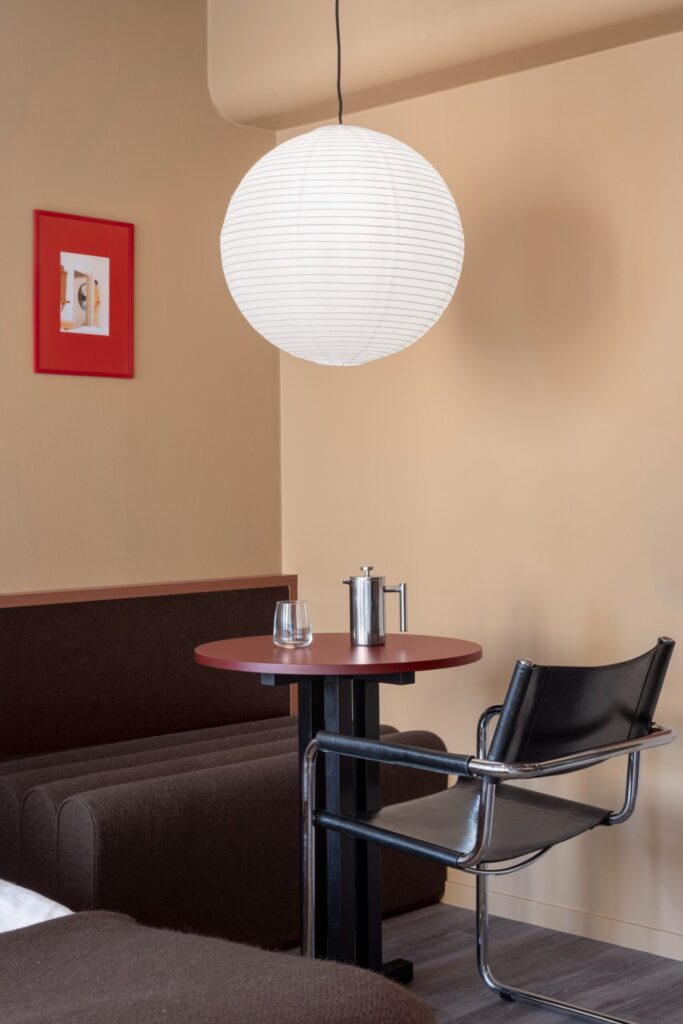
The result balances the building’s restrained exterior with interiors that feel playful and individual. Monochromatic corridors connect the apartments and shared facilities, while contrasts, saturated colours and carefully selected objects give the spaces a distinct character. Vintage lamps and furniture sit alongside inviting textiles, creating an atmosphere that feels considered without losing the comfort of a home. By retaining existing components and limiting structural interventions, the project also takes a more resource conscious approach to renovation. For Note, the intention was to bring new life to the building while drawing on the optimism and inclusiveness associated with Stockholm’s 1960s design culture.
For Bob W., the interiors are part of a broader ambition to connect guests with the places they visit. Operating across twelve countries, the company approaches each property as an individual response to its location, architecture and surrounding culture. In Stockholm, this includes locally produced art and design, as well as partnerships that encourage guests to explore the neighbourhood beyond the hotel. The property offers several room types, with private kitchen facilities available in selected studios and shared kitchen facilities for guests staying in rooms without their own cooking facilities. Digital access simplifies arrival, while local partnerships extend the experience beyond the building. Guests can choose between two breakfast partners, Banacado and Greasy Spoon, and access a gym through a partnership with Fitness24Seven. Rather than relying solely on traditional hotel facilities, Bob W. connects guests with local businesses and services, creating an experience intended to feel closer to living in the city itself. Christian Carter, Business Development Manager for Sweden and Norway at Bob W., explains how this approach translates into the Stockholm property.
Ulrika Lindqvist: Bob W. operates across twelve countries. How do the properties differ from one another, and what makes the Stockholm location distinctive?
Christian Carter: Each property is designed in response to its surroundings. The design is inspired by the neighbourhood, the city and the building itself. Here, we are working with a 1960s building with a brutalist character, which has influenced the direction of the interiors.
Ulrika Lindqvist: How does Bob W. connect guests with the local community?
Christian Carter: Bob is a digital avatar who helps guests with recommendations for things to do in the area and guides them through their stay. We also work with local partners for food, drinks and fitness. Through our partnership with Fitness24Seven, for example, guests can use a gym free of charge around the clock. Something I particularly like about the concept is that we want to bring the local community to our guests and our guests to the local community. When I travel for work, it can be easy to spend all your time between the office and the hotel without really experiencing the city. We want to encourage people to get out and feel the pulse of the neighbourhood. What we like about this location is that it feels relatively calm, while still having everything around you.
For Note Design Studio, the Stockholm property reflects an approach to design that begins with the individual building and its surroundings. Rather than applying a fixed aesthetic, the studio develops each project in response to its architecture, history and client. At Bob W. Stockholm Norrmalm, this meant preserving as much of the original structure as possible while introducing colour, vintage furniture and carefully considered details to give the interiors a distinct identity.
We spoke to Jesper Mellgren about the studio’s approach to renovation, its material choices and the experience it hopes to create for guests.
Ulrika Lindqvist: Since this was previously a hotel, how did you approach the renovation?
Jesper Mellgren: We respected the building in many ways. We reused as much as possible and altered as little as possible. Through colour, carefully selected furniture, much of it vintage, and considered joinery, we wanted to bring these rather modest buildings to their full potential.
Ulrika Lindqvist: Do you approach hotels differently from other types of spaces or projects?
Jesper Mellgren: We strive to create something new and different every time. We are also fortunate to work with clients who differ considerably from one another, which naturally distinguishes each project from the next. We do not follow a fixed design agenda or manifesto. Instead, we use the client as our starting point.
Ulrika Lindqvist: How did you select materials and suppliers?
Jesper Mellgren: Sometimes there are advantages to working with suppliers the client already knows, particularly in projects with restrictions in terms of budget and time.Sustainability and practical considerations also play a role, but it would not be entirely honest to say that aesthetics are not a factor.
Ulrika Lindqvist: What kind of experience would you like guests to take away from their stay at Bob W.?
Jesper Mellgren: The building dates from the 1960s, an interesting period in Stockholm’s history. It was a postwar era when a great deal of optimism found its way into people’s lives and into design. We would be very happy if we could convey a small part of that same optimism and inclusiveness to visitors through our design.
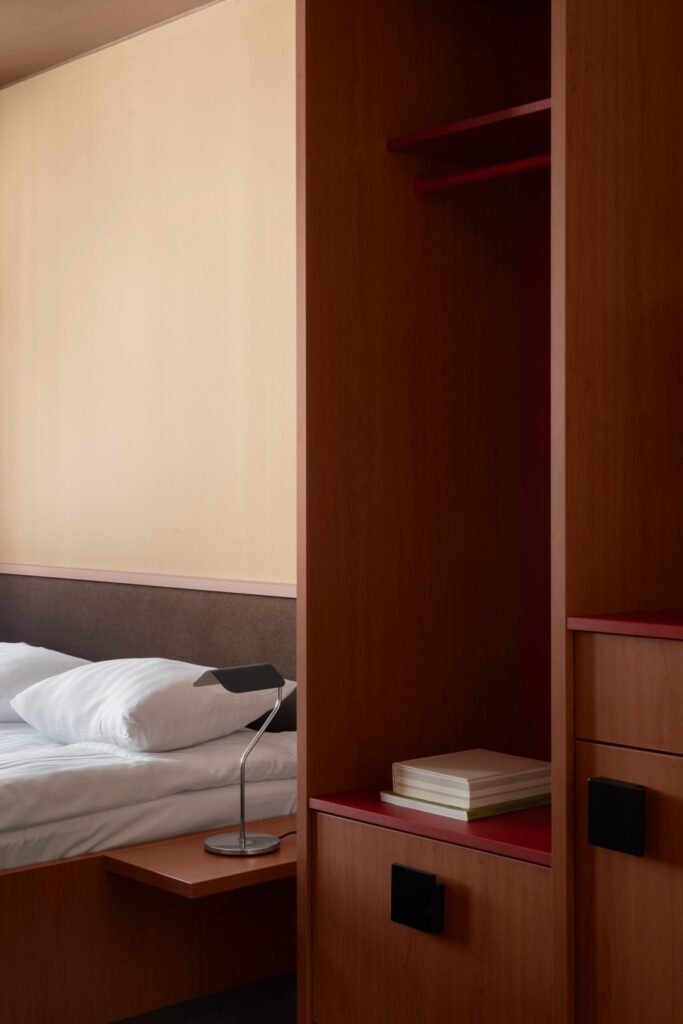
At Bob W. Stockholm Norrmalm, the emphasis is on combining thoughtful interiors with the practicalities of apartment living. The different room types accommodate different needs, while shared facilities and local partnerships allow guests to make the most of their stay. Digital access simplifies arrival, and the shared coworking space provides somewhere to work.
With Note Design Studio’s interpretation of the original architecture and Bob W.’s emphasis on digital convenience and local connections, the property brings together two complementary approaches to contemporary hospitality. One focuses on creating a sense of place through materials, colour and carefully selected objects. The other extends that sense of place beyond the room, encouraging guests to experience the city as more than a destination.
text by Ulrika Lindqvist