The Science Behind the Joy of Driving
Text by: Jahwanna Berglund
If you ask Polestar, driving pleasure deserves the same attention as horsepower. Together with researchers at the University of Oxford, the brand is exploring whether that feeling can be measured, and how trust, control and connection shape the experience behind the wheel.

Horsepower, acceleration, lap times. The language of automotive performance has traditionally been reassuringly numerical. But as electric cars make extraordinary acceleration increasingly accessible, those figures tell us only so much about what separates one driving experience from another. A specification sheet can explain how quickly a car gathers speed. How it makes you feel is harder to capture.
Electric driving also changes the sensory experience. The engine note, vibration and gear changes that once accompanied acceleration become less prominent, or disappear altogether. How, then, do we understand driving pleasure when some of its most familiar signals are removed?
Polestar and the University of Oxford’s SDG Impact Lab have begun investigating that question by studying the car and its driver together.
At Gotland Ring in Sweden, 12 experienced Polestar drivers tested two versions of the Polestar 4: a single-motor car and a dual-motor version with the Performance pack. Each participant drove both cars in calm and dynamic conditions, following a lead car that set the pace. Researchers combined vehicle data with heart-rate monitoring, skin-response sensors, eye-tracking, questionnaires and interviews to explore how the car’s behaviour corresponded with the driver’s physical and emotional responses.
The comparison revealed differences that a lap time alone might miss. Among the six drivers with usable telemetry, the Performance version delivered 32 per cent higher peak acceleration and required 15 per cent less steering effort during matched fast laps. Average speeds were almost identical. The difference lay in how the cars delivered that pace, and how much effort they required from the person at the wheel.
Drivers also rated the Performance version more highly for perceived performance and overall experience. The interviews helped explain why. Participants described physical excitement accompanied by trust in the car, a sense of control and intense concentration. Several independently compared the feeling to a controlled roller coaster.
In their accounts, confidence in the car’s responses helped turn physical intensity into pleasure. Without that trust, similar sensations could become stressful. Drivers pointed to steering response, chassis balance and the feeling of connection to the road as sources of reassurance. Some also found the single-motor car engaging in a different way, enjoying the more active involvement it required.

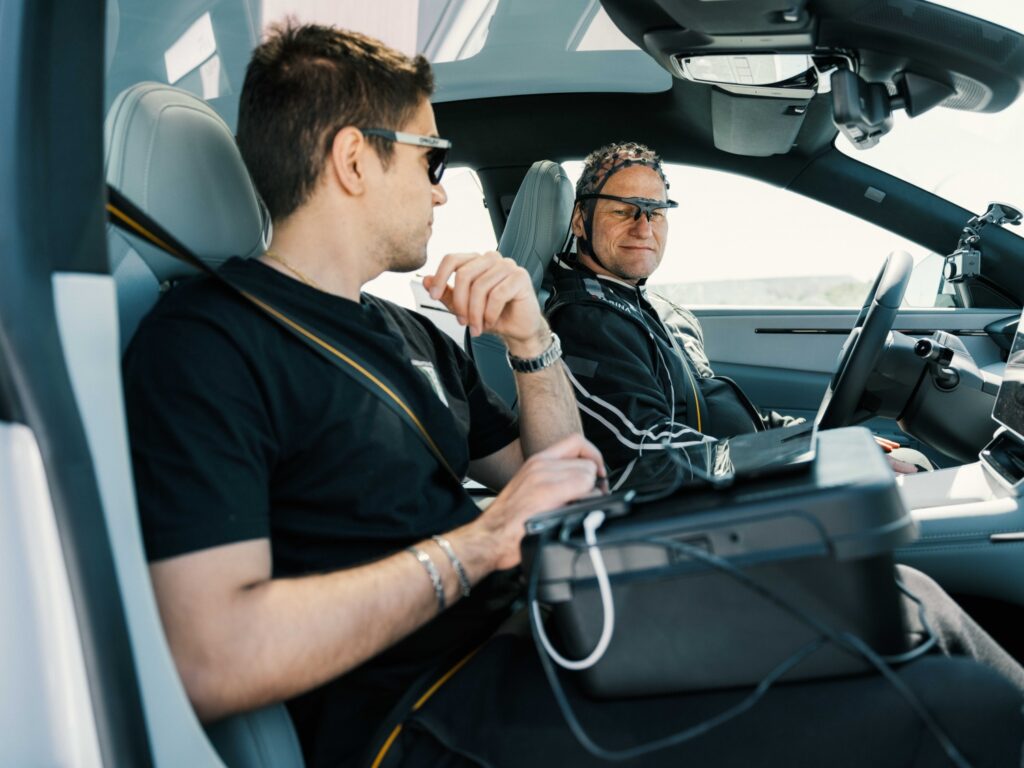
Eye-tracking added another layer. During dynamic driving, participants blinked less frequently, their pupils widened and they held their gaze for longer, patterns consistent with deeper concentration. Vehicle data also showed associations between the car’s movements and the drivers’ physical responses. The abruptness of acceleration and braking transitions showed the strongest relationship with bodily activation, suggesting that how forces change may be particularly relevant to the experience.
These remain early observations. Funded by Polestar, which also recruited the participants, the pilot was designed to test a research approach. Its small sample did not support formal significance testing, and the researchers could not yet separate a raised heart rate caused by excitement from one caused by physical effort. A larger study would need to make that distinction.
Even at this stage, the findings suggest why driving pleasure may resist a single score. Confidence, attention and physical excitement contribute in different ways, and understanding their relationship could help explain why two cars travelling at a similar pace can feel so different.
For anyone who has loved driving a car without knowing its horsepower, that is an appealing line of enquiry. There is pleasure in the way a car responds through a bend, the confidence it inspires and the attention it holds. This research begins to ask how those feelings take shape.