Norrviken Gardens: A Century of Beauty, Design and the Art of the Landscape
On Sweden’s western coast, where the slopes of Hallandsåsen meet the sea, lies Norrviken Gardens, a place where landscape, imagination and craftsmanship have been intertwined for more than a century. Created from Rudolf Abelin’s vision of the garden as an artistic expression, Norrviken remains a living cultural heritage where nature and design continue to inspire new generations.
text by Ulrika Lindqvist
There are places that feel less created than discovered, where every pathway, planting and view reveals another layer of a larger story. Norrviken Gardens in Båstad is one such place. Nestled between the dramatic landscape of Hallandsåsen and the open sea, the gardens are a meeting point between nature’s wild character and the precision of human creativity. Created by garden visionary Rudolf Abelin, Norrviken was founded on the belief that a garden could be more than a cultivated space. It could be a work of art, a source of knowledge and a place for wellbeing. Abelin’s ambition was to show the Swedish public how a garden could be created, with a vision that reached beyond the ordinary and embraced a sense of grandeur inspired by Italian gardens. The cultivation of fruit trees, including apples, was intended to support his passion for developing the gardens themselves. Although the project faced financial challenges, Abelin’s dedication created something that would continue far beyond his own lifetime. A respected pomologist, he was awarded recognition at the World Exhibition for his work, further establishing his influence within horticulture.
photography Anna Nyman
all images courtesy of Norrvikens Trädgårdar
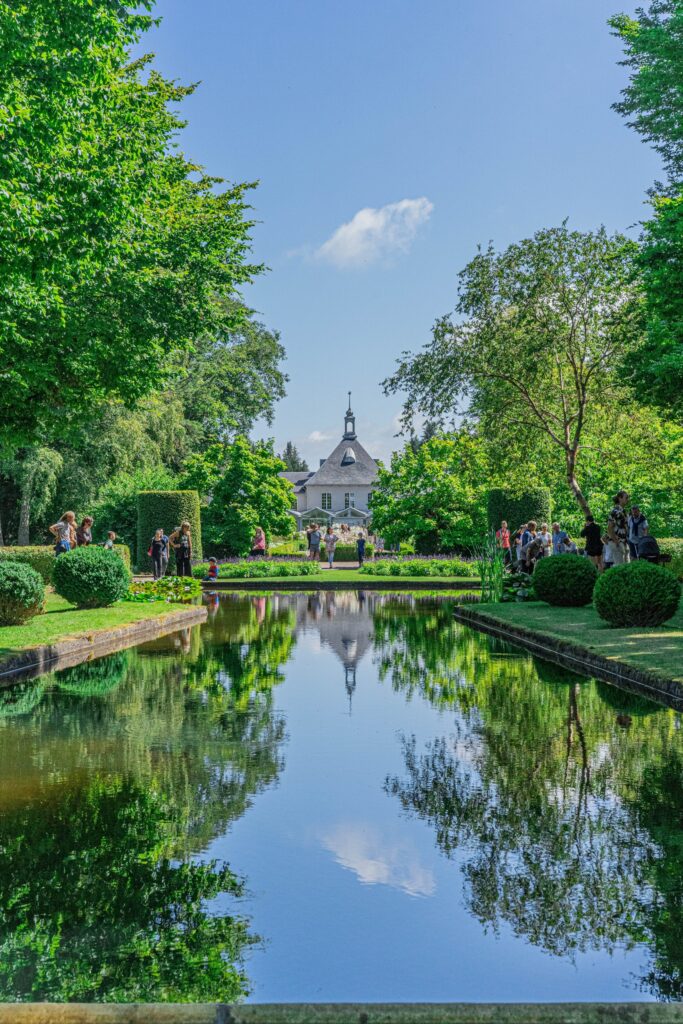
Today, Norrviken remains a reflection of Abelin’s original philosophy: that nature and design can exist in harmony. The gardens consist of several distinct garden rooms, each shaped by the character of its surroundings. Visitors move through carefully composed landscapes, from the formal elegance of the Baroque Garden to the romantic garden, the Japanese inspired spaces and the water garden influenced by Italian masterpieces such as Villa d’Este. Water has always held a central role at Norrviken, both as a visual element and as a symbol of movement and renewal. Throughout the gardens, architecture, vegetation and reflections come together to create moments of stillness. The Rudolf Abelin walking paths guide visitors through these changing environments, revealing new perspectives with every turn.
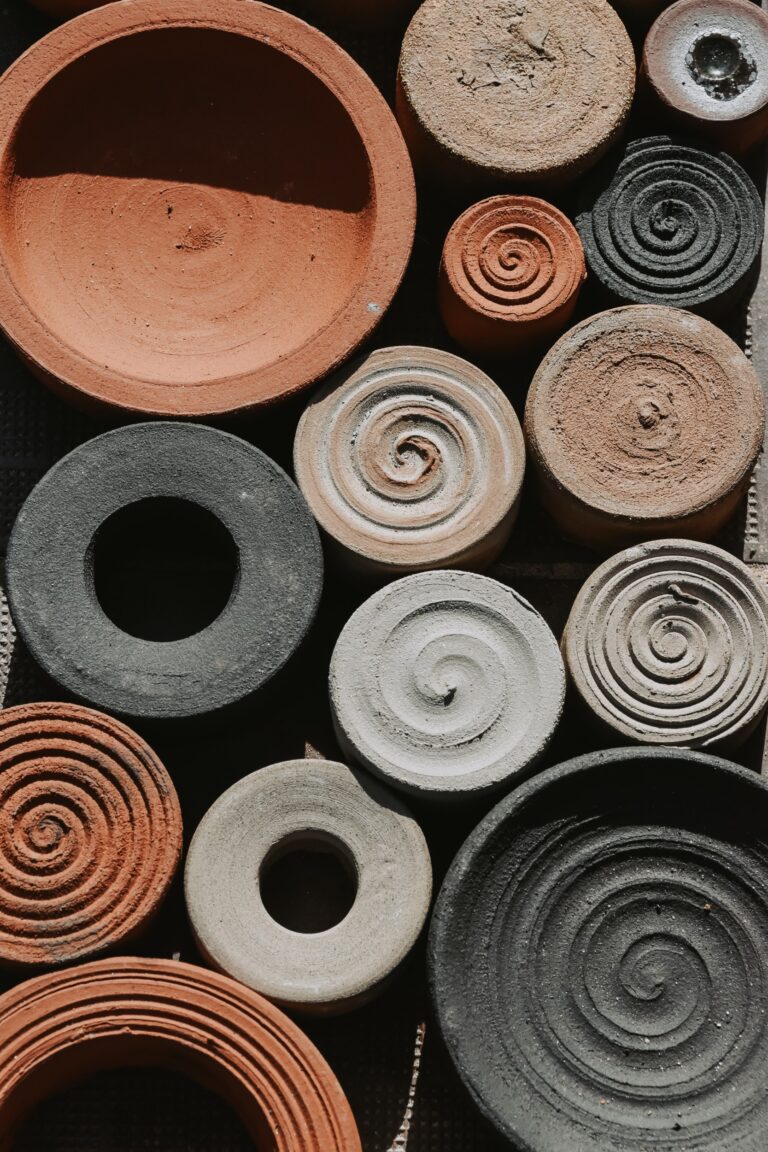
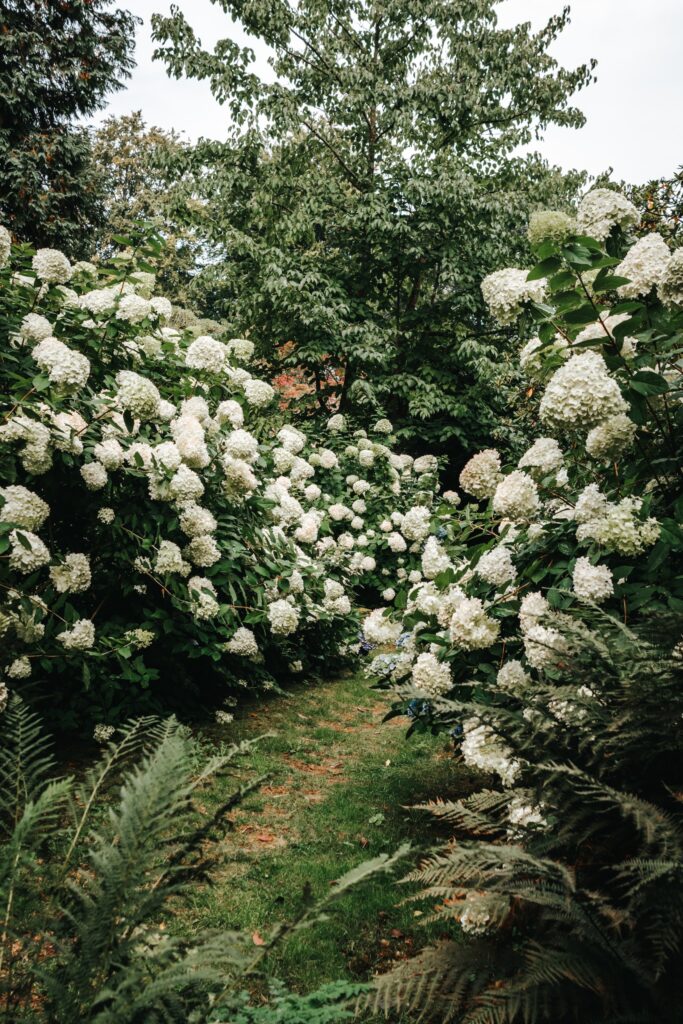
Among the garden’s more intimate spaces is the White Forest, a landscape that has attracted attention within the international gardening world. Rather than following the traditional concept of a white garden, it invites visitors away from the main pathways and into a woodland atmosphere shaped by light, texture and subtle contrasts. Other spaces, including the water grotto and the orangery environments, continue the dialogue between architecture and nature. Norrviken is not only a historic garden but a living cultural destination where creativity continues to grow. The newly created Molinska Garden Room pays tribute to the influential garden designer Ulla Molin, who made her mark on Norrviken through the exhibition “Uterummet” in the 1960s. Inspired by Molin’s own gardens and Signe Persson Melin’s ceramics, the space reflects a philosophy of simplicity, natural materials and thoughtful composition. It is a quiet place for reflection and inspiration.
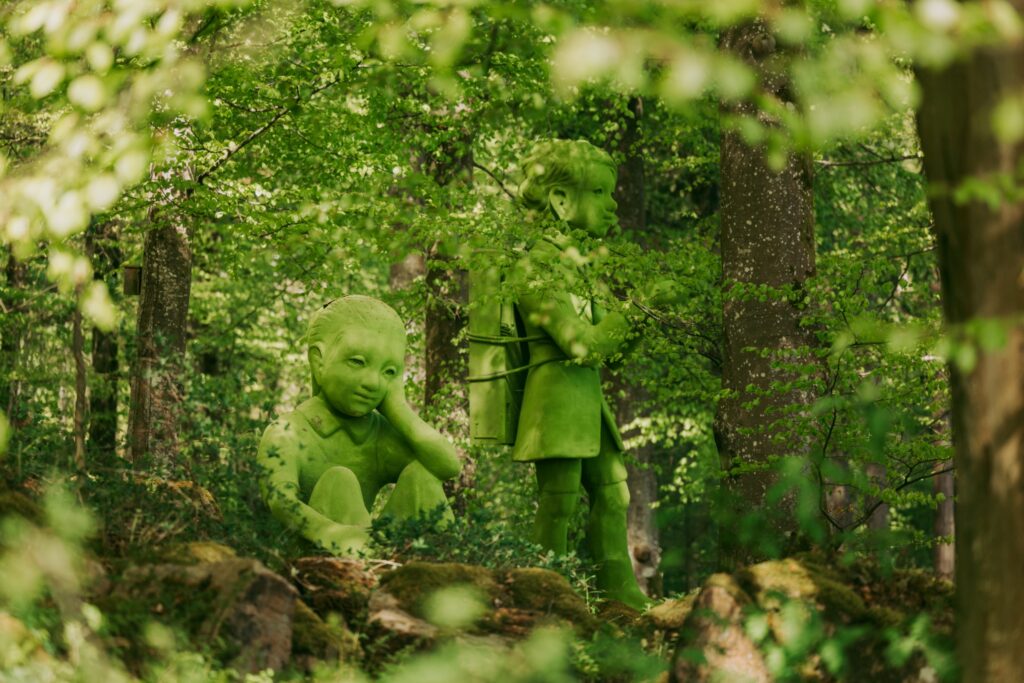
This connection between landscape and artistic expression continues throughout the gardens today. During the 2026 season, Norrviken presents a programme where contemporary art, design, gastronomy and wellbeing become part of the garden experience. The Finnish artist Kim Simonsson’s internationally recognised Moss People sculptures bring a sense of wonder to the landscape. Two green, fairytale like figures become part of the garden rooms, blending into their surroundings while also creating a moment of surprise and imagination. Design also takes centre stage through collaborations with emerging creators. Together with Ung Svensk Form, Norrviken invites new voices into the historic landscape. Soon to be installed in the Baroque Garden, Love Persson’s work will create a reflective space where contemporary design meets the garden’s natural architecture
The garden also becomes a place for conversation through the exhibition “Henrik Wahlström at Norrvikens Gardens”. Presenting around thirty works, including new paintings created specifically for the location, the exhibition explores themes of emotion, contrast and human experience. Through colour, form and expression, Wahlström reflects on the relationship between light and darkness, strength and vulnerability. The exhibition forms part of Norrviken’s work with social sustainability, where the garden becomes a place for dialogue, community and wellbeing.
In the greenhouse Erikshus, “Sinnenas plats” offers another kind of experience. Through sound, light, scent and natural materials, the space invites visitors into an atmosphere of calm and reflection. It is a reminder of the garden’s enduring ability to provide restoration, inspiration and a deeper connection with the natural world. Beyond its garden rooms, Norrviken continues to be a destination for cultural and culinary experiences. Weddings, concerts and events take place throughout the year, complemented by a restaurant focused on local ingredients. From music performances where sound meets the landscape to gatherings celebrating local producers and culinary traditions, the gardens continue to expand the ways in which visitors can experience the place.
More than one hundred years after Rudolf Abelin began shaping his vision, Norrviken Gardens remains a place where beauty is not static but constantly evolving. It is a landscape where history meets contemporary creativity, where gardens become art and where nature offers both inspiration and renewal. Norrviken is not simply a destination to visit. It is a place to experience slowly, with curiosity and attention, allowing the landscape to reveal its stories one moment at a time.