Hatt Couture: The Forgotten Art of Royal Millinery
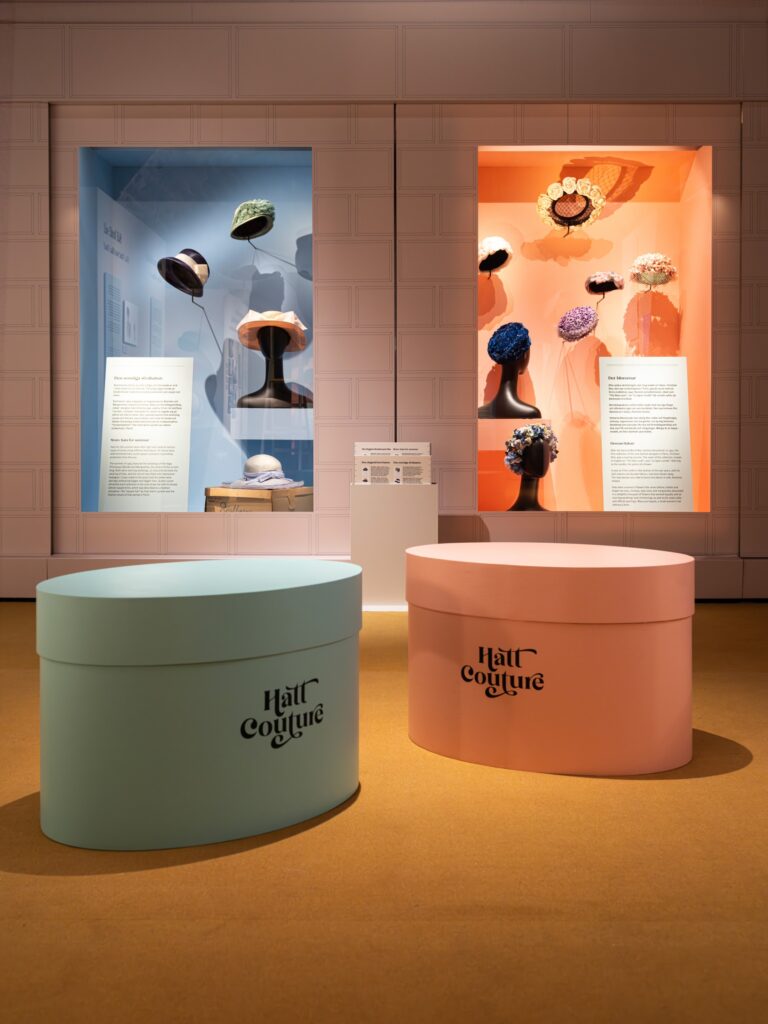
Before a single label is read, the exhibition sets its scene. Visitors step into what feels less like a museum gallery than the elegant salon of a Stockholm milliner in the 1950s or 1960s. Velvet turbans, sculptural pillbox hats, sweeping brims and delicate floral creations are displayed as though awaiting their next client. Mirrors invite visitors to linger, and a selection of hats can even be tried on, transforming the experience from observation into participation. It is an intimate introduction to a world where craftsmanship, couture and royal elegance once went hand in hand.
text by Ulrika Lindqvist
This immersive setting frames Hatt Couture, The Royal Armoury’s current exhibition in Stockholm. Bringing together nearly forty hats and headpieces from the museum’s collections, the exhibition explores not only the royal women who wore these remarkable creations but also the master milliners whose artistry shaped an era and whose names deserve to be remembered. For centuries, hats have occupied a unique place within royal dress. Long after they disappeared from everyday wardrobes, they remained an essential part of ceremonial life, balancing tradition with personal expression. Through exceptional examples of Swedish couture, Hatt Couture reveals how millinery became one of fashion’s most enduring forms of craftsmanship.
Exhibition producer Sofia Nestor has spent the past year immersed in that story.
“It has been an incredibly rewarding project,” she says. “For almost a year we researched every hat in the collection, looking at when it was worn, who wore it and the stories surrounding it. We also collaborated with master milliner Lisa Franzén, whose expertise helped us understand the extraordinary craftsmanship behind every piece.”
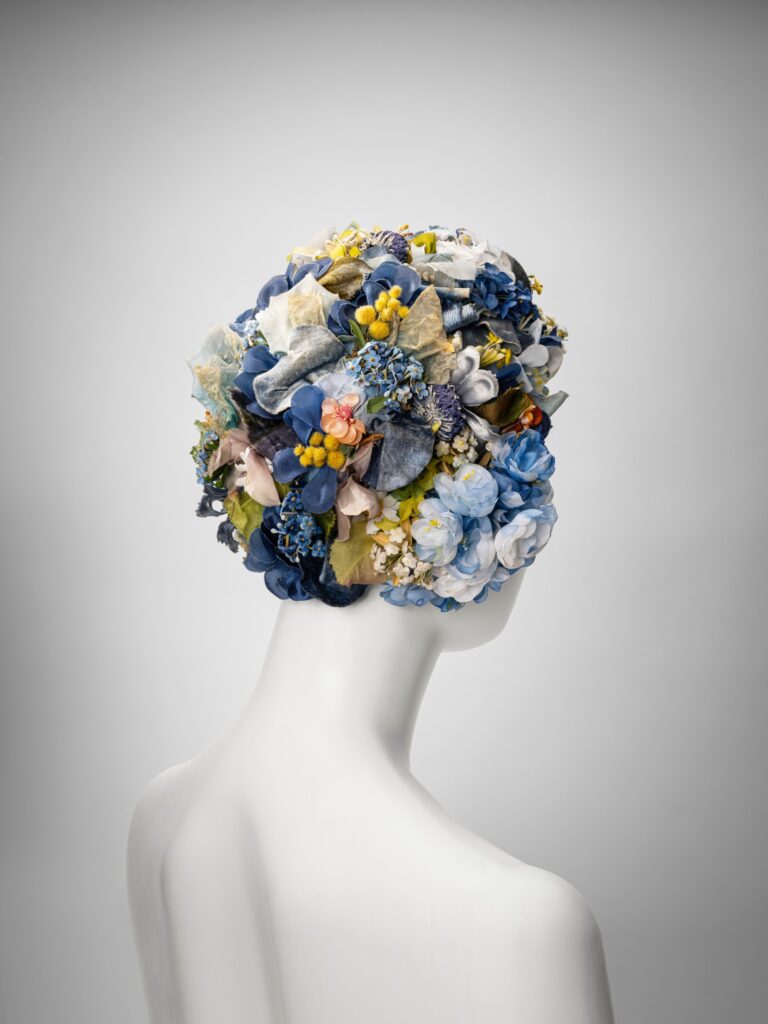
Toque covered with flowers such as mimosa, forget-me-nots, pansies, begonias, and daisies. Princess Margaretha, Mrs. Ambler, wore the hat at the christening of Crown Princess Victoria in 1977.
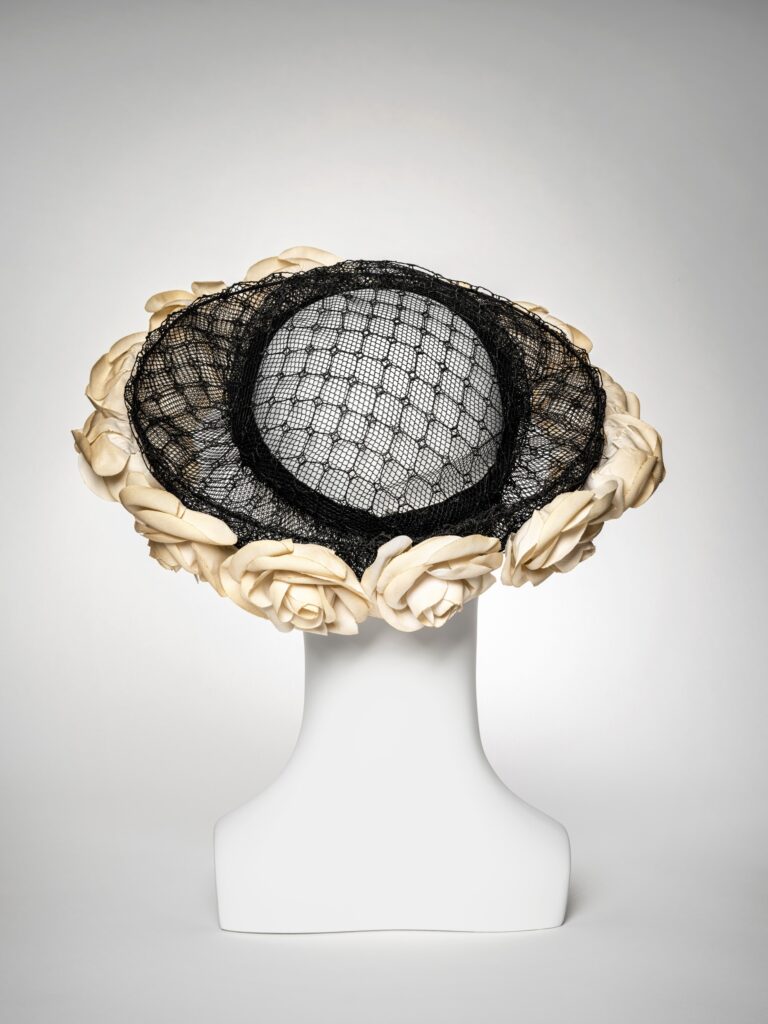
Hat adorned with a wreath of twelve white gardenias and a black veil. Princess Margaretha wore the hat at her sister Désirée’s wedding in the summer of 1964.
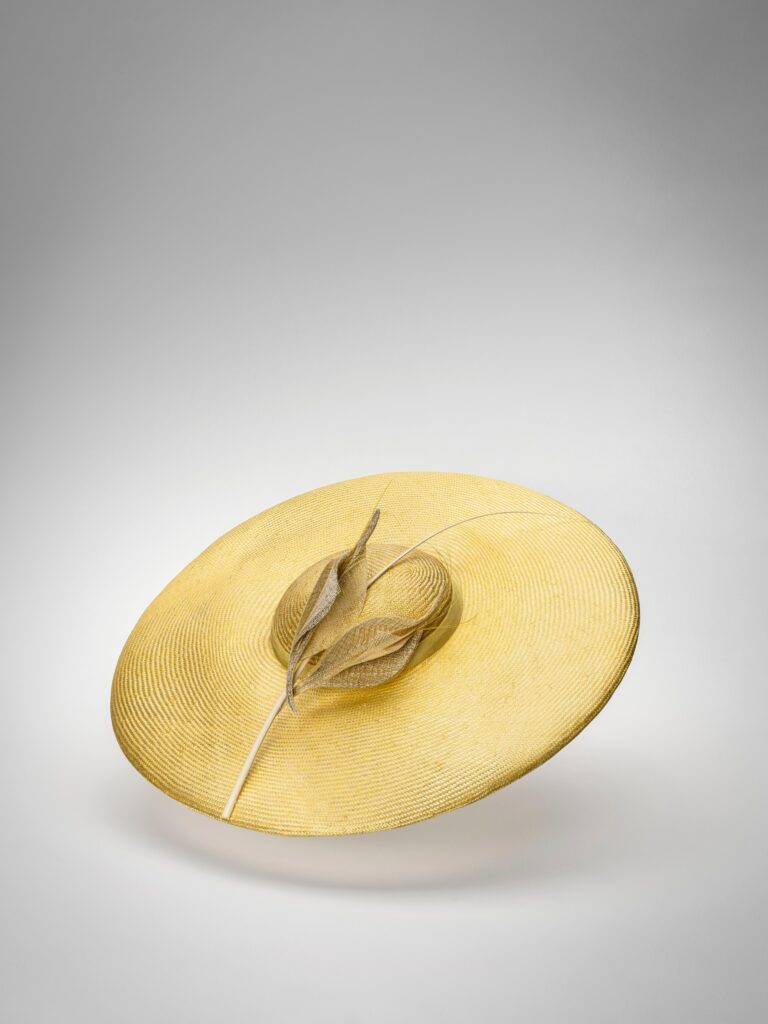
Yellow straw hat decorated with handmade lemon leaves and an ostrich feather. Worn at the thanksgiving service (Te Deum) held in the Royal Chapel.
photography Jens Mohr, Livrustkammaren/SHM
The exhibition focuses on the middle decades of the twentieth century, when hats reached the height of their popularity. Every elegant wardrobe included one. More than an accessory, a hat completed a silhouette, reflected social status and became an expression of personality. Admired, discussed and endlessly photographed, hats occupied a central place in fashion culture.The Royal Armoury’s collection is especially rich in hats from the 1950s and 1960s, making those decades the exhibition’s natural focus.
“It is where our collection is strongest,” Nestor explains. “Princess Sibylla’s hats, many of which entered the museum through Princess Christina after her passing, became the foundation of what visitors see today.”
As the research unfolded, the hats began to reveal something more intimate than changing fashion.
“You start recognising the colour palettes different royals preferred, the occasions when certain hats were worn and how personal those choices really were. Above all, these are couture pieces of exceptional quality.”
That quality is embodied by two names that appear throughout the exhibition: Rune Holmgren and Gaby Röstberg. Although largely forgotten today, they were among Sweden’s most celebrated milliners during the middle of the twentieth century. Their Stockholm salons attracted royalty, society figures and discerning private clients, while maintaining close ties to the Paris couture houses that defined international fashion. Known simply as Hatt Rune, Rune Holmgren trained in haute couture at Lanvin before opening one of Stockholm’s most prestigious ateliers. His hats became celebrated for their sculptural quality, impeccable proportions and understated elegance.
“Rune was almost a celebrity in his own time,” Nestor says. “He had an extraordinary instinct for what was chic. Many of his hats feel more like sculpture than fashion.”
Queen Louise was among his loyal clients, and his fashion presentations regularly attracted national press coverage. After closing his Stockholm atelier in 1969, Holmgren moved to Skåne, where he continued designing until his untimely death during a buying trip to Paris.
Alongside Holmgren stood Gaby Röstberg, who opened her own salon in 1935 and became Princess Sibylla’s preferred milliner. Her refined aesthetic and loyal clientele established her as one of Stockholm’s foremost names in fashion, and her labels proudly carried the title of supplier to Princess Sibylla. While preparing the exhibition, the museum also uncovered a rare archive through a private individual whose aunt had worked in Röstberg’s salon. The photographs provide an unusually intimate glimpse into a profession built on trust, discretion and extraordinary craftsmanship.
“It was an incredibly personal profession,” Nestor explains. “Milliners often worked with the same clients throughout their lives. They knew their measurements, understood exactly what suited them and created pieces that represented significant investments.”
The exhibition reminds visitors just how vibrant Stockholm’s millinery scene once was. “There were milliners everywhere,” Nestor says. “On Västerlånggatan alone there were twenty seven hat shops during the middle of the twentieth century.”
photography Jens Mohr, Livrustkammaren/SHM
Among the exhibition’s most captivating pieces are the exuberant flower adorned hats and blooming turbans that emerged after the Second World War, reflecting a renewed optimism expressed through fashion.
“Hat fashion quite literally blossomed after the war,” Nestor says. “These floral creations radiate optimism.”
Two hats, in particular, linger in the memory long after leaving the gallery. One is a striking black hat crowned with a wreath of twelve white gardenias and finished with a dramatic black veil, worn by Princess Margaretha at her sister Princess Désirée’s wedding in the summer of 1964. Elegant and theatrical in equal measure, it perfectly captures the refined glamour of the era. Another favourite is an exuberant floral toque covered with mimosa, forget me nots, pansies, begonias and daisies. Princess Margaretha, Mrs Ambler, wore it for the christening of Crown Princess Victoria in 1977. Created by the London based milliner John Boyd, whose distinguished clientele included Diana, Princess of Wales, the hat balances playful exuberance with impeccable couture craftsmanship.
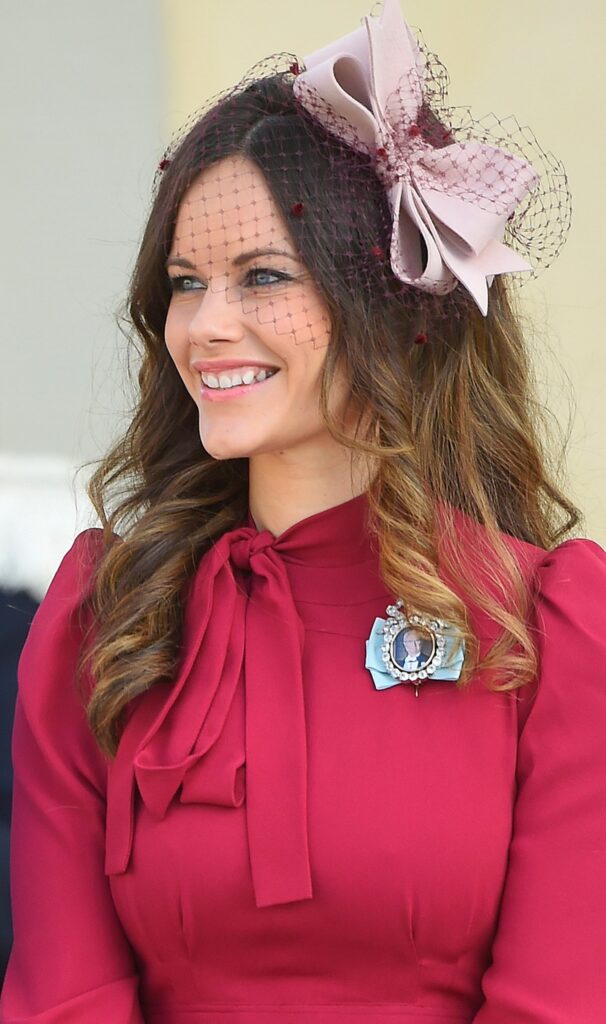
Historical masterpieces are presented alongside contemporary works by Malinda Damgaard, Kittys and the legendary Frederick Fox, as well as loans from Princess Christina, Mrs Magnuson and Her Royal Highness Princess Sofia. Together they demonstrate that royal millinery continues to evolve while remaining deeply rooted in craftsmanship and tradition. Ultimately, Hatt Couture is not simply an exhibition about hats. It is a tribute to the artisans whose vision shaped the public image of queens and princesses while receiving little recognition themselves.
“A hat should strengthen a woman’s confidence,” Nestor reflects. “These pieces are works of art created by exceptionally skilled craftspeople. Most of these milliners have been forgotten, but their creations remain. That is why telling their story feels so important.”
As visitors leave the recreated milliner’s salon, after admiring couture craftsmanship up close and even trying on hats themselves, it becomes clear that Hatt Couture is about far more than royal fashion. It restores the spotlight to the extraordinary makers whose creations framed some of Sweden’s most iconic royal moments and reminds us that behind every unforgettable silhouette stands the hand of an artist.
Hatt Couture is on view at The Royal Armoury in Stockholm from 24 October 2025 through autumn 2026.