
Odalisque Magazine Interviews Bex Almqvist
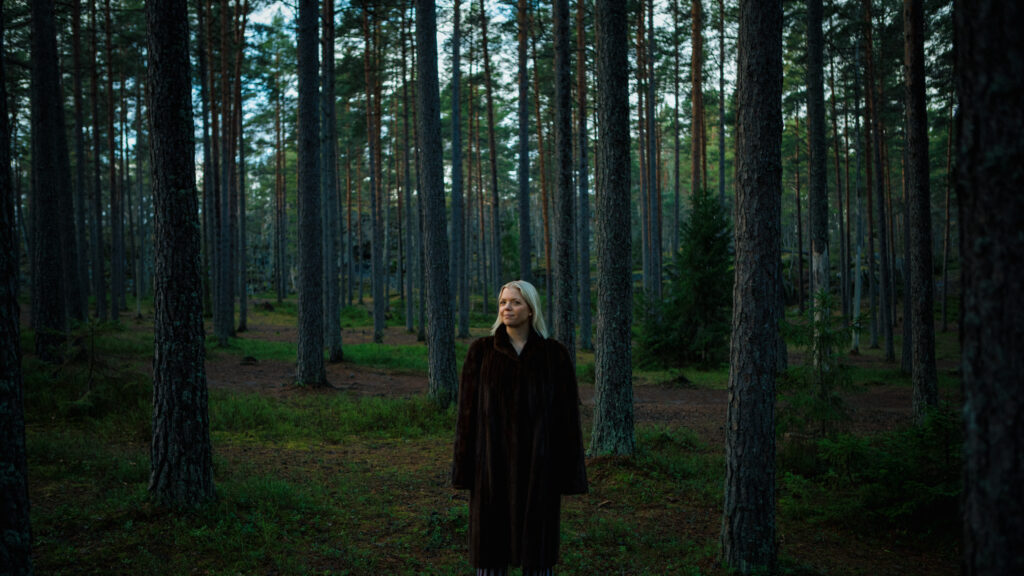
For Bex Almqvist, distillation is less about alcohol than memory. The damp lift of a forest after rain, wild herbs caught in the air, the silken weight of a perfectly balanced cocktail, these are the impressions that shape every bottle leaving Almqvist Destilleri. Long before opening her distillery in the glassmaking village of Rejmyre, Almqvist was reshaping cocktail culture at some of London’s most influential bars, earning a reputation for an intuitive command of flavour, texture, and aroma. Now, working primarily from an 1850s farm deep in Swedish woodland, she channels that experience into spirits that feel distinctly Nordic yet are built for contemporary hospitality. As aquavit gains relevance on the international cocktail stage, Almqvist Destilleri is defining the next chapter and challenging the stereotypes that have kept the category in the past.
Jahwanna Berglund: What is your earliest memory of flavour or scent that made you realise you wanted to work with spirits and distillation and how does that early instinct show up in your work today?
BA: I was running The Lonsdale in Notting Hill in the early 2000s, a very British, experimental cocktail programme. I started obsessing over balance, texture, and aroma not just building drinks, but shaping the spirit itself. What if the liquid arrived already carrying the flavour I imagined? That idea stayed with me from my early twenties. Recently, Lucy’s Flower Shop asked me to distill an aquavit for one of their cocktails, and I thought: this is exactly what I wanted to do back then. Now it’s real.
JB: You entered the beverage world as a pioneer in a traditionally male‑dominated industry. What part of your personality helped you step into that space?
BA: I moved to London at 18 and found a family in hospitality. There weren’t many female bartenders, but I never treated that as a barrier, I just did the work. I’ve always had a strong sense of self, what we’d call “skin on my nose” in Swedish. I once won a major competition as the only woman in the room. Someone said, “You’re the best female bartender in the world.” I’d just beaten everyone, so what does that make me? It wasn’t malicious; it was the language of the time. I never placed myself outside the room.
JB: Every founder has a turning point when the project becomes larger than an idea. When did that moment arrive for you?
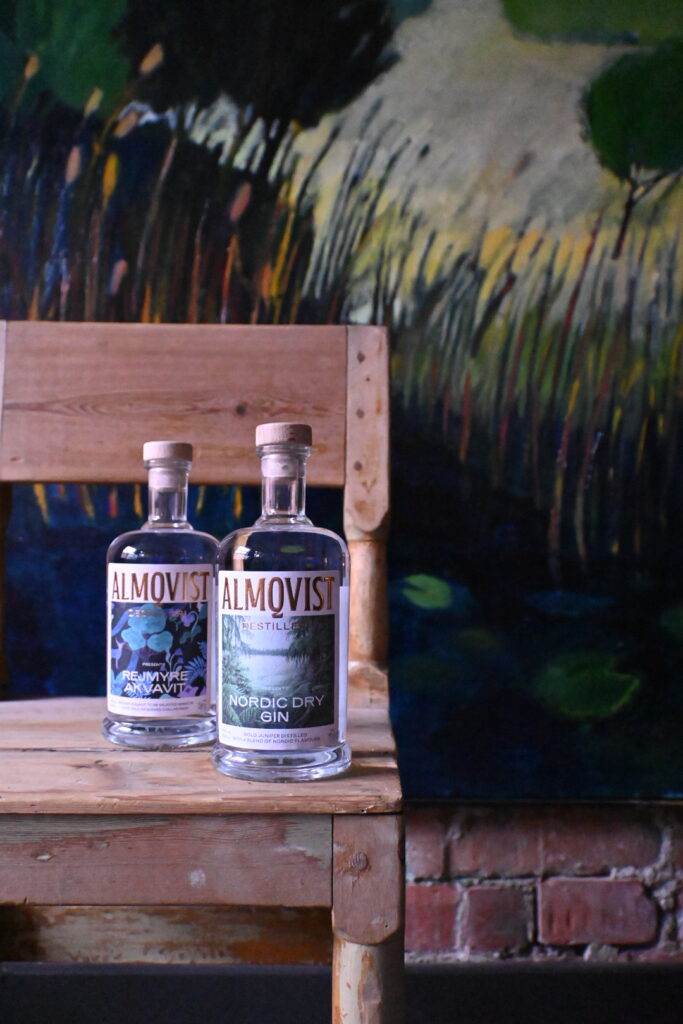
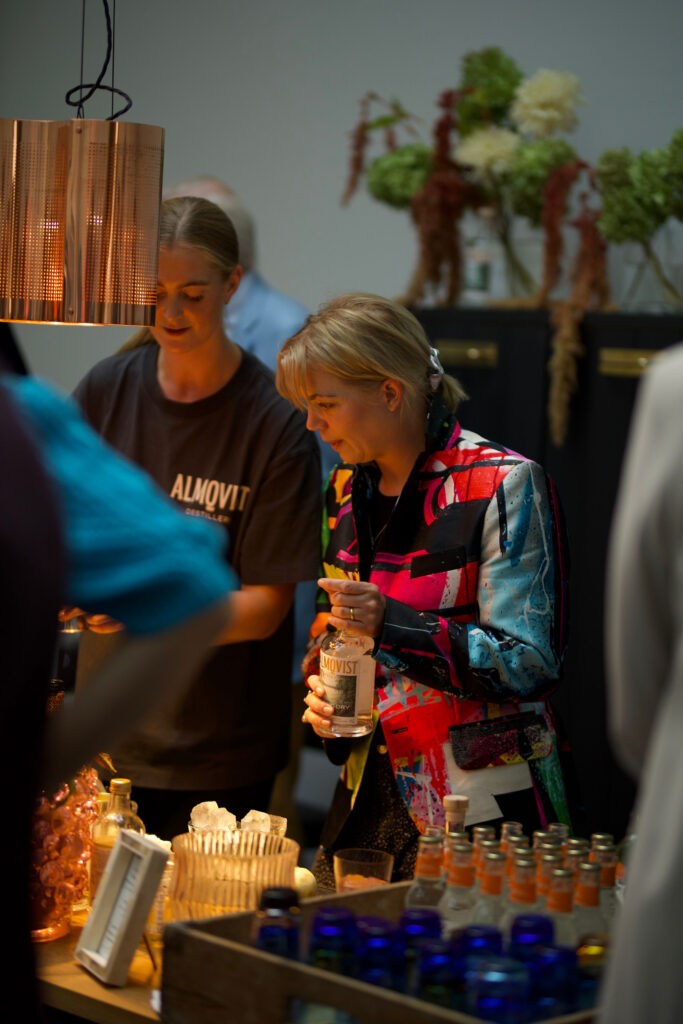
BA: Walking into bars like Tjoget, Gondolen, and Lucy’s Flower Shop and ordering a drink made with my own spirit still feels slightly unreal. Another milestone was selling the first bottle directly from the distillery. I produce everything myself; handing that bottle to someone in person that’s when it stopped being just an idea.
JB: Almqvist Destilleri almost feels like an extension of you. How does it reflect who you are?
BA: It feels like something within me finally taking shape, the woodland setting, the unhurried pace, the way we work with flavour. I grew up in Östermalm, always dreaming of life closer to nature. Now I live on an 1850s farm in the deep forests outside Rejmyre, where our horses are part of everyday life. The distillery sits in the historic halls of Reijmyre Glassworks, itself ringed by forest. In the early days I spent months there alone, experimenting and refining recipes. It was an intense time, but it laid the foundation for everything that followed.
JB: How has Sweden shaped your approach to balance and texture particularly your no‑citrus construction in gin?
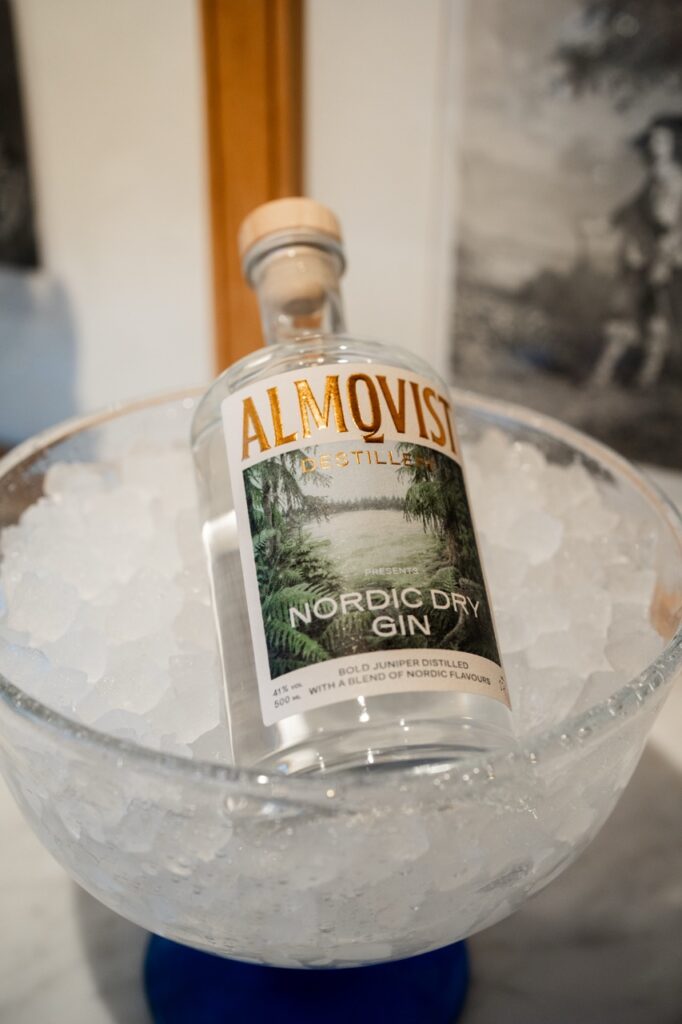
BA: Sweden has influenced my thinking a lot. At Absolut we created a lemon‑style vodka without using citrus, working with ingredients like lemon verbena in different expressions fresh, dried, frozen to understand how aroma shifts with treatment. That stayed with me. In my gin, there’s no citrus, but you still perceive those notes through coriander seeds, lingonberries, and other botanicals. It’s about construction, not addition.
JB: What is something you’ve created that surprised you?
BA: My aquavit. It came out exactly as I’d envisioned. The changes were never dramatic—it was small calibrations, grams adjusted carefully until everything aligned. That’s where balance lives. I’m extremely proud of it.
JB: You’ve said people drink cocktails, not spirits. How does designing for the final glass shape your R&D?
BA: That principle guides everything. We design for the cocktail experience how the spirit carries balance and texture into a mixed drink. It keeps us focused on usefulness behind the bar, not just character in the bottle. We’re also working on a Swedish punch with that same lens.
JB: How has distillation changed the way you experience the world outside the distillery?
BA: I spend a lot of time in nature with my horses, in the mountains, trekking. Everything becomes sensory: wet leaves, soil, air, seasons. It’s about capturing a moment like that and translating it into liquid and having the instinct to know where to make the cut. Nature teaches you that.
JB: What does building a small, focused brand allow you to do that larger producers cannot?
BA: Keep it deeply personal. The brand is an extension of me. We come from hospitality, so everything we do – exceptional spirits, education, glassware, cocktails connects back to the guest. We invite people into our world, our home, our distillery. It’s transparent in a way that’s difficult to scale. That intimacy is the point.
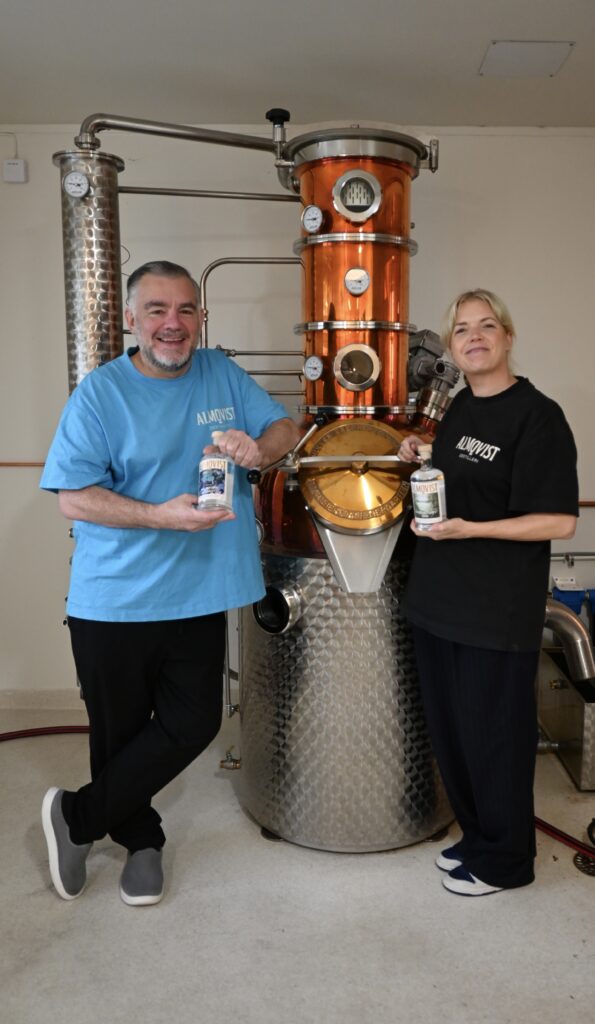
JB: Jake joining the distillery marks a new chapter. What does this partnership mean to you personally?
BA: Jake and I have been friends for more than 20 years. He was the first person I told about the project, and our friendship has been part of the journey from the very beginning. In fact, I named the copper pot still after him. He’s a legend in our industry, and we share a long history of learning and growing together. We come from the same generation of bartending, so there’s a natural understanding between us, and we’re constantly challenging each other’s ideas. Having him involved means I have someone to think with, create with, and develop new concepts alongside. This spring, we’re launching a series of products we’ve developed together, all rooted in balance, texture, and flavour.
JB: What does responsibility in production mean to you?
BA: It’s been part of my thinking since Absolut. We’re small, so we focus on what we can control: composting, fossil‑free energy, small systems that add up. Responsibility is also how you live being close to nature and building something considered.
JB: What has your journey taught you about resilience?
BA: That it’s never linear. It’s rewarding but unpredictable. A mentor gave me an internal compass: stay clear on your vision and return to it, especially when things move fast or become unclear.
JB: When you imagine the future of Almqvist Destilleri, what excites you most, especially around aquavit’s international potential?
BA: Aquavit. Its potential is enormous. In many of the world’s best bars, it’s already part of the cocktail landscape, but in Sweden it remains quite traditional. We’re launching a naturally pink raspberry and rhubarb aquavit for midsummer, and I’m curious to see how it opens the category further.
JB: What do you hope your legacy will be?
BA: That I made really good spirits with intention. And that I helped move aquavit into a contemporary context, into cocktails that speak to a new generation.
JB: Finally, what is the most meaningful thing someone has said about your spirits?
BA: Simon Difford once reviewed my gin and said it was distinctly Nordic in character without straying too far from London Dry. That was exactly what I was trying to achieve, and the way he articulated it meant a lot.
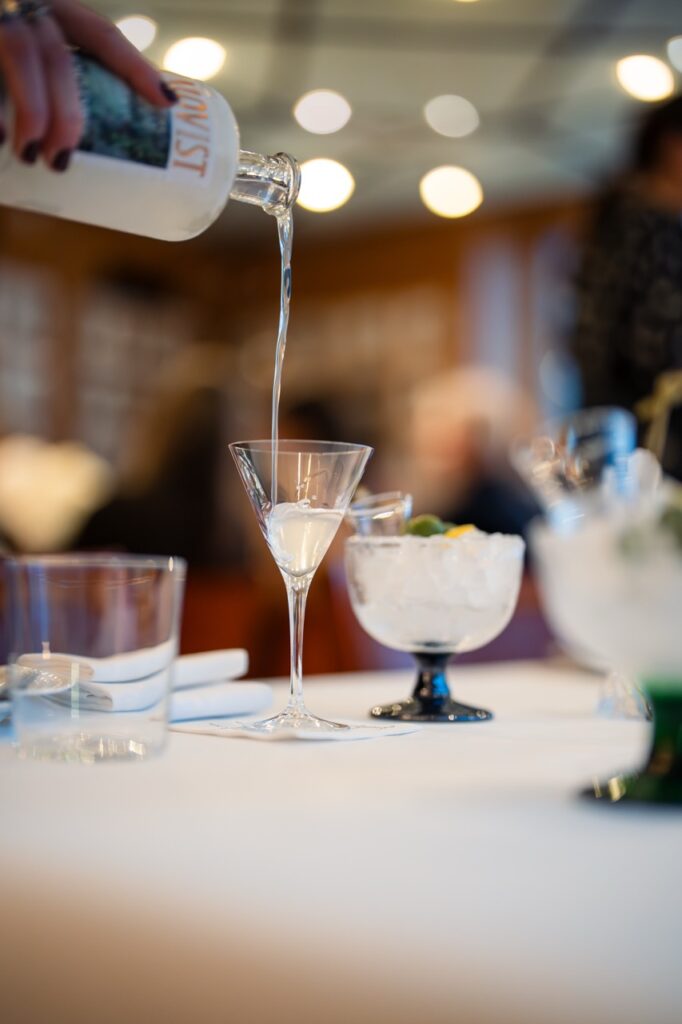
image courtesy Almqvist Destilleri