Hästens Dream Factory: Where Generations Shape the Future of Sleep
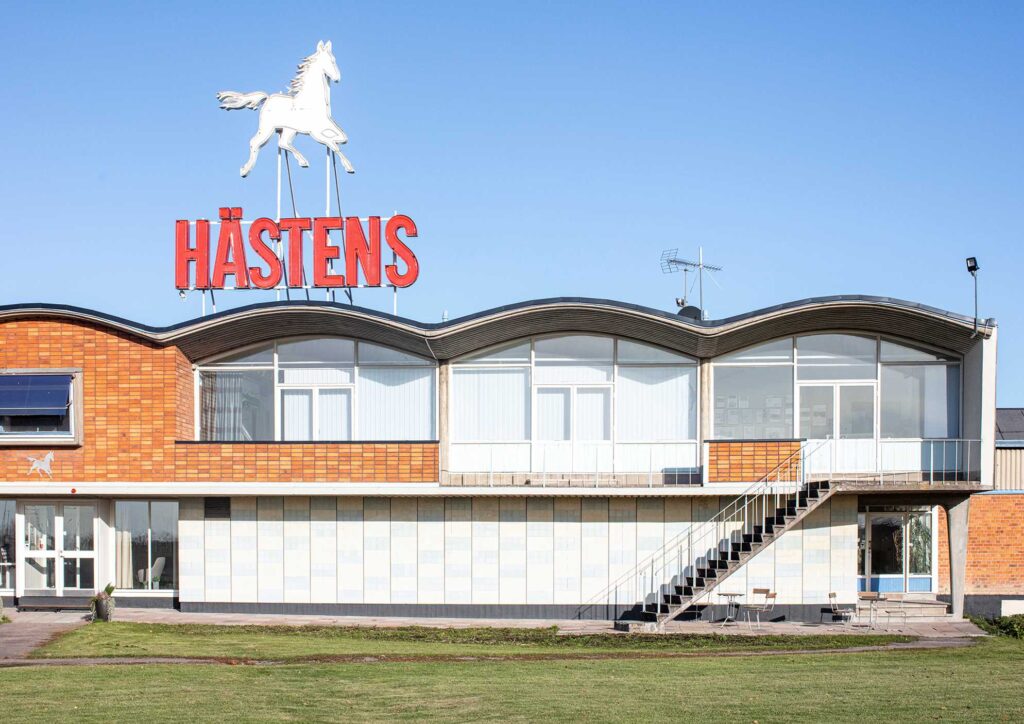
There is something almost disarming about arriving at the Hästens factory in Köping.
Not because it feels modern or clinical, but because it feels alive. There are no gloves, no masks, no distance between human hands and nature’s finest materials. You instantly understand that the work done here has very little to do with industrial manufacturing and everything to do with craftsmanship. Real craftsmanship. The kind you rarely see anymore.
Hästens calls it a dream factory, and the name feels fitting. Since 1852, the company has held one intention: to make the best bed in the world. And not the best bed within a certain price range, but simply the best bed possible, without limits. It is a philosophy that has travelled through six generations, from saddles to mattresses, from horsehair padding to global sleep culture.
The story begins with saddler Pehr Adolf Janson in 1852, whose mastery of horsetail hair mattresses laid the foundation for everything that came after.
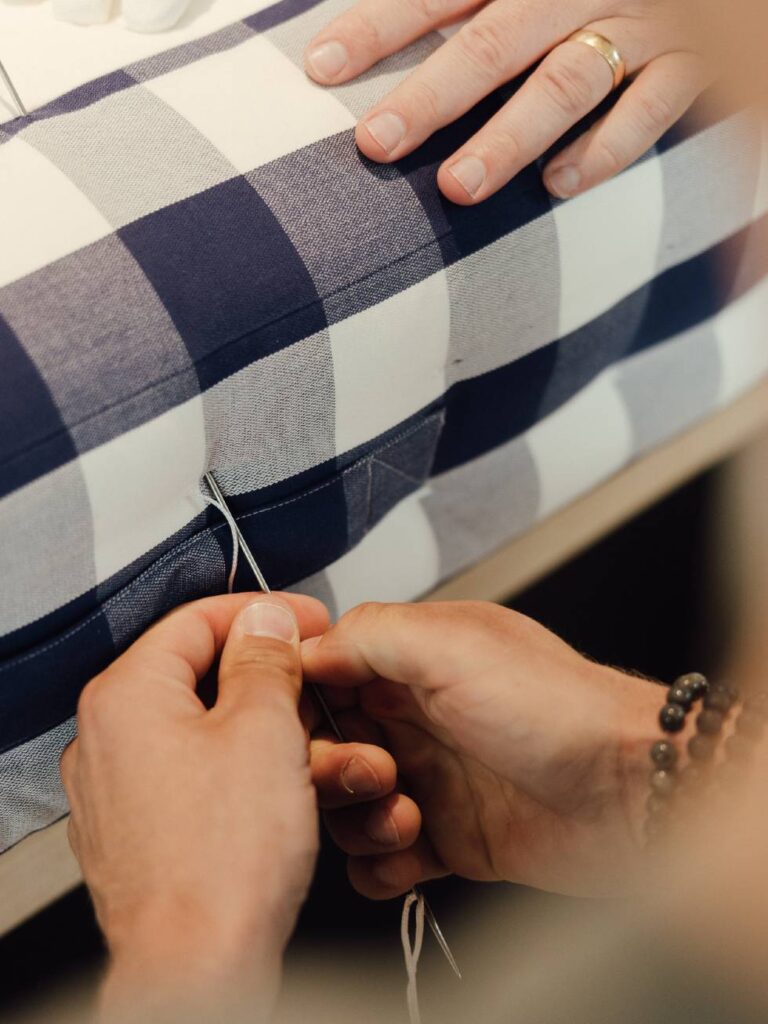
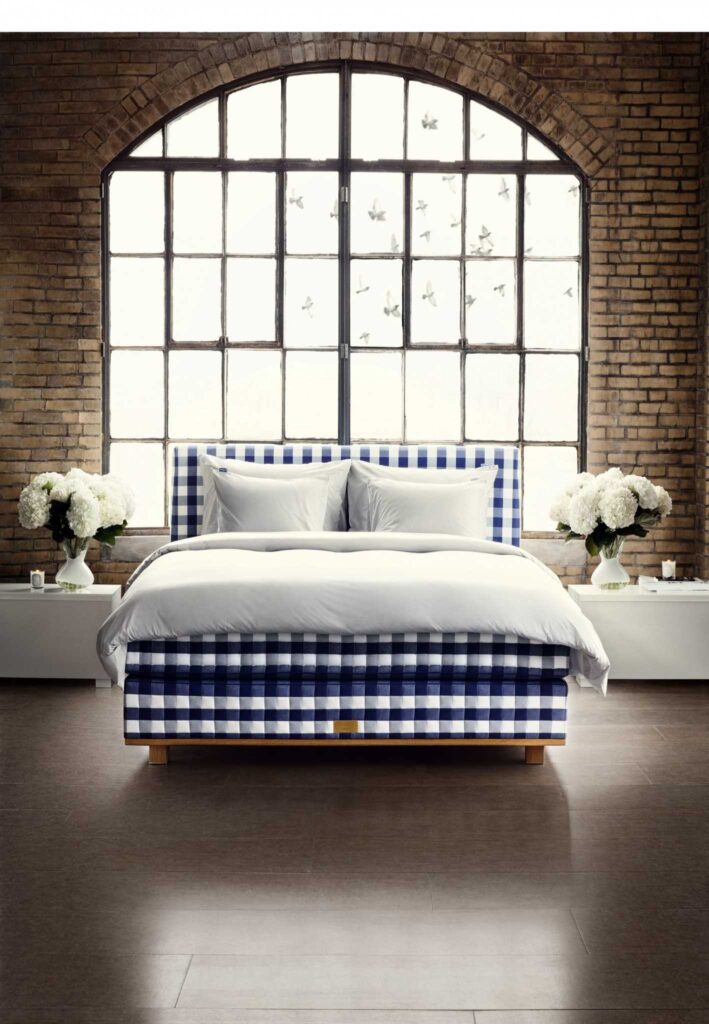
His sons continued the craft, and decade by decade the family refined what sleep could be. In 1978, Jack Ryde introduced what would soon become a design icon: the blue check. A bold aesthetic choice that transformed the bed from an everyday object into a symbol of Swedish excellence, a pattern that still carries the weight of history and innovation today.
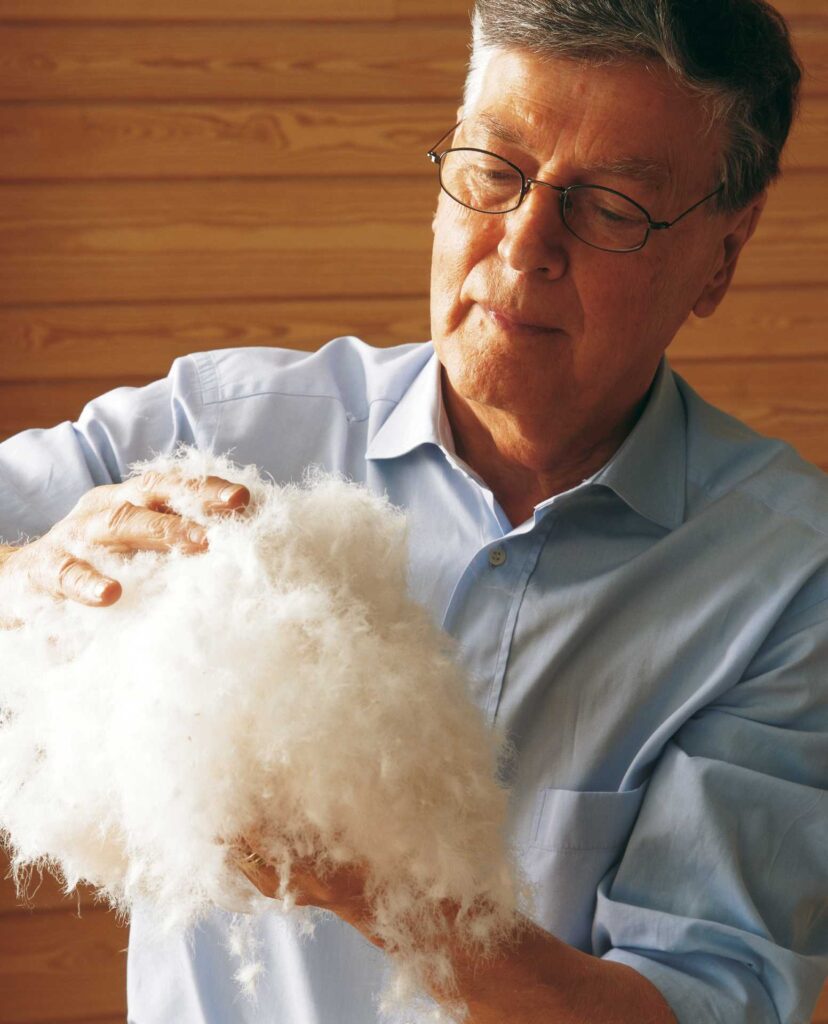
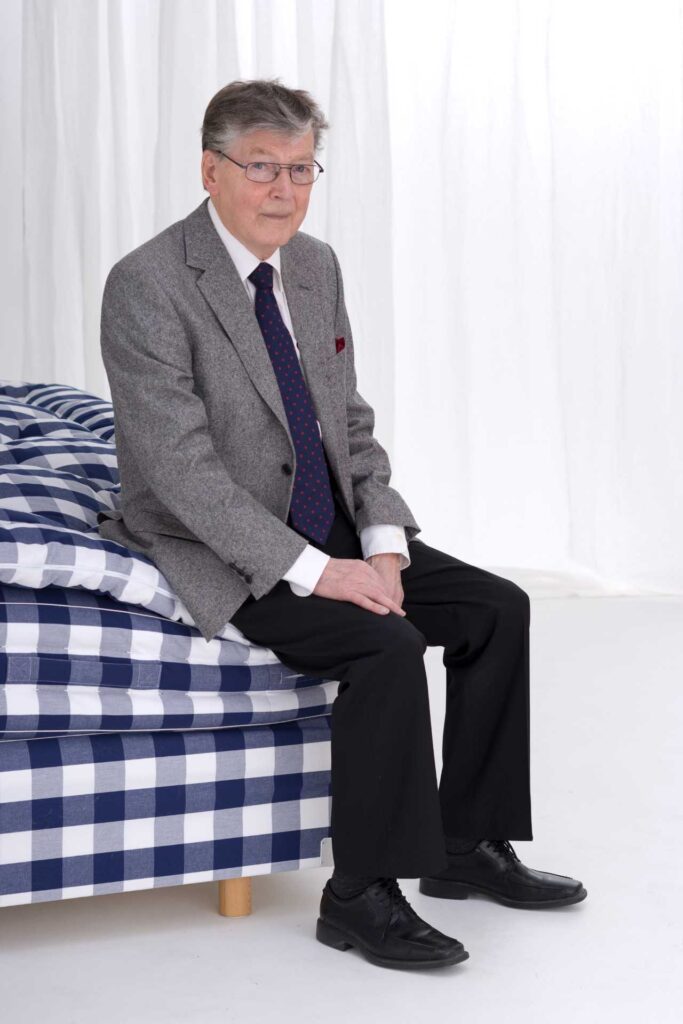
Today, the company is led by Jan Ryde, the fifth generation, with the slow integration of a sixth. Jan’s background as an engineer is visible everywhere in the factory. Nothing is left to chance. Every decision is made with obsessive precision, from the way the pine trees are selected to how the horsehair is layered.
What makes a Hästens bed so unique is not a secret recipe of materials. It is a secret recipe of craft. A philosophy that combines engineering, intuition, and an uncompromising respect for nature.
The Three Layers of Perfection
At Hästens, the bed is built in three intentional layers, each designed to answer one fundamental question: how can the body rest as naturally as possible?
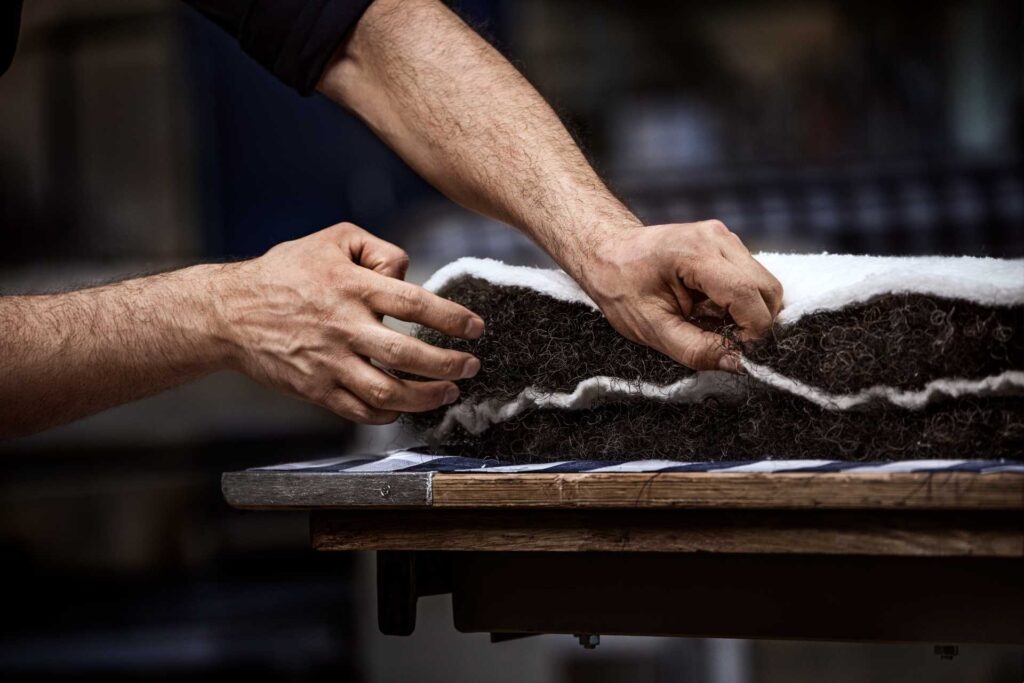
Natural materials like horsetail hair, cotton, wool, and linen create a bed that breathes, transports moisture, and regulates temperature. The horsehair, sourced as a by-product from partners around the world, is naturally springy and self-ventilating. It needs to be “massaged” regularly, which is why Hästens recommends rotating the bed. It helps the materials recover, just as the bed helps the body recover.
In the factory, craftspeople separate horsehair into fine, airy layers by hand, massaging fibres into place with a rhythm that feels almost meditative. A process where multiple layers of horsehair, cotton, and wool are joined by hand to create the distinctive Hästens elasticity and breathability.
The frames are built from slow-grown Swedish pine, selected tree by tree, ensuring stability, longevity, and a quiet, grounded energy that becomes part of the sleeper’s experience.
And then there are the springs. Hästens speaks of its spring systems as a science in themselves. Multiple spring layers, each with its own height and wire thickness, respond individually to the body, creating weightless support that allows the spine to align naturally.
It is this combination of softness and structure that produces the sensation of floating.
Beds with Horsepower
Hästens likes to joke that its beds have horsepower, and in a sense, they do. Horsetail hair is the brand’s beating heart. It is resilient, elastic, and naturally ventilated. It springs back instantly, just like a well-trained muscle. Anyone who has laid on a Hästens bed can feel this energy moving underneath.
This is not luxury for the sake of luxury. It is quite a luxury. The type that invests in wellbeing with intention.
The beds are made in one single factory, by a team whose collective knowledge spans centuries. And they are sold around the world because sleep is universal, even if the definition of comfort is personal. Five levels of firmness allow sleepers to tailor their bed to their body. Even the pillows can be custom-made to match the firmness of the bed.
A Hästens bed is not a status symbol. It is a commitment. An investment for the restless sleeper. An upgrade for the person who refuses to compromise on the quality of their rest.
And it is always evolving. As the Heritage Timeline notes, Hästens believes that 170 years of mastery is only the beginning. They are constantly testing new materials and refining techniques. In their words, the last bed is far from made.
The Icons: Vividus, Grand Vividus and the Jack Ryde Edition
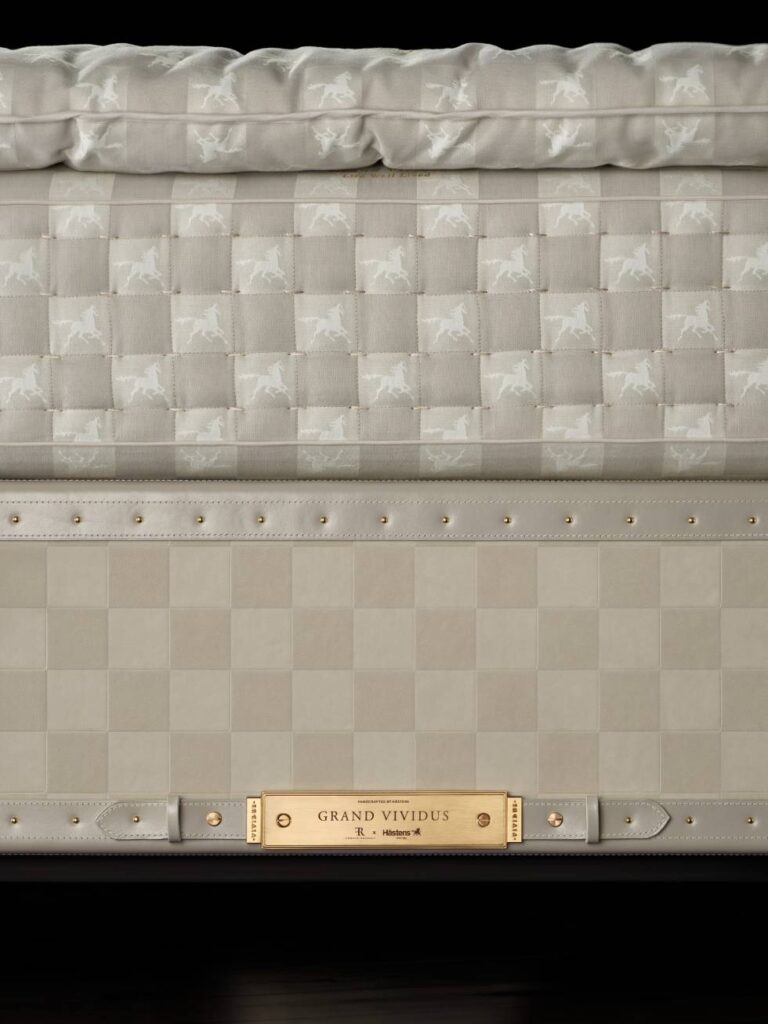
Some beds have become legends in their own right. The Vividus, introduced in 2006, is widely regarded as the purest expression of Hästen’s philosophy. The Grand Vividus, designed by Ferris Rafauli, elevates the idea further through a couture approach to sleep, blending architecture, design, and craftsmanship into a sculptural object of rest.
The new Jack Ryde Edition 2000T, launched as a tribute to the visionary who introduced the blue check in 1978, is one of the brand’s most exclusive models ever, limited to two thousand numbered pieces worldwide. The edition celebrates Jack and Solveig Ryde, the fourth generation, and includes deep craftwork, saddle leather corner details, bronze fittings, and a hand-embroidered signature plaque. It is a bed that honours the past but is designed for the future.
Do not let the mastery of the design intimidate you. Hästens offers a range of beds at different price levels, from entry models to those reaching six figures. A Hästens bed is an investment, and the twenty-five-year warranty says a great deal about the confidence they have in their craftsmanship and the longevity of what they create.
The Science of Better Sleep
According to Dr Chad Eldridge, Hästens sleep and wellbeing expert, true quality sleep has nothing to do with falling asleep quickly and everything to do with staying in deep, restorative sleep cycles. He explains that good sleep supports the heart, immune system, metabolism, emotional processing, cognitive function, and even muscle repair.
A bed made from natural, breathable materials helps the nervous system enter a parasympathetic state, which is essential for deep rest. Overheating, pressure points, and misalignment activate stress responses in the body that can interrupt the deepest stages of sleep.
Dr Eldridge also emphasises that the right bed is deeply individual. What matters is not price or firmness alone, but how the bed allows the body to relax, breathe, and release tension naturally. The ideal bed makes the sleeper feel almost weightless.
This philosophy underpins the approach at the Hästens Sleep Spa, where customers are guided through a tailored experience to discover the bed that genuinely suits their individual needs.
Standing inside the Hästens factory, it becomes clear that this company is not building beds. It is building a culture of rest. A belief that sleep can be perfected through patience, material intelligence, and devotion to detail.
This is what separates good from great. When you are never fully satisfied with the recipe of success, you keep finding ways to refine it. To make something timeless even better.
Hästens often says that its journey is still at the beginning. And perhaps that is why the beds feel so alive. Every stitch, every layer, every check in the pattern carries the energy of generations who believed that mastery is not a destination but a practice.
In a world that never stops, Hästens creates the one place where we are allowed to pause and return to ourselves through a good night’s sleep.
Image Courtesy of Hästens