The Water Blueprint A Quiet Revolution
text Jahwanna Berglund
This is the story of the world’s most advanced AI water system, and the hotel that is quietly redefining what luxury can mean from within.
There’s quiet poetry in water. It slips through our hands, reflects our skies, and sustains our bodies. And yet, despite being the most essential element of life, we have turned it into one of the most disposable. Every minute, a million plastic bottles are sold. Most will never be recycled. They will outlive us—in oceans, in landfills, even in our own bloodstreams.
It is within this paradox that Nordaq, a Swedish water company backed by entrepreneur Carl Douglas and led by group CEO Johanna Mattsson, is writing a different story. Their idea is deceptively simple: stop transporting water over water. Instead, purify it at the source, and in doing so, strip away the absurdity of shipping a resource that already flows beneath our feet.
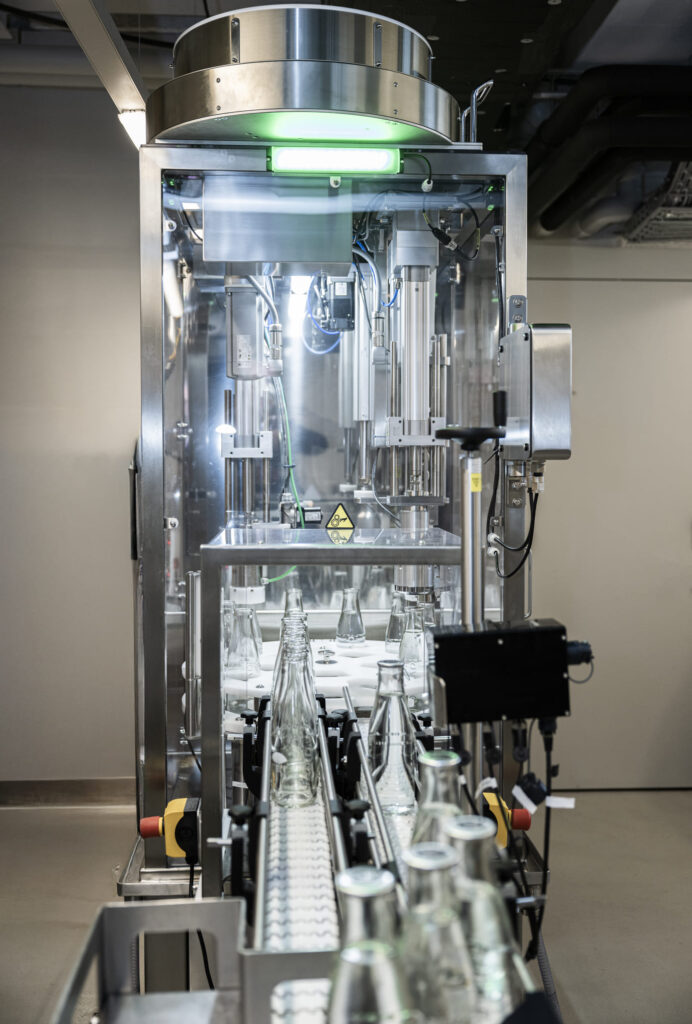
This vision is embodied in Nordaq’s most advanced invention to date, the NQ600, an AI-powered water system making its global debut at the Mandarin Oriental Palace, Luzern. At first glance, it looks like nothing more than filtered water served in elegantly weighted glass bottles. But beneath that surface lies a blueprint that could reshape not just hospitality, but how we think about water itself.
The NQ600 filters down to 0.03 microns, removing microplastics, bacteria, and contaminants while preserving essential minerals. More than a purification system, it is an intelligent collaborator: equipped with IoT sensors, it detects errors before they happen, geotags each bottle cap, and eliminates the need for transporting millions of plastic bottles. For the guest, it appears as simple as a carafe at the bedside. For the planet, it is transformative.
“In luxury, sustainability has too often been treated as a compromise, a quiet afterthought to grandeur,” says Mattsson. “What if sustainability could be the upgrade?” Here, it becomes an invisible design woven seamlessly into the guest experience.
photography Kristian Phol / Zap PR
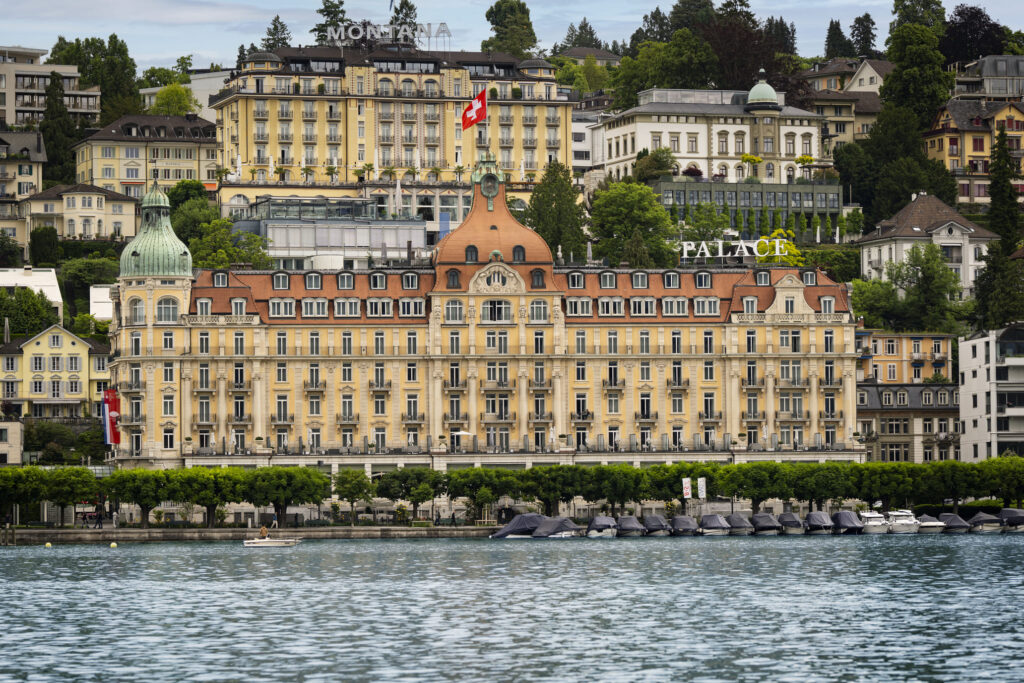
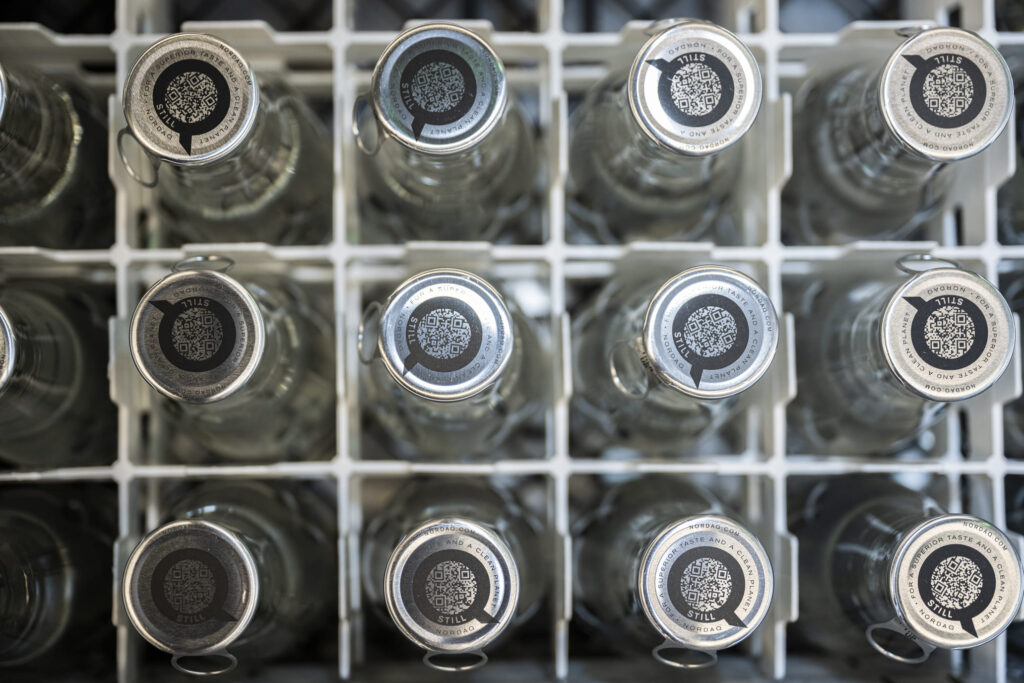
The choice of Mandarin Oriental Palace, Luzern as the debut site is no accident. Nestled between the Alps and Lake Lucerne, the hotel represents both the tradition of European luxury and the future of discreet innovation. In its suites, restaurants, and spa, water becomes more than hydration. It becomes a ritual. A pairing with fine dining. A companion to wellness. A gesture of care.
This is not just about a hotel. It’s about a shift in the narrative of luxury itself. When hotels, airlines, and industries adopt Nordaq’s model, the ripple effect extends to urban developments, cruise ships, and beyond anywhere water scarcity and sustainability converge. In 2024 alone, Nordaq systems helped eliminate 139 million plastic bottles. Since 2010, the total exceeds 5.8 billion.
Luxury has always been a mirror of society’s values. Today, it is no longer defined by excess, but by intention. By clarity. By systems that work beautifully and quietly. As Nordaq shows, progress doesn’t always announce itself with disruption; it sometimes flows, like water, into every part of our lives until it feels inevitable.
When luxury shifts, the world listens. What happens in Lucerne may ripple far beyond toward cities, industries, and communities where clean water is not just service, but essential. The question is no longer whether we can afford to change, but whether we can afford not to.
Not just in how water is served, but in how sustainability is seen: not as compromise, but as craftsmanship.
And that, too, is luxury.