In October 2024, a small film crew gathered on Gotland to create something both dark and strangely beautiful. Working in Visby, the cast and crew relied on each other completely, the isolation shaping not only the production but the emotional temperature of the film itself.
As the cinema release approached on March 20th, director Julia Thelin and actors Carla Sehn and Maxwell Cunningham reflected on the experience: the strange intimacy of the shoot, the trust it demanded, and what they hope audiences carry with them after watching Mecenaten.
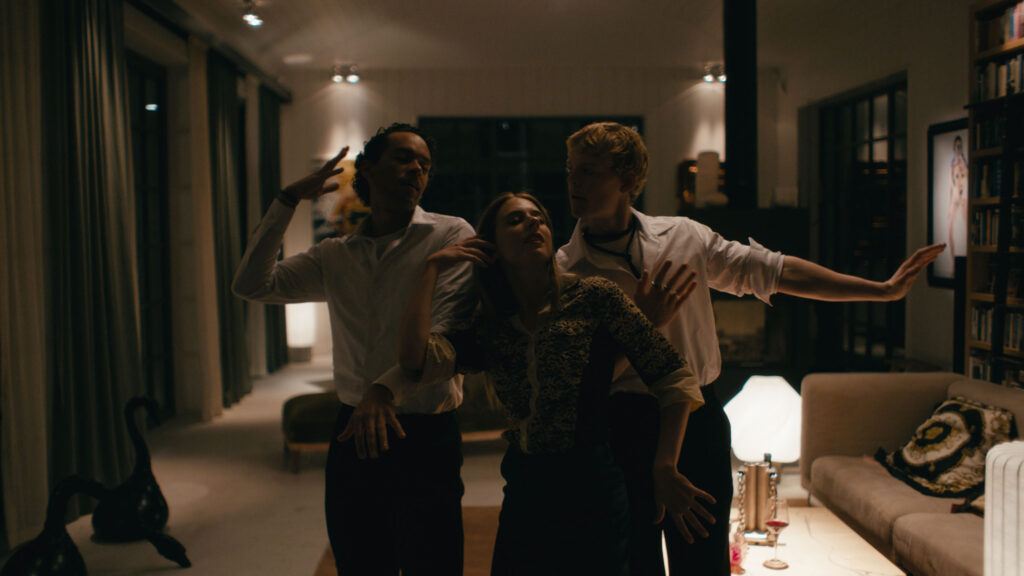
Thelin has spent more than seven years shaping Mecenaten into the film she wanted it to be. Cunningham and Sehn joined the project in 2023, after an audition process that was anything but conventional. “Julia wanted to see me be a bad dancer, but try anyway, and that made me feel beautifully seen.” Sehn said. “That’s a dream for me, a director who looks at me with beautiful eyes and sees me for all my mistakes.”
But her audition didn’t end there. After her first tape, the team didn’t think she was the right fit as Thelin had written the character as older. Sehn, however, couldn’t shake the feeling that she belonged in this film. “I called the producer and said, ‘I think you made a mistake – I think this part is mine.’” And she was on to something, Sehn’s interpretation of the character had stuck with the team. ”It was just obvious how Carla understood something about this character that was crucial” Thelin says.
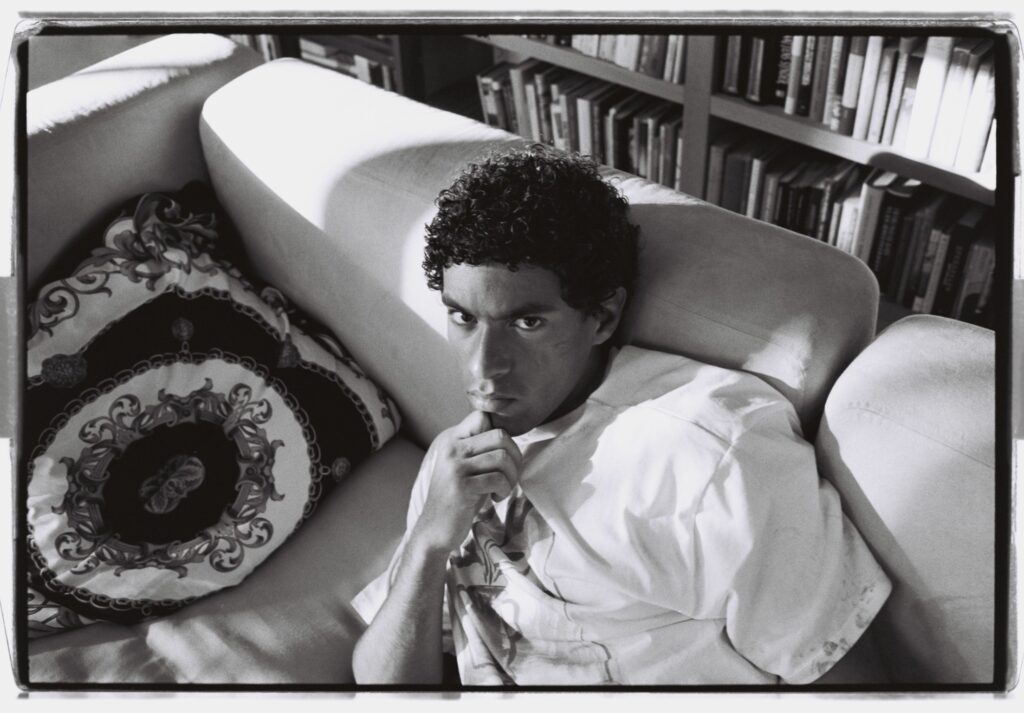
photography Johan Hannu
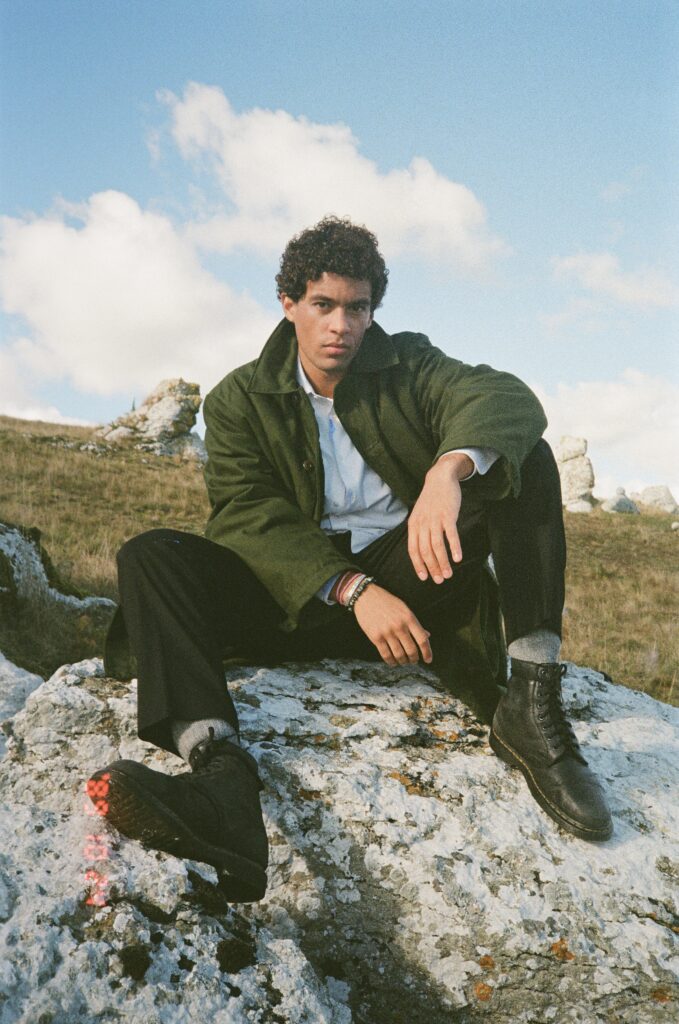
photography Johan Hannu
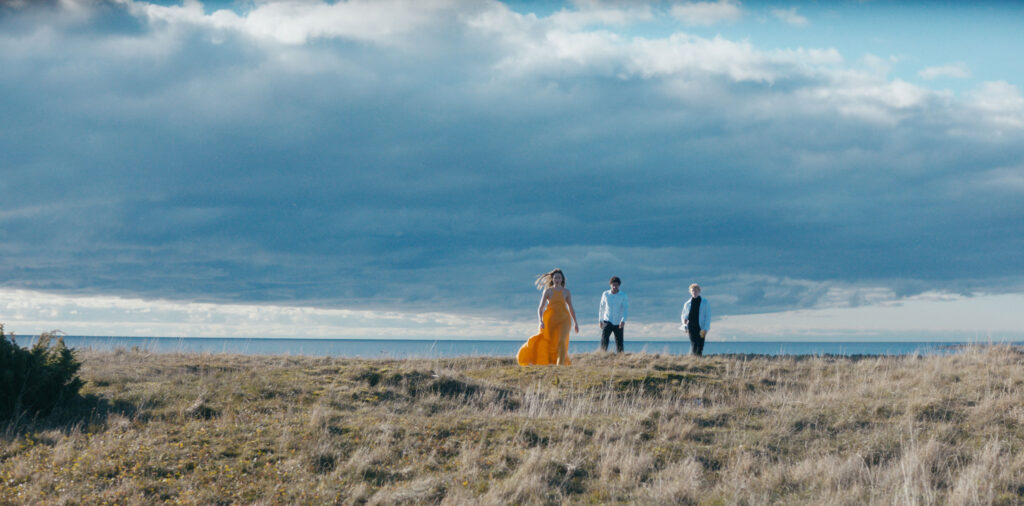
The cast joked that the production felt less traditional and more like a crew of pirates trying to hold a ship together. “We were somewhere on the edge of the world, trying to conquer the world with no money, it felt like. So that was how I would describe it. And in those kinds of situations, you become really close, because you have to depend on each other completely in order to do these kinds of scenes.” The combination of a small team, harsh weather and the isolation created a strange sense of solidarity.
According to Thelin, every film develops its own kind of DNA through collaboration, but atmosphere plays an equally important role. “I appreciate focus – you need to preserve your energy and put it in the right places,” she says. On Gotland, that atmosphere came almost effortlessly. As Cunningham put it, “It was easy to tune into the core of the film just by being there, left alone with each other.”
Coming into these particular characters wasn’t easy for everyone. Cunningham explains that the hardest part was stepping into someone far more passive than himself: “What felt unfamiliar for me was to depend on other people to make decisions. I have four younger siblings, so I never hesitate to make decisions. But my character is very codependent. He’s very shy. So that was something I had to grow into.”
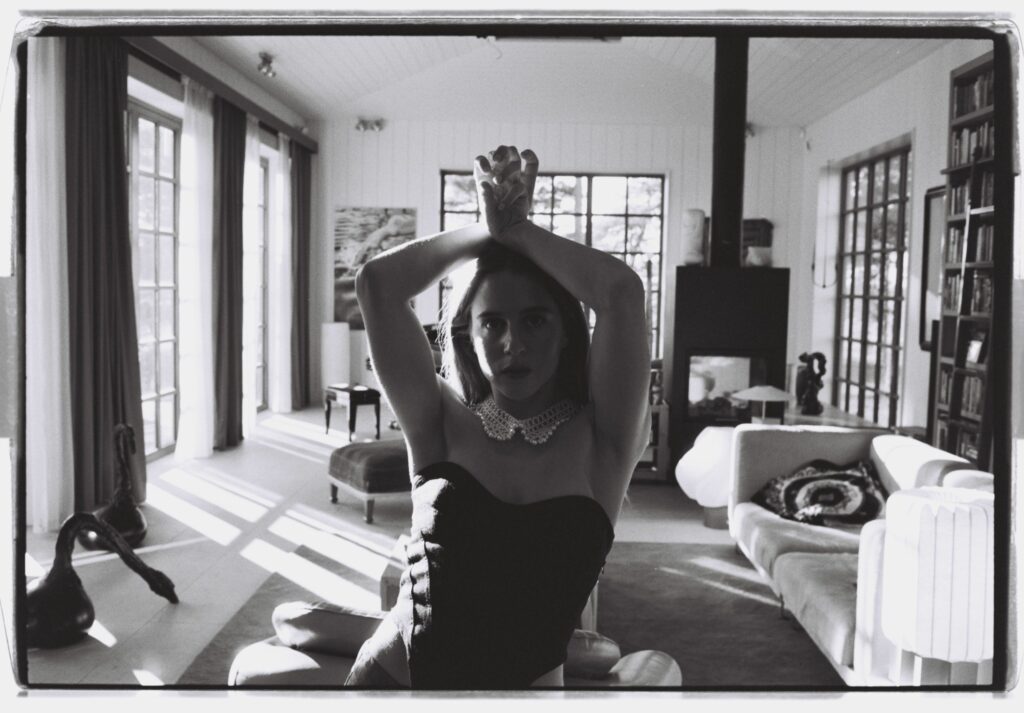
Sehn could easily step into the loneliness her character carries – “that’s a place I know really well,” she said – though laying that loneliness bare before an audience pushed her into unfamiliar ground. The film also gave Cunningham the chance to play a type he had never been offered before: “I’ve never been asked if I could play an art student. A lot of times, you’re just cast because you look a certain way. So I’m very thankful to Julia for trusting me.”
photography Lucas Lynggaard Tønnesen
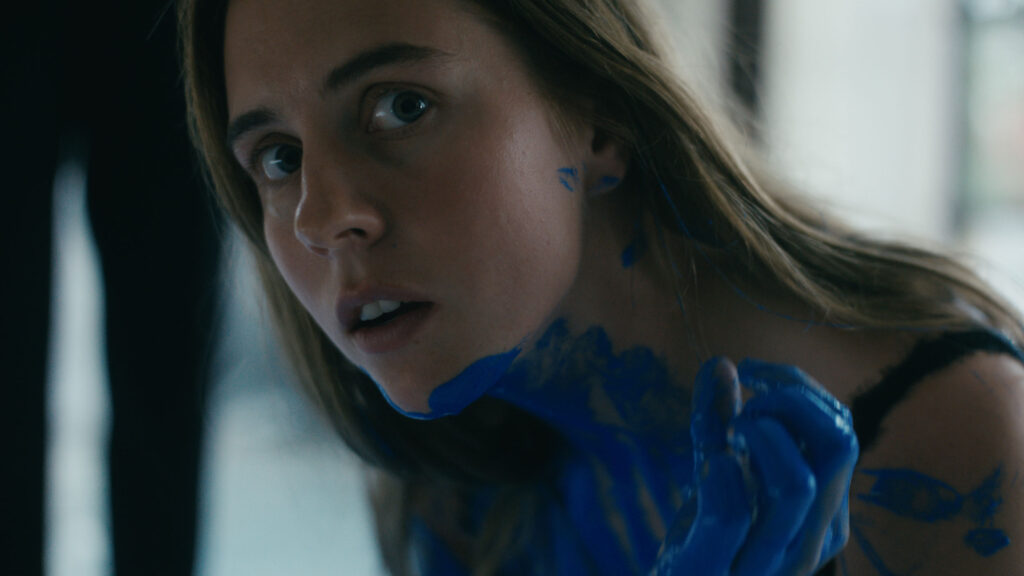
image courtesy TriArt Film
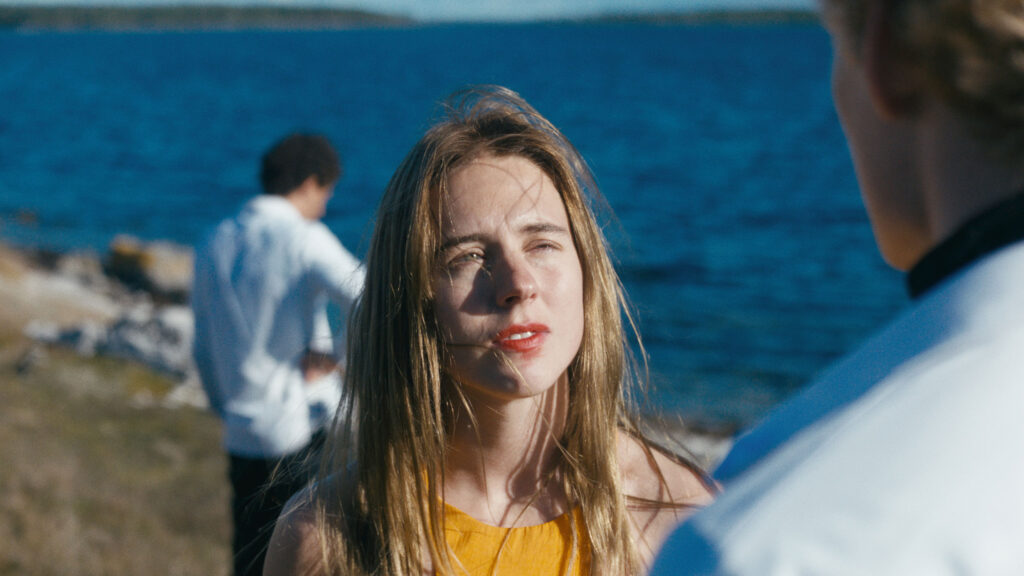
image courtesy TriArt Film
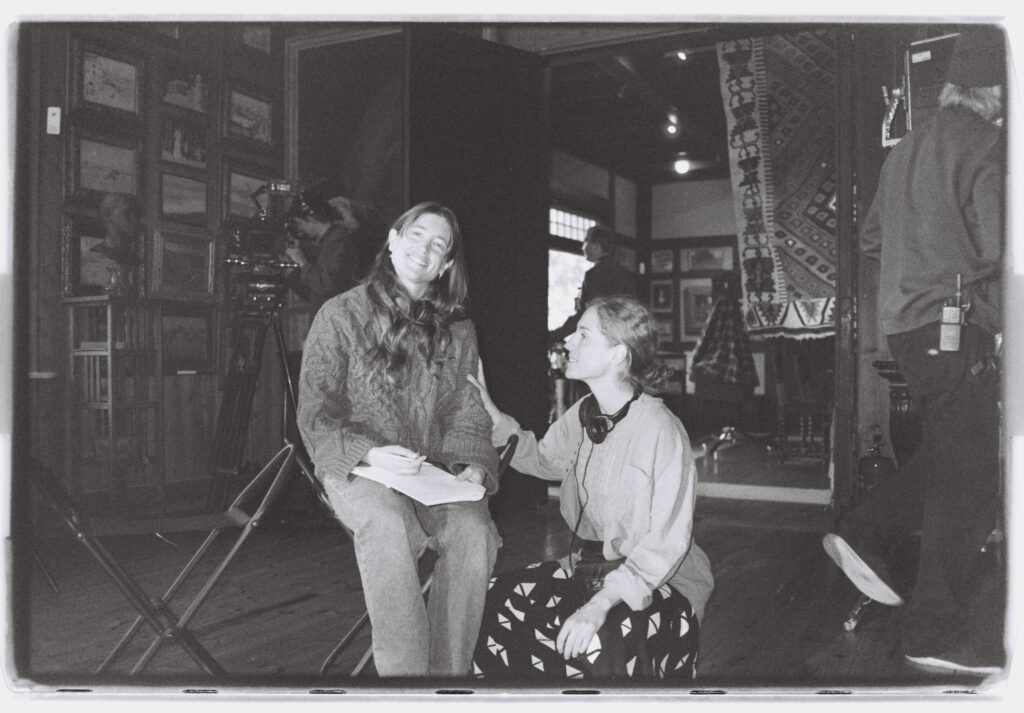
Much of this intensity came from the way Thelin works. Her direction is rooted in instinct, attention and a kind of quiet precision. “These three actors are in almost every scene, and they all work very differently,” she said, describing the balance she had to maintain. What she aimed for was a mix of “focus, but also playfulness.” Many of the film’s most charged moments, the long gazes and the tension between characters, weren’t planned. “A lot of the gazing in the film is real,” says Sehn. “We were processing things she said to us in the moment itself.”
In the end, they each hope the film leaves audiences with something slightly different. For Thelin, it is a kind of bittersweet release, “a sensation of being liberated by this character’s adventure with themselves, to have the audacity to take control of their own life and question all the stupid rules.” Sehn adds to that, hoping viewers feel a pushback against the people who doubt or diminish them. And Cunningham keeps it simple: “I’d love for people to have more fun… if that’s the thing they can gather from this film, just try to have more fun.”